Connect with us
DAPA Banner
DAPA Coin
DAPA
COIN PAYMENT ASSET
PRIVACY · BLOCKDAG · HOMOMORPHIC ENCRYPTION · RUST
ElGamal Encrypted MINE DAPA
🚫 GENESIS SOLD OUT
DAPAPAY COMING

Business

ASEAN’s AI Hub Race: Growth Hopes and Risks for Workers and SMEs

Published

on

ASEAN's AI Hub Race: Growth Hopes and Risks for Workers and SMEs

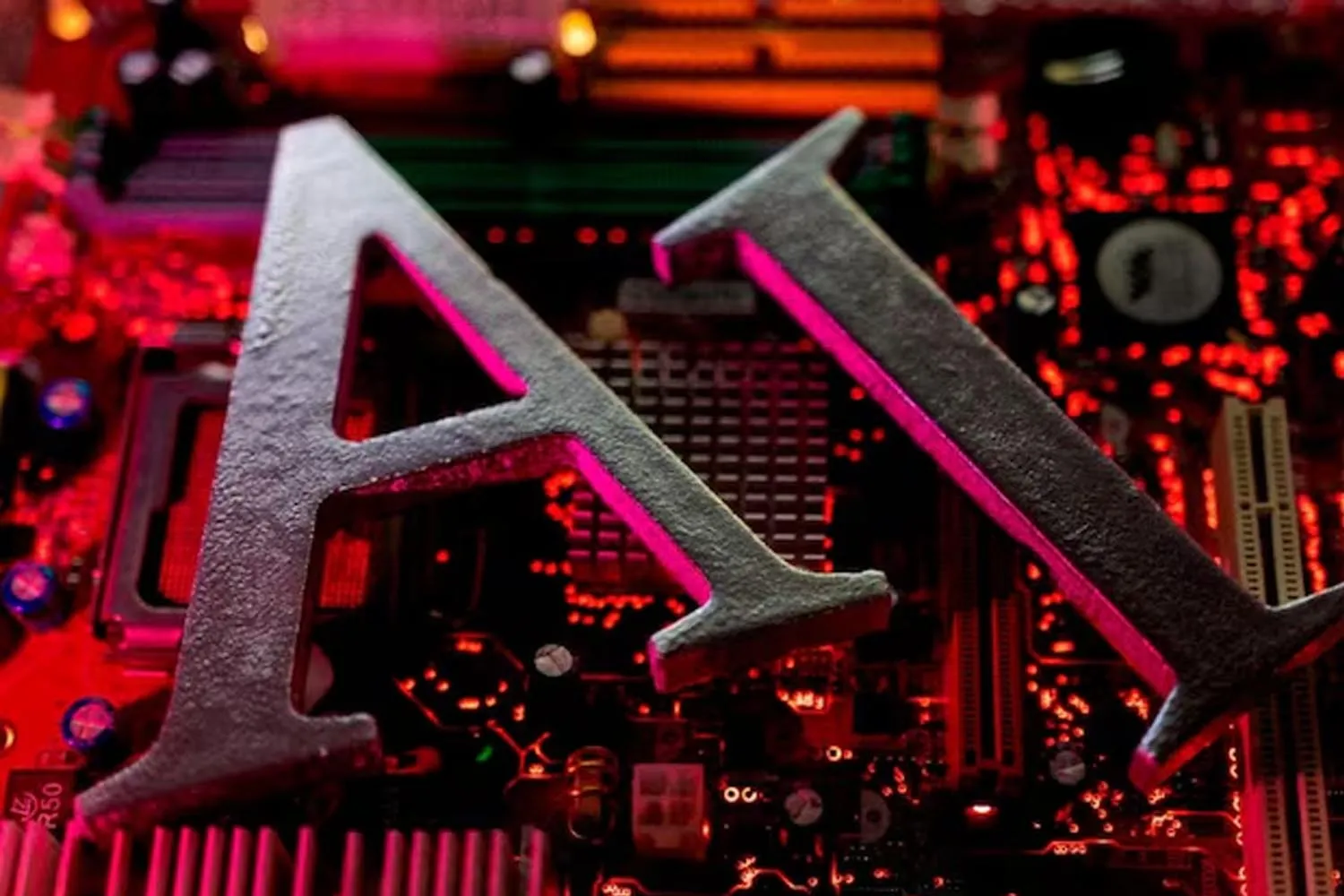
ASEAN nations like Malaysia, Singapore, and Thailand are racing to become AI hubs through semiconductor and data centre investment. However, risks include job displacement affecting 40 million gig workers, widening inequality, environmental strain, SME exclusion, and potential financial bubble concerns.

Key Points

• ASEAN nations, particularly Malaysia, Singapore, and Thailand, are aggressively investing in AI infrastructure, semiconductors, and data centres, with Malaysia generating US$117 billion in semiconductor exports and Singapore securing US$234 million in tech agreements.

• AI adoption threatens over 40 million gig workers and white-collar jobs, with major banks planning to cut tens of thousands of positions, potentially widening inequality while SMEs struggle to compete with large corporations.

• Environmental concerns, energy shortages, water stress, and warnings of an AI investment bubble comparable to the 2000 dot-com crash pose significant risks to the region’s rapid AI expansion.

Advertisement

ASEAN’s Race to Become an AI Hub

Regional governments are accelerating investment in artificial intelligence infrastructure, with Malaysia, Singapore, and Thailand leading the charge. Malaysia’s semiconductor exports reached US$117 billion in 2025, representing 25% of total exports, while over 140 data centre projects are underway. Singapore has secured US$234 million in agreements with Google and OpenAI, and Thailand approved a US$774 million AI integration budget. Companies like Malaysia’s Zetrix AI are developing intelligent agents targeting 1 million users by 2026, reflecting broader confidence that AI will become fully mainstream by 2031.


Environmental and Labour Risks Threaten Inclusive Growth

Data centres and chipmaking facilities consume enormous amounts of electricity and water, placing significant pressure on ASEAN’s already strained energy and environmental systems. Much of the required clean energy remains insufficient across the region, while water-intensive cooling systems risk worsening drought conditions. AI is simultaneously reshaping labour markets, with major corporations including Standard Chartered, HSBC, and Mizuho Bank collectively eliminating tens of thousands of jobs. ASEAN’s 40 million gig economy workers face particular vulnerability, lacking adequate welfare protections as automation accelerates across both low-skilled and white-collar sectors.


Inequality, SMEs, and the Threat of a Market Bubble

Economic gains from AI risk flowing disproportionately to capital owners rather than workers, as the ILO reports labour’s share of global income has already declined. Small and medium enterprises, which form the backbone of ASEAN economies, face significant barriers to AI adoption due to high infrastructure and talent costs, potentially widening the competitive gap with large corporations. Meanwhile, financial markets are raising alarms, with the Magnificent Seven technology giants surpassing US$23 trillion in combined valuation. Investor warnings comparing current conditions to the 1999-2000 dot-com bubble highlight the urgent need for ASEAN governments to balance opportunity with robust policy safeguards.

Advertisement
Continue Reading
Click to comment

You must be logged in to post a comment Login

Leave a Reply

Business

West Coast total assets reach $160m

Published

on

West Coast total assets reach $160m

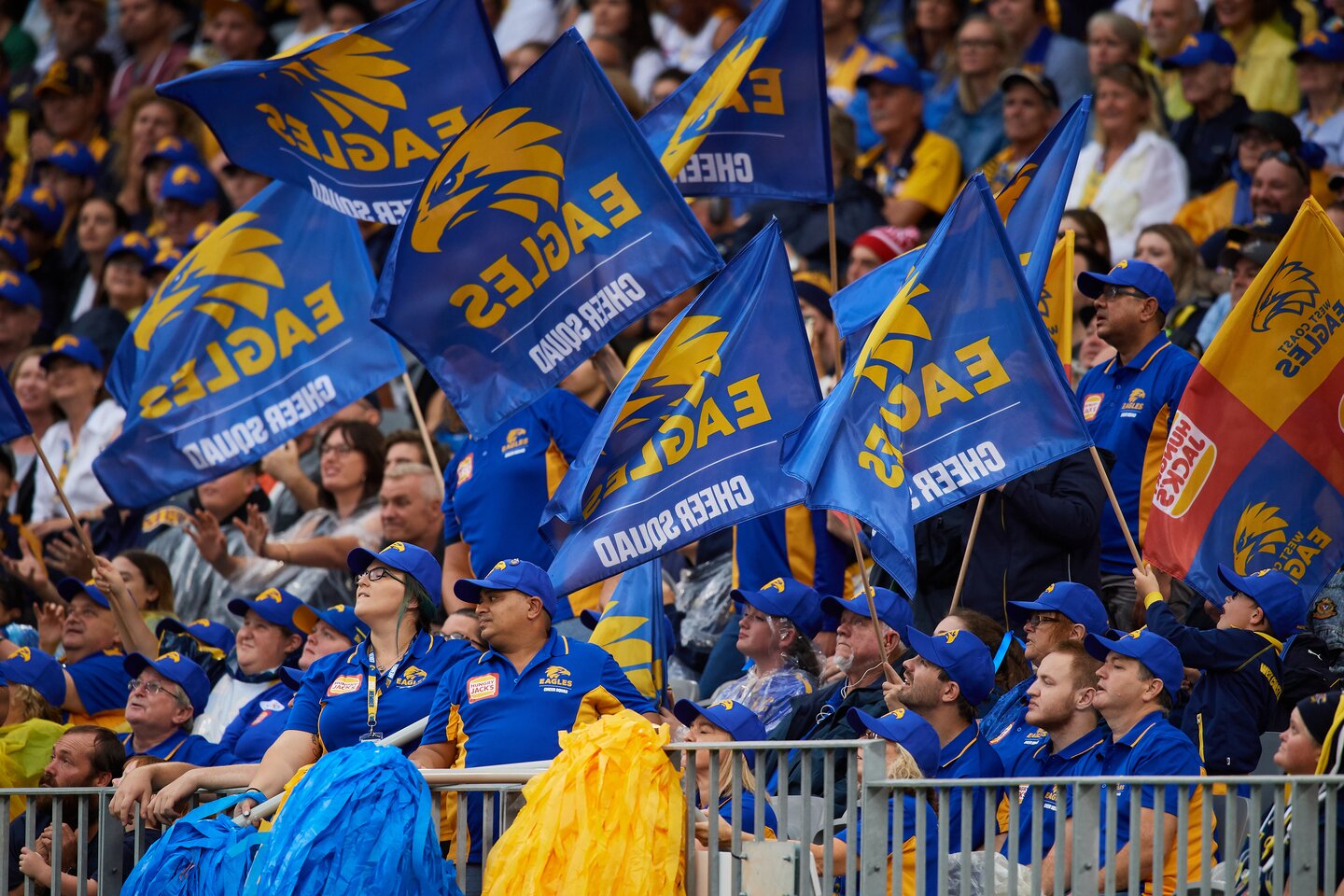
The West Coast Eagles continue to be one of Australia’s wealthiest national sporting organisations, with the club’s total assets now sitting at $160.1 million.

Continue Reading

Business

Texas launches investigates LinkedIn over claims of ‘ghost jobs’

Published

on

Texas launches investigates LinkedIn over claims of 'ghost jobs'

Texas has launched an investigation into LinkedIn over allegations the company allegedly advertised and profited from fake or misleading job listings known as “ghost jobs,” the attorney general’s office announced Tuesday.

The investigation centers on claims that job seekers who paid for LinkedIn Premium subscriptions may have been presented with listings that were not legitimate hiring opportunities, according to the attorney general’s office.

Advertisement

The attorney general’s office describes a “ghost job” as a listing that either does not correspond to an actual open position or is posted despite an employer having no immediate intention of filling the role, according to the attorney general’s office.

According to the attorney general’s office, LinkedIn does not disclose that some listings may not represent active hiring opportunities, leading some consumers to pay for Premium subscriptions based on allegedly misleading representations about the platform’s job marketplace.

META EMPLOYEES SUE ON ALLEGATIONS COMPANY USED AI TO TARGET WORKERS ON MEDICAL, PARENTAL LEAVE FOR LAYOFFS

Texas Attorney General Ken Paxton

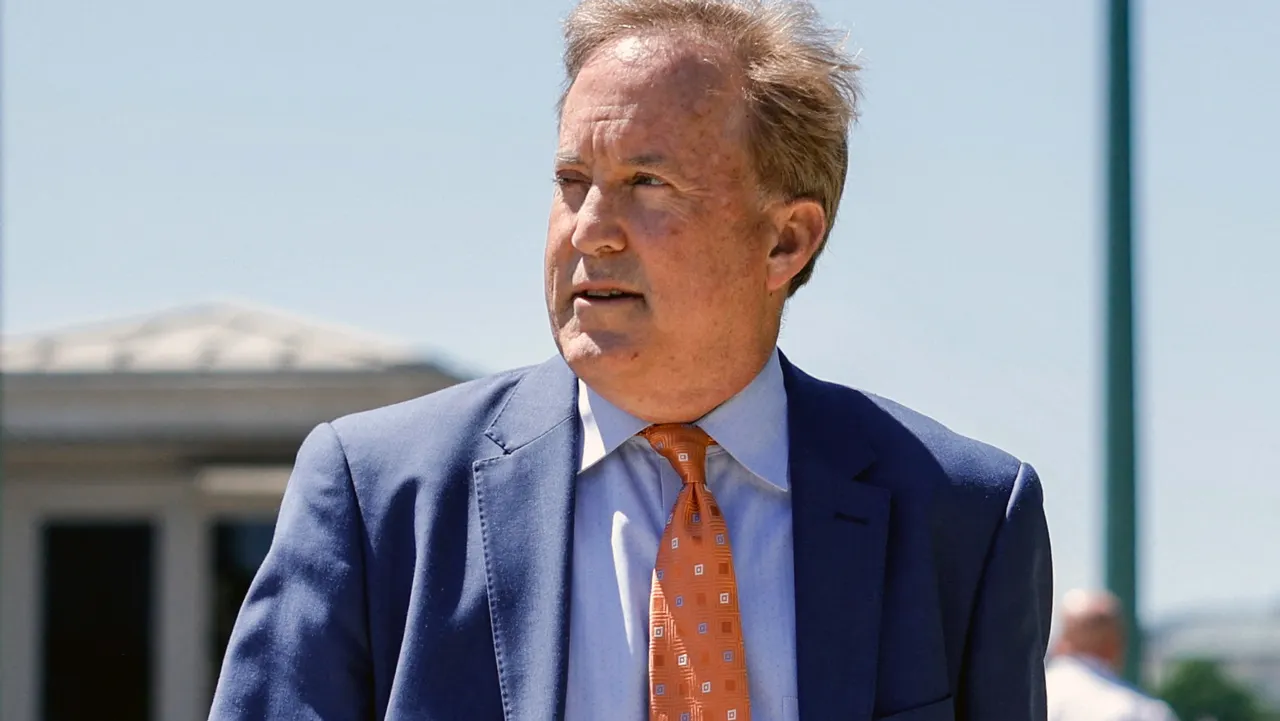
Texas Attorney General Ken Paxton announced an investigation into LinkedIn over allegations involving “ghost jobs” advertised on the platform. (Reuters)

Texas officials said LinkedIn Premium Career and Premium Business subscriptions cost about $39.99 and $69.99 per month, respectively.

Advertisement

“I will use every resource available to my office to help job-seeking Texans find and secure real employment opportunities,” Texas Attorney General Ken Paxton said in a statement.

“LinkedIn has a duty to provide the services it advertises and ensure that consumers paying for Premium subscriptions are receiving access to legitimate job postings,” he continued. “I am investigating whether LinkedIn has misled Texans by promoting and profiting from ‘ghost jobs’ while marketing itself as a trusted platform for finding employment.”

Paxton said his office has issued a Civil Investigative Demand seeking documents, data and internal communications related to LinkedIn’s advertising, marketing, verification practices and representations about its Premium subscription services and job listings.

IBM SENDS ‘SHOCKWAVE’ THROUGH TECH INDUSTRY WITH AI WARNING

Advertisement
LinkedIn logo on smartphone

Texas is investigating LinkedIn over allegations that some job seekers paid for Premium subscriptions while encountering alleged “ghost jobs.” (Jonathan Raa/NurPhoto via Getty Images / Getty Images)

In response to the investigation, LinkedIn defended its job marketplace, saying listings on the platform are required to be authentic and accurately represented.

“LinkedIn’s goal is to help jobseekers find their next role, and our policies require that jobs posted be authentic and accurately represented,” a LinkedIn spokesperson told FOX Business. “For many jobs posted on LinkedIn, we also display the company’s response time and whether they’re currently reviewing candidates, which helps jobseekers know if it is a current, active job opportunity.”

“We actively enforce our policies and continually invest in new features like verifications for jobs, recruiters and company pages to help LinkedIn members identify more trusted opportunities,” the spokesperson added.

GET FOX BUSINESS ON THE GO BY CLICKING HERE

Advertisement
LinkedIn logo

LinkedIn defended its job marketplace after Texas launched an investigation into allegations involving fake or misleading job listings. (Photo Illustration by Pavlo Gonchar/SOPA Images/LightRocket via Getty Images / Getty Images)

The attorney general’s investigation has not resulted in formal charges or a lawsuit.

Continue Reading

Business

Tata Elxsi shares slide 6% after weak Q1 results. Why Motilal Oswal sees 16% downside from current levels?

Published

on

Tata Elxsi shares slide 6% after weak Q1 results. Why Motilal Oswal sees 16% downside from current levels?
Shares of Tata Elxsi slipped 6% to their day’s low of Rs 3,474 on the BSE on Wednesday after it reported a net profit of Rs 170.6 crore for the quarter ended June 30, 2026, marking a growth of 18.2% year-on-year (YoY). Revenue from operations rose 14.5% YoY and 2.8% sequentially to Rs. 1,021.1 crore.

The company’s profit before tax (PBT) stood at Rs. 232.5 crore during the quarter, up 18.4% from a year ago, with a PBT margin of 21.9%.

Operating performance also remained strong, with EBITDA rising 15.7% year-on-year to Rs. 216 crore. The company reported an EBITDA margin of 21.2%, while its net profit margin came in at 16.1% for the quarter.

What are analysts saying?

Motilal Oswal has maintained its Sell rating on Tata Elxsi with a target price of Rs. 3,100, implying a downside of around 16% from current levels.The brokerage said the company’s June quarter performance does little to alter its broader growth outlook. Revenue grew 1.3% quarter-on-quarter in constant currency, broadly in line with expectations, but the growth was largely driven by the Media & Communications segment. The larger Transportation business, which contributes around 55% of revenue, along with Healthcare, continued to remain weak.

Advertisement

Motilal Oswal believes a meaningful recovery in Tata Elxsi’s growth will depend on an improvement in the Transportation segment, where client spending, particularly across Europe, remains cautious.
The brokerage also highlighted that margins were significantly below expectations. Tata Elxsi’s EBIT margin contracted to 19%, missing its estimate of 21.5%.
Choice Institutional Equities has downgraded Tata Elxsi to Sell and cut its target price to Rs. 3,150 from Rs. 3,650, after lowering its FY27 and FY28 earnings estimates by 2.7% and 6.0%, respectively.
The brokerage said Tata Elxsi’s Q1FY27 performance was weaker than expected, with margins hurt by higher project costs and continued strategic investments despite healthy growth in the Transportation and Media & Communications segments.

While the company’s management continues to target high single-digit revenue growth in FY27, backed by a healthy large-deal pipeline and an expected recovery in the Healthcare business, Choice Institutional Equities remains more cautious. It cited continued weakness in the European automotive market and delays in healthcare order conversions as key risks.

The brokerage also noted that Tata Elxsi is accelerating investments in AI capabilities, platforms and talent to strengthen its domain-plus-AI offering. While these investments are expected to improve the company’s long-term growth prospects and competitiveness, they are likely to keep margins under pressure in the near term.

Tata Elxsi Q1 management commentary

Tata Elxsi said its Healthcare and Life Sciences business grew 1.7% quarter-on-quarter despite a subdued demand environment in the healthcare industry. The company said it is investing in an AI-first, design-led and regulatory-aware engineering approach for the segment, while partnering with leading global AI companies. During the quarter, it launched ViTEL, a GenAI-powered material intelligence platform, and AnaTEL, an AI-native software development platform for the medtech and healthcare industry.

The company said it remains well positioned to address customers’ strategic priorities across its focus verticals, including connected, intelligent and software-defined products, digital transformation, AI-led efficiencies, customer experience and engineering modernisation.

Advertisement

Tata Elxsi added that it remains focused on delivering sustainable growth by deepening relationships with key customers, pursuing long-term strategic deals, adding marquee clients and maintaining its industry-leading margins.

(Disclaimer: Recommendations, suggestions, views and opinions given by the experts are their own. These do not represent the views of The Economic Times)

Continue Reading

Business

Nuvoco Vistas shares soar 10% after strong Q1. Why Nomura, Choice see up to 47% upside?

Published

on

Nuvoco Vistas shares soar 10% after strong Q1. Why Nomura, Choice see up to 47% upside?
Shares of building materials company Nuvoco Vistas soared 10% to Rs 375 on the BSE on Wednesday after a host of brokerages issued bullish calls on the counter following a robust set of figures in the first quarter of FY27.

The company reported a 20% increase in net profit to Rs 160 crore in the first quarter of FY27 and a 9% growth in revenue to Rs 3,129 crore.

The company said 5% year-on-year volume growth reflects resilient execution despite a challenging operating environment. Further, sustained cost discipline and operational efficiencies supported 7% YoY EBITDA growth, marking the company’s strongest first-quarter EBITDA performance to date.

Nuvoco said underlying cement demand improved during the June quarter, although demand remained temporarily subdued in some states due to election-related factors. The company noted that central government capital expenditure rose 13% year-on-year in Q1 FY27, up to May 2026, while ongoing infrastructure and housing projects continued to support demand.

Advertisement

Also read: Nuvoco Vistas starts Limla Cement Plant, strengthens footprint in Western India

What are experts saying?

Choice Institutional Equities has retained its ‘Buy’ rating on Nuvoco Vistas and revised its target price to Rs 500 (47% upside) per share. The brokerage remains positive on the company, citing resilient pricing, disciplined cost management and a strong capacity-led growth pipeline. While it expects Q2 FY27 cost inflation of around Rs 100 per tonne, lower than its earlier estimate of Rs 200 per tonne, it believes ongoing fuel optimisation, higher alternative fuel (AFR) usage and stable cement prices should help cushion margin pressures.


It also expects the early commissioning of the 2 MTPA Surat grinding unit to support long-term growth by expanding the company’s presence in western India. Choice estimates Nuvoco’s EBITDA will grow at a CAGR of 8.8% over FY26-FY29 and believes the stock offers an attractive valuation with scope for a gradual re-rating.
Nomura has maintained a ‘Buy’ rating on Nuvoco Vistas with a target price of Rs 400 (17% upside). The brokerage said the company’s Q1 FY27 EBITDA of Rs 570 crore exceeded both its estimates and the Bloomberg consensus by 22% and 16%, respectively, driven by stronger-than-expected realisations.
Read more:
Cement firms do well amid strain, but face capacity test
Unitary EBITDA stood at Rs 1,072 per tonne, rising over Rs 90 per tonne sequentially and coming in 23% above Nomura’s estimate. Grey cement volumes grew 4% year-on-year to 5.3 million tonnes, broadly in line with expectations, while blended realisations improved 7% quarter-on-quarter and were 4% higher than the brokerage’s forecast, supported by better pricing across key markets.

Nuvoco Vistas Q1 commentary

“The geopolitical uncertainty that has persisted over recent quarters has tested supply chains and cost structures across the industry. Our teams have managed this well, maintaining strong cost discipline while preserving operational performance.”

“Going forward, we remain watchful of evolving geopolitical developments and will continue to pursue prudent procurement, cost optimisation and ongoing improvements in supply chain efficiency,” the company said.

Advertisement

(Disclaimer: Recommendations, suggestions, views and opinions given by the experts are their own. These do not represent the views of The Economic Times)

Continue Reading

Business

Plans for old Dorset nuclear site could curb jobs growth, warns innovation park

Published

on

Business Live

The Nuclear Decommissioning Agency is proposing to restore Winfrith to natural heathland

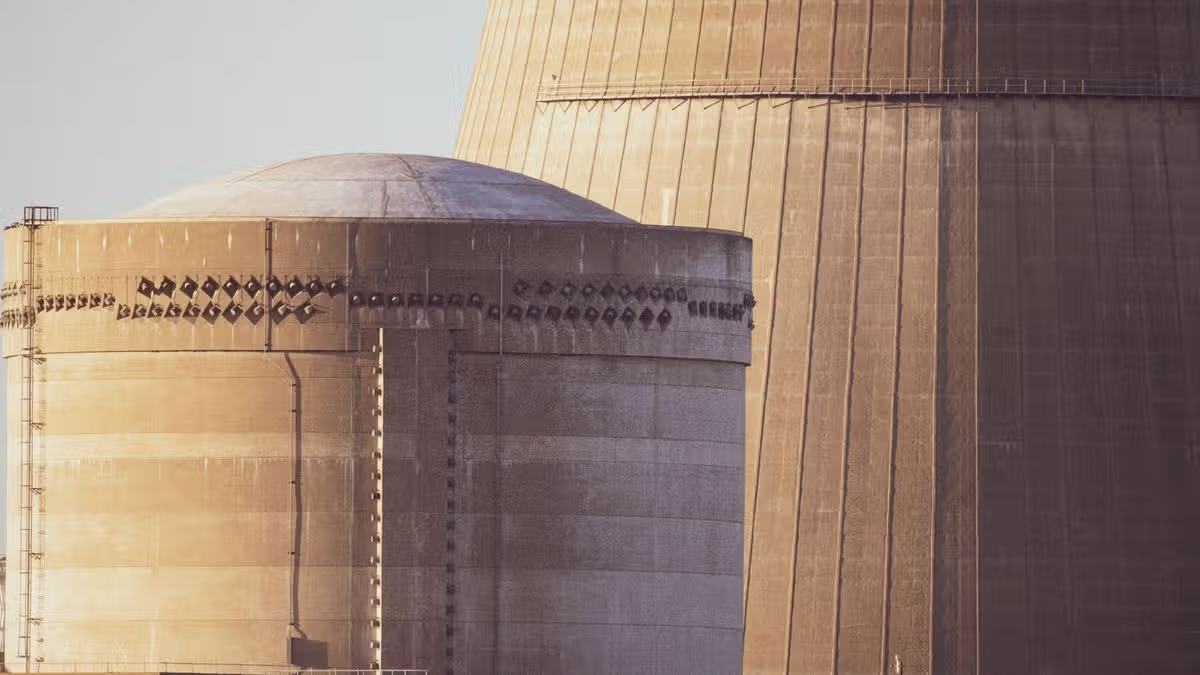
A generic close-up view of nuclear reactor buildings bathed in golden light

A generic picture of nuclear reactor buildings(Image: Sean Twomey)

The restoration of Dorset’s Winfrith nuclear site to heathland looks set to face opposition from a neighbouring innovation park keen to utilise at least a portion of the land for job creation.

Advertisement

A masterplan for the former nuclear facility is currently being proposed by the Nuclear Decommissioning Agency – with a 15-20 year outlook.

Its present plans indicate the entire former nuclear site, including 21 hectares adjoining Dorset Innovation Park, would be returned to natural heathland.

Nick Webster, head of growth and economic regeneration at Dorset Council, informed an innovation park shareholders committee on Tuesday the heathland restoration proposal was “an issue” for the park, though a definitive ruling remained some considerable way off.

There is an estimated 8-10 years anticipated for the remaining nuclear site decommissioning, with heathland restoration, should it proceed, to follow afterwards.

Advertisement

He noted the masterplan was currently open for comment and Dorset Council would need to consider its position on the heathland restoration proposal, potentially arguing that not all of the site should be converted to heathland.

The same gathering was informed the Innovation Park had received £466,000 more in retained business rates than anticipated – yielding £976,000 against the projected £510,000.

Council finance portfolio holder Cllr Simon Clifford welcomed the figures – while simultaneously calling for an investigation into why the gap between actual returns and initial estimates had proved so substantial.

Mr Webster said the additional funding would bolster the Innovation Park’s long-term viability and provide greater investment capacity for projects than originally forecast.

Advertisement

The park, while operating as an independent entity, is owned by Dorset Council, which has ambitious plans to generate approximately 800 jobs through site development, effectively doubling the current workforce distributed across roughly 40 businesses – with particular emphasis on defence, advanced engineering, research and green energy.

The facility houses BattleLab, a Nato-accredited testing and evaluation facility operated with the Ministry of Defence.

Current proposals include establishing 300 new jobs by 2031 – though the original target was 2029, according to the council’s corporate plan.

The location is Dorset’s sole Enterprise Zone, which confers benefits including the ability to retain 100 per cent of business rate growth generated by the site.

Advertisement
Continue Reading

Business

Kospi Soars Over 7% as SK Hynix, Samsung Rally on Cooling US Inflation, Triggering Buy-Side Trading Curb

Published

on

Earnings News: Micron Technology Inc (NASDAQ: MU)

SEOUL — South Korea’s benchmark Kospi index surged more than 7% on Wednesday, reclaiming the 7,000-point threshold and triggering an automatic buy-side trading curb, as chipmakers SK Hynix and Samsung Electronics led a sharp rebound following softer-than-expected U.S. inflation data.

The Kospi stood at 7,382.22 points as of 1:28 p.m. local time, up 525.39 points, or 7.66%, for the day. The rally followed a five-minute buy-side sidecar suspension activated at 9:06 a.m., after the Kospi 200 Futures index jumped 6.5% at the open, according to the Korea Exchange. A sidecar can be triggered when the futures index rises more than 5% above the prior session’s close and holds for at least one minute.

The index closed at 6,856.83 on Tuesday, up 0.73% in a session that saw a modest recovery from an earlier rout. Wednesday’s surge builds sharply on that rebound, coming just days after the Kospi suffered its worst-ever Seoul session over the weekend and extended losses further on Monday amid renewed Middle East tensions.

Chipmakers Drive the Rally

Advertisement

The advance was overwhelmingly powered by South Korea’s two largest listed companies. SK Hynix, the world’s second-largest memory chipmaker, jumped as much as 12% in Wednesday’s session after its U.S.-listed shares soared 27.29% overnight to $193.92, according to trading data. Samsung Electronics climbed nearly 8% during the session as well, while smaller semiconductor equipment maker Hanmi Semiconductor surged roughly 25% at one point.

The rally in SK Hynix’s American depositary receipts was fueled in part by Barclays, which initiated coverage of the stock with an “Overweight” rating and a $330 price target, citing expectations for continued strong demand for AI memory chips and a potential valuation rerating for the company.

Other heavyweight stocks also advanced. SK Square gained 19.1%, Hanwha Aerospace rose 5.5%, LG Energy Solution added 3.7%, Kia Corporation climbed 2.5% and Hyundai Motor rose 1.2%, according to market data.

Because Samsung Electronics and SK Hynix together account for nearly 60% of the Kospi’s total weighting — up from roughly 40% two years ago — their swings have an outsized effect on the broader index’s movements, a concentration that some analysts have flagged as a growing structural risk. Goldman Sachs has warned that if the combined weighting of the two companies rises even one more percentage point, foreign institutional investors bound by U.S. Investment Company Act diversification rules could be forced to sell shares, according to market commentary.

Advertisement

Cooling U.S. Inflation Eases Rate Fears

Wednesday’s rebound in South Korea followed a stronger overnight session on Wall Street after the U.S. government reported that June consumer prices rose at a slower pace than economists had expected. The annual inflation rate came in at 3.5%, below forecasts of 3.9%, easing concerns that the Federal Reserve would need to pursue a more aggressive pace of interest rate increases.

The cooler inflation reading, combined with strong second-quarter earnings from major U.S. banks, helped drive a recovery in risk appetite across global markets, including gains in the S&P 500 and Nasdaq Composite overnight. That momentum carried into Asian trading Wednesday, with Japan’s Nikkei 225 also posting a steady recovery, rising 1.36% to trade near 68,665.89 points. Japanese chip-adjacent names also advanced, including Kioxia, which rose more than 7%.

Middle East Tensions Remain a Wildcard

Advertisement

Despite Wednesday’s rally, uncertainty tied to the ongoing conflict between the United States and Iran continued to weigh on investor sentiment more broadly. Markets had been rattled in recent sessions after the U.S. reinstated a blockade of Iranian ports and carried out further military strikes, while two tankers were reportedly struck in the Strait of Hormuz. Oil prices had climbed on the disruptions before easing somewhat after President Donald Trump said in a social media post that a proposed 20% fee on ships transiting the strait would be replaced with trade and investment agreements involving Gulf states.

The geopolitical backdrop had contributed to a punishing start to the week for Korean equities, with the Kospi tumbling nearly 3% on Monday to around 6,610 points — its lowest level since late April — as SK Hynix’s U.S.-listed shares had tumbled more than 9% and Samsung fell over 2% in the prior session’s rout.

A Broader Boom, With Caveats

Wednesday’s gains add to what has already been a remarkable run for South Korean equities in 2026. The index has surged more than 88% since the start of the year and is up more than 200% over the past two years, a rally driven overwhelmingly by investor enthusiasm for companies tied to the global buildout of artificial intelligence infrastructure, particularly memory chip producers.

Advertisement

South Korea’s finance ministry added to the optimistic tone this week, saying the country’s economic recovery is solidifying on the back of robust exports and improving domestic demand, and raising its 2026 growth forecast to 3%.

Still, some market watchers have cautioned that the index’s heavy reliance on just two stocks, along with elevated valuations in SK Hynix’s U.S.-listed shares relative to its Korean-listed stock, could leave the market vulnerable to sharp reversals — a dynamic borne out by the wild swings of the past week alone.

Investors are now looking ahead to a busy stretch of catalysts that could determine whether Wednesday’s rebound has staying power, including second-quarter earnings from Dutch chip equipment maker ASML and testimony from Federal Reserve Chair Kevin Warsh before the Senate Banking Committee, following his debut appearance before the House Financial Services Committee a day earlier.

Advertisement
Continue Reading

Business

Spain Stun World Cup Favorites France 2-0 in Arlington to Reach Final, Set Up Clash With England or Argentina

Published

on

LeBron James #23 of the Los Angeles Lakers talks with a teammate during a game against the Chicago Bulls at the United Center on March 12, 2019 in Chicago, Illinois.

ARLINGTON, Texas — Spain booked their place in Sunday’s World Cup final after dismantling France 2-0 on Tuesday, ending the tournament run of the pretournament favorites and reaching their first championship match since winning the title in 2010.

In a semifinal billed as a coin-flip matchup between two European heavyweights, Spain dominated for most of the contest and more than deserved the victory. Forward Mikel Oyarzabal put manager Luis de la Fuente’s side ahead in the 20th minute from the penalty spot after France left back Lucas Digne was penalized for inadvertently kicking Lamine Yamal in the box. It was one of several errors that marred a dismal first-half performance from France.

Didier Deschamps, who will step down as France’s coach after the tournament, absorbed another blow 10 minutes later when Arsenal center back William Saliba was forced off with a back injury and replaced by Maxence Lacroix.

France, winners in 2018 and runners-up in 2022, showed brief signs of life after halftime, but any momentum was erased by Spain’s second goal. Right back Pedro Porro combined on a give-and-go with midfielder Dani Olmo before calmly slotting a finish past goalkeeper Mike Maignan.

Advertisement

For all of France’s attacking talent, the team finished with an expected-goals total of just 0.3. Spain, the reigning European champions, advanced to face either England or Argentina, who meet Wednesday in the tournament’s second semifinal in Atlanta.

A Team Effort Undoes the Favorites

Spain’s approach relied on technical ability across the lineup to neutralize France’s strengths, according to ESPN senior writer Gabriele Marcotti, who noted the team’s ability to keep possession for long stretches and immediately hunt to win the ball back blunted France’s buildup play. Central midfielders Adrien Rabiot and Aurélien Tchouaméni were outmanned by Spain’s midfield and received little help from a back line built around defenders not known for their ability on the ball, Marcotti wrote. Saliba’s injury replacement, Lacroix, compounded the issue.

That press, Marcotti wrote, robbed France of the long ball over the top that its speed-based forwards — Bradley Barcola, Ousmane Dembélé and Kylian Mbappé — rely on. Deschamps tried adjustments, dropping Michael Olise deeper before halftime and then substituting Manu Koné for Rabiot to add passing composure, without success.

Advertisement

Spain’s Path to the Final

Spain’s win secured their first World Cup final appearance since 2010, when they lifted the trophy. Waiting in New Jersey will be either England, whom Spain defeated to win Euro 2024, or Argentina, a matchup that would revive a fixture that was originally scheduled as the 2025 Finalissima before being canceled amid the Iran war and scheduling conflicts tied to the inaugural FIFA Club World Cup, according to Marcotti. Spain and Argentina last met in a March 2018 friendly — a 6-1 Spain win that Lionel Messi missed through injury.

If Spain face England, it will not be a straight repeat of the Euro 2024 final, as manager Thomas Tuchel has altered the squad he inherited from predecessor Gareth Southgate.

France’s Attack Goes Silent

Advertisement

ESPN’s Julien Laurens described France’s vaunted front four of Mbappé, Olise, Barcola and Dembélé as going from “Fantastic Four” to invisible in the biggest match of the tournament. Deschamps, typically a conservative and defensive-minded coach, had adjusted his approach throughout the tournament to accommodate the group’s talent — a strategy that worked until Tuesday.

Olise appeared uncharacteristically nervous and was stifled by Spain midfielder Rodri, according to Laurens, eventually retreating to the right wing for stretches of the match. Dembélé, the reigning Ballon d’Or winner, struggled similarly, managing only two late shots on target as his most meaningful contribution — echoing his early substitution in the 2022 World Cup final. Mbappé had France’s most notable moments but was often isolated, forced to create chances largely on his own. Barcola, meanwhile, was hampered by a late lineup change; Deschamps had reportedly favored Désiré Doué to start on the left before reversing course on the morning of the match, leaving France without the space to use Barcola’s pace effectively.

Defense Carries Spain

Spain entered the match having allowed just one goal through their first six games, and their back line delivered again under pressure from France’s attack. Goalkeeper Unai Simón was required to make only three saves, most of them routine, according to ESPN writer Bill Connelly.

Advertisement

With left back Marc Cucurella pushing frequently into attacking areas, the defensive burden fell to Rodri, Fabián Ruiz, Porro and center backs Aymeric Laporte and Pau Cubarsí. That group combined to win 25 of 34 individual duels — 74% — and made 44 defensive interventions, per Connelly’s analysis. Mbappé, dominant through the tournament’s first six matches, won just two of 11 duel attempts and managed only three shots worth a combined 0.08 expected goals. France attempted just 10 shots from 152 touches in the attacking third over the full match.

Spain weathered a late push from France, conceding possession and daring Les Bleus to break down a low defensive block — a tactical puzzle France had struggled to solve throughout the tournament. Spain again proved equal to the task, extending their shutout streak to six of seven matches heading into the final.

Redemption for Rodri and Porro

The victory offered a measure of redemption for two Spanish players who endured difficult club seasons. Rodri played just 21 league matches in 2025-26 while recovering from a serious knee injury suffered in September 2024, and Porro was part of a Tottenham Hotspur side that narrowly avoided relegation from the Premier League. Both were central to Tuesday’s win — Rodri anchoring Spain’s midfield press in the first half, and Porro helping contain France’s wide attackers before scoring the decisive second goal.

Advertisement

Should Spain complete the tournament with a win Sunday, both players could add World Cup winners’ medals to resurgent campaigns on the international stage.

Continue Reading

Business

ASX 200 Climbs Above 8,800 as Wall Street Rally and Middle East Tensions Fuel Oil, Energy Stock Gains

Published

on

Australia Housing Market 2026: Two-Speed Boom Persists as Prices Hit

SYDNEY — Australian shares pushed higher on Wednesday afternoon, with the S&P/ASX 200 climbing back above the 8,800-point mark as a strong overnight session on Wall Street and rising oil prices lifted energy stocks, offsetting lingering caution over escalating tensions in the Middle East.

The benchmark index was trading at 8,826.1 points as of 2:32 p.m. AEST, up 17.6 points, or 0.20%, extending a modest recovery after two subdued sessions earlier in the week.

Tuesday’s trade had ended nearly flat, with the ASX 200 closing at 8,808 as traders tracked escalating tensions in the Middle East. The U.S. launched a third night of strikes against Iran, while two tankers were hit in the Strait of Hormuz after Washington reinstated its blockade of Iranian shipping, a development that has kept energy markets on edge and added a geopolitical risk premium to crude prices.

Despite that backdrop, sentiment turned more positive heading into Wednesday’s session. Following a solid night on Wall Street, futures pointed to the ASX 200 opening about 45 points higher, with the Dow Jones Industrial Average rising slightly, the S&P 500 climbing 0.4%, and the Nasdaq surging 0.9%. Energy producers were among the early standouts locally, with Beach Energy and Santos tipped for further gains after oil prices pushed higher overnight.

Advertisement

The rebound in crude followed a rough stretch for global markets, which had been rattled by supply concerns stemming from the Hormuz disruptions. Stocks around the world had closed lower earlier in the week as oil prices surged on renewed tensions in the strait, with SK Hynix leading a broader sell-off in chip stocks.

Banks Under Pressure, Miners Mixed

While energy names found support, the major banks — long a pillar of the ASX 200’s performance — remained under pressure after a soft session Tuesday, when the big four lenders fell between 0.9% and 1.5%. That followed a Monday session in which the banks had actually added ground, rising between 0.3% and 1.3% and lending support to the broader index, underscoring the sector’s volatility this week as investors reassess rate expectations both locally and in the United States.

Mining giants were also mixed. Rio Tinto eased 0.3% on Tuesday ahead of its production results, while BHP had inched 0.1% lower the previous session as investors braced for quarterly output updates. BHP’s report, released this week, showed resilience in its flagship iron ore business. The miner delivered its strongest first-half Pilbara iron ore production since 2018 and sharply cut copper cost guidance, while flagging limited operational impact from the disruption in the Middle East. Company-wide, second-quarter global iron ore production fell 1% from a year earlier to 87.1 million tonnes, missing estimates of 89.6 million tonnes by about 3%, though Pilbara production of 83.5 million tonnes and shipments of 85.3 million tonnes both beat forecasts.

Advertisement

Gold miners, which had slumped earlier in the week, were also in focus. Northern Star and Evolution Mining had each fallen more than 1.5% on Monday as bullion prices softened, though the sector remained a key swing factor for the index given its outsized weighting on the ASX.

Corporate Activity in the Resources Sector

Deal-making continued in the resources space. IGO has agreed to sell its Nova nickel operation in Western Australia to a subsidiary of Global Lithium, which plans to repurpose the processing plant for lithium concentrate from its nearby Manna project, in a deal worth a total of $7 million. Nova is expected to continue generating strong cash flow for IGO until mining wraps up as planned in the December quarter of 2026, while Global Lithium aims to begin processing pegmatite ore from Manna, located about 170 kilometers away by road, with concentrate production targeted from mid-2027.

Elsewhere, gold explorer Ora Banda Mining posted a strong resource upgrade. Its annual Mineral Resource and Ore Reserve update for the Davyhurst project showed Mineral Resources up 75% year-on-year to 3.69 million ounces and Ore Reserves up 159% to 610,000 ounces, driven largely by the Round Dam and Waihi deposits. Broker Euroz Hartleys retained its Buy rating on the stock, with an unchanged price target of $2.05, viewing the reserve growth as a key driver of a potential material step-up in earnings.

Advertisement

Commodities and the Broader Picture

Base and battery metals also drew attention this week. Aluminium hit a four-year high in May after Middle East smelter curtailments drove expectations of a global deficit in 2026, before easing to around $3,150 a tonne — still well above the 2025 average of $2,632. Lithium carbonate prices rose 13% quarter-on-quarter on supply concerns and booming demand for battery storage, with storage shipments up 108% year-on-year even as electric vehicle sales growth slowed to just 1%.

On the domestic economic front, consumer and business confidence data released this week painted a mixed picture. Australia’s consumer sentiment rebounded in July but remained among the weakest readings in the survey’s 50-year history, highlighting the economy’s vulnerability to global shocks, even as business confidence climbed to a four-month high in June.

Investors are also watching developments in China, Australia’s largest trading partner. Record June trade figures out of China set the stage for closely watched second-quarter GDP data, which could sway sentiment across Asia-Pacific markets, including the ASX, in the sessions ahead.

Advertisement

Globally, risk appetite has been buoyed by expectations of a less aggressive path for U.S. interest rates. A closely watched Global Fund Manager Survey in July showed the most bullish investor sentiment since February, with the U.S. equity overweight the largest since December 2024, prompting Bank of America strategists to recommend trimming equity and high-beta exposure. The bullish tilt was tied to optimism around a macro boom, artificial intelligence capital spending, and a more dovish Federal Reserve.

For now, the ASX 200 remains well below its all-time high. The index hit a record 9,198.6 points in February 2026 before settling closer to the 8,800 mark by July. Traders say the market’s next major direction will likely hinge on how the Middle East conflict evolves, along with incoming Chinese GDP figures and any further signals from the Federal Reserve on the pace of future rate moves.

With roughly 200 of Australia’s largest listed companies making up the index, covering close to 79% of the country’s equity market, Wednesday’s gains offered a modest but welcome reprieve for local investors navigating a volatile stretch of global headlines.

Advertisement
Continue Reading

Business

Oil prices rise as hostilities worsen in the Middle East

Published

on


Oil prices rise as hostilities worsen in the Middle East

Continue Reading

Business

Bumi Resources to acquire Loyal Metals for $79m

Published

on

Bumi Resources to acquire Loyal Metals for $79m

The state’s highest court has backed one of Indonesia’s largest coal producers’ $79 million acquisition of Peppermint Grove-based company Loyal Metals.

Continue Reading

Trending

Copyright © 2025