Business
Australia Alcohol Consumption in 2026 Drops to 9.8 Litres Per Capita as Gen Z Leads Sobriety Trend

SYDNEY — Australians consumed just 9.8 litres of pure alcohol per capita in 2023–24, the latest official figures show, continuing a long-term decline in drinking habits that health experts say is accelerating in 2026 amid heightened wellness awareness and generational shifts.
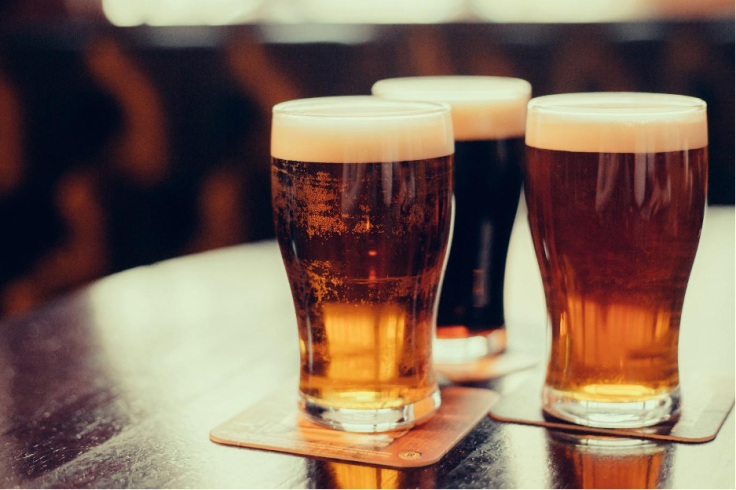

The Australian Institute of Health and Welfare reported 217.1 million litres of pure alcohol available for consumption nationwide in the 2023–24 financial year, a 3.7 per cent decrease from 225.5 million litres the previous period. Per capita availability fell from 10.5 litres in 2022–23 to 9.8 litres, one of the lowest levels recorded in recent decades.
Industry projections for the 2025–26 period forecast total alcohol consumption rising modestly by 1.7 per cent to approximately 236.5 megalitres, driven almost entirely by population growth rather than any rebound in individual drinking. Per capita figures are expected to hover near or slightly below 10 litres, with some analysts predicting a further 0.6 per cent decline.
Younger Australians are at the forefront of the change. A Flinders University study examining more than two decades of data from over 23,000 participants found Generation Z nearly 20 times more likely to abstain from alcohol than Baby Boomers, even after adjusting for socioeconomic factors. Weekly consumption has fallen across younger cohorts, though occasional binge drinking persists in some groups.
The National Drug Strategy Household Survey reinforces the pattern. About 77 per cent of Australians aged 14 and over reported drinking in the past 12 months, but daily drinking has dropped to 5.4 per cent. Risky drinking levels — exceeding national guidelines for long-term harm — affected 32.3 per cent of adults over 18 in 2022–23, down from 40.2 per cent two decades earlier. Underage drinking has plummeted, with only 31 per cent of 14- to 17-year-olds consuming alcohol in the previous year, compared with 69 per cent in 2001.
Health authorities link the decline to multiple drivers. Greater public awareness of alcohol’s connections to cancer, liver disease and mental health issues has prompted many to cut back. Updated national guidelines emphasize lower intake, while cost-of-living pressures make premium or frequent drinking less affordable. Sales of non-alcoholic and low-alcohol beverages have surged nearly 20 per cent in recent periods, with no-alcohol beer and spirits gaining strong traction, especially among those under 35.
Market data reflects these shifts. The Australian alcoholic beverages sector reached USD 33.1 billion in 2025 and is projected to grow at a compound annual rate of 2.14 per cent through 2034, reaching about USD 40.3 billion. Growth comes primarily from premiumisation — consumers opting for higher-quality or craft products — and innovation in ready-to-drink options rather than increased volume. Beer remains dominant but full-strength varieties face headwinds, while low- and no-alcohol lines now account for around 9 per cent of the market.
Wine exports tell a similar story. The value of Australian wine shipments fell 8 per cent in 2025 to A$2.34 billion, hurt by softer global demand and domestic moderation trends. Exports to China, a key market, dropped 17 per cent. Domestically, winemakers contend with oversupply, leading some regions to rationalize vineyards.
Ready-to-drink beverages and spirits have shown more resilience. Roy Morgan data indicated that 64.9 per cent of adults aged 18 and over consumed alcohol in an average four-week period in the year to September 2025, a slight dip from pandemic highs but with RTDs continuing to grow in popularity. Off-premise channels, including supermarkets and bottle shops, now handle about 60 per cent of sales as more people drink at home.
Despite overall progress, challenges remain. Alcohol continues to contribute significantly to the burden of disease, accounting for 4.1 per cent of total disability-adjusted life years in recent Australian Burden of Disease studies. Men in their 60s report higher rates of risky consumption at 44 per cent, while those in their 50s sit at 32.3 per cent — above the national average of 30.7 per cent for adults over 18. Women in their 50s show 28 per cent risky drinking levels.
One in five Australians experienced some form of harm — verbal, physical or fear-based — from someone else’s drinking in recent survey periods, with women reporting increased exposure. Road accidents, hospitalisations and family violence linked to alcohol remain public health priorities.
Government policies aim to support moderation. Excise taxes on alcohol increase twice yearly, raising prices and discouraging heavy use. Campaigns promoting “dry” months or mindful drinking have gained traction, particularly among men seeking improved energy, sleep and mental clarity. Some workplaces now routinely offer alcohol-free social events.
Industry players are adapting. Major brewers, distillers and winemakers have expanded low- and no-alcohol portfolios to capture the moderation market. Craft producers focus on unique experiences and quality to justify premium pricing. Retailers note regional variations: stronger preferences for traditional full-strength beer persist in Victoria and Tasmania, while lighter options perform better in Queensland and Western Australia.
Demographic divides stand out clearly. Older Australians, especially those over 70, maintain higher weekly consumption patterns, though even this group has reduced intake modestly over time. Men continue to drink more heavily on average than women. Socioeconomic status and geographic remoteness also influence habits, with wastewater analysis studies sometimes revealing higher consumption in certain regional areas.
Public health experts view the trends as encouraging but stress the need for sustained effort. The 2019–2028 National Alcohol Strategy set targets for reducing harmful consumption, including a 10 per cent drop in risky single-occasion and lifetime drinking. While progress has been made, pockets of heavy use persist, particularly among middle-aged and older cohorts.
Educators and community groups highlight the value of early intervention. Later initiation of drinking — the average age rising from 14.7 years in 2001 to 16.1 years in recent data — correlates with lower lifetime risk. Schools and parents increasingly discuss alcohol openly, moving away from earlier normalisation of underage drinking.
As 2026 progresses, the cultural conversation around alcohol continues evolving. More Australians, especially younger ones, view sobriety or moderation as empowering rather than restrictive. Fitness trends, mental health awareness and social media discussions about “sober curious” lifestyles amplify the shift.
For the alcohol industry, adaptation is key. Those investing in innovation and lower-alcohol alternatives are better positioned to thrive in a market where volume growth is limited but value can still be found through premium and functional beverages.
Health organisations continue advocating for stronger measures, including tighter advertising restrictions and minimum unit pricing, to accelerate gains. They point to the clear public health dividend: fewer hospital admissions, reduced violence and lower long-term disease burden.
In summary, Australia’s alcohol consumption landscape in 2026 reflects a maturing society increasingly prioritising health over heavy drinking. With per capita intake at historic lows and younger generations leading by example, the trajectory points toward continued moderation — even as total market value grows through smarter, more selective consumption.
The latest figures offer cautious optimism. While alcohol-related harm has not vanished, measurable progress over two decades demonstrates that cultural and policy changes can reshape deeply ingrained habits. Ongoing monitoring by the AIHW and other bodies will track whether the downward per capita trend holds as economic and social pressures evolve.
Key Statistics at a Glance:
- Per capita pure alcohol: 9.8 litres (2023–24)
- Total pure alcohol available: 217.1 million litres (2023–24, down 3.7%)
- Past-year drinkers (14+): 77%
- Daily drinkers: 5.4%
- Risky long-term drinking (18+): 32.3% (down from 40.2% in 2004)
- Underage (14–17) past-year drinking: 31% (down from 69% in 2001)
- Gen Z abstention likelihood: Nearly 20 times higher than Baby Boomers
For the most current data, refer to Australian Institute of Health and Welfare reports and National Drug Strategy Household Survey releases.
You must be logged in to post a comment Login