







Connect with us
DAPA Banner

Business

Australia Alcohol Consumption in 2026 Drops to 9.8 Litres Per Capita as Gen Z Leads Sobriety Trend

Published

on

Lynch Irish Pub Beer

SYDNEY — Australians consumed just 9.8 litres of pure alcohol per capita in 2023–24, the latest official figures show, continuing a long-term decline in drinking habits that health experts say is accelerating in 2026 amid heightened wellness awareness and generational shifts.

Lynch Irish Pub Beer
Australia Alcohol Consumption in 2026 Drops to 9.8 Litres Per Capita as Gen Z Leads Sobriety Trend

The Australian Institute of Health and Welfare reported 217.1 million litres of pure alcohol available for consumption nationwide in the 2023–24 financial year, a 3.7 per cent decrease from 225.5 million litres the previous period. Per capita availability fell from 10.5 litres in 2022–23 to 9.8 litres, one of the lowest levels recorded in recent decades.

Industry projections for the 2025–26 period forecast total alcohol consumption rising modestly by 1.7 per cent to approximately 236.5 megalitres, driven almost entirely by population growth rather than any rebound in individual drinking. Per capita figures are expected to hover near or slightly below 10 litres, with some analysts predicting a further 0.6 per cent decline.

Younger Australians are at the forefront of the change. A Flinders University study examining more than two decades of data from over 23,000 participants found Generation Z nearly 20 times more likely to abstain from alcohol than Baby Boomers, even after adjusting for socioeconomic factors. Weekly consumption has fallen across younger cohorts, though occasional binge drinking persists in some groups.

The National Drug Strategy Household Survey reinforces the pattern. About 77 per cent of Australians aged 14 and over reported drinking in the past 12 months, but daily drinking has dropped to 5.4 per cent. Risky drinking levels — exceeding national guidelines for long-term harm — affected 32.3 per cent of adults over 18 in 2022–23, down from 40.2 per cent two decades earlier. Underage drinking has plummeted, with only 31 per cent of 14- to 17-year-olds consuming alcohol in the previous year, compared with 69 per cent in 2001.

Advertisement

Health authorities link the decline to multiple drivers. Greater public awareness of alcohol’s connections to cancer, liver disease and mental health issues has prompted many to cut back. Updated national guidelines emphasize lower intake, while cost-of-living pressures make premium or frequent drinking less affordable. Sales of non-alcoholic and low-alcohol beverages have surged nearly 20 per cent in recent periods, with no-alcohol beer and spirits gaining strong traction, especially among those under 35.

Market data reflects these shifts. The Australian alcoholic beverages sector reached USD 33.1 billion in 2025 and is projected to grow at a compound annual rate of 2.14 per cent through 2034, reaching about USD 40.3 billion. Growth comes primarily from premiumisation — consumers opting for higher-quality or craft products — and innovation in ready-to-drink options rather than increased volume. Beer remains dominant but full-strength varieties face headwinds, while low- and no-alcohol lines now account for around 9 per cent of the market.

Wine exports tell a similar story. The value of Australian wine shipments fell 8 per cent in 2025 to A$2.34 billion, hurt by softer global demand and domestic moderation trends. Exports to China, a key market, dropped 17 per cent. Domestically, winemakers contend with oversupply, leading some regions to rationalize vineyards.

Ready-to-drink beverages and spirits have shown more resilience. Roy Morgan data indicated that 64.9 per cent of adults aged 18 and over consumed alcohol in an average four-week period in the year to September 2025, a slight dip from pandemic highs but with RTDs continuing to grow in popularity. Off-premise channels, including supermarkets and bottle shops, now handle about 60 per cent of sales as more people drink at home.

Advertisement

Despite overall progress, challenges remain. Alcohol continues to contribute significantly to the burden of disease, accounting for 4.1 per cent of total disability-adjusted life years in recent Australian Burden of Disease studies. Men in their 60s report higher rates of risky consumption at 44 per cent, while those in their 50s sit at 32.3 per cent — above the national average of 30.7 per cent for adults over 18. Women in their 50s show 28 per cent risky drinking levels.

One in five Australians experienced some form of harm — verbal, physical or fear-based — from someone else’s drinking in recent survey periods, with women reporting increased exposure. Road accidents, hospitalisations and family violence linked to alcohol remain public health priorities.

Government policies aim to support moderation. Excise taxes on alcohol increase twice yearly, raising prices and discouraging heavy use. Campaigns promoting “dry” months or mindful drinking have gained traction, particularly among men seeking improved energy, sleep and mental clarity. Some workplaces now routinely offer alcohol-free social events.

Industry players are adapting. Major brewers, distillers and winemakers have expanded low- and no-alcohol portfolios to capture the moderation market. Craft producers focus on unique experiences and quality to justify premium pricing. Retailers note regional variations: stronger preferences for traditional full-strength beer persist in Victoria and Tasmania, while lighter options perform better in Queensland and Western Australia.

Advertisement

Demographic divides stand out clearly. Older Australians, especially those over 70, maintain higher weekly consumption patterns, though even this group has reduced intake modestly over time. Men continue to drink more heavily on average than women. Socioeconomic status and geographic remoteness also influence habits, with wastewater analysis studies sometimes revealing higher consumption in certain regional areas.

Public health experts view the trends as encouraging but stress the need for sustained effort. The 2019–2028 National Alcohol Strategy set targets for reducing harmful consumption, including a 10 per cent drop in risky single-occasion and lifetime drinking. While progress has been made, pockets of heavy use persist, particularly among middle-aged and older cohorts.

Educators and community groups highlight the value of early intervention. Later initiation of drinking — the average age rising from 14.7 years in 2001 to 16.1 years in recent data — correlates with lower lifetime risk. Schools and parents increasingly discuss alcohol openly, moving away from earlier normalisation of underage drinking.

As 2026 progresses, the cultural conversation around alcohol continues evolving. More Australians, especially younger ones, view sobriety or moderation as empowering rather than restrictive. Fitness trends, mental health awareness and social media discussions about “sober curious” lifestyles amplify the shift.

Advertisement

For the alcohol industry, adaptation is key. Those investing in innovation and lower-alcohol alternatives are better positioned to thrive in a market where volume growth is limited but value can still be found through premium and functional beverages.

Health organisations continue advocating for stronger measures, including tighter advertising restrictions and minimum unit pricing, to accelerate gains. They point to the clear public health dividend: fewer hospital admissions, reduced violence and lower long-term disease burden.

In summary, Australia’s alcohol consumption landscape in 2026 reflects a maturing society increasingly prioritising health over heavy drinking. With per capita intake at historic lows and younger generations leading by example, the trajectory points toward continued moderation — even as total market value grows through smarter, more selective consumption.

The latest figures offer cautious optimism. While alcohol-related harm has not vanished, measurable progress over two decades demonstrates that cultural and policy changes can reshape deeply ingrained habits. Ongoing monitoring by the AIHW and other bodies will track whether the downward per capita trend holds as economic and social pressures evolve.

Advertisement

Key Statistics at a Glance:

  • Per capita pure alcohol: 9.8 litres (2023–24)
  • Total pure alcohol available: 217.1 million litres (2023–24, down 3.7%)
  • Past-year drinkers (14+): 77%
  • Daily drinkers: 5.4%
  • Risky long-term drinking (18+): 32.3% (down from 40.2% in 2004)
  • Underage (14–17) past-year drinking: 31% (down from 69% in 2001)
  • Gen Z abstention likelihood: Nearly 20 times higher than Baby Boomers

For the most current data, refer to Australian Institute of Health and Welfare reports and National Drug Strategy Household Survey releases.

Continue Reading
Click to comment

You must be logged in to post a comment Login

Leave a Reply

Business

Airlines Cancel Thousands of Flights Amid Jet Fuel Shortages, Price Surge From Iran War

Published

on

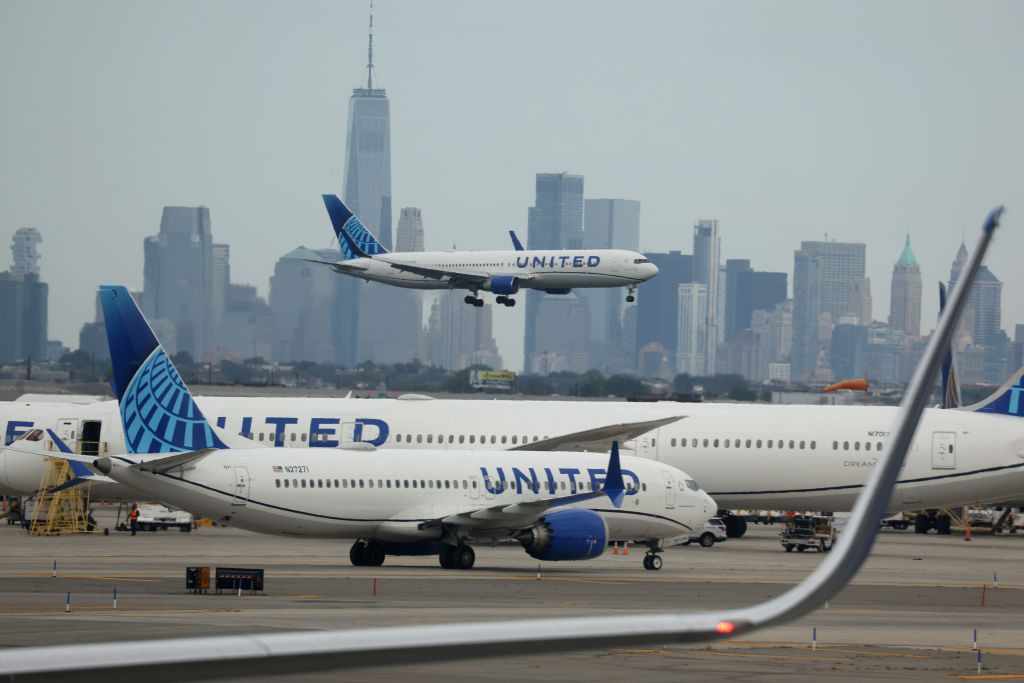
United Airlines And Air Travel

Major airlines around the world have begun canceling thousands of flights and raising fares as jet fuel prices have more than doubled and physical supplies have tightened in the wake of the ongoing war in Iran and the effective closure of the Strait of Hormuz.

United Airlines became the first major U.S. carrier to announce capacity cuts, trimming about 5% of planned flights on less profitable routes. International carriers have moved more aggressively, with Scandinavian Airlines canceling around 1,000 flights in April, Air New Zealand axing 1,100 services through early May, and carriers in Vietnam and elsewhere suspending domestic routes due to fuel constraints.

United Airlines And Air Travel

The disruptions stem from the conflict that escalated in late February when U.S. and Israeli strikes targeted Iran, prompting Iranian retaliation that effectively halted most commercial shipping through the Strait of Hormuz. The narrow waterway, which normally carries about one-fifth of global seaborne oil trade, has seen traffic reduced to a trickle amid attacks on vessels, soaring insurance costs and safety fears.

Jet fuel prices, which averaged around $2.17 per gallon in the United States before the escalation, surged past $4.57 per gallon by late March, according to the Argus U.S. Jet Fuel Index. In some Asian and European markets, prices have doubled or more, reaching record levels near $200 per barrel or higher in spot trading. The crack spread — the premium for refining jet fuel from crude — has exploded, reflecting acute shortages of the refined product rather than just higher crude costs.

“Jet fuel prices have more than doubled in the last three weeks,” United CEO Scott Kirby said in a recent statement. “If prices stayed at this level, it would mean an extra $11 billion in annual expense just for jet fuel.” Kirby noted the carrier is “tactically pruning flying that’s temporarily unprofitable” while warning of broader impacts if the situation persists.

Advertisement

Ryanair CEO Michael O’Leary warned that if the Hormuz disruption continues into May and beyond, European airlines could face shortages of 10% to 20% of normal fuel supply by June, potentially forcing cancellation of 5% to 10% of summer flights. He said cuts would target the most constrained airports with little advance notice from suppliers.

The crisis has hit regions differently. Middle Eastern carriers such as Emirates, Qatar Airways and Etihad have canceled tens of thousands of flights due to airspace closures and safety concerns in addition to fuel issues. Asian airlines, heavily reliant on Middle Eastern crude refined in South Korea, China and elsewhere, have faced export restrictions and local shortages. Vietnam Airlines has suspended multiple domestic routes, while Korean Air has entered “emergency management mode.”

In Europe, the last major jet fuel shipments from the Middle East to the U.K. were expected to arrive this week, leaving airlines with limited reserves. Some Italian airports have already imposed refueling restrictions for certain operators. Lufthansa has prepared contingency plans that could include grounding portions of its fleet.

U.S. carriers benefit from greater domestic refining capacity and have so far relied more on fare increases and baggage fee hikes than widespread cancellations. JetBlue and others have raised checked baggage fees, while carriers across the board have introduced or increased fuel surcharges on international routes. Air France-KLM added €50 ($58) to long-haul tickets, and several Asian carriers have followed suit.

Advertisement

Aviation analytics firm Cirium reported that on one recent Monday, more than 7,000 flights — nearly 7% of the global schedule — were canceled, far above typical rates. North American departures saw cancellation rates spike to 14.6% on that day.

The International Air Transport Association had forecast a record $41 billion in net profits for the global airline industry in 2026 before the conflict. That outlook is now at serious risk as higher fuel costs coincide with potential weakening in travel demand from elevated gasoline prices and broader economic uncertainty.

Analysts describe the situation as a “perfect storm.” Longer reroutes to avoid Middle Eastern airspace burn extra fuel, compounding costs. Refineries in Asia have cut jet fuel production due to feedstock shortages, while strategic reserves are being drawn down in some countries.

Travelers are already feeling the pinch. Airfares on many routes have risen sharply, with some long-haul examples nearly tripling in price in extreme cases. Industry experts advise passengers to monitor bookings closely, consider flexible tickets and expect potential disruptions through the summer if the conflict drags on.

Advertisement

The war has also disrupted related supply chains. Cargo operators face higher costs and delays, while the broader energy shock has lifted diesel and gasoline prices, adding pressure on household budgets and potentially curbing discretionary travel.

Governments are responding variably. Some Asian nations have redirected fuel stocks domestically or sought emergency assistance. In the U.S., domestic production provides a buffer, but analysts warn that prolonged global tightness could still affect American carriers through higher prices and knock-on effects on international partners.

Billionaire aviation figures have sounded alarms. One Dubai-based jet tycoon warned that if the crisis lasts more than a month, the first airline bankruptcies could emerge as weaker carriers struggle with unsustainable costs.

The situation remains fluid. Diplomatic efforts continue, with some reports of signals from involved parties about willingness to de-escalate, but the Strait of Hormuz remains largely closed to routine tanker traffic. Any resolution could ease pressures quickly, as shipping resumes and refineries ramp up, but a prolonged standoff risks deeper economic pain.

Advertisement

For now, airlines are prioritizing cash preservation. Many have shifted to shorter-haul or more fuel-efficient operations where possible and are reviewing summer schedules. Low-cost carriers, with thinner margins, face particular strain despite hedging strategies that have partially mitigated the spike for some.

Passengers planning travel are urged to check airline updates frequently, as last-minute cancellations tied to fuel availability at specific airports could occur with minimal notice. Travel insurance that covers trip interruptions is recommended.

The crisis highlights the vulnerability of global aviation to energy chokepoints. Jet fuel, derived from kerosene, requires specific refining processes, and there is limited spare capacity worldwide to quickly replace lost volumes from the Gulf.

As April unfolds, more carriers are expected to announce adjustments. United’s early move may foreshadow broader U.S. capacity reductions if prices remain elevated. Delta has indicated it could trim schedules, while others watch inventory levels closely.

Advertisement

The human impact extends beyond higher ticket prices. Flight crews face schedule changes, airports deal with irregular operations, and tourism-dependent economies — from Europe to Southeast Asia and Australia — brace for reduced visitor numbers.

Environmental goals may also take a backseat temporarily, as airlines prioritize operational survival over sustainability initiatives that rely on costly sustainable aviation fuel.

Industry groups like IATA have called for strengthened jet fuel resilience, including dedicated reserves and diversified sourcing. The current events underscore how concentrated supply routes create systemic risks.

With no immediate end to the conflict in sight, the aviation sector faces one of its most challenging periods in years. What began as a geopolitical confrontation has rapidly translated into higher costs and fewer flights for travelers worldwide, serving as a stark reminder of interconnected global energy markets.

Advertisement
Continue Reading

Business

Mizuho initiates PayPay stock coverage with Outperform rating

Published

on


Mizuho initiates PayPay stock coverage with Outperform rating

Continue Reading

Business

U.S. auto safety regulator closes probe into Tesla’s driver assistance feature

Published

on

U.S. auto safety regulator closes probe into Tesla’s driver assistance feature


U.S. auto safety regulator closes probe into Tesla’s driver assistance feature

Continue Reading

Business

Alpine Income Property Trust: Appealing As Both A Dividend Stock & Growth Story (PINE)

Published

on

Alpine Income Property Trust: Appealing As Both A Dividend Stock & Growth Story (PINE)

This article was written by

Albert Anthony is the pen name of a business author on Amazon and his newest book is “How To Pick Stocks: 8 Steps For Long-Term Investing with Fundamental & Technical Analysis,” now available as a 2026 edition paperback and Kindle ebook in several regions including the US, UK, Canada, and Europe. The author is an analyst & contributor for investing platform Seeking Alpha since 2023, where he has nearly 2,000 followers and has covered hundreds of stocks in multiple sectors including banks/financials, REITs, insurance, pharma, and more. He has also written for platforms like Investing dot com, and has taken part in many business conferences includes Bloomberg Adria’s Investment Outlook 2026 as well as Money Motion 2026. Albert Anthony has Croatian-American roots, having grown up in the US and living in the NYC/New Jersey area as well as the Austin Texas area while working in enterprise IT roles at several prominent companies, including a top 10 financial firm. The author earned a B.A. from Drew University, and also completed certifications from Microsoft, CompTIA, and Corporate Finance Institute where he earned the specialization in risk management. He is founder of a boutique equities research firm, Albert Anthony & Company, which is a trade name both in the US and Croatia. Besides his writing and analyst work, the author has been active on camera as well, as a film/TV extra for casting agencies in Croatia/Europe, and also took part in roundtable panel discussions and appeared in several media stories in that region. You can also check out the author’s video content on the Albert Anthony channel on YouTube where he discusses investing topics, @author.albertanthony Please note: The author does not write about non-publicly traded companies, small cap stocks, crypto, or startup CEOs, so any such mail received and pitches from PR agencies will be deleted. Any official mail to the author should be sent to albertanthony.info@gmail.com. *Author Disclaimer: Albert Anthony and Albert Anthony & Co, is a US-based sole proprietorship registered as a trade name in Austin, Texas, and a sole proprietor registered in Croatia. The author nor his company are registered financial advisors and do not provide personalized financial advisory services to clients and do not manage client assets but provide general markets commentary and research as well as actionable insights based on publicly-available data and their own analysis. The author does not sell or market financial products and services, nor is compensated by any company for rating them. The author does not hold any material position in any stock he rates at the time of writing, unless otherwise disclosed. All investment is assumed to be at risk and readers are expected to do their due diligence beyond the scope of this author’s commentary, agreeing to indemnify the author of any liability for potential investment losses.

Analyst’s Disclosure: I/we have no stock, option or similar derivative position in any of the companies mentioned, and no plans to initiate any such positions within the next 72 hours. I wrote this article myself, and it expresses my own opinions. I am not receiving compensation for it (other than from Seeking Alpha). I have no business relationship with any company whose stock is mentioned in this article.

Author does not own any shares in PINE, however he does invest in Netstreit and other retail REITS not mentioned here.

Advertisement

Seeking Alpha’s Disclosure: Past performance is no guarantee of future results. No recommendation or advice is being given as to whether any investment is suitable for a particular investor. Any views or opinions expressed above may not reflect those of Seeking Alpha as a whole. Seeking Alpha is not a licensed securities dealer, broker or US investment adviser or investment bank. Our analysts are third party authors that include both professional investors and individual investors who may not be licensed or certified by any institute or regulatory body.

Continue Reading

Business

Intel Set To Benefit From Helium Crisis In U.S.-Iran Conflict (NASDAQ:INTC)

Published

on

Intel Set To Benefit From Helium Crisis In U.S.-Iran Conflict (NASDAQ:INTC)

This article was written by

Focus on trying to piece together the big things (both at a macro and industry level) Twenty years in Asia (mainly China).

Analyst’s Disclosure: I/we have a beneficial long position in the shares of INTC either through stock ownership, options, or other derivatives. I wrote this article myself, and it expresses my own opinions. I am not receiving compensation for it (other than from Seeking Alpha). I have no business relationship with any company whose stock is mentioned in this article.

Seeking Alpha’s Disclosure: Past performance is no guarantee of future results. No recommendation or advice is being given as to whether any investment is suitable for a particular investor. Any views or opinions expressed above may not reflect those of Seeking Alpha as a whole. Seeking Alpha is not a licensed securities dealer, broker or US investment adviser or investment bank. Our analysts are third party authors that include both professional investors and individual investors who may not be licensed or certified by any institute or regulatory body.

Advertisement
Continue Reading

Business

GB News calls for public funding access in BBC charter consultation

Published

on

GB News has surged to become the UK’s fourth largest news brand, according to the newly released Reuters Institute Digital News Report 2025, marking a major milestone for the self-styled “People’s Channel”.

GB News has made a bold bid for access to the public purse, arguing that government broadcasting grants should be opened up to competitive tender rather than flowing automatically to the BBC.

The loss-making news channel, backed by hedge fund financier Sir Paul Marshall, set out its case in a submission to the government’s consultation on the BBC’s royal charter. At its heart is a call for “contestable funding”, a mechanism that would allow broadcasters beyond the traditional public service operators to bid for taxpayer-backed support.

The BBC’s World Service is the most obvious target. Once funded entirely by Whitehall, the service now draws primarily on the licence fee but still receives grants from the Foreign, Commonwealth & Development Office worth £137 million last year. GB News believes it should be eligible to compete for a share of that pot, assessed on criteria including quality, audience reach and value for money.

It is a striking proposition from an organisation that has accumulated losses exceeding £100 million since launching in 2021, and one that is unlikely to find a warm reception at Broadcasting House. GB News framed the argument in the language of market competition, contending that opening funding to tender would drive innovation and encourage what it called “diversity of thought and content”.

The channel pointed to precedent. Between 2019 and 2022, two pilot schemes, the Young Audiences Content Fund and the Audio Content Fund, distributed £48 million across a range of broadcasters and independent producers. GB News also drew attention to New Zealand’s NZ On Air model, which allocates public money to a variety of media outlets, suggesting a similar framework could bolster plurality in Britain’s broadcasting landscape.

Advertisement

The submission to the charter review is part of a broader lobbying campaign. In a separate filing with Ofcom, GB News made a parallel case for contestable funding. It is also pressing for prominence rights currently enjoyed only by the established public service broadcasters, the BBC, ITV, Channel 4, Channel 5 and S4C, which guarantee their channels favourable positioning on television sets, albeit in return for strict obligations around regional production and news output.

Whether the government has any appetite for redirecting public funds towards a commercially owned, politically divisive broadcaster remains to be seen. But GB News’s intervention ensures the question of who qualifies as a public service provider, and who should pay for it, will sit squarely at the centre of the charter debate.


Amy Ingham

Amy is a newly qualified journalist specialising in business journalism at Business Matters with responsibility for news content for what is now the UK’s largest print and online source of current business news.

Advertisement

Continue Reading

Business

Shortlist for awards showcasing the best in HR in Wales

Published

on

Business Live

The winners of the HR in Wales Awards will be revealed in May

Winners of the 2025 HR in Wales Awards

Businesses and organisations across Wales have been recognised for their outstanding HR and people development practices with the announcement of the shortlist for the second ever HR in Wales awards.

Launched by Lesley Richards, independent HR consultant and former head of the CIPD in Wales, in 2025 with support from industry experts Louise Price (Hugh James), Mera Mann (Human Resourcing), and Paul Harris (Skylite Associates), the HR in Wales awards will celebrate the achievements of HR and people development professionals across Wales with a special lunchtime ceremony.

This year’s awards will take place at the Marriott Hotel, Cardiff on May 1st and will be hosted by former Wales international Alex Cuthbert.

Building on the success of last year’s ceremony, 98 businesses, teams and individuals entered across nine categories, with a shortlist of 53 going forward for judging. The shortlist reflects the achievements of a range of organisations, both large and small, during a year shaped by ongoing economic uncertainty, global challenges and a rapidly changing talent landscape.

Advertisement

Finalists for 2026 include: Atradius, Cwm Taf Morgannwg University Health Board, Bangor University, S4C, St John Ambulance Cymru, Welsh Local Government Association, Valleys to Coast, Freshwater and last year’s Learning and Development winner, Mrs Buckét Cleaning Services.

Commenting on finalists, Ms Richards, said: “We are very proud to host the second HR in Wales Awards ceremony and those who show what great HR looks like in practice. The competition this year has been fierce, with an impressive number of entries in the Transformation and Change category in particular.

“After what’s been such a challenging year for so many businesses it’s so incredible to see employers respond to economic uncertainty and turn it into an opportunity to strengthen their workforce and streamline operations. People are at the heart of what we do in HR and people development and The HR in Wales a shortlist truly is a reflection of the life-changing work being done here in Wales.”.

The shortlisted finalists:

Advertisement

Equality, Diversity and Inclusion

Bangor University.

Cardiff Community Housing Association.

LBS Builders Merchants.

Advertisement

Valleys to Coast.

WJEC CBAC.

Employee Engagement

Atradius.

Advertisement

Cartrefi Cymru Cooperative.

Cwm Taf Morgannwg University Health Board.

Health Education and Improvement Wales.

HPMA Cymru.

Advertisement

Rocialle Healthcare.

Learning and Development

Cardiff Community Housing Association.

Cwm Taf Morgannwg University Health Board.

Advertisement

HPMA Cymru.

S4C.

Sweetmans and Partners with Sero.

Siderise.

Advertisement

Transformation and Change

Codi Group.

Health Education and Improvement Wales.

Mrs Buckét Cleaning Services.

Advertisement

Rhondda Cynon Taf County Borough Council.

S4C.

St John Ambulance Cymru.

WCVA.

Advertisement

Talent Management

Bipsync.

Freshwater.

St John Ambulance Cymru.

Advertisement

Welsh Local Government Association.

Wellbeing

Codi Group.

Creditsafe Business Solutions.

Advertisement

Cwm Taf Morganwwg University Health Board.

First Choice Housing Association.

Freshwater.

Individual Impact

Advertisement

Sian Fisher – Confident Style Academy.

Emma del Torto – Effective HRM.

Universal Coaching Alliance Wales.

Ann Rowley – Lighthouse HR.

Advertisement

Gemma Littlejohns – Siderise.

Rosie Sweetman – Sweetmans and Partners with Williams Medical Supplies

Dr Ioan Rees – SYCOL

Rising Star

Advertisement

Alex Davies – Siderise.

Emily Summerhayes – Cwm Taf Morgannwg University Health Board.

Harry Underhill – Creditsafe.

Jen Walters – Principality Building Society.

Advertisement

Sadie Govier – Cardiff Airport.

Sophie Cole – ACT Training.

Tammi Jones – Effective HRM.

Toni Louise Davies – HMPA Cymru / NHS Wales.

Advertisement

Excellence in HR leadership

Angela Overment – St John Ambulance Cymru.

Angie Lewis – Welsh Ambulances Services Trust.

Kate Ablett – Mrs Bucket.

Advertisement

Nadine Beacon – S4C.

Simon Argent – Vishay Newport.

The HR in Wales Awards are supported by Hugh James, Vester Group, Human Resourcing, Lesley Richards Limited, Skylite Associates, HSF Health Plan, ALS/ACT, Monmouthshire Building Society, Welsh Government, Hoop Professional Services and HR, and the CIPD.


Advertisement
Continue Reading

Business

Versamet acquires $360M gold stream on Eskay Creek project

Published

on


Versamet acquires $360M gold stream on Eskay Creek project

Continue Reading

Business

Bowen Assures Fuel Shipments Are Secured ‘Well Into May’ as Expert Raises Need for Self-Sufficiency

Published

on

A satellite image of the Strait of Hormuz

As the fuel crisis continues along with the Iran war, Energy Minister Chris Bowen has assured that fuel shipments have been secured “well into May.”

However, an economist has raised the alarm regarding the fuel situation, calling for Australia to be more self-sufficient when it comes to fuel.

Fuel Shipments Secured ‘Well Into May’

According to a report by ABC News, Bowen has assured the public that the government has been hard at work to ensure that enough supplies for May will be secured.

“All the orders are locked in and contracted,” said Bowen. “Once it’s contracted, the fuel belongs to the Australian company that’s bought it … that is legally locked in, so that’s encouraging.”

Advertisement

He added, “Of course, there is a risk in international circumstance and [the] international situation, but every step that can be taken is being taken.”

Bowen previously disclosed that 53 ships carrying fuel are now on the way to Australia from different countries in Asia, as well as the United States and Mexico.

‘Wake Up Call for Australia’

Despite the promising developments, an economist is urging Australia to do more amid the ongoing crisis.

According to Sky News, MST Financial energy analyst Saul Kavonic went as far to say that Australia “ceded our fuel security to foreign powers.”

Advertisement

“This is a wake up call for Australia to become more self-sufficient in fuel again. The next disruption to maritime trade could occur closer to home in the Pacific, leaving Australia without any fuel, and our economy would grind to a halt within weeks,” said Kavonic.

“Australia must act to avert the economic and national security risks posed by our fuel import dependence,” he added.

Addressing the calls to turn to renewable sources of energy, Kavonic pointed out that “renewables are simply not practical to replace jet fuel and diesel at this time.”

Advertisement
Continue Reading

Business

RBL Bank shares jump 4% after exceptional Q4 update, RBI’s approval for Emirates NBD’s 74% stake acquisition

Published

on

RBL Bank shares jump 4% after exceptional Q4 update, RBI’s approval for Emirates NBD’s 74% stake acquisition
Shares of RBL Bank surged nearly 4% on Monday after a strong Q4 business update and Reserve Bank of India’s (RBI) approval for up to 74% stake acquisition by Dubai-headquartered Emirates NBD Bank (PJSC).

Shares of the lender jumped to Rs 312.70 apiece in the morning trading hours of Monday, the highest level in more than a month. The sharp surge added more than Rs 720 crore to the total market capitalisation of the company, pulling it higher up to rise above Rs 19,310 crore.

In an exchange filing released on Thursday, RBL Bank said that the RBI has approved Emirates NBD Bank to acquire up to 74% stake in the lender. After the completion of the stake sale, the Dubai-based bank will become a promoter holder, crossing the 51% threshold as per the RBI’s conditions. The lender has no promoter, currently. The private lender, meanwhile, will be classified as a foreign bank operating in wholly owned subsidiary (WOS) mode, with Emirates NBD as its parent. RBI’s approval is now valid for one year.

The approval was communicated via a letter dated April 1, 2026, ET had earlier reported, citing sources. The report said that an approval from the Securities and Exchange Board of India (Sebi) is also expected soon.

Advertisement

RBL Bank Q4 business update

RBL Bank on Thursday released its provisional business update for the fourth quarter of the financial year 2026. The lender’s total deposits rose 25% year-on-year (YoY) to Rs 1.39 lakh crore in Q4 FY26, from 1.11 lakh crore in the corresponding quarter of the previous financial year. Sequentially, total deposits grew 16% QoQ from Rs 1.2 lakh crore in Q3 FY26.
Gross advances meanwhile increased 22% YoY and 11% QoQ to Rs 1.15 lakh crore during the quarter under review. RBL Bank’s CASA (current account and savings account) deposits grew 23% YoY to Rs 46,723 crore, while CASA ratio stood at 33.6% in Q4 FY26, slightly lower than 34.1% in the same period of the previous year.
Also read: Earnings downgrade alert: How $110 crude and Iran war are threatening India Inc’s double-digit dream

RBL Bank’s deposits worth under Rs 3 crore grew 16% YoY to Rs 63,943 crore, while the average liquidity coverage ratio stood at 130%, lower than 133% recorded in Q4 FY25. The bank said that its total business crossed Rs 2.5 lakh crore at the end of the quarter, marking a 24% YoY increase from Q4 FY25.

Secured retail advances grew 36% YoY and 17% QoQ. Retail advances rose 18% YoY and 10% QoQ, while unsecured retail advances grew 2% QoQ. Wholesale advances grew 27% YoY. Within wholesale, commercial banking advances grew 29% YoY. The mix of retail: wholesale advances was reported at approximately 59:41.

Advertisement

Motilal Oswal on RBL Bank’s Q4 update


Motilal Oswal Financial Services said that RBL Bank’s exceptional growth of 22% YoY in gross advances is fairly higher than its estimate of 16%. It noted that deposits also witnessed exceptional growth of 25% YoY, significantly higher than its estimate of 12.2%.

“RBL reported remarkable business growth, led by both advances as well as deposits growth,” it said, maintaining its ‘Buy’ call on the stock.

Also read: Trump tariffs hit patented drugs: Jefferies, Nomura explain impact on pharma stocks

RBL Bank shares have gained more than 8% in the past week, and over 3% in the past month. In the longer term, the stock has surged 78% in one year, and more than 118% in three years.

(Disclaimer: Recommendations, suggestions, views and opinions given by the experts are their own. These do not represent the views of The Economic Times)

Advertisement
Continue Reading

Trending

Copyright © 2025