




Connect with us
DAPA Banner

Business

Australian LNG Exports Hit Hardest by Iran War as Global Energy Chaos Boosts Prices but Disrupts Supply Chains

Published

on

LNG carrier

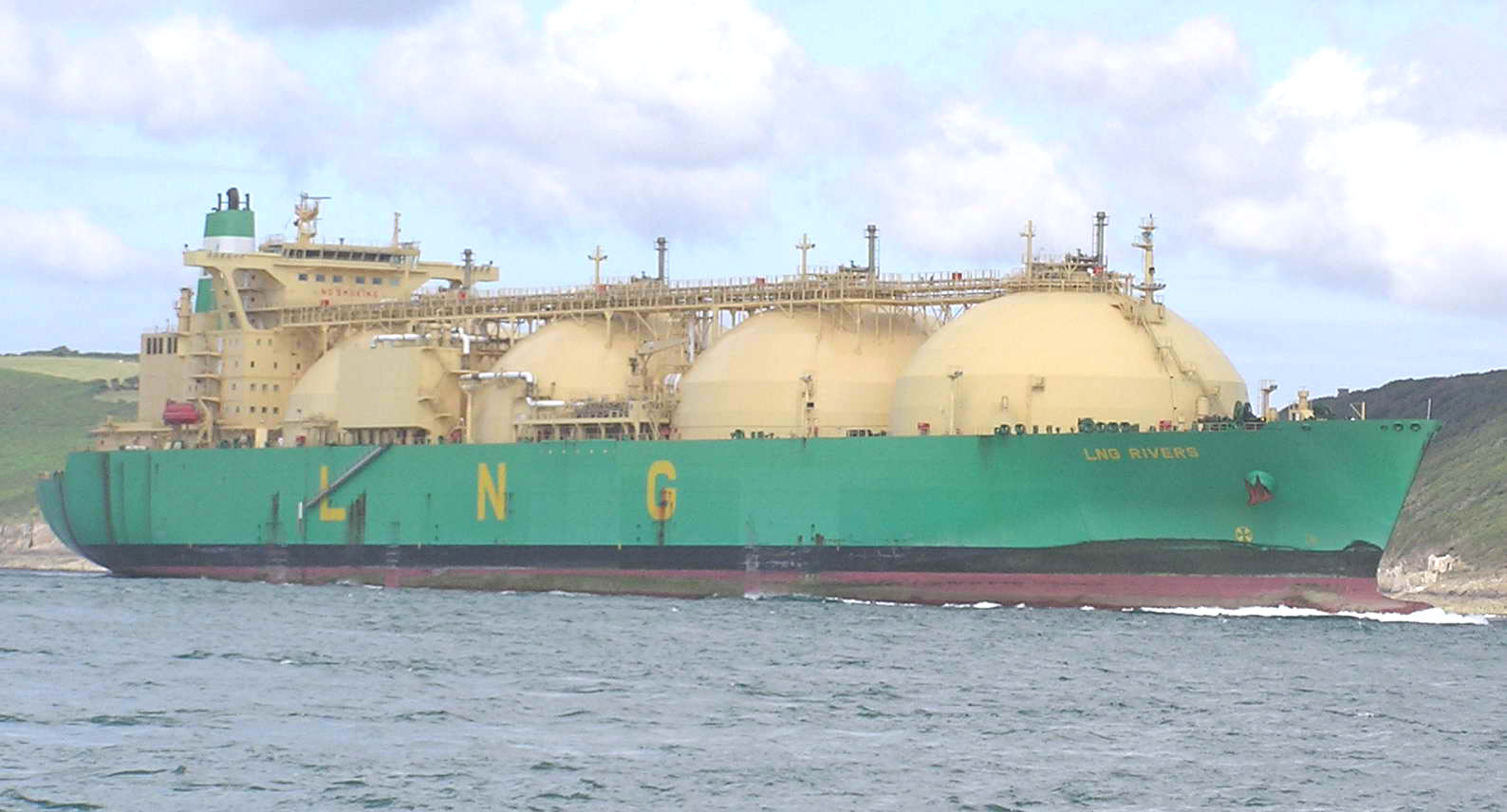
SYDNEY — Australia’s liquefied natural gas (LNG) export sector has emerged as the industry most directly and significantly affected by the ongoing U.S.-Israel-Iran war, with global price surges offering potential revenue windfalls for producers while shipping disruptions, insurance surcharges and indirect fuel cost pressures ripple through the broader economy.

LNG carrier
LNG carrier

The conflict, now in its fourth week since major strikes began on Feb. 28, 2026, has effectively disrupted flows through the Strait of Hormuz — a critical chokepoint carrying about one-fifth of global oil and a substantial share of LNG trade. While Australia does not ship LNG through the Strait, the resulting global energy crunch has driven sharp increases in benchmark prices, directly benefiting Australian exporters but also exposing vulnerabilities in domestic operations and related sectors.

LNG producers such as those operating the Gladstone projects in Queensland have seen Asian spot prices, including the Japan-Korea Marker (JKM), nearly double since late February, with some contracts pushing toward $US30 per unit. This volatility stems from attacks on infrastructure, including strikes on Qatar’s Ras Laffan facility and Iran’s South Pars gas field, which have taken significant LNG capacity offline for potentially years.

Australia, the world’s largest LNG exporter, stands to gain from redirected demand as Asian buyers seek alternatives to disrupted Middle Eastern supplies. However, the same forces driving higher prices — diesel shortages and soaring transport costs — are squeezing the mining and agricultural sectors that underpin much of the nation’s export economy.

The energy minister has acknowledged that while Australia is a net energy exporter, its reliance on imported refined fuels leaves it exposed. Domestic diesel prices have climbed rapidly, with panic buying reported in some regions. Mining giants like Fortescue have warned that sustained high diesel costs could add billions to operational expenses for iron ore extraction and haulage.

Advertisement

Farmers are similarly feeling the pinch. Wheat and barley producers in Western Australia and South Australia face higher internal freight and fertilizer costs, as global supply chains for urea and phosphates — many routed through or affected by Gulf disruptions — tighten. Australian wheat prices hit 20-month highs in recent trading amid these pressures.

Direct trade with Gulf nations, valued at around A$15 billion annually, has been hammered by war-risk insurance surcharges of up to US$4,000 per refrigerated container and carrier suspensions. Exporters of beef, wool, lamb and other agricultural goods to the Middle East report delayed shipments and rerouting that adds time and expense.

Coal exporters have seen mixed effects. Thermal coal prices have strengthened due to energy substitution away from disrupted oil and gas, providing a potential revenue boost for Australian miners. Yet higher diesel costs for rail and port operations erode some of those gains.

Iron ore shipments to Asia, Australia’s largest single export category by value, remain largely shielded from direct Strait of Hormuz routing. However, elevated fuel prices threaten profitability for producers already navigating volatile Chinese demand. Some iron ore cargoes originally bound for Middle Eastern markets have been diverted, contributing to short-term price fluctuations.

Advertisement

The war’s broader impact on container shipping has triggered the worst freight disruption for Australian exporters since the COVID-19 pandemic. Major carriers have suspended Gulf transits, forcing reroutes around the Cape of Good Hope for cargo heading to Europe via traditional paths. This has increased costs and delays for a range of goods, including food products and manufactured items.

Economists note a paradoxical effect for Australia. As a major LNG and coal exporter, higher global energy prices can boost export revenues and government royalties. Yet the domestic fuel crunch — Australia imports most of its refined petroleum — risks inflationary pressures that could prompt further Reserve Bank rate hikes and slow economic growth.

The Australian Institute of Petroleum has warned that Asian refineries supplying Australia could curtail exports if shortages worsen, potentially leading to fuel rationing within weeks if stockpiles are not managed carefully. Current reserves provide only a limited buffer.

Agriculture faces compounded challenges. Beyond diesel for machinery and transport, fertilizer shortages threaten yields for the coming season. Meat exporters have reported growing stockpiles as Middle East demand softens amid regional instability, though some redirection to other markets is occurring.

Advertisement

Mining operations, particularly in remote Western Australia, are among the heaviest diesel users. Executives have flagged potential production slowdowns or cost pass-throughs if fuel prices remain elevated for months. Critical minerals projects tied to the energy transition could also face delays.

Shipping and logistics firms have introduced emergency conflict surcharges across multiple routes, affecting not only direct Gulf trade but also indirect flows to Europe. Air freight into the region has been heavily restricted, compounding issues for time-sensitive exports like fresh produce and pharmaceuticals.

Government officials are monitoring the situation closely, with contingency plans for fuel security under review. The domestic gas reservation scheme, set to begin next year, aims to shield households from extreme international price spikes, but its timing leaves the current period vulnerable.

Analysts from Oxford Economics and others suggest the net economic impact depends on the war’s duration. A short conflict could see energy prices retreat quickly, with Australian LNG and coal exporters capturing temporary gains. Prolonged disruption risks deeper supply chain chaos, higher inflation and slower growth across export-dependent sectors.

Advertisement

For LNG specifically, the sector’s exposure is dual-edged. Contracted volumes under long-term agreements provide stability, but spot market opportunities have surged. Producers must balance ramping up where possible against domestic supply obligations and infrastructure constraints.

The war has also spotlighted Australia’s strategic vulnerabilities. Despite vast energy resources, limited domestic refining capacity leaves the nation dependent on foreign suppliers for everyday fuels that power its export machine. Calls for renewed investment in refining or alternative fuels have intensified.

As the conflict enters its next phase, with diplomatic efforts ongoing but military actions continuing, Australian exporters across energy, resources and agriculture are adapting to a more volatile global trade environment. War-risk premiums and rerouting have become the new normal for many.

Industry groups urge the government to provide targeted support, including potential fuel subsidies for critical export sectors or accelerated approvals for infrastructure upgrades. Without relief, cost pressures could erode competitiveness even as higher commodity prices offer some offset.

Advertisement

The LNG sector’s prominent role in the current crisis underscores Australia’s position as an energy superpower that remains paradoxically exposed to global shocks. While opportunities exist in a tighter market, the human and economic costs of prolonged instability loom large for producers and the wider economy alike.

Continue Reading
Click to comment

You must be logged in to post a comment Login

Leave a Reply

Business

'A game-changing moment for social media' – what next for big tech after landmark addiction verdict?

Published

on

'A game-changing moment for social media' - what next for big tech after landmark addiction verdict?

The ruling could be the beginning of the end of social media as we know it, writes the BBC’s technology editor Zoe Kleinman.

Continue Reading

Business

DroneShield Soars 19% to Lead ASX 200 Gainers

Published

on

5 Biggest Gainers in the S&P/ASX 200 Today: DroneShield Soars

SYDNEY — Defence technology company DroneShield Ltd led the S&P/ASX 200’s biggest gainers on Wednesday, surging 19.33% to close at A$4.26 as investors piled into counter-drone and resources names amid ongoing uncertainty from the US-Iran conflict and broader commodity movements.

5 Biggest Gainers in the S&P/ASX 200 Today: DroneShield Soars
5 Biggest Gainers in the S&P/ASX 200 Today: DroneShield Soars 19% to Lead ASX 200 Gainers

The benchmark index recovered strongly, rising 1.85% to close at 8,534.3 points after earlier weakness tied to oil price volatility and global risk sentiment. While the broader market showed mixed performance, select stocks in defence, nuclear technology and critical minerals posted double-digit gains, reflecting themes of geopolitical hedging and supply chain security.

Here are the five biggest percentage gainers among ASX 200 constituents on March 25, 2026, based on closing prices and trading data:

1. DroneShield Ltd (ASX: DRO) — Shares exploded 19.33% higher to A$4.26. The counter-drone specialist benefited from heightened global security concerns and potential increased demand for its systems amid Middle East tensions. Trading volume was robust, with the stock attracting strong retail and institutional interest as investors sought exposure to defence technology plays.

2. Silex Systems Ltd (ASX: SLX) — The nuclear technology and enrichment company jumped 13.50% to A$5.55. Silex has been linked to advanced uranium processing capabilities, drawing attention as energy security and alternative fuel sources gain focus amid oil market disruptions. The stock has been volatile but found support from positive sector sentiment.

Advertisement

3. Vulcan Energy Resources Ltd (ASX: VUL) — Lithium and geothermal energy developer Vulcan rose 11.90% to A$3.29. The company’s zero-carbon lithium extraction projects in Europe and Australia appealed to investors betting on long-term critical minerals demand, even as short-term oil shocks dominated headlines.

4. Liontown Ltd (ASX: LTR) — The lithium miner gained 11.61% to A$1.73. Liontown’s Kathleen Valley project in Western Australia continues to progress, and the stock benefited from renewed interest in battery metals amid expectations of sustained electric vehicle and energy storage growth despite near-term economic headwinds.

5. Bellevue Gold Ltd (ASX: BGL) — Gold producer Bellevue climbed 11.07% to A$1.41. Safe-haven demand for gold provided some support, though the stock’s strong move also reflected company-specific developments and broader resources sector rotation on the day.

The session highlighted a clear rotation into defence and select resources names. DroneShield’s outsized gain stood out, with analysts noting the company’s technology could see increased adoption as nations bolster defences against drone threats in unstable regions. The stock has been a strong performer in recent months but remains volatile given its smaller size and sector exposure.

Advertisement

Silex Systems and Vulcan Energy underscored ongoing interest in energy transition and security themes. While the immediate focus remains on oil and traditional energy prices, longer-term bets on nuclear, lithium and critical minerals continued to attract capital. Liontown and Bellevue added to the resources flavour, with gold providing some defensive characteristics amid uncertainty.

Broader market context showed the ASX 200 rebounding from recent pressure linked to the Middle East conflict. Oil price volatility had weighed on sentiment earlier in the week, but signs of potential diplomatic progress or contained escalation helped lift risk appetite on Wednesday. Materials and industrials sectors outperformed, while financials and consumer stocks were more mixed.

Trading volume across the ASX 200 was solid, reflecting active participation from both institutional and retail investors. Defence and technology-related names saw particularly elevated turnover as traders repositioned portfolios in response to geopolitical developments.

For investors, the day’s movers illustrate how specific sectors can decouple from broader indices during periods of uncertainty. Defence stocks like DroneShield often rally on heightened global tensions, while resources companies can benefit from both commodity price swings and long-term thematic investing in energy transition.

Advertisement

Analysts caution that single-day moves can be volatile and driven by short-term catalysts rather than fundamental shifts. DroneShield, for instance, has a history of sharp swings tied to contract news or sector sentiment. Similarly, lithium and gold stocks remain sensitive to global economic outlooks, interest rates and supply-demand dynamics.

Looking ahead, attention will turn to further developments in the Middle East and any impact on commodity prices. A prolonged conflict could sustain volatility across resources and defence sectors, while a quick resolution might see profit-taking in recently strong names.

Australian investors should consider portfolio diversification and risk tolerance when evaluating these high-performing stocks. Many of the day’s top gainers carry higher volatility than the broader index, making them suitable for those comfortable with short-term price swings.

The ASX 200’s performance on March 25 provided a welcome lift after recent pressure, but underlying uncertainties from global events mean caution remains warranted. As always, past performance is no guarantee of future results, and investors are advised to conduct their own research or consult professional advisers.

Advertisement
Continue Reading

Business

10 Essential Things You Must Know to Use Starlink in Australia in 2026: From Setup to Roaming

Published

on

Illustration shows Starlink logo and Ukraine flag

SYDNEY — Starlink, SpaceX’s satellite internet service, has transformed connectivity for thousands of Australians in remote, regional and rural areas where traditional NBN or fixed broadband falls short. With flexible plans starting at A$69 per month for a 100 Mbps tier and hardware options including the Standard kit and portable Starlink Mini, the service continues to expand rapidly across the country in 2026. Whether you’re a homeowner, caravan traveller or business operator, mastering the basics ensures reliable high-speed internet from virtually anywhere with a clear view of the sky.

Illustration shows Starlink logo and Ukraine flag

Here are 10 key things every Australian user needs to know to get the most out of Starlink.

1. Check Availability and Choose the Right Plan Before ordering, enter your address on the Starlink website (starlink.com/au) to confirm service availability. In 2026, Starlink offers tiered residential plans in Australia: the Residential 100 Mbps plan at A$69 per month (capped speeds typically 80-100 Mbps down), the Residential 200 Mbps plan at A$99 per month, and the uncapped Residential Max at A$139 per month. Unlimited data applies across plans, but priority data varies. Roam plans for travel start higher, with options including a low-cost Standby Mode for occasional use. Telstra also resells Starlink with its own pricing. No long-term contracts in most cases, but some discounted hardware deals require 12-month commitments.

2. Order the Right Hardware Kit The Standard kit (Gen 3) includes the rectangular dish, kickstand or mount options, Gen 3 router and cables. In select areas, hardware may be offered with no upfront cost on certain plans. The portable Starlink Mini is ideal for RVs or travel, with its own compact dish and lower power draw. Expect shipping fees around A$19. Kits arrive quickly in most regions. Choose permanent mounts for home use or mobile mounts for vehicles/caravans.

3. Download the Starlink App First The free Starlink app (available on iOS and Android) is essential. Use it before unboxing to check for obstructions at your intended installation site via the augmented reality “Check for Obstructions” tool. The app also handles account setup, Wi-Fi configuration, speed tests, firmware updates and troubleshooting. Keep it installed for ongoing monitoring of signal strength, outages and statistics.

Advertisement

4. Find an Optimal Installation Location Starlink requires a clear, unobstructed view of the northern sky (in Australia) for the best connection to the satellite constellation. Use the app’s obstruction scanner to identify the ideal spot — rooftops, poles or open ground work well. Avoid trees, buildings or hills that block the view. For permanent home setups, professional installers are recommended for roof mounting to ensure safety and compliance with local regulations. DIY is possible but requires care with cabling and weatherproofing.

5. Perform the Physical Setup Unbox the kit carefully. For the Standard dish, attach the cable to the dish, mount it on the kickstand or permanent bracket, and position it outdoors facing roughly north with a clear sky view. Run the cable indoors to the Gen 3 router. Plug the router into power. The dish will automatically search for satellites (stow and align features help). The process typically takes 15-30 minutes. For Starlink Mini, the setup is even simpler with its integrated kickstand.

6. Complete Activation and Wi-Fi Setup Once powered on, connect your phone to the Starlink Wi-Fi network (default password on the router or in the app). Open the Starlink app to activate the service, update firmware and customise your network name and password. The system may take 10-20 minutes to achieve full connectivity as it aligns with satellites. Run a speed test in the app to verify performance — expect 50-250+ Mbps download depending on plan, location and network load.

7. Understand Performance and Limitations Starlink delivers low-latency broadband (typically 20-60 ms) suitable for streaming, video calls, online gaming and remote work. Speeds vary by plan tier, time of day and obstructions. In Australia, performance is generally strong in open regional areas but can be affected by heavy rain (rain fade) or dense foliage. The service includes unlimited data, but very high usage may trigger temporary deprioritisation during congestion. Roam users on mobile plans can take the dish anywhere in Australia with coverage.

Advertisement

8. Comply with Australian Regulations and Safety Starlink installations must follow Australian building and electrical codes. Professional installers are often required for roof or elevated mounts to ensure structural safety and compliance with local council rules. Cabling must be properly weatherproofed. Starlink is approved for use in Australia, but users in strata properties or rentals may need body corporate or landlord approval. For vehicles and vessels, ensure mounts comply with road or maritime safety standards.

9. Optimise for Travel and Mobile Use Starlink excels for caravans, RVs and remote work. Use the Starlink Mini or Standard with a mobile/roam plan. Secure the dish with vehicle-specific mounts to handle vibrations and wind. Power solutions include 12V inverters or portable batteries. The app’s obstruction checker helps find clear spots at campsites. Standby Mode offers a low-cost pause option for occasional travellers. Real-world users report reliable connectivity across much of Australia, including remote outback areas.

10. Troubleshoot and Maintain Your System Common issues include obstructions (use the app to scan), poor cable connections or firmware needing updates. The app provides detailed diagnostics and support tickets. Keep the dish clear of snow, heavy rain or debris. For long-term reliability, consider professional mounting and surge protection. Starlink support is available via the app or website. Firmware updates happen automatically and often improve performance.

Starlink has become a game-changer for Australians in areas with poor terrestrial broadband, delivering city-like speeds to the bush. With tiered pricing making it more accessible in 2026 and ongoing improvements in coverage and hardware, proper setup and usage are key to unlocking its full potential. Always check the official Starlink website or app for the latest plans, availability and guides specific to your location.

Advertisement
Continue Reading

Business

THG shares up as firm returns to profit with TikTok Shop growth

Published

on

Business Live

North West beauty and nutrition retailer saw TikTok Shop sales more than double

THG has rebranded its Myprotein business

THG brands include Myprotein (Image: THG)

THG shares surged on Thursday after the e-commerce company swung back to profit, with pre-tax earnings surpassing market expectations.

Advertisement

The Manchester beauty and nutrition retailer reported profit after tax of £54.1m for 2025, reversing a loss of £326m the previous year, boosted by securing £103m from the sale of ingredients business Claremont in August.

TikTok Shop proved a key driver of the company’s growth, with sales on the platform more than doubling compared with 2024 after online beauty store Lookfantastic became the top-selling multi-brand beauty retailer on the social media platform.

Meanwhile, THG Nutrition’s sales growth was driven by increasing awareness of bodybuilding supplement Myprotein, with products now stocked in over 40,000 stores globally, and new licensing partnerships with global confectionery brand Mars.

The London-listed business is forecasting mid-to-high single digit revenue growth in its nutrition division with “strong underlying growth” in sales of beauty products, as reported by City AM.

Advertisement

The company could be in line for a windfall of as much as £78m if it wins a claim with HMRC over the VAT treatment of its protein powder.

Chief executive Matt Moulding said: “Our 21st year in business has been a ‘coming of age’ moment: A year of accelerating momentum, marked by a return to continuing CCY revenue growth, decisive strategic actions, and a clear validation of our long-term vision.

“We have simplified our structure, sharpened our focus on our key territories and brands, and strengthened our financial foundations.”

THG shares rose 8.3 per cent to 34.1p in the early moments of trading on Thursday. THG plc was the owner of City AM until its Ingenuity division separated from the wider group at the beginning of 2025.

Advertisement
Continue Reading

Business

Shri Ram Navami 2026: Are commodity markets MCX and NCDEX open today? Check 2026 holiday list

Published

on

Shri Ram Navami 2026: Are commodity markets MCX and NCDEX open today? Check 2026 holiday list
India’s largest commodity exchange, the Multi Commodity Exchange of India (MCX) will remain shut for trading today in the first session between 9 am and 5 pm due to the Shri Ram Navami holiday. Trading will resume in the evening session between 5 pm and 11:30 pm.

The largest agri-commodity bourse, the National Commodity & Derivatives Exchange Limited (NCDEX) will remain closed in both sessions.

Indian equity markets NSE and BSE will also remain closed today.

The benchmark indices Nifty and the BSE Sensex extended their winning momentum on Wednesday as bulls remained in top form for the second session in a row. Action in banks, auto and consumer stocks lifted the market mood. Nifty settled at 23,306.45, surging by 394.05 points or 1.72% while the 30-stock Sensex reclaimed the 75k mark to close at 75,273.45, rising by 1,205 points or 1.63%.

Advertisement

MCX’s yearly calendar announces 16 trading holidays in 2026, during which the exchange will observe partial or full closures.


The next holiday this month will be on March 31, 2026, for Shri Mahavir Jayanti. However, the market will be closed in the morning session only and will resume trading in the evening session.
Going ahead, the full holidays will be on April 3 (Friday) for Good Friday, October 2 (Friday) for Mahatma Gandhi Jayanti and December 25 (Friday) for Christmas. Month-wise holidays
In April, MCX will be closed on 14th for Dr. Baba Saheb Ambedkar Jayanti in the morning but will resume trading in the evening session apart for full-day holiday on April 3.

MCX will remain closed in the morning session on May 1 and May 28 due to Maharashtra Day and Bakri Eid, respectively. In June, there will be a partial closure on the 26th on account of Moharram and trading will resume in the evening.

There will be no holidays in July and August.

In September, MCX will be closed in the morning session on the 14th for Ganesh Chaturthi. In October, the 20th will be a morning break for Dussehra with trading starting in the evening session.

Advertisement

November will see two partial shutdowns: one on the 10th (Tuesday) for Diwali Balipratipada and on the 24th (Tuesday) for Guru Nanak Jayanti.

Finally, it will be closed in both sessions on Friday December 25.

Meanwhile, NCDEX will be closed in both sessions on all the above days.

(Disclaimer: The recommendations, suggestions, views, and opinions given by the experts are their own. These do not represent the views of The Economic Times.)

Advertisement
Continue Reading

Business

Big Returns From AI Investments Are Here, CFOs Say

Published

on

Big Returns From AI Investments Are Here, CFOs Say

Finance chiefs once questioned the returns on investing in artificial intelligence. Those days are gone.

Speaking at The Wall Street Journal’s CFO Council Summit in Palo Alto, Calif., finance chiefs from the tech, retail and financial services sectors said their companies are seeing big gains in efficiency and productivity—in some cases worth millions of dollars—from their investments in generative AI. Nudging employees to embrace AI also has yielded new ideas about how to accomplish time-consuming tasks, CFOs said.

Copyright ©2026 Dow Jones & Company, Inc. All Rights Reserved. 87990cbe856818d5eddac44c7b1cdeb8

Continue Reading

Business

Co-op boss quits after ‘toxic culture’ claims reported by BBC

Published

on

Co-op boss quits after 'toxic culture' claims reported by BBC

Co-op chair Debbie White said: “We thank Shirine for her leadership and for the significant contribution she has made to our Co-op, to our communities and to the co-operative movement during her tenure. The Board is grateful for her commitment and leadership, particularly during a challenging few years, and we wish her every success in the future.”

Continue Reading

Business

Harsh winter rocks Maine lobstermen

Published

on

Harsh winter rocks Maine lobstermen

PORTLAND, Maine – Maine’s lobster industry is facing mounting pressure after a harsh winter reduced fishing activity, slowed catches and added to rising costs across the sector.

The state, the largest lobster producer in the U.S., recorded its fourth consecutive annual decline in total catch, according to the Maine Department of Marine Resources.

Advertisement

A key driver was fewer days on the water. Maine lobster harvesters took more than 21,000 fewer fishing trips in 2025 than in 2024, the agency said. Total landings fell to just over 78 million pounds, the lowest level since 2008.

It started in December, and in December you usually get to fish a lot of days, and we didn’t get to fish,” said lobsterman Greg Turner.

Turner, who has worked on a boat since childhood, said crews were only able to fish about half as many days as normal during peak winter months.

“If it’s zero out, and it’s blowing negative 25, you can’t go because it’s just – if something happened – you’d be done. You’d die out there, probably,” said Turner. 

Advertisement

HOME HEATING OIL FIRMS SQUEEZED AS DIESEL, CRUDE PRICES SURGE AMID MIDDLE EAST TENSIONS

Greg Turner's boat

Turner’s boat, Deborah & Megan II.  (Kailey Schuyler / Fox News)

Colder temperatures also affected lobster behavior, further limiting catches.

“It makes the lobsters slow down and stop crawling quicker, because when it gets cold, they don’t want to eat,” said Turner. 

RARE ‘COTTON CANDY’ LOBSTER CAUGHT IN NEW ENGLAND: ‘1 IN 100 MILLION’

Advertisement

The winter conditions have compounded existing financial pressures on the industry, including inflation, tariffs and shifting market dynamics.

Photo of a sign

One way to get a deal on lobster is to buy straight from fishermen. (Kailey Schuyler / Fox News)

Maine Department of Marine Resources Commissioner Carl Wilson wrote that inflation and market uncertainty in 2025 challenged fishermen’s bottom lines. He added that a late molt limited access to new shell lobsters during summer, prompting some harvesters to reduce trips.

Despite the challenges, Maine’s commercial harvesters generated more than $600 million in 2025, marking the 14th straight year earnings exceeded $500 million. However, fishermen say higher revenues have not translated into stronger profits at the dock.

“Trust me, we’re not getting it, we are not getting it. But I mean, everything’s gone up for us – the price to buy it, to transport it, cook it, prepare it, that must all be gone up too. It’s just the world that we live in now,” said Turner. 

Advertisement

The average boat price remained relatively strong at $5.85 per pound, but industry advocates say higher dock prices are needed to sustain fishermen.

“We want to see a higher price on the dock. That’s what’s going to go directly to your fishermen and, hopefully, keep them fishing because they’re a really, really important part of our community,” said Alexa Dayton, executive director at the Maine Center for Coastal Fisheries.

MAINE LOBSTER FISHERMAN REVEALS WHY THE CRUSTACEANS SHE CATCHES TASTE ‘SWEETER,’ ‘BETTER’

lobsters

In 2025, the boat price remained strong at $5.85. (Fox News / Fox News)

Dayton is currently conducting a cost survey of several hundred lobstermen and said early responses highlight how significantly fishing time dropped this winter.

Advertisement

“They ideally want to be out, you know, 15 days in a month. This year they’re down to about five days,” said Dayton. 

She also pointed to uneven ocean conditions across the state. Waters in Down East Maine, from Stonington to Machias, have been significantly colder than average, particularly at the ocean floor, while parts of the western Gulf of Maine have seen relatively warmer conditions.

“There is such a thing as too cold for them,” Dayton said, referring to lobsters’ temperature range.

US LOBSTER INDUSTRY GRAPPLES CLIMATE CHANGE, WHALE PROTECTION REGULATIONS AS CATCHES DROP

Advertisement

Rising input costs are adding further strain. Dayton said bait prices have surged dramatically since her last survey in 2010.

“I mean it’s like 350% increases. It used to be kind of a thing you didn’t really worry so much about. Now it’s a real driver at the end of the day, what’s left in your pocket,” she said.

The financial pressure is extending beyond the docks into coastal economies. Dayton said many communities rely heavily on fishing income.

“But the stress of making a living and, again, you’re sort of watching days go by without an income that hurts both the fishing industry and also what happens on Main Street,” said Dayton. “I mean, this is, you know, 80% dependent on fishing for many of these coastal communities, at least that’s what our survey shows, and it trickles right down to what happens at the grocery store.”

Advertisement

GET FOX BUSINESS ON THE GO BY CLICKING HERE

She added that most Maine lobstermen operate as small, independent businesses rather than corporate entities, making them particularly vulnerable to cost swings and lost fishing days.

“Fishermen operate their own individual businesses here in Maine. These aren’t corporate owners. I think that makes us unique and special.”

Advertisement
Continue Reading

Business

CBS Media Ventures to Launch ‘Adam’s Law,’ New Syndicated Courtroom Show Hosted by Judge Judy’s Son Adam Levy

Published

on

Judge Judy's Son Adam Levy

CBS Media Ventures announced plans Wednesday to launch a new first-run syndicated courtroom series titled “Adam’s Law,” starring Adam Levy — the son of television icon Judge Judy Sheindlin — as part of its expanded fall 2026 syndication slate that also includes renewed favorites and fresh programming.

Judge Judy's Son Adam Levy
Judge Judy’s Son Adam Levy

Levy, 57, a two-term former district attorney in New York who has presided over cases on Amazon Freevee’s “Tribunal Justice” and “Justice on Trial,” will take the bench as the presiding judge in the new series. The show is produced by Sheindlin’s Queen Bee Productions in association with CBS Media Ventures, with Sheindlin and longtime collaborator Roland Tieh serving as executive producers.

The announcement marks a generational handoff in the lucrative world of syndicated courtroom television, where Sheindlin’s original “Judge Judy” ran for 25 seasons and became one of the highest-rated and most profitable programs in daytime history before ending its run in 2021. Industry observers see “Adam’s Law” as an attempt to recapture some of that lightning in a bottle while introducing a fresh voice rooted in real prosecutorial and judicial experience.

Details about the format remain limited, but CBS Media Ventures described it as a “bold new take on the courtroom” that will focus on rooting out facts and dispensing justice in compelling real or dramatized small-claims-style cases. The series is expected to follow the fast-paced, no-nonsense style that made Judge Judy a cultural phenomenon, though with Levy’s own personality and background shaping the tone.

John Budkins, executive vice president of programming and syndication production for CBS Media Ventures and Stations, said the addition of “Adam’s Law” helps expand the company’s portfolio with distinct programs designed to engage audiences. The new show will join CBS Media Ventures’ fall 2026 lineup alongside the acquisition of “America’s Funniest Home Videos” (hosted by Alfonso Ribeiro) and a new weekend series called “American Mayhem,” which will feature high-energy extreme video content drawn from a massive library.

Advertisement

“Adam’s Law” joins a crowded but proven syndicated courtroom genre that includes long-running shows like “The People’s Court,” “Judge Mathis” and various spin-offs. Success in syndication often hinges on strong station group clearances, compelling on-screen talent and efficient production that delivers consistent ratings across markets. CBS Media Ventures is already in discussions with station groups about clearances for the 2026 season.

Levy brings legitimate legal credentials to the role. He served as a prosecutor in New York’s Rockland County and later as a judge on Amazon’s unscripted courtroom programs, giving him on-camera experience that could help him connect with viewers. Supporters note that his background as a district attorney may bring a slightly different perspective — more prosecutorial edge — compared with his mother’s famously blunt, no-nonsense arbitration style.

Judge Judy Sheindlin, now in her 80s, has remained active in television production and recently starred in the scripted courtroom drama “Justice on Trial” for Prime Video. Her involvement as executive producer on “Adam’s Law” is seen as both a vote of confidence in her son and a strategic move to leverage the powerful “Judge Judy” brand without her returning to the bench full time.

The courtroom genre has evolved since the heyday of “Judge Judy.” Modern shows often incorporate more dramatic storytelling, social media integration and diverse casting to appeal to younger and broader demographics. Whether “Adam’s Law” leans traditional or experiments with format tweaks will likely determine its long-term viability in a fragmented media landscape where streaming and digital platforms compete for attention.

Advertisement

CBS Media Ventures, the syndication and content-licensing arm of Paramount Global, has been rebuilding its first-run offering after some high-profile exits and shifts in the post-pandemic television market. The addition of three new titles for fall 2026 signals renewed ambition in the lucrative syndication business, where successful shows can generate hundreds of millions in revenue over multiple seasons through station license fees and advertising.

Industry reaction has been cautiously optimistic. Syndication veterans note that familial connections and proven producers can help launch a show, but sustained ratings depend on the host’s ability to deliver memorable moments and consistent case drama. Levy’s prior television experience gives him a head start, though stepping out from his mother’s enormous shadow presents its own challenge.

For stations, the 2026 syndication marketplace remains competitive. Established court shows still deliver reliable audience flow into local newscasts, making them valuable inventory. CBS Media Ventures will likely position “Adam’s Law” as a fresh alternative that combines legacy appeal with contemporary production values.

As development continues, more details are expected on the show’s exact format, case selection process and supporting cast. Production is anticipated to ramp up in the coming months to meet the fall 2026 target.

Advertisement

The announcement also renews focus on the enduring popularity of courtroom television, a genre that has thrived for decades by blending real conflict, quick resolutions and larger-than-life personalities. Whether Adam Levy can carve out his own successful chapter remains to be seen, but the combination of family legacy, legal credentials and major studio backing gives “Adam’s Law” a strong foundation heading into its debut season.

Continue Reading

Business

UK forecast to face weaker growth and higher inflation from Iran war

Published

on

UK forecast to face weaker growth and higher inflation from Iran war

The OECD downgrades forecasts for many of the world’s biggest economies due to the US-Israel war with Iran.

Continue Reading

Trending

Copyright © 2025