A Cambridge ag-biotech start-up aiming to reinvent crop protection has secured $3.8 million in early-stage funding to accelerate the development of next-generation herbicides and pest control products using artificial intelligence.
Bindbridge, founded in 2025 by a trio of Cambridge University scientists, is building what it describes as a category-defining platform for agriculture: an AI-driven system capable of designing “molecular glues” to target and degrade specific proteins in weeds and pests. The company believes its approach could help tackle the mounting crisis of herbicide resistance, which is estimated to cost farmers tens of billions of dollars each year.
The funding round was led by Speedinvest and Nucleus Capital, two investors focused on deeptech and climate innovation. The backing will allow Bindbridge to expand its eight-person team, advance its proprietary AI platform and begin laboratory testing of its first agricultural molecular glue candidates within the next 12 months.
The scale of the opportunity is considerable. According to United Nations data, around 40 per cent of global crops are lost to plant pests annually, while plant diseases cost the global economy more than $220 billion each year. Herbicide-resistant weeds alone are estimated to destroy crops worth $70 billion annually. At the same time, regulators are tightening rules on chemical persistence and environmental impact, putting pressure on the traditional agrochemical model.
The global ag-chem industry currently spends up to $9 billion a year on research and development, yet it can take as long as 12 years to bring a new active ingredient to market. Bindbridge argues that the sector’s conventional discovery methods are slow, expensive and increasingly constrained by resistance and regulatory hurdles.
Advertisement
At the core of the company’s strategy is its AI platform, known as BRIDGE. The system uses computational models to design molecular glues, small molecules that trigger the targeted degradation of specific proteins inside plants or pests. By leveraging the plant’s own intracellular protein control systems, Bindbridge aims to create more precise, potent and environmentally responsible crop protection agents.
Beyond herbicides, the company sees applications for insecticides, fungicides and even sprayable plant traits designed to improve nutrient efficiency, enhance heat tolerance or support carbon sequestration.
George Crane, co-founder and chief executive of Bindbridge, said the agricultural sector is facing “significant performance and sustainability challenges” that demand a fundamentally new approach to product development.
“There’s currently no affordable, rational or systematic way to discover molecular glues at scale for agriculture,” he said. “We’re using AI to rapidly and accurately derive new molecules that can change farming’s future.”
Advertisement
The investment will also support co-development discussions with major agrochemical companies. Bindbridge says it is already in late-stage talks with industry players to collaborate on targeted protein degradation projects.
Speedinvest investor Namratha Kothapalli said the company was applying modern AI techniques to one of the world’s most consequential industries. “They’re unlocking entirely new chemical space that the industry simply couldn’t reach before,” she said.
Nucleus Capital general partner Dr Isabella Fandrych described the platform as a potential breakthrough in tackling herbicide resistance and strengthening global food systems. “Their computational approach lays the groundwork for a new era of sustainable agriculture,” she said.
Bindbridge’s founding team, Dr George Crane, Dr Alex Campbell and Dr Simeon Spasov, bring experience spanning machine learning engineering, plant biology, chemistry and venture building. With the new capital, the company aims to position itself as a disruptive force in agricultural R&D, combining deep science with scalable AI to address one of the most pressing challenges in global food security.
Advertisement
Amy Ingham
Amy is a newly qualified journalist specialising in business journalism at Business Matters with responsibility for news content for what is now the UK’s largest print and online source of current business news.
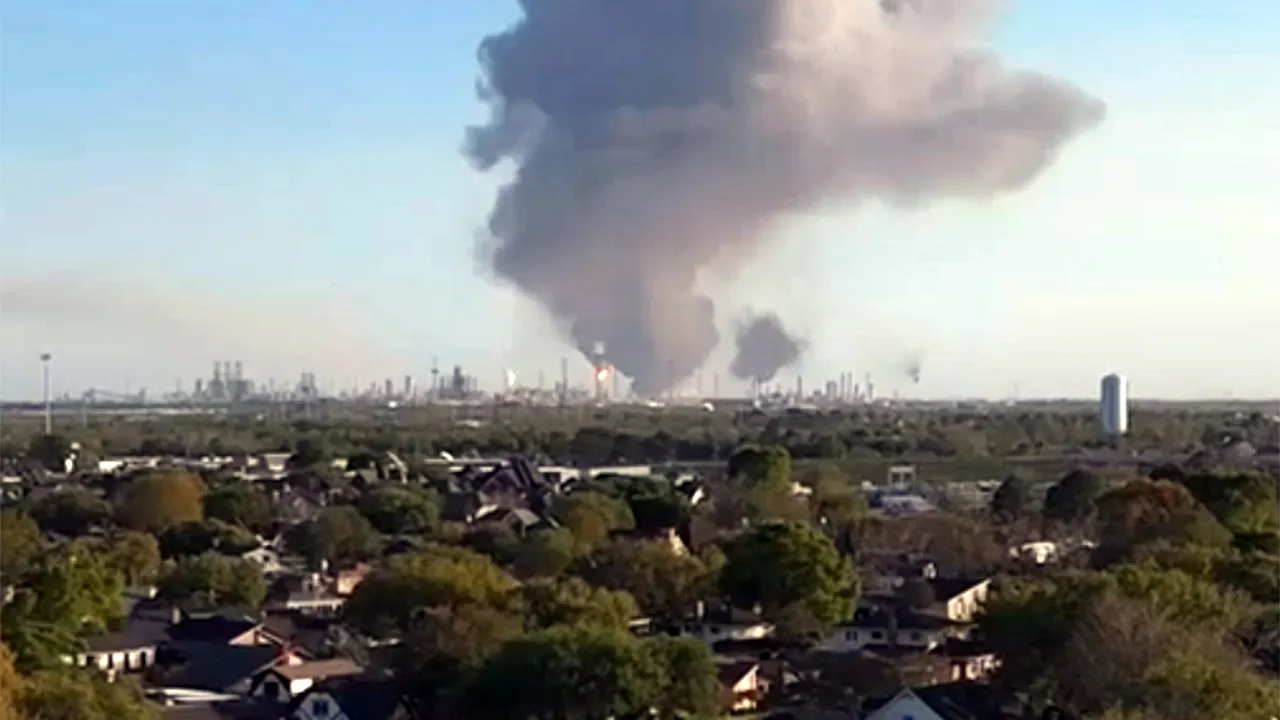
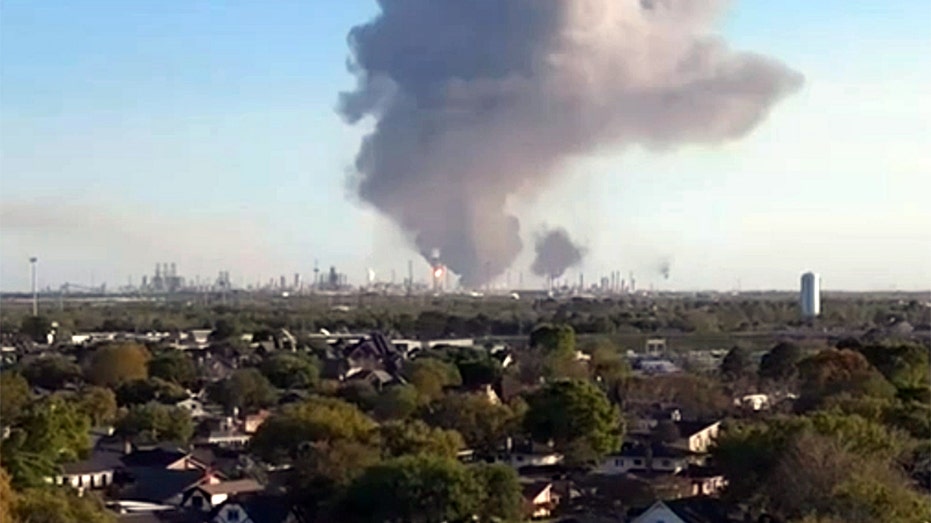
Some residents of Port Arthur, Texas, being advised to shelter in place following incident at Valero oil refinery on Monday, March 23, 2026. (Source: @heavensent_axgel via Storyful)
Residents of a Texas city were urged to shelter in place following an explosion and fire at a Valero oil refinery that sent massive plumes of smoke billowing into the air.
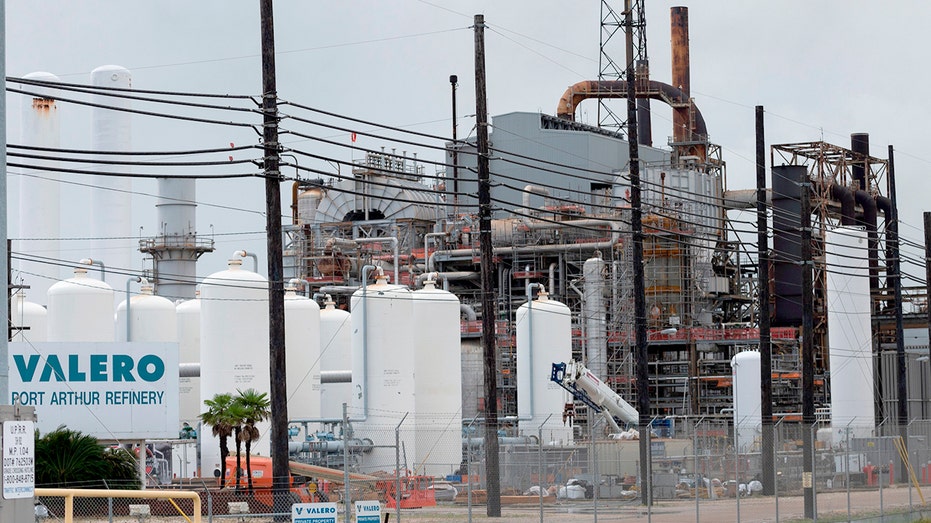
The incident happened Monday at Valero’s Port Arthur Refinery, which is located about 90 miles east of Houston and processes around 435,000 barrels per day. The company says about 770 employees work at the site, but there were no injuries, according to Port Arthur Mayor Charlotte Moses.
Advertisement
“There’s been an explosion, yes, but we’re OK, everybody’s OK,” Moses said in a video posted on Facebook late Monday. “They’re trying to put the fire out as quickly as possible. They are working fast, our firefighters are on the scene. They’re working really hard.”
Port Arthur is advising residents who live in the areas of Stillwell Boulevard West to South of Highway 73, Sabine Pass and Pleasure Island to adhere to an “immediate shelter in place.”
“Currently, there is a fire in a unit at Valero’s Port Arthur, Texas refinery,” Valero told FOX Business in a statement on Tuesday morning. “All personnel have been accounted for. Valero’s emergency response team is responding and coordinating with local authorities. As a precaution, Jefferson County officials have closed State Highways 82 and 87. As always, the safety of our workers is our top priority.”
“Emergency response coordinators and regional staff have been deployed with handheld and mobile air monitoring assets in response to the Valero fire in Port Arthur, TX and are coordinating activities through incident command,” the Texas Commission on Environmental Quality wrote on X.
CHICAGO — Travelers at Chicago O’Hare International Airport faced moderate to extended security lines Tuesday, March 24, 2026, with average TSA wait times hovering between 20 and 35 minutes at many checkpoints, though some peaks reached 40-60 minutes during morning and midday rushes as the partial federal government shutdown continues to strain staffing during peak spring break travel.
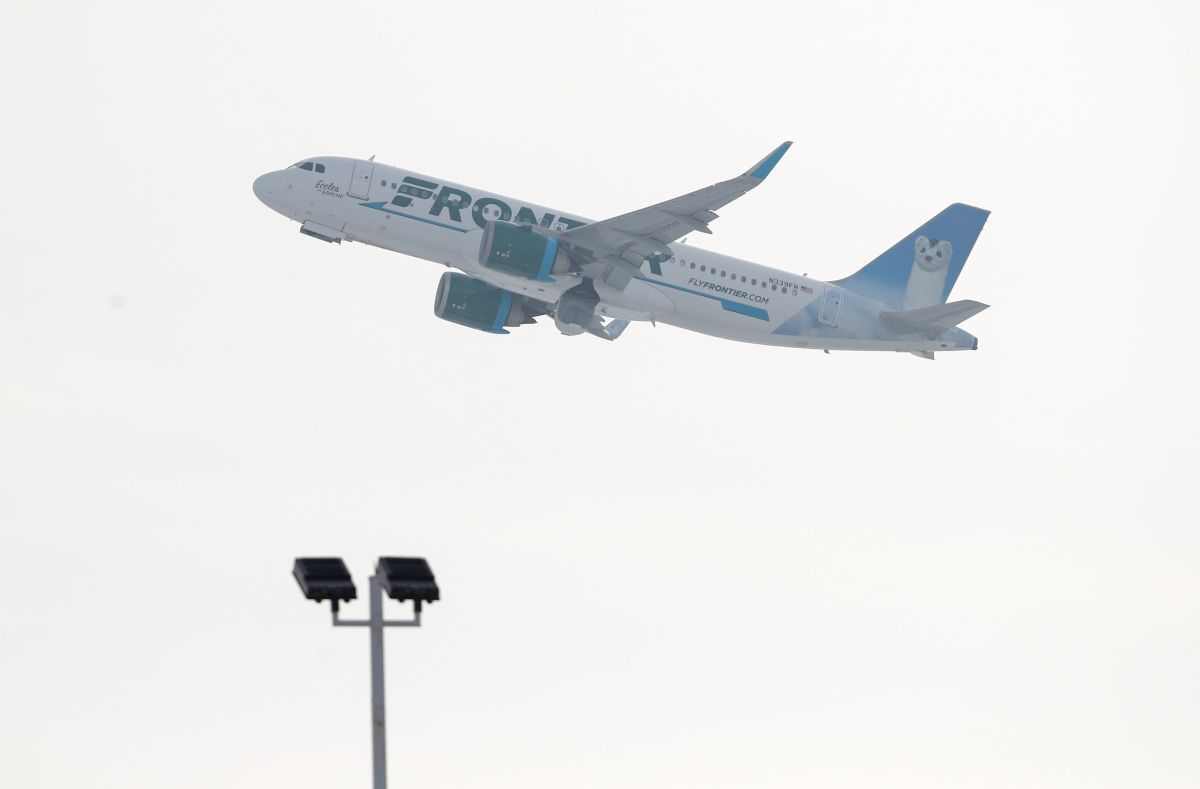
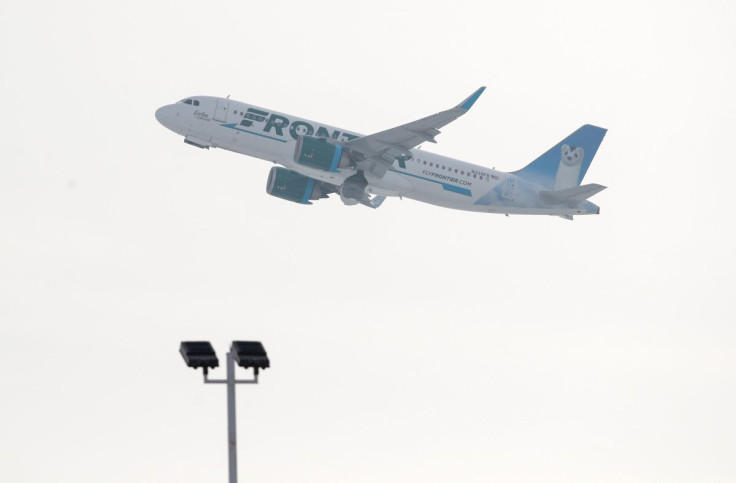
A Frontier Airlines Airbus A320neo plane departs from O’Hare International Airport in Chicago
O’Hare, one of the nation’s busiest hubs handling more than 80 million passengers annually, does not maintain an official real-time TSA wait time dashboard on its flychicago.com site. Airport officials have instead issued broad advisories urging passengers to allow significantly more time than usual for security screening amid ongoing Department of Homeland Security funding issues.
Third-party trackers and traveler reports painted a variable picture Tuesday. Aggregators showed current standard security waits averaging around 25-26 minutes, with some checkpoints reporting as low as 5-10 minutes in off-peak overnight hours and climbing to 30-45 minutes during busier periods. TSA PreCheck lanes generally moved faster, often clearing in 5-15 minutes when open, though they too experienced occasional backups.
The partial government shutdown, now in its sixth week, has prompted elevated TSA call-out rates as officers work without guaranteed paychecks. Nationwide absenteeism has fluctuated, with some shifts seeing 10-30 percent or more officers absent. At O’Hare, lines were noticeably longer over the weekend, with reports of waits approaching two hours at certain international checkpoints, though conditions appeared somewhat steadier by Tuesday afternoon as volumes eased.
Chicago Department of Aviation officials have warned that passengers “may experience longer-than-usual wait times” due to the combination of spring break crowds and staffing challenges. More than 3.7 million travelers are expected to pass through O’Hare and Midway during the spring break period, with O’Hare projecting a 13 percent increase over last year on some days.
Advertisement
President Donald Trump’s decision to deploy Immigration and Customs Enforcement agents to assist at major airports, including O’Hare, began taking effect Monday. ICE officers were spotted in Terminal 3 and other areas, helping with crowd management and flow rather than direct screening. Their presence has drawn mixed reactions from travelers, with some expressing unease while others appreciated any additional support to ease bottlenecks.
Local media and social media posts Tuesday described scenes of manageable but slower-moving lines at most domestic checkpoints in Terminals 1, 2 and 3. International Terminal 5 sometimes saw heavier traffic due to additional screening requirements. One traveler reported clearing Terminal 1 PreCheck in about 7 minutes midday, while standard lanes in Terminal 3 averaged closer to 25-30 minutes during the lunch hour.
Unlike harder-hit airports such as Atlanta’s Hartsfield-Jackson, where lines have stretched for hours and official trackers were suspended, O’Hare has avoided the most extreme backups so far. However, aviation experts note that even moderate delays can cascade quickly in a hub like ORD, where tight connections are common.
Practical advice from the Chicago Department of Aviation and airlines remains consistent: Arrive at least two hours before domestic flights and three hours before international departures. Many travelers and experts recommend adding an extra hour buffer during the current conditions, especially for families or those with checked baggage.
Advertisement
TSA PreCheck and CLEAR expedited lanes continue to offer significant time savings for enrolled members. PreCheck checkpoints were open across terminals, with hours varying by location — some opening as early as 3:15 a.m. and closing in the evening. CLEAR enrollment and lanes are available in Terminals 1, 2 and 5.
Community support efforts have emerged to assist TSA officers facing financial hardship. Travelers and local groups have donated gift cards for food and gas, with some passengers handing them directly to officers at checkpoints.
For those flying out of O’Hare today, tips to minimize delays include:
– Check third-party trackers or the MyTSA app before leaving home, though data may be less reliable during the shutdown. – Pack liquids in a quart-sized bag and remove laptops and large electronics early. – Wear slip-on shoes and limit metal items to speed screening. – Use the CTA Blue Line or other public transit to avoid roadway congestion around the airport. – Monitor airline apps for gate changes and connection times. – Consider the airport’s multiple checkpoints — moving between terminals is possible but adds time.
Advertisement
O’Hare’s layout, with four main terminals connected by walkways and the ATS people-mover system, helps distribute crowds after security. However, the initial checkpoints remain the primary potential choke point.
Flight operations continue normally, with average delays under 15 minutes reported early Tuesday according to airport data. No widespread cancellations tied directly to security lines were noted, though individual missed connections remain a risk for tight schedules.
The ongoing shutdown has drawn criticism from travel industry groups and unions, who warn of broader economic impacts if the impasse continues into peak summer travel. TSA officers, deemed essential, continue working while many face personal financial strain, leading to resignations and call-outs.
As evening approaches on March 24, passenger volumes typically ease after the afternoon rush, potentially shortening lines further for later departures. Overnight and very early morning hours often see the shortest waits.
Advertisement
Travelers with disabilities or needing assistance should contact their airline in advance and allow extra time. Family lanes exist but can also experience variability.
Chicago Mayor’s office and airport leadership continue coordinating with federal partners on ICE assistance and monitoring conditions closely. Officials emphasize that safety remains the top priority despite the challenges.
For real-time insights, passengers can consult sites like takeofftimer.com or onairparking.com, which aggregate traveler reports and checkpoint data. Social media groups and local news also provide frequent updates from those on the ground.
O’Hare International Airport remains a vital economic engine for the Chicago region. While the current situation tests its resilience, the hub has managed high volumes effectively in the past through proactive measures.
Advertisement
As spring break continues and negotiations in Washington drag on, conditions at ORD are expected to remain fluid. Passengers are encouraged to stay informed via airline notifications, the flychicago.com site and trusted travel apps.
The message from Chicago’s primary international gateway is clear: Plan ahead, build in substantial extra time and prepare for variable but generally manageable TSA experiences amid broader national strains. Safe travels to all departing O’Hare today.
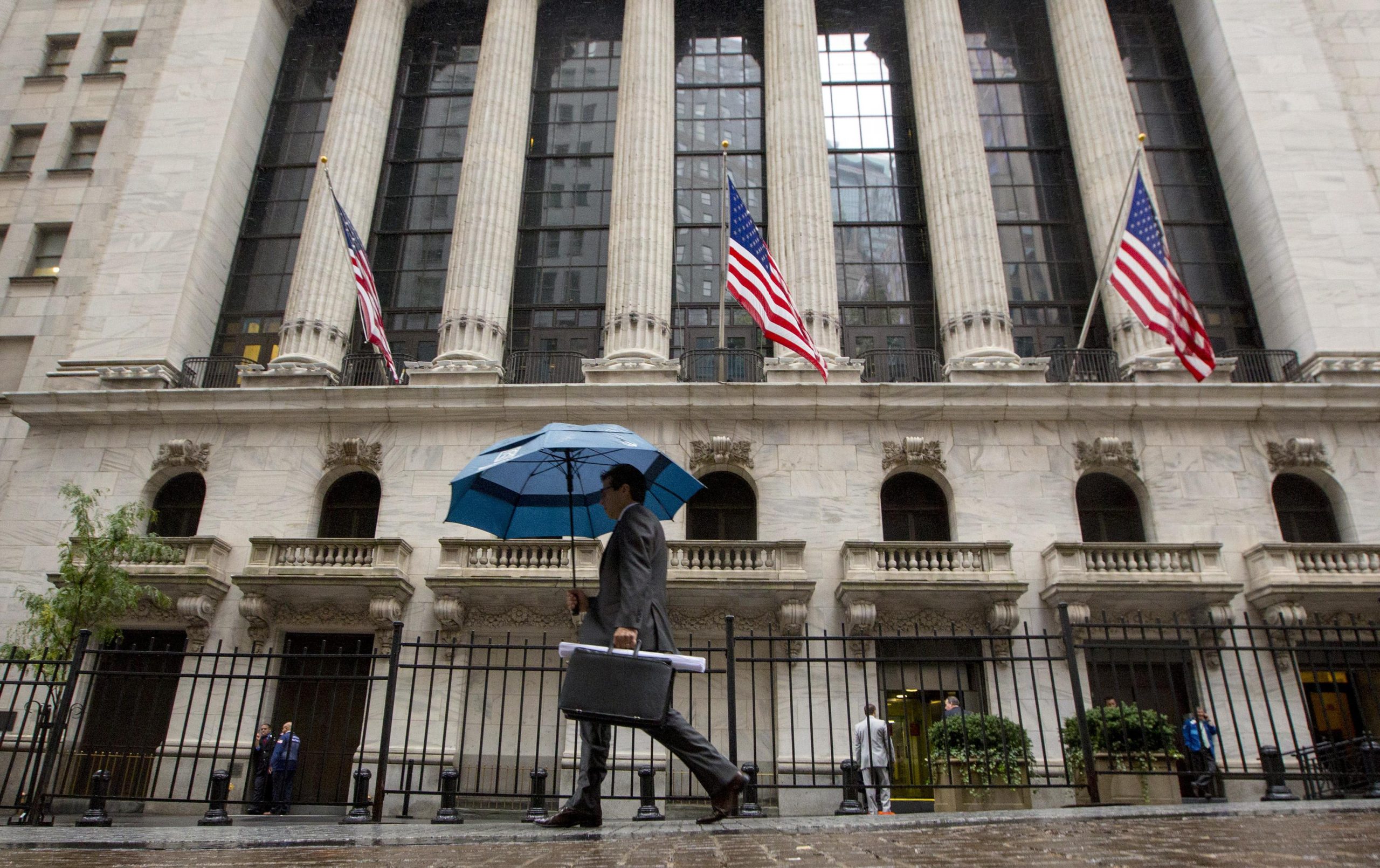
Nasdaq futures pointed to a mixed open Tuesday, March 24, 2026, after the tech-heavy index posted a solid 1.38% gain the previous session on hopes of de-escalation in the U.S.-Iran conflict that briefly sent oil prices tumbling and lifted investor sentiment across Wall Street.
E-mini Nasdaq-100 futures traded little changed to slightly lower in early premarket action, fluctuating near flat after Monday’s relief rally. The Nasdaq Composite closed Monday at 21,946.76, up 299.15 points, or 1.38%, following President Donald Trump’s announcement of “very good and productive” talks with Iran and a decision to postpone strikes on Iranian energy infrastructure for five days.
The move reversed earlier losses tied to soaring oil prices and fears that prolonged Middle East tensions could derail economic growth and keep inflation elevated. The S&P 500 rose 1.15% to 6,581.00, while the Dow Jones Industrial Average surged 631 points, or 1.38%, to 46,208.47. Gains were broad-based, with technology, consumer discretionary and communication services sectors leading the advance as risk appetite returned.
Optimism proved short-lived, however. Iranian state media pushed back on Trump’s claims, stating no direct negotiations had taken place, while reports emerged that some U.S. allies in the Persian Gulf were considering joining operations against Tehran. Oil prices, which dropped sharply Monday, rebounded modestly early Tuesday, adding pressure on rate-sensitive growth stocks that dominate the Nasdaq.
The tech-heavy benchmark has been particularly sensitive to geopolitical developments and energy costs. Higher oil prices raise input expenses for companies and threaten to push inflation higher, reducing expectations for Federal Reserve rate cuts. Interest rate futures now price in virtually no easing before mid-2027, according to the CME FedWatch Tool, a shift that weighs on high-valuation tech names.
Advertisement
Monday’s session marked a sharp reversal from recent volatility. Before Trump’s Truth Social post, futures had pointed to another down day amid the ongoing conflict that has driven West Texas Intermediate crude well above pre-crisis levels. Once the news hit, Dow futures briefly spiked more than 1,100 points, while Nasdaq contracts surged as much as 2.5% in early trading.
Analysts described the market reaction as classic headline-driven trading. “Any signal of diplomatic progress provides immediate relief, especially after weeks of oil-driven selling pressure,” said one strategist at a major Wall Street firm who declined to be named because of firm policy. “But when those signals are contradicted, the rally can fade quickly.”
Technology giants helped power Monday’s gains. Nvidia, Amazon, Meta Platforms and other heavyweights in the Nasdaq-100 rose between 2% and 4% as investors rotated back into growth stocks. The Nasdaq-100 itself climbed about 1.22% to close near 24,188.59.
Broader context shows the Nasdaq has been range-bound in 2026, trading well below its record highs from late 2025. Persistent inflation concerns linked to energy shocks have kept the Federal Reserve on hold longer than many anticipated at the start of the year. The index remains vulnerable to swings in oil and bond yields.
Advertisement
Treasury yields edged higher early Tuesday as traders weighed the balance between growth risks and sticky inflation. The 10-year note yield hovered near recent levels, adding modest pressure on rate-sensitive sectors.
Corporate earnings season continues this week, with several major technology and industrial companies scheduled to report. Results will be scrutinized for resilience amid higher costs and any signs of softening demand tied to geopolitical uncertainty.
The partial federal government shutdown, now entering its sixth week, has added another layer of background noise but has so far had limited direct impact on equity markets compared with the Middle East situation. TSA staffing issues at major airports have drawn attention, yet broader fiscal concerns remain secondary for most investors.
International markets showed mixed performance overnight. European stocks were little changed as traders digested the same headlines. Asian markets closed mostly lower, reflecting caution over global growth prospects if the conflict persists.
Advertisement
For individual investors, the current environment calls for caution amid rapid headline shifts. Portfolio managers recommend maintaining diversification and keeping dry powder to capitalize on volatility. Sectors with exposure to energy or defense have benefited in recent weeks, while pure growth and consumer names have faced pressure when oil spikes.
Retail trading activity has surged during the swings, with many using futures and options to bet on short-term outcomes. Professionals caution against overreacting to single-day moves driven by unconfirmed diplomatic reports.
Looking ahead, the path for the Nasdaq will likely depend on three factors: any fresh developments on U.S.-Iran talks, the trajectory of oil prices, and incoming economic data. Housing figures and consumer confidence readings are due this week, though geopolitical news is expected to dominate.
If diplomatic efforts gain traction and oil moderates, the Nasdaq could extend Monday’s rebound, potentially testing resistance near 22,500. Conversely, renewed escalation or supply disruptions could push the index back toward recent lows around 21,500.
Advertisement
Wall Street opens at 9:30 a.m. Eastern. Early price action will offer clues on whether Monday’s gains can hold or if profit-taking will dominate as skepticism returns.
The Nasdaq’s performance Monday highlighted its role as a barometer for risk sentiment. Heavily weighted toward technology and growth, the index often amplifies both positive and negative macro shocks. Its 1.38% gain erased some recent losses but left it down for the month amid ongoing uncertainty.
Analysts note that while the relief rally was welcome, underlying concerns persist. Higher-for-longer interest rates, combined with elevated energy costs, continue to challenge valuations in the tech sector, where price-to-earnings multiples remain elevated compared with other parts of the market.
As trading begins Tuesday, investors will monitor any new comments from Washington or Tehran that could swing sentiment rapidly. Additional clarity on the scope and timing of potential talks will be key.
Advertisement
In the meantime, Nasdaq futures today signal a cautious tone following the previous session’s volatility. The coming hours and days will test whether the de-escalation hopes can translate into sustained momentum or if geopolitical risks will keep markets on edge.
The tech-heavy index, long a favorite of growth investors, continues to navigate one of its more challenging periods in recent memory, with external shocks testing its resilience.
Billionaire Elon Musk said that Tesla and SpaceX will build an advanced chip facility in Austin, Texas, to help power the two companies’ emerging technologies amid a shortage of chips.
“Terafab will technically be two fabs, each making only one chip design,” Musk wrote Sunday in a post on X.
Advertisement
One of Terafab’s facilities will be focused on AI chips for Tesla’s electric vehicles and Optimus humanoid robots, while the other will be focused on AI chips for space-based data centers made by SpaceX.
Musk said that the Terafab chips will be necessary to meet his companies’ demand for computing power that exceeds what it can obtain from suppliers.
Elon Musk said that Terafab will focus on two chip designs: one for Tesla’s EVs and Optimus humanoid robots, and another for SpaceX’s space-based data centers. (Aly Song/Reuters)
“We either build the Terafab or we don’t have the chips,” Musk said during a presentation in an Austin facility on Saturday, adding that current global chip production would meet only a small fraction of his companies’ future needs.
Advertisement
Musk thanked the companies’ existing chip suppliers, including Samsung, TSMC and Micron, but said that the demand from his companies would eventually exceed total global chip output, prompting the need for the new AI chip plant.
Musk also said that SpaceX’s AI chip for space-based data centers will need to have special characteristics to withstand the environment in space and function as intended.
“We need a high‑powered chip designed for space that takes into account the harsher environment in space, where you’ve got high power, high energy ions, photons, you’ve got electron build up,” Musk said, adding it would need to operate at higher temperatures.
Advertisement
“It’s a hostile environment in space,” Musk explained. “You want to optimize it for space, and you also want to generally run it a little hotter than you would normally run a chip on Earth to minimize the radiator mass.”
Musk expects Terafab to greatly expand the production of AI chips and computing capacity. (Marc Piasecki/Getty Images)
Musk did not give a timeline for the new project. Musk has a track record of announcing highly ambitious projects, though several have faced delays or fallen away.
Terafab will eventually produce one terawatt of computing capacity a year, compared with about half a terawatt currently generated across the U.S., Musk said.
Salcombe’s brands are already sold in Fortnum & Mason, Selfridges and John Lewis
Salcombe Gin is aiming to triple in size over the next five years(Image: Handout)
A Devon distillery is aiming to triple in size over the next five years after reporting 10 per cent year-on-year growth. Salcombe, which produces premium gin, rum and non-alcoholic spirits, said its performance amid challenging market conditions was driven by “disciplined brand positioning, strategic partnerships and international expansion”.
The company’s growth was bolstered by a 40 per cent uplift in travel retail, with the distillery’s brands now listed in some 26 duty free stores across 16 UK airports and on more than 10 cruise ships and cross-channel ferries, including P&O Cruises, P&O Ferries and Brittany Ferries.
Howard Davies, co-founder and director of Salcombe Distilling Co, said: “In a market where premium drinks brands are facing real pressure, we’ve remained clear on who we are and where we fit. Our growth reflects not only the strength of our coastal luxury positioning, but the loyalty of partners and consumers who believe in what we’re building”.
Salcombe also achieved a 25 per cent uplift in the domestic on-trade wholesale market – where drinks are sold and drunk on premises such as in bars and restaurants – which it said reflected a “deliberate strategy of partnership-led expansion”.
Advertisement
Angus Lugsdin, co-founder and director of Salcombe Distilling Co, said: “Travel retail feels like a natural fit for us. We were born on the waterfront, so partnering with leading cruise, ferry and travel operators allows us to bring that coastal story to travellers in an authentic and meaningful way”.
The distillery’s coastal luxury proposition is also gaining traction internationally. Salcombe Gin is now distributed across multiple US states on the east and west coasts, while its non-alcoholic New London Light brand is available nationally in North America via Amazon.
Further export success has followed in Asia, including a recent launch at the Royal Hong Kong Yacht Club, with future expansion planned into other coastal cities where demand for luxury British goods remains strong, Salcombe said.
Salcombe Distilling Co was founded in 2014 by Mr Lugsdin and Mr Davies, who met in the 1990s teaching sailing in Salcombe. In 2016, Salcombe Gin ‘Start Point’ launched alongside completion of the waterfront distillery.
Advertisement
Since launching, Salcombe’s brands have gained a number of prestige listings including in Fortnum & Mason, Selfridges and John Lewis & Partners.
Mr Lugsdin added: “Our ambition is clear, to become the world’s number one coastal luxury spirits brand. We will continue to grow thoughtfully, protect our premium positioning and expand internationally across both alcoholic and non-alcoholic categories.”
While US President Donald Trump’s announcement on talks with Iran brought much-needed relief to stock markets and oil prices, some traders may have benefitted from the news even before it was out. ‘Mystery’ bets in oil futures and S&P 500 futures made just before Trump’s announcement have raised eyebrows over possible insider trading.
Trump said on Monday that the US and Iran had very good and productive conversations over the last two days regarding the “complete and total resolution” of the rising hostilities in the Middle East. He announced that the US is postponing all military strikes against Iranian power plants and energy infrastructure for five days. After the announcement, oil futures crashed up to 15% to fall below the key $100 per barrel mark, while Wall Street rallied.
However, market analysts noted some mysterious bets made just before the announcement. Just five minutes before Trump’s announcement, S&P 500 futures worth $1.5 billion were bought, while oil futures worth $192 million were sold, according to trading platform Unusual Whales.
Around 6,200 futures contracts linked to Brent and WTI crude were traded in a few seconds before Trump’s announcement, according to a report by the Financial Times. The notional value of these trades was estimated at $580 million, the report further said, adding that it remains unclear whether the trades were executed by a single or multiple participants.
Advertisement
Hence, S&P futures were bought at significantly lower levels minutes before they rallied sharply after Trump’s announcement, according to reports. Oil futures, meanwhile, were sold at sharply higher levels just before they tumbled.
Live Events
The Economic Times could not independently verify the reports. White House spokesperson Kush Desai dismissed the allegations of insider trading. “The White House does not tolerate any administration official illegally profiteering off insider knowledge, and any implication that officials are engaged in such activity without evidence is baseless and irresponsible reporting,” he said.Notably, this is not the first time such trades have raised eyebrows before Trump’s announcements. Before the US and Israel conducted joint military strikes on Iran on March 3, killing its former supreme leader Ayatollah Khamenei and beginning the war in the oil-rich Middle East, several mysterious bets were placed on prediction-market platforms Polymarket and Kalshi, making millions for investors betting on the outcome of the conflict.
After Trump’s announcement, Iran’s parliament speaker Mohammad Bagher Ghalibaf said no negotiations have been held with the US. “No negotiations have been held with the US, and fake news is used to manipulate the financial and oil markets and escape the quagmire in which the US and Israel are trapped,” Ghalibaf said in a post on X.
(Disclaimer: Recommendations, suggestions, views and opinions given by the experts are their own. These do not represent the views of The Economic Times)
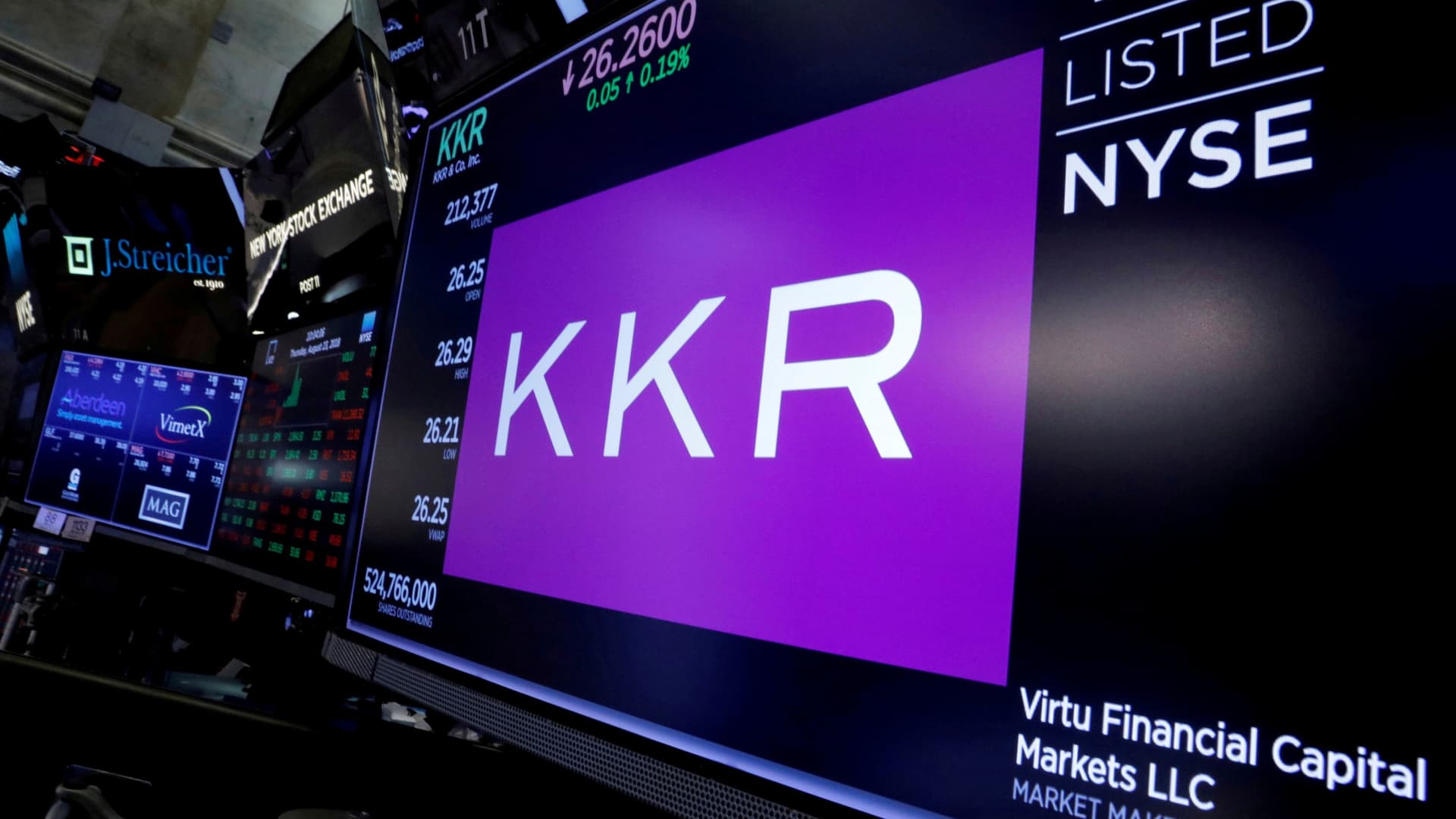
A KKR logo displayed on the floor of the New York Stock Exchange on Aug. 23, 2018.
Brendan McDermid | Reuters
Moody’s Ratings on Monday downgraded a private credit fund run by KKR and Future Standard to junk amid rising bad loans and a string of weak earnings.
Advertisement
The ratings firm lowered the debt ratings of FS KKR Capital Corp by one notch to Ba1 from Baa3 — pushing it into “junk” territory — saying that the fund’s underlying asset quality had worsened more than its peers.
Non-accrual loans, meaning borrowers who have stopped making payments, rose to 5.5% of total investments at the end of 2025, one of the highest rates among rated BDCs, according to the report.
“The downgrade reflects FSK’s continued asset quality challenges, which have resulted in weaker profitability and greater net asset value erosion over time relative to business development company (BDC) peers,” Moody’s said.
The move by Moody’s is the latest sign of distress in the private credit world. Retail investors have been rushing to withdraw funds, running into gates amid concerns about upcoming credit losses, especially related to software loans. Funds like FS KKR issue debt to help juice returns, so the Moody’s downgrade could increase its borrowing costs and, therefore, lower future returns.
Advertisement
Moody’s also flagged other aspects of the fund that could expose it to greater losses over time, including higher leverage, a higher proportion of payment-in-kind loans, and a lower percentage of first-lien loans than peers.
FS KKR posted a net loss of $114 million in the fourth quarter alone and earned just $11 million in net income for all of 2025, according to Moody’s.
The fund didn’t immediately return a request for comment.
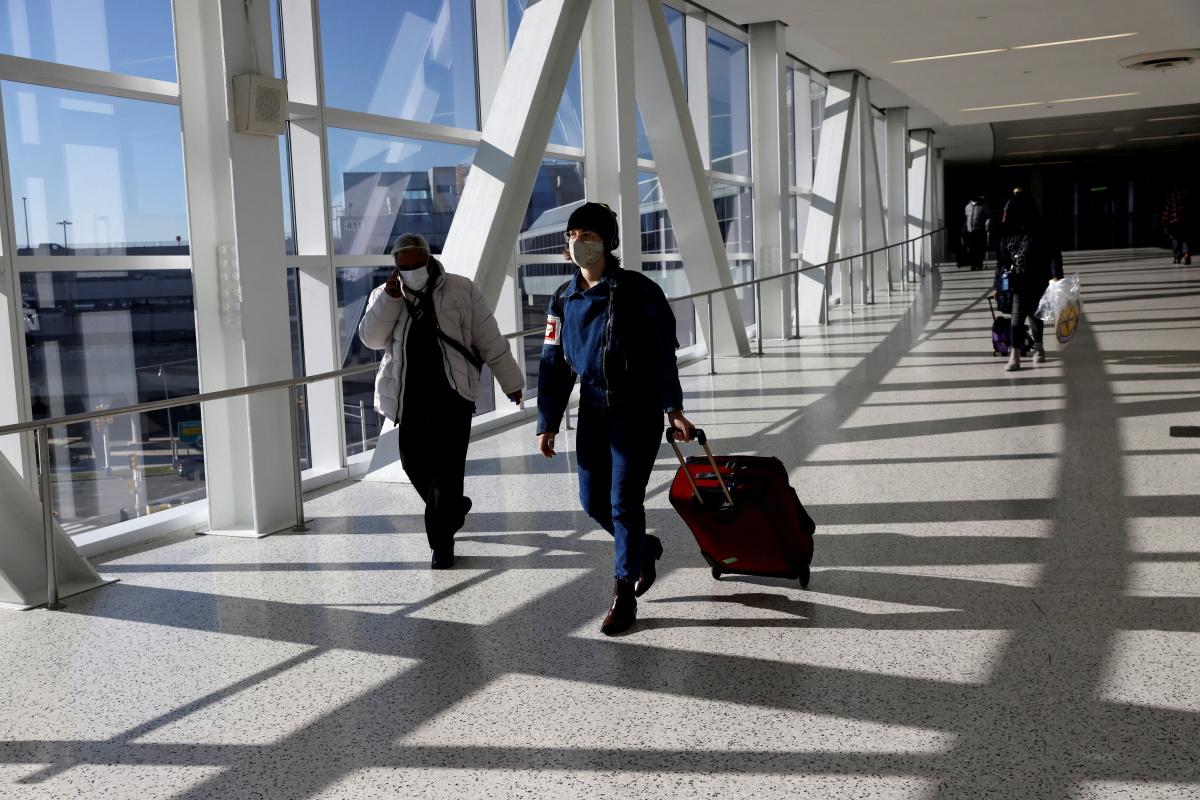
NEW YORK – Travelers heading to John F. Kennedy International Airport on Tuesday, March 24, 2026, face significant uncertainty at security checkpoints as a partial federal government shutdown continues to strain Transportation Security Administration staffing, leading to long and unpredictable lines.
JFK Airport has temporarily suspended its official real-time TSA wait time reporting due to the funding lapse, warning passengers that security lines “may be significantly longer than normal” and urging them to allow extra time. Third-party trackers and traveler reports indicate average waits of 15 to 35 minutes in many cases, with peaks reaching 60 to 90 minutes or more during busy periods — and isolated reports of up to three hours over the weekend.
The ongoing DHS funding crisis has prompted higher than usual call-outs among TSA officers, who are working without guaranteed paychecks. At JFK, one of the nation’s busiest international gateways handling more than 60 million passengers annually, the impact has been noticeable across its six terminals.
As of late Monday and early Tuesday, third-party monitoring sites reported general security lines averaging around 18 to 25 minutes during non-peak hours, while TSA PreCheck lanes moved faster in the 5- to 15-minute range when open. However, passenger anecdotes shared on social media and forums described far longer delays, particularly in Terminal 4 and Terminal 5, popular hubs for international and JetBlue flights.
One traveler arriving for a morning flight in Terminal 5 reported waiting nearly 75 minutes on Sunday, calling the experience a “complete disaster” with poor line management. Others noted lines snaking through terminals and even spilling toward check-in areas during peak morning rushes between 5 a.m. and 9 a.m.
Advertisement
Airport officials issued a clear advisory on the JFK website and social media: “Due to the federal funding lapse, security wait times may be significantly longer than normal. Wait times are subject to rapid change based on passenger volumes and TSA staffing. For these reasons, wait time reporting has been temporarily suspended. Please allow for significantly more time and check with your airline for the current status of your flight.”
The Port Authority of New York and New Jersey, which operates JFK, has not restored live estimates as of Tuesday evening. In normal conditions, JFK security waits average 15 to 30 minutes, with peaks of 30 to 45 minutes during rush hours. This week, those figures have proven unreliable.
Spring break travel combined with the shutdown has exacerbated the situation. Similar disruptions have hit other major hubs, including LaGuardia, Newark Liberty International, Atlanta and Houston, where some passengers faced waits exceeding four hours.
President Donald Trump announced over the weekend that ICE agents would be deployed to assist at airports nationwide to help alleviate staffing shortages. While the move aims to support operations, its immediate effect on TSA screening lines at JFK remains unclear, with mixed reports on whether additional personnel have eased bottlenecks.
Advertisement
Travelers with TSA PreCheck or CLEAR memberships generally report shorter waits, often under 15 minutes even on challenging days. However, even PreCheck lines stretched to 45-90 minutes at times over the weekend at New York-area airports.
Experts recommend arriving at JFK at least three to four hours before international flights and two to three hours for domestic departures during this period. Those without trusted traveler status should plan even more buffer time.
“Conditions can change quickly based on passenger volumes, TSA shift changes and staff availability,” said a Port Authority spokesperson. “We appreciate travelers’ patience as we navigate this federal situation.”
JFK’s terminals vary in typical crowd levels. Terminal 4, home to Delta, Emirates and many international carriers, often sees the longest lines due to higher passenger volumes and additional international screening requirements. Terminal 5 (JetBlue) and Terminal 8 (American Airlines) have also reported heavier delays.
Advertisement
Some checkpoints have operated with reduced lanes, leading to sudden surges when passenger waves hit. Reddit users and X posts from recent days described scenarios where lines moved smoothly one hour only to back up dramatically the next.
Airlines have encouraged passengers to check flight status and consider alternative transportation options where possible. Several carriers have adjusted policies to allow more flexible rebooking amid the uncertainty.
The shutdown’s impact extends beyond security. Some travelers reported longer check-in lines and baggage processing delays as airline staff manage overflow from security backups.
TSA has not released official nationwide figures for March 24, but the agency’s MyTSA app may provide limited traveler-reported data. Independent trackers pulling from airport feeds show fluctuating estimates, with some terminals listing waits as low as 10 minutes during overnight lulls and climbing above 30 minutes by mid-morning.
Advertisement
For those flying today, practical tips include:
– Enroll in TSA PreCheck or CLEAR if eligible for faster processing. – Pack liquids and electronics in easily accessible bags to speed screening. – Monitor airline apps for gate information and any delays. – Use the AirTrain or public transit to reach the airport and avoid roadway congestion. – Check terminal-specific social media or third-party apps for crowd updates.
The situation remains fluid. Port Authority officials have not provided a timeline for when official wait time displays will resume.
JFK continues to operate normally for takeoffs and landings, with air traffic control unaffected by the TSA staffing issues. However, missed connections and stress from long security lines have disrupted travel plans for many.
Advertisement
The funding impasse in Washington has drawn criticism from both travelers and aviation industry groups, who warn that prolonged uncertainty could harm the U.S. travel economy during a busy spring season.
As evening approaches on March 24, passenger volumes typically ease, potentially shortening lines after the 7 p.m. rush. Overnight and early morning flights may see lighter security traffic, though unpredictability persists.
Travelers are advised to stay flexible and maintain communication with airlines. Updates will likely continue via the JFK Airport website, X account (@JFKairport) and individual carrier notifications.
For now, the message from New York’s premier international gateway is consistent: Plan ahead, build in extra time and prepare for longer-than-usual TSA waits at John F. Kennedy International Airport today and in the coming days until the federal funding situation is resolved.























































You must be logged in to post a comment Login