Connect with us
DAPA Banner

Business

Blake Lively and Ryan Reynolds Divorce Rumors Intensify Amid Legal Battle but Couple Remains United

Published

on

Ryan Reynolds (L) and Blake Lively attend the "Rei Kawakubo/Comme des Garcons: Art Of The In-Between" Costume Institute Gala at Metropolitan Museum of Art May 1, 2017 in New York City.

NEW YORK — Persistent online speculation about a possible divorce between Blake Lively and Ryan Reynolds has surged in recent weeks, fueled by the actress’s high-profile legal dispute with Justin Baldoni, yet sources close to the couple insist their marriage remains strong and the rumors are unfounded.

Ryan Reynolds (L) and Blake Lively attend the "Rei Kawakubo/Comme des Garcons: Art Of The In-Between" Costume Institute Gala at Metropolitan Museum of Art May 1, 2017 in New York City.
Blake Lively and Ryan Reynolds Divorce Rumors Intensify Amid Legal Battle but Couple Remains United

As of early May 2026, no divorce filings have appeared in court records, and the Hollywood power couple continues to present a united front through public support, joint appearances and dismissive responses to split chatter. The rumors gained traction after Lively’s lawsuit against her “It Ends With Us” co-star and director, which has drawn intense media scrutiny and personal attacks on the family.

Ryan Reynolds has directly addressed the speculation, publicly praising his wife’s strength and integrity during the legal battle. In a recent interview, the “Deadpool” star distanced himself from divorce talk and expressed admiration for how Lively is handling the situation, calling her “resilient” and emphasizing their solid partnership.

Origins of the Rumors

The chatter intensified after Lively attended certain events without Reynolds and amid reports of strain from the Baldoni lawsuit. Online forums and social media amplified unverified claims, with some suggesting the legal stress was taking a toll on their 12-year marriage. Tabloid headlines and TikTok videos speculated about everything from separate living arrangements to hidden tensions, often linking it to Lively’s public image challenges.

Advertisement

However, multiple insiders and recent sightings tell a different story. The couple was spotted together at a Wales football match in March 2026 showing affectionate moments, and Reynolds has repeatedly voiced support for his wife amid her professional battles. Blake Lively herself responded lightheartedly to a fan comment about the rumors on Instagram, writing “Haha they wish,” signaling the couple is unbothered by the noise.

Current State of the Marriage

Sources close to the family describe Lively and Reynolds as committed partners who prioritize their four children and shared life despite external pressures. The couple, who married in 2012 and are known for their playful public banter, has faced scrutiny before but consistently emerged stronger. Reynolds’ recent comments dismissing divorce talk align with this pattern of unity.

Friends say the Baldoni lawsuit has been stressful but has also brought the couple closer as they navigate the challenges together. No credible reports indicate separation or impending filings, and both continue to appear supportive in public and private.

Advertisement

Legal Battle Context

The divorce rumors are largely tied to Lively’s ongoing dispute with Justin Baldoni over “It Ends With Us.” The high-profile case, which involved allegations of harassment and a toxic work environment, recently saw some claims dismissed while others moved forward. The intense media coverage and personal attacks have spilled over into speculation about Lively’s personal life.

Reynolds has been vocal in his support, and the couple attended high-profile events like the 2026 Met Gala together, further countering split narratives. Insiders note that the rumors appear manufactured for clicks rather than rooted in reality.

Public and Industry Reaction

Advertisement

Social media remains divided, with some users fueling speculation while others defend the couple as one of Hollywood’s more stable pairings. Celebrity watchers note that Lively and Reynolds have long been targets for rumor mills due to their high visibility and successful careers.

Industry sources emphasize that both stars maintain busy schedules — Reynolds with film projects and his ownership stakes, Lively with her own ventures and family life — but prioritize time together. Their four children remain central to their decisions.

Looking Ahead

As the Baldoni case continues and summer approaches, observers expect the couple to maintain a relatively low profile while focusing on family. Reynolds has upcoming projects, including potential “Deadpool” developments, while Lively balances professional commitments with motherhood.

Advertisement

For now, the divorce rumors appear to be just that — rumors. The couple’s history of weathering storms together, combined with recent public affirmations, suggests their marriage is intact despite the noise. Hollywood relationships often face intense scrutiny, but Lively and Reynolds continue demonstrating resilience and unity.

Fans and followers are advised to approach unverified claims with skepticism and await any official statements from representatives. As of May 2026, Blake Lively and Ryan Reynolds remain married and appear committed to their life together, turning the latest rumor cycle into another chapter in their enduring partnership.

The situation remains fluid as public interest stays high, but current evidence points to a strong marriage weathering temporary storms rather than heading toward dissolution.

Advertisement
Continue Reading
Click to comment

You must be logged in to post a comment Login

Leave a Reply

Business

FROM THE HILL: A snapshot of today's politics and parliament

Published

on

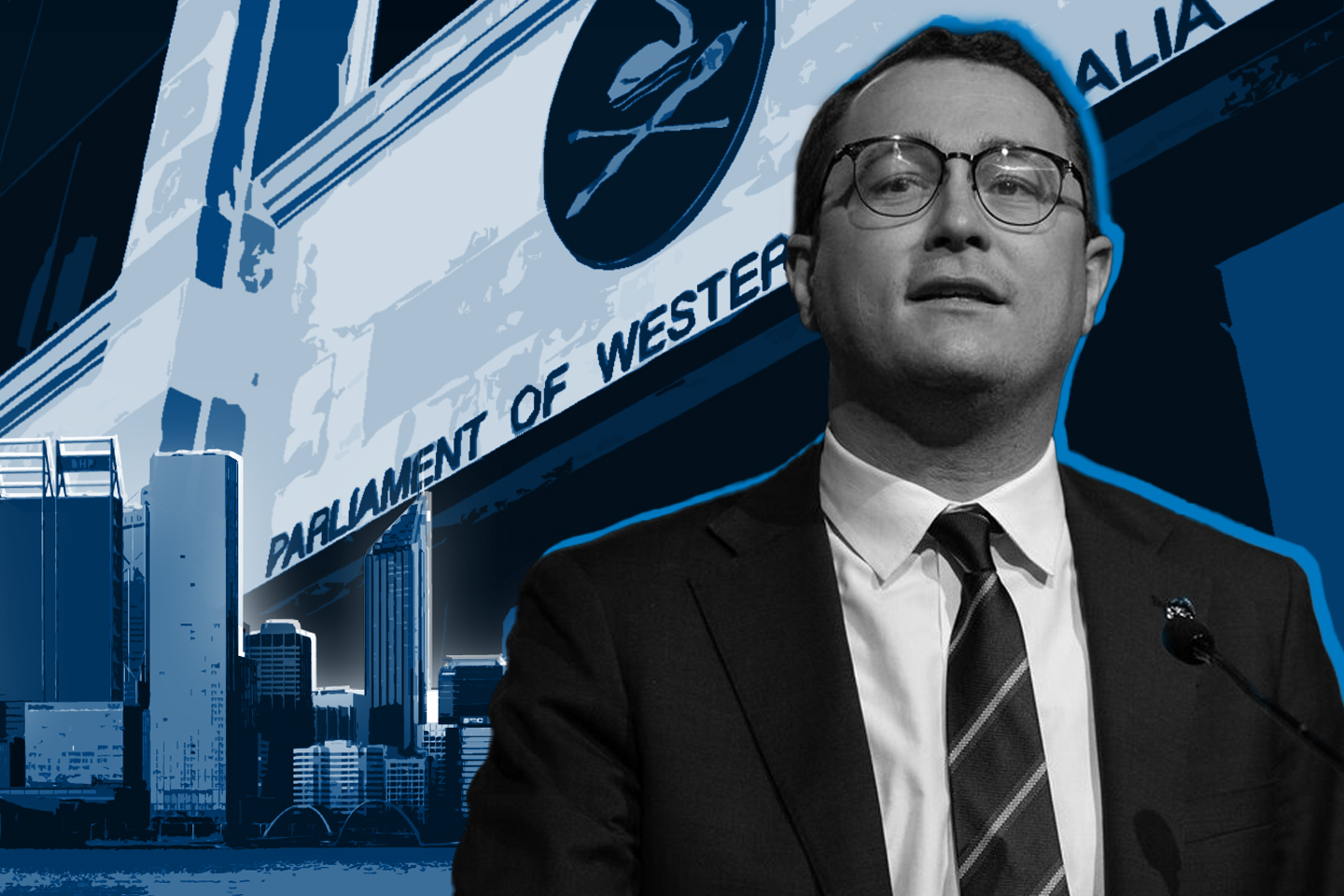
FROM THE HILL: A snapshot of today's politics and parliament

From the Hill: For the second time in his parliamentary career, Nationals MP Lachlan Hunter has been suspended from the chamber.

Continue Reading

Business

Law firm closes suddenly after falling into administration

Published

on

Business Live

West Country practice BLB Solicitors has ceased trading and all its staff have been made redundant

BLB Solicitors had offices across the South West including in Bath (pictured)

BLB Solicitors had offices across the South West including in Bath (pictured)(Image: Google Maps)

A West Country law firm has ceased trading after a deal to rescue the business collapsed. BLB Solicitors was founded more than a decade ago and had offices across Bath, Bristol, Swindon, Almondsbury, Trowbridge and Bradford-on-Avon.

It is understood the legal practice appointed administrators from The Insolvency Company, part of Sumer Group, at the end of April, but a deal to sell of the firm failed.

Before the company’s collapse, Business Live understands administrators worked with BLB’s leadership team to explore options to save the business and protect jobs. But despite an agreement in principle, the potential buyer withdrew and all staff were made redundant, the administrators said.

Joint administrator Gareth Buckley, head of insolvency at The Insolvency Company, said: “We worked hard to secure a sale of the business as a going concern, which would have preserved a significant number of jobs, and we had a deal in place.

Advertisement

“It is deeply disappointing that it fell through at a late stage. Due to the timing and lack of available funding there was no alternative other than to cease trading and dismiss the workforce. Our immediate priority now is to ensure clients and creditors are kept informed and to support employees through the process of making claims to the Redundancy Payments Service.”

Business Live understands that because the administrators are not solicitors, under Solicitor Regulation Authority (SRA) rules it was not possible to trade the firm whilst seeking a new buyer. The firm has been shut permanently and will not be reopening, according to its website.

The administrators are now looking to sell BLB’s assets and have said they will “contact creditors in due course” with further information regarding the progress of the administration.

“The Insolvency Company is liaising closely with the SRA to ensure that the interests of the clients of the firm are safeguarded during this process,” the administrators said in a statement.

Advertisement

“The joint administrators will continue to work closely with all stakeholders to support a smooth transition and deliver the best possible outcome for creditors, employees and clients of the firm.”

The SRA has appointed law firm Stephensons Solicitors LLP to collect files belonging to former BLB clients and keep them safe. Any enquiries regarding BLB should be directed to interventions@stephensons.co.uk.

Continue Reading

Business

Citadel’s $6B threat could sting local food vendors

Published

on

Mamdani praises Ken Griffin for police support despite billionaire feud

A threat from hedge fund Citadel to put a halt to its $6 billion Midtown Manhattan offices over a tax proposal from Mayor Zohran Mamdani threatens area food vendors’ dwindling business, vendors told FOX Business.

The fund, founded by Ken Griffin in 1990, made the threat after Mamdani directly targeted Griffin while announcing a new tax on second homes in the city.

Advertisement

“This is an annual fee on luxury properties worth more than $5 million, whose owners do not live full-time in the city. Like for this penthouse, which hedge fund CEO Ken Griffin bought for $238 million,” Mamdani said in a video announcing the new tax. 

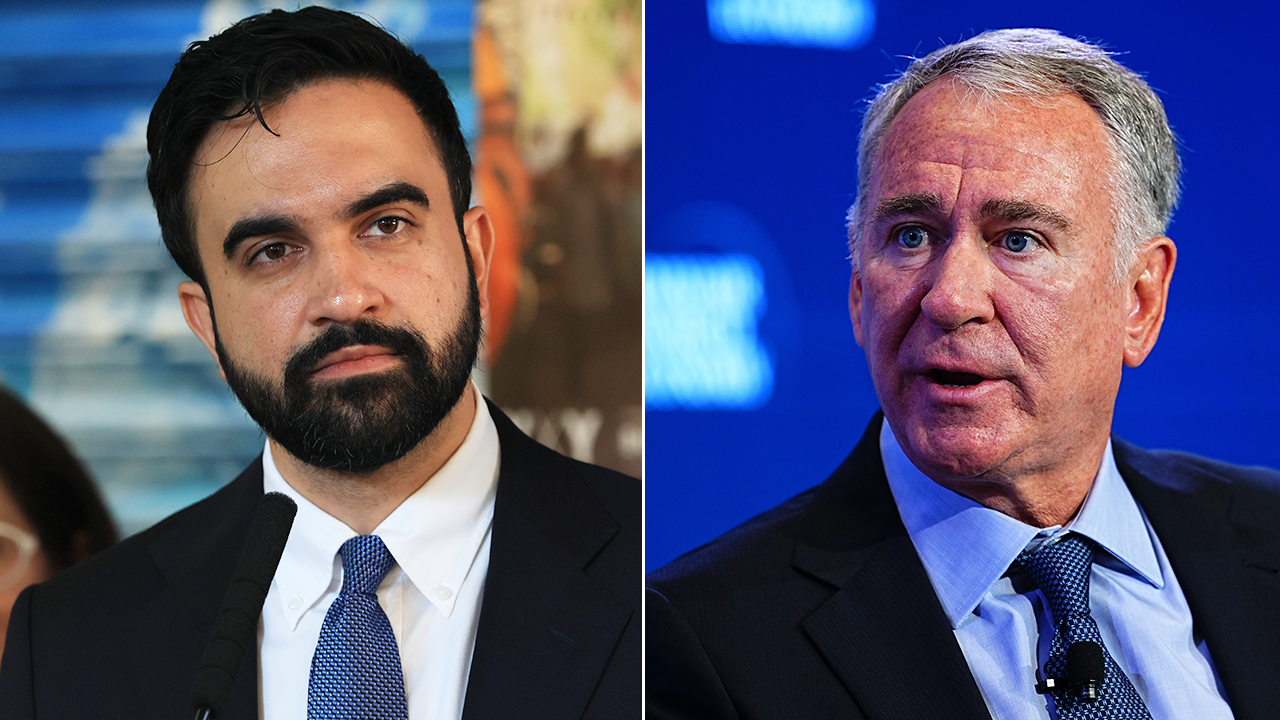
A side by side photo of New York Mayor Zohran Mamdani and Citadel CEO Ken Griffin.

On April 15, NYC Mayor Zohran Mamdani posted a video outside Ken Griffin’s Manhattan penthouse promoting a new “tax-the-rich” policy. (Spencer Platt/Aaron Schwartz/Bloomberg/Getty Images)

Griffin, whose $51 billion net worth places him in the top 35 of the world’s richest people, slammed Mamdani’s video as a “personal attack” and claimed it showed a “profound lack of judgment.”

The feud could put an end to a project that would build New York’s second-tallest building and inject billions in construction dollars into the local economy. 

Following Mamdani’s April 15 video, Citadel COO Gerald Beeson hinted that a plan to move forward with a skyline project for Citadel at 350 Park Avenue may not go forward.

Advertisement

MAMDANI TAX BREAK PROPOSAL SPARKS FEARS AS BUSINESS LEADERS WARN OF ‘FRAGILE’ NYC ECONOMY

“We are about to commence the redevelopment of 350 Park Avenue, creating 6,000 highly paid construction jobs and supporting the creation of more than 15,000 permanent jobs in Midtown New York,” Beeson wrote in an April 23 memo to employees. 

“The project – if we move forward – will entail more than $6 billion dollars of spending,” he also wrote. The “if” in Beeson’s memo could bear significant weight.

The 62-story skyscraper sitting near the center of Midtown Manhattan’s Turtle Bay neighborhood could be a boon, not only to the city’s construction and finance sectors, but also to local food vendors who have been struggling since the COVID-19 pandemic wiped out Midtown’s foot traffic. 

Advertisement

O’LEARY SLAMS NYC TAX PLAN AS ‘SHEER BLIND STUPIDITY,’ DEFENDS WEALTHY INVESTORS

“If the owner brings more people, it’s gonna be a lot of business. Like, about now, this time is supposed to be easier,” Maria, who runs the Eggstravaganza food truck on the corner of Park and E. 52nd Street, told FOX Business. 

A bright pink food truck

Maria from the Eggstravaganza food truck stands in front of her truck’s window. Maria has been bringing her truck to Midtown Manhattan for 13 years. (Fox News Digital)

“Before the pandemic it was like, I couldn’t even talk to you right now,” she said, speaking to FOX Business shortly after noon. “But now everything changed. A lot of companies are moving to different places. A lot of companies moved to SoHo, different places… Hudson Yards, a lot of people.”

Maria referenced a number of factors for the decline in her customer volume, including the 2025 shooting at 345 Park Avenue that prompted Blackstone to temporarily shutter its offices and have over 3,000 employees work from home. 

Advertisement

“So if this building brings in a lot of customers, that would definitely help.” 

But if Citadel follows through on its threat, it could pull a much-needed capital influx from the area.

“Canceling such a business, of course, will affect our business as well because we depend on the traffic from the people around here,” Ash, who worked in Rafiqi’s food truck right next to Maria’s, told FOX Business.

Ken Griffin speaking during a recorded interview at a corporate office.

Ken Griffin, CEO and founder of Citadel Advisors LLC, during a “Bloomberg Wealth with David Rubenstein” interview on Feb. 25, 2022. (Christopher Dilts/Bloomberg via Getty Images)

His business, which he’s been running in Manhattan for 25 years, is going through a downturn. 

Advertisement

“Prices went up, it follows the new government here… it affects us a lot,” Ash said. “The international situation, the war in Iran, affects us as well. Everything goes up. It’s hard for us. We have to keep our prices as well, we can’t change a lot of our prices,” Ash added. 

“When the businesses left, we all suffered,” a vendor who ran a Greek halal cart on 51st Street told FOX Business. “Many friends had to go back home to their countries,” the vendor, who asked to remain anonymous, said. 

Mamdani appeared to slightly soften his attacks on Griffin, even thanking the Citadel head for funding a police memorial. 

“I also want to thank Ken Griffin for funding a memorial wall that will open later this year,” Mamdani said.

Advertisement
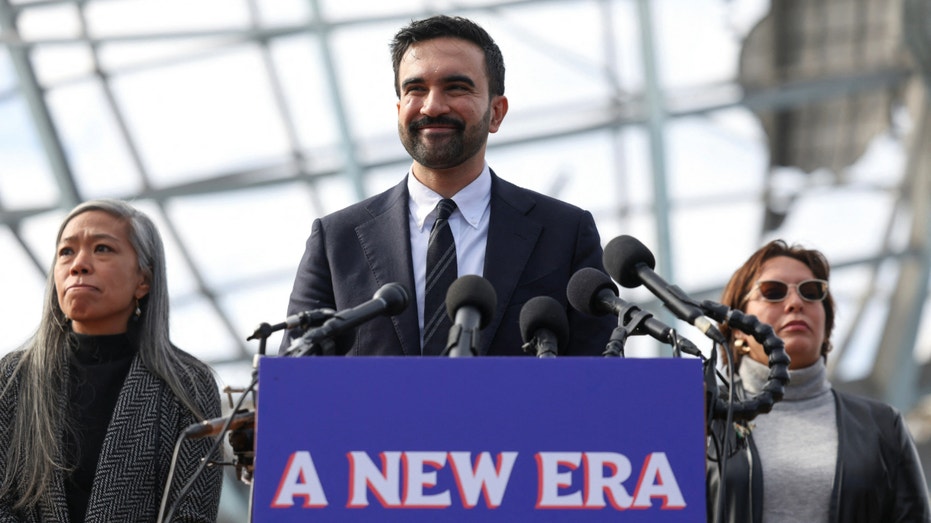
New York City Mayor-elect Zohran Mamdani speaks at a podium.

New York City Mayor-elect Zohran Mamdani holds a press conference at the Unisphere in the Queens borough of New York City, on Nov. 5, 2025. (Kylie Cooper/Reuters)

Griffin recently met with New York Gov. Kathy Hochul at the end of April to discuss the “future direction of New York” amid Mamdani’s tax proposals.

GET FOX BUSINESS ON THE GO BY CLICKING HERE

FOX Business reached out to representatives for Mamdani, Hochul and Citadel for additional comment. 

Advertisement
Continue Reading

Business

AAA national average for regular gas surges past $4.50 mark

Published

on

AAA national average regular gas price spikes about 33 cents in a week

The national average price for regular gasoline surged above $4.50 per gallon Wednesday, as ongoing tensions between the U.S. and Iran continued to pressure fuel costs for American drivers.

AAA reported the national average for regular gas at $4.536 as of Wednesday, up more than five cents from Tuesday’s $4.483 average.

Advertisement

The highest recorded was $5.016 for June 14, 2022, according to gasprices.aaa.com. That took place during Joe Biden’s presidency.

The AAA California average price for regular gas as of Wednesday is a whopping $6.16, towering over all the other states.

NATIONAL AVERAGE GAS PRICE REACHES $4.45 BEFORE SUMMER DRIVING SEASON

Gas pump

A fuel pump is connected to a car at a Mobil station in Englewood Cliffs, N.J., on Thursday, March 5, 2026. (Kena Betancur/Bloomberg via Getty Images / Getty Images)

Oklahoma, Mississippi and Louisiana remained just under the $4 mark, with AAA averages of $3.962, $3.97 and $3.993, respectively.

Advertisement

Several states were averaging more than $5 per gallon for regular fuel, including Alaska at $5.188, Nevada at $5.233, Oregon at $5.332, Hawaii at $5.657 and Washington at $5.747.

CHEVRON CEO SAYS ECONOMIES ‘ARE GOING TO HAVE TO SLOW’ AS STRAIT OF HORMUZ CLOSURE DISRUPTS OIL SUPPLY

Fuel price sign

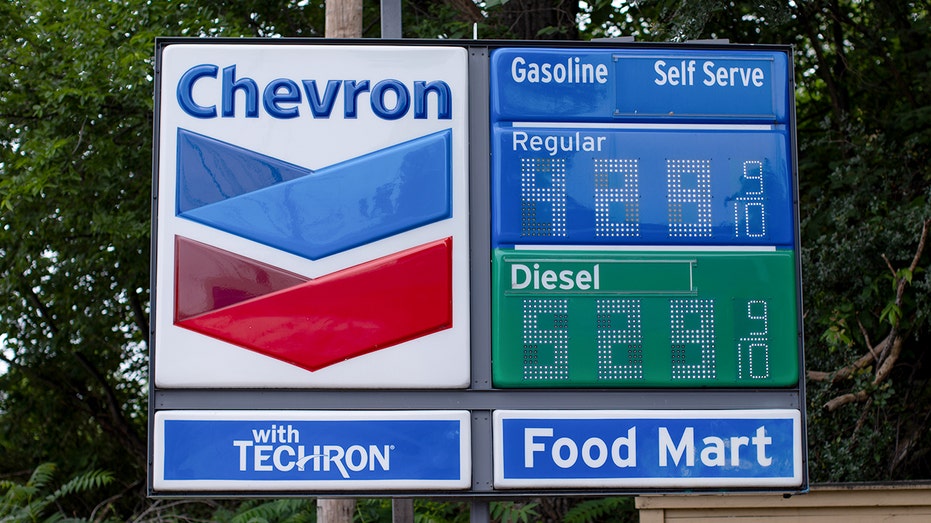
A sign displays the price of regular gasoline fuel at a Chevron gas station in Austin, Texas, on Tuesday, May 5, 2026. (Kaylee Greenlee/Bloomberg via Getty Images / Getty Images)

Fox News Digital reached out to the White House on Wednesday.

The U.S. has been engaged in a blockade against Iran for more than three weeks.

Advertisement

AAA NATIONAL AVERAGE GAS PRICE SOARS ABOUT 33 CENTS IN A WEEK

President Donald Trump

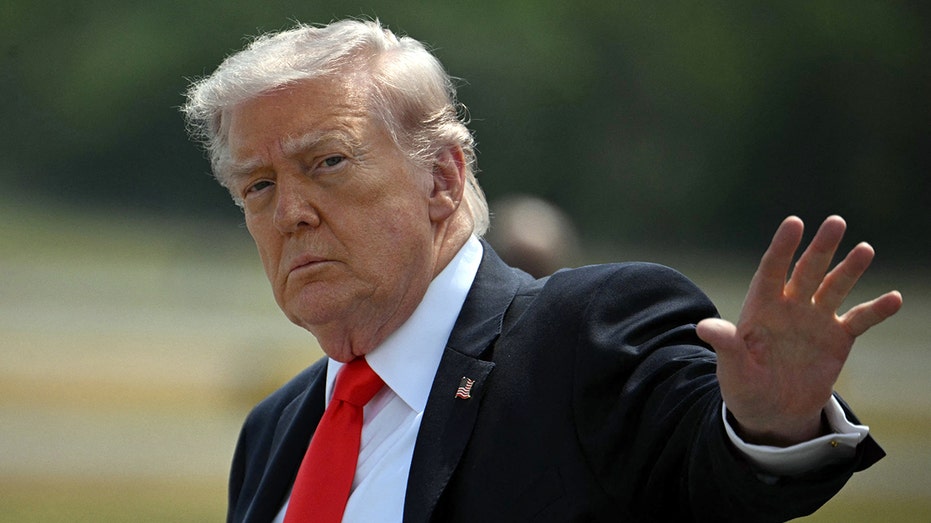
President Donald Trump waves after his arrival at Ocala International Airport, in Ocala, Fla., on May 1, 2026. ( Jim WATSON / AFP via Getty Images / Getty Images)

President Donald Trump said in a Tuesday evening Truth Social post that Project Freedom, described as “The Movement of Ships through the Strait of Hormuz,” would be paused briefly while negotiations continue.

CLICK HERE TO GET FOX BUSINESS ON THE GO

“Based on the request of Pakistan and other Countries, the tremendous Military Success that we have had during the Campaign against the Country of Iran and, additionally, the fact that Great Progress has been made toward a Complete and Final Agreement with Representatives of Iran, we have mutually agreed that, while the Blockade will remain in full force and effect, Project Freedom (The Movement of Ships through the Strait of Hormuz) will be paused for a short period of time to see whether or not the Agreement can be finalized and signed,” Trump wrote.

Advertisement
Continue Reading

Business

Did BSE really overtake NSE in F&O turnover? Here’s why the math may be misleading

Published

on

Did BSE really overtake NSE in F&O turnover? Here's why the math may be misleading
Recent reports suggested that the BSE overtook the National Stock Exchange (NSE) in the derivatives segment for the first time in April, drawing significant attention from market participants. But a closer look at the underlying data indicates that the shift appears more technical than structural.

At first glance, BSE’s notional derivatives turnover jumped to about Rs 5,377 lakh crore in April, up nearly 26% month-on-month, while NSE’s turnover dropped to around Rs 4,338 lakh crore, a 21.6% decline. This created the impression that BSE had briefly taken the lead in India’s largest trading segment.

However, analysts say this comparison is misleading. The primary issue lies in how derivative activity is measured.

Notional turnover, which multiplies contract value by underlying index levels, can exaggerate volumes when index prices are higher. Analysts point out that such calculations can distort comparisons by as much as 19 percentage points, making one exchange appear larger even if actual trading activity is not proportionally higher.

Advertisement

Instead, premium turnover — the actual money paid for options contracts — is considered a more reliable measure and is widely used by regulators like Sebi and institutional investors. On this basis, NSE continues to dominate.


In April, NSE retained 86.8% share in overall F&O premium turnover and 62.9% share in index options, even in what was described as a “holiday-distorted” month.
The distortion came from the structure of expiry days, which are critical drivers of derivatives volumes.NSE’s flagship Nifty contracts expire on Tuesdays. In April, two key weekly expiry sessions were lost due to holidays, directly hitting volumes on the exchange. In contrast, competing contracts with Thursday expiries for BSE were unaffected, temporarily boosting activity elsewhere.

Brokerage ICICI Securities highlighted a similar trend in its note. NSE’s options premium average daily turnover fell to Rs 64,500 crore in April, down more than 31% from March, largely due to fewer expiry days. In contrast, BSE’s premium turnover remained largely stable at Rs 33100 crore, showing only marginal growth.

The same pattern was visible in contract volumes. NSE’s average daily options contracts dropped to 142 million in April, down nearly 26% month-on-month, while BSE’s rose to 176 million, up about 20%.

Even then, combined system-wide activity actually declined. Total (NSE+BSE) options premium turnover fell to Rs 97600 crore in April, down 23% from March, suggesting the overall market cooled rather than shifted meaningfully between exchanges.

Advertisement

The broader takeaway is that while BSE has been steadily gaining traction — especially in options contracts — the April crossover in notional turnover does not reflect a structural change in market leadership.

(Disclaimer: Recommendations, suggestions, views and opinions given by the experts are their own. These do not represent the views of The Economic Times)

Continue Reading

Business

At Close of Business podcast May 6 2026

Published

on

At Close of Business podcast May 6 2026

Ella Loneragan talks to Nadia Budihardjo about Business News’ recent distilleries feature.

Continue Reading

Business

Google Pixel 10’s May 2026 Update Blocks Older Android Versions With Anti-Rollback Security Feature

Published

on

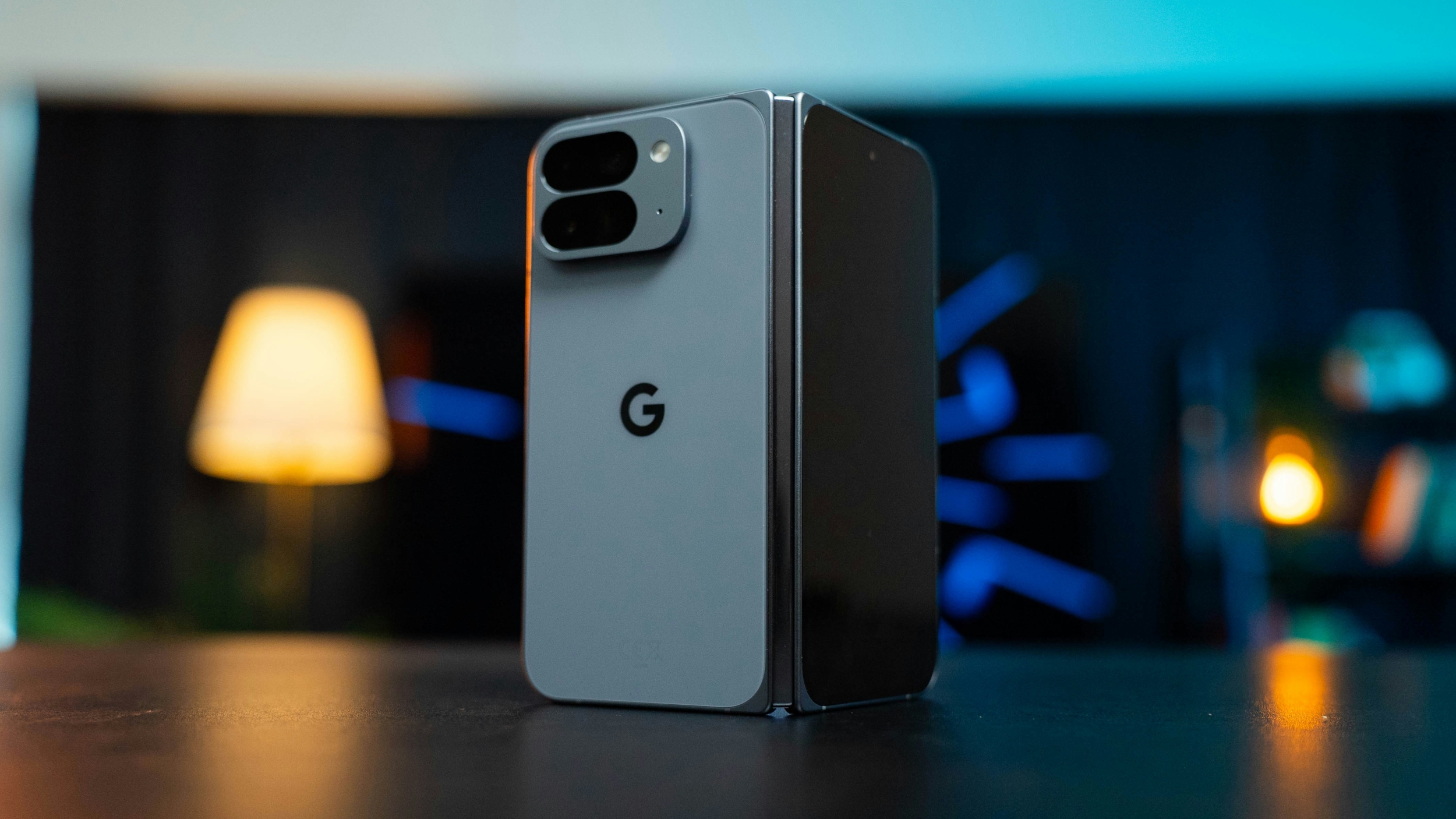
Google Pixel 10 Pro Fold

The latest Pixel 10 update introduces a major security change that prevents users from installing older Android versions. This Google Pixel 10 feature is part of a broader effort to strengthen device protection by blocking vulnerable software builds. It specifically targets rollback attempts that could expose devices to known exploits.

This Pixel 10 security update applies to multiple models, including the Pixel 10 Pro and Fold variants. By using an Android anti rollback system, Google ensures that once updated, devices cannot return to outdated firmware. While this improves Google Pixel security, it also introduces new considerations for developers and advanced users.

Pixel 10 Update Anti-Rollback Bootloader Mechanism

The Pixel 10 update works by increasing the bootloader’s anti-rollback version. Once installed, the Google Pixel 10 will reject any attempt to flash older Android builds. This ensures that devices remain protected from previously patched vulnerabilities.

This Pixel 10 security update also interacts with Android’s seamless update system, which uses two system partitions. One slot runs the current system while the other holds a backup. The Android anti rollback feature creates a mismatch if an older version is flashed, which can lead to an unbootable state.

Advertisement

To maintain Google Pixel security, users who manually update their device must ensure both slots are properly updated. This usually involves sideloading the full OTA image after the initial update. Without this step, fallback mechanisms could fail and result in device issues.

Google Pixel 10 Security Implications Developers Users

For most users, the Pixel 10 update will have little to no noticeable impact. Regular updates continue as usual, and the Google Pixel 10 remains stable and secure. The change mainly affects advanced workflows rather than everyday use.

However, the Pixel security update presents challenges for developers. Testing older builds or reproducing bugs becomes more difficult due to the Android anti rollback restriction. In some cases, improper flashing can even lead to device bricking.

To avoid problems, developers working with Google Pixel security features must follow updated procedures. This includes ensuring both system slots are synchronized after updates. While the new system improves safety, it reduces flexibility for testing and recovery.

Advertisement

Android Anti Rollback Previous Implementations Comparison

The Pixel 10 security update is not the first to include anti-rollback protection. Earlier devices like the Pixel 6 and Pixel 8 series introduced similar features. The Android anti rollback system has gradually expanded with each generation.

With the Google Pixel 10, this protection is more strictly enforced. The update integrates closely with newer hardware and system designs. This strengthens Google Pixel security but also highlights the need for better recovery tools.

As the Pixel 10 update evolves, it reflects a broader shift toward locking down system integrity. While this improves protection against threats, it also changes how users interact with their devices. The balance between security and flexibility continues to shape Android’s future.

Stronger Google Pixel Security for a Safer Android Experience

The Pixel 10 update marks a clear step toward tighter security by preventing outdated software from being installed. This approach strengthens Google Pixel security and reduces the risk of exploiting older vulnerabilities. For everyday users, it means a safer and more reliable device experience.

Advertisement

At the same time, the Android anti rollback system introduces new challenges for developers and advanced users. Managing updates, bootloader behavior, and recovery processes now requires more attention. As the Google Pixel 10 continues to evolve, these changes highlight the growing focus on security-first design in modern smartphones.

Originally published on Tech Times

Advertisement
Continue Reading

Business

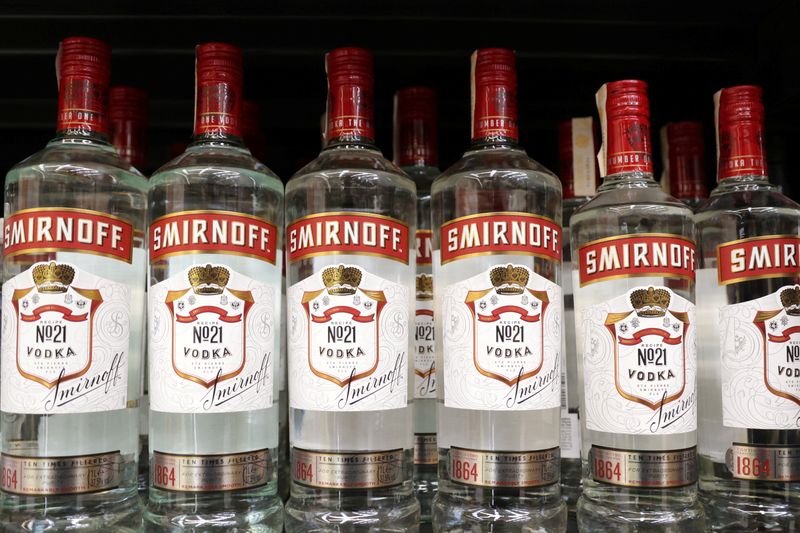
Diageo’s US problems temper sales boost from Guinness, World Cup

Published

on

Diageo’s US problems temper sales boost from Guinness, World Cup


Diageo’s US problems temper sales boost from Guinness, World Cup

Continue Reading

Business

Rubis (RBSFY) Q1 2026 Sales/ Trading Statement Call – Slideshow

Published

on

OneWater Marine Inc. (ONEW) Q1 2026 Earnings Call Transcript

Rubis (RBSFY) Q1 2026 Sales/ Trading Statement Call – Slideshow

Continue Reading

Business

Goldman Sachs Warns of Rationing Risk for British Businesses

Published

on

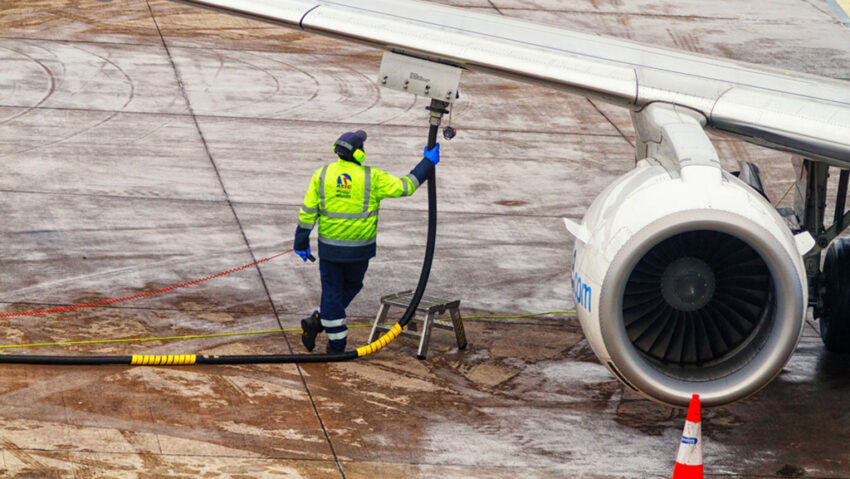
Goldman Sachs warns the UK is Europe's most exposed economy to a jet fuel crisis, with rationing looming as Strait of Hormuz closure hits airlines, SMEs and travel costs.

British businesses face a summer of soaring travel costs and disrupted supply chains as the United Kingdom emerges as the European economy most vulnerable to a deepening jet fuel crisis triggered by the prolonged closure of the Strait of Hormuz, according to a stark new assessment from Goldman Sachs.

The Wall Street investment bank has warned that commercial fuel inventories in Britain could fall to “critically low levels” within weeks, raising the prospect of formal rationing measures that would squeeze airlines, freight operators and the thousands of SMEs that depend on reliable air links to trade with overseas markets.

Goldman’s analysts pulled no punches in their note to clients, identifying the UK as “most exposed” among European nations because of three compounding weaknesses: depleted stockpiles, an unusually high dependence on imported fuel, and a domestic refining base that has been hollowed out over recent years. “The UK is the largest net importer of jet fuel in Europe, and it holds no strategic reserves, leaving commercial inventories as the primary buffer,” the bank concluded.

The numbers paint a sobering picture for owner-managed firms whose order books rely on the speed and reliability of British aviation. Jet fuel prices have doubled since hostilities erupted on 28 February, while carriers worldwide have stripped some two million seats from this month’s schedules in the past fortnight alone. With fuel accounting for up to a quarter of an airline’s operating costs, those increases are now flowing directly into ticket prices and freight rates.

IAG, the FTSE 100 parent of British Airways, has confirmed it will pass higher fuel costs through to passengers, conceding that its hedging programme has left it “not immune” to the volatility. Air France is bracing for a $2.4 billion increase in its annual fuel bill; American Airlines anticipates an additional $4 billion. Both have signalled fare rises and a paring back of passenger perks.

Advertisement

For UK plc, the implications stretch well beyond the holiday season. Michael O’Leary, chief executive of Ryanair, told reporters on Friday that European rivals were “desperately” hunting for flights to axe and would start doing so within weeks. Fuel providers, meanwhile, have warned airlines that Britain has the “most limited visibility” in Europe on future supply, a direct consequence of its heavy reliance on Middle Eastern imports.

The Prime Minister, Sir Keir Starmer, last week conceded that holidaymakers may need to reconsider “where they go on holiday” — an unusually candid admission that has done little to reassure the travel trade or the SME exporters who use passenger flights’ belly-hold capacity to move time-sensitive goods to Europe and beyond.

Government ministers have publicly insisted that Britain can source fuel from alternative markets, but Goldman’s analysis exposes the structural fragility behind that confidence. The closure of Grangemouth, Scotland’s only oil refinery, in April 2025 stripped meaningful domestic capacity from the system. Question marks have also hung over the Prax Lindsey refinery in North Lincolnshire, though its new owner, US energy major Phillips 66, has insisted its acquisition will bolster UK fuel security.

Adding to the structural critique, a report from the Tony Blair Institute published this week argued that Europe’s tendency to frame energy policy primarily through a climate lens has left the continent paying two to three times more for power than its global competitors, while simultaneously deepening its reliance on imports, exactly the dependency now being so painfully exposed.

Advertisement

Brussels is scrambling to respond. The European Commission confirmed on Monday that it will issue formal guidance on jet fuel for airlines later this week. “I don’t think anyone knows how long this situation will last,” commission spokeswoman Anna-Kaisa Itkonen told reporters, “so the best we can do and the most effective thing that we can do and that we are doing is to prepare for all eventualities.”

The Gulf region accounts for roughly one fifth of jet fuel traded on international markets, and Europe is among its biggest customers. With the Strait of Hormuz effectively shut, carriers across the continent are now bidding against one another for cargoes from Asia and the United States, and prices are climbing accordingly.

Fuel suppliers have indicated that May should remain manageable but have flagged “mid to late June as the potential start of disruptions” if the strait does not reopen, a timeline that puts the peak summer trading window for hospitality, travel and export-led SMEs squarely in the danger zone.

For the army of British small businesses whose growth plans assume cheap, plentiful air connectivity, from boutique tour operators and food exporters to professional services firms with European clients, the message from the City is uncomfortably clear: prepare for higher costs, longer delays, and the very real possibility that, for the first time in a generation, jet fuel may have to be rationed in Britain.

Advertisement

Jamie Young

Jamie Young

Jamie is Senior Reporter at Business Matters, bringing over a decade of experience in UK SME business reporting.
Jamie holds a degree in Business Administration and regularly participates in industry conferences and workshops.

When not reporting on the latest business developments, Jamie is passionate about mentoring up-and-coming journalists and entrepreneurs to inspire the next generation of business leaders.

Advertisement
Continue Reading

Trending

Copyright © 2025