Connect with us

Business

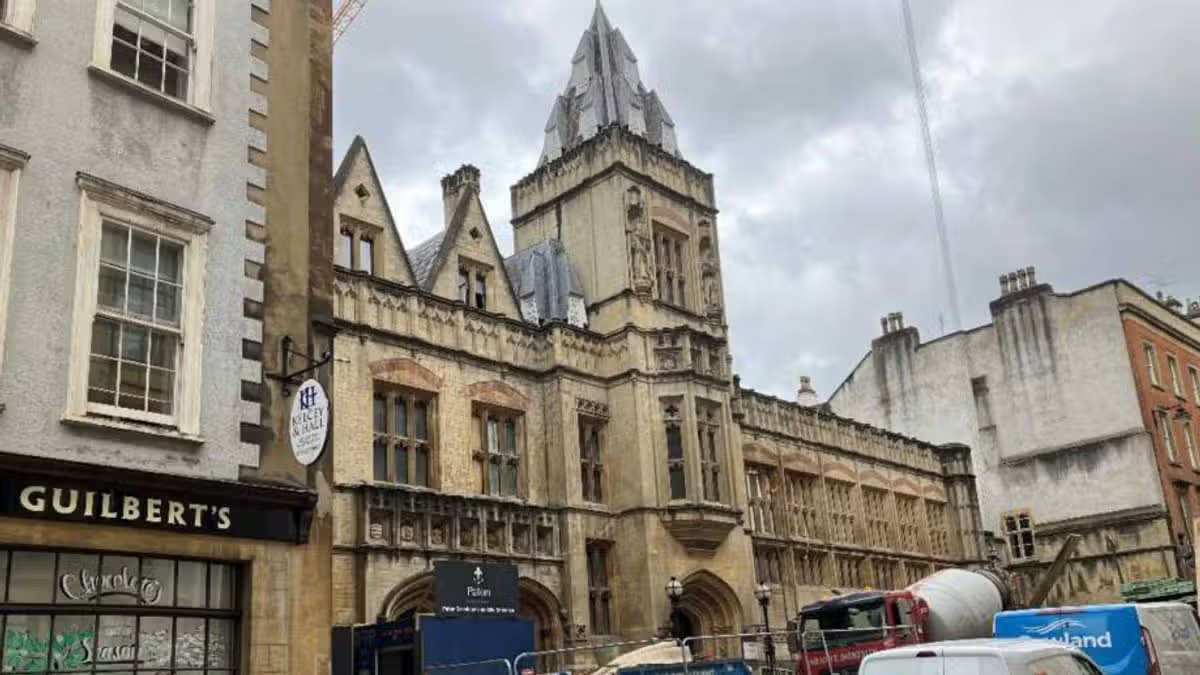
Bristol Guildhall set to be turned into luxury hotel after years of delays

Published

on

Business Live

The historic Grade II*-listed building was damaged by fire in March 2020

The Guildhall in Small Street, Bristol, which is being turned into a five-star hotel (Image: Nash Partnerships, free to use by all partners)

The Guildhall in Small Street, Bristol(Image: Local Democracy Reporting Service / Nash Partnerships)

Plans to transform Bristol’s historic Guildhall into a five-star luxury hotel are poised to move forward after years of setbacks. Developers are seeking listed building consent from the city council to remove asbestos from the former courtroom, which is earmarked to become a bar for guests and the public.

Advertisement

The scheme was initially approved to convert the property into a hotel back in 2013, but it was devastated by fire in March 2020.

More than 50 firefighters battled the blaze, yet the roof of the historic Grade II*-listed building, which sits on Broad Street and Small Street, caved in as flames tore through it.

A notice on the website for the forthcoming Hotel Gotham indicated it is now expected to open later than originally planned, early next year.

The venue will feature 75 bedrooms, a restaurant and a rooftop terrace bar.

Advertisement

In fresh planning documents lodged with Bristol City Council, the developers’ consultants stated that external works were already covered by existing permissions, and that the latest application concerned internal works only, which would ‘not affect the setting or significance of the surrounding buildings, or the wider conservation area’.

They noted that despite technical surveys carried out prior to construction work, the building had ‘continued to yield ‘surprises’, including previously unrecorded alterations.

“Investigations of the plaster linings through service holes revealed that the upper walls were finished with an asbestos reinforced plaster, requiring removal before any work within the room could proceed to ensure the safety of workers and the public,” the consultants said.

“The proposed works to replaster the former courtroom will not impact on the street scene, or other buildings within the setting and do not require planning permission.

Advertisement

“As they affect the internal fabric of Grade II*-listed building, they do require listed building consent.

“The proposed works are confined to the former courtroom and concern the plaster finishes and linings of the walls above the timber panelling, benching, and doors. The work will require removal of no historic fabric.”

The consultants said the courtroom ranked amongst the most significant spaces within the Guildhall, and would be restored to active use as a hotel bar after falling into a prolonged state of disrepair.

The site traces its origins back to the 13th century and underwent substantial reconstruction during the 1840s, emerging as a gothic revival-style building.

Advertisement

It functioned as the city’s crown court for a considerable number of years, with the basement having served as a prison.

Continue Reading
Click to comment

You must be logged in to post a comment Login

Leave a Reply

Business

European shares dip as rise in oil prices weighs; Novartis slips

Published

on


European shares dip as rise in oil prices weighs; Novartis slips

Continue Reading

Business

10 Things To Know About The History Of Labor Day, From Its Contested Founder To A Deadly 1894 Railroad Strike

Published

on

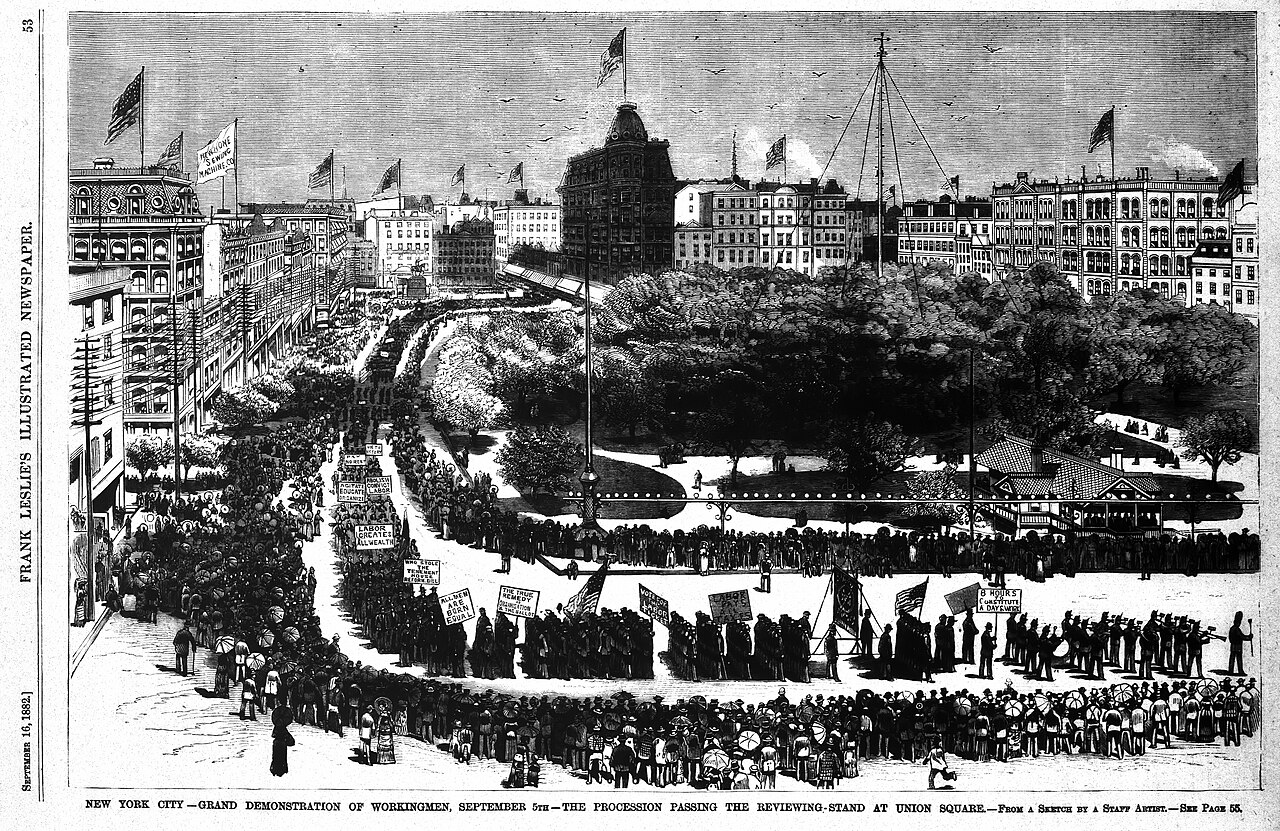
Labor Day Parade in New York's Union Square, 1882
Labor Day Parade in New York’s Union Square, 1882

10 Things To Know About The History Of Labor Day, From Its Contested Founder To A Deadly 1894 Railroad Strike

As Americans mark another Labor Day, the holiday’s origins remain far more complicated, and far more dramatic, than the barbecues and end-of-summer sales that now define it for most people. Here are 10 things to know about the history behind the holiday honoring American workers.

  1. The first Labor Day was a New York City parade in 1882. On Sept. 5, 1882, an estimated 10,000 to 20,000 workers marched through Lower Manhattan in a parade organized by New York City’s Central Labor Union. One contemporary account described the scene vividly, noting that “the windows and roofs and even the lamp posts and awning frames were occupied by persons anxious to get a good view” of the procession of workingmen from various trades marching together under one banner.
  2. Two men are credited, and neither is fully certain. Union leader Peter J. McGuire, who founded the United Brotherhood of Carpenters in 1881 and later helped establish the American Federation of Labor, has long been called the “father of Labor Day.” McGuire reportedly proposed the idea to the Central Labor Union on May 12, 1882, suggesting the day “be celebrated by a street parade which would publicly show the strength and esprit de corps of the trade and labor organizations.” His gravestone and a statue in Pennsauken, New Jersey, both bear that title.
  3. A machinist named Matthew Maguire may be the real founder. Historical evidence uncovered by the New Jersey Historical Society suggests it was actually Matthew Maguire, a machinist and secretary of the Central Labor Union, who first proposed the holiday, not Peter McGuire. Following passage of the federal Labor Day law, the Paterson Morning Call published an opinion piece asserting that “the souvenir pen should go to Alderman Matthew Maguire of this city, who is the undisputed author of Labor Day as a holiday.” Both men attended that first 1882 parade.
  4. The September date has no deep symbolic meaning. Unlike many American holidays tied to specific historical events, Labor Day’s placement in early September was largely arbitrary. Peter McGuire said the date was chosen because it fell roughly halfway between Independence Day and Thanksgiving, giving workers a break during that stretch of the calendar without competing with any other major holiday.
  5. States adopted the holiday years before the federal government did. By 1885, Labor Day celebrations were being held in a number of states, with momentum building steadily throughout the mid-1880s as more state legislatures formally recognized the day, even though it would take another decade for Congress to establish it as a national holiday.
  6. A deadly railroad strike ultimately pushed Congress to act. In May 1894, the Pullman Palace Car Company, facing the effects of a severe economic depression, cut factory workers’ wages by roughly 25% while refusing to lower rents or prices at its company-owned town near Chicago. When a worker delegation presented grievances to company owner George Pullman, he had three committee members fired, prompting employees to walk off the job on May 11, 1894. The American Railway Union, led by Eugene V. Debs, soon joined with a nationwide boycott of trains carrying Pullman cars, crippling rail traffic across much of the country.
  7. Federal troops and deadly violence followed. U.S. Attorney General Richard Olney, a former railroad attorney, secured a federal injunction against the strike on July 2, 1894, and President Grover Cleveland deployed federal troops to Chicago the following day, citing the need to keep mail moving. The resulting clashes turned violent, with rioters destroying hundreds of railroad cars in South Chicago and National Guard troops firing into crowds, leaving an estimated 30 people dead. Debs was later jailed for six months for contempt of court, an experience that helped shape him into one of the country’s most prominent labor and socialist political figures in the years that followed.
  8. Cleveland signed the Labor Day law in the middle of that very crisis. On June 28, 1894, just days before dispatching federal troops to Chicago, Cleveland signed legislation making the first Monday in September a federal legal holiday. Historians have widely characterized the move as a conciliatory gesture toward the American labor movement at a moment of intense national unrest, an effort by Cleveland’s administration to repair its standing with working-class voters even as it simultaneously moved to crush the Pullman strike by force.
  9. Cleveland deliberately avoided the more radical May Day. Labor Day and May Day both emerged as holidays honoring workers, but Cleveland was reportedly uneasy with May Day’s socialist and international labor-movement origins, which trace back to the 1886 Haymarket affair in Chicago. By instead formalizing the more moderate, homegrown September date as the official U.S. holiday, Cleveland aligned the country with a distinctly American labor tradition rather than the more politically charged international observance embraced by many other nations.
  10. The holiday’s original law applied only to federal workers in Washington. The 1894 legislation initially designated the first Monday in September as a legal public holiday specifically within the District of Columbia, before the recognition was extended more broadly to federal employees nationwide. It took additional years for individual states to align their own labor laws and private employers to broadly adopt the holiday as the near-universal day off it represents for most American workers today.

Labor Day has since evolved considerably from its origins in 19th-century union organizing and deadly labor unrest. For most Americans today, the holiday marks the unofficial end of summer, a long weekend for travel, shopping and family gatherings, with many people unaware of the contested founders and violent national crisis that led directly to its creation as a federal holiday. Even so, the day’s underlying purpose, honoring the economic and social contributions of American workers, remains rooted in the same labor movement that first marched through the streets of Lower Manhattan more than 140 years ago.

Continue Reading

Business

Copper overbought at $6.68 with weak ADX: Live levels

Published

on


Copper overbought at $6.68 with weak ADX: Live levels

Continue Reading

Business

Natural Gas stuck between $2.87-$3.03: Live levels

Published

on


Natural Gas stuck between $2.87-$3.03: Live levels

Continue Reading

Business

Nintendo Lifts Wave Of Switch 2 Console Bans After Reported System Fault Sparks Player Panic Worldwide

Published

on

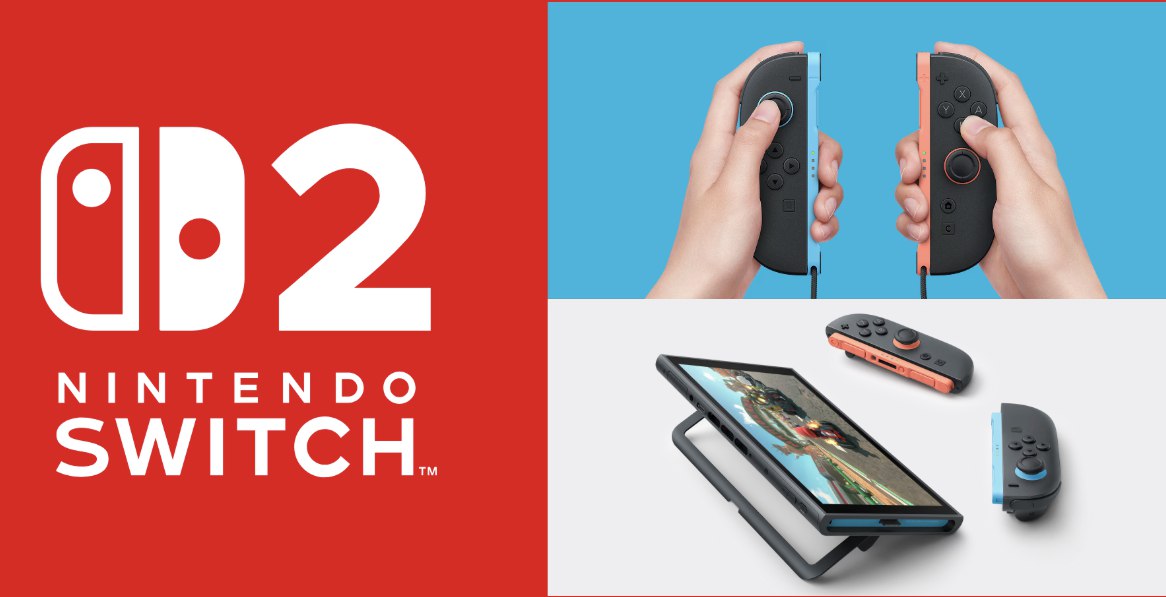
Nintendo Switch 2 Price

TOKYO — Nintendo Co. appears to have reversed a wave of Switch 2 console bans that struck players worldwide over the weekend, with the company’s support representatives attributing the issue to a temporary system fault rather than a piracy crackdown, according to reports from IT Home and Notebookcheck.

Reports of the ban wave, which displayed error code 2124-4508 to affected users, began spreading on Sept. 5. By Monday morning in Asia, owners in several countries reported that online access to their consoles had returned, suggesting Nintendo had resolved the underlying issue within roughly a day of it first surfacing.

Numerous users on Reddit reported their consoles had been unbanned following the alarming wave that initially left them unable to access Nintendo Switch Online, the eShop and other connected features. According to reporting from SSBCrack News, both new and legitimate game cartridges were reportedly being used by many of those affected, contradicting the pattern typically associated with Nintendo’s usual piracy-related enforcement actions and raising questions about whether the bans had been triggered in error.

Nintendo’s response to the incident was notably inconsistent in the early stages of the confusion. According to SSBCrack, one support agent had initially alleged that illegal software was to blame for the bans, a claim that muddied the situation further given that other affected users insisted they had done nothing to violate the console’s terms of service. The precise scale of the ban wave has remained difficult to determine, and Nintendo had not issued a formal public incident report or disclosed an affected-console count as of the time reporting on the episode was compiled.

Advertisement

According to KOCPC, a Switch 2 console flagged with the 2124-4508 error code loses access to a wide range of features, including the ability to download or play digital games and Game-Key cards, receive system or game updates, participate in online multiplayer, use the console’s GameChat communication features, and access any Nintendo Switch Online services, including its subscription-based retro game library. In effect, any feature requiring an internet connection becomes unusable once a console is flagged, significantly reducing the practical value of an affected unit for as long as the ban remains in place.

The weekend’s confusion echoed an earlier, similarly alarming episode from shortly after the Switch 2’s original launch. In one previously reported case, a Reddit user identified as dmanthey had their Switch 2 banned after purchasing four used Switch 1 games through Facebook Marketplace and patching them on the console, only to later discover the cartridges had been illegally cloned using piracy tools. That user was able to reverse the ban by contacting Nintendo support through live chat and providing photographic evidence of the physical cartridges alongside the original marketplace listing, with the restriction lifted within hours. The user described the appeal process as “fast, painless,” and said the experience compared favorably to support interactions with competitors including Microsoft or Sony.

Not every reported ban has proven so easily reversible. In a separate previously documented case from shortly after the console’s launch, a user known as Funaoe24 warned the broader Switch 2 community that a permanent ban issued by Nintendo could prove genuinely irrevocable, describing losing access to the console’s online features entirely without any clear path to restoration. Some community members expressed skepticism about that particular account, suggesting without direct evidence that the user might have used unauthorized third-party hardware, such as a MIG Flash device, in a manner Nintendo’s systems flagged as a terms-of-service violation. Nintendo has previously banned Switch 2 consoles detected using MIG Flash devices and similar unauthorized hardware without prior warning to the user.

Community discussion of Nintendo’s appeals process has generally suggested that proof of legitimate purchase plays a central role in determining whether a given ban gets reversed. According to community reports compiled by ThatParkPlace, Nintendo support representatives typically escalate disputed cases to a dedicated fraud review team, and while not every appeal succeeds, particularly those tied more directly to confirmed piracy tools such as MIG Switch flash carts, cases involving legitimate secondhand game purchases have frequently seen successful outcomes once ownership evidence is provided.

Advertisement

Nintendo’s aggressive approach to console bans has drawn broader scrutiny and, in at least one instance, legal challenges. According to ThatParkPlace, the company has faced legal pushback in Brazil specifically over its console-ban policies, part of a wider debate over whether device-level restrictions unfairly penalize subsequent owners of secondhand consoles who may have no knowledge that games or hardware associated with a unit were previously involved in piracy-related activity. Community members have also warned prospective buyers to verify a used Switch 2 console’s online access status before purchasing secondhand units, given the risk that consoles previously flagged for piracy-related bans could circulate through resale markets without disclosure.

From a business perspective, the weekend’s ban confusion arrives at a sensitive point in the Switch 2’s product cycle, given the console’s continued strong sales performance following its launch and a recently implemented price increase. A mistaken permanent-ban message affecting legitimate customers carries the risk of weakening consumer confidence if buyers begin to doubt whether their purchases will remain reliably accessible. Nintendo shares traded at 8,748 yen as of 2:25 p.m. Japan Standard Time Monday, down 1.03% from Friday’s close, though that modest decline does not appear directly tied to the ban controversy specifically.

Based on currently available evidence, the incident appears to reflect a short-lived service failure rather than a new, intentional piracy enforcement crackdown or a lasting threat to hardware demand, and there is no indication the episode has prompted any revision to Nintendo’s broader Switch 2 sales projections. Analysts tracking the situation have said three developments would materially change that assessment: a recurrence of the ban wave across multiple countries, an extended eShop outage, or evidence of elevated return rates or weaker sales following the console’s recent price increase. Absent one of those signals, Nintendo’s more significant ongoing challenge remains selling additional Switch 2 units and growing software volume, rather than managing fallout from this particular weekend’s ban confusion.

As of this report, Nintendo had not issued an official public statement detailing the root cause of the weekend’s ban wave, the total number of consoles affected, or whether any compensation or additional remediation steps would be offered to customers who experienced unwarranted restrictions on their consoles over the weekend.

Advertisement
Continue Reading

Business

Business Secretary rules out Jaguar Land Rover bailout amid reports of 4,000 job cuts

Published

on

Business Live

JLR is expected to formally announce a major redundancy programme on Monday

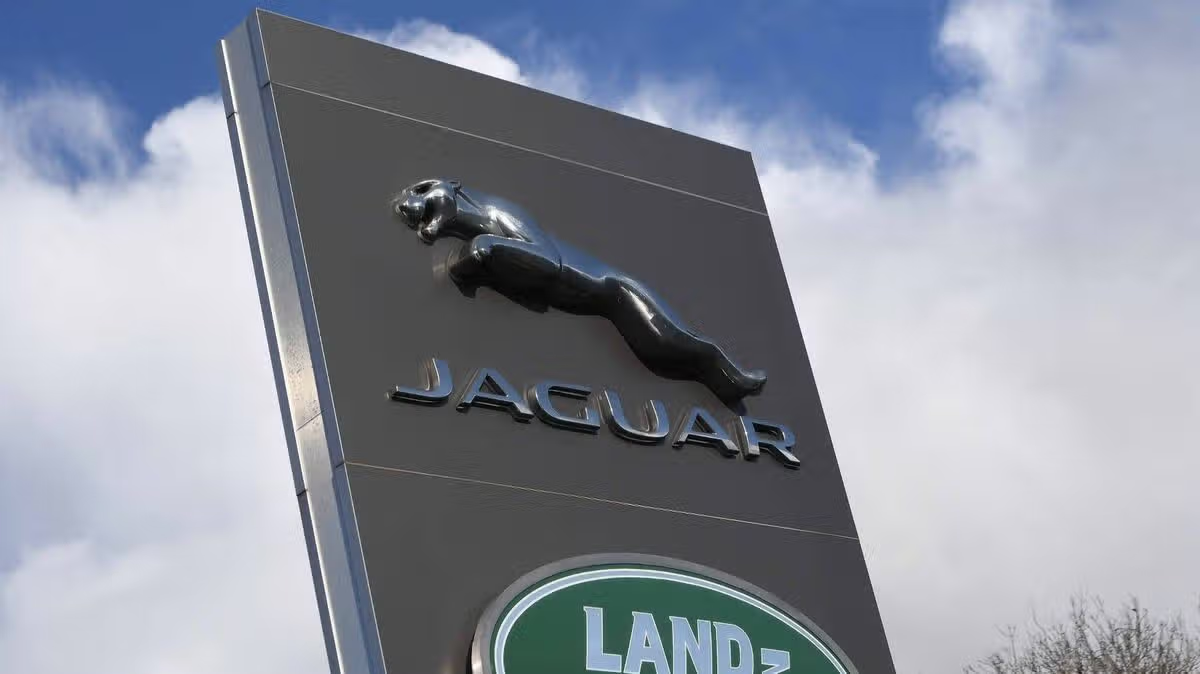
Jaguar Land Rover sign

JLR employs thousands in the Midlands and Merseyside(Image: Darren Quinton/Birmingham Live)

The Business Secretary has ruled out a government bailout for Jaguar Land Rover amid reports that the UK’s largest car manufacturer is set to axe 4,000 jobs.

Advertisement

The company is expected to formally unveil a significant redundancy programme on Monday, with the job cuts to be phased over two years, according to The Times.

JLR confirmed in a statement that it is launching a voluntary redundancy scheme, offering salaried and management staff the opportunity to leave the business.

Business Secretary Jonathan Reynolds has held talks with JLR chief executive PB Balaji and is due to meet the firm’s senior leadership team early this week.

Speaking on Laura Kuenssberg’s programme on the BBC, he said: “A company the size of JLR, which is a huge British success story, at various times in its business cycle, the number of, directly, people it employs will change.

Advertisement

“If this is about making sure over time that the workforce is right to make the business as competitive as possible, that’s the conversation we need to have.

“Of course you want to mitigate any job losses.”

When pressed on whether financial assistance could be made available to safeguard those roles, he added: “Not if it’s to bail people out.

“If it’s about long-term investment in the future, we do invest alongside industry on that.”

Advertisement

JLR is continuing its recovery following a significant cyberattack that forced the manufacturer to suspend production last year. The firm employs approximately 30,000 staff throughout the UK and manufactures the majority of its vehicles at plants across the country, including facilities in Solihull, West Midlands, and Halewood, Merseyside.

A JLR spokesperson said: “Over the past three years, we have strengthened our House of Brands and transformed our product portfolio for the next generation.

“As we deliver the next phase of our strategy, we need to adapt to evolving global market conditions while targeting approximately £1.7 billion of savings over the next two years and reduce break-evens to 300,000 vehicles. To achieve this, we must further simplify our organisation, improve efficiency and build greater resilience.”

The firm confirmed it had notified employees and trade union partners of the voluntary redundancy scheme, adding it would “share further information with our colleagues first”.

Advertisement

A Government spokesperson said: “We understand that this will be an uncertain and concerning time for affected workers, their families and wider communities.

“We have taken significant action to back the UK automotive industry by lowering electricity bills for manufacturers, providing £4 billion of capital and R&D funding to manufacture zero-emission vehicles (ZEVs) and launching a £2 billion electric car grant to encourage people to buy EVs (electric vehicles).”

Unite general secretary Sharon Graham said: “Death by a thousand cuts has been going on under the nose of successive governments.

“Years of under-investment, unsustainable ZEV mandates and high industrial energy costs are crippling the industry. There must be further action.

Advertisement

“There have been intensive Government discussions over the weekend to look at how to mitigate these job losses at JLR.

“The business secretary, Jonny Reynolds and myself are meeting the CEO of JLR next week. Unite was pivotal in securing the £1.5 billion government facility for JLR after the cyber attack.

“Once again, we will leave no stone unturned to support these workers. It cannot be acceptable that workers again are made to pay the price.”

JLR disclosed last month that revenues dropped by 9.6% year-on-year to £6 billion for the three months to June 30, driven by a 9.2% fall in vehicle volumes.

Advertisement

This followed a period in which production was significantly disrupted by a series of factors, amongst them a fire at a supplier’s facility.

JLR temporarily halted production of its Range Rover and Range Rover Sport models at its Solihull plant in March, after a severe fire broke out at a component manufacturer’s factory in Norway.

Sales volumes have also taken a hit following Jaguar’s move to discontinue several diesel and petrol-powered models, including the F-Pace.

Jaguar is pivoting towards electric vehicles as part of a sweeping strategic overhaul aimed at revitalising the brand.

Advertisement

JLR posted a pre-tax profit, excluding exceptional items, of £109 million for the quarter, a marked decline from the £351 million profit recorded in the same period a year earlier. Profit margins took a hit from a one-off provision related to US fuel economy regulations, which partly counterbalanced reduced US-UK tariffs.

Earlier this year, JLR announced plans to slash approximately £1.7 billion in costs over the coming years to bolster its recovery efforts.

The firm has been recuperating from last year’s cyberattack, which had a significant impact on the business, its workforce and the broader UK economy.

The car manufacturer was compelled to halt production at its UK plants for five weeks from 1st September last year, which hit sales in late 2025 and resulted in substantial financial losses.

Advertisement
Continue Reading

Business

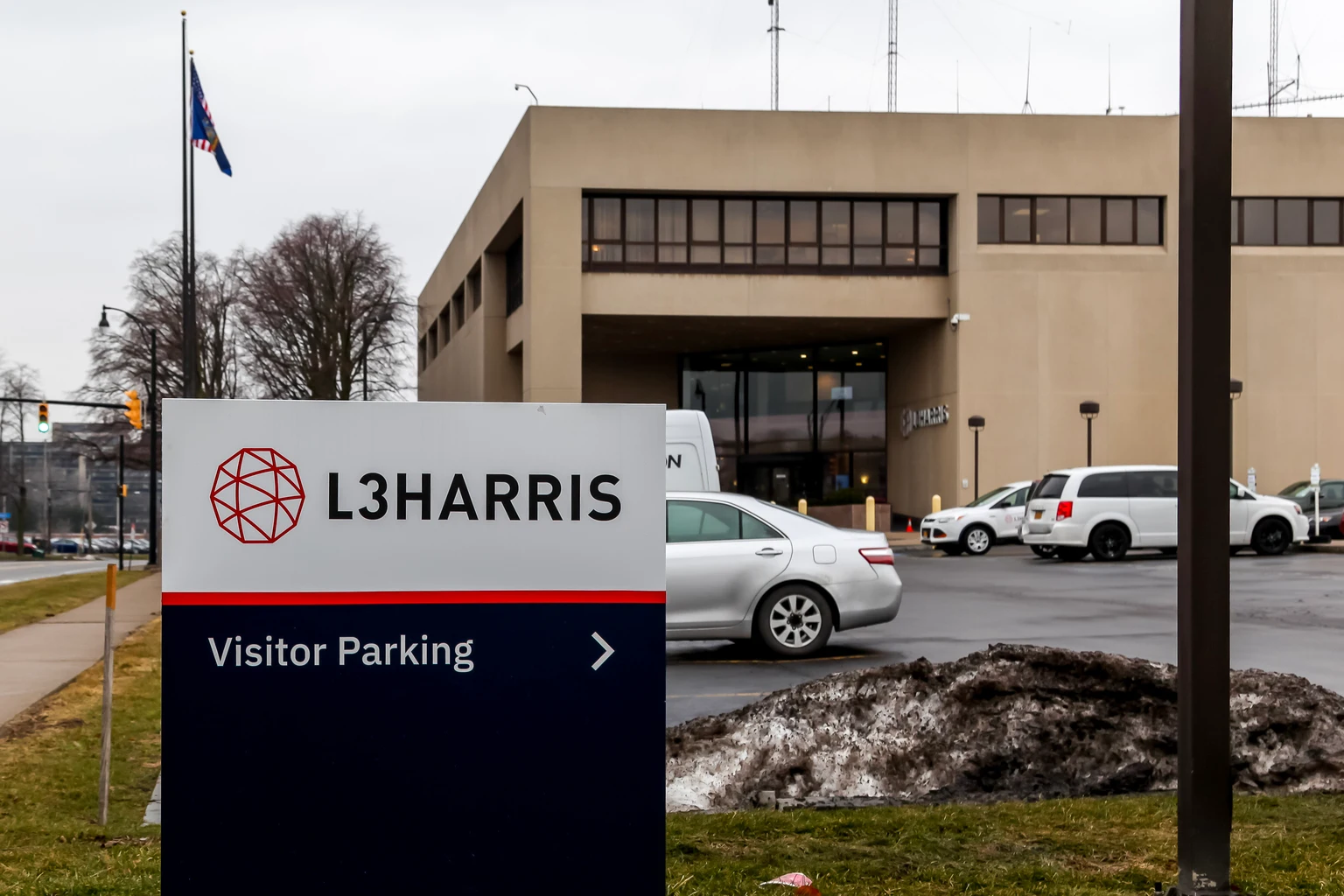
L3Harris Stock: The Essential Pieces Behind Modern Warfare (NYSE:LHX)

Published

on

L3Harris Stock: The Essential Pieces Behind Modern Warfare (NYSE:LHX)

This article was written by

“AWS Certified AI Practitioner Early Adopter”I am a DevOps Engineer for a major, wholly owned subsidiary of a large-cap Fortune 500. I have been the primary driver of Anthropic-based tooling in our company’s division, and have successfully pushed for the division-wide integration of tools like Claude Code via AWS Bedrock. I am currently spearheading the implementation of AI-infrastructure in our division.I am a true subject-matter expert on the actual buildout, deployment, and maintenance of AI tools and applications. I have increasingly deep knowledge on the science behind generative AI systems as a result of first-hand experience with machine learning algorithms, model training, and model deployment.I contribute to Seeking Alpha as an outlet to share my AI and machine learning insights through an investment-focused lens.Closely associated with LL InsightsPer TipRanks (6/26/25) – 2 Year Timeframe#716 out of 31,463 Financial Bloggers #1,222 out of 41,143 experts

Analyst’s Disclosure: I/we have no stock, option or similar derivative position in any of the companies mentioned, and no plans to initiate any such positions within the next 72 hours. I wrote this article myself, and it expresses my own opinions. I am not receiving compensation for it (other than from Seeking Alpha). I have no business relationship with any company whose stock is mentioned in this article.

Seeking Alpha’s Disclosure: Past performance is no guarantee of future results. No recommendation or advice is being given as to whether any investment is suitable for a particular investor. Any views or opinions expressed above may not reflect those of Seeking Alpha as a whole. Seeking Alpha is not a licensed securities dealer, broker or US investment adviser or investment bank. Our analysts are third party authors that include both professional investors and individual investors who may not be licensed or certified by any institute or regulatory body.

Advertisement
Continue Reading

Business

Cost of living on many minds ahead of Manx election

Published

on

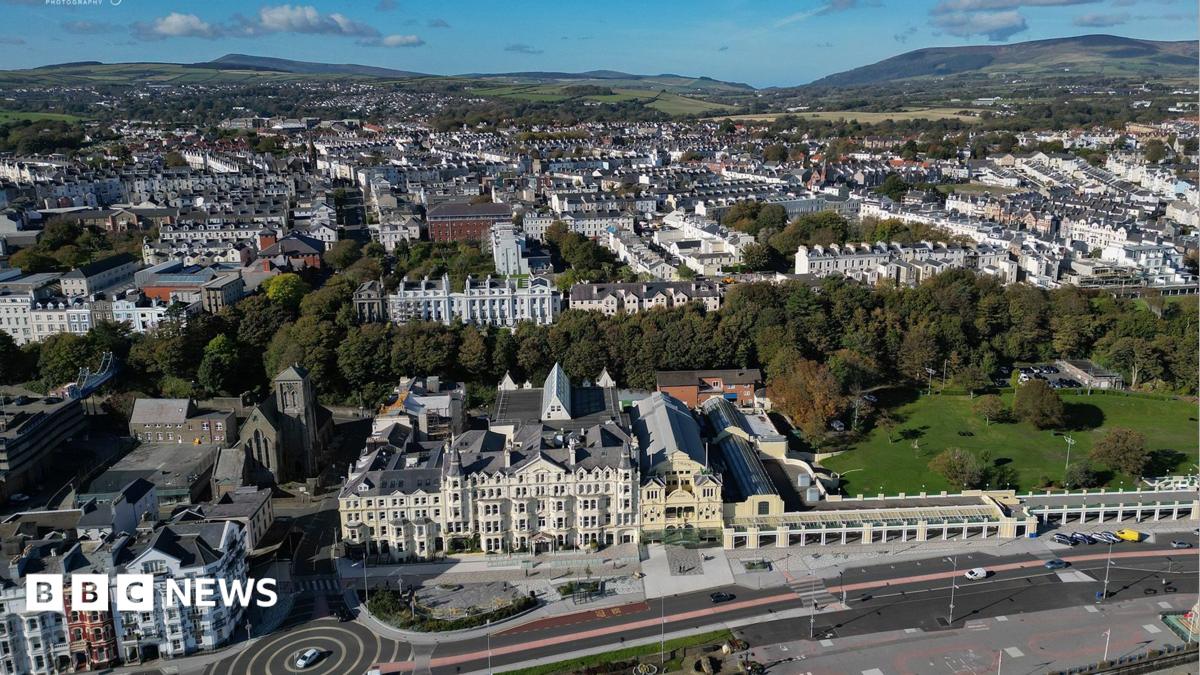
An aerial view of Douglas from the promenade on a bright day, showing hundreds of buildings with areas of trees breaking it up.

Residents, businesses, and charities say they are feeling the pinch of rising costs, with many describing the economy as a key priority ahead of the Isle of Man general election.

Several independent shops in Ramsey said custom was down and running costs had become harder to manage, while the island’s foodbank said demand for support had doubled in two years.

The Isle of Man Chamber of Commerce warned the Island faced “a very hard five years” ahead, citing a shrinking tax base and the recent loss of many high‑earning jobs.

Candidates have been urged to explain how they will fund their plans, support businesses, and reduce the pressures on working families.

Advertisement

Residents in Douglas said rising prices were affecting everyday life, with several describing the cost of living as their biggest concern ahead of the election.

Sharon Cox, from Douglas, said life was “not affordable.. especially for older people and vulnerable people”.

Prices were rising “not just by pennies”, but by “25 or 30 pence” each time she visited the shops, she added.

Advertisement
Continue Reading

Business

Concurrent Technologies sees FY26 results above forecasts

Published

on


Concurrent Technologies sees FY26 results above forecasts

Continue Reading

Business

Ingenia rejects $2b takeover bid

Published

on

Ingenia rejects $2b takeover bid

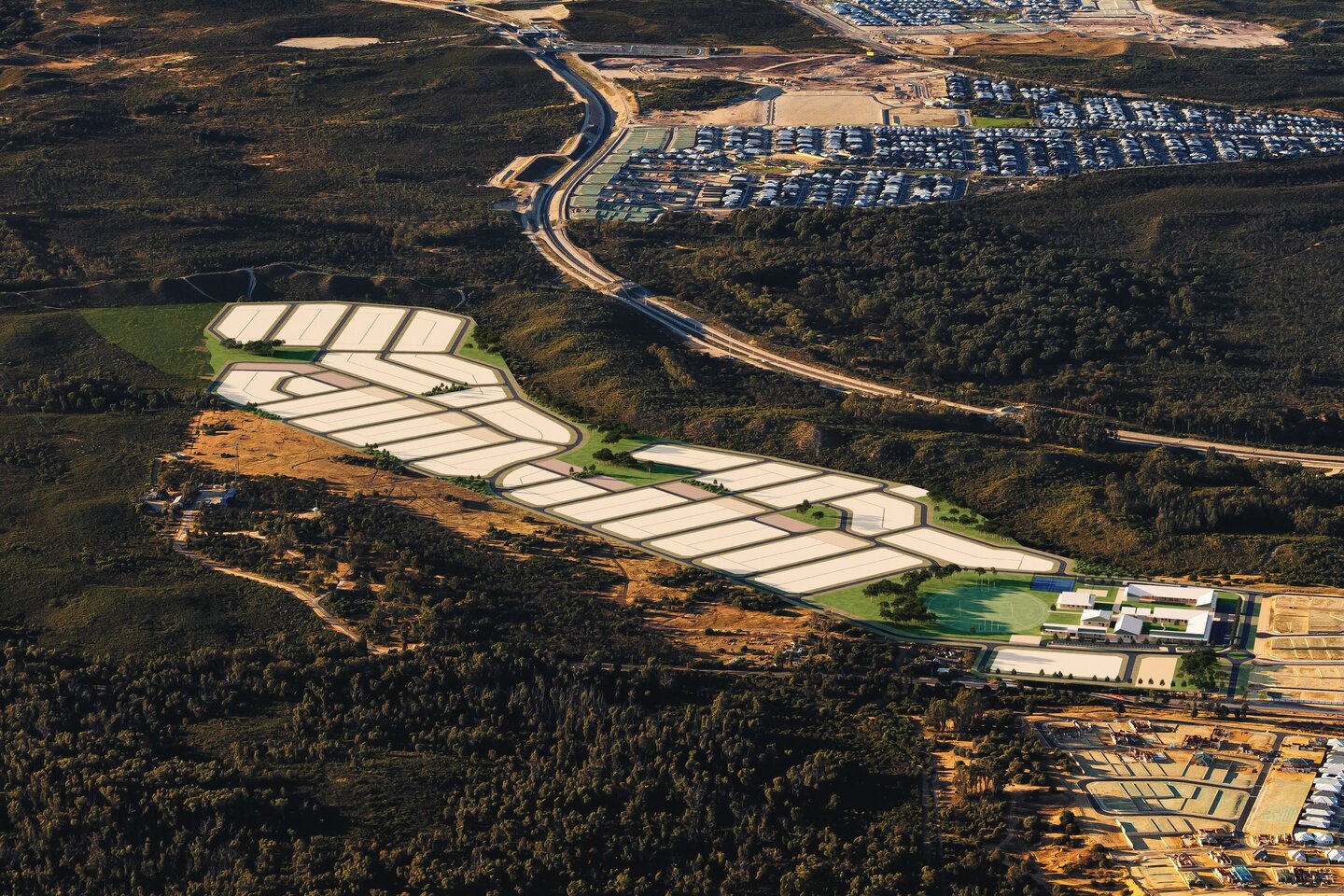
The retirement village operator, which is set to acquire Peet, has rejected an unsolicited bid from private equity firm Warburg Pincus to buy it.

Continue Reading

Trending

Copyright © 2025