
Business
Buss family agrees to sell Lakers shares to Iger, Kushner group

OutKick host Dan Dakich joins Stuart Varney to discuss the WNBA’s latest statement on transgender athlete eligibility, arguing the league is behaving more like an activist group than a professional sports league.
Less than one week after Mark Walter shockingly sold the Los Angeles Lakers to Bob Iger and Josh Kushner, the Buss family is now relinquishing its own shares to the new majority owners.
At least, most of the Buss family wish to do so.
Earlier on Monday, ESPN reported the Buss family decided to sell the remaining 17.8% ownership stake in the iconic NBA franchise to Kushner and Iger.
CLICK HERE FOR MORE SPORTS COVERAGE ON FOXBUSINESS.COM
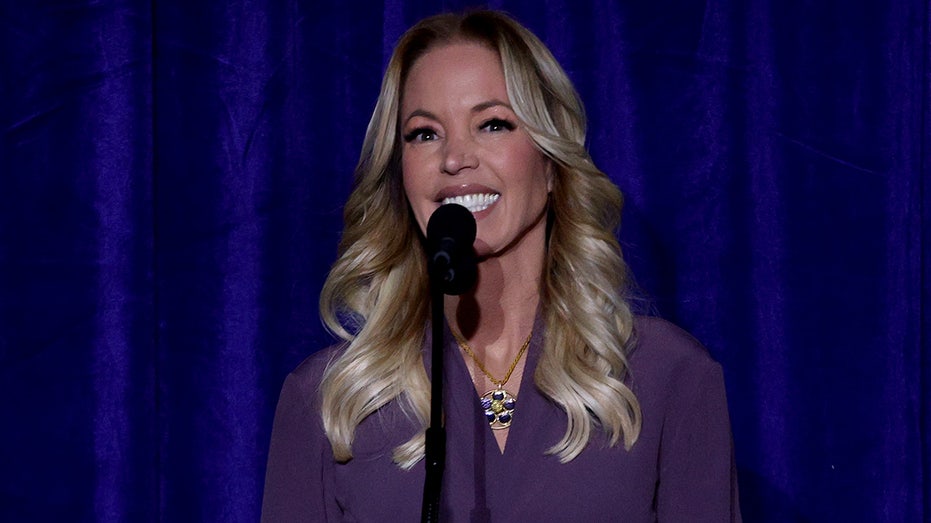
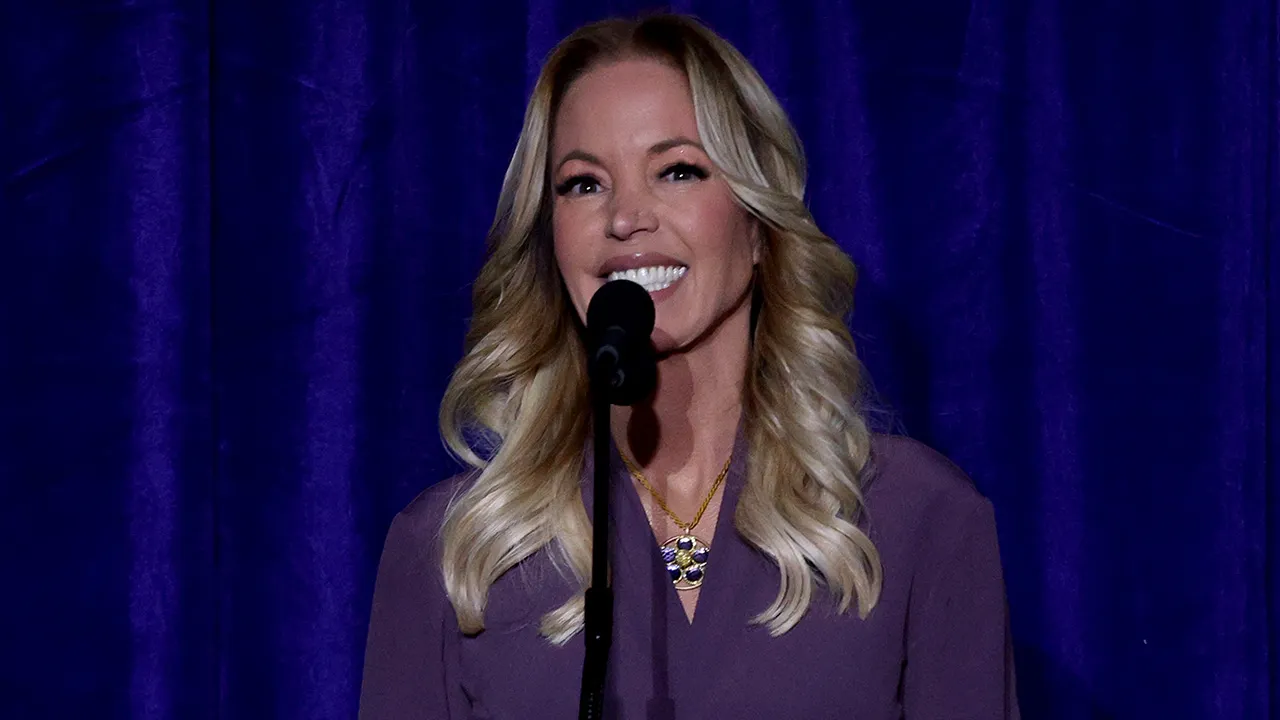
Lakers owner and president Jeanie Buss speaks during a ceremony for the unveiling of a statue for former Los Angeles guard Kobe Bryant at Star Plaza outside of Crypto.com Arena. (Jason Parkhurst-USA Today Sports / IMAGN)
The family’s trust, which includes siblings Jeanie, Jim, Johnny, Janie, Joey and Jesse, “received majority votes to allow trustees to execute the sale.” The vote required four of six to agree to sell to “enact the tag-along provision of Mark Walter’s sale to Kushner and Iger, which valued the Lakers at $12.5 billion.”
The outlet added that, once the transaction has been completed, Jeanie Buss will no longer have a required ownership percentage to remain the governor of the Lakers.
“We have decided as a family to sell the remaining Buss Family Trust shares to the Bob Iger group as part of the ongoing transaction,” the Buss family told ESPN in a statement. “We love the Lakers, Laker fans and will continue to support Los Angeles; but it is time to use this opportunity to move on and exit gracefully while we still can.”
BOBG IGER, JOSH KUSHNER SHOCKINGLY PURCHASE LAKERS MONTHS AFTER MARK WALTER BECAME MAJORITY OWNER
“As a family” doesn’t seem to be the case now. Jeanie Buss’s lawyer wrote a letter to the lawyers of her siblings explaining why she believes they can’t sell their minority stake to the new Lakers majority owners, according to CNBC.
In the last paragraph of that letter, the attorney writes, “On behalf of Jeanie Buss, I demand that your clients make clear publicly that Jeanie Buss is the Controlling Owner of the Los Angeles Lakers and that your clients shall take no action on this supposed ‘vote’ to sell the 17.8% stake.”
ESPN added later Monday night that Jeanie Buss “was the lone family member not in favor to sell as the five siblings voted 5-0 – including two of the three trustees – to sell the Buss stake.”
Walter’s time as majority owner came to an end a year after purchasing the stake from the Buss family.
In June 2025, the Buss family decided to sell the Lakers to Walter for a then-record $10 billion. There was, however, some in the Buss family who felt misled by Jeanie in what they characterized as a rushed sale, per ESPN. They felt pressured to vote for the sale to go through.
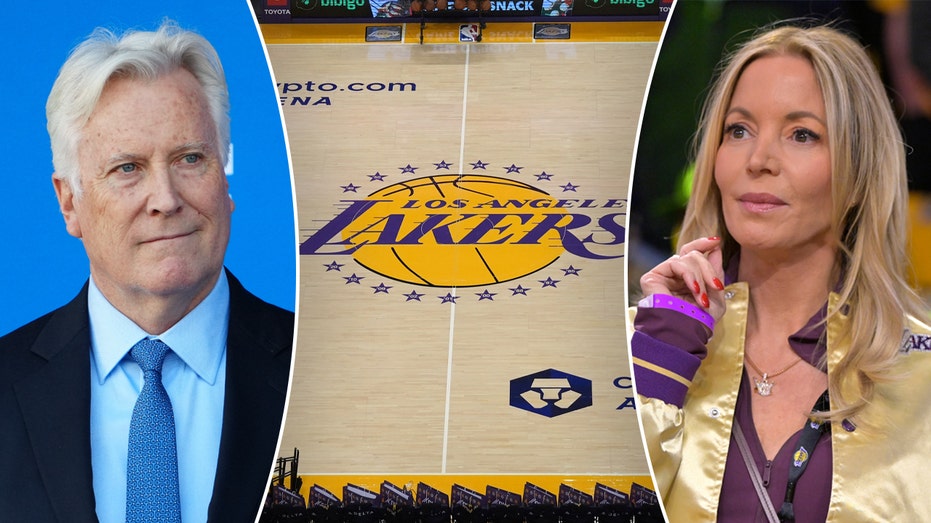
Within the sale to Mark Walter, Jeanie Buss was allowed to remain the governor of the Lakers. (IMAGN / IMAGN)
In the end, all six siblings said “yes” to the sale, which closed in October 2025. The sale gave each sibling $500 million post-tax.
Within the sale to Walter, Buss was allowed to remain the governor of the Lakers given the 17.8% ownership stake still intact.
But Walter’s surprise sale of the Lakers comes amid a federal investigation into the Guggenheim Partners CEO. It was reported that the FBI recently seized Walter’s phone and laptop, as well as a high-ranking Guggenheim Investments executive’s this past year.
Some are viewing the Lakers’ sale as a quick way to liquify assets for Walter with potential legal problems ahead.
The Financial Times also reported Monday that Walter and his business partner, Todd Boehly, are looking to sell their stakes in the English Premier League’s Chelsea Football Club.
As part of this new addition to the deal that includes the Buss family shares, Kushner and Iger will roughly control 83% of the Lakers. They were slated to have 65% of control with just Walter’s shares.

Joshua Kushner attends the Met Gala Celebrating “Karl Lagerfeld: A Line Of Beauty” at The Metropolitan Museum of Art on May 1, 2023, in New York City. (Jamie McCarthy/Getty Images / Getty Images)
GET FOX BUSINESS ON THE GO BY CLICKING HERE
Kushner, 41, is the founder and managing partner of venture capital firm Thrive Capital, as well as co-founder and vice-chairman of Oscar Health. He is the younger brother of Jared Kushner, the son-in-law of President Donald Trump.
Iger, 75, is the former CEO of Disney, where he led the company to the acquisitions of Marvel, Lucasfilm and 21st Century Fox, to name a few.
Follow Fox News Digital’s sports coverage on X and subscribe to the Fox News Sports Huddle newsletter

The euro fetched $1.1581 in early Asian hours, not far from the two-month high of $1.1614 it touched on Monday. Sterling was at $1.3548, just shy of the three-month peak it touched in the previous session.
Data showed last week that U.S. retail sales fell in July for the first time in nine months, following unexpected job losses last month and mild inflation readings. The run of softer data has led investors to scale back expectations of a rate hike by the U.S. Federal Reserve.
Traders expect a 35% chance of a rate increase at the Fed’s September meeting, compared with 52.2% a week ago, according to the CME FedWatch tool.
Analysts though remain cautious of where inflation may head, especially with the critical Strait of Hormuz remaining effectively shut and an impasse in the talks to end the U.S.-Iran conflict.

“Inflation has been above target for most of the past five years, and whilst a high 2% annual pace may prove acceptable to the Fed, it leaves the inflation process with little to no breathing room in a world of constant supply shocks,” said Nohshad Shah, head of EMEA fixed income sales at Citadel Securities.
Iran said it would shift to a “fully offensive” military posture because efforts to negotiate a permanent end to the war with the U.S. have stalled, a senior Iranian official told Reuters as Washington ruled out extending their June ceasefire agreement.Bond yields around the world were on the rise again as traders remained wary of the impact of elevated oil prices and a prolonged closure of the Strait of Hormuz.
Brent crude futures were 0.3% higher at $91.14 a barrel after rising to their highest since July 30 on Monday.
The yield on the 30-year bond hovered near its highest level in nearly 20 years, while the 10-year JGB yield hit its highest level since September 1996. [JP/]
The spotlight has also been on recent U.S. Treasury auctions in the past week for the multi-decade yields demanded by investors to absorb Washington’s borrowing needs.
“When it comes to longer-dated Treasury issuance, investors are increasingly focused and concerned about the growing amount of U.S. debt and America’s lack of fiscal discipline,” said Anthony Saglimbene, chief market strategist at Ameriprise Financial.
“Frequent, large-scale treasury auctions are a chance for the bond market to push back against the government’s eroding fiscal trajectory, as they demand higher yields for the auctions to clear.”
The yen was stuck just below the 160 level, shifting the focus to the Bank of Japan meeting next month, where the central bank is set to raise interest rates and is considering hiking more aggressively after that, sources told Reuters.
It was last at 159.46 per U.S. dollar, having erased nearly half of the gains from the joint U.S. and Japan intervention at the end of July to lift the fragile yen away from 40-year lows.
The Australian dollar firmed 0.11% to $0.71119, perched near its strongest level since early June. The New Zealand dollar was at $0.5902. [AUD/]


Seeking Alpha’s transcripts team is responsible for the development of all of our transcript-related projects. We currently publish thousands of quarterly earnings calls per quarter on our site and are continuing to grow and expand our coverage. The purpose of this profile is to allow us to share with our readers new transcript-related developments. Thanks, SA Transcripts Team
Check out what’s clicking on FoxBusiness.com.
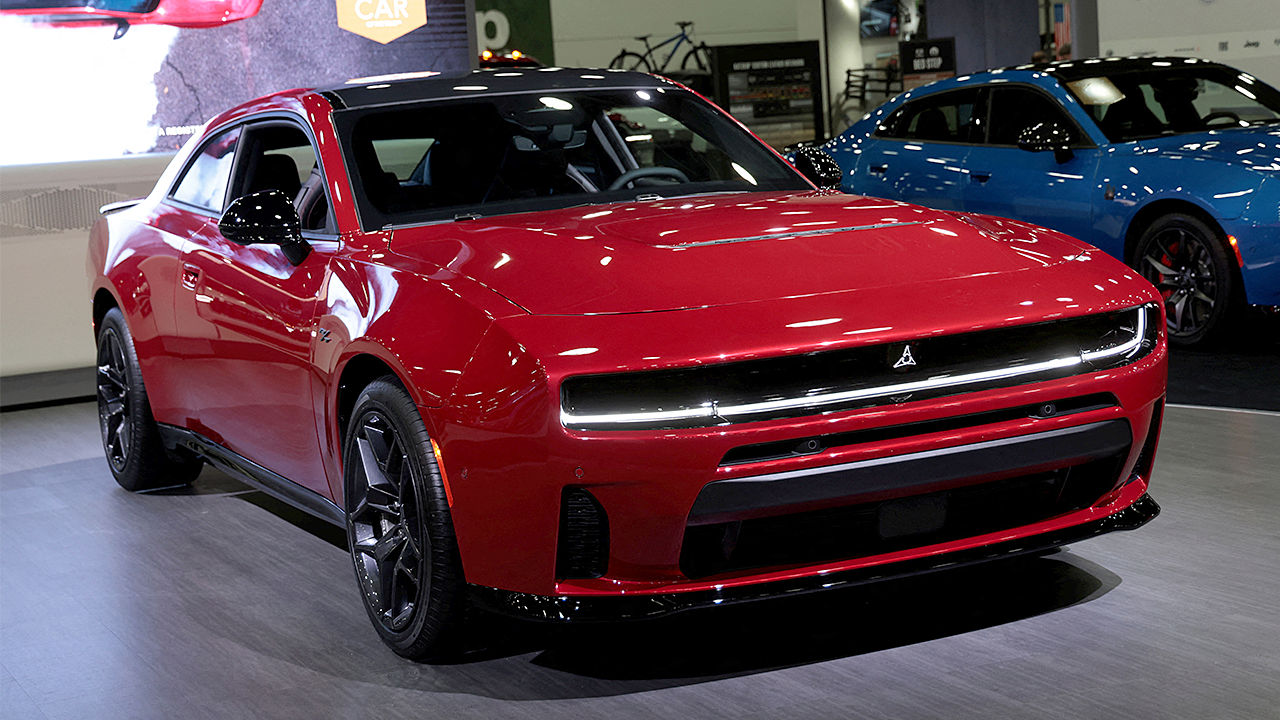
Chrysler parent Stellantis announced on Monday that nearly one million vehicles worldwide are being recalled over radio software that may prevent rearview cameras from displaying images properly.
About 955,000 Chrysler, Jeep, Dodge and Ram vehicles are affected by the recall.
This covers more than 848,000 vehicles in the U.S., including various 2026 and 2027 model year Chrysler Pacifica, Pacifica Plug-in Hybrid and Voyager, Dodge Charger, Jeep Cherokee, Compass, Gladiator, Grand Cherokee, Grand Wagoneer, Wrangler and Ram 1500, 2500 and ProMaster vehicles.
TOYOTA RECALLS 655K CAMRYS GLOBALLY OVER DISPLAY DEFECT THAT CAN KNOCK OUT SAFETY INDICATORS
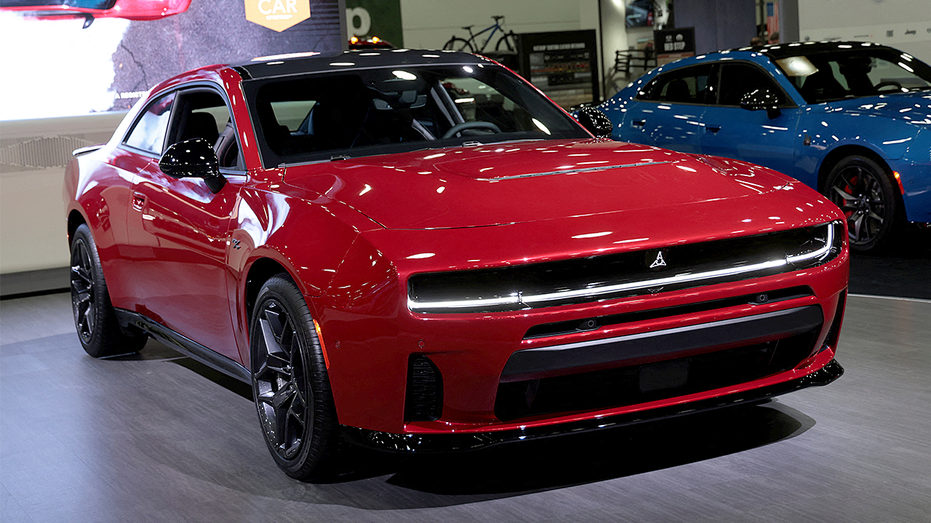
Chrysler parent Stellantis announced that nearly one million vehicles worldwide are being recalled. (REUTERS/Rebecca Cook / Reuters Photos)
About 107,000 vehicles are being recalled in Canada, Mexico and other countries. This includes nearly 83,000 vehicles in Canada, 8,000 in Mexico and 16,000 in markets outside North America.
If the rearview camera display fails to appear, drivers are instructed to use their rearview and side mirrors when reversing their vehicles, Stellantis said.
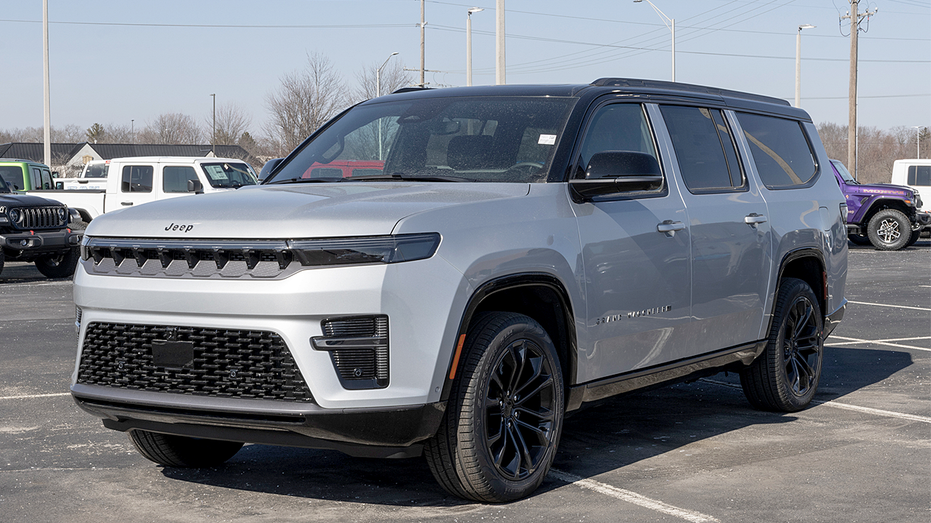
About 955,000 Chrysler, Jeep, Dodge and Ram vehicles are affected by the recall. (Getty Images / Getty Images)
The automaker said it is unaware of any accidents or injuries in connection with the recall.
Vehicle owners will receive an over-the-air radio software update and will be prompted on the vehicle’s media screen when the update is available.
NEARLY 50,000 CHRYSLER VEHICLES RECALLED OVER SEAT BELT SAFETY DEFECT
The automaker said it is unaware of any accidents or injuries in connection with the recall. (Reuters/Stephanie Lecocq / Reuters)
CLICK HERE TO GET FOX BUSINESS ON THE GO
Recall notices will be mailed to owners beginning next month with additional information and instructions.
In 2014, the National Highway Traffic Safety Administration adopted a rule requiring rear-visibility technology in new vehicles weighing under 10,000 pounds by May 2018, saying the U.S. had 210 deaths and 15,000 injuries per year on average caused by back-over crashes involving light vehicles. The regulator said children under age 5 accounted for 31% of those fatalities.
Reuters contributed to this report.

A ban on uranium mining could leave WA on the outside of the recent federal deal with India.
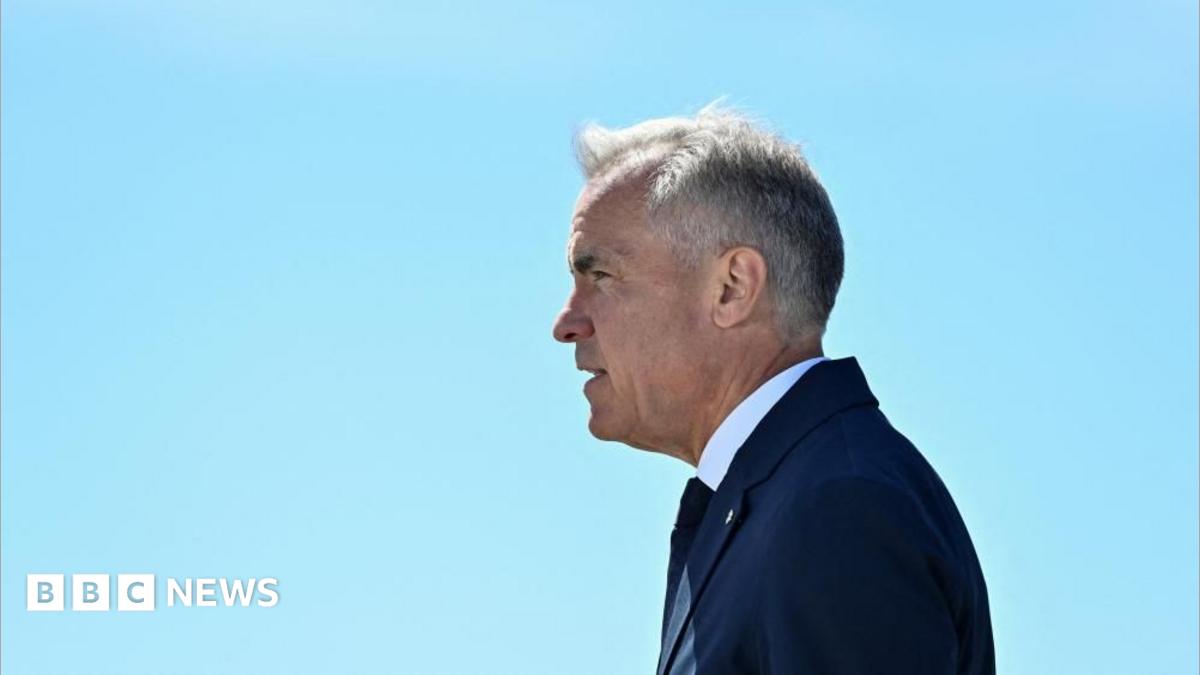
That concession would depend on the agreement of the provinces, which are in control of the alcohol in their respective jurisdictions.
Ontario Premier Doug Ford, who makes a point of being tough on the US, said last week that an agreement on booze is conditional.
Canada has been in pursuit of a deal that would see the US drop or reduce tariffs on its steel, aluminium, automobile and lumber sectors, all of which have been damaging to the country’s economy.
“If we get a fair deal that will protect our steel sector, our auto sector, our forestry sector, our agriculture sector, our manufacturing sector, then we’d be happy to bring booze back on the shelves,” Ford said.
Carney could also face pushback on any concessions on dairy, especially in Quebec, where the premier, Christine Fréchette, has said supply management is non-negotiable.
Trump argues the system, which has production quotas, set pricing, and import quotas on dairy, eggs, and poultry, is “unreasonable” to American farmers who want to sell their products north of the border.
Canadians are also not in the mood to offer many concessions to the US, even as they want more stability.
A new poll from Abacus Data indicates that 74% feel the trade dispute has had an impact on their household, and 36% want to see Canada respond with new counter-tariffs, even if it risks more domestic economic pain.
Just 18% favour concessions like ending provincial bans on American alcohol, in order to remove or reduce US tariffs.
Reports in Canadian media also suggested that Canada’s chief negotiator, Janice Charette, warned her US counterparts, external that the new tariffs could put further trade negotiations at risk if they are enacted on Wednesday.
Carney has said he would not sign a deal unless it’s a good one for Canada, though he has not been clear on what such a deal would look like.
On Monday, he only said: “We’ll have opportunities over the next 48 hours to discuss in more detail as the negotiations go forward.”
He said he planned to speak with Trump before the Wednesday deadline.
He also said that he has “plans for any situation that may arise” should the talks fail.
Conservative trade critic Shuvaloy Majumdar said in a statement that it’s time for “a measure of relief” from economic anxiety.
“We have grown tired of seeing our country used as a punching bag,” he said.
“Yet we share a common hope that Prime Minister Carney will deliver a genuine win at the negotiating table.”
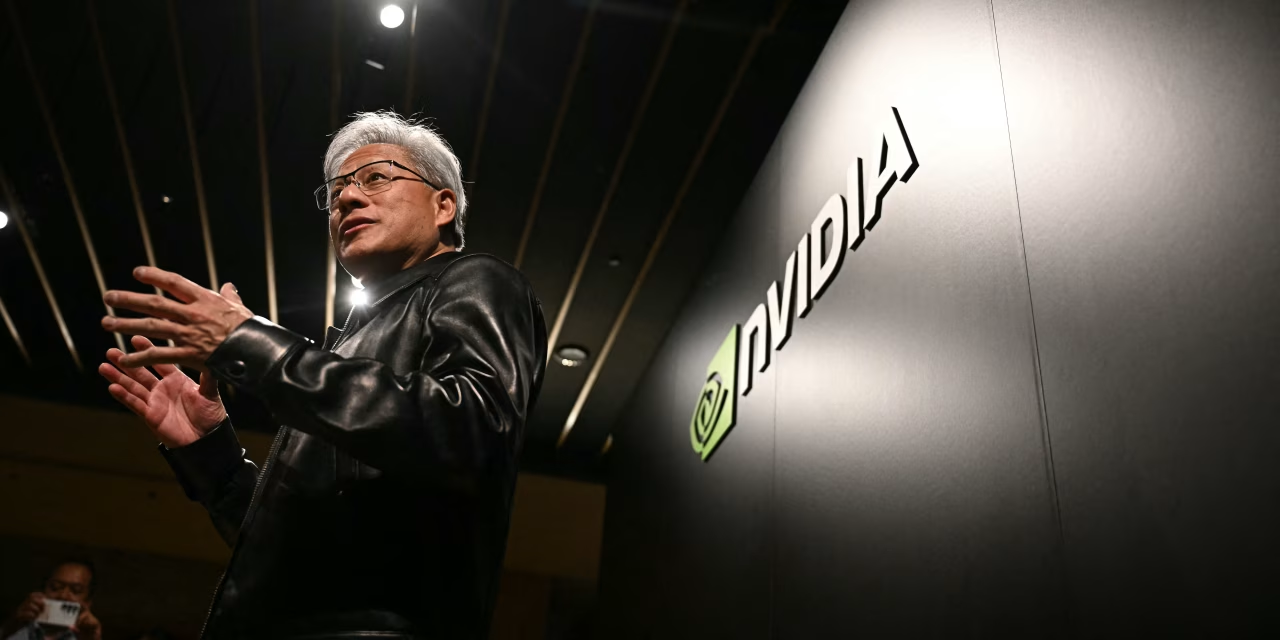
This is an edition of the WSJ Technology newsletter, a weekly digest of tech columns, big stories and personal tech advice. If you’re not subscribed, sign up here.
Can AI companies afford to buy ever-increasing quantities of Nvidia’s chips? For the company at the center of the boom, that’s an increasingly preoccupying question.
Copyright ©2026 Dow Jones & Company, Inc. All Rights Reserved. 87990cbe856818d5eddac44c7b1cdeb8
Business
Sebi cautions investors against social media live trading tips and unregistered advisory services

The regulator said it had noticed individuals on social media platforms offering real-time strategies and tips on taking positions in the stock market.
“It is observed that these live trading sessions are being viewed by a substantial number of viewers and live chats are also enabled beside the session where unregistered advisory services are being exchanged,” Sebi said.
“These persons portray themselves as experts in the securities market, provide detailed analysis of when to invest, when to exit, strategies to be followed and the positions to be taken on market indices. Some of these persons claim that they trade real-time while showcasing the performance of their trades, patterns that the market is forming based on live data and the target expected to be reached,” it said.
The regulator said that live market data cannot be shared by entities except for purposes linked to the orderly functioning of the securities market or meeting regulatory requirements.
Read more: ICICI Bank overtakes HDFC Bank as top MF holding in July amid governance concerns
In May, it said market price data could be shared for investor education and awareness with a 30-day lag and without monetary incentives.

CSL FY26 slides: reset year with $7.1B impairments, 5% growth ahead

NEW YORK — The Dow Jones Industrial Average declined in early trading Monday, falling 167.62 points, or 0.31%, to 53,564.79 as of 9:35 a.m. EDT, as investors digested weaker-than-expected U.S. retail sales data and assessed the outlook for Federal Reserve policy.
The blue-chip index opened lower following a Friday close of 53,732.41, when it dropped 107.58 points, or 0.20%. That left the Dow down about 0.56% for the prior week, snapping a two-week winning streak and marking its largest weekly decline since mid-July. The index remains well above levels from a year earlier, up roughly 19% over the past 12 months and more than 11% year to date, though it has pulled back from a record close near 54,349 reached earlier in August.
Soft July retail sales figures released Friday showed a 0.6% month-over-month decline, missing economists’ expectations of a 0.1% increase and representing the steepest drop since May 2025. The data, combined with recent softer readings on jobs and producer prices, prompted markets to scale back the probability of a September interest-rate increase by the Federal Reserve. Traders assigned a roughly 31% chance of a 25-basis-point hike next month, down sharply from near even odds a week earlier, according to CME Group’s FedWatch tool.
Broader markets showed a mixed picture early Monday. Futures pointed to modest gains for the technology-heavy Nasdaq 100 and slight advances or flat performance for the S&P 500, while Dow futures indicated further pressure on the industrials-heavy index. Memory-chip makers including Micron Technology and Sandisk extended gains in premarket activity, supported in part by strong revenue commentary from AI-focused companies. The S&P 500 had closed the previous week at a record after three consecutive weekly advances.
Oil prices remained elevated amid ongoing tensions in the Middle East, with Brent crude trading near $90 a barrel. Elevated energy costs have kept some inflation concerns alive even as softer domestic spending data eased near-term rate fears. The dollar touched multi-week lows against a basket of currencies following the recent run of U.S. economic reports.
The Dow’s composition, weighted toward industrial, financial and consumer companies, has left it more sensitive to shifts in economic growth expectations than the more technology-focused Nasdaq. Transportation shares were under pressure in early trading, while utilities showed relative resilience. Volatility measures edged higher but remained at moderate levels by historical standards.
Investors this week will focus on a slate of major retailer earnings, including reports from Walmart, Target and Home Depot, for further clues on consumer spending. Federal Reserve meeting minutes due Wednesday are also expected to provide insight into policymakers’ latest thinking on the balance between growth and inflation risks. Strong corporate earnings overall this season have underpinned equity gains in recent months, even as geopolitical developments and questions about the durability of AI-related spending have introduced periodic caution.
The Dow remains more than 20% above its 52-week low and sits within striking distance of its all-time highs set earlier this month. Year-to-date gains continue to reflect a resilient corporate profit backdrop and expectations that any further monetary tightening will be limited. Still, the early decline Monday underscored ongoing sensitivity to incoming economic data after the index’s recent stretch of record territory.
Market participants noted that summer trading volumes often remain lighter, which can amplify moves on relatively modest news flow. The Cboe Volatility Index rose modestly in early dealings, reflecting a slight uptick in expected near-term swings. Global equities were mixed overnight, with European indexes starting the week higher in some cases on strength in technology and pharmaceutical shares.
Looking further ahead, attention will remain on whether softer consumer data continues to reduce the likelihood of aggressive Fed action or whether resilient labor markets and sticky services inflation reassert themselves. For the Dow, the immediate focus stayed on the path of industrial and consumer discretionary components as retailers prepare to report quarterly results.
The index’s pullback early Monday left it trading near session lows after an opening range that saw prices move between roughly 53,562 and 53,663. Prior closes in recent sessions had clustered in the mid-53,000s following the early-August peak. Despite the day’s pressure, the broader multi-month uptrend remained intact, supported by solid earnings and a gradual shift in rate expectations.
As trading continued, investors weighed the competing forces of cooler spending data against lingering geopolitical and energy-price risks. The Dow’s performance Monday highlighted the selective nature of recent market leadership, with technology shares showing more resilience than traditional industrial names in the opening hours.

Zambia’s Hichilema seeks to turn debt recovery into economic expansion

Andy Burnham extends Greater Manchester bus travel rule to the whole of England
Dollar feeble as rate hike bets dwindle, Iran war worries grow

Blockstream launches swaps service after Boltz suspends operations


-

 Fashion3 days ago
Weekend Open Thread: Ann Taylor
-
 NewsBeat6 days ago
Communication cards help banking customers access services or report scams
-
 Sports4 days ago
This U.S. Amateur is a glimpse into golf’s future in more ways than you think
-

 Sports3 days ago
Birmingham 2026: Day 6 Timetable for Irish Athletes
-
 NewsBeat3 days ago
Myanmar says over 300,000 Rohingya refugees verified for repatriation as exodus enters ninth year
-

 Politics3 days ago
SEQ Code: The Three Letter Boarding Pass Code That Could Give You The Worst Seat
-
 Entertainment6 days ago
Keke Palmer Subtly Hints At Sean Evans Drama With Cryptic Post
-

 Fashion6 days ago
Coffee Break: The Fonteyn Jane Flat
-

 Tech6 days ago
Zoom Screen-Sharing Bug Let People Fully Take Over Other Devices On A Call
-
 Crypto World6 days ago
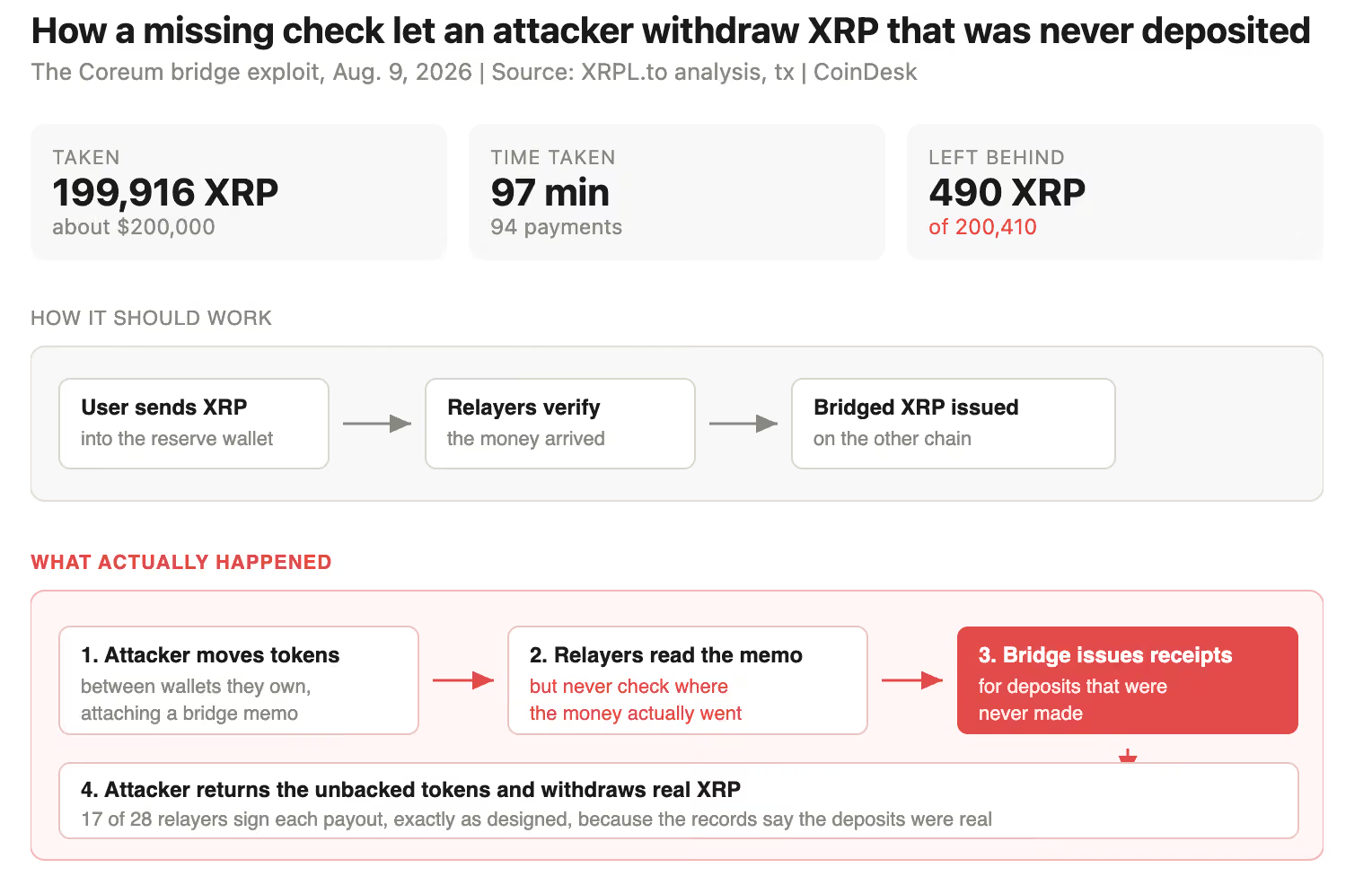
XRP bridge drained after software mistook fake deposits for real ones
-

 Fashion6 days ago
Claire Life: Kicking Off MVAAFF With the C Suite Luncheon Featuring Phylicia Rashad, Letoya Luckett, and More!
-

 Fashion6 days ago
Should you refinance your debt? Pros, cons, and real numbers
-
 Sports5 days ago
DeQuan Jones in ‘high spirits’ after successful leg surgery
-

 Business7 days ago
(VIDEO) Emirates Unveils 2.4-Meter Arsenal Crest Sculpture Built From Recycled A380 And Boeing 777 Jet Parts
-

 Fashion7 days ago
How to Mix Diamond Rings With Gold & Silver Jewelry
-

 Fashion7 days ago
French Rose Gown with Cape Sleeves
-

 Tech4 days ago
DeepSeek Harness launches as open source rival to Claude Code, alongside V4-Pro on API with higher prices
-

 Tech4 days ago
11 Ways to Rank Your Videos
-
 Entertainment7 days ago
Star Wars Officially Continues ‘The Last Jedi’ With a New Spin-Off
-

 Politics6 days ago
In the Chris Kaba case, the police watchdog capitulated to the mob
You must be logged in to post a comment Login