
Business
Can Lakers Star Return for 2026 NBA Playoffs After Hamstring Strain?

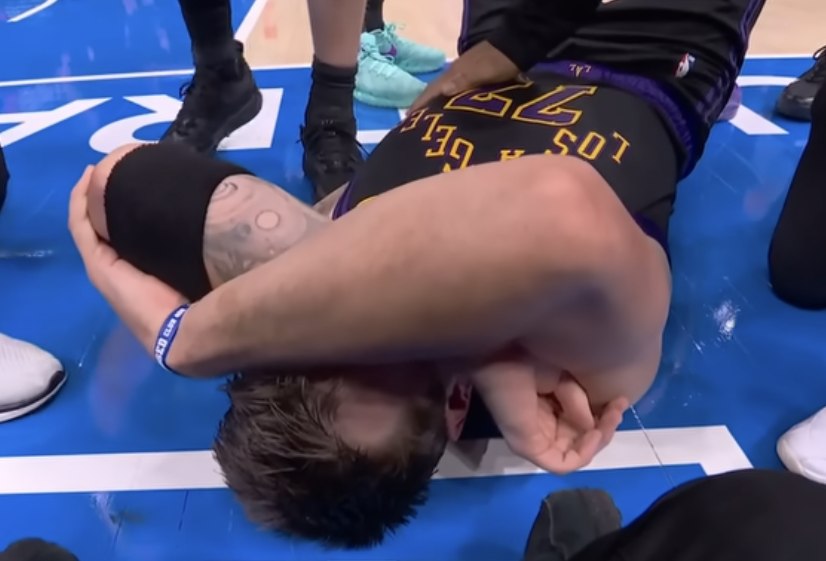
LOS ANGELES — Luka Doncic’s availability for the 2026 NBA playoffs hangs in the balance after the Los Angeles Lakers star suffered a Grade 2 left hamstring strain, an injury that has sidelined him for the remainder of the regular season and cast uncertainty over his postseason participation.

The 27-year-old Slovenian superstar went down non-contact in the third quarter of a 139-96 loss to the Oklahoma City Thunder on April 2. An MRI confirmed the partial tear, prompting the Lakers to rule him out indefinitely while emphasizing caution with their cornerstone player.
With the regular season winding down and the playoffs scheduled to begin April 18, the clock is ticking. Typical recovery for a Grade 2 hamstring strain ranges from three to six weeks, with an average around 35 days according to injury analysts. That timeline suggests Doncic could miss the entire first round and potentially return in the second round at the earliest — if all goes optimally.
Doncic has not played since the Thunder game, missing the Lakers’ final stretch as the team jockeys for Western Conference positioning. Los Angeles has already secured a playoff berth, but the absence of their leading scorer and playmaker has exposed vulnerabilities, particularly with co-star Austin Reaves also sidelined for weeks with an oblique injury.
Seeking Accelerated Recovery in Europe
In a bid to expedite healing, Doncic traveled to Spain for specialized medical treatment, including an injection procedure aimed at promoting faster recovery. His agent, Bill Duffy, confirmed the move after consultations with Lakers doctors and Doncic’s personal medical team.
“Luka is doing everything he can to make it back out on the court,” sources close to the situation told reporters. The decision to seek treatment abroad reflects Doncic’s deep ties to Spain, where he played professionally as a teenager with Real Madrid, and his determination to contribute this postseason despite the setback.
Sports medicine experts offer mixed projections. Some physicians suggest that advanced interventions could potentially shorten the timeline to as little as two to three weeks in a best-case scenario, opening a narrow window for a first-round return. Others caution that Grade 2 strains often require four to six weeks minimum for safe return to high-level competition, citing risks of re-injury if rushed.
Dr. Jesse Morse and similar specialists have noted that while unconventional treatments may accelerate healing, hamstring injuries remain notoriously tricky due to the muscle’s role in explosive movements central to Doncic’s game — driving, step-backs and quick changes of direction.
Lakers coach JJ Redick has remained measured in public comments, stressing the organization’s priority on long-term health over short-term heroics. “We’re going to be very careful with Luka’s recovery,” Redick said. “He’s a cornerstone of this franchise.” General manager Rob Pelinka echoed that sentiment, highlighting the need for Doncic to be close to 100 percent before stepping back on the floor.
Impact on Lakers’ Playoff Hopes
The injury could not have come at a worse moment. Doncic had been enjoying one of his finest seasons, leading the NBA in scoring for much of the campaign and forming a potent partnership with LeBron James. His absence has forced James, now in his 23rd season, to shoulder even more responsibility alongside supporting cast members like Rui Hachimura, D’Angelo Russell and others.
Without Doncic, the Lakers have struggled in stretches, though their playoff qualification was never seriously in doubt. Still, seeding matters in a loaded Western Conference featuring the Thunder, Nuggets and other contenders. A lower seed could mean tougher early matchups, making a healthy Doncic even more critical.
Historical precedent offers little encouragement. Recent data on Grade 2 hamstring strains in the NBA shows players often miss significant time, and returns before full healing frequently lead to setbacks. One analysis indicated that returning too soon from such injuries can extend overall recovery by weeks.
LeBron James addressed the situation indirectly, noting the team’s resilience but acknowledging the obvious hole left by Doncic’s absence. James canceled a planned golf outing amid the injury concerns, underscoring the seriousness within the locker room.
What a Return Would Require
For Doncic to suit up in the playoffs, several factors must align: successful response to the European treatment, progressive rehabilitation milestones, cleared medical testing and no setbacks during ramp-up. Even then, he would likely need minutes restrictions initially and could require several games to regain rhythm.
The Lakers’ medical staff will monitor inflammation, strength testing and functional movement before clearing him. Any return would come with managed expectations — Doncic might not resemble his dominant self immediately, especially in a high-stakes playoff environment.
Playoff scheduling adds pressure. The play-in tournament runs April 14-17, with first-round games tipping off April 18. If the Lakers advance past the opening round, a potential second-round start in early May could fall within a more realistic recovery window under average timelines.
Doncic himself has expressed optimism privately, according to sources. The competitive fire that defined his rise from Ljubljana to NBA stardom — and his headline-making move to the Lakers — fuels his desire to contribute. Yet he and the team understand the risks of pushing through incomplete healing.
Broader Context in Lakers Season
This season marked a new chapter for the Lakers with Doncic’s arrival, blending his generational talent with James’ veteran leadership. The duo delivered highlight-reel moments and elevated expectations in Los Angeles. Injuries to key pieces, including this latest blow, have tested the roster’s depth.
Mavericks fans have watched with mixed emotions as their former franchise face battles injury in purple and gold. Dallas, meanwhile, missed the playoffs for a second straight year following the trade.
NBA analysts remain divided on the Lakers’ ceiling without Doncic. Some believe James and role players can navigate a first-round series against certain opponents. Others argue that facing elite defenses without the Slovenian star’s scoring and facilitation dramatically lowers their chances of a deep run.
As of April 11, no firm update has emerged from Spain beyond confirmation of ongoing treatment. The Lakers continue to provide minimal details, citing privacy and the fluid nature of recovery.
For a player who has carried heavy minutes and offensive load throughout his career, this hamstring issue serves as a reminder of physical limits. At 27, Doncic remains in his prime, but repeated stress on the lower body demands respect.
Looking Ahead
The coming days will bring more clarity as Doncic completes treatment and begins the next phase of rehab. Lakers fans, already enduring a roller-coaster season, cling to hope that their star can return in time to influence the postseason.
Whether Doncic appears in the first round, second round or later — or misses the playoffs entirely — remains unknown. What is clear is the organization’s commitment to a measured approach rather than risking long-term damage for immediate gratification.
As the NBA world turns its attention to the playoffs, all eyes remain on one question: Can Luka Doncic defy the typical hamstring recovery timeline and deliver “Luka Magic” when it matters most? The answer could define the Lakers’ 2026 postseason fate.


Asia finance leaders say they are ready to act to stem volatility risks

Blue Owl: No Distress Detected

Turpaz acquires Phoenix Flavors for $95 million in U.S. expansion
NEW YORK — Investors evaluating Atlassian Corporation’s prospects heading into the second half of 2026 face a compelling growth story underpinned by strong cloud migration, artificial intelligence integrations and expanding enterprise adoption of its collaboration tools, despite recent share-price volatility that has left the stock trading near $88.88 as of early May. Wall Street largely recommends buying the shares, with consensus price targets implying 35-77 percent upside as the company capitalizes on digital transformation trends.
Atlassian, known for flagship products like Jira, Confluence and Bitbucket, has successfully transitioned much of its business to the cloud, driving recurring revenue and higher margins. Fiscal third-quarter results released in April showed robust performance, with shares surging 30 percent post-earnings on beats and raised guidance. Analysts highlight the company’s AI-powered features, such as automated workflows and intelligent search, as key differentiators in a competitive software landscape.
Current valuation metrics reflect a balance between growth potential and near-term pressures. Atlassian trades at a premium to some peers but offers attractive entry points for long-term investors given projected revenue growth of 18 percent-plus annually. Forward price-to-earnings estimates and discounted cash flow models support analyst enthusiasm, with several firms maintaining Buy or Strong Buy ratings.
The consensus among 28-42 analysts rates Atlassian a Moderate Buy to Strong Buy. Average 12-month price targets range from $144.67 to $169.18, with optimistic forecasts reaching $295 or higher. BTIG recently hiked its target following earnings, citing momentum in cloud adoption and AI innovation. The lowest targets sit around $95, acknowledging execution risks.
Atlassian’s cloud migration strategy has accelerated revenue visibility and customer retention. Enterprise clients increasingly prefer subscription models that deliver continuous updates and scalability. AI enhancements across the product suite, including Jira’s intelligent automation and Confluence’s smart summaries, position the company to capture more wallet share in project management and knowledge-sharing tools.
Challenges include macroeconomic uncertainty affecting IT spending and competition from Microsoft, ServiceNow and smaller disruptors. Atlassian’s heavy investment in research and development has pressured short-term margins, though long-term returns are expected to justify the spend. Currency fluctuations and international exposure add volatility for the Australia-based company listed on Nasdaq.
Recent performance shows resilience. Despite a year-to-date decline amid broader tech rotations, Atlassian’s fundamentals remain solid. Strong free cash flow generation supports potential share buybacks or accelerated innovation. The company’s focus on large enterprises and high-growth verticals like software development and IT operations provides a durable moat.
For growth-oriented investors, Atlassian represents exposure to digital collaboration trends that are unlikely to fade. Remote and hybrid work models sustain demand for its tools, while AI integration opens new use cases. Valuation, while not cheap, appears reasonable relative to projected earnings growth of 20 percent-plus in coming years.
Value investors may wait for further pullbacks or clearer margin expansion. The stock’s beta indicates sensitivity to market swings, making it less suitable for conservative portfolios. Dividend absence further limits appeal for income seekers, though capital appreciation potential remains high.
Analyst notes emphasize Atlassian’s market leadership in developer tools and collaboration software. Jira’s dominance in agile project management and Confluence’s role in knowledge management create sticky customer relationships. Expansion into new verticals and geographic markets supports long-term revenue diversification.
Risks include execution on cloud migration timelines, potential customer pushback on pricing and regulatory scrutiny of big tech. Geopolitical tensions or recessionary pressures could delay enterprise purchases. Competition in AI features may intensify, requiring continued innovation spending.
Portfolio allocation depends on risk tolerance. Aggressive investors may add to positions on dips, targeting 13-18 percent annualized returns based on consensus models. Balanced portfolios might pair Atlassian with more defensive tech names. Long-term holders benefit from secular tailwinds in software-as-a-service.
As fiscal 2026 progresses, attention turns to quarterly results and guidance. Cloud revenue mix, AI adoption metrics and margin trends will influence sentiment. Management’s track record of delivering on strategic initiatives provides confidence for many covering the stock.
Atlassian’s story in 2026 centers on leveraging its platform to drive efficiency and innovation for customers worldwide. While near-term volatility is possible, the company’s positioning in critical enterprise workflows supports a generally bullish outlook. Investors comfortable with software-sector dynamics may find current levels attractive for long-term compounding.
The software maker’s ability to adapt to evolving workplace needs while maintaining product excellence will determine success. With strong analyst backing and secular growth drivers, Atlassian remains a name worth watching — and potentially owning — as the year unfolds.

Failing High Streets fuel a wider sense of political discontent which could prove crucial in the upcoming elections for English councils in May.
Rubio to reportedly meet Pope Leo in Italy amid Trump criticism
Why China exports will likely stay resilient despite energy shock and a strong Yua

My 2 Ultimate 10%+ Yielding Retirement Income Compounders
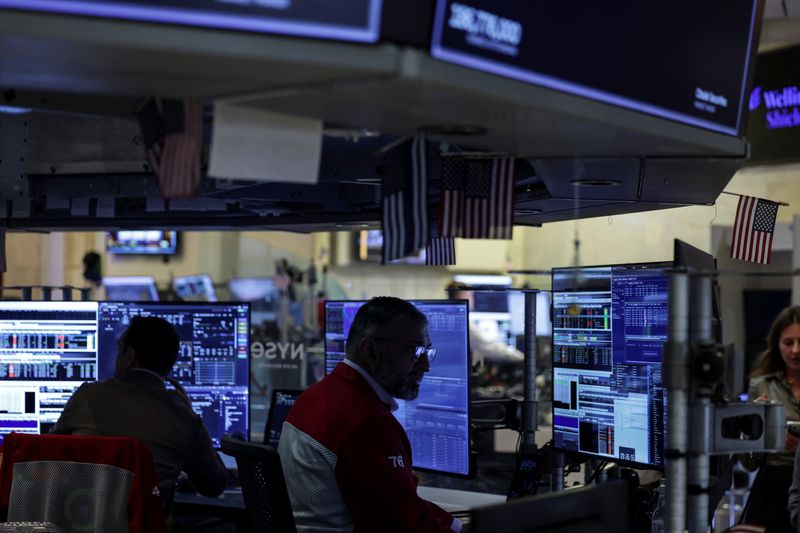

US stocks rally could find fuel in earnings, jobs data amid surging oil prices

Two US troops missing during African Lion exercise in Morocco, AFRICOM says

NFL fifth-year option tracker: Every team’s decision on 2023 first-round draft picks

iPhone 17 vs iPhone Air: do you want specs or style?

Asia finance leaders say they are ready to act to stem volatility risks

Manchester United reach agreement with Casemiro over contract clause amid transfer speculation

US brings back mandatory military draft registration

Steven Gerrard disagrees with Gary Neville over ‘shock’ Chelsea and Arsenal claim | Football


-

 Tech6 days ago
Register Renaming | Hackaday
-

 Politics6 days ago
Drax board avoid their own AGM, accused of greenwashing & environmental racism
-

 Tech6 days ago
Why Blue Badges Disappeared From Toyota Hybrids
-

 Tech6 days ago
Images of Samsung’s rumored smart glasses have leaked
-
 Tech2 days ago
Trump’s 25% EU auto tariff breaches Turnberry Agreement that also covers semiconductors and digital trade
-

 Fashion5 days ago
Kylie Jenner’s KHY Enters a New Era with ‘Born in LA’
-

 Business5 days ago
Most Commercial Energy Audits Miss the Real Losses
-

 Crypto World5 days ago
CFTC’s AI will review U.S. crypto registration applications, chairman tells CoinDesk
-

 Business6 days ago
(VIDEO) Charlize Theron Climbs Times Square Billboard to Promote New Netflix Thriller ‘Apex’
-

 Business4 days ago
Barclay Brothers Avoid Bankruptcy: HSBC Drops High Court Petitions After IVA Deal
-
 Sports2 days ago
Paul Scholes issues Marcus Rashford reality check as agreement emerges over Man United star
-
 Business4 days ago
Tesla Officially Registers Elon Musk’s Stock: What Investors Need to Know
-
 Entertainment6 days ago
Alicia Keys Calls Out Music Industry ‘Boys Club’
-

 Tech5 days ago
Get Ready for More Brain-Scanning Consumer Gadgets
-

 Tech7 days ago
Dyson Vacuums And The Curse Of Cooked Capacitors
-
 Crypto World5 days ago
Robinhood Phishing Scam Exploits Gmail Dot Feature to Bypass Security
-

 Entertainment6 days ago
Sister Wives: Janelle Posts New Scary Warning
-

 Crypto World5 days ago
Gmail Dot Trick Underpins Robinhood Phishing, Sending Real-Looking Emails
-

 Business7 days ago
AI-Driven App Creation at Your Fingertips
-

 Business3 days ago
Two Powerball Tickets Split $143 Million Jackpot in Indiana and Kansas
You must be logged in to post a comment Login