

Business
Chilling New DNA Breakthrough as Search Hits 80 Days


TUCSON, Ariz. — More than 80 days after 84-year-old Nancy Guthrie was abducted from her Catalina Foothills home, authorities continue to treat the case as an active kidnapping investigation, with the FBI now analyzing potentially critical DNA evidence including a hair sample recovered from the property and no arrests made despite thousands of tips.

Pima County Sheriff Chris Nanos and federal agents have not named a suspect or established a clear motive as the search for the mother of NBC “Today” show co-anchor Savannah Guthrie stretches into its third month. Guthrie was last seen around 9:45 p.m. on Jan. 31, 2026, after family members dropped her off following dinner. She was reported missing the next morning when she failed to appear at church.
Investigators believe she was taken against her will in the early morning hours of Feb. 1. Drops of her blood were found on the front porch, and doorbell camera footage released by the FBI shows a masked, gloved figure approaching the door. The suspect removed the front-door camera. Additional surveillance images later revealed a similar masked individual at the home three weeks earlier on Jan. 11.
The FBI has taken a leading role, deploying advanced forensic resources. Sources indicate the bureau recently received and is analyzing DNA evidence from Guthrie’s home, including a hair sample collected in February. Next-generation forensic technology is being used in hopes of generating a usable profile that could identify the perpetrator. Gloves found up to 10 miles away have also been examined for DNA, though results have not been publicly detailed.
On April 18, Sheriff Nanos publicly denied a viral rumor that a new person of interest had been detained, responding with a blunt “Nope” when asked. The denial came after social media speculation suggested a breakthrough, underscoring the challenge of separating facts from unverified claims in a high-profile case that has drawn intense national attention.
The family offered a $1 million reward in late February for information leading to Nancy Guthrie’s recovery, with Savannah Guthrie appearing in a video message pleading for help. “Someone knows how to find our mom and bring her home,” she said. The family has emphasized that the reward applies only to information resulting in her safe return, consistent with FBI guidelines.
Savannah Guthrie returned to “Today” in March after taking time away, sharing emotional reflections on the agony of uncertainty. In interviews, she described the moment she learned her mother was missing and the family’s fear that it could be linked to her own public profile. Authorities have cleared all immediate family members, including siblings and spouses, as suspects.
The investigation has generated more than 30,000 tips, with agents pursuing leads across multiple states. Surveillance footage from the neighborhood and a nearby vacant home has been reviewed, but additional images from other cameras at Guthrie’s property reportedly showed no new suspicious activity. A Bitcoin account linked to early ransom demands has also been examined, though no confirmed payment or resolution has been reported.
Forensic experts and former investigators have noted the case’s unusual elements. The suspect’s apparent familiarity with the property — including a prior visit captured on camera — has led some to suggest the perpetrator may have had some prior connection to Guthrie or scouted the location. Others point to the lack of forced entry signs beyond the blood evidence and the removal of the camera as indicators of a planned abduction.
Pima County authorities have conducted multiple searches in the Catalina Foothills area and surrounding desert terrain, using dogs, drones and ground teams. The rugged landscape and passage of time have complicated efforts, with experts warning that prolonged cases become significantly harder to resolve as physical evidence degrades and witness memories fade.
The case has captivated the public, in part because of Savannah Guthrie’s visibility as a morning news anchor. Coverage has included daily updates in the early weeks, though new developments have slowed in recent days. Rumors, including unverified ransom notes sent to media outlets and claims of assaults or additional evidence, have circulated widely but been largely debunked or unconfirmed by officials.
Nancy Guthrie, a longtime Tucson resident and widow, lived independently despite her age. She had a pacemaker, and its disconnection from her phone around 2:30 a.m. on Feb. 1 provided an early timeline clue. She was taken without shoes and in pajamas, according to sources, adding to the sense of sudden violence.
As the search enters its 80th day, the FBI continues to urge anyone with information to contact authorities or submit tips anonymously. The agency maintains a dedicated page for the case with contact numbers and reward details.
Community support has remained strong, with local volunteers and prayer vigils continuing even as national headlines shift. Tucson residents have expressed shock that such a crime could occur in a quiet, upscale neighborhood.
The investigation remains open and active, with Pima County Sheriff’s Office and FBI agents collaborating closely. No timeline has been given for resolution, and officials have repeatedly asked the public to avoid speculating on unverified social media claims that could hinder progress.
For the Guthrie family, the prolonged uncertainty has been described as excruciating. Savannah Guthrie has balanced professional duties with private grief, occasionally sharing messages of hope while acknowledging the family’s pain.
As April 21 unfolded with no major new announcements, the focus remained on forensic analysis and tip follow-up. Advanced DNA testing could prove pivotal if it yields a match in national databases. Meanwhile, the absence of a named suspect or clear motive keeps the case shrouded in mystery more than 11 weeks after Nancy Guthrie disappeared from her home.
The story of an 84-year-old woman taken from her bed in the night has resonated far beyond Arizona, raising broader questions about vulnerability, public safety and the challenges of investigating stranger abductions in an era of widespread surveillance. For now, the search continues, with authorities and the family holding onto hope that answers — and Nancy Guthrie — will eventually be found.

Business
First Majestic Silver Corp. 2026 Q1 – Results – Earnings Call Presentation (TSX:AG:CA) 2026-05-12


Seeking Alpha’s transcripts team is responsible for the development of all of our transcript-related projects. We currently publish thousands of quarterly earnings calls per quarter on our site and are continuing to grow and expand our coverage. The purpose of this profile is to allow us to share with our readers new transcript-related developments. Thanks, SA Transcripts Team
Business
Dr Reddy’s Laboratories Q4 Results: Cons PAT falls 86% YoY to Rs 221 crore, revenue dips 12%; Rs 8 per share dividend announced

The company’s revenue from operations in Q4FY26 was down 12% to Rs 7,516 crore versus Rs 8,506 crore in the corresponding quarter of the previous financial year.
The company’s board recommended a final dividend of Rs 8 per equity share for the financial year 2025-26, subject to approval of shareholders at the ensuing Annual General Meeting. The company has set the record date for determining eligible shareholders on July 10, 2026.
The profit after tax (PAT) was down 81% on a sequential basis from Rs 1,190 crore in Q3FY26 while topline declined 14% quarter-on-quarter from Rs 8,727 crore in the October-December quarter of FY26.
However, revenue increased 3% for the full year ended March 31, 2026 to Rs 33,593 crore from Rs 32,553 crore in the year ago period.

Growth was broad-based across key markets, except for North America which declined primarily on account of lower Lenalidomide sales and a one-time Shelf Stock Adjustment (SSA) of Rs 450 crore related to the product. Favourable foreign exchange rate movements further supported overall growth.
Excluding the one-time SSA, consolidated revenues were at Rs 7,970 crore billion in Q4FY26, a decline of 6.3% YoY and 8.7% QoQ and Rs 34,050 crore in FY26, a growth of 4.6% YoY.Gross Margin for Q4FY26 at 44.8%, a decline of 1,074 basis points (bps) YoY and 881 bps QoQ. For FY26 it stood at 52.8%, a decline of 573 bps YoY.
The YoY decline for the quarter was primarily on account of reduced sales of Lenalidomide, price erosion in North America and Europe Generics and a one-time SSA impact indicated earlier. FY26 was further impacted by one-time new Labour Code related provision in Q3FY26.
Excluding the one-offs related to SSA and new Labour Codes, gross margin for Q4FY26 at 48% and FY26 at 53.5%.
Business
Cardinal Infrastructure Group Inc. 2026 Q1 – Results – Earnings Call Presentation (NASDAQ:CDNL) 2026-05-12
Seeking Alpha’s transcripts team is responsible for the development of all of our transcript-related projects. We currently publish thousands of quarterly earnings calls per quarter on our site and are continuing to grow and expand our coverage. The purpose of this profile is to allow us to share with our readers new transcript-related developments. Thanks, SA Transcripts Team
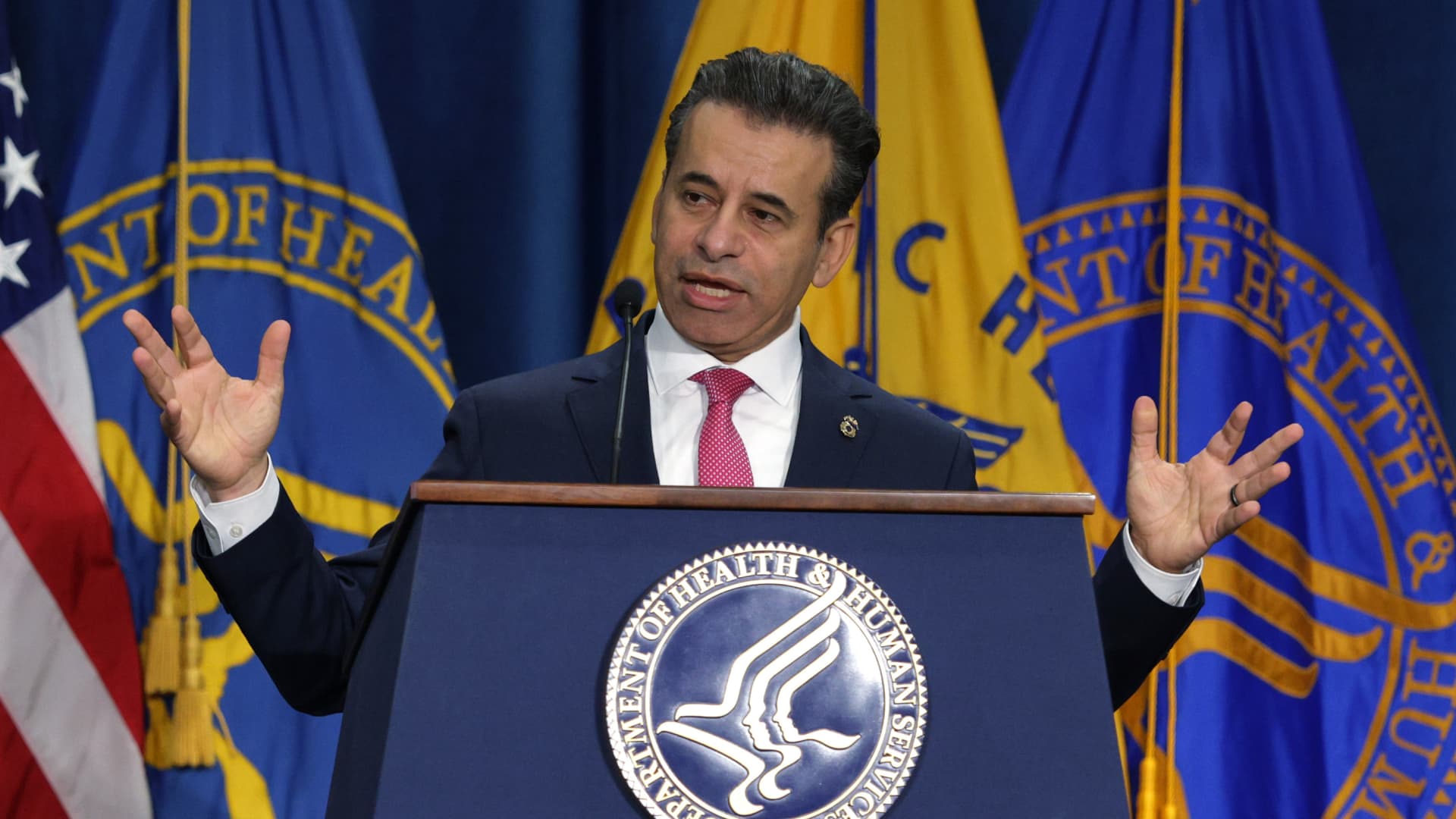
Dr. Marty Makary is out as FDA commissioner, President Donald Trump said Tuesday, ending a controversial tenure at the health agency.
Makary is “a wonderful man and he’s going to be off, and the assistant, the deputy, is taking over temporarily,” Trump told reporters on Tuesday.
He added, “He’s going to go on, and he’s going to lead a good life.”
Several news outlets reported that Makary resigned on Tuesday, which followed days of reporting that the White House was planning to fire him.
Kyle Diamantas, who previously worked as the top food official at the FDA, will step in as acting commissioner, according to reports. Trump on Tuesday did not name Diamantas.
Makary, a surgical oncologist known for criticizing the government’s handling of the Covid pandemic, had reportedly fallen out of favor with both FDA staff and the White House in recent months. He served as head of the agency responsible for regulating food, drugs and medical devices for more than a year.
His tenure was marked by internal dysfunction and leadership turmoil at the FDA, along with mounting backlash from drugmakers, physicians and patient groups on regulatory decisions, including high-profile rejections of some rare disease treatments. At the same time, the White House reportedly grew increasingly impatient with what it viewed as his slow movement on Trump’s key policy initiatives, such as legalizing flavored vapes.
Makary has touted his accomplishments as commissioner, including his priority voucher program that accelerates review times for certain drugs.
But staff morale at the agency plummeted after layoffs and departures of career agency scientists, including longtime cancer regulator Dr. Richard Pazdur, who cited Makary’s leadership as his reason for leaving. Meanwhile, distrust of leadership has reportedly grown among the staff that remained.
Among Makary’s most polarizing appointees was Vinay Prasad, who served as a key agency official overseeing vaccines and biotech treatments before stepping down at the end of April. Prasad, an outspoken academic and podcaster, left the agency after mounting criticism of the FDA within the biotech and pharmaceutical industries and among former health officials.
For example, the FDA initially refused to review Moderna’s flu shot – a decision that the biotech company said was inconsistent with previous agency guidance and specifically stemmed from Prasad. The FDA later reversed course on the vaccine.
Prasad also faced backlash earlier this year for his rejection of a Huntington’s disease gene therapy from uniQure, which claimed the FDA was requiring it to perform fake brain surgery to evaluate whether the treatment works. In a CNBC interview in March, Makary appeared to criticize that treatment without naming it.
In April, the FDA rejected Replimune’s drug candidate for melanoma a second time after an initial rejection in July. The agency cited insufficient evidence of effectiveness and took issue with the single-arm trial design.
In an interview with CNBC in May, Makary said three independent teams have arrived at the same conclusion around the drug and that the FDA has not made “corrupt sweetheart deals.”
“I don’t work for Replimune, I work for the American people, and I stand by the scientists at the FDA,” Makary said in the interview with CNBC’s David Faber.
In March, Sen. Ron Johnson, R-Wisc., announced an investigation into the FDA’s rejection of rare disease treatments.
Wall Street Journal’s ‘Free Expression’ deputy editor Jack Butler joins ‘Varney & Co.’ to discuss AI risks, global competition, and whether the U.S. should collaborate with rivals like China on emerging technology.
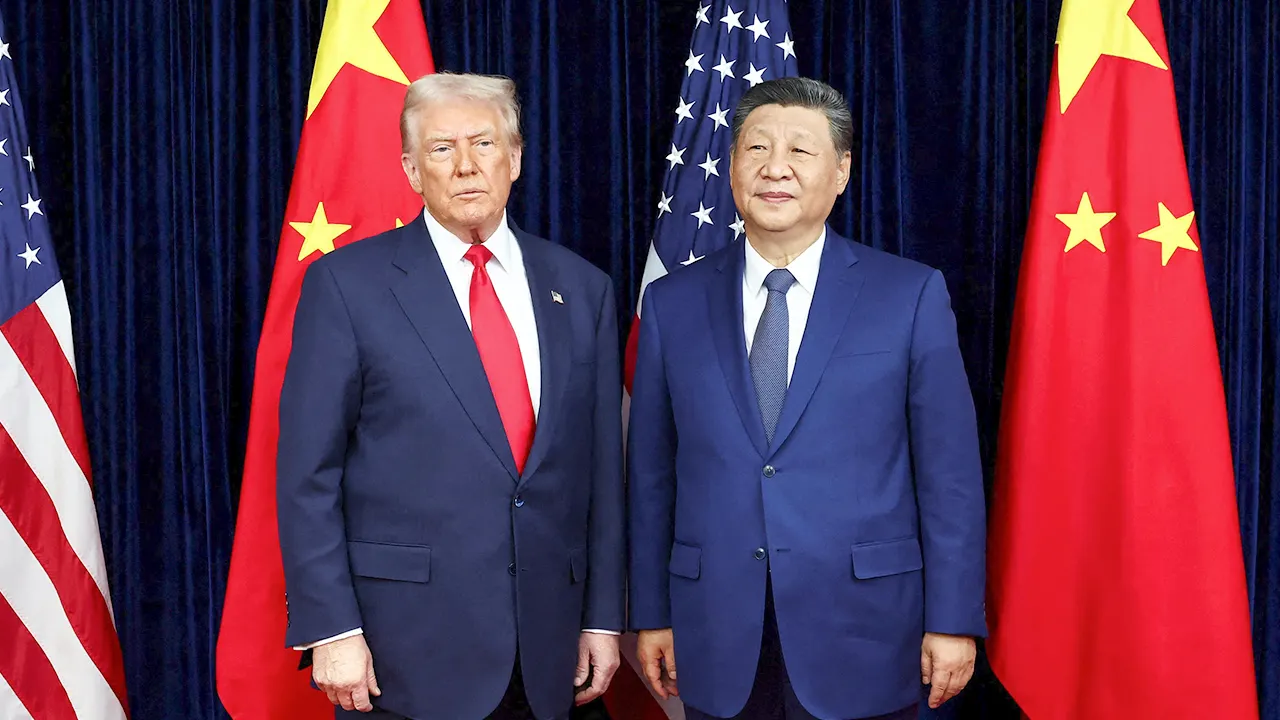
President Donald Trump is set to travel to China this week for a summit with Chinese President Xi Jinping that comes as the relationship between the world’s two largest economies is disrupted by ongoing trade disputes and emerging technology.
Trump’s meeting with Xi in Beijing on May 14–15 comes amid the Iran war affecting global energy markets, while the trade tensions between the U.S. and China continue to simmer amid tariff disputes, the artificial intelligence (AI) race and potential export deals.
The two countries may negotiate new commitments by China to purchase American farm goods and jetliners, with restrictions on the sale of advanced AI chips a potential sticking point.
Derek Scissors, a senior fellow at the American Enterprise Institute whose focus includes U.S. economic ties with China, told FOX Business that the “president wants to announce a bunch of purchases” of U.S. goods following the talks and sees China as having flexibility to make public commitments to that effect.
WHITE HOUSE ACCUSES CHINA OF ‘INDUSTRIAL-SCALE’ AI TECHNOLOGY THEFT WEEKS AHEAD OF TRUMP-XI SUMMIT
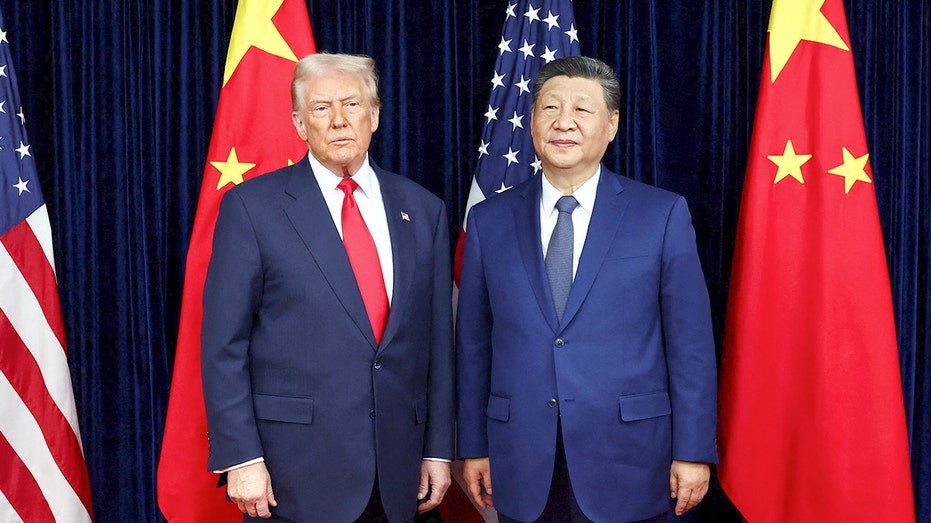
President Donald Trump’s last trip to China to meet with Chinese President Xi Jinping was in November 2017, which was the last visit by a U.S. president. (Evelyn Hockstein/Reuters)
“Xi Jinping can just say, ‘we are going to do this.’ It doesn’t mean they actually do it – they didn’t do it in the phase one deal – but he can say that, and they can announce that China will buy this many Boeings and this many soybeans, so I think they’re going to negotiate a purchase deal,” Scissors said.
He said that he views a public deal involving Chinese purchases of U.S. energy as unlikely due to political sensitivities stemming from the Iran war, but China may seek a deal allowing it to purchase advanced AI chips.
“On the Chinese side, they, of course, want more advanced technology. One of the reasons they have not bought any H200 Nvidia chips is that they want to put pressure on the company to sell them better chips,” Scissors said. “They’ll even eventually acquire H200 chips, and probably already have indirectly, but what they want is an agreement to sell more advanced chips.”
IN LETTER TO XI, TRUMP ASKS CHINA NOT TO SEND WEAPONS TO IRAN

Nvidia’s advanced AI chips have been a major point of contention in U.S. trade with China. (Jakub Porzycki/NurPhoto)
“That’s the basic economic trade: the Chinese make, or at least announce, large-scale purchases of U.S. items that we sell to China, which is aircraft and farm goods in the lead if you’re not going to count energy, and then we agree to sell them more advanced chips than the H200,” he said.
Scissors added that he’s unsure whether Trump is interested in selling the advanced chips to China, given the tension between his stated desire for more U.S. exports and the restrictions that have been put in place on the sale of those chips.
Kyle Chan, a fellow at The Brookings Institution’s John L. Thornton China Center, expressed a similar sentiment and told FOX Business that Beijing’s approach to export controls will be a big question ahead of the summit.
“Trump allowed the sale of Nvidia H200 chips to China subject to certain conditions. Beijing, however, has not been eager to allow the import of these chips. While Chinese AI companies would like to access stronger AI chips, Beijing is keen to support domestic AI chipmakers instead,” Chan noted. “Will Trump see this as a technology issue or a trade issue?”
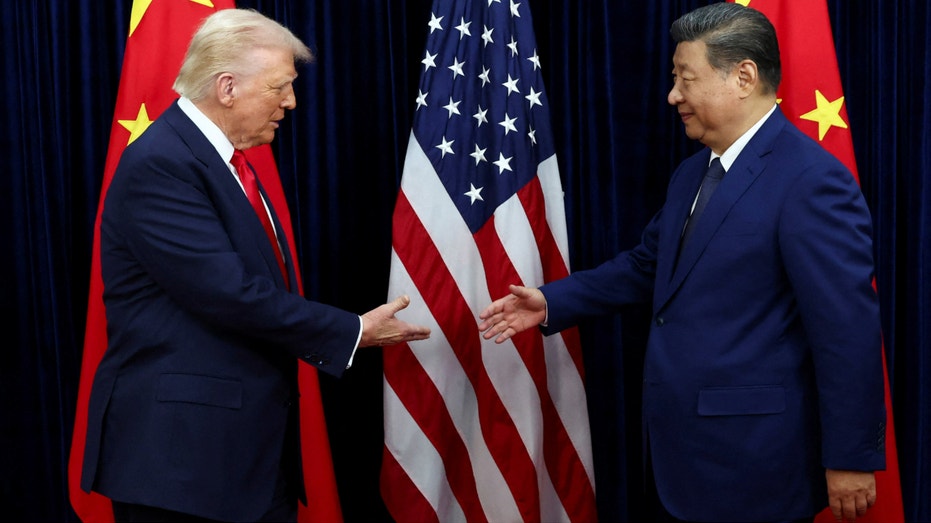
President Donald Trump last met with Chinese President Xi Jinping in October 2025 in Busan, South Korea. (Evelyn Hockstein/Reuters)
Chan added that the investment deals that have been reached between the U.S. and Japan and South Korea, two regional rivals of China, may be appealing to Chinese leadership – though he cautioned it isn’t clear the U.S. would be receptive.
“Beijing is quite interested in increasing Chinese investment in the U.S. They look around and see U.S. investment deals with other countries like Japan and South Korea and wonder whether this might be an easy win-win. The real question is whether the U.S. would find this attractive or see this as a source of greater risk and dependency,” Chan said.
A spokesman for the Chinese Ministry of Foreign Affairs said that the two presidents will exchange their views on “major issues concerning China-U.S. relations and on world peace and development.”
GET FOX BUSINESS ON THE GO BY CLICKING HERE
“China stands ready to work with the U.S. to expand cooperation and manage differences in the spirit of equality, respect and mutual benefit, and provide more stability and certainty for a transforming and volatile world,” the spokesman added.
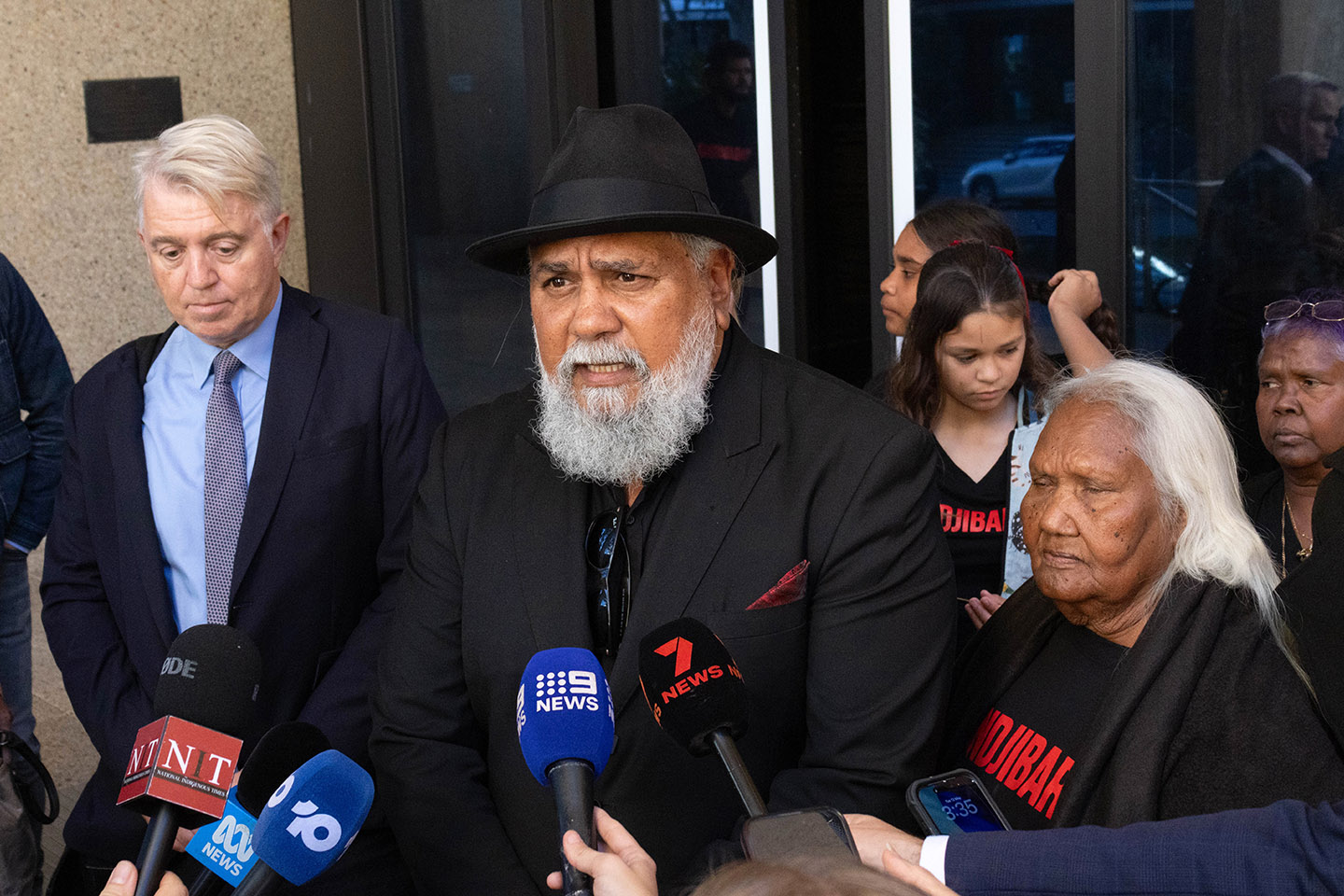
Fortescue has been ordered to pay the Yindjibarndi people $150 million for mining their lands without approval by Australia’s Federal Court.

Revenue from operations fell 13% YoY to Rs 14,900 crore in the reporting March quarter, compared with Rs 17,096 crore in the year-ago quarter.
EBITDA rose 10% to Rs 4,216 crore during the quarter.
Tata Power said operational efficiency improvements and growth across core businesses supported earnings during the quarter. The company’s core business reported 13% YoY growth in PAT in Q4, driven mainly by generation, transmission and distribution, and renewables businesses.
For the full financial year FY26, Tata Power reported its highest-ever annual PAT of Rs 5,118 crore, up 7% year-on-year, while EBITDA increased 11% to Rs 16,090 crore. Annual revenue stood at Rs 63,681 crore.
The renewables segment remained a key growth driver. Renewable business PAT before exceptional items rose 59% YoY to Rs 1,994 crore in FY26, while Q4 PAT stood at Rs 406 crore.
The solar manufacturing business also saw strong traction, with FY26 PAT more than doubling to Rs 857 crore, aided by module and cell manufacturing ramp-up and yields exceeding 95%.The rooftop solar business reported a 150% jump in FY26 PAT to Rs 499 crore, while the transmission and distribution business posted a 49% rise in annual PAT to Rs 2,978 crore. Odisha discoms recorded an 84% increase in FY26 PAT at Rs 809 crore.
During the year, Tata Power commissioned 2.5 GW of renewable energy capacity and said its total renewable portfolio has now reached 11.6 GW, including projects under construction. The company also announced that the board of Tata Power Renewable Energy approved an investment of around Rs 6,500 crore for a 10 GW photovoltaic ingot and wafer manufacturing facility to deepen backward integration in solar manufacturing.
CEO and MD Praveer Sinha said the company continued to focus on long-term growth through clean energy expansion, transmission projects and distribution improvements across Odisha, Delhi and Mumbai. He added that rising electricity demand and India’s energy transition would continue to create growth opportunities across rooftop solar, manufacturing and customer-centric energy solutions.
Business
Is Spotify Down Now? App Experiences Minor Glitches as Users Report Playback and Login Issues on May 13

NEW YORK — The Spotify app faced scattered reports of technical difficulties Tuesday, with some users experiencing playback interruptions, login errors and delayed playlist loading, though the streaming giant has not confirmed a widespread outage. As of midday May 13, 2026, Downdetector and other monitoring sites showed elevated but not critical complaint levels, primarily centered on the mobile app rather than a full service disruption.
User reports spiked modestly in the morning hours, with many complaining about songs stopping mid-play, search functions failing, or the app freezing when opening curated playlists. Android users appeared disproportionately affected, echoing similar Android-specific issues reported on May 11. Spotify’s official status channels and support forums have remained relatively quiet, suggesting the problems may be isolated or resolving quickly.
A Spotify spokesperson said the company is aware of “intermittent issues affecting a small percentage of users” and that engineering teams are actively investigating. “Most users should experience normal service,” the statement read. “We recommend updating the app and restarting devices as a first step.” No major global outage has been declared, distinguishing today’s reports from previous widespread disruptions that affected tens of thousands.
Recent History of Spotify Disruptions
Spotify has encountered several technical hiccups in 2026. On May 11, Android users reported “Something went wrong” errors when accessing playlists, a problem that was largely resolved within hours. Earlier incidents in April and February also involved app crashes and server connection issues, often tied to backend updates or high traffic periods.
The music streaming service, which boasts more than 600 million users worldwide, relies on a complex infrastructure of content delivery networks, recommendation algorithms and real-time syncing. Even minor glitches can frustrate millions when they occur during peak listening hours.
What Users Are Experiencing
Common complaints Tuesday included:
- Songs buffering indefinitely or stopping after 10-15 seconds
- Playlists failing to load or showing as empty
- Login loops on mobile devices
- Search bar returning no results
- Downloaded content becoming temporarily inaccessible
Most affected users reported the issues began around 8-10 a.m. EDT. Desktop and web player versions appeared less impacted, with many listeners switching platforms as a workaround. Spotify Premium subscribers were not spared, though free-tier users with advertisements sometimes saw additional delays.
Troubleshooting Tips
Spotify recommends the following steps for users facing problems:
- Force-close and restart the app
- Check for app updates in the App Store or Google Play
- Restart the device
- Reinstall the app if issues persist
- Clear cache (Android) or offload/reinstall (iOS)
- Try switching between Wi-Fi and mobile data
For persistent problems, users can visit Spotify’s support site or community forums, where moderators actively monitor and update ongoing issues.
Broader Context of Streaming Reliability
Spotify is not alone in facing occasional service hiccups. Major streaming platforms including Netflix, YouTube Music and Apple Music have all experienced similar intermittent issues in recent months, often linked to rapid feature rollouts, server maintenance or unexpected traffic surges. As streaming consumption grows, the pressure on backend systems increases.
Industry analysts note that Spotify has invested heavily in infrastructure resilience, including multi-region data centers and advanced load balancing. However, the complexity of personalized recommendations, podcast integration and social features creates more potential points of failure than simpler services.
Impact on Users and Business
For casual listeners, today’s glitches represent a minor inconvenience. For heavy users and those relying on Spotify for focus, workouts or commutes, interruptions can be frustrating. Content creators and podcasters have also voiced concerns about reliability during live events or scheduled releases.
From a business perspective, Spotify continues to grow its user base and improve monetization despite occasional technical hiccups. The company reported strong subscriber growth in its most recent earnings, with premium users driving the majority of revenue. Short-term outages rarely have lasting effects on overall retention when resolved quickly.
When to Expect Resolution
Most reported Spotify issues in 2026 have been fixed within a few hours. If problems persist into the afternoon or evening, users should monitor official channels for updates. Spotify’s @SpotifyStatus account on X and the company’s community board typically post acknowledgments during significant events.
In the meantime, many affected users have turned to downloaded content, alternative platforms or web browsers as temporary solutions. Spotify encourages patience while technical teams work behind the scenes.
As streaming becomes central to daily entertainment, reliable uptime grows increasingly important. Today’s scattered reports serve as a reminder of the infrastructure challenges behind seamless music delivery. For now, most Spotify users appear able to listen without major disruption, with only a subset experiencing temporary issues.
Spotify continues to dominate the music streaming landscape, and these occasional glitches have not slowed its overall momentum. Users experiencing problems today are encouraged to try basic troubleshooting or wait for an automatic resolution, which has proven effective in similar past incidents.

Earnings call transcript: Suncor Energy Q1 2026 beats forecasts but shares dip

Australia’s share market has wobbled ahead of the federal budget, as investors brace for tax reforms expected to impact returns on housing and stocks.

Ranking The 15 Best One-Season Sci-Fi Shows

Zoe Ball Confirms She Won’t Be Hosting Strictly Come Dancing 2026

First Majestic Silver Corp. 2026 Q1 – Results – Earnings Call Presentation (TSX:AG:CA) 2026-05-12

Manchester United reach agreement with Casemiro over contract clause amid transfer speculation

US brings back mandatory military draft registration

Steven Gerrard disagrees with Gary Neville over ‘shock’ Chelsea and Arsenal claim | Football


-
 Crypto World4 days ago
HarrisX Poll Found 52% of Registered Voters Support the CLARITY Act
-

 Fashion4 days ago
Weekend Open Thread: Marianne Dress
-

 Crypto World5 days ago
Upbit adds B3 Korean won pair as Base token gains Korea access
-
 NewsBeat5 days ago
NCP car park operator enters administration putting 340 UK sites at risk of closure
-

 Fashion1 day ago
Coffee Break: Travel Steam Iron
-

 Fashion2 days ago
What to Know Before Buying a Curling Wand or Curling Iron
-

 Tech3 days ago
Auto Enthusiast Carves Functional Two-Stroke Engine from Solid Metal
-

 Politics20 hours ago
What to expect when you’re expecting a budget
-

 Politics3 days ago
Politics Home Article | Starmer Enters The Danger Zone
-
 Business3 days ago
Ignore market noise, India’s long-term story intact, say D-Street bulls Ramesh Damani and Sunil Singhania
-

 Tech1 day ago
GM Agrees To Pay $12.75 Million To Settle California Lawsuit Over Misuse Of Customers’ Driving Data
-

 Crypto World6 days ago
BlackRock CEO Larry Fink Discusses a New Asset Class
-

 Entertainment6 days ago
Sarah Paulson Called Out For Met Gala ‘Hypocrisy’
-

 Entertainment5 days ago
General Hospital: Ric & Ava Bombshell – Ric’s Massive Secret Exposed!
-
 Sports6 days ago
NBA playoff winners and losers: Austin Reaves is not loving Lakers vs. Thunder matchup, but Chet Holmgren is
-

 Entertainment6 days ago
Bold and Beautiful Early Spoilers May 11-15: Steffy Revolted & Liam Overjoyed!
-

 Politics5 days ago
Simon Cowell Says He Was ‘Horrible’ To Susan Boyle During BGT Audition
-

 Sports5 days ago
UEFA Champions League final schedule, teams, venue, live time and streaming | Football News
-

 Crypto World6 days ago
Robinhood says Wall Street is building onchain
-

 Tech7 days ago
Apple and Samsung are dominating smartphone sales so thoroughly that only one other company makes the top 10
You must be logged in to post a comment Login