
Business
Control, Security and Stadium Strategy Keep Icon Off Stage

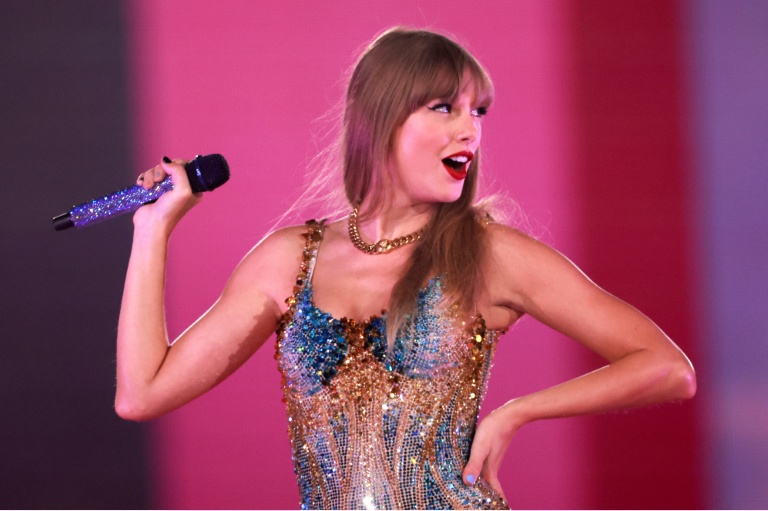
INDIO, California — As the Coachella Valley Music and Arts Festival wraps its 2026 run with headliners Sabrina Carpenter, Justin Bieber and Karol G drawing massive crowds to the Empire Polo Club, one name remains conspicuously absent from the lineup and stage: Taylor Swift. In a nearly two-decade career filled with stadium tours, awards shows and select festival appearances, the global superstar has never taken the Coachella stage — a fact that continues to puzzle fans and fuel endless online speculation.
Swift has attended the desert festival multiple times as a spectator. She was spotted in 2016 with then-boyfriend Calvin Harris and returned in 2024 with Travis Kelce, dancing and enjoying sets without stepping behind a microphone. In 2026, reports placed the couple at the event supporting friends and soaking in the atmosphere, yet once again she performed nowhere on the grounds.
Industry insiders and analysts point to a combination of strategic, logistical and personal reasons for the ongoing absence. At the peak of her career, Swift prioritizes full control over her productions in ways that clash with the festival format. Coachella slots typically last 45 to 90 minutes even for headliners, with shared production elements, variable sound quality and less flexibility for the elaborate storytelling, costume changes and massive video setups that define Swift’s Eras Tour-style spectacles.
Her stadium shows generate far higher revenue than a single festival payday. Headliners at Coachella can earn between $4 million and $12 million, a fraction of what Swift clears from multi-night arena or stadium runs where tickets routinely sell for hundreds or thousands of dollars on the secondary market. Insiders note that booking Swift would require Goldenvoice, the festival promoter, to allocate an outsized portion of the budget, potentially limiting the diversity of the rest of the lineup and altering the event’s eclectic appeal.
Security concerns represent another significant barrier. Swift’s high-profile status demands extensive protection, including large teams of bodyguards and advanced systems refined during her record-breaking tours. Open festival grounds with tens of thousands of attendees, general admission areas and unpredictable crowd dynamics make it far harder to guarantee the controlled environment she maintains in her own venues. Past incidents, including overzealous fans attempting to approach her on stage, have led her team to invest heavily in safety protocols that are easier to enforce in ticketed, seated or restricted stadium settings.
Swift’s preference for precision and intentionality also plays a role. Coachella thrives on spontaneity, surprise guest appearances and a free-spirited desert vibe that can include variable weather, dust and logistical challenges. The singer has built her brand on meticulously planned, fan-centric experiences where every element — from setlist narratives spanning her musical eras to seamless technical execution — aligns with her vision. Festival constraints often require scaled-back productions that do not match the immersive quality her audiences expect.
Earlier in her career, Swift did perform at various festivals while building her profile. During the Fearless era around 2009, she appeared at events like the Florida Strawberry Festival, Houston Livestock Show and Rodeo, and international dates such as Summer Sonic in Japan. She headlined smaller promotional shows and radio festivals, but as her stardom exploded with the transition to pop on 1989 and beyond, her schedule shifted toward self-contained arena and stadium tours that allowed complete artistic oversight.
Plans for festival-heavy appearances were disrupted by the COVID-19 pandemic. Lover Fest, announced in 2020 as a series of stadium and festival dates including potential international stops, was canceled due to health concerns. Rumors swirled about a Glastonbury headline slot that same year, which also fell through. By the time live music resumed, Swift had pivoted to the ambitious Eras Tour, a 151-show global juggernaut that wrapped in late 2024 and became the highest-grossing tour in history. The demand and scale of that production made smaller or shared festival bills less appealing.
In 2026, Swift appears to be prioritizing personal life over new touring commitments. Insiders report her focus remains on time with fiancé Travis Kelce, wedding planning and creative work on future projects without the immediate pressure of a full-scale tour. Recent rumors linking her to Coachella — including false claims she might replace a headliner or make a surprise appearance — were quickly debunked. No official invitations or negotiations have surfaced publicly, and her team has stayed silent on the topic.
Fan discussions on platforms like Reddit and Threads highlight additional theories. Some suggest Swift simply does not enjoy the festival environment, with its emphasis on discovery across multiple stages rather than a singular headline moment. Others point to past public scrutiny, including the 2016 “Kimye” drama during her 1989 era, as a factor in her more guarded approach to high-visibility, less-controlled settings. Coachella’s reputation for celebrity sightings and paparazzi attention could also conflict with her desire for curated public moments.
Despite the absence, Swift’s cultural influence still looms over the festival. In 2024, her attendance with Kelce generated more headlines than many performances, demonstrating her ability to dominate conversations without singing a note. Swifties have long manifested a Coachella debut, with some buying tickets in past years based on unconfirmed rumors. Yet as of 2026, those dreams remain unfulfilled.
Comparisons to other superstars underscore the uniqueness of her stance. Artists like Rihanna, Adele and even some peers in pop have also skipped Coachella headlining slots, often citing similar control or financial calculations. Beyoncé used her 2018 Coachella performance — dubbed “Beychella” — as a landmark cultural moment, but Swift’s path has favored ownership of her narrative through albums, tours and films like the Eras Tour concert movie.
For Coachella organizers, landing Swift would represent a massive coup but comes with trade-offs. The influx of Swifties could overwhelm infrastructure, drive up secondary ticket prices dramatically and shift the festival’s identity toward a more mainstream pop event. Past lineups have balanced indie, electronic, hip-hop and global acts, a mix that might suffer if budget priorities tilt too heavily toward one superstar.
As Swift enters a new phase post-Eras, questions persist about her next moves. A potential new album cycle could bring fresh touring opportunities, but sources indicate no rush toward another marathon roadshow. Instead, selective appearances, creative projects and personal milestones appear to take precedence. Whether that ever includes a Coachella set — perhaps as a legacy-defining headline moment or surprise guest spot — remains unknown.
In the meantime, the desert festival continues without her on stage. This year’s edition featured theatrical sets, high-energy performances and the usual mix of emerging and established talent. Swift’s decision to observe rather than participate reinforces her carefully managed career strategy: maximizing impact while minimizing risks to her production standards, security and personal bandwidth.
Swifties continue to debate the “what if” scenarios online, with some accepting her absence as a sign of strength — she no longer needs festival validation to affirm her status. Others hope a future year might bring the long-awaited debut, especially if it aligns with a new era rollout.
For now, the Empire Polo Club remains one of the few major stages the 14-time Grammy winner has yet to conquer. Her choice reflects a deliberate path forged on her own terms: full creative command, economic maximization and protection of the fan experiences she crafts so meticulously. In an industry where artists often chase every spotlight, Swift’s consistent pass on Coachella stands as a quiet assertion of power — proving that sometimes the biggest star shines brightest by knowing exactly when and where to perform.
As Coachella 2026 fades into highlight reels and social media recaps, the conversation inevitably circles back to the one performer whose name sparks endless curiosity even in her silence. Taylor Swift’s non-performance has become its own kind of headline, underscoring that in the world of live music, strategic absence can speak as loudly as any setlist.


Form 13F Raub Brock Capital Management LP For: 15 April
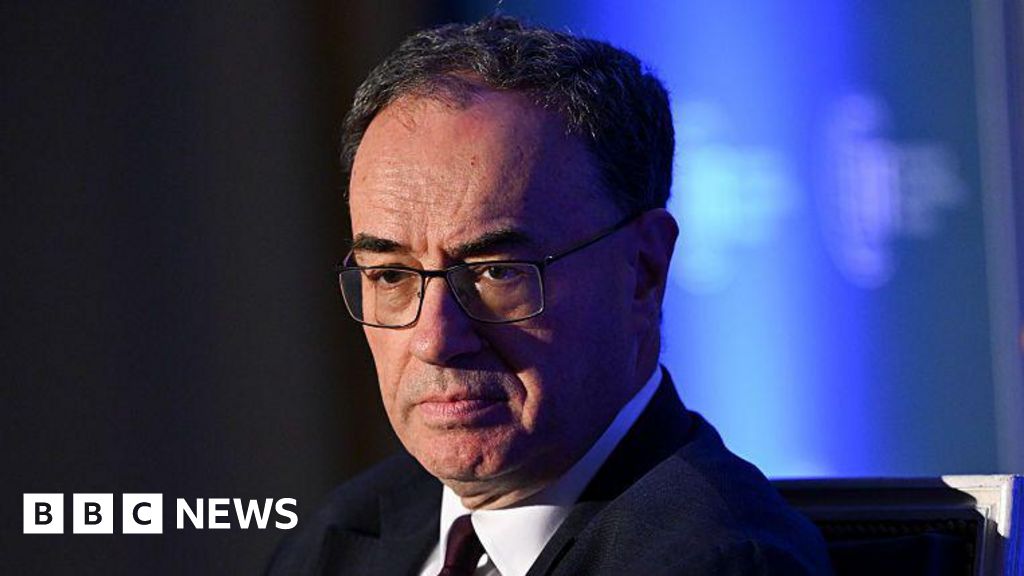
Bank of England governor says the Iran war energy shock makes the next rate decision “very very difficult”.
Business
Carrier Global Stock Drops 8% on Residential HVAC Weakness as Data Center Boom Offers 2026 Hope

NEW YORK — Carrier Global Corp. shares tumbled more than 8 percent in morning trading Wednesday, falling to around $59.48 as investors weighed persistent softness in the residential heating and cooling market ahead of the company’s first-quarter earnings report later this month.
At approximately 11:43 a.m. EDT on April 15, 2026, CARR stock had declined $5.19, or 8.02 percent, extending recent pressure on the climate and energy solutions provider. The company’s market capitalization stood near $54 billion after the drop. Shares have traded in a 52-week range of roughly $50.20 to $81.10, reflecting a challenging stretch for the former United Technologies spin-off amid mixed demand signals across its segments.
The sell-off comes less than two weeks before Carrier is set to release first-quarter 2026 results on April 30, with a conference call scheduled for 7:30 a.m. ET. Analysts and investors will scrutinize any early signs of stabilization in residential and light commercial HVAC, where weakness has weighed on results, while watching for continued strength in high-growth areas such as commercial systems and data center cooling.
Full-year 2025 results released in early February painted a tale of two businesses. Net sales fell 3 percent to $21.75 billion, with organic sales down 1 percent. Adjusted earnings per share reached $2.59. Global commercial HVAC and aftermarket businesses delivered double-digit growth, but this was more than offset by sharp declines in residential and light commercial segments, particularly in the Americas and China.
Fourth-quarter 2025 figures underscored the pressure. Sales dropped 6 percent to $4.84 billion, missing estimates, while adjusted EPS of $0.34 also fell short of consensus. Residential volumes plunged nearly 38 percent year-over-year in some regions, hurt by cautious consumer spending, higher financing costs and elevated dealer inventory levels following pandemic-era surges.
Carrier’s 2026 guidance, issued alongside the full-year results, called for reported sales of approximately $22 billion, incorporating a roughly $350 million headwind from the planned divestiture of its Riello business. Organic growth is expected to be flat to low-single-digit, with adjusted operating profit around $3.4 billion and adjusted EPS near $2.80 — representing high-single-digit earnings growth but falling slightly below some Wall Street forecasts. Free cash flow is projected at about $2 billion, supporting continued share repurchases of roughly $1.5 billion.
Wall Street’s consensus remains constructive despite near-term concerns. Across roughly two dozen analysts, the rating tilts toward Moderate Buy or Outperform, with an average 12-month price target near $70 to $72 — implying potential upside of 18 to 21 percent from current levels. Targets range from a low near $55 to highs of $90, reflecting divergent views on the speed of residential recovery versus the durability of commercial and data center momentum.
Bulls emphasize Carrier’s positioning in secular growth drivers. Data center cooling orders surged nearly 50 percent in the fourth quarter of 2025, fueled by artificial intelligence infrastructure buildout. Management has highlighted expectations for continued double-digit expansion in global commercial HVAC and aftermarket services in 2026, with data center-related revenue potentially contributing $1.5 billion or more as backlog converts to shipments, particularly in the second half.
The company has introduced next-generation HVAC solutions featuring higher efficiency, smart controls and improved comfort, debuted at industry events such as the AHR Expo and International Builders’ Show. These innovations, combined with a strong aftermarket playbook, are designed to drive recurring revenue and margin stability even as new residential construction and replacement demand remain muted.
Carrier also benefits from a survey showing more than half of U.S. homeowners planning home improvements in 2026, with heating and cooling upgrades ranking among the top projects. Yet executives have cautioned that meaningful recovery in North American residential markets may not materialize until later in the year or into 2027, assuming interest rates ease and consumer confidence improves.
Challenges extend beyond cyclical demand. Higher interest rates have delayed commercial and residential projects, while destocking at distributors has pressured shipments. Tariff exposure and supply chain dynamics add further uncertainty, though Carrier has focused on cost control, discretionary spending reductions and backlog building in longer-cycle businesses.
The stock’s valuation reflects these tensions. Trading at a forward price-to-earnings multiple in the mid- to high-20s based on 2026 estimates, CARR offers a dividend yield of approximately 1.6 percent with a quarterly payout of $0.24. The company has returned substantial capital to shareholders, including nearly $3.7 billion in 2025 through dividends and buybacks.
For investors debating buy or sell decisions in 2026, Carrier represents a play on both cyclical recovery and structural AI-driven demand. Optimists argue that any stabilization in residential sell-through, combined with accelerating data center deployments, could spark multiple expansion and support a rebound toward the $70 consensus zone. The current depressed price relative to street targets creates what some view as an attractive entry for patient capital.
Skeptics counter that prolonged weakness in residential and light commercial — which together represent a sizable portion of revenue — could keep earnings growth subdued and pressure margins further. Execution on cost initiatives and successful integration of new product launches will be critical. Broader economic factors, including housing starts, commercial construction activity and energy prices, will also influence performance.
Next earnings on April 30 will offer fresh insight into first-quarter trends, with particular attention to order rates, backlog conversion and any updated commentary on full-year guidance. Q1 revenue is expected near $5 billion, with adjusted EPS around $0.50.
Carrier’s diversified portfolio spans climate solutions for homes, commercial buildings, transportation refrigeration and industrial applications. Its legacy as a pioneer in air conditioning provides brand strength, while investments in intelligent controls and energy-efficient systems position it for decarbonization trends and stricter efficiency standards.
As spring advances and cooling season approaches, retail and wholesale traffic in HVAC products will serve as key barometers. Dealer inventory normalization and early reception to 2026 product lines could provide tailwinds if consumer sentiment improves.
At current levels near $59.48, Carrier stock offers a defensive quality in the industrials sector with upside tied to both macro recovery and AI infrastructure spending. Dividend-focused investors may find the yield appealing, while growth-oriented participants will watch data center momentum as a potential offset to residential softness.
The coming quarters will test whether commercial and aftermarket strength can sufficiently counterbalance near-term residential headwinds. If data center orders continue converting and residential markets show even modest stabilization, Carrier could deliver on its earnings growth targets and reward shareholders.
Carrier has guided for its sixth consecutive year of double-digit growth in commercial HVAC. That track record, paired with innovation in smart and efficient solutions, underpins the longer-term bullish case even as 2026 begins with caution.
Whether the stock rebounds from recent lows or faces further pressure will hinge on April 30 results and the trajectory of key end markets. For now, the market appears to be pricing in extended weakness in residential demand while assigning optionality to the company’s high-growth commercial exposure.
As one of the world’s leading providers of intelligent climate and energy solutions, Carrier remains well-positioned for eventual recovery in its core markets and sustained expansion in data center cooling. Investors will soon receive updated signals on execution as the company navigates a transitional year in a dynamic economic environment.

Data from Cbonds, a financial data provider, showed offshore bond fundraising fell to $8.1 billion in FY26, down from $13.9 billion a year earlier, a nearly 40% decline. In contrast, domestic bond issuances held steady at ₹12.32 lakh crore during April-February FY26, compared with ₹12.97 lakh crore in FY25.
“Offshore borrowing has come down largely due to geopolitical uncertainty and volatility,” said Utsav Johri, partner, JSA Advocates & Solicitors. “While the recent relaxations in ECB guidelines make the market look promising and could drive a pickup later in the year once conditions stabilise, issuers are currently holding back. Hedging costs are elevated and expose borrowers to currency risk, and with ample liquidity available in the domestic market, companies are not keen to tap offshore markets at this stage.”
The Reserve Bank of India (RBI) recently relaxed norms for external commercial borrowings (ECB), raising limits to $1 billion, easing maturity requirements and removing caps on borrowing costs. The changes are aimed at making offshore funding more accessible and cost-effective.
 ETMarkets.com

Last fiscal, abundant liquidity in the domestic market and relatively attractive borrowing costs encouraged companies to stay onshore. “Rates in the local market were in the 7-8% range, and there was ample liquidity. That reduced the need to tap offshore markets,” a senior banker said.
The trend was also due to currency pressures. The rupee weakened amid global uncertainties, including tariff-related disruptions, making unhedged foreign currency exposure riskier. As a result, several corporates opted to refinance existing dollar liabilities through rupee bonds.Large issuers such as Greenko and Vedanta have already tapped domestic markets to refinance foreign currency debt, showing a shift toward local borrowing.
This trend is likely to persist in the near term.
“There is not a very active offshore pipeline right now. Companies are holding back on large commitments and closely watching global developments, including geopolitical risks and their impact on costs and growth,” another banker said.
Issuance activity in offshore markets has also become more selective, largely confined to investment-grade borrowers, while high-yield issuers face tighter conditions. Some diversification into alternative markets has emerged, with companies exploring currencies such as yen, though such issuances are limited.
If global conditions stabilise, issuers with upcoming maturities, particularly large public sector borrowers, could return to overseas markets to refinance debt, bankers said.
Morgan Harper, a director at the non-profit economic advocacy organisation American Economic Liberties Project, called the verdict against Live Nation “a historic victory for fans, artists, concert promoters and venue owners who have suffered for decades under the thumb of Ticketmaster’s monopoly”.

Petrol production has been disrupted at one of Australia’s two oil refineries while a “ferocious” fire continues to burn out of control at the plant.

The better-than-expected GDP data comes as Asian countries have been hit hard by the impact of the conflict.

Australia’s unemployment rate has held steady at 4.3 per cent despite the Iran war raising fears of a global recession and mass job lay-offs.


The Value Investor has a Master of Science with specialization in financial markets and a decade of experience tracking companies via catalytic company events. As the leader of the investing group Value In Corporate Events they provide members with opportunities to capitalize on IPOs, mergers & acquisitions, earnings reports and changes in corporate capital allocation. Coverage includes 10 major events a month with an eye towards finding the best opportunities. Learn more.
Analyst’s Disclosure: I/we have no stock, option or similar derivative position in any of the companies mentioned, and no plans to initiate any such positions within the next 72 hours. I wrote this article myself, and it expresses my own opinions. I am not receiving compensation for it (other than from Seeking Alpha). I have no business relationship with any company whose stock is mentioned in this article.
Seeking Alpha’s Disclosure: Past performance is no guarantee of future results. No recommendation or advice is being given as to whether any investment is suitable for a particular investor. Any views or opinions expressed above may not reflect those of Seeking Alpha as a whole. Seeking Alpha is not a licensed securities dealer, broker or US investment adviser or investment bank. Our analysts are third party authors that include both professional investors and individual investors who may not be licensed or certified by any institute or regulatory body.
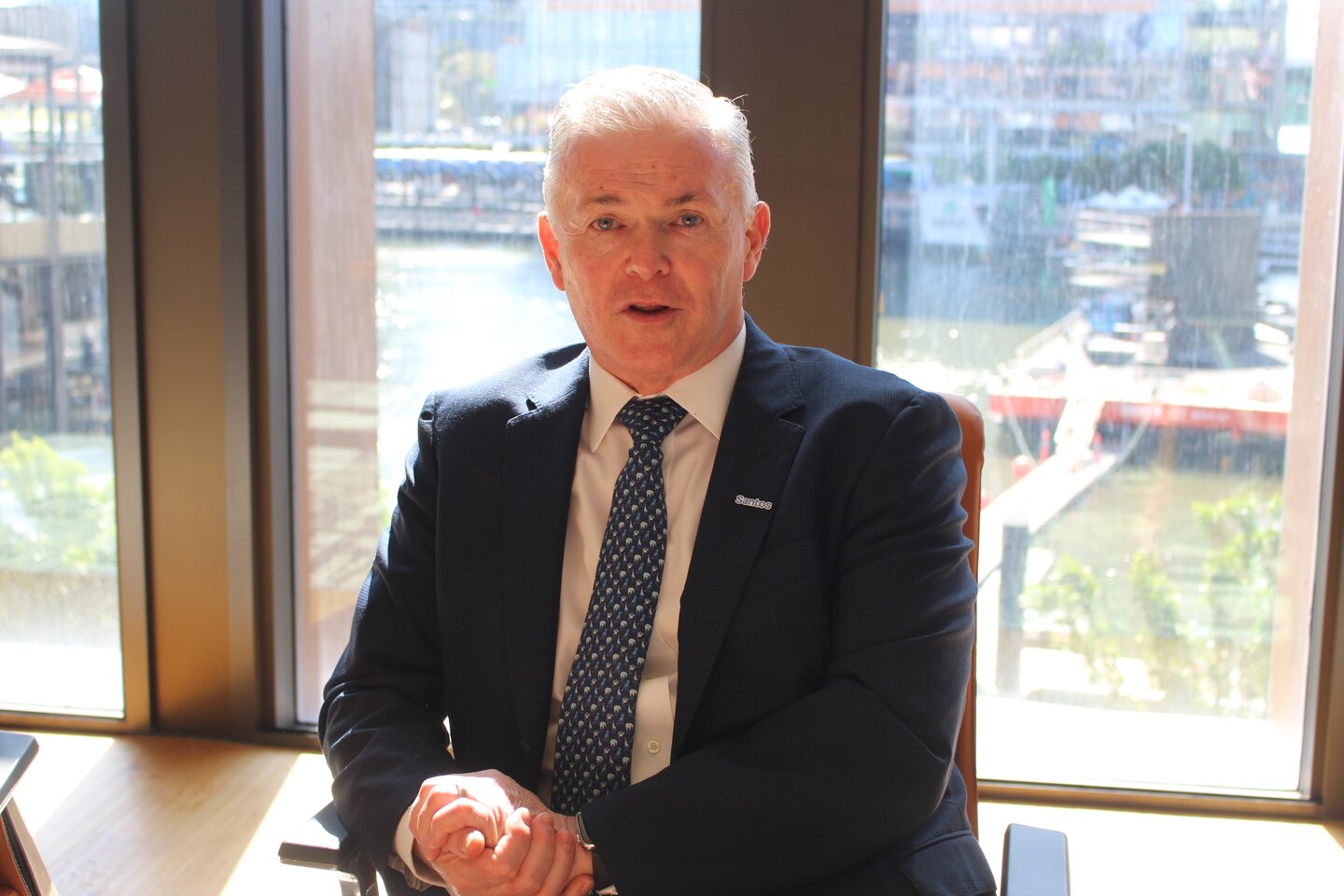
The oil crisis has improved the prospects of Santos’ long-delayed Dorado oil project off the WA coast, according to management at the Adelaide-headquartered producer.

IRS 1099-DA Crypto: Tax Day 2026 Guide
Fans Love Casting Pick In Martha Stewart Biopic

Salmon will be juicier and succulent when cooked using simple 7-minute method

Why Israel is blocking foreign journalists from entering

Bitcoin: We’re Entering The Most Dangerous Phase

Alan Cumming Brands Baftas Ceremony A ‘Triggering S**tshow’

Biggest CRASH In HISTORY Is Here BUT It’ll Make XRP MILLIONAIRES | Lockdowns Begin & WW3 Escalation

Ripple XRP: IRAN IS ALL BS! They’re Distracting You From The $300 Trillion Crypto Reset!

Week 3 Special Teams Player of the Week presented by Dynasty Financial Partners
-

 Politics5 days ago
US brings back mandatory military draft registration
-
 Sports5 days ago
Man United discover Nico Schlotterbeck transfer fee as defender reaches Dortmund agreement
-

 Fashion5 days ago
Weekend Open Thread: Veronica Beard
-

 Politics6 days ago
Malcolm In The Middle OG Turned Down ‘Buckets Of Money’ To Appear In Reboot
-

 Politics4 days ago
World Cup exit makes Italy enter crisis mode
-

 Crypto World7 days ago
Canary Capital Files SEC Registration for PEPE ETF
-

 Business5 days ago
Tesla Model Y Tops China Auto Sales in March 2026 With 39,827 Registrations, Beating Cheaper EVs and Gas Cars
-

 Crypto World2 days ago
The SEC Conditionalises DeFi Platforms to Be Avoided for Broker Registration
-

 Crypto World2 days ago
SEC Signals Exemption for Crypto Interfaces From Broker Registration
-

 News Videos19 hours ago
Secure crypto trading starts with an FIU-registered
-
 NewsBeat3 days ago
Pep Guardiola and Gary Neville agree over Arsenal title problem that benefits Man City
-

 Business6 days ago
OpenAI Halts Stargate UK Data Centre Project Over Energy Costs and Copyright Row
-

 Business4 days ago
Ireland Fuel Protests Enter Day 5 as Blockades Spark Shortages and Government Prepares Support Package
-

 Crypto World5 days ago
Federal judge blocks Arizona from bringing criminal charges against Kalshi
-

 Politics6 days ago
LBC Presenter Mocks Trump Over Iran War Failures
-
 NewsBeat4 days ago
JD Vance announces ‘no agreement’ with Iran over nuclear weapons fear
-

 Crypto World2 days ago
SEC Proposes Certain Crypto Interfaces Don’t Need to Register as Brokers
-

 NewsBeat2 days ago
Trump and Pope Leo: Behind their disagreement over Iran war
-

 Tech6 days ago
A version of Windows 10 released a decade ago is now eligible for additional security patches
-

 Business5 days ago
IMF retains floor for precautionary balances at SDR 20 billion
You must be logged in to post a comment Login