
Business
Could an iced coffee freeze you out of the job market?


Would you bring an iced coffee to a job interview?
The question on the internet’s lips this week started life, as many do, in a TikTok video.
“Don’t waltz into your interview all casual with an iced coffee, it just looks like you didn’t have time to finish your coffee beforehand,” said US recruiter Caitlin Wehniainen.
It’s what her Gen Z job candidates are doing, she said, warning it makes it look like the interview is “just a stop on your list of errands for the day”.
The post has started what Wehniainen calls the Great Iced Coffee Debate of 2026.
Some believe turning up with an iced matcha latte in hand is a cardinal sin. They say it’s unprofessional, too informal, and a distraction.
Others feel this is an overreaction – distracting from how difficult it is to secure a job – or even just get an interview in the first place.
In a subsequent LinkedIn post, Wehniainen says she “was never saying that bringing coffee makes someone a bad candidate.
“My point was simply about avoiding distractions.”


However, successful peptide research involves more than selecting a compound and testing its effects. The preparation process, storage conditions, research materials, and laboratory procedures all influence the accuracy and reliability of results.
Researchers working with peptide compounds need to carefully evaluate each stage of the process, from choosing the right materials to preparing samples and maintaining consistent testing conditions.
Understanding Peptide Compounds in Laboratory Research
Peptides are short chains of amino acids that perform different functions within biological systems. Some naturally occurring peptides act as signaling molecules, helping regulate processes such as cellular communication and biological activity.
Because of their specific structures, peptides have attracted attention in scientific research. Researchers study how different peptide compounds interact with biological systems and how their properties may contribute to future applications.
The characteristics of each peptide can vary significantly. This means researchers must consider the specific compound being studied rather than making assumptions based on peptides as a general category.
Selecting the Right Peptide Compound for Research
Choosing an appropriate peptide compound is one of the first steps in laboratory research. Scientists usually consider factors such as the purpose of the study, available research information, compound characteristics, and quality documentation.
Different peptides have different research backgrounds. Some have been widely studied, while others remain areas of ongoing investigation. Understanding the available information helps researchers determine whether a specific compound fits their research goals.
Researchers who are interested to buy tesamorelin for laboratory research may review factors such as product specifications, quality information, and handling requirements before selecting a suitable source. Having access to clear information about a compound helps researchers make more informed decisions during the preparation and testing process.
The Importance of Proper Peptide Reconstitution
Many peptides used in research are provided in a dry, freeze-dried form. Before they can be analyzed, researchers may need to reconstitute them by combining the peptide with an appropriate liquid solution.
Reconstitution is an important step because the final concentration of the solution can influence experimental outcomes. Researchers must carefully measure quantities and follow established preparation procedures to maintain consistency.
An inaccurate reconstitution process may lead to variations between experiments. This can make it more difficult to compare results or understand the actual properties of the peptide being studied.
Choosing Appropriate Materials for Peptide Preparation
The materials used during peptide preparation can affect the quality and reliability of research. Researchers evaluate different factors when selecting preparation supplies, including sterility, compatibility, and intended application.
The solution used during reconstitution must be suitable for the specific research process. Different peptides may require different preparation considerations, which is why researchers rely on established protocols rather than using the same approach for every compound.
Sterile preparation solutions are often used in pharmaceutical and research settings where controlled conditions are required. Products such as hospira bac water 30ml are examples of bacteriostatic water solutions used in specific preparation contexts. Their suitability depends on the requirements of the application, compatibility considerations, and proper handling procedures.
Maintaining Peptide Stability During Research
Once a peptide has been prepared, maintaining stability becomes an important part of the research process. Environmental conditions such as temperature, light exposure, and storage duration can influence the characteristics of peptide solutions.
Researchers typically establish storage procedures based on the properties of the specific compound being studied. Proper handling helps reduce unnecessary changes and supports more consistent experimental results.
Documentation is also essential during this stage. Research teams often record preparation dates, concentrations, storage conditions, and testing procedures to maintain accurate records.
Why Accurate Measurements Matter
Precision plays a major role in peptide research. Even small differences in concentration or preparation methods can affect how a peptide behaves during testing.
Researchers use careful calculations to determine the correct amount of peptide and solution needed for each experiment. Reliable measuring equipment and consistent procedures help reduce errors.
Accurate documentation also allows researchers to repeat experiments and compare findings over time. Reproducibility is one of the foundations of reliable scientific research.
Common Challenges When Studying Peptide Compounds
Although peptide research continues to develop, laboratories may face several challenges during preparation and testing.
One challenge is maintaining consistency between different experiments. Changes in storage conditions, preparation methods, or materials can influence results.
Another challenge is interpreting research findings correctly. Results from early laboratory studies may provide valuable information, but they do not always translate directly into practical applications. Researchers must consider the limitations of each study and evaluate evidence carefully.
Selecting appropriate materials and following controlled procedures helps reduce these challenges and supports more reliable outcomes.
The Role of Quality Control in Peptide Research
Quality control is an essential part of studying peptide compounds. Before using a peptide in an experiment, researchers may evaluate factors such as purity, composition, and stability.
These checks help ensure that researchers are studying the intended compound and that unexpected variables do not affect the results.
Quality control also supports transparency and repeatability. When research procedures are carefully documented, other scientists can better understand the methods used and evaluate the findings.
How Peptide Research Continues to Evolve
Advances in biotechnology continue to increase interest in peptide compounds. Researchers are exploring new ways to understand peptide structures, biological interactions, and potential applications.
As this field develops, preparation methods will remain an important part of successful research. New technologies may improve testing techniques and analysis methods, but careful handling and accurate procedures will continue to be essential.
The future of peptide research depends not only on discovering new compounds but also on improving the methods used to study them.
Final Thoughts
Preparing and studying peptide compounds in the laboratory requires attention to detail at every stage. From selecting the right peptide to choosing suitable preparation materials and maintaining proper storage conditions, each decision can influence research quality.
Researchers need reliable information, consistent methods, and appropriate laboratory practices to achieve meaningful results. Understanding these factors helps create a stronger foundation for peptide studies and supports continued progress in scientific research.
KEY POINTS
AirPods 5 Review Roundup: Big ANC Upgrade and Great Sound at a Surprisingly Low Starting Price, Critics Say
Apple’s newest AirPods have drawn some of the most positive reviews the standard AirPods lineup has received in years, with critics across multiple outlets praising the AirPods 5 for delivering meaningfully improved active noise cancellation and sound quality at a starting price lower than any previous AirPods generation, even as the earbuds’ open-ear design means the overall experience still depends heavily on how well they fit an individual listener’s ears.
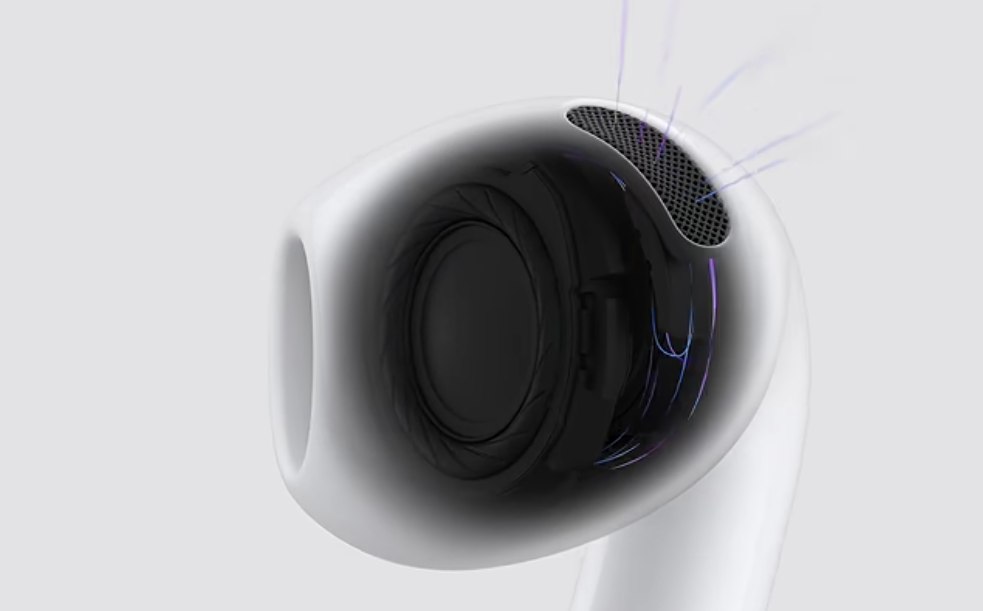
The AirPods 5 look nearly identical to the previous AirPods 4, retaining a short plastic stem, no silicone ear tips, and a compact charging case roughly the size of a small pack of gum. But according to Engadget, Apple made several meaningful upgrades under the hood, crediting the improvements in part to “a new multiport acoustic architecture,” alongside refinements to the company’s active noise cancellation algorithms and Adaptive EQ processing. The result, according to Apple’s own claims cited by Engadget, is noise cancellation that blocks 50% more sound than the AirPods 4 delivered, along with “richer, more detailed sound.”
Reviewers largely found those claims held up in testing. Cult of Mac’s review noted that the previous AirPods 4 offered what the reviewer described at the time as “ANC Lite,” reducing ambient noise rather than truly blocking it. Testing the AirPods 5, the same reviewer found Apple’s promised improvement to be real rather than exaggerated, reporting the earbuds stayed securely in place through hours of wear around the house and on several long bike rides.
Tom’s Guide offered similarly strong praise, calling the AirPods 5 “the upgrade we deserved” and highlighting the sound quality and noise cancellation as “majorly impressive” given the earbuds’ starting price of just $124, the lowest launch price of any AirPods model to date, undercutting even the original 2016 AirPods, which launched at $159. CNN Underscored echoed that assessment, describing the AirPods 5 as “one of the best values that Apple’s ever offered,” pointing to the combination of strong sound quality, effective noise cancellation and useful features including live language translation, despite the earbuds notably lacking “Pro” branding.
Not every reviewer found the AirPods 5 a universally comfortable fit. SoundGuys, which tested the earbuds over a four-day period, emphasized that because the AirPods 5 do not seal the ear canal the way silicone-tipped earbuds like the AirPods Pro do, an individual’s ear shape plays an outsized role in determining nearly every aspect of the listening experience, including how effective the noise cancellation and sound quality actually feel in practice. AppleInsider offered a similar caveat, noting that while the reviewer personally found the AirPods Pro 3’s silicone tips fit slightly better, a partner found the open-ear AirPods 5 design considerably more comfortable, underscoring how much individual variation exists in how these earbuds fit different ears.
The AirPods 5 are available in two versions carrying identical sound quality, noise cancellation and core features. The base model starts at $129, while a version bundled with a wireless charging case costs $20 more and adds several additional capabilities, including audible Find My locating support, swipeable on-stem volume controls, and roughly an extra hour of battery life in both the earbuds and the charging case itself. Engadget argued the pricing gap between the two versions makes the cheaper base model a difficult sell given how much additional functionality the wireless charging case version provides for a relatively modest price increase, going so far as to argue Apple should have offered only a single AirPods 5 configuration rather than splitting the lineup.
Apple also improved the AirPods 5’s durability compared with the prior generation, raising the water resistance rating from IP54 on the AirPods 4 to IP57 on the new model, according to multiple reviews. That upgraded rating means the AirPods 5 can now withstand full submersion in up to one meter of water for as long as 30 minutes, a meaningful improvement for users concerned about exposure to sweat during workouts or accidental drops in water.
Not every aspect of the AirPods 5 drew universal praise. Tom’s Guide specifically flagged battery life as a weak point of the earbuds, describing it as “abysmal” relative to the rest of the package, even as the outlet concluded the earbuds’ other strengths, including sound quality, comfort, fit, smart features and noise cancellation, ultimately outweighed that particular shortcoming for casual listeners.
The AirPods 5 also introduce live translation capabilities for users with an Apple Intelligence-enabled iPhone, a feature that relies directly on the earbuds’ active noise cancellation hardware to function, according to Engadget’s reporting. That means, unlike with the AirPods 4 lineup, both AirPods 5 configurations now support live translation, since Apple has made active noise cancellation a standard feature across the entire AirPods 5 range rather than reserving it for a higher-tier model.
Taken together, the body of reviews published since the AirPods 5’s release points to a broad consensus that Apple has delivered a genuine step forward for its standard, non-Pro earbuds lineup, combining meaningfully improved noise cancellation, upgraded sound quality, better water resistance and new AI-powered features at a lower starting price than any prior AirPods generation, even as reviewers continue to caution that the open-ear design means individual comfort and effectiveness will still vary considerably depending on how well the earbuds fit a given listener’s ears.
Apple’s newest AirPods have drawn some of the most positive reviews the standard AirPods lineup has received in years, with critics across multiple outlets praising the AirPods 5 for delivering meaningfully improved active noise cancellation and sound quality at a starting price lower than any previous AirPods generation, even as the earbuds’ open-ear design means the overall experience still depends heavily on how well they fit an individual listener’s ears.
The AirPods 5 look nearly identical to the previous AirPods 4, retaining a short plastic stem, no silicone ear tips, and a compact charging case roughly the size of a small pack of gum. But according to Engadget, Apple made several meaningful upgrades under the hood, crediting the improvements in part to “a new multiport acoustic architecture,” alongside refinements to the company’s active noise cancellation algorithms and Adaptive EQ processing. The result, according to Apple’s own claims cited by Engadget, is noise cancellation that blocks 50% more sound than the AirPods 4 delivered, along with “richer, more detailed sound.”
Reviewers largely found those claims held up in testing. Cult of Mac’s review noted that the previous AirPods 4 offered what the reviewer described at the time as “ANC Lite,” reducing ambient noise rather than truly blocking it. Testing the AirPods 5, the same reviewer found Apple’s promised improvement to be real rather than exaggerated, reporting the earbuds stayed securely in place through hours of wear around the house and on several long bike rides.
Tom’s Guide offered similarly strong praise, calling the AirPods 5 “the upgrade we deserved” and highlighting the sound quality and noise cancellation as “majorly impressive” given the earbuds’ starting price of just $124, the lowest launch price of any AirPods model to date, undercutting even the original 2016 AirPods, which launched at $159. CNN Underscored echoed that assessment, describing the AirPods 5 as “one of the best values that Apple’s ever offered,” pointing to the combination of strong sound quality, effective noise cancellation and useful features including live language translation, despite the earbuds notably lacking “Pro” branding.
Not every reviewer found the AirPods 5 a universally comfortable fit. SoundGuys, which tested the earbuds over a four-day period, emphasized that because the AirPods 5 do not seal the ear canal the way silicone-tipped earbuds like the AirPods Pro do, an individual’s ear shape plays an outsized role in determining nearly every aspect of the listening experience, including how effective the noise cancellation and sound quality actually feel in practice. AppleInsider offered a similar caveat, noting that while the reviewer personally found the AirPods Pro 3’s silicone tips fit slightly better, a partner found the open-ear AirPods 5 design considerably more comfortable, underscoring how much individual variation exists in how these earbuds fit different ears.
The AirPods 5 are available in two versions carrying identical sound quality, noise cancellation and core features. The base model starts at $129, while a version bundled with a wireless charging case costs $20 more and adds several additional capabilities, including audible Find My locating support, swipeable on-stem volume controls, and roughly an extra hour of battery life in both the earbuds and the charging case itself. Engadget argued the pricing gap between the two versions makes the cheaper base model a difficult sell given how much additional functionality the wireless charging case version provides for a relatively modest price increase, going so far as to argue Apple should have offered only a single AirPods 5 configuration rather than splitting the lineup.
Apple also improved the AirPods 5’s durability compared with the prior generation, raising the water resistance rating from IP54 on the AirPods 4 to IP57 on the new model, according to multiple reviews. That upgraded rating means the AirPods 5 can now withstand full submersion in up to one meter of water for as long as 30 minutes, a meaningful improvement for users concerned about exposure to sweat during workouts or accidental drops in water.
Not every aspect of the AirPods 5 drew universal praise. Tom’s Guide specifically flagged battery life as a weak point of the earbuds, describing it as “abysmal” relative to the rest of the package, even as the outlet concluded the earbuds’ other strengths, including sound quality, comfort, fit, smart features and noise cancellation, ultimately outweighed that particular shortcoming for casual listeners.
The AirPods 5 also introduce live translation capabilities for users with an Apple Intelligence-enabled iPhone, a feature that relies directly on the earbuds’ active noise cancellation hardware to function, according to Engadget’s reporting. That means, unlike with the AirPods 4 lineup, both AirPods 5 configurations now support live translation, since Apple has made active noise cancellation a standard feature across the entire AirPods 5 range rather than reserving it for a higher-tier model.
Taken together, the body of reviews published since the AirPods 5’s release points to a broad consensus that Apple has delivered a genuine step forward for its standard, non-Pro earbuds lineup, combining meaningfully improved noise cancellation, upgraded sound quality, better water resistance and new AI-powered features at a lower starting price than any prior AirPods generation, even as reviewers continue to caution that the open-ear design means individual comfort and effectiveness will still vary considerably depending on how well the earbuds fit a given listener’s ears.

Ross Evans is co-founder of ShuttersUp, the West Wickham, Kent, company he started in 2006 with his friend Ashley Weight to make and fit plantation, PVC and faux wood shutters.
The business is a finalist for The Lloyds Leading SME Business of the Year at the Lloyds British Business Excellence Awards, with winners announced in London on 10 November 2026. In June it was also named one of The Sunday Times Best Places to Work 2026 in the small organisation category, with an average employee engagement score of 94 per cent, the company says.
He tells Business Matters how two night-shift carpenters turned a van and a customer-first ethos into an award-winning business.
What do you currently do at ShuttersUp?
I run ShuttersUp alongside my business partner and co-founder, Ashley Weight. My role has changed significantly since we started the business back in 2006. In the early days, I was very much hands-on, visiting customers, measuring up and fitting shutters myself.
As the company has grown, my role has evolved into a leadership position, overseeing the wider business and making sure we continue to deliver the level of service we have always wanted to be known for.
A big part of my day-to-day role now is working closely with our managers: checking in with them, understanding what is happening across the business and, most importantly, making sure our customers are being looked after properly. We are a people-focused business, so maintaining that connection with our teams and our customers is really important.
We are passionate about ensuring we deliver exceptional customer service. We regularly “secret shop” our competitors and, occasionally, even our own teams. We want to understand the whole experience from a customer’s perspective and identify where we can do better. Our ambition has always been to go above and beyond what customers expect and, ultimately, to set the standard for the industry.
We are also passionate about developing the next generation of talent. We have created the ShuttersUp Academy, our training facility for school leavers, giving them the skills they need to become professional shutter installers. It is a fully paid, 12-month programme, and in March 2026 it won Best Staff Internal Training Programme at the British Blind and Shutter Association Awards.
The Academy was developed alongside our managers, so I am regularly involved in reviewing how it is progressing, making sure we are giving the next generation the best possible start.
What was the inspiration behind your business?
Having completed a carpentry course at Croydon College, I started fitting fire doors on the London Underground, working night shifts alongside Ashley. He had previously worked at a shutter company and really enjoyed going into people’s homes, helping transform their spaces and seeing their positive reactions.
We realised working on the Underground was not for us. There was very little job satisfaction or interaction with people, something we both value.
We loved the people aspect of shutter fitting: meeting customers, doing something positive for them and seeing how much of a difference it could make to their home. That was the starting point of ShuttersUp. We wanted to create a business built on honesty, hard work and a high standard that helped make people feel genuinely happy in their homes.
We sold our cars, bought a van and started creating our business, with customer service our number one priority. Our vision is to become the UK’s most loved service, by inspiring daily moments of happiness, pride and comfort in customers’ homes.
Who do you admire?
I know most people would probably say someone famous or a well-known business leader, but actually, the people I admire are my mum and dad. Growing up, I saw how hard they worked to support our family.
My mum had a cleaning job and was out of the door by 5am, and my dad was a steel fixer, also up and out of the door early every morning. They worked hard, and that work ethic was just embedded in me and shaped my drive and determination.
Looking back, is there anything you would have done differently?
I would have left school earlier if I could have. I was not academic and always wanted to work with my hands. I think vocational work in schools is so important. If I could have started working earlier, I would have had a head start on what I am doing now.
I also would have changed our approach to marketing in the early days. We had no idea. We took an advert out in the Yellow Pages thinking the phone would ring, and nothing happened. Still, it meant that we had to get creative.
We built displays using old timber samples and walked into local interior design shops, offering to partner on projects. We delivered leaflets, spoke to homeowners face to face, and struck up collaborations with local gyms and tradespeople, which helped us to build momentum.
One of the biggest mistakes came in those early days. Our first major shipment of shutters was destroyed by a forklift truck at Felixstowe docks, with no insurance in place. At just 21, finding the money to replace those shutters was no small challenge.
Even harder was making the dreaded phone calls to customers, explaining that their shutters would need to be reordered. Thankfully, many of those first customers were friends and family, so they were understanding, but for us it was incredibly embarrassing.
That moment became a turning point for the business. We made sure that we always had comprehensive stock insurance in place, and we tell customers that we have invested in this protection on their behalf.
What defines your way of doing business?
For us, everything is driven by the customer. Our ethos is always to do what is best for them, not what is easiest for us. Not many trades companies work in that way, but it is our whole focus.
Our strapline, “made for you”, encapsulates this. We say that we do not make shutters for windows, we make them for people.
Being humble is also an important part of our ethos. ShuttersUp was built on honesty, hard work and integrity, and these are still important values for us.
What advice would you give to someone starting out?
Quite simply, treat people the way you would want to be treated. Respect, honesty and humility go a long way, whether you are dealing with customers, your team, suppliers or business partners.
Stay humble, listen to people, work hard and always try to do the right thing. The way you treat people is ultimately what helps to build a great business.
Business
New Study Suggests the Aging Brain Isn’t Declining, It’s Adapting Toward Wisdom, Arizona Researchers Say

Walking into a room and forgetting why, or struggling to recall where you left your keys, are common experiences that tend to become more frequent with age. A new paper published this month in the journal Perspectives on Psychological Science suggests there may be an overlooked biological explanation behind those memory lapses, one that challenges the conventional view of aging as a story of straightforward cognitive decline.
Researchers at the University of Arizona, drawing on evidence from molecular biology and neuroimaging, argue that late-life cognition represents a natural, distinct phase of human development, rather than simply a fading or weakening of the same cognitive processes present earlier in life. Their framework, which the researchers have termed the adaptive aging hypothesis, proposes that as people age, the brain shifts its underlying priorities away from gathering and retaining highly detailed information and toward extracting and understanding the broader meaning and concepts behind an experience.
According to the researchers, that shift makes practical sense given how differently younger and older brains are positioned relative to the information they encounter. A younger brain, still in the process of building up its base of knowledge and experience, benefits from prioritizing detailed, specific information as it constructs a foundational understanding of the world. An older adult, by contrast, already has a vast store of accumulated knowledge to draw upon, meaning integrating a new experience into that existing framework of understanding may prove more useful than preserving every specific detail of the experience itself.
Study coauthor Fabian-Xosé Fernandez, an associate professor of cognition and neural systems at the University of Arizona, argued that framing aging exclusively around decline misses a significant part of the picture. “If we look at normative aging as a story of just decline, we are really missing the boat,” Fernandez said.
The researchers suggest their adaptive aging framework may help explain why older adults often prove especially well-suited to roles centered on teaching, mentoring and storytelling, positions that specifically call for sharing accumulated knowledge and wisdom with younger generations rather than recalling granular, detailed information. Under this view, the tendency for older adults to remember the broader gist of an experience rather than its specific details is not simply a cognitive deficit, but potentially reflects a brain that has reorganized its priorities in a way well-matched to these kinds of knowledge-sharing roles.
The paper, formally titled “Aging as a Continuation of Development: A Hypothesis and Framework,” was authored by Fernandez alongside collaborators Sara Burke and Lynn Nadel and published in Perspectives on Psychological Science. The research draws together evidence spanning molecular biology and neuroimaging studies to build its broader case that late-life cognitive changes reflect an adaptive developmental process rather than a purely degenerative one.
This adaptive aging framework arrives amid a broader, ongoing scientific reconsideration of how researchers understand cognitive aging generally. Traditional models have often framed older adults’ brains as engaged in a kind of compensatory effort, recruiting additional brain regions or alternative cognitive strategies specifically to offset declining memory function. The University of Arizona researchers’ framework instead proposes that at least some of these observed changes reflect the brain deliberately operating according to a different, and appropriately adapted, set of priorities for this later life stage, rather than struggling to maintain an earlier developmental mode of functioning that has simply begun to fail.
The University of Arizona’s broader research infrastructure includes the university’s Human Memory Lab, directed by Dr. Matt Grilli, which focuses on understanding cognitive and brain risk factors associated with Alzheimer’s disease and developing more effective interventions to support cognition and everyday functioning in older adults. That lab, along with other research groups within the university’s psychology department, has continued contributing to a broader, ongoing study of the aging brain, of which this new adaptive aging framework represents one significant recent contribution.
It is worth noting that the adaptive aging hypothesis represents a theoretical framework proposed by the researchers based on existing evidence, rather than the direct result of a single new clinical trial or experiment. As with any scientific hypothesis, further research will likely be needed to more fully test and refine the framework’s specific predictions across different populations and cognitive domains.
The distinction the research draws between normal, healthy age-related cognitive changes and conditions such as Alzheimer’s disease and other forms of dementia remains an important one. While the adaptive aging hypothesis focuses on reframing typical, non-pathological cognitive changes associated with healthy aging, it does not suggest that all age-related cognitive change should be understood through this more benign, adaptive lens, and it does not diminish the seriousness of genuine neurodegenerative conditions that can significantly impair memory and cognitive function in older adults.
For now, the research offers a potentially reassuring reframing for the millions of people who experience ordinary, age-related memory lapses, suggesting that at least some of these changes may reflect a brain that has shifted its priorities toward extracting meaning and wisdom from experience, rather than one that is simply failing to perform as it once did.

Peter Moore is CEO of Lolly, the Braintree-based hospitality software house whose EPoS, payments, self-service kiosks, robot waiters and FacePay facial-recognition payments are used by clients the company lists as including Sky, Vodafone and the BBC.
Next week Lolly takes SnapServe Pro, an AI-powered tray-scanning checkout now in live customer trials, to the Hospitality Tech Expo at ExCeL London on 29 and 30 September, where Moore gives a keynote on keeping control of AI on Wednesday 30 September. The launch follows Lolly Central, an AI-enabled customer hub released in July as the first of the company’s Lolly Innovation Series. He tells Business Matters why people still matter more than the technology, and why every founder has to be able to say what problem they are solving.
What do you currently do at Lolly?
I am the CEO. Lolly is a UK-based hospitality software house delivering PoS, payments, mobile ordering, kiosks, robotics and smart data solutions.
My approach is shaped by generational behaviour and future-proofing technology for both staff and customers. Looking ahead, my focus is on controlled AI, sustainability and international expansion.
What was the inspiration behind your business?
Lolly has evolved from a payments and EPoS provider into a fully integrated hospitality technology ecosystem, delivering AI-powered kiosks, robotics, facial-recognition payments and smart data systems that enhance both operational efficiency and the guest experience.
What are you taking to the Hospitality Tech Expo?
We are demonstrating SnapServe Pro, our AI-powered tray-scanning checkout, on Booth HT204. It uses a three-camera system to recognise the items on a tray and build the customer’s basket without each product having to be scanned, and it is already in live customer trials ahead of a wider rollout.
Hospitality is changing. Guest expectations are rising and teams are under pressure. Technology needs to respond to those very real operational challenges, and that is what we mean by practical innovation. On the second day I am presenting “AI Is Already Running Your Operation: The Question Is Whether You’re in Control” in Keynote Theatre 4.
Who do you admire?
I admire many business leaders and entrepreneurs, but if I think back to my early days in business, Richard Branson was probably one of the people who stood out most to me.
I was fascinated by the way he built Virgin from one business into such a recognised global brand. He was not afraid to challenge established businesses or enter markets where there were already very large, successful competitors. There was a confidence and entrepreneurial spirit behind what he did that I found inspiring.
Building a business inevitably involves taking risks, making difficult decisions and occasionally going against conventional thinking. You have to believe in what you are trying to achieve, while surrounding yourself with good people who can help you get there. But there also is not one blueprint for being a successful entrepreneur or leader.
Looking back, is there anything you would have done differently?
No, I genuinely do not think I would.
I am a big believer in not looking backwards and wondering what might have happened if you had made a different decision. Of course, there are things that have not gone to plan over the years and decisions that, with hindsight, I might have approached differently. But those experiences are part of the journey.
I have been very lucky in my life. I have met some great people along the way and had opportunities and experiences that have shaped both the person and the business leader I am today. For me, it is much more important to ask, “What can I learn from this and what do I do next?” than to spend too much time looking over your shoulder.
What defines your way of doing business?
People.
I have always believed that a business is ultimately about the people you employ. You can have a brilliant idea, a great strategy and fantastic technology, but you still need good people to make everything work.
For me, leadership is about recognising people’s strengths and giving them the opportunity to use those strengths, while supporting them in the areas where they may need help. Not everyone is brilliant at everything, nor should we expect them to be. The important thing is building a team where different skills and personalities complement one another and where people feel they can contribute.
Today, that means combining great people with the best IT and technology available and using both to deliver exceptional service. Technology can make businesses faster, smarter and more efficient, but it is the people behind it who ultimately create the experience customers remember.
What advice would you give to someone starting out?
My first piece of advice is very simple: what problem are you trying to solve?
I have done many pitches to angels and investors over the years, and that is one of the questions that comes up time and again. It sounds incredibly straightforward, but it can actually be a very difficult question to answer well.
You need to be absolutely clear about why your business needs to exist. What is the problem? Who has that problem? And why is what you are offering a better way of solving it? If you can answer those questions properly from the outset, you give yourself a much stronger foundation on which to build a successful business.
My other advice would simply be: never give up. There will be hurdles throughout your journey. There will be times when things do not happen as quickly as you had hoped, deals fall through, people say no or circumstances completely outside your control change your plans.
Successful entrepreneurs are not necessarily the people who never encounter problems; they are often the people who keep finding ways around them. You need resilience, determination and the ability to pick yourself up, learn from what has happened and keep moving forward.

Oracle: Don't Fear A Force Majeure

The IPO comprises a fresh issue of up to 69.71 lakh equity shares, aggregating to Rs 145 crore at the upper end of the price band, and an offer for sale (OFS) of 15 lakh shares worth Rs 33 crore. The total issue size stands at Rs 178 crore at the upper price band.
Proceeds from the IPO are proposed to be utilised for funding working capital requirements, loan repayments and general corporate purposes.
Vishal Nirmiti is engaged in manufacturing and dealing in pre-stressed concrete (PSC) sleepers for railway, pre-cast and pre-stressed concrete products, as well as fabrication of mild steel (MS) pipes, MS liner and pre-stressed pipes for pumped storage projects.

The company also provides engineering, procurement, infrastructure and construction services for railway infrastructure and various civil engineering, irrigation and infrastructure projects.
- Core Business: Manufacturing Pre-Stressed Concrete (PSC) sleepers for railways, precast concrete elements, noise barriers, and fabricating mild steel (MS) pipes and penstocks for pumped storage projects.
- Offices: Registered office in Mumbai and corporate office in Pune, Maharashtra.
- Leadership: Headed by Chairman Brij Tapadiya and Joint Managing Directors Ajay Tapadiya and Pavan Tapadiya.
- Dates: The initial public offering opens for subscription on September 30, 2026 and closes on October 5, 2026.
- Price Band: Fixed at ₹208 to ₹220 per equity share.
- Issue Size: Up to ₹178 crore, comprising a fresh issue of up to 69.71 lakh shares (₹145 crore) and an offer for sale of 15 lakh shares (₹33 crore).
- Lot Size: 68 shares.
- Use of Proceeds: Funding working capital requirements, repaying certain loans, and general corporate purposes.
- Listing: Proposed on both BSE and NSE.

2 High-Yield Traps To Avoid: Blue Owl And Oxford Lane
Business
These 5 SIFs have delivered over 10% returns since their inception. Check inception date and performance

Five SIFs have delivered double-digit returns since inception, led by Quant Mutual Fund’s Active Asset Allocator Long Short Fund at 14.73%. Four other schemes from Quant, Edelweiss and 360 One also posted strong gains.
Business
Apple Code Confirms Next Low-Cost iPad Will Get A19 Chip, 8GB RAM and New C1X Modem for Full AI Support

KEY POINTS

Apple Code Confirms Next Low-Cost iPad Will Get A19 Chip, 8GB RAM and New C1X Modem for Full AI Support
Apple’s next entry-level iPad will be equipped with an A19 chip, 8GB of RAM, and two new in-house connectivity chips, according to details uncovered in Apple’s own code by MacRumors contributor Aaron Perris, offering confirmation of specifications that had previously circulated as rumors.
The findings point to the 12th-generation iPad featuring Apple’s C1X modem and N1 networking chip alongside the upgraded processor and memory. Because several of these specifications had already surfaced in earlier reporting, Friday’s discovery functions more as a confirmation of prior leaks than an entirely new revelation about the upcoming tablet.
The processor upgrade represents a meaningful performance jump for Apple’s budget tablet lineup. The current 11th-generation iPad ships with an A16 chip, meaning the move to the newer A19 chip in the 12th-generation model should deliver a noticeable improvement in overall performance. More significantly, the A19 chip supports Apple Intelligence, Apple’s suite of on-device artificial intelligence features, meaning the new entry-level iPad will gain access to Apple Intelligence and the company’s redesigned Siri AI assistant, capabilities that are entirely absent from the current 11th-generation model.
Memory capacity is also increasing as part of the same upgrade. The existing iPad 11 ships with 6GB of RAM, below the 8GB threshold Apple has established as the minimum requirement for running Apple Intelligence features. The jump to 8GB of RAM in the 12th-generation model will not only enable those AI capabilities but should also improve the tablet’s general responsiveness and multitasking performance.
On the connectivity side, Apple’s new C1X modem supports sub-6GHz 5G networks and is described as more power-efficient than the Qualcomm modem currently used in Apple’s existing iPad lineup. The addition of Apple’s N1 networking chip will bring support for Wi-Fi 7, Bluetooth 6 and the Thread smart-home connectivity protocol, expanding the entry-level iPad’s wireless capabilities considerably beyond what the current model offers.
While not confirmed in the code Perris examined, it remains possible the 12th-generation iPad could also introduce new color options when it eventually launches, following a pattern Apple has used with prior iPad refreshes.
No specific release date has been confirmed for the new iPad, and current expectations point to a launch no earlier than spring 2027. The existing iPad 11 currently starts at $449, following a price increase implemented in June, and the new 12th-generation model is expected to carry a similar starting price once it becomes available.
Notably, Apple is not expected to release any new low-cost iPad model within 2026 itself. Instead, the company’s next tablet-related launch is expected to be a refreshed iPad mini, anticipated before the end of October. Separate reporting published the same day as the iPad 12 code discovery detailed new specifications for that upcoming iPad mini refresh, including an A20 Pro chip, an updated speaker system, and a landscape-oriented front-facing camera, positioning it for improved video calling in horizontal orientation. Earlier rumors have also pointed to the new iPad mini featuring an OLED display as its primary visual upgrade over the current model.
Beyond the iPad-related leaks, official product imagery for two other unreleased Apple devices also surfaced the same day. Images of an upcoming Apple TV 4K and a refreshed HomePod mini were discovered, revealing the smart speaker’s new color lineup. According to the leaked imagery, the next HomePod mini will be available in green, pink, blue, white and black, expanding the color options currently offered for the compact smart speaker.
Separately, a leaked image specifically labeled for an “Apple TV 4K (4th generation)” model suggests a new version of Apple’s streaming device is nearing release. That image indicates the new Apple TV 4K will retain the same external design as the current model, according to details from the leak, suggesting any changes are likely to be internal, focused on performance or connectivity improvements, rather than involving a redesigned enclosure.
These leaks arrive roughly two weeks after Apple’s most recent major product event, at which the company unveiled the iPhone 18 Pro lineup and the iPhone Duo, its first foldable iPhone. Both of those devices feature Apple’s separate C2 modem, a related but distinct chip from the C1X modem expected in the upcoming iPad, continuing Apple’s broader push to develop more of its own in-house wireless chip technology rather than relying primarily on third-party suppliers such as Qualcomm.
With the iPad mini refresh expected within weeks and the redesigned Apple TV 4K and HomePod mini also apparently nearing release, Apple appears to be preparing a cluster of smaller hardware updates heading into the final months of the year, even as the next low-cost iPad itself remains a longer-term addition to the lineup, with its spring 2027 expected launch leaving Apple’s entry-level tablet without an Apple Intelligence-capable option for some time yet.

Cyclist ‘egged’ by group of youths in centre of York

What to Consider When Preparing and Studying Peptide Compounds in the Laboratory

Prime Video’s 10-Episode Detective Thriller Is the Perfect Binge After ‘Neagley’





-

 Crypto World4 days ago
Goldman Sachs and Deutsche Bank Agree: The S&P 500 Rally Isn't Over
-

 Tech6 days ago
Researchers escape OpenAI Codex sandbox to run commands on host
-

 Fashion2 days ago
8 iPhone Accessories That Add Personality
-

 Crypto World6 days ago
Who Needs CLARITY Anyway? ARB Could See 70X Increase: Hodler’s Digest
-

 Tech7 days ago
Trump suggests rebranding AI with a new name, says he’s also creating an AI Force
-

 Entertainment3 days ago
These 17 Fall Amazon Dresses Seriously Look Like Anthropologie
-

 Business6 days ago
Analog Devices (ADI) Bets $1.35 Billion on Chips that Let Machines Think for Themselves
-

 Crypto World6 days ago
Coinbase, Robinhood, Circle Seen as Tokenized-Stock Winners
-

 Crypto World4 days ago
This Bearish Netflix Stock Trade Can Cash In On Video Streaming Giant’s Woes
-

 Tech5 days ago
Google’s $899 Googlebook is a bet that you’ll buy a new laptop for Gemini
-

 Crypto World4 days ago
Trump-Xi Polymarket Odds for Handshake Hit 50%
-

 Crypto World3 days ago
Crude Oil Prices Pressured by Diplomatic Hopes in the Middle East
-
 Business4 days ago
Oil Price Today (September 23): Crude oil below $100 on hopes of US-Iran talks. What did Trump say?
-

 Fashion21 hours ago
Weekend Open Thread: J.McLaughlin – Corporette.com
-

 Crypto World3 days ago
Bitcoin price tests $83,600 Supertrend support after $87K rejection
-

 Crypto World3 days ago
Bitcoin Threatens Sub-$84,000 Breakdown as Long Liquidations Spike
-

 Crypto World4 days ago
Meta Jumps 11% As Muse Shines and Investors Show an Appetite for Advancing AI
-

 Crypto World4 days ago
Did Jim Cramer Just Give GameStop Stock the Kiss of Death When He Said the Turnaround Is Working?
-

 Crypto World5 days ago
Bitcoin price holds above $81K as key catalysts line up
-

 Crypto World6 days ago
ARB Price Signals Spur Speculation of 70x Upside in Hodler Digest
You must be logged in to post a comment Login