

Business
David Beckham Defends Wife Victoria After Comedian Mocks Her Poker Face at England Match


David Beckham publicly defended his wife, Victoria, on Instagram after a U.S. comedian poked fun at her seemingly unbothered expression while the couple watched England’s World Cup quarterfinal against Norway over the weekend, insisting Victoria “was celebrating inside” even as cameras caught her looking calm and composed.
The Beckhams were among a group of celebrities spotted in the stands for England’s knockout match, with television broadcasts repeatedly cutting to the couple as the game intensified. While David reacted animatedly to the on-field drama in his usual style, it was Victoria’s steady, largely unreadable expression that drew the attention of some viewers, reviving a long-running joke about her tendency not to smile on camera.
The exchange began after U.S. comedian Jenny Johnson shared footage and stills of the couple watching the match, posting a sarcastic Instagram caption that singled out Victoria’s low-key demeanor. “I wanted to take a moment to single out @england’s number one fan Victoria, Lady Beckham!!!” Johnson wrote alongside an image from the broadcast, leaning into the joke that Victoria is football’s least animated fan. “There’s nothing like cheering your heart out for England from home, then they cut to Victoria and we see that classic Posh Spice smile! It’s so infectious!” she continued, adding that Victoria’s energy “blows my enthusiasm out of the water” and that she shouts “SPICE UP YOUR LIFE!!!” at her screen whenever the cameras find her, joking that Victoria’s “energy is electric!!!”
The post was the kind of lighthearted social media ribbing celebrities typically let pass without comment. David Beckham, however, chose to respond directly. Dropping a reply in the comments beneath Johnson’s post, the former England captain wrote, “She was celebrating inside I promise. Her reactions were slightly slower than mine.” The response carried no formal statement or PR framing, just a brief, off-the-cuff defense of his wife that managed to diffuse the joke without appearing defensive or upset. Fans quickly took notice, with many praising Beckham for standing up for Victoria while still acknowledging the humor behind the original post.
The moment tapped into a decades-old narrative around Victoria Beckham’s public persona, one dating back to her years in the Spice Girls, when she was known as “Posh Spice” for her tendency to favor a composed, tight-lipped expression over broad smiles in photographs, a choice she has previously said simply felt more natural to her than performing enthusiasm on cue. That contrast between David’s openly emotional public presence, including memorable moments such as crying after England’s tournament exits and celebrating with a fist pump following a last-minute free kick, and Victoria’s more composed, aloof aesthetic has long been part of the couple’s public identity, extending into the fashion empire Victoria has since built around impeccable tailoring and controlled visual branding.
Johnson’s post struck a chord in part because it played directly into that familiar dynamic. The footage showed David reacting animatedly as England pushed forward in the match, while Victoria sat beside him appearing largely unmoved. The comments beneath Johnson’s post filled with laughing emojis, memes and nostalgic references to the Spice Girls’ hit “Spice Up Your Life,” with some users joking that Victoria was likely mentally reorganizing her wardrobe while the match played out, and others insisting her composed reaction was simply “peak Posh,” adding that they would be disappointed if she suddenly began celebrating like a typical fan. The mockery, notably, carried little malice, reading more as affectionate amusement at the consistency of Victoria’s public image than any genuine criticism.
The brief exchange also illustrated how carefully the Beckhams continue to manage their public narrative, even during moments when public attention is ostensibly focused elsewhere, in this case on England’s World Cup campaign. By acknowledging the joke directly rather than ignoring it, Beckham effectively reframed the conversation without adding fuel to the mockery. His follow-up line, noting that his own reactions were simply faster than his wife’s, added a self-deprecating touch, subtly suggesting he might be the one who gets carried away during matches while Victoria maintains her composure.
The response drew a warm reaction across social media, with fans describing Beckham’s comment as “sweet” and “classy,” and some noting that only David Beckham could defend his wife while still keeping the exchange lighthearted enough to make people laugh. Others pointed out that Victoria has spent decades facing public scrutiny over how much, or how little, she smiles in photographs, suggesting that while the joke landed well with many viewers, the underlying commentary on her expression has become a somewhat tired recurring theme over the years.
Neither Victoria Beckham nor her representatives issued any further public comment on the exchange, and there is no indication that Victoria herself directly engaged with Johnson’s original post. No formal statement was released, and there were no official complaints on record tied to the incident, leaving the moment to play out as a brief, self-contained social media flare-up that faded nearly as quickly as it began.
Even so, the episode underscored how easily a single expression captured in a stadium camera cut can briefly overshadow the sporting event itself in an era of constant reaction shots and instant online commentary, shifting public conversation away from England’s on-field performance and toward a decades-old joke about Victoria Beckham’s famously composed public face, a dynamic that, for a woman who has built a global fashion brand partly on that same unwavering aesthetic, may not represent much of a setback at all.

Frontier Airlines
Nurphoto | Nurphoto | Getty Images
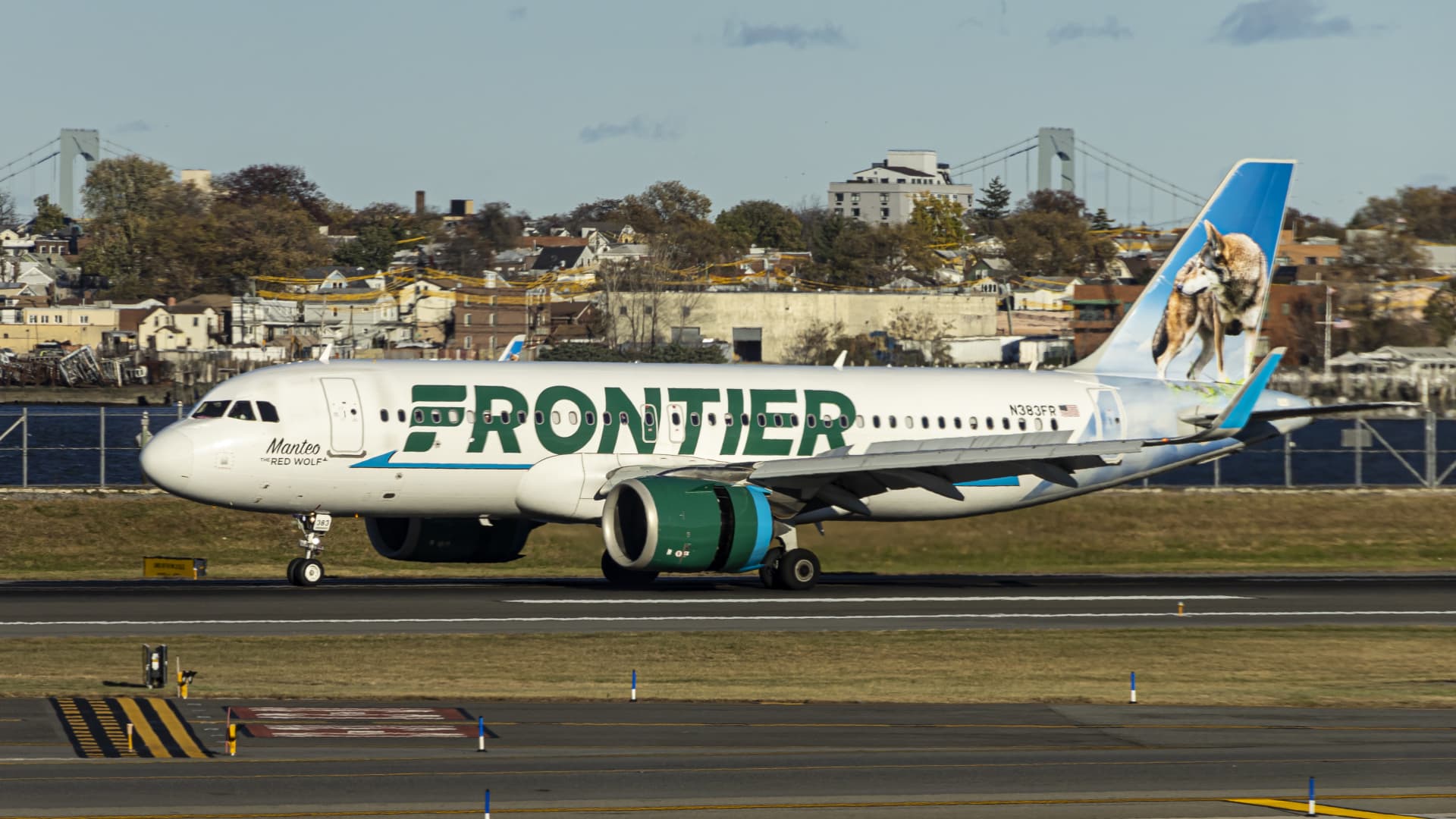
Frontier Airlines and four other budget carriers with more than 1,000 planes between them will debut in-flight Wi-Fi early next year from SpaceX‘s Starlink, another win for the satellite internet provider.
Frontier’s first Airbus plane equipped with Starlink internet will roll out in early 2027, the airline said Tuesday. CNBC reported in 2022 that Frontier was in talks with Starlink to add its first in-flight Wi-Fi service.
A Frontier spokeswoman declined to say whether flyers could use the service for free. Major airlines that have signed deals with Starlink have been offering Wi-Fi complimentary for loyalty program members.
Frontier was one of the last U.S. holdouts to add Wi-Fi. Former CEO Barry Biffle previously said the airline was hesitant to to add weight to its planes with the equipment it would need for the service.
Starlink, a part of Elon Musk‘s SpaceX, has signed deals with more than 40 carriers around the world, including United Airlines and American Airlines, as airlines ramp up their in-flight services and customers grow to expect at-home-quality internet in the sky. The airlines declined to disclose the terms of the agreements. SpaceX didn’t immediately comment.
The carriers in the latest Starlink deal — Frontier, Mexico’s Volaris, European budget carrier Wizz, Chile’s Jetsmart, and the Philippines’ Cebu Pacific — all share private equity firm Indigo Partners as an investor, which is led by serial airline investor Bill Franke.
Budget carriers have been under pressure to go upmarket as larger rivals post revenue growth from the front of the cabin, upending discounters’ once-profitable model of no-frills seating and amenities. Frontier is planning to debut first-class seats next year.


The World Cup’s biggest economic boost is arriving later than expected as the tournament enters its final days.
But for the U.S. businesses hoping for a soccer boom, it’s better late than never.
This week’s semifinals pit France against Spain in Dallas on Tuesday and England versus Argentina in Atlanta on Wednesday. Travel bookings have accelerated as the field of competitors narrows and fans converge from around the world to see the high-stakes matches.
Every U.S. host city has seen an economic lift from soccer fans, according to Bank of America Institute.
“You can see the World Cup effect on the ground,” said David Tinsley, senior economist at Bank of America Institute. “Spending picked up after the tournament kicked off, with restaurants and bars seeing some of the strongest gains as consumers turned matches into social events.”
In-person spending in U.S. host cities rose 5% over last year from June 10 to July 5, with Kansas City leading the gains, according to analysis from Bank of America credit and debit cards.
Argentina supporters dine at Joe’s Kansas City BAR-B-QUE barbecue restaurant in Kansas City, Missouri, United States on June 14, 2026, ahead of the 2026 World Cup football match between Argentina and Algeria.
Juan Mabromata | AFP | Getty Images
The impact could be much higher, since the results capture only spending with BofA cards in U.S. households and does not include cash, checks and spending by international tourists or on corporate cards.
Kansas City also saw the biggest weekly hotel performance gain among host markets, with revenue per available room (RevPAR) up nearly 50%, according to data from industry analysis firm CoStar. Philadelphia also saw a strong lift, with weekend RevPAR up more than 74% as its World Cup match coincided with Fourth of July celebrations and America 250 events.
That was a relief to hotel owners who worried before the World Cup kicked off about soft advance hotel bookings and FIFA releasing large blocks of rooms back into the market.
Fans react during a watch party for a FIFA World Cup 2026 round of 16 match between France and Paraguay at Lion Sports Bar on July 4, 2026 in Philadelphia, Pennsylvania.
Joe Lamberti | Getty Images
It’s not that hotels are sold out. During the final week of the tournament’s group stage, occupancy actually declined almost 3% over last year in U.S. host cities, indicating some business and leisure travelers altered their plans. But even in early stages of the World Cup, host city hotels charged 21% higher rates, according to CoStar.
As the tournament moved into the knockout stage, demand from June 28 to July 4th increased 2.4% from last year and RevPaR rose 23%, despite the World Cup having 50% fewer matches than the previous week.
Demand for short-term rentals also increased beside higher stake matches, according to analytics company AirDNA.
“I guess, for some of the later stage games, people waited until they knew who was going to be playing,” said Braham Gallagher, AirDNA’s director of economic forecasting
“Argentina shows what it looks like when fans book a trip the moment their team wins,” said Bhanu Chopra, founder of RateGain Travel Technologies and creator of the FIFA World Cup 2026 Market Pulse Index. “Argentina fans are following the tournament closely and responding with bookings in real time.”
Chopra said flight bookings from Argentina are up nearly 46% year over year since the tournament kicked off. Bookings from Argentina to Atlanta — where the team played its round of 16 match and will play its semifinal Wednesday — more than doubling over that time, rising nearly 108%.
Overall bookings to World Cup host cities are up nearly 4% over last year, according to the data. After the opening match, flight reservations jumped nearly 75% from the previous week.
Flight bookings to New York/New Jersey for the final from Argentina are still lagging, down about 15% year over year, while bookings from Argentina into Miami — host of the third-place match — are up nearly 17%.
Chopra said that suggests some Argentina fans are hedging rather than assuming their team will make the final. If Argentina beats England, he expects New York bookings to increase quickly.
AirDNA data shows short-term rentals for the final match in Newark and Jersey City, New Jersey are already 45% higher than last year. Gallagher says it indicates overall appetite for the last big hurrah of the World Cup and the way New York City’s strict rules against short-term rentals affect demand.
That’s driving prices higher. Corporate travel agency Navan said the average hotel room rate in New York City was already above $1800 nightly before the tournament even began.
Fans who reserve now are ready to spend, on last minute international flights, scarcer hotel or AirBnB rentals and on meals to celebrate their teams. And don’t forget tickets to the match!
After the U.S. and Mexico were eliminated, resale prices for several quarterfinal matches fell sharply. Still, FIFA still had nearly 1,200 mid-tier tickets for the final late last week, available at $7,380 each.

United Airlines will upsell customers to sit in a row with an empty middle seat.
United Airlines
United Airlines has a new way to entice customers to pay more on board: no middle seat neighbor.
The carrier said Tuesday that one of the rows on its Airbus A321XLRs will have an empty middle seat with a tray table for the aisle- and window-seat customers to share. The seats, which are in the extra legroom section, go on sale later this year so it’s not clear just how much more United will charge. The seating plan is more common on European airlines where it’s sold as business class for short-haul flights.
United said it could later add them to other aircraft beyond those new, long-range narrow-body planes.
The new upsell is just one of many airlines are throwing out to get customers to pay more to fly. Last week, Delta Air Lines joined United in launching basic business-class and premium economy fares that don’t come with perks that used to be included in the ticket. For example, Delta will no longer include access to its top-tier Delta One lounge or seat selection with its cheapest long-haul business-class tickets.
United in March also said it plans to launch a set of three economy seats that can be converted into a bed, which it’s calling the “Relax Row” on some of its wide-body planes.
Airlines have spent years adding more premium-class seats to make bigger business-class cabins where spending has been more resilient. The bottlenecks of ever-more-elaborate seats have even delayed deliveries of new planes.
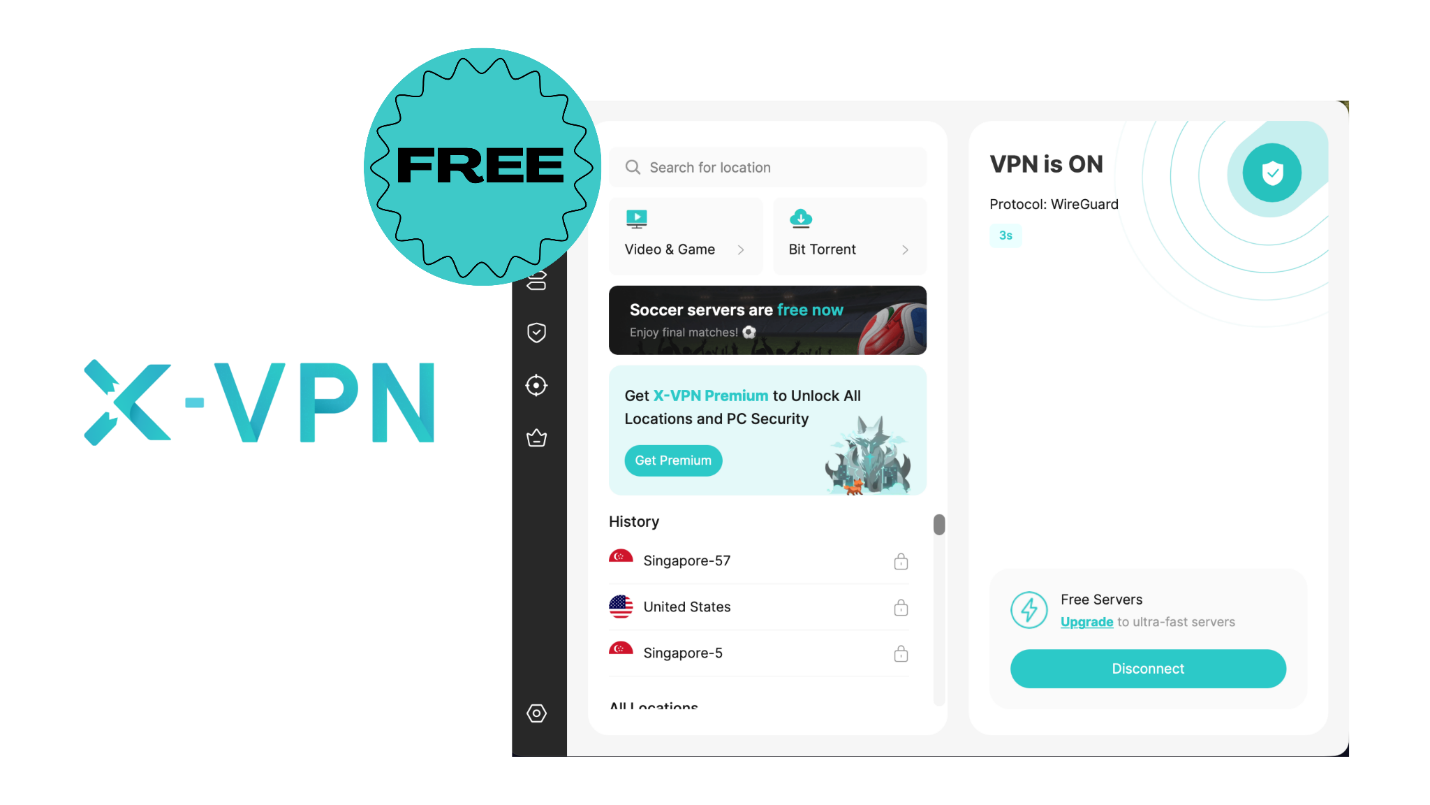
Free VPNs are not all built the same. Some give you unlimited data, others let you pick a location but cap how much you can use each month. The differences become much clearer once you compare them side by side.
For this X-VPN review, we tested all three under comparable free-plan conditions. We compared their speeds, kill switches, ads, protocol options, privacy practices, device limits, and data restrictions.
The goal is simple: to see how X-VPN Free performs in everyday use, where it stands out, where it falls behind, and how it compares with Proton VPN Free and Windscribe Free.
X-VPN Free vs Proton VPN Free vs Windscribe Free
X-VPN, Windscribe, and Proton VPN all offer a permanent free plan, but they place the limits in very different places.
Here is how the three free plans compare before testing:
| Feature | X-VPN Free | Windscribe Free | Proton VPN Free |
| Registration | Not required | Account required | Proton Account required |
| Not required | Optional; 2GB without a verified email, 10GB with one | Required; verification was not needed to use the free plan in our test | |
| Data allowance | Unlimited | 2GB or 10GB per month | Unlimited |
| Simultaneous connections | Unlimited devices | Unlimited personal devices | 1 device |
| Free locations | 15 countries | 10 countries | 10 countries |
| Manual location selection | Available on iOS and Android | Available | Not available |
| Server switching | 15 countries in the tested iOS app; automatically assigned on macOS | Manual selection available | Automatically assigned, with cooldowns between server changes |
| Kill switch | Included | Included as Firewall | Included |
| In-app ads | No ads on desktop; ads on iOS and Android | No ads | No ads |
| No-logs audits | 2026 ISAE 3000 no-logs audit by Deloitte | App and server infrastructure audits | Five consecutive years of public no-logs audits |
On features alone, X-VPN is the least restrictive of the three. It combines unlimited data with no registration, unlimited device use, and a larger selection of free locations. Windscribe offers more control than Proton VPN, but its monthly allowance makes it harder to use continuously. Proton VPN takes the opposite approach: there is no data cap, but free users give up server choice and can connect only one device at a time.
That does not make the feature table a final ranking. A free VPN can offer more locations and still be slow, or include a kill switch that behaves differently across platforms.
The rest of this review tests whether these differences matter in practice. We will check how reliably the security features work, how the three services perform on the same network, and whether restrictions around ads, servers, protocols, and device use change the everyday experience.
How We Tested the Three Free VPNs
We tested X-VPN Free, Windscribe Free, and Proton VPN Free in the United States using the same Wi-Fi connection. Testing was carried out on a 13-inch MacBook Pro running macOS 26.2 and an iPhone 17 running iOS 26.5.1. All speed tests were measured with Speedtest by Ookla.
Every test was run strictly on the free plan. We did not use trials, paid accounts, premium servers, or paid-only features. We also did not keep reconnecting until a VPN produced a better result. If a service assigned the server automatically, we treated that lack of choice as part of the free experience.
How Restrictive Is Each Free Plan?
The three free plans place their limits in different areas. X-VPN removes most account, data, and device restrictions. Windscribe offers stronger server control but caps monthly usage. Proton VPN provides unlimited data but limits both devices and server choice.
Account and Email Requirements
| VPN | Account required | Email required | What we found |
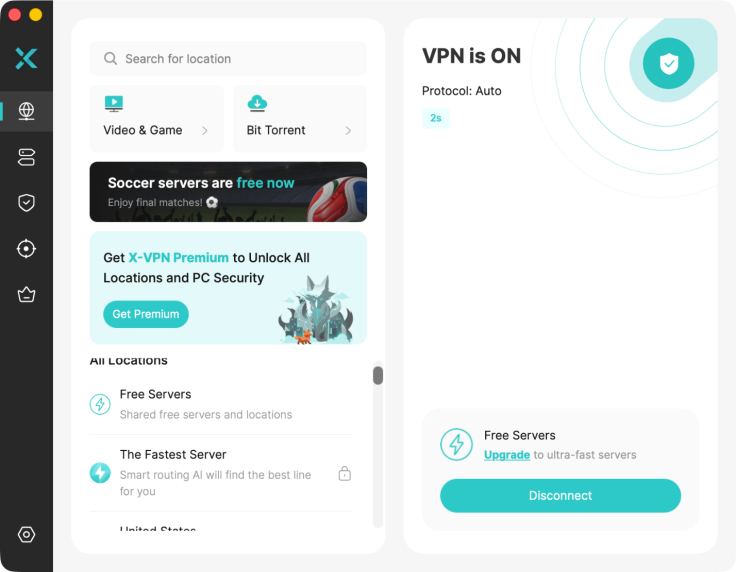
| X-VPN Free | No | No | We could open the app and connect immediately without providing any information. |
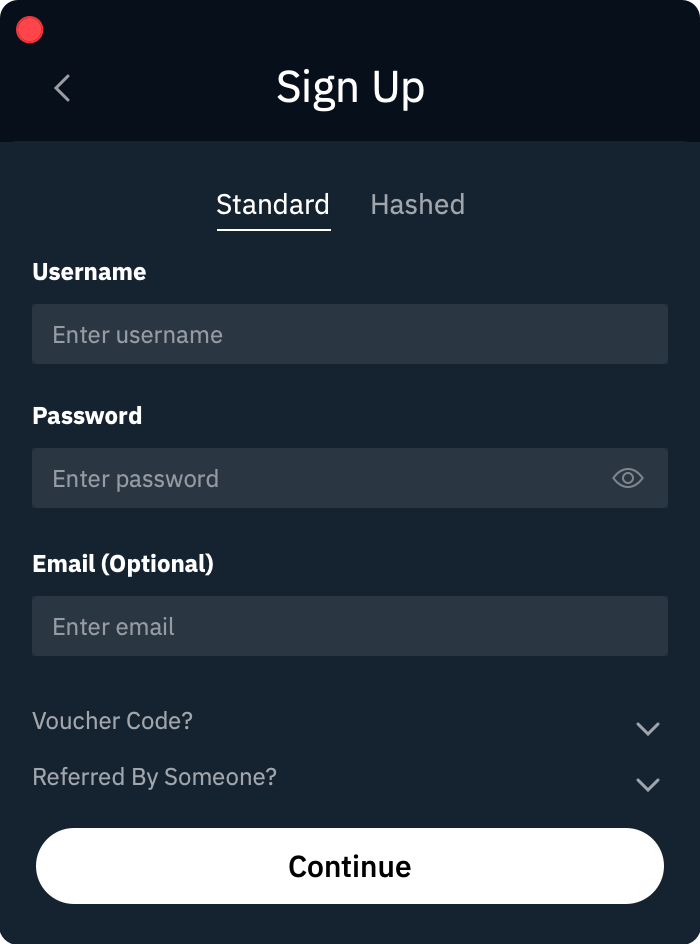
| Windscribe Free | Yes | Optional | A username and password were enough to connect. Adding an email increased the monthly data allowance. |
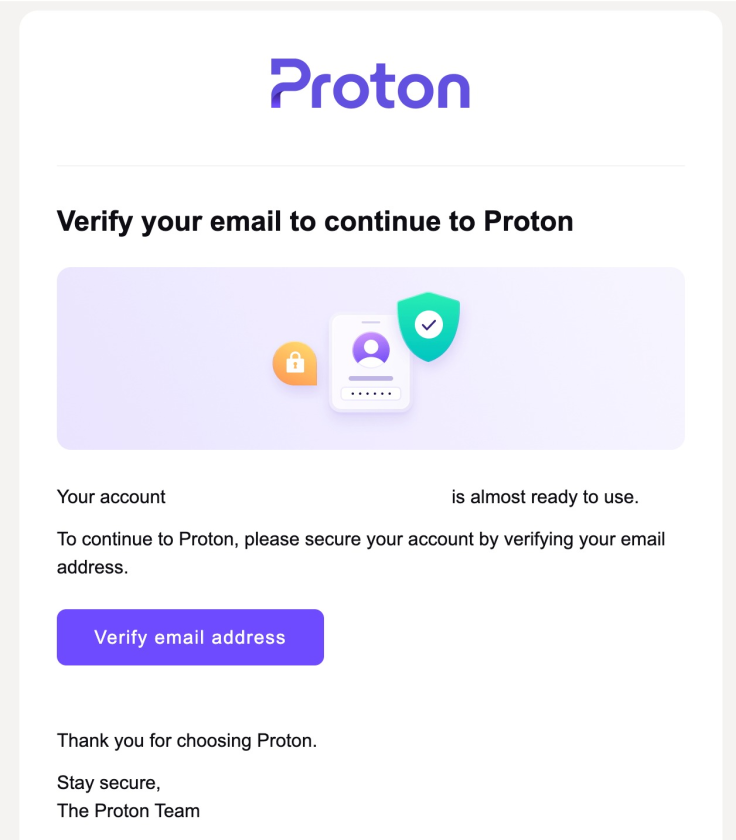
| Proton VPN Free | Yes | Yes | Proton sent a verification email, but we could use the free VPN without verifying it. |
X-VPN free
Windscribe free
Proton VPN free
X-VPN had the lowest entry barrier and collected the least information during setup. Windscribe offered a middle ground by requiring an account but not an email.
Data Limits
| VPN | Data allowance | Usage counter |
| X-VPN Free | Unlimited | No |
| Windscribe Free | 2GB per month without an email; 10GB with one | Yes |
| Proton VPN Free | Unlimited | No |
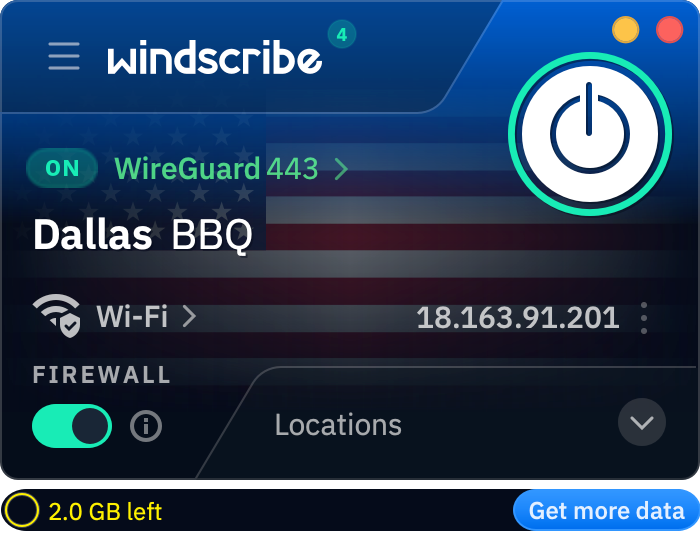
Windscribe limits users to 2GB per month without a verified email address, or 10GB with one
Windscribe clearly displayed the remaining allowance in the app. Its cap may be enough for occasional browsing, but it is more restrictive for continuous use.
Device Limits
| VPN | Free device policy |
| X-VPN Free | Can be used on multiple devices at the same time without an account |
| Windscribe Free | Supports multiple devices |
| Proton VPN Free | Limited to one active device |
X-VPN and Windscribe were easier to use across a laptop and phone. Proton required an upgrade for additional simultaneous connections.
Server Access and Location Control
| VPN | Free locations | Manual selection | City-level servers |
| X-VPN Free | 15 countries in the tested iOS app | Mobile: yes; macOS: automatic connection only | 13 US cities on iOS |
| Windscribe Free | 10 countries | Yes | Available in supported locations |
| Proton VPN Free | Automatically assigned free server | No | No |
Windscribe provided the most consistent manual server control. X-VPN offered country and city selection on mobile, but not on macOS. Proton gave free users the least control, since both the initial server and any replacement were assigned automatically.
Overall, X-VPN was the least restrictive for registration, data, and device use. Windscribe offered better server control but imposed a monthly cap, while Proton combined unlimited data with stricter device and location limits.
Do the Kill Switches Actually Work?
All three free VPNs included a working kill switch, although they handled it slightly differently.
X-VPN and Proton VPN both left the feature off by default, so we had to enable it manually. Windscribe calls its version Firewall rather than Kill Switch, but it serves the same purpose and switched on automatically when we connected to a free server.
| VPN | Feature name | Available on free plan | Default behavior |
| X-VPN Free | Kill Switch | Yes | Off by default |
| Windscribe Free | Firewall | Yes | Turns on automatically when connected |
| Proton VPN Free | Kill Switch | Yes | Off by default |
Kill Switch Test Results
We first opened IPLeak without a VPN and confirmed that it showed our real location and IP address. We then connected each VPN, enabled its kill switch where necessary, and refreshed the page to confirm that the VPN server IP had replaced the original one.
Next, we forced the VPN connection to drop and tried to reload the page.
| VPN | VPN IP shown while connected | Internet blocked after VPN drop | Result |
| X-VPN Free | Yes | Yes | Passed |
| Windscribe Free | Yes | Yes | Passed |
| Proton VPN Free | Yes | Yes | Passed |
In all three tests, the page stopped loading completely once the VPN connection was interrupted. None of the apps allowed the browser to fall back to the regular internet connection.
Speed Test: Which Free VPN Is Fastest?
Speed is where the three free plans showed the clearest difference. X-VPN kept the largest share of our original connection speed, while Proton VPN recorded the biggest slowdown, particularly on uploads.
Test Conditions
We tested all three VPNs in the United States using the same MacBook, Wi-Fi network, and testing period. All results were measured with Speedtest by Ookla.
X-VPN was tested over WireGuard, Windscribe over its Stealth mode, and Proton VPN connected over IKEv2 in our test. We recorded a fresh no-VPN baseline before testing each app. Since the baseline changed slightly between runs, the percentage loss gives a fairer comparison than the raw Mbps figures alone.
Speed Test Results
| VPN | No-VPN Download | VPN Download | Download Loss | No-VPN Upload | VPN Upload | Upload Loss |
| X-VPN Free | 248.01 Mbps | 198.65 Mbps | 19.9% | 216.53 Mbps | 138.03 Mbps | 36.3% |
| Windscribe Free | 247.90 Mbps | 114.31 Mbps | 53.9% | 213.25 Mbps | 91.61 Mbps | 57.0% |
| Proton VPN Free | 235.27 Mbps | 88.05 Mbps | 62.6% | 203.97 Mbps | 5.76 Mbps | 97.2% |
X-VPN delivered the fastest result in our test configuration. It retained about 80% of the baseline download speed and remained comfortably fast for browsing, downloads, and high-resolution video.

X-VPN baseline speed without a VPN: 248.01 Mbps download and 216.53 Mbps upload
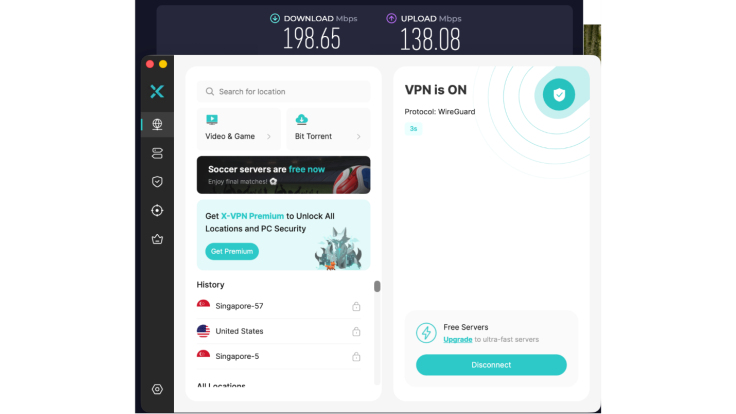
X-VPN Free speed over WireGuard: 198.65 Mbps download and 138.03 Mbps upload
Windscribe remained usable, but its download speed fell by about 54%, while uploads dropped by 57%.

Windscribe baseline speed without a VPN: 247.90 Mbps download and 213.25 Mbps upload
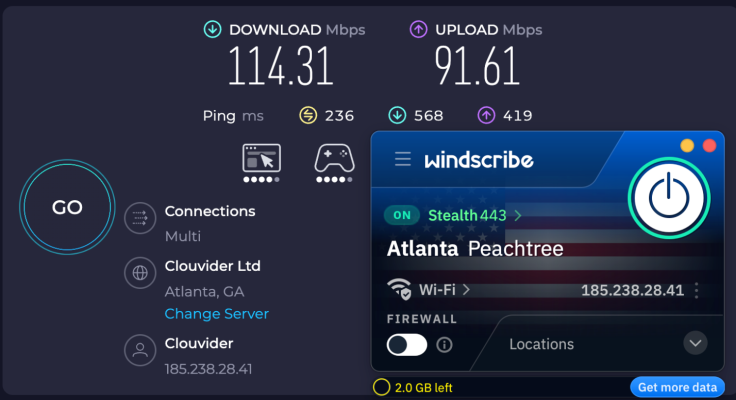
Windscribe Free speed over Stealth mode: 114.31 Mbps download and 91.61 Mbps upload
Proton VPN had the weakest result. Download speed fell from 235.27 Mbps to 88.05 Mbps, and upload speed dropped to just 5.76 Mbps. The download connection was still sufficient for everyday browsing and other download-heavy tasks, but the upload result could be restrictive for cloud backups, large file transfers, or video calls.

Proton VPN baseline speed without a VPN: 235.27 Mbps download and 203.97 Mbps upload
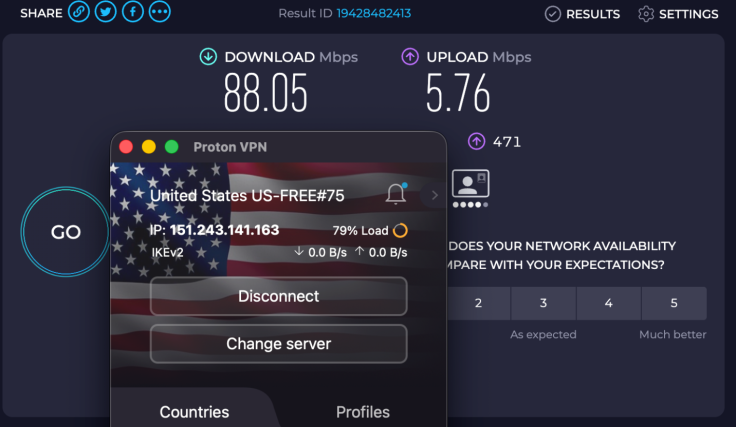
Proton VPN Free speed over IKEv2 during our test: 88.05 Mbps download and 5.76 Mbps upload
Speed Verdict
Based on this round of testing, X-VPN Free delivered the best balance of download and upload performance. Windscribe placed second, while Proton VPN showed the largest speed loss.
These results reflect the free server assigned or available during our test, rather than the maximum speed each service can achieve. Free-server load, distance, and automatic server selection can all affect performance, so results may differ by location and time.
Ads
The three free apps handled ads very differently.
| VPN | Desktop ads | Mobile ads | What we found |
| X-VPN Free | None | Yes | The macOS app was completely ad-free. On mobile, an ad appeared when connecting and closed automatically after a short wait. |
| Windscribe Free | None | None | We did not encounter ads during testing. |
| Proton VPN Free | None | None | We did not encounter ads during testing. |
X-VPN’s desktop experience was just as clean as Windscribe and Proton VPN. Its mobile ads added some friction, but they did not prevent us from connecting or using the VPN normally. Windscribe and Proton VPN provided the cleaner overall experience because neither displayed ads.
Protocol Choice on the Free Plans
Which Protocols Are Available?
| VPN | Available protocols | Manual selection |
| X-VPN Free | WireGuard, OpenVPN, Everest | Yes |
| Windscribe Free | WireGuard, OpenVPN, IKEv2, Stealth | Yes |
| Proton VPN Free | Managed automatically; IKEv2 in our test | No |
X-VPN Free let us manually select Everest, OpenVPN, or WireGuard. These options were available without upgrading or signing in.
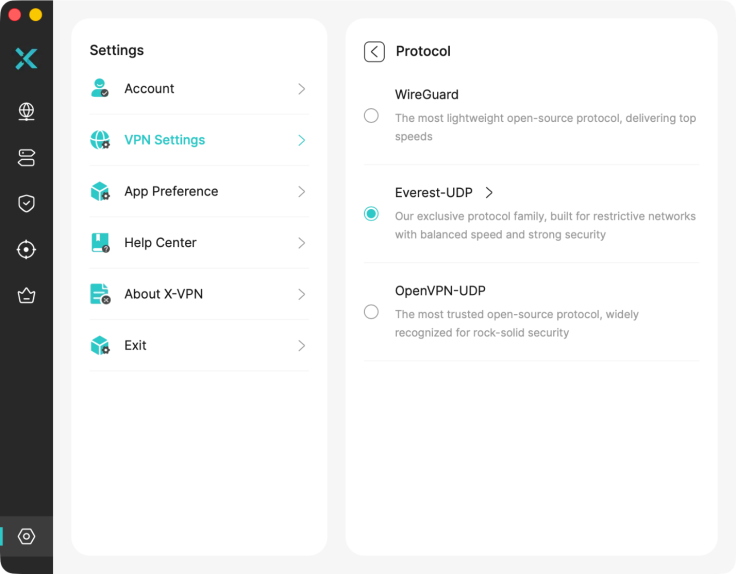
Windscribe also offered several protocols, including WireGuard, IKEv2, OpenVPN, and its Stealth mode.
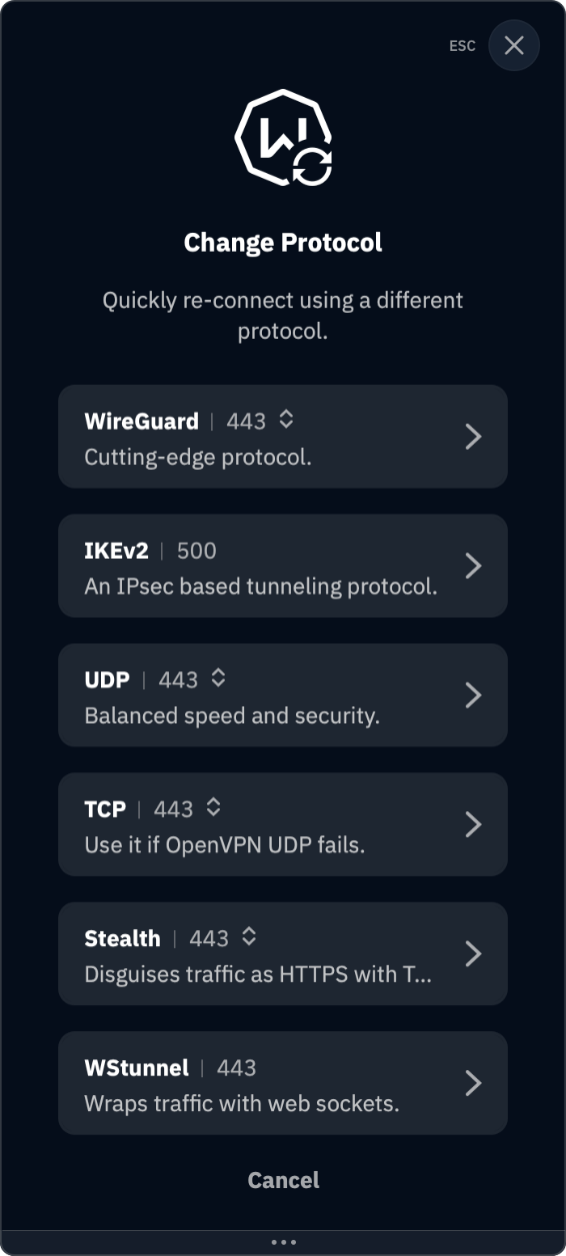
Proton VPN took a simpler approach: the free app selected the connection protocol automatically and did not provide a manual protocol menu.
Are the Protocols Easy to Find?
X-VPN displayed each protocol by name under VPN Settings > Protocol, making the options easy to find and switch between.
Windscribe also showed protocol names inside the app.
Proton VPN required no protocol setup, which may be easier for beginners, but it also gave free users no control over which protocol was used.
Overall, X-VPN and Windscribe offered the most flexibility. Proton prioritized automatic configuration over manual choice.
Privacy: What Do Free Users Give Up?
All three services extend their core no-logs protections to free users. The main difference is how much information they require at signup and how much limited account data they retain.
X-VPN Free
X-VPN applies the same no-logs policy to free and paid users. Its systems and supporting operations underwent an independent limited assurance engagement by Deloitte Singapore under ISAE 3000 (Revised), with testing concluded on February 28, 2026.
According to the report and privacy policy, X-VPN does not collect or store user or destination IP addresses, browsing activity, visited websites, VPN server information, DNS queries, downloaded content, connection timestamps, or sensitive payment details. Free users can also connect without creating an account or providing an email address, giving X-VPN the strongest data minimization at signup.
Windscribe Free
Windscribe requires a username and password, but an email address is optional. Its privacy policy states that it does not store source IP addresses, visited websites, or historical VPN sessions.
It does retain the total amount of data transferred over a 30-day period, the timestamp of the account’s last activity, and the number of simultaneous connections. Windscribe says this information is used to enforce free-plan limits and prevent abuse rather than track browsing activity.
Windscribe has also published independent audits of its FreshScribe server stack, desktop app, and mobile apps. These are presented as infrastructure and application security audits rather than a recurring annual no-logs assurance program.
Proton VPN Free
Proton VPN’s no-logs policy covers both free and paid users. It states that it does not log internet traffic, communication content, or VPN session data.
Its no-logs infrastructure has undergone five consecutive annual audits by Securitum. The 2026 review examined whether Proton stored browsing activity, DNS queries, destination services, traffic content, or user-identifiable connection metadata and found no persistent records linking a user to activity through the reviewed servers.
Proton required us to create an account and provide an email address. That adds more account data than X-VPN or an email-free Windscribe account, although it does not mean Proton records VPN activity.
Ease of Use
| VPN | Setup | Server control | Protocol controls | Ads |
| X-VPN Free | Install and connect; no account required | Automatic on macOS; manual country and US city selection on mobile | Clearly labeled and manually selectable | None on desktop; connection ads on mobile |
| Windscribe Free | Install, create a username and password, then connect | Manual country and city selection | Clearly labeled and manually selectable | None |
| Proton VPN Free | Install, create an account with an email, then connect | Server list is clear, but selection is automatic | Protocol selected automatically | None |
Final Scorecard
Because stability and streaming were not included in the final comparison, we used the following weights:
| Category | Weight | X-VPN Free | Proton VPN Free | Windscribe Free |
| Free-plan value | 20% | 9.5 | 7.5 | 7.5 |
| Privacy and data handling | 25% | 9.0 | 9.5 | 8.0 |
| Security and kill switch | 20% | 9.0 | 9.0 | 9.5 |
| Speed | 20% | 9.0 | 4.5 | 7.0 |
| Ease of use and ads | 10% | 8.5 | 8.0 | 8.0 |
| Protocol choice | 5% | 9.5 | 4.0 | 9.5 |
| Overall | 100% | 9.1/10 | 7.6/10 | 8.1/10 |
Final Verdict: Is X-VPN Free Worth Using?
Yes. X-VPN Free is worth considering for users who want a VPN they can install and use immediately without creating an account, watching a data counter, or managing device slots.
Its main advantage over Proton VPN and Windscribe is not a single feature. It is the combination of no registration, unlimited data, unlimited device use, a working kill switch, manual protocol selection, and the best speed result in the configuration we tested. Its main compromises are mobile ads and more limited server control on macOS.


Paramount Skydance is still aiming to close its proposed acquisition of Warner Bros. Discovery by the end of September despite a recent lawsuit filed by state attorneys general challenging the deal, Paramount’s lead trial counsel Jeffrey Kessler told CNBC’s David Faber in an interview on Tuesday.
On Monday, a group of state attorneys general led by California’s Rob Bonta filed a lawsuit aimed at blocking the merger due to antitrust concerns. Later in the day, the group filed court papers seeking a temporary restraining order to put the deal on hold so that legal proceedings could move forward.
Either way, Kessler said that the company is prepared to bring the matter to the Supreme Court if it faced a prolonged blockade in closing the deal.
“The company believes strongly in this,” Kessler said of the combination of the entertainment and media companies.
Kessler told Faber on Tuesday the temporary restraining order came after Paramount “indicated” that its intention was to be able to close as early as July 22, when the company expects to have all regulatory clearances.
The July date stems from the next big hurdle Paramount needs to clear. The European Union has been reviewing the deal for approval and recently set July 22 as a new provisional deadline. Paramount recently submitted concessions to the EU as it looks to smooth concerns regarding the deal.
In an aerial view, the Paramount logo is displayed on a water tower at the Paramount Studios lot on July 13, 2026 in Los Angeles, California.
Justin Sullivan | Getty Images
The proposed acquisition that would bring together the two storied film studios of Warner Bros. and Paramount, as well as a sprawling portfolio of pay TV networks, has already received approval from the Antitrust Division of the U.S. Department of Justice, as well as other global jurisdictions.
“Or we could work out a schedule to get this all decided by early September, that would be perfectly acceptable to the company if we could create an orderly procedure,” Kessler said. “The states rejected both alternatives so right now we have a [temporary restraining order] that’s been filed.”
If granted, it would pause the deal for 14 days. Up to two temporary restraining orders could be granted before the coalition seeks a preliminary injunction, putting the deal on ice while it’s sorted out in court. Kessler said on Tuesday the company doesn’t expect it to get to that point, arguing this isn’t an antitrust issue.
A long delay could be costly for Paramount. As part of the deal, Paramount has agreed to pay a so-called ticking fee, meaning that if the closing goes past Sept. 30, Paramount would pay additional fees to WBD shareholders per quarter until closing. That fee would equal roughly $650 million in cash value per quarter.
For it to be delayed or blocked, “the merger has to be anti-competitive. This merger is pro-competitive,” Kessler told Faber.
“Anybody who knows the entertainment industry knows it is in deep trouble,” he added, noting widespread challenges as consumers flee pay TV bundles and competition among streaming giants like Netflix intensifies.
He added that the merger would create a competitor that could “go toe to toe with a Netflix or Disney or [Amazon’s] Prime,” which would be a positive for the theater industry and Hollywood workers.
On Monday, Bonta said in a release that the merger would “lead to higher prices, lower quality, and less content for film and television, harming movie theaters, basic cable distributors, and ultimately, audiences on every sofa and movie theater seat in the U.S.”
As Hollywood has expressed concerns since the deal was announced, Paramount CEO David Ellison has promised that once merged, the film studios would together put out a slate of 30 movies annually.
“We’ve told the states if they have what they think are legitimate concerns, they should come to the table and we talk about them,” said Kessler, noting the question of whether Paramount could deliver the 30 films per year.
Kessler said that Paramount has told state attorneys general the company is willing to put in writing that it would commit to the 30 films, and if it doesn’t happen, litigation could then take place.

Crude oil prices crossed the key psychological mark of $100 per barrel last week, the first time since Russia’s invasion of Ukraine in 2022. Despite attempts by the US administration to reassure markets, the conflict in the oil-rich Middle East continues to intensify.
Iran has warned that oil prices could surge to as high as $200 per barrel if the conflict escalates further. Mojtaba Khamenei, Iran’s new supreme leader and son of Ayatollah Ali Khamenei, described the Strait of Hormuz as a strategic “tool of pressure” that must remain shut during the conflict. In a message aired on state television, he also warned that US military bases across the region could face attacks as Iran seeks retaliation for casualties from the conflict.
Oil prices have risen amid growing expectations that the Strait of Hormuz may remain shut, disrupting global energy trade. The narrow 33-km waterway connecting the Persian Gulf and the Gulf of Oman carries more than 20% of the world’s oil and gas shipments, making it one of the most critical chokepoints in global energy markets.
What lies ahead for oil prices
Global crude oil prices could rise to $120 per barrel in the near term and potentially reach $150 per barrel if the war continues for over a month and geopolitical tensions remain elevated in West Asia, said Kayanat Chainwala, Assistant Vice President at Kotak Securities.

“Any prolonged disruption to this trade route will be bullish for crude oil and negative for other commodities, as it fuels inflation concerns and could delay interest rate cuts,” Chainwala said.
A report by Nuvama also noted that crude prices could climb to $150 per barrel if the Strait of Hormuz remains closed for four to eight weeks. However, such extreme price levels could eventually lead to demand destruction and trigger alternative supply responses.The report added that Asian economies are likely to bear the brunt of the disruption, as nearly 13 million barrels per day (mbpd) of oil shipments to countries including China, India, Japan and South Korea pass through the Strait of Hormuz.
Meanwhile, Systematix Institutional Equities said global crude markets have entered a phase of heightened volatility over the past two weeks, driven by the destruction of oil and gas assets in West Asia, which has added a strong geopolitical risk premium to prices.
“Tanker freight rates and insurance premiums for vessels passing through high-risk zones have also surged, significantly raising procurement costs,” the brokerage said.
How Indian stock markets may react
The Nifty 50 fell 5.3% last week as the Iran–Israel conflict, a weakening rupee, persistent FII outflows and concerns over fuel supply weighed on sentiment. While Systematix expects near-term volatility to impact valuations, it continues to prefer Reliance Industries, Petronet LNG, Deep Industries and Gulf Oil as long-term bets.
According to Vinod Nair, Head of Research at Geojit Investments, market direction in the coming weeks will largely depend on developments in the Iran conflict and the trajectory of crude prices, given their implications for inflation, corporate margins, the current account deficit and RBI policy flexibility.
“A firm dollar and higher US bond yields may keep FIIs selective and volatility elevated. Selective value opportunities may emerge in fundamentally resilient and domestically driven sectors, while energy-sensitive segments could remain under pressure if crude prices stay elevated,” he said.
He added that domestic institutional buying has provided some cushion, but a sustained market recovery would likely require clear signs of geopolitical de-escalation, stabilisation in crude prices and improved clarity on fuel supply dynamics.
Siddhartha Khemka, Head of Research – Wealth Management at Motilal Oswal Financial Services, said market volatility is likely to persist as geopolitical tensions disrupt the energy market and keep risk sentiment fragile.
“Indian equities have seen a sharp correction in 2026 amid heightened global uncertainty, resulting in significant erosion of market value across segments,” Khemka said.
The Nifty 50 has declined over 11% so far this year, while the Nifty Midcap and Smallcap indices are down around 10% each. In March alone, the Nifty has fallen about 8%, marking its steepest monthly decline since the pandemic-driven crash of March 2020.
On the currency front, the Indian rupee recently hit a record low of Rs 92.45 against the US dollar as rising energy prices and risk-off sentiment heightened concerns about India’s current account deficit, given the country imports nearly 88% of its crude oil requirements.
Elevated oil prices have also intensified concerns around inflationary pressures, widening external balances and pressure on corporate margins, prompting investors to trim equity exposure and shift towards safer assets.
“Rate-sensitive and cyclical sectors such as banking, financial services and automobiles have seen notable selling pressure,” Khemka added.
Looking ahead, markets are expected to remain highly sensitive to developments in the West Asia conflict, movements in crude oil prices and trends in foreign fund flows.
“Persistent foreign outflows and elevated oil prices could keep sentiment cautious, while any signs of easing geopolitical tensions may provide relief to markets,” he said.
(Disclaimer: Recommendations, suggestions, views and opinions given by the experts are their own. These do not represent the views of The Economic Times)

Hands off super: Miller to PM
Business
Don’t scare a crow: Crows hold grudges for nearly a decade, they never forget a face, and even teach their chicks to hate the same face

Also Read: Cyclospora parasite outbreak: America’s ‘Chief elder officer’ has just shared how to protect yourself and your loved ones from ‘explosive diarrhea’
Behind these odd, unsettling encounters lies a piece of science that most people never think about: crows can recognise a human face, remember what that face did to them, and hold on to the grudge for close to two decades. They even teach their chicks to hate the same face. For anyone who has ever startled, trapped, or annoyed a crow, that is not comforting news.
Brains Behind The Beak
Crows are not just noisy backyard birds. They mimic human speech, use tools to solve problems, and recognise individual human faces even in a crowded street. They also gather in groups that look strikingly like funerals when a member of their flock, known as a murder, is killed.
That same intelligence gives crows an unusually long memory for insults. A crow can live for about a dozen years, but a grudge against a specific person can outlive the bird that started it, passed down to chicks and flockmates who never even met the original offender.
When Payback Follows You Home
Gene Carter, a computer specialist in Seattle, found this out the hard way. He once chased away crows that were bothering a robin’s nest and threw a rake into the air to scare them off. What followed was nearly a year of retaliation. The birds waited outside his kitchen, dive-bombed him on his way to his car, and tracked him down every single day at his bus stop.
“They were waiting for me at the bus stop every single day,” he said.He told The New York Times the birds followed him for several blocks on his walk home from the stop, swooping at him the whole way. The harassment ended only after he moved out of the neighbourhood.
Spring Is Attack Season
Most crow attacks are not really personal, experts say. They spike in spring and early summer, when parent crows are guarding nests full of chicks and treat anyone who walks too close as a threat.
But grudges built outside nesting season can last far longer than a single breeding cycle. Dr John Marzluff, a professor who has spent years studying how humans and crows interact, has tracked one grudge for 17 years and counting. In 2006, he trapped seven crows on the University of Washington campus while wearing an ogre mask, then released them. The experience rattled the birds and the flockmates who watched it happen.
To measure how long the memory lasted, Marzluff and his team kept putting on the same ogre mask and walking across campus over the following years. Each time, crows responded with loud, aggressive calls that researchers describe as “scolding.” By around the seventh year of the experiment, roughly half the crows he came across were cawing furiously at the mask, even though most of them had not even been born when the original trapping happened.
How A Bird Remembers A Face
Crows owe this to extremely sharp eyesight, tuned to pick up fine details in shapes, patterns and movement, including the layout of a human face. When a crow has a strong experience with a person, whether being trapped and harassed or being fed and cared for, its brain links that specific face to that specific outcome.
The bird is not learning to fear people in general. It is learning to fear, or trust, one particular face. What makes crows especially difficult to shake off is that this information does not stay with one bird. When a crow reacts to a threatening face, other crows watching nearby pick up on the alarm and store that same face as dangerous, spreading the warning through the whole flock without the newer birds ever having a bad experience themselves.
Experts stress that none of this is malice. It is simply how a crow’s brain is built to keep it and its flock safe: notice a face, remember what it did, and pass the word along. The same memory works in reverse too. Crows also remember people who feed them or leave out clean water, and tend to treat those humans kindly for years afterwards. A handful of unsalted peanuts left out regularly, experts say, may be a cheaper way to stay on a crow’s good side than moving house.

Nicola Grant, chief people officer at UK insurance provider Hiscox, says she’s noticed a broader shift in how people think about their careers.
Increasingly, individuals – particularly earlier in their careers, she says – want to build a breadth of experience faster, rather than follow a single, linear path. They are building a portfolio of skills.
She’s also found there’s a greater willingness among younger employees to move if they feel their development is slowing, or their options are limited.
“Expectations have changed; people want variety, pace and to build skills that will remain relevant,” she says, “It’s about a desire for growth.”
“That ultimately benefits both the individual and the organisation,” she adds.
Lucy Kemp, a strategic brand and communications leader at the IT company La Fosse and an employee experience specialist, agrees.
To her, lily padding is the future of work, not just a trend, as people who follow the tactic try to reach more senior roles and higher pay.
“Younger people have seen that loyalty doesn’t pay off,” says Kemp. “They want to shape their own careers, based on skills they value.
“There’s a different sense of achievement compared to older generations, a completely different experience of work,” she says.
Kemp also points out that learning in the office from peers isn’t occurring as much since the pandemic, with people working from home and AI taking over basic tasks.
Instead, people are looking at skills that will be relevant in five years’ time. And they’ll get them by switching to a project on another team, a switch to another sector, or a job at another company, Kemp says. “People just want to learn something new and have a purpose.”
That’s how Harris-Nelson feels. “I see my career as an ongoing journey rather than a destination,” she says. “I’m always learning and growing.”

Zelniker Dorfman Private Wealth senior vice president Ryan Lynch joins ‘Mornings with Maria’ to discuss AI-driven market gains, Q2 earnings, inflation and what could influence the Federal Reserve’s next interest rate move.
Olive Garden is bringing back its fan-favorite “Never Ending Pasta Pass,” the company announced this week.
Consumers can nab one of the 10,000 passes for $100, plus tax, on July 16 at 2 p.m. ET. Passholders are able to receive 13 weeks of unlimited pasta, sauces and protein toppings in addition to the chain’s unlimited soup or salad and breadsticks.
The product debuted in 2014 and was last offered in 2019.

An image of Olive Garden’s popular Never-Ending Pasta Pass offering. (Olive Garden)
OLIVE GARDEN PLANS NATIONWIDE ROLLOUT OF LIGHTER PORTIONS MENU FOLLOWING SUCCESSFUL TESTING
“Bringing it back felt like the right way to recognize the loyalty of so many guests who have kept it top of mind all these years,” said Jaime Bunker, Olive Garden’s senior vice president of marketing.
The promotion will only last until all 10,000 passes are claimed. The Never-Ending Pasta Pass isn’t available for redemption with to-go orders, but its in-restaurant redemptions are unlimited.
| Ticker | Security | Last | Change | Change % |
|---|---|---|---|---|
| DRI | DARDEN RESTAURANTS INC. | 195.74 | -0.95 | -0.48% |
Olive Garden’s corporate parent, Darden Restaurants, in late June forecast full-year profit below Wall Street estimates and reported lower-than-expected fourth-quarter sales, as higher input costs and increased marketing expenses weighed on margins amid persistent inflationary pressures.
The company, which also owns restaurants Cheddar’s Scratch Kitchen and Chuy’s among others, now expects annual earnings per share from continuing operations between $11.10 and $11.35, below an expectation of $11.40 per share, according to data compiled by LSEG.

A meal of spaghetti and meatballs served at an Olive Garden restaurant in Maryland. (Deb Lindsey for The Washington Post via Getty Images)
It expects annual same-restaurant sales to grow 2.5% to 3.5%, the midpoint of which is above analysts’ estimates of 2.81%.
GET FOX BUSINESS ON THE GO BY CLICKING HERE
Darden reported overall sales of $3.72 billion for the fourth quarter ended May 31, missing analysts’ estimate of $3.73 billion.

A sign hangs on the front of an Olive Garden restaurant on June 22, 2023, in Chicago, Illinois. (Scott Olson/Getty Images)
Its total operating costs and expenses rose 10.7% to $3.20 billion in the fourth quarter from the prior year.
Reuters contributed to this report.

Frontier Airlines to debut Wi-Fi in 2027 with SpaceX’s Starlink

Ariana Grande Pulls Out Of ‘American Horror Story’

$470 billion in assets may be a target of quantum hackers


-

 Fashion6 days ago
Loro Piana Fall 2026 Enters Houston’s Art Scene
-

 Fashion4 days ago
Weekend Open Thread: Nutriplenish Leave-In Conditioner
-
 Sports5 days ago
2026 Genesis Scottish Open Thursday TV coverage: Round 1
-

 Tech7 days ago
Anthropic brings Claude Cowork to mobile and web as usage data shows most users aren’t coding
-

 Sports5 days ago
Super Eagles star Moses Simon opens up on Liverpool transfer regret
-

 Tech5 days ago
Character.AI enters the microdrama arena with its own productions, but there’s a twist
-

 News Videos5 hours ago
XRP BOMBSHELL… XRP OMBOARDED FOR TRANSACTIONS!!!
-

 Tech20 hours ago
Get Your ESP32 Sunny Side Up With This Solar Dev Board
-

 Tech4 hours ago
Dark Secrets Emerge When Jailbreaking LLMs
-

 News Videos6 days ago
Crypto Just Entered Its Most Important 6-Month Candle (Could Decide Everything!)
-

 Business7 days ago
ASX 200 Slides Over 0.6% as Rare Earths and Lithium Stocks Tumble Amid Global Semiconductor Sell-Off Today
-
 NewsBeat6 days ago
Major update after Huntingdon train attack as man enters plea
-
 Business7 days ago
Will Trent shares rebound after Q1 update triggers 13% crash? Here’s what technical charts indicate
-

 Business7 days ago
SpaceX Shares Slide Nearly 6% Amid Post-IPO Volatility and Starship Test Focus
-

 News Videos1 day ago
how to make coin bank box with cardboard #scienceproject #money #diy #shorts
-

 Sports6 days ago
39-year-old Djokovic wins five-hour thriller to enter Wimbledon semis | Other Sports News
-

 Tech6 days ago
Level Infinite Launches Gangstar Mirage City in India with Pre-Registrations
-
 Tech1 day ago
Cloudflare Precursor Watches Your Mouse and Keyboard To Decide If You Are Human
-

 Tech6 days ago
Entra passkey enrollment vishing targets Microsoft 365 users
-
 Crypto World6 days ago
DeFi Dashboard Zapper to Shut Down After 7 Years
You must be logged in to post a comment Login