

Business
DGGI set to fire up GST recovery drive against gaming firms after Supreme Court’s backing


“This is a big win and now we can go ahead with the aggressive recovery process,” a DGGI official told ET.
The DGGI had issued show-cause notices alleging tax evasion of around ₹1 lakh crore against about 80 online gaming companies and casinos. Gaming companies approached various high courts challenging the tax demands. The Supreme Court later transferred pleas from nine high courts to itself.
The top court’s ruling on Wednesday validates the revenue authorities’ stance.
Senior officials from the revenue department said they will study the judgment.

The revenue department remains open to engaging with industry stakeholders on concerns regarding penalties and interest following the Supreme Court ruling, the official added.
In the original show-cause notice issued to Gameskraft in 2022, the DGGI had sought GST dues of about ₹21,000 crore for the period between 2017 and 2022, along with interest and penalties, in one of the largest tax demands ever raised.This became a template for similar proceedings initiated against several online gaming operators.
The verdict is expected to impact major gaming companies including Gameskraft, Dream11, Mobile Premier League, Games24x7, Junglee Games and Delta Corp, several of which are facing ongoing GST investigations or disputes.


Business leaders spend significant time planning for growth, improving productivity, and managing financial performance. Yet one area that can often be overlooked until it becomes urgent is workplace safety.
Whether operating from an office, warehouse, retail unit, or industrial facility, every organization has a responsibility to protect employees, visitors, and physical assets from preventable risks.
Among the most important aspects of workplace safety is fire prevention and emergency preparedness. A single fire-related incident can disrupt operations, damage property, harm employees, and create significant financial consequences. As businesses continue to adapt to evolving regulations and workplace expectations, investing in comprehensive fire safety measures has become an essential part of responsible management.
Why Fire Safety Matters for Modern Businesses
Fire incidents can occur in virtually any workplace environment. Electrical faults, faulty equipment, unattended appliances, combustible materials, and human error remain common causes of workplace fires.
The consequences often extend beyond immediate property damage and may include:
- Business interruption
- Lost productivity
- Insurance complications
- Regulatory penalties
- Reputational damage
- Employee welfare concerns
For growing companies, these risks can be particularly significant because unexpected disruptions can affect both revenue and customer confidence.
A proactive fire safety strategy helps reduce these risks while demonstrating a commitment to employee wellbeing.
What Are the Key Components of Workplace Fire Protection?
Effective fire safety involves much more than installing alarms and hoping they are never needed.
A comprehensive strategy typically includes:
| Fire Safety Element | Purpose |
| Risk assessments | Identify hazards and vulnerabilities |
| Detection systems | Provide early warning |
| Emergency planning | Improve evacuation procedures |
| Staff training | Increase preparedness |
| Equipment maintenance | Ensure reliability |
| Fire suppression tools | Help control small incidents |
Each component plays an important role in creating a safer workplace environment.
Why Prevention Is Better Than Response
While emergency equipment is essential, preventing incidents remains the most effective approach.
Businesses can significantly reduce risk through:
- Regular electrical inspections
- Equipment maintenance programs
- Safe storage procedures
- Housekeeping standards
- Employee awareness training
- Hazard identification processes
Many workplace fires result from issues that could have been identified and addressed before they became emergencies.
Organizations that prioritize prevention often experience fewer incidents and lower long-term safety costs.
How Risk Assessments Improve Business Resilience
Fire risk assessments form the foundation of workplace fire safety.
These assessments help identify:
Potential Ignition Sources
Electrical equipment, machinery, heating systems, and cooking facilities can all present risks.
Fuel Sources
Paper, packaging, chemicals, textiles, and other combustible materials may contribute to fire spread.
Occupancy Considerations
Understanding how people use a building helps improve emergency planning.
Existing Control Measures
Assessments evaluate whether current protections remain effective and compliant.
Regular reviews ensure safety measures continue meeting the needs of a changing workplace.
Why Employee Training Is Essential
Even the most sophisticated fire safety systems rely on informed employees.
Training helps staff understand:
- Emergency procedures
- Evacuation routes
- Alarm protocols
- Hazard recognition
- Equipment awareness
When employees know how to respond during an emergency, evacuation processes tend to be faster and more organized.
Confidence and preparation can make a significant difference during high-pressure situations.
How Technology Is Transforming Workplace Safety
Modern businesses increasingly use technology to strengthen safety programs.
Examples include:
- Smart monitoring systems
- Connected alarm networks
- Automated testing solutions
- Digital compliance records
- Remote inspection capabilities
These technologies help organizations improve oversight while simplifying maintenance and reporting requirements.
The growing integration of safety technology reflects a broader trend toward proactive risk management across multiple industries.
Why Early Detection Saves Lives
One of the most critical factors during a fire emergency is time.
Early warning systems provide occupants with valuable time to:
- Identify danger
- Initiate evacuation procedures
- Contact emergency services
- Reduce exposure to hazardous conditions
This is particularly important because many fire-related fatalities result from smoke inhalation rather than direct flame exposure.
Reliable detection systems remain among the most effective safety investments available to businesses.
Understanding Hidden Workplace Hazards
While visible fire risks often receive attention, some threats are less obvious.
Combustion appliances, heating equipment, and poorly ventilated areas can sometimes create dangerous conditions without obvious warning signs.
A properly installed carbon monoxide detector helps identify the presence of this invisible and odorless gas before it reaches dangerous levels.
Workplaces that use fuel-burning equipment should consider monitoring systems as part of a broader health and safety strategy. Early detection can provide critical warning and support safer working environments.
What Role Does Emergency Equipment Play?
No fire safety strategy is complete without appropriate emergency response tools.
While prevention remains the primary objective, businesses must also prepare for situations where incidents occur despite precautions.
Emergency equipment supports:
- Initial incident response
- Occupant protection
- Damage limitation
- Regulatory compliance
The type of equipment required depends on the nature of the workplace and the risks identified through assessment processes.
Regular inspections help ensure equipment remains operational when needed.
Why Fire Extinguishers Remain Essential
Although modern buildings often include sophisticated alarm and suppression systems, Fire Extinguishers continue to play an important role in workplace safety.
When used appropriately by trained personnel, they may help control small fires before they escalate into larger incidents.
Different types are designed for specific hazards, including:
- Electrical equipment
- Flammable liquids
- Paper and wood materials
- Commercial kitchens
- Industrial environments
Selecting suitable equipment and ensuring proper staff training are essential for maximizing effectiveness.
Organizations should never assume that a single extinguisher type is appropriate for every workplace situation.
How Fire Safety Supports Business Continuity
Business continuity planning focuses on maintaining operations despite unexpected disruptions.
Fire safety contributes directly to this objective by helping businesses:
- Reduce operational downtime
- Protect critical infrastructure
- Safeguard employee welfare
- Minimize financial losses
- Improve insurance outcomes
Companies that invest in preparedness often recover more quickly from emergencies than those relying solely on reactive measures.
As organizations become increasingly dependent on technology and interconnected systems, resilience planning continues to grow in importance.
Creating a Culture of Safety
Strong safety performance is rarely achieved through equipment alone.
Successful organizations often cultivate a workplace culture where safety becomes part of everyday operations.
Characteristics of effective safety cultures include:
- Leadership commitment
- Employee engagement
- Open communication
- Continuous improvement
- Regular training
- Accountability at all levels
When safety is embedded into organizational decision-making, compliance and preparedness naturally improve.
Choosing Reliable Safety Partners
The effectiveness of a fire safety strategy often depends on the quality of products and expertise supporting it.
Businesses benefit from working with suppliers that offer:
- Industry knowledge
- Regulatory expertise
- Comprehensive product ranges
- Ongoing support
- Reliable compliance guidance
Within the UK safety sector, SafeLincs has established a reputation for helping organizations access a wide range of workplace safety solutions, including fire protection equipment, detection systems, and compliance resources. Their focus on education and practical safety guidance supports businesses seeking to strengthen risk management programs.
Access to expert advice can help organizations make informed decisions while navigating changing regulations and evolving workplace requirements.
How Regulations Continue to Evolve
Fire safety regulations continue to develop as governments and industry bodies seek to improve workplace standards.
Business owners should remain aware of:
- Inspection requirements
- Equipment maintenance obligations
- Employee training expectations
- Documentation standards
- Building-specific responsibilities
Regular reviews help ensure organizations remain compliant while adapting to operational changes.
Compliance should be viewed not simply as a legal requirement but as part of broader risk management and corporate responsibility efforts.
The Future of Workplace Fire Safety
Emerging technologies, increased regulatory focus, and growing awareness of employee wellbeing are shaping the future of workplace safety.
Key trends include:
- Greater automation
- Improved monitoring capabilities
- Data-driven risk management
- Enhanced employee training platforms
- Smarter compliance systems
Businesses that proactively embrace these developments are often better positioned to manage risks while supporting sustainable growth.
Conclusion
Fire safety remains one of the most important responsibilities facing modern organizations. Effective prevention, early detection, employee training, and emergency preparedness all contribute to safer workplaces and stronger business resilience.
By incorporating tools such as a carbon monoxide detector and maintaining appropriate Fire Extinguishers, businesses can strengthen their overall safety framework while protecting employees, customers, and assets.
As organizations continue to grow and evolve, investing in fire safety is not simply a compliance exercise—it is a strategic decision that supports continuity, reputation, and long-term success.
Business
US stocks: S&P 500, Nasdaq close lower, dragged by Alphabet and megacap tech; focus on Iran

The Dow closed higher, boosted by the healthcare and industrial sectors.
SpaceX tumbled and weighed heavily on the Nasdaq Composite. The Elon Musk-led company launched its first-ever debt offering on Monday and said it had about $100.8 billion in cash and cash equivalents as of June 19.
Optimism about artificial intelligence has supported Wall Street’s recent rally, but analysts noted that more investors have been questioning lofty spending on infrastructure expansion by hyperscalers.
Alphabet fell sharply while Meta, Amazon and Microsoft also fell.
“This is a very sentiment-driven sector and the group tends to trade together on a day-to-day basis,” said Bill Northey, senior investment director at US Bank.
Also Read | US stocks: Vimeo owner Bending Spoons seeks $1.62 billion US IPO, sources say “But as we step back … some of the strongest fundamentals are within the AI data center buildout space. That includes both the hyperscalers as well as many of the components that go into that continued buildout.”
The next test for the rally will be Micron Technology‘s quarterly results on Wednesday. Shares of the memory chipmaker are up nearly 300% this year.
According to preliminary data, the S&P 500 lost 25.41 points, or 0.34%, to end at 7,475.17 points, while the Nasdaq Composite lost 339.67 points, or 1.28%, to 26,178.26. The Dow Jones Industrial Average rose 162.36 points, or 0.29%, to 51,727.06.
Oil prices fell as Washington and Tehran agreed on a roadmap toward a final deal within 60 days.
U.S. and Iranian officials made “great progress” at the first round of their talks in Switzerland that ended early on Monday, mediators said, although tensions persisted over Lebanon and the Strait of Hormuz.
“Energy prices are coming down, which is certainly a catalyst for both the consumer as well as businesses,” Northey said. “On the flip side of that, we came out with a very hawkish (Federal Reserve) under new Chair Kevin Warsh, and it led the market to believe that there will be a more prioritized focus on returning to price stability in the near term.”
This view on the Fed has lifted U.S. Treasury yields and pressured stock prices lower, he said.
A focus this week will be on Thursday’s Personal Consumption Expenditures (PCE) data, the Fed’s preferred gauge of core inflation. A stronger-than-expected reading could reinforce expectations of a hawkish Federal Reserve, after Warsh underscored the need to curb inflation at last week’s meeting.
Markets currently expect a 25-basis-point rate hike from the Fed in September, according to LSEG data.
Among other movers, Apogee Therapeutics jumped after AbbVie said it would acquire the biotech company for $10.9 billion in cash.

Anterix president and CEO Scott Lang sells $13,642 in stock
Business
Dow Jones Rises 0.40 Percent to 51,770.77 as Markets Show Modest Gains Amid Economic Optimism

NEW YORK — The Dow Jones Industrial Average advanced modestly Monday, closing at 51,770.77 after gaining 206.07 points, or 0.40 percent. The blue-chip index reflected cautious optimism among investors as economic indicators suggested steady growth without immediate recession fears.
Trading on Wall Street showed mixed results across major indices, with the S&P 500 and Nasdaq Composite also posting small gains. Technology shares provided support while energy and financial sectors demonstrated varied performance. Market participants weighed corporate earnings reports against broader economic signals.
Several factors contributed to the Dow’s advance. Strong performances from industrial and consumer staple companies helped offset softness in other areas. Investors appeared encouraged by recent data indicating controlled inflation and resilient consumer spending.
The session’s modest gains align with a pattern of gradual recovery in equity markets. Analysts noted that while volatility persists due to geopolitical tensions and policy uncertainties, underlying economic fundamentals remain relatively supportive. Corporate America continues demonstrating adaptability amid changing conditions.
Blue-chip components such as UnitedHealth Group and Goldman Sachs led contributors to the Dow’s rise. Their positive movements reflected sector-specific developments and broader confidence in financial stability. Conversely, shares of Boeing and Caterpillar faced pressure amid industry-specific concerns.
Broader market sentiment benefited from expectations around Federal Reserve policy. Investors anticipate measured responses to inflation data, with potential rate adjustments later in the year. This outlook supports risk assets while maintaining caution against overheating.
Trading volume remained steady, indicating balanced participation from institutional and retail investors. Options activity suggested continued hedging strategies amid uncertainty about second-half economic performance.
Sector rotation characterized much of the day’s trading. Technology and communication services attracted buying interest on innovation narratives while traditional energy faced headwinds from commodity price fluctuations. Consumer discretionary shares showed resilience amid retail spending data.
The Dow’s performance caps a period of relative stability following earlier volatility. Year-to-date gains reflect confidence in corporate earnings resilience despite higher interest rates. Analysts project continued moderate growth if inflation remains contained.
Economic indicators released recently provided mixed but generally positive signals. Employment figures showed labor market strength while manufacturing data indicated steady activity. Consumer confidence metrics suggested households remain willing to spend despite inflationary pressures.
Corporate earnings season continues influencing market direction. Several major Dow components have reported results exceeding expectations, supporting valuations. Guidance for coming quarters will likely shape investor outlooks in coming weeks.
International developments also factored into trading decisions. European markets showed varied performance while Asian indices reflected regional economic dynamics. Currency fluctuations, particularly the dollar’s strength, affected multinational corporations within the Dow.
The index’s composition, featuring established companies across sectors, provides relative stability compared to more growth-oriented benchmarks. This characteristic appeals to conservative investors seeking steady returns amid uncertainty.
Looking ahead, market attention turns to upcoming economic releases and Federal Reserve communications. Any signals regarding monetary policy could significantly influence near-term direction. Corporate earnings from remaining Dow components will also provide important data points.
Analysts maintain generally positive outlooks for equities despite acknowledging risks. Technological advancement and productivity gains could support continued growth. However, potential headwinds include persistent inflation, geopolitical tensions and policy uncertainties.
The Dow’s advance to 51,770.77 demonstrates resilience in blue-chip stocks. While not dramatic, the percentage gain reflects measured confidence. Investors appear balancing optimism with prudent risk management.
Broader market participation suggests widespread interest in equities. Retail investors continue engaging through various platforms while institutions adjust allocations based on macroeconomic assessments. This dynamic contributes to overall market liquidity.
Sector-specific opportunities exist across the Dow’s components. Industrial companies benefit from infrastructure spending while healthcare firms leverage demographic trends. Financial institutions navigate interest rate environments while consumer goods producers adapt to changing preferences.
The session’s trading patterns align with seasonal tendencies, though individual company news often drives short-term movements. Volatility measures remained moderate, indicating contained fear among market participants.
As markets process recent gains, attention focuses on sustainability of upward momentum. Strong corporate fundamentals provide support while external factors introduce uncertainty. Balanced portfolios may benefit from diversification across asset classes.
The Dow Jones Industrial Average serves as a key barometer of economic health. Its performance influences investor sentiment and corporate planning. Monday’s gains contribute to positive narratives around American business resilience.
Market participants will monitor developments closely in coming sessions. Economic data releases and corporate announcements could shift dynamics significantly. The interplay between policy expectations and actual results will determine near-term direction.
Overall, the Dow’s 0.40 percent advance reflects measured optimism. While challenges persist, underlying strengths provide foundation for continued performance. Investors navigate this environment with careful assessment of risks and opportunities.


Reduce sodium and boost flavor with culinary solutions that meet health goals without compromise.


Top Seedz also switches to sustainable packaging and adds two flavors.


Researchers from Turkey investigate different powder sizes.
CME Group reportedly faces trading disruptions on Monday
Business
GameStop Shares Decline 0.74 Percent to 21.36 as Retail Trader Interest Persists Amid Market Volatility
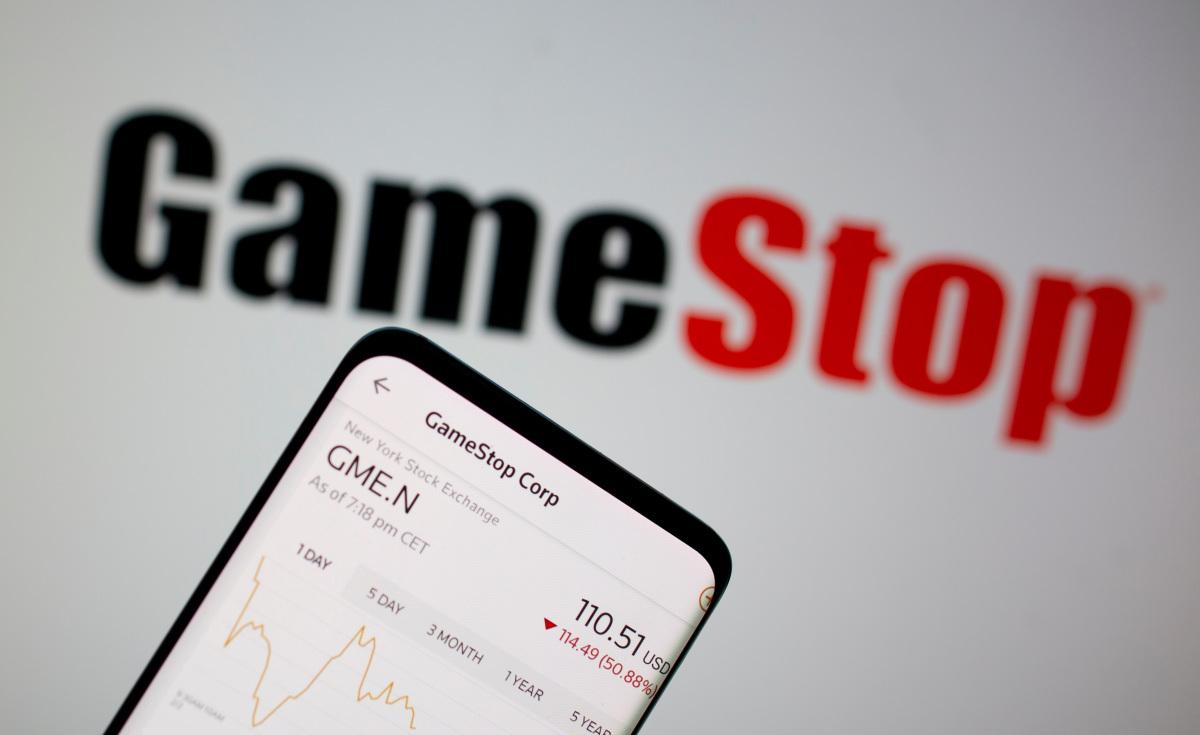
NEW YORK — GameStop Corp. shares fell modestly Monday, closing at $21.36 after declining 16 cents, or 0.74 percent. The video game retailer’s stock movement reflected broader market dynamics while maintaining attention from retail investors who have followed the company closely in recent years.
Trading volume for GameStop remained elevated compared to typical sessions for similar companies. This activity underscores continued interest from individual investors despite the stock’s distance from previous meme-driven peaks. Market participants monitored the stock alongside other consumer discretionary names as economic indicators influenced sentiment.
GameStop has experienced significant volatility since gaining prominence through coordinated retail trading activity. The company’s transformation efforts under new leadership have included cost-cutting measures and exploration of digital initiatives. However, challenges in the traditional brick-and-mortar retail environment persist amid shifting consumer preferences toward digital downloads and subscription services.
The session’s decline occurred within a relatively stable broader market. Technology and consumer stocks showed mixed performance as investors assessed corporate earnings and economic data. GameStop’s movement appeared driven more by company-specific factors and trader sentiment than sector-wide trends.
Analysts have offered varied assessments of GameStop’s prospects. Some highlight potential in e-commerce expansion and collectibles while others express caution about long-term viability in a rapidly evolving gaming landscape. The company’s cash position provides some flexibility for strategic initiatives, though revenue pressures remain.
Retail investor communities continue discussing GameStop as a symbol of individual participation in markets. Online forums and social media platforms feature ongoing analysis of trading patterns and company developments. This attention contributes to periodic volatility spikes unrelated to fundamental changes.
GameStop’s business model has adapted over time. Physical store locations now emphasize experiential retail and merchandise alongside traditional game sales. The company has explored partnerships and technology investments to enhance customer engagement. Management has emphasized operational efficiency while seeking growth opportunities.
Quarterly results have shown mixed outcomes. Cost reductions have improved margins in some periods while sales face pressure from industry trends. Executives have communicated focus on sustainable profitability and shareholder value. Future guidance will likely influence investor expectations.
The stock’s history of dramatic price swings has made it a case study in market dynamics. Short interest and options activity often intensify during periods of heightened discussion. Regulatory oversight continues examining trading patterns to ensure market integrity.
Broader video game industry trends affect GameStop’s performance. Console cycles, major title releases and competitive pressures from digital platforms shape revenue opportunities. The company positions itself as a destination for enthusiasts seeking physical products and community experiences.
Institutional ownership has fluctuated as the stock’s profile evolved. Some funds maintain positions based on valuation assessments while others avoid volatility associated with meme stocks. Retail participation remains a significant factor in daily trading.
GameStop’s leadership has implemented strategic reviews to enhance competitiveness. Initiatives include store optimization, e-commerce improvements and potential new revenue streams. Success depends on execution amid challenging industry conditions.
Consumer behavior shifts toward digital content present ongoing challenges for physical retailers. GameStop has responded by diversifying offerings and enhancing in-store experiences. Loyalty programs and events aim to build customer relationships beyond transactions.
The stock’s current valuation reflects market assessments of future cash flows and growth potential. Analysts employ various models to project performance under different scenarios. Consensus estimates suggest cautious optimism pending concrete progress on strategic goals.
Trading patterns for GameStop often diverge from broader market movements. This characteristic attracts traders seeking unique opportunities while presenting risks for long-term investors. Volatility measures remain elevated compared to traditional retail stocks.
Company announcements and earnings releases typically generate significant attention. Management communications focus on operational improvements and customer engagement metrics. Transparency about challenges and opportunities helps inform investor decisions.
The retail trading phenomenon surrounding GameStop highlighted individual investors’ growing influence. Coordinated activity through social platforms demonstrated new market dynamics. Regulatory responses have aimed to address potential risks while preserving market access.
GameStop maintains its position as a notable name in consumer retail. Its evolution reflects broader industry changes while preserving core gaming focus. Future success depends on adapting to technological shifts and consumer preferences.
Market observers continue monitoring GameStop for signs of strategic progress. The stock’s performance serves as one indicator among many assessing retail sector health. Broader economic conditions will likely influence results in coming quarters.
As trading concluded at $21.36, GameStop shares reflected ongoing market assessments. The modest decline fit within recent trading ranges. Investors await further developments regarding strategic initiatives and industry trends.
The session demonstrated typical market complexities where individual stocks respond to unique factors. GameStop’s movement highlighted continued retail investor engagement alongside institutional analysis. Future sessions may bring additional volatility or stability depending on catalysts.
Overall, GameStop’s position illustrates challenges and opportunities in evolving retail landscapes. The company’s efforts to adapt while maintaining relevance continue drawing attention from various market participants.

SlateStone Wealth chief market strategist Kenny Polcari discusses whether investors are too dependent on AI, Space X’s IPO and his outlook for the markets on ‘Varney & Co.’
Microsoft CEO Satya Nadella issued a warning that the tech giants competing in the AI race need to ensure they advance the emerging tech in a way that’s palatable to the public.
Nadella said in an interview with The Wall Street Journal that the handful of companies at the forefront of the AI race calling for large amounts of resources to expand may not make a compelling case to the public alongside concerns about the safety of AI and its workforce impact.
“You can’t say, hey, all white-collar jobs are gone and this could even be a weapon and we will use all the power to build data centers,” Nadella told the Journal.
He added that he doesn’t think the public will tolerate a few AI models and companies “doing all of the learning for the world.”
APPLE CEO SAYS PRICE HIKES ARE ‘UNAVOIDABLE’ AS RISING CHIP COSTS SQUEEZE TECH GIANT: REPORT

Microsoft CEO Satya Nadella said AI leaders need to get societal buy-in amid concerns about AI’s impact on the workforce and safety implications. (Chona Kasinger/Bloomberg via Getty Images)
Nadella went on to say that corporate leaders who view AI as a means to eliminate jobs and reduce costs are looking at the technology wrong, saying they should instead be thinking about “reorganizing the job” to better leverage their workers’ abilities. The Microsoft CEO said that companies need to have both human capital and in-house AI capabilities he referred to as “token capital.”
That can serve as a “recipe” for how firms across the economy can harness both AI and workers, though he acknowledged that “it’s a lot of change management, it’s a lot of displacement, but there is a path.”
The combination of knowledge derived from humans and AI can create a “continuous learning system” and the character of companies will be defined by the “tacit knowledge that they contain” from both sources,” Nadella added.
TRUMP ADMIN SAYS ANTHROPIC’S ‘RECKLESSNESS’ TRIGGERED EXPORT CONTROLS ON LATEST AI MODELS
| Ticker | Security | Last | Change | Change % |
|---|---|---|---|---|
| MSFT | MICROSOFT CORP. | 367.34 | -12.06 | -3.18% |
He added that companies will have to take tangible steps to persuade the public and workforce about the economic opportunities ahead, as narratives alone won’t be sufficient.
“No amount of just narrative is going to do it because where we are now, we have to sort of walk the walk,” Nadella told the Journal. “We now have to do the hard work in earning the social permission.”
Microsoft has recently pivoted in the AI race to offer a suite of low-cost models that aim to reduce prices for customers, as many face mounting bills amid the push to implement AI tools into operational tasks.
MARK ZUCKERBERG ADMITS META HAS ‘MADE MISTAKES’ AS AI OVERHAUL RESHAPES 20% OF ITS WORKFORCE: REPORT

Microsoft is looking at new ways to market lower cost AI tools through its Copilot platform. (Cesc Maymo)
The move aims to shift the focus of the AI rollout from the makers of frontier models to commoditizing models by offering them through its Copilot platform.
Microsoft is a longtime partner of ChatGPT-maker OpenAI, though the companies recently reached an agreement to allow OpenAI to work more deeply with other tech firms, while it also secured a deal with Anthropic last year.
GET FOX BUSINESS ON THE GO BY CLICKING HERE
Axios previously reported that Microsoft was weighing offering a version of the Chinese model DeepSeek on Copilot.

Why Every Growing Business Needs a Strong Workplace Fire Safety Strategy

Crypto PAC Fairshake deploys $8M weapon in primary fights

Manchester City Close to Appointing Enzo Maresca as New Manager

No Jackpot Winner as $257 Million Prize Rolls Over to $269 Million Monday Draw

Blockchain.com files with SEC for U.S. IPO

Israel says it has killed new Hamas military leader in Gaza City airstrikes

Humanity still exists.. @johnmalek3 #humanity #dream #success #giveaway #lifestyle #money #shorts

Manishi & Nilu | Five Million Money Drop S4 | Episode 42 | Sirasa TV

Shani Pashupata Homam | Divine Solution for Financial, Family, and Life Problems | #Vedamandir #H…
-

 Fashion3 days ago
Weekend Open Thread: Miami – Corporette.com
-
 Tech6 days ago
The Adder At The Heart Of Intel’s 8087 FPU
-

 Entertainment2 days ago
Renter of Home in Anne Heche Crash Denies Settlement With Son
-

 Tech9 hours ago
Microsoft accidentally kills epic Outlook email threads
-

 Business2 days ago
Soccer-U.S. defends Iran World Cup travel restrictions, says discussions ongoing
-
 Business3 days ago
Wall Street Week Ahead: Investors see Micron earnings as pulse check of AI rally momentum
-

 Politics4 days ago
BBC Reporter Discusses Cross Party Criticism Of Trumps Iran Deal
-

 Tech4 days ago
AWS enters the context layer race with a graph that learns from agents, not manual curation
-

 Crypto World3 days ago
HIVE shares jump as $220M AI deal speeds Bitcoin mining pivot
-
 Crypto World2 days ago
Can Charles Hoskinson Really Rescue Cardano?
-

 Crypto World2 days ago
Jake Chervinsky accuses CME of protecting derivatives monopoly
-

 Sports4 days ago
FIFA World Cup 2026: Canada beat 9-men Qatar 6-0 to register first ever win | FIFA World Cup 2026
-

 Business2 days ago
MHP SE 2026 Q1 – Results – Earnings Call Presentation (OTCMKTS:MHPSY) 2026-06-20
-

 Tech1 hour ago
Nearly 7,000 fake Amazon domains registered ahead of Prime Day 2026, researchers warn
-

 Business4 days ago
Brexit cost 6% of UK economy, Bank of England company data suggests
-

 Politics3 days ago
Andy Burnham and the meaning of Makerfield
-

 Crypto World5 days ago
Anthropic’s Dario Amodei Urged AI Unity at G7, Even as US Banned His Models
-

 Crypto World7 days ago
Robinhood opens AI-powered trading to all users, sending HOOD stock past $100
-
 Tech1 day ago
Signal’s Meredith Whittaker says AI chatbots ‘are not your friends’ and calls Copilot agents a backdoor
-

 Tech5 days ago
Weeks Of In-The-Field Testing And A Verdict
You must be logged in to post a comment Login