
Business
Dr. David Borenstein Discusses How Personalized Longevity Medicine Helps Patients Optimize Health at Every Stage of Life


As more people seek ways to stay healthy and independent well into later life, personalized longevity medicine has emerged as a proactive approach that focuses on preventing disease rather than simply treating it. Patients searching for David Borenstein MD founder of Manhattan Integrative Medicine of South Florida are often looking to understand how this model differs from conventional healthcare and why an individualized strategy may lead to better long-term health.
Dr. David Borenstein, founder of Manhattan Integrative Medicine, believes longevity medicine begins by listening to patients and understanding the complete picture of their health. His approach combines traditional medicine with functional medicine, nutrition, hormone optimization, lifestyle medicine, advanced laboratory testing, and continuous monitoring to identify the underlying factors that influence aging and chronic disease.
Instead of waiting for illness to develop, Dr. Borenstein focuses on helping patients improve their healthspan, the years of life spent enjoying good physical, cognitive, and metabolic health.
What Is Personalized Longevity Medicine?
Personalized longevity medicine is a data-driven approach that seeks to optimize health before disease develops. Rather than focusing solely on treating symptoms, it evaluates the biological processes that influence how each individual ages.
According to Dr. Borenstein, longevity medicine is centered on extending healthspan by identifying risks early, optimizing body function, and addressing the root biological mechanisms associated with aging. Unlike traditional medical care, which often reacts to illness after symptoms appear, longevity medicine emphasizes prevention, personalization, and continuous monitoring.
This philosophy closely aligns with root cause medicine. Instead of asking, “What medication treats this symptom?” physicians ask, “Why is this happening in the first place?”
Why Personalized Medicine Is Different
No two people age the same way.
Two individuals with similar medical histories may have completely different nutritional deficiencies, hormone levels, inflammatory markers, metabolic profiles, or lifestyle factors contributing to their health.
That is why Dr. Borenstein believes longevity medicine cannot rely on one-size-fits-all protocols. Each treatment plan is built around comprehensive data analysis, advanced diagnostics, targeted lifestyle modifications, and regular reassessment as patients progress.
His philosophy is equally rooted in listening. Understanding a patient’s symptoms, goals, and overall health serves as the foundation for creating an individualized care plan rather than treating isolated conditions independently.
What Tests Are Performed During a Longevity Evaluation?
A longevity evaluation goes well beyond a routine annual physical.
Depending on the patient’s medical history and goals, a comprehensive assessment may include:
- Comprehensive blood testing
- Nutrition and vitamin analysis
- Thyroid optimization assessment
- Testosterone optimization evaluation
- Inflammation testing
- Blood glucose and metabolic health markers
- Cholesterol and triglycerides
- Cardiovascular risk factors
- Sleep assessment
- Lifestyle evaluation
- Body composition measurements
Rather than generating isolated laboratory values, these results help physicians understand how different body systems interact.
The objective is to identify small imbalances before they contribute to more significant health problems.
How Functional Medicine Improves Long-Term Health
Functional medicine examines how multiple biological systems influence overall wellness.
Instead of treating one diagnosis at a time, functional medicine evaluates how nutrition, hormones, inflammation, metabolism, stress, sleep, and lifestyle affect each other.
Dr. Borenstein integrates these principles into traditional medical care by combining evidence-based medicine with individualized nutrition plans, targeted supplementation, hormone optimization when appropriate, exercise guidance, and continuous monitoring.
The goal is not simply to manage disease but to improve overall function and reduce future health risks.
The Foundation of Healthy Aging
Successful longevity medicine depends on several interconnected pillars.
Nutrition for Longevity
Nutrition supplies the building blocks for cellular repair, immune function, hormone production, and metabolic health. Personalized nutrition recommendations recognize that dietary needs vary based on laboratory findings and individual health goals.
Exercise for Longevity
Regular physical activity helps preserve muscle mass, improve cardiovascular health, increase insulin sensitivity, and support cognitive function. Exercise also plays an important role in maintaining independence as people age.
Sleep and Stress Management
Quality sleep allows the body to repair tissues, regulate hormones, and support brain health. Chronic stress, meanwhile, may contribute to inflammation, metabolic dysfunction, and reduced immune function.
Hormone Optimization
Hormones influence energy levels, metabolism, mood, muscle strength, and overall quality of life.
When clinically appropriate, testosterone optimization and thyroid optimization may become valuable components of a personalized treatment plan. However, Dr. Borenstein emphasizes that hormone therapy works best when combined with improvements in nutrition, exercise, sleep, and stress management rather than being viewed as a standalone solution.
Why Inflammation Matters for Healthy Aging
One of the most important goals of personalized longevity medicine is identifying chronic inflammation before it contributes to long-term disease.
Persistent inflammation has been associated with cardiovascular disease, insulin resistance, metabolic dysfunction, cognitive decline, and impaired immune function.
Inflammation testing can help physicians understand how lifestyle, nutrition, hormones, and other biological factors are affecting overall health.
Rather than suppressing inflammation alone, root cause medicine focuses on addressing the factors contributing to it.
A Personalized Care Example
Every patient requires an individualized treatment strategy, and outcomes vary based on each person’s health status and medical needs.
Dr. Borenstein recalls one patient who presented with multiple chronic conditions, including high blood pressure, elevated cholesterol, diabetes, sleep apnea, and excess weight. The patient hoped to improve his health through a more natural approach while avoiding statin therapy and blood pressure medication if appropriate.
Rather than focusing on the diagnoses alone, Dr. Borenstein ordered a comprehensive blood panel.
The evaluation identified several additional issues, including nutritional deficiencies, low thyroid function, low testosterone levels, and elevated inflammatory markers.
Using those findings, he developed a personalized treatment plan that included dietary changes, nutritional supplements, and selected medications to improve thyroid and testosterone function.
Approximately six months later, the patient had lost 35 pounds while experiencing improvements in cholesterol, triglycerides, blood sugar, blood pressure, vitamin levels, thyroid function, and testosterone measurements. According to Dr. Borenstein, these improvements occurred while using diet, supplements, and minimal medications.
While this represents one individual’s experience and not a guaranteed outcome, it illustrates how comprehensive evaluation can uncover multiple underlying contributors to poor health that may otherwise remain undetected.
Why Doesn’t One Treatment Work for Everyone?
Personalized healthcare recognizes that every patient has a unique combination of genetics, lifestyle, metabolism, hormones, nutrition, inflammation, and environmental influences.
Because those variables differ, effective treatment plans must also differ.
Instead of following standardized protocols, longevity medicine uses continuous monitoring and objective biological data to refine recommendations over time.
Frequently Asked Questions
What is personalized medicine?
Personalized medicine creates healthcare strategies based on an individual’s biology, laboratory results, symptoms, lifestyle, and health goals rather than using identical treatments for every patient.
How does functional medicine improve long-term health?
Functional medicine seeks to identify and address the underlying biological factors contributing to illness while integrating nutrition, lifestyle medicine, conventional care, and targeted therapies.
What causes accelerated aging?
According to Dr. Borenstein, many people incorrectly believe genetics determine most of their lifespan. He notes that lifestyle choices play a far greater role in healthy aging than many patients realize, making nutrition, exercise, sleep, stress management, and preventive care essential components of longevity medicine.
Can hormone optimization improve quality of life?
For appropriately evaluated patients with documented deficiencies, hormone optimization may support energy, muscle health, metabolism, cognitive function, and overall well-being as part of a broader personalized healthcare plan.
Why is inflammation important for healthy aging?
Inflammation can influence cardiovascular health, metabolic health, immune function, and cognitive performance. Measuring inflammatory markers may help identify opportunities for early intervention before chronic disease develops.
A Growing Interest in Personalized Healthcare
Interest in personalized longevity medicine continues to grow as patients become more informed about preventive medicine and healthy aging. Dr. Borenstein believes greater access to health information through the internet and artificial intelligence will encourage more people to seek proactive care that helps them remain active and independent throughout life.
For those researching David Borenstein MD reviews or David Borenstein MD Manhattan Integrative Medicine of South Florida, his philosophy is consistent throughout his practice: listen carefully, evaluate comprehensively, identify the root causes affecting health, and develop individualized treatment plans that help patients optimize their health at every stage of life.


U.S. Treasury Secretary Scott Bessent announces sweeping financial penalties against Iran on ‘The Big Money Show.’
The U.S. Treasury Department announced a new round of secondary sanctions Monday aimed at countries that continue to do business with Iran, a move by the Trump administration to exact “economic asphyxiation” on Tehran.
Treasury Secretary Scott Bessent announced the launch of Operation Economic Outcast, an effort to sever the financial lifeline that sustains Iran’s regime, which the United States has accused of using illicit revenues to fund global terrorism.
“Iran now faces a very clear choice, with only two paths before them: complete global isolation and a subsistence economy, or a path back to normalcy with an opportunity to rejoin the global economy,” Bessent said during a news conference.
TRUMP’S IRAN CRACKDOWN ‘SUFFOCATING’ REGIME AS OIL WELLS COULD SHUT WITHIN DAYS, BESSENT SAYS

Treasury Secretary Scott Bessent announced Operation Economic Outcast on Monday, an effort by the Trump administration to pressure nations into severing economic ties with Iran. (Chip Somodevilla/Getty Images)
The aggressive strategy, labeled as an “Economic D-Day,” targets critical industries such as Iran’s digital assets, technology, gold, aviation and shipping in an effort to eliminate the revenue streams that fund international terrorism, Bessent said. The Trump administration will implement secondary sanctions to pressure nations into severing ties with Tehran, while simultaneously blacklisting nearly 60 people, businesses and vessels involved in illicit trade.
President Donald Trump was speaking with several world leaders, asking them for unspecified assistance in helping to tighten the economic rope around Iran, Bessent said.
“We are following his calls up with visits and calls from the State Department and from the U.S. Treasury, telling the leaders, the countries and the entities exactly what we expect and the timelines,” he said. “I would expect that very quickly. If they do not respond, then you will see the ramifications of their actions.”

Iran flag in rubble and debris in Tehran. (Atta Kenare/AFP via Getty Images)
The secondary sanctions will not be implemented right away, Bessent said, describing his announcement as a “warning shot” to nations thinking of doing business with Iran.
“We are giving everyone the opportunity to remedy bad behavior,” he said. “Why would I want to blow up the global financial system? We believe that it is important to level set and give people a cure, period. But they should know that that will move very quickly and that we are serious.”
“Treasury has mapped every node, every facilitator and every network that Iran has used to smuggle oil and evade sanctions. Beginning today, the actions of Treasury and other agencies will tighten the noose and block every potential source of revenue that funds the IRGC and the evil Iranian regime,” he added.
TRUMP CLAIMS IRAN ‘STARVING FOR CASH,’ ‘COLLAPSING FINANCIALLY’ AFTER EXTENDING CEASEFIRE

Treasury Secretary Scott Bessent said roughly $1 billion in Iranian cryptocurrency assets has been seized by the U.S. Treasury Department. (Getty Images)
Iran has faced U.S. sanctions for decades, which have been aimed at curtailing a range of sectors in Tehran’s economy, including its oil revenues, as well as its ability to acquire weapons and other military equipment and cutting off funding for business enterprises controlled by the Islamic Revolutionary Guard Corps, Reuters previously reported.
In May, Bessent announced that the U.S. had seized roughly $1 billion in Iranian cryptocurrency assets.
Last week, Trump threatened “unprecedented” economic consequences for any nation assisting Iran, which he likened to an “economic D-Day.”
“I am also announcing that ANY country that allows its financial institutions, businesses, airports, or government entities to provide any type of lifeline to Iran will itself face TREMENDOUS Economic Consequences,” he wrote on Truth Social at the time.
“Oil smuggling, swap lines, cash transfers, exchange houses, ship registries, front companies — It all needs to stop NOW,” he continued. “You know who you are. This will be an ECONOMIC D-DAY, and we need all of our Allies to stand with the United States of America to isolate, and defeat, the Iran threat. These maniacs are on the ropes, and these HISTORIC MEASURES will cripple them and their ability to project terror worldwide.”
‘The Big Money Show’ panel breaks down Iran’s deepening crisis as economic collapse, oil pressure, and President Donald Trump’s strategy intensify amid growing fears of unrest and nuclear escalation.
GET FOX BUSINESS ON THE GO BY CLICKING HERE
Bessent warned nations doing business with Tehran, noting that no one is above the reach of U.S. sanctions.
“No nation should expect to enjoy the rewards of our system while helping those who seek to destroy it,” he said. “It is now a time for world leaders to make a decision between prosperity and isolation, peace and terror, America and Iran. The campaign we begin today will gather force with every day that follows, and it will not end until this regime stands alone.”
Business
(VIDEO) Indie Hit How to Fish Sells 1 Million Copies in Two Days as Quirky Fishing Craze Takes Over Steam

A low-priced co-op fishing game with an unusual arsenal of weapons has become one of Steam’s standout releases of the week, selling 1 million copies in just two days after launch.
How to Fish, the debut title from developer Dazed Games, arrived on Steam on Aug. 20 and quickly climbed the platform’s top sellers list. The studio announced the sales milestone shortly afterward, confirming the game had reached 1 million units sold within 48 hours. Concurrent player counts peaked near 268,000, according to tracking data, placing it among the most-played titles on the service during its opening weekend despite competition from higher-profile releases.
The game is priced at $7.99, with a 38 percent launch discount bringing the cost to $4.95 through late August. That accessible price point, combined with short session times and strong multiplayer appeal, has helped drive rapid adoption. Steam reviews have been strongly favorable, with the title earning a “Very Positive” rating based on roughly 12,000 user assessments in its first days.
How to Fish casts players as a group of friends who crash their boat onto an island and must catch, kill and sell fish to earn money for upgrades that will eventually get them home. While the core loop involves casting a line and reeling in catches, the game expands the concept with a wide range of weapons and tools. Players can dispatch fish with brass knuckles, submachine guns, dynamite and other implements. A killscore multiplier rewards impressive or inventive methods of taking down the catch, increasing its sale value.
Progression moves players to new islands featuring more difficult creatures and tougher boss encounters. The straightforward cycle of fishing, eliminating the catch, selling it and reinvesting the proceeds supports both casual sessions and longer co-op runs. The game supports multiplayer for small groups, fitting the growing category of affordable, physics-driven party titles sometimes described as “friendslop” for their emphasis on shared, often chaotic entertainment rather than complex systems or competitive balance.
Dazed Games has already released multiple patches addressing bugs and making balance adjustments. In its Steam announcement of the sales figure, the studio offered a concise update on future plans: “Yes, we’ll be adding more content! Yes, we’ll be fixing bugs!”
The success arrives amid a broader wave of inexpensive multiplayer games that prioritize approachable mechanics, short play sessions and social humor. Titles in this space often gain traction through streaming and short-form video clips that highlight unexpected physics interactions or group failures. How to Fish’s combination of fishing with over-the-top weaponry and trick-shot scoring appears well suited to that discovery path.
Early player feedback has highlighted the contrast between the game’s relaxed premise and its more aggressive options for dealing with fish. The ability to no-scope or punch catches, then sell them for higher returns based on the spectacle of the kill, has become a recurring point of discussion. Boss fights add challenge that can stretch sessions beyond the basic loop, while the boat-upgrade goal provides a light narrative frame for the progression.
The launch timing placed How to Fish against several anticipated titles, including major betas and sequels. Its ability to claim a prominent position on the top sellers chart and sustain high concurrent numbers demonstrates the continued strength of the indie multiplayer segment on Steam. Affordable pricing reduces the barrier for groups of friends to buy in together, while the short learning curve encourages repeated sessions.
Industry observers have noted that such games often benefit from rapid iteration after launch. Dazed Games’ early patches suggest an intent to stabilize the experience quickly while players are still discovering the title. The promise of additional content leaves open the possibility of expanded maps, new weapons, creatures or modes that could extend the game’s lifespan beyond the initial surge.
How to Fish joins a lineage of physics-based multiplayer experiments that have found large audiences by leaning into absurdity and shared laughter. Its specific blend of fishing simulation, combat tools and score multipliers distinguishes it within that category. The high concurrent peaks indicate that many players are not only purchasing the game but actively playing it in groups during the launch window.
As the introductory discount period continues, the studio faces the typical post-launch challenges of managing servers, addressing remaining technical issues and deciding which features to prioritize next. The 1 million sales figure provides a strong foundation for further development, though sustaining interest will depend on the quality and frequency of updates.
For now, How to Fish stands as a clear example of how a focused concept, low price and multiplayer design can generate outsized results on digital storefronts. What began as a quirky fishing simulator has become a mainstream Steam success story in a matter of days, drawing players with the simple promise of catching fish by any means necessary and turning those catches into a ticket home.
The coming weeks will reveal whether the early momentum translates into longer-term engagement or remains a concentrated launch phenomenon. Dazed Games has signaled that more content and fixes are on the way. In the meantime, the combination of positive reviews, high player counts and rapid sales has secured How to Fish a prominent place in the current conversation around indie multiplayer games.


JR Research is an opportunistic investor. I was recognized by TipRanks as a Top Analyst, and also by Seeking Alpha as a “Top Analyst To Follow” for Technology, Software, and Internet, as well as for Growth and GARP. I identify attractive risk/reward opportunities supported by robust price action to potentially generate alpha well above the S&P 500. My picks have consistently demonstrated market outperformance over time. My approach combines timely and sharp price action analysis with fundamentals as my foundation. I also tend to avoid overhyped and overvalued stocks while capitalizing on battered stocks with significant upside recovery possibilities. I run the investing group Ultimate Growth Investing which specializes in identifying high-potential opportunities across various sectors. My main ideas revolve around stocks with strong growth potential, and also well-beaten contrarian plays. I designed the group for investors seeking to capitalize on growth stocks with solid fundamentals, robust buying momentum, and appealing turnaround plays to generate alpha consistently. Learn more
Analyst’s Disclosure: I/we have no stock, option or similar derivative position in any of the companies mentioned, and no plans to initiate any such positions within the next 72 hours. I wrote this article myself, and it expresses my own opinions. I am not receiving compensation for it (other than from Seeking Alpha). I have no business relationship with any company whose stock is mentioned in this article.
Seeking Alpha’s Disclosure: Past performance is no guarantee of future results. No recommendation or advice is being given as to whether any investment is suitable for a particular investor. Any views or opinions expressed above may not reflect those of Seeking Alpha as a whole. Seeking Alpha is not a licensed securities dealer, broker or US investment adviser or investment bank. Our analysts are third party authors that include both professional investors and individual investors who may not be licensed or certified by any institute or regulatory body.

The OFS will open first for non-retail investors on Tuesday, August 25, 2026. Bidding for this category will start at 9:15 am and close at 3:30 pm on the same day. Allocation for regular bids is expected to be confirmed around 7 pm on August 25 through contract notes. Retail investors will be able to bid on Wednesday, August 26.
Settlement and credit of shares for all successful bids are expected on or around Thursday, August 27, 2026. This includes bids by non-retail and institutional investors with 100% upfront margin, institutional investors with zero upfront margin, carry-forward bids, and retail investor bids. Allocation for carry-forward bids is expected to be confirmed around 7 pm on August 26 through contract notes.
The issue includes a 10% reservation for retail investors, while 25,000 shares have been reserved for eligible employees.
The transaction is part of the government’s disinvestment programme and will help increase public shareholding in the state-run copper miner. Hindustan Copper is under the Ministry of Mines and is India’s only vertically integrated copper producer.

The base offer will allow the government to divest 3% equity. If demand is strong, the government can use the green shoe option and sell an additional 3%, taking the total stake sale to 6%.
An offer for sale allows promoters of a listed company to sell shares through the stock exchange platform. In this case, the promoter is the Government of India. Retail investors can bid under the reserved portion, while institutional and non-retail investors will take part under the broader OFS framework.The OFS comes after a strong June quarter for Hindustan Copper. The company reported profit before tax of Rs 472 crore for the quarter ended June 2026, up around 163% from the same period last year. Profit after tax stood at Rs 353 crore, also up around 163%. Revenue from operations rose 81% to Rs 936 crore from Rs 516 crore a year earlier.
The company has also been working on mine expansion. Hindustan Copper said it has intensified monitoring of expansion projects and is targeting ore production capacity of 12.2 million tonnes per annum by 2030. It is also making progress on reopening closed mines in Jharkhand, acquiring new mines in Chhattisgarh and Madhya Pradesh, and pursuing mine exploration in Chile.
Copper demand has become a key long-term theme because of electric vehicles, renewable energy, power infrastructure and data centres. The transition towards renewable energy and electric mobility, along with AI-led infrastructure and decarbonisation policies, is expected to support copper demand in the coming years.
Hindustan Copper shares will also be in focus as the OFS opens, with investors tracking the discount to the market price, institutional demand and retail participation.
Business
Y Combinator sells Meesho shares worth Rs 970 crore in block deals; Morgan Stanley, Goldman Sachs, Citigroup among buyers

According to NSE block deal data, Y Combinator Continuity Holdings I LLC sold 2,30,27,687 Meesho shares, while YCS16 Holdings LLC sold 2,06,03,720 shares. YCVC Fund I L.P. sold another 48,47,934 shares. All three transactions were executed at Rs 200.01 per share, about 2.47% below Meesho’s NSE closing price of Rs 205.07.
Together, the three entities sold 4,84,79,341 Meesho shares for approximately Rs 969.71 crore.
On the buying side, Nippon India Mutual Fund bought 1,00,00,002 shares, the largest single purchase disclosed in the block deal data. HDFC Standard Life Insurance Company Ltd bought 75,00,003 shares, while Edelweiss Mutual Fund purchased 34,70,553 shares.
Other marquee buyers included Franklin Templeton Mutual Fund, which bought 25,00,001 shares; Societe Generale, which bought 23,75,002 shares; Integrated Core Strategies (Asia) Pte. Ltd., which bought 17,50,002 shares; and Morgan Stanley Asia Singapore Pte., which reported two purchases of 12,58,752 shares and 17,00,002 shares.
ALSO READ:Sebi introduces IT Resilience Index for market infrastructure institutions: Here’s what you need to know
Goldman Sachs Bank Europe SE bought 14,25,002 shares, while Goldman Sachs Investments Mauritius I Limited purchased 12,50,002 shares. Citigroup Global Markets Mauritius Private Limited bought 15,00,002 shares, showed the exchange data.AAGAM Investments, Bajaj Life Insurance Limited, Viridian Asia Opportunities Master Fund, BNP Paribas Financial Markets, BofA Securities Europe SA, Canara Robeco Mutual Fund, Franklin Templeton Investment Funds – Franklin India Fund, Ghissallo Master Fund LP, HSBC Mutual Fund, Kotak Securities Limited, Kuwait Investment Authority and Robeco Capital Growth Funds were among the other buyers.
Meanwhile, Meesho shares ended Monday’s session at Rs 205.07 apiece on the NSE, down Rs 0.62, or 0.30%, from the previous close of Rs 205.69 per share. The stock opened at Rs 207.24 and moved between an intraday high of Rs 212.65 and a low of Rs 201.50.
(Disclaimer: Recommendations, suggestions, views and opinions given by the experts are their own. These do not represent the views of Economic Times)

The housing market in Austin, Texas, has some of the strongest demand in the country and Dillar Schwartz, an eXp real estate agent in the area, explains the local market conditions for homebuyers and renters.
Homebuyers and renters around the country are facing a challenging landscape in terms of affordability, and a recent report identified seven markets where conditions make renting a significantly more affordable option than buying.
An analysis by Apartments.com identified the cities of Austin, Texas; Sacramento, California; Denver, Colorado; Portland, Oregon; Baltimore, Maryland; Salt Lake City, Utah; and Orlando, Florida, as metro areas where the average monthly rent is noticeably lower than the median monthly mortgage payment.
The two markets that top the list, Austin and Sacramento, shared the distinction of having average rents that are more than $1,000 lower than the median monthly mortgage payments.
Austin’s median monthly mortgage payment is $2,475, while the average monthly rent was $1,421, leading to a difference of $1,054. In Sacramento, the median monthly mortgage payment is $2,621 compared to an average rent of $1,579 per month, giving renters a $1,042 edge in affordability.
DALLAS EMERGES AS MAGNET FOR WEALTHY BUYERS AS HIGH TAXES WEIGH ON LUXURY MARKETS, BROKER SAYS

Sacramento and Austin were the two markets with the largest difference between the cost of buying a home and renting. (David Paul Morris/Bloomberg via Getty Images)
Dillar Schwartz, an eXp real estate agent based in Austin, told FOX Business in an interview that the housing market in central Texas remains very active for both homebuyers and renters.
“We have seen an uptick in rental leads and rental inquiries, and right now, they’re across the board. They’re relocating, they’re wanting to try different subdivisions. They’re moving here for work, and there’s not one big industry that’s moving people here,” Schwartz said.
“In terms of buyers and sellers, I’m seeing more first-time homeowners come through. We’re seeing a lot of the renters who inquired, and we helped find homes about two years ago, they’re now working on getting into homeownership,” she explained, noting that there’s a “really nice mix of sellers” with listings across price points.
“There’s a nice blend. However, I feel like this blend didn’t happen until about four or five months ago – there were a lot of people just on the sidelines,” she added.
SLOWING LABOR MARKET CREATES NEW HURDLE FOR FIRST-TIME HOMEBUYERS FACING AFFORDABILITY SQUEEZE
For prospective homebuyers and renters looking to move to the Austin area, Schwartz said one of the first questions her practice likes to address is the cash reserves the home shoppers have available given the costs.
“Right now, due to Texas insurance, property taxes and the rates being high, the cost right out the gate to get in a home without even discussing a down payment is fairly high, and that trickles into the monthly payments,” Schwartz said.

The area around Austin, Texas, remains in high demand for renters and homebuyers. (Rick Kern/Getty Images)
She said that while prices in Austin have fallen, those costs are “really starting to shock buyers once they have that conversation with a lender,” adding that while rental rates are also lower, they can face a financial hurdle in getting into an apartment.
Schwartz said that for an apartment renting at about $2,000 a month, the prospective renter would need to be able to cover not only that first month’s rent but also a deposit of around $2,000, plus application fees and background checks that may run around $100 per person.
“When you add all of those costs, the average renter is going to need about $5,000 cash as well to make that move,” she said, noting that can jam consumers in certain situations.
THESE ARE AMERICA’S HOTTEST HOUSING MARKETS – SEE WHICH AREAS MADE THE LIST
Schwartz said in most of central Texas, which her practice covers, “we can find you a place that’s a little bit more affordable to rent than to purchase right now.”
The Austin real estate market has solid levels of housing inventory available for both would-be homebuyers and renters, with the region having taken steps to ease regulatory barriers to increasing the supply of housing in recent years.

Texas has taken steps to ease regulatory barriers to increase housing inventory. (Joshua Lott/Bloomberg via Getty Images)
Schwartz said the city recently added a new position to its permitting department that aims to expedite the process faced by homebuilders and people flipping homes, as well as allowing more infill development on lots to increase the number of homes.
“In Austin right now, if you truly do need to buy a home and want to invest in yourself and start building that wealth, all it takes is time and patience by working with a true professional – there are deals out there,” Schwartz said.
GET FOX BUSINESS ON THE GO BY CLICKING HERE
The same holds true for renting, she added, noting that demand remains strong and that renters are still going to need cash available to get into a property.
“The opportunity is there. The Austin market just takes a little bit more time and patience to navigate,” she said.

HMRC is reviewing around 45 million PAYE accounts to identify people who have paid too much or too little income tax, with P800 tax calculation letters already being issued and checks continuing until November 2026.
The exercise is the tax authority’s annual PAYE reconciliation, which matches the tax actually deducted from pay over the year against what each employee should have paid. Overpayments are being prioritised, meaning workers who are owed money will be contacted first.
Being told a refund is due, however, does not necessarily mean the money will arrive on its own. HMRC has changed the process for most workers claiming refunds that cover multiple years, and once a claim has been processed they now need to actively request their repayment. The change matters because the money left on the table is already substantial: more than 730,000 tax refunds went unclaimed last year, at an average of £855 each.
The timetable is worth noting for anyone who has not yet heard anything. HMRC’s guidance says tax calculation letters are sent out between June and March of the following tax year, so silence in August is not evidence that a PAYE record is correct.
Why umbrella workers are more exposed
The UK’s estimated 700,000 umbrella workers have particular reason to pay attention. They are taxed through PAYE in the same way as other employees, but they move between assignments and may switch umbrella companies or other PAYE employers more frequently, which makes keeping track of tax codes and HMRC records harder.
HMRC itself says people can pay the wrong amount of tax after finishing one job and starting another, or because they have been put on the wrong tax code. Its own guidance for umbrella employees tells them to keep payslips and to check that the tax and National Insurance deducted matches their personal tax account.
Seb Maley, chief executive of Qdos, an insurance provider for flexible workers, said the UK’s “estimated 700,000 umbrella workers should pay particularly close attention. Moving between assignments and PAYE employers means there can be more changes to keep track of. HMRC itself recognises that starting and finishing jobs can result in people paying the wrong amount of tax. So if you work flexibly, don’t assume your tax position is automatically correct.”
He added: “And crucially, being told you’re owed money by HMRC doesn’t always mean it will simply land in your account. Depending on the circumstances, you may still need to actively claim it. More than 730,000 refunds went unclaimed last year, averaging £855. If you receive a P800, check the figures carefully, follow HMRC’s instructions and make sure you claim anything you’re owed.”
The umbrella sector has been under scrutiny for years, with the Recruitment and Employment Confederation among those urging recruiters to check compliance at the umbrella firms they use, and payroll deductions in the model have repeatedly proved harder for workers to follow than standard employment.
Underpayments and the scam risk
The reconciliation cuts both ways. Where too little tax has been paid, HMRC will usually collect the outstanding amount automatically through PAYE, so an unexpected letter can mean a lower take home figure rather than a cheque. That adjustment reaches the worker through their employer’s payroll rather than through a separate bill, and the checks generating those letters run until November.
There is also a fraud dimension. HMRC has warned that it will never ask customers to claim a refund by replying to a text message or an email, which makes the current round of genuine letters a useful cover for scammers. Anyone contacted out of the blue with an offer to process a rebate should treat it as suspect and go to HMRC’s own channels instead.

Amy Ingham
Amy Ingham is a reporter at Business Matters, covering UK business news with a focus on breaking news, business policy, late payments and insolvency. She joined the magazine in 2026 after completing the NCTJ Diploma in Journalism at Harlow College’s journalism school. Her recent reporting includes British Steel’s nationalisation and its impact on SME suppliers, the decline in late payments by large firms, and Insolvency Service director disqualifications. Reach her at aingham@cbmeg.co.uk.

Bernstein SocGen cuts XPeng stock price target on wider losses

In June, SoftBank sold a 3.25 per cent stake in Lenskart for Rs 2,873 crore.
In the latest transaction, Japan-based SoftBank Group, through its affiliate SVF II Lightbulb (Cayman) Ltd, offloaded a total of 4.5 crore equity shares in 22 tranches, amounting to a 2.58 per cent stake in Gurugram-based Lenskart, as per the block deal data on the BSE.
The shares were sold at an average price of Rs 641.75 apiece, taking the combined deal size to Rs 2,887.87 crore.
The latest transaction brought SoftBank’s holding in Lenskart down to 7.28 per cent from 9.86 per cent, although it remains the second-largest public shareholder in the eyewear firm.
Platinum Jasmine A 2018 Trust, an arm of Abu Dhabi Investment Authority, continues to be the largest public shareholder of Lenskart with a 9.77 per cent stake.
The block deal saw participation from a wide range of institutional investors.Domestic buyers included National Pension System Trust and mutual funds managed by SBI, Edelweiss, Nippon India, Franklin Templeton, HDFC, HSBC, ICICI Prudential, Motilal Oswal and Sundaram.
ICICI Prudential Life Insurance was also among the buyers.
Among foreign investors, financial services company Societe Generale picked up the largest number of shares, acquiring 1,07,35,000 shares, representing a 0.62 per cent stake.
The shares were bought at the same price, taking the value of the transaction to Rs 688.91 crore.
Other foreign investors that lapped up shares of Lenskart included Ghisallo Capital Management, Goldman Sachs, Morgan Stanley, BNP Paribas Financial Markets, Vanguard, Wasatch Global Investors, and Integrated Core Strategies Asia.
Other buyers included Frankfurt-based Universal Investment, Teachers’ Retirement System of the State of Illinois, Pennsylvania Public School Employees’ Retirement System and Kuwait Investment Authority.
Shares of Lenskart Solutions fell 0.28 per cent to close at Rs 659.70 apiece on the BSE.
Business
CNN Down? User Reports Spike for CNN Outages on Downdetector as Viewers Face Live Stream and App Problems

NEW YORK — Outage tracking service Downdetector recorded a rise in user reports of problems with CNN beginning around 12:25 p.m. EDT on Monday, with many viewers describing difficulties accessing live channels, video streams and the network’s mobile app.
The monitoring site posted an update noting that user reports indicated problems with CNN and invited feedback on how the issues were affecting people. Reports concentrated on live television feeds, streaming video and app functionality, according to the breakdown of submitted complaints. A smaller share of users flagged general website access problems.
Downdetector and similar services rely on crowdsourced reports rather than direct monitoring of a company’s servers. Spikes in submissions can signal widespread technical difficulties, localized network issues, high traffic or problems limited to specific platforms or regions. Independent uptime checks from other monitoring tools showed mixed results during the same period, with some registering the CNN website as reachable while user complaints remained elevated on outage maps.
CNN, a major cable news network and digital publisher owned by Warner Bros. Discovery, delivers content through traditional cable and satellite distribution, its website, mobile applications and various streaming platforms. Interruptions to live programming or on-demand video can affect viewers seeking breaking news, analysis or continuous coverage. During periods of high news interest, traffic surges can strain systems and amplify the visibility of any technical problems.
User reports of this type often appear first on social media and specialized trackers before a company issues an official status update. News organizations typically investigate such spikes by examining content delivery networks, content management systems, authentication services and third-party streaming partners. Resolution times vary depending on whether the cause is a software deployment, capacity limit, regional connectivity issue or broader infrastructure event.
In recent years, digital news platforms have invested in redundant systems and content delivery networks to reduce the impact of outages. Even so, complex multi-platform operations that include live video, personalized apps and high-volume websites remain vulnerable to intermittent disruptions. Viewers frequently report problems that affect one access method while others continue to function, such as a cable feed working while an app stream fails, or the website loading slowly on certain devices or networks.
When outage reports rise, consumers are commonly advised to try alternative access points: switching from an app to a web browser, testing a different network connection, clearing app caches or checking whether the issue is confined to a particular device. Cable and satellite subscribers may experience different symptoms from those relying solely on internet-delivered streams. Regional differences can also appear if the problem is tied to a specific content delivery node or internet service provider.
The Monday reports arrived without an immediate public statement from CNN detailing the cause or expected duration. Companies in the media sector sometimes address technical issues through status pages, social media accounts or customer support channels once the scope becomes clear. In the absence of an official confirmation, the volume and geographic spread of user submissions on tracking sites remain the primary public indicator of service health.
Outage trackers such as Downdetector aggregate reports in real time and display heat maps and problem-type percentages. For CNN, the majority of submissions during the elevated period focused on live channel access, followed by video streaming and app-related complaints. Such distributions can help technical teams prioritize investigation, though they do not by themselves confirm a company-wide failure.
News consumption habits have shifted significantly toward digital platforms, making website and app reliability more critical. Live events, election coverage, breaking international developments and weather emergencies all drive sudden increases in concurrent users. Systems designed for average load can face strain under those conditions, leading to buffering, login failures or incomplete page loads that register as outages from the user’s perspective.
Similar spikes have occurred across the media industry when major stories break or when underlying cloud or content delivery providers experience their own issues. Distinguishing between a provider-side problem and a problem specific to one publisher often requires correlation with other services that share the same infrastructure. On Monday, the concentration of reports around CNN suggested the complaints were more targeted than a general internet disruption.
For viewers, temporary workarounds include using alternative news sources, switching devices or waiting for automatic recovery. Persistent problems sometimes resolve after an app update, a forced refresh or a change in network. Cable customers experiencing issues with the linear channel may need to reboot set-top boxes or check signal strength, steps that differ from troubleshooting an internet stream.
The episode highlights the dual nature of modern news delivery. Traditional broadcast and cable distribution continue to serve large audiences, while digital platforms expand reach and enable on-demand viewing. Maintaining consistent performance across both environments requires ongoing investment in capacity, monitoring and rapid response capabilities.
As of the latest available user reports, the elevated complaint volume on Downdetector began in the early afternoon Eastern time and prompted the service to flag potential problems. Whether the underlying cause was a brief technical glitch, a capacity constraint or an issue limited to specific user segments remained unclear without further official information.
Media companies routinely monitor these public indicators alongside their internal dashboards. A surge in external reports can accelerate internal escalation even when automated systems have not yet triggered alerts. Conversely, a high volume of complaints sometimes reflects localized conditions that do not affect the majority of users.
In the broader context of digital media reliability, Monday’s reports fit a familiar pattern: a noticeable uptick in user submissions, public discussion on tracking platforms, and a period of uncertainty until either the problem resolves or the company provides an update. CNN’s multi-platform presence means that any disruption can surface quickly across social media and outage sites, amplifying the visibility of even short-lived issues.
Viewers seeking continuous coverage during such periods often turn to secondary sources or wait for restoration of their preferred access method. The combination of live video demands and high concurrent traffic makes news platforms particularly sensitive to performance variations. Ongoing improvements in content delivery technology aim to reduce the frequency and duration of these incidents, yet complete elimination remains elusive given the complexity of the systems involved.
The Downdetector notice served as an early public signal that some CNN users were encountering difficulties. Subsequent monitoring will determine whether the reports subside quickly or persist long enough to warrant a formal explanation from the network. Until then, the user-generated data remains the most immediate available measure of the situation.

Kai Sotto says ‘huge pressure’ for Gilas vs Jordan, Iran

Sambuca Italian to open at the Riverwalk in Durham

Operation Economic Outcast: US Treasury targets Iran sanctions





-

 Fashion3 days ago
Weekend Open Thread: Madewell – Corporette.com
-

 Business6 days ago
SMA Solar Technology AG (SMTGY) Q2 2026 Earnings Call Transcript
-

 Crypto World3 days ago
anatomy of crypto’s biggest liquidation event since 2021
-

 Business2 days ago
Musk’s Tesla, SpaceX Confirm $16.8 Billion ‘Terafab’ Chip Plant as World’s Largest Building in Texas
-

 Tech7 days ago
Qwen3.8-27B runs frontier-class coding agents and reasoning locally, no cloud API required
-

 Crypto World7 days ago
OCC Greenlights Trump Family Crypto Firm for Trust Charter
-

 Politics2 days ago
6 months on, Irish renters crushed by effects of government housing bill
-
 NewsBeat2 days ago
The ‘Lucky Dip Gang’ causing carnage for clicks: After five thugs were killed speeding in the wrong direction on a motorway, GUY ADAMS investigates a sick new trend… and why police aren’t even allowed to pursue them
-

 Crypto World7 days ago
NAVI Prime launches institutional lending framework on Sui
-

 Tech5 days ago
GLM-5.3 hits the API at $1.4/$4.4 per million tokens
-

 News Videos5 days ago
Don’t Leave Your Financial Future To Chance | August 19, 2026
-
Tech7 days ago
5 Of The Most Reliable Car Brands To Consider If You’re Buying A Used SUV
-
 Crypto World7 days ago
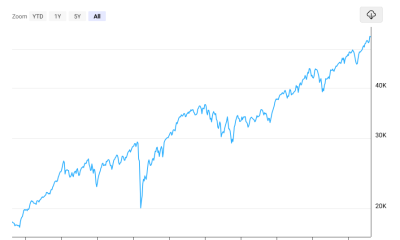
Dow’s 3-Year Winning Run Isn’t a Crash Signal, Still 49% Odds of Double-Digit Gains
-

 Tech7 days ago
Keychron K8 Ultra 8K review: a great value keyboard with comfort issues
-
 Tech7 days ago
Nvidia discloses $21B stake in SpaceX
-

 Business6 days ago
Stock Market Today: Tech Futures Slide As Treasury Yields Jump; Nvidia, Micron, Sandisk Sell Off
-

 Business5 days ago
Marvell Shares Jump 7% as Google Chip Deal Confirms Custom AI Silicon Partnership, Analysts
-

 Business4 days ago
Five Below: Kids Discount Retailer Reaps Rich Rewards
-

 Business1 day ago
Mystery AI Model ‘Ox Alpha’ Draws Developers With Free Access as Chinese Lab Origins Remain Debated
-
Business7 days ago
Fabrinet (FN) Q4 2026 Earnings Call Transcript
You must be logged in to post a comment Login