


Connect with us
DAPA Banner

Business

Drone strikes damage AWS data centers, disrupt cloud services in Middle East

Published

on

Drone strikes damage AWS data centers, disrupt cloud services in Middle East

Drone strikes damaged Amazon Web Services data centers in the Middle East, disrupting cloud operations and prompting the company to urge customers to move critical workloads out of the region.

AWS confirmed that two of its data center facilities in the United Arab Emirates were directly struck, while a separate strike near a site in Bahrain also caused infrastructure damage. The attacks disrupted power systems and caused structural damage, impairing two of the three data center sites that make up AWS’s UAE cloud region.

Advertisement

As a result, businesses that rely on AWS to run their websites, store data and process transactions experienced more error rates, slower performance and service interruptions. 

Amazon data center

AWS confirmed that two of its data center facilities in the United Arab Emirates were directly struck and another site in Bahrain also sustained damage. (Hamad I Mohammed/Reuters)

AWS said full recovery will depend in part on repairing physical damage and restoring power and connectivity – a process that could take at least a day and potentially longer.

OIL PRICES SURGE AFTER STRIKES KILL IRAN’S SUPREME LEADER, TANKERS HIT NEAR STRAIT OF HORMUZ

The company has urged its customers in the Middle East to activate disaster recovery plans, restore data from backups in other regions and redirect traffic away from the affected facilities. Customers were advised to consider shifting operations to AWS regions in the United States, Europe or Asia-Pacific.

Advertisement
israel-attacks-on-iran-smoke

The damage comes amid unrest after Operation Epic Fury. (Fatemeh Bahrami/Anadolu via Getty Images)

While cloud providers are designed to withstand the loss of a single data center, simultaneous damage to multiple facilities has strained built-in backup systems.

AWS initially described the situation as a localized power issue before later confirming that drone strikes had caused physical damage. The company said it is working with local authorities and prioritizing employee safety as repairs continue.

The company did not say who was responsible for the strikes, but it came amid the ongoing conflict with Iran that has spilled over into the wider region, throwing businesses and economies into uncertainty. 

CLICK HERE TO GET FOX BUSINESS ON THE GO

Advertisement

When reached for additional details, Amazon referred FOX Business to its AWS Health Dashboard.

Continue Reading
Click to comment

You must be logged in to post a comment Login

Leave a Reply

Business

Plans submitted to launch first phase of Hull’s East Bank Urban Village

Published

on

Business Live

The scheme is set to become one of Hull’s largest ever regeneration projects

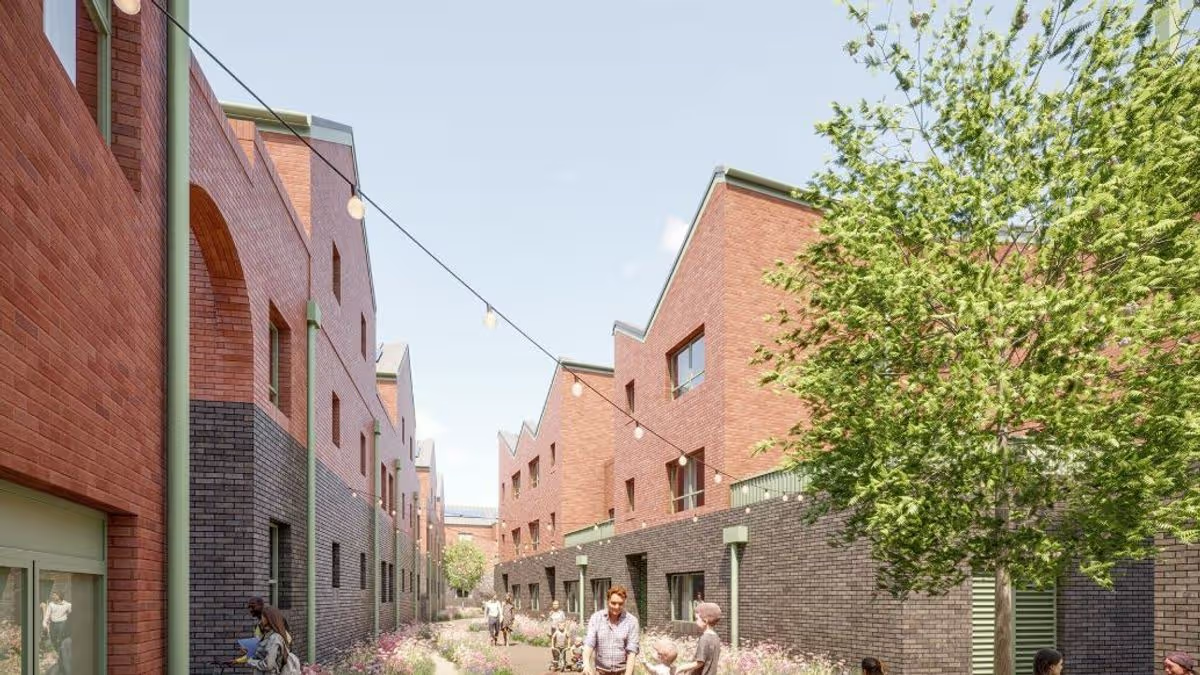
East Bank Urban Village will introduce a mix of affordable houses and apartments alongside shops, restaurants, leisure and other neighbourhood uses. Credit CJCT Studios and Virtual Resolution

East Bank Urban Village will introduce a mix of affordable houses and apartments alongside shops, restaurants, leisure and other neighbourhood uses. Credit CJCT Studios and Virtual Resolution(Image: CJCT Studios and Virtual Resolution)

Plans have been submitted to kick start the first phase of East Bank Urban Village – one of Hull’s largest ever regeneration projects – which promises to breathe new life back into the area through the creation of a sustainable new neighbourhood. The major project is set to completely transform the eastern bank of the River Hull, through a partnership between lead development partner ECF (English Cities Fund – a partnership between Homes England, L&G, and Muse) and Hull City Council.

The East Bank once formed a vital part of Hull’s maritime industry, but this area has seen a significant decline since the mid-20th century and is now primarily occupied by surface parking and vacant brownfield land. Detailed designs for Phase 1 of East Bank are now with city planners and the hybrid application also includes outline plans for the wider neighbourhood which will deliver around 850 new homes once complete.

Shops, restaurants and leisure spaces will also be created as part of the East Bank Urban Village, creating a vibrant place to live. A network of streets, plazas, green spaces and a new riverside promenade will also boost connectivity, creating active travel routes that encourage walking and cycling throughout the site.

The project is to be delivered in four phases with construction of Phase 1 set to start in early 2027, and Phase 4 expected to be completed in 2040.

Advertisement

Phase 1 will create the core of the new neighbourhood, delivering 37 townhouses and 78 apartments across two buildings. The homes will all be affordable, helping to meet local demand and ensuring East Bank is accessible to a wide range of people. Further phases will deliver more than 700 build-to-rent and affordable apartments across the wider site.

Ahead of the latest planning move a series of community conversations was held last autumn, led by the council and ECF, through which local people had the chance to provide suggestions and other feedback which the council says fed directly into the masterplan. Suggestions included a need for more green community spaces, parking and traffic management, enhancing biodiversity and finding new uses for existing historical landmarks including the former Lock Keeper’s Cottage.

A CGI of how the East Bank Urban Village in Hull will look. Credit: CJCT Studios and Virtual Resolution

A CGI of how the East Bank Urban Village in Hull will look. Credit: CJCT Studios and Virtual Resolution(Image: CJCT Studios and Virtual Resolution)

Raife Gale, senior development manager at ECF said: “Local people have been supportive – and so insightful – in offering their feedback, and this has all fed into the final planning application we’ve submitted.

“Our plan is to deliver a sustainable new neighbourhood where people want to live, work and spend time – and key to this is creating quality homes, attractive public spaces and new leisure and business opportunities. East Bank will kick-start a new chapter for this part of the city’s riverside, ensuring it continues to play a role for future generations.

Advertisement

“The council has an ambitious programme of regeneration which is already helping transform the city centre, as seen with the recently completed redevelopment of the Museums Quarter and Old Town, and we are using our knowledge and expertise in delivering complex schemes across the UK to help unlock the next phase of the city’s development.”

Chris Jackson, director of regeneration and partnerships at Hull City Council, said: “It is pleasing that the council has been able to submit plans for phase one of East Bank Urban Village. This is a significant regeneration project which will help to meet the council’s housing targets, revitalise a long-term brownfield site and also support both Hull’s Old Town and city centre economies.

“We have already welcomed extensive public feedback on draft proposals for East Bank ahead of this planning submission and look forward to hearing their thoughts on the updated plans.”

The project is supported by £9.8m in Government-backed Levelling Up Partnership funding, underpinning enabling works and early infrastructure delivery. East Bank Urban Village will also make a significant contribution to the council’s ambition to deliver 2,500 new homes within Hull city centre as part of its Local Plan. It will also act as a catalyst site for Hull’s recently endorsed City Centre Vision.

Advertisement

Like this story? For more news from the commercial property scene around the regions, visit our dedicated section here for the latest news and analysis within the sector.

Continue Reading

Business

Buy the Voice AI Momentum or Sell?

Published

on

Upstart Stock Surges 11% on AI Lending Momentum as 2026

NEW YORK — SoundHound AI Inc. shares jumped more than 12 percent to close at $7.85 on Wednesday, April 15, 2026, as traders bet on a potential short squeeze ahead of the company’s first-quarter earnings report expected in early May, reigniting debate over whether investors should buy the voice and conversational AI specialist or take profits amid persistent losses and lofty valuations.

The surge came on elevated volume, with the stock climbing from around $7 in early trading and extending gains into after-hours at $8.07. It marked one of the strongest single-day performances in recent weeks for the Nasdaq-listed shares (ticker: SOUN), which remain down roughly 21 percent year-to-date after peaking near $22 in late 2025. The move reflected renewed optimism around SoundHound’s agentic AI platform, recent enterprise partnerships and strong full-year 2025 revenue growth, even as Wall Street wrestles with the company’s path to profitability.

SoundHound reported record full-year 2025 revenue of $168.9 million, nearly doubling from the prior year, with fourth-quarter revenue rising 59 percent to $55.1 million. Management guided for 2026 revenue between $225 million and $260 million, signaling continued triple-digit percentage growth from earlier years. Non-GAAP gross margins reached 58 percent for the year, while adjusted EBITDA losses stood at $58.4 million. The company expects to achieve adjusted EBITDA breakeven by the end of 2026.

Analysts maintain a moderate buy consensus, with an average 12-month price target around $14.93 to $15.50, implying roughly 90 percent upside from current levels. Targets range from a low of $9 to a high of $20, according to aggregators including MarketBeat and Public.com. Firms such as HC Wainwright have reiterated buy ratings despite trimming targets, citing execution in voice AI for automotive, restaurants and now telecom and retail sectors.

Advertisement

The company has expanded aggressively into “agentic” AI — systems capable of handling complex workflows rather than simple voice commands. In February at Mobile World Congress, SoundHound launched Sales Assist, a real-time AI agent for retail sales floors that recommends deals and add-ons. On April 9, it partnered with Associated Carrier Group to bring agentic AI to telecom customer service and employee experience. Earlier deals include extensions with Five Guys, collaborations with Bridgepointe Technologies and Experis (ManpowerGroup), and integration with TomTom for in-car voice and navigation at CES 2026.

These moves build on SoundHound’s core technology, which powers voice assistants in vehicles, drive-thrus and smart devices. The company’s acquisition of Interactions Corp. in 2025 bolstered its enterprise offerings, though 2026 guidance has not yet fully reflected those synergies. Customer concentration remains a risk, with one client historically accounting for more than 30 percent of revenue.

Short interest has drawn attention, with some traders eyeing a squeeze similar to past AI-related rallies. Options activity showed mixed sentiment, but bullish bets increased as the stock climbed. Year-to-date, SoundHound has underperformed broader AI names amid a cooling enthusiasm for unprofitable growth stocks, yet its revenue trajectory remains among the fastest in software.

For buyers, the bull case centers on several factors. Voice AI represents a massive addressable market as enterprises seek to automate customer interactions and internal processes. SoundHound’s technology operates across automotive, hospitality, retail and telecom, providing diversification. Partnerships with established players like TomTom and major consulting firms could accelerate adoption. If the company hits or exceeds its 2026 revenue guide while narrowing losses, the stock could re-rate higher toward analyst targets. Long-term believers point to potential acquisition interest, given the strategic value of conversational AI in an increasingly agent-driven world.

Advertisement

Bears counter that the valuation remains stretched. Even at current levels near $8, the stock trades at a significant multiple of projected 2026 revenue. Persistent GAAP losses, negative cash flow from operations in past periods and heavy R&D spending raise questions about capital needs. Competition is intense from larger players including Nuance (Microsoft), Google, Amazon and specialized rivals. Execution risk is high for a company still scaling its agentic platform, and any slowdown in AI spending could pressure growth. High short interest can fuel volatility in both directions.

Technical traders note the stock has traded below its 50-day and 200-day moving averages for much of 2026, though the recent pop has challenged near-term resistance. Support sits near $6.50-$7, with resistance around $9-$10. Broader market sentiment toward small-cap AI names will likely influence direction, especially as investors digest upcoming inflation data, Federal Reserve signals and Big Tech earnings.

SoundHound’s next earnings, expected around May 7 for the first quarter, will be closely watched. Analysts anticipate continued revenue growth but ongoing per-share losses near 7 to 10 cents. Any positive surprise on margins, new customer wins or updated full-year guidance could spark further upside. Conversely, softer commentary on AI adoption timelines or widened losses might trigger profit-taking.

Retail investors have shown enthusiasm for SoundHound, drawn to its relatively accessible share price and narrative as a pure-play voice AI contender. Yet volatility remains elevated — the stock has seen multiple double-digit swings in single sessions. Position sizing is critical, with many advisers recommending no more than a small portfolio allocation given the speculative nature.

Advertisement

Institutional ownership has grown with the company’s rising profile, though dilution from equity raises and stock-based compensation has been a feature of its growth story. The balance sheet benefited from past financings, providing runway into 2026, but sustained investment in sales, marketing and R&D will be necessary to scale.

Broader sector dynamics add context. While generative AI hype has cooled from 2023-2024 peaks, practical applications like conversational agents are gaining traction in customer-facing industries. SoundHound’s focus on real-time, domain-specific voice solutions differentiates it from general large language models, potentially offering stickier revenue through multi-year contracts.

As April 2026 progresses, the decision to buy or sell SoundHound AI stock hinges on time horizon and risk appetite. Momentum traders may ride near-term catalysts such as earnings or fresh partnership announcements. Long-term investors bullish on AI infrastructure could view current levels — after the year-to-date pullback — as an entry point, especially if they believe the company can deliver on breakeven targets. More conservative participants might wait for clearer signs of profitability or a pullback to lower support levels before committing capital.

Analysts largely favor the upside, with no sell ratings in recent coverage. Yet forecasts come with caveats around execution and market conditions. SoundHound itself emphasizes its technology’s ability to deliver measurable ROI for clients through faster service, higher conversion rates and reduced labor costs — metrics that could drive adoption if proven at scale.

Advertisement

In the end, 2026 represents a pivotal year for SoundHound as it transitions from high-growth revenue story to a more mature operator targeting profitability. The stock’s recent surge underscores lingering excitement around voice AI, but sustainability will depend on consistent delivery against ambitious guidance.

Investors should monitor quarterly results, partnership traction and any shifts in AI spending sentiment closely. With earnings on the horizon and analyst targets pointing significantly higher, SoundHound offers both opportunity and risk in equal measure — a classic high-beta play in the evolving artificial intelligence landscape.

Whether the momentum continues or fades will likely be decided in the coming weeks, as the market weighs hype against the hard work of turning conversational AI into sustainable profits.

Advertisement
Continue Reading

Business

Sea: Why 22x P/E Is A Steal For This Southeast Asian Behemoth (Rating Upgrade)

Published

on

Sea: Why 22x P/E Is A Steal For This Southeast Asian Behemoth (Rating Upgrade)

Sea: Why 22x P/E Is A Steal For This Southeast Asian Behemoth (Rating Upgrade)

Continue Reading

Business

Mutual fund bulls vs FII bears: The Rs 38,000 crore battle for 5 popular bank stocks

Published

on

Mutual fund bulls vs FII bears: The Rs 38,000 crore battle for 5 popular bank stocks
Domestic mutual funds unleashed a Rs 38,000 crore buying spree across five banking giants in March, mounting an aggressive counter-offensive as foreign institutional investors dumped a staggering Rs 60,655 crore worth of financial stocks during the worst of the Iran war selloff.

The multi-billion dollar battle saw mutual funds pile into HDFC Bank (Rs 17,250 crore), ICICI Bank (Rs 7,320 crore), State Bank of India (Rs 5,450 crore), Kotak Mahindra Bank (Rs 4,089 crore), and Axis Bank (Rs 3,892 crore), according to Prime Database estimates for March 2026. HDFC Bank emerged as the top addition across major fund houses, including SBI MF, Nippon India MF, Quant MF, ICICI Prudential MF, Axis, Aditya Birla, and DSP.

The FII exodus from banks was brutal, as every second dollar pulled out from Dalal Street in March came from the financial sector. The Rs 60,655 crore outflow represented more than half of the total Rs 1.18 lakh crore that FIIs withdrew from Indian equities last month, according to NSDL data, making banks and financials the hardest-hit segment.

Also Read | HDFC Bank, BSE and Tata Motors among top stocks mutual funds bought and sold during March crash

Advertisement

The carnage sent Nifty Bank plunging 17% in March, with Nifty PSU Bank tumbling nearly 20% as the worst performer. Nifty Financial Services fell 15.6% as the broader Nifty crashed over 11%.


Yet, the severity of the selloff has created opportunities, according to brokerages, which argue that the correction has already priced in 2-3 quarters of slower growth.
“After the start of the conflict, stocks have corrected by about 10-15% in the case of most largecap banks and NBFCs,” BNP Paribas noted. “It is hard to argue that the starting valuations were rich for our preferred large private banks. We like the risk-reward at current prices and only meaningful economic injury through a prolonged disruption could materially change the prognosis.”Prabhudas Lilladher turned more bullish, upgrading its overweight stance on banks and increasing allocation to Kotak Mahindra Bank and HDFC Bank by 40 basis points each.

“Credit growth remains strong at 13-14%; however, the Gulf War and a change in the interest rate cycle have led to stocks being hammered. We believe that frontline banks would have an advantage in this scenario,” the brokerage said, though it cautioned that medium-term credit growth trends will depend on sustained consumer demand and resolution of the war.

Also Read | Rs 61,000 crore FII sell-off hits bank stocks. Cheap enough for you to buy now?

Emkay’s Anand Dama expects profitability in the banking sector coverage universe to improve roughly 10% YoY and 5% QoQ, “mainly led by private banks, up 14% YoY/8% QoQ due to lower credit costs.”

Advertisement

However, he expects profit growth momentum for public sector banks to moderate slightly, declining 10% YoY and 2% QoQ, due to weaker treasury performance.

Ambit Capital acknowledged that the sector faces a “valuation discount” as macroeconomic uncertainty forces a recalibration of risk premiums. “Heightened geopolitical volatility and a tightening liquidity environment have introduced significant ‘earnings visibility’ risks,” the brokerage said, warning that P/BV multiples will remain range-bound until global supply chain disruptions and domestic liquidity constraints stabilise.

Still, Ambit struck an optimistic long-term note: “From a longer-term perspective, banks at currently lower valuations offer a good opportunity to buy, as balance sheet strength and the long-term fundamentals of banks are healthy.”

The mutual fund buying binge suggests domestic institutional investors are betting the war-driven correction has created a rare entry point in India’s banking heavyweights in a wager that will be tested as geopolitical tensions and liquidity pressures continue to weigh on the sector.

Advertisement
Continue Reading

Business

Aussie hits four-year high as banks, miners drag shares

Published

on

Aussie hits four-year high as banks, miners drag shares

Weak performances from major banks, gold stocks and mega miners have dragged the bourse lower despite hopes of de-escalation in the Middle East boosting the Australian dollar to four-year highs.

Continue Reading

Business

Kalani Artis Eyes Original Music Release and Live Tour After Australian Idol 2026 Top 3 Finish

Published

on

Jacinta Guirguis
Kalani Artis
Kalani Artis

SYDNEY — Kalani Artis, the 23-year-old landscaper-turned-singer from the New South Wales Central Coast who captivated audiences with his soulful voice and heartfelt journey on Australian Idol 2026, is preparing to launch his professional music career following a strong top-three finish in the grand final.

Artis placed third behind winner Kesha Oayda and runner-up Harlan Goode in the April 14 finale, a result that left many fans calling him the “true winner” for his consistent emotional performances and unique vocal style. Despite not taking the crown, the former tradie has already lined up live shows, teased an original music project he has been developing for over a year, and expressed confidence that his Idol exposure will open doors to a sustainable career in the industry.

In interviews conducted before and after the grand final, Artis revealed he has several shows booked on the Central Coast and beyond, with dates expected to be announced soon. He told New Idea magazine that even without the win, this is far from the end of his musical story. “I sort of had a big break-up and had lots of sort of epiphanies and changed a lot of things about myself, my lifestyle, which was fed into this project,” he explained, referring to a personal “music manifesto” he has been working on for more than a year.

The shy tradie, who first picked up a guitar as a teenager thanks to his nan, auditioned with a powerful rendition of Natalie Imbruglia’s “Torn” that quickly marked him as one to watch. Throughout the competition, Artis delivered standout moments including an emotional take on “Bruises,” a heroic performance of David Bowie’s “Heroes,” and a breathtaking duet with Pete Murray that fans described as harmonious and tour-ready. His ability to blend vulnerability, raw talent and relatability resonated deeply, turning him into a fan favorite from the Central Coast and beyond.

Artis has been open about balancing his day job as a landscaper with late-night rehearsals and live shows during the competition. That grounded background has shaped his approach to music, emphasizing authenticity and personal growth over instant fame. In conversations with Now To Love, he discussed family inspiration and the major lessons learned from the Idol experience, including the importance of staying true to oneself amid the pressures of national television.

Advertisement

With the spotlight of the grand final now behind him, Artis plans to channel the momentum into original material. He has described his upcoming project as deeply personal, drawing from life changes, heartbreak and self-discovery. The goal, he said, is to create music that allows him to “grow together” with his audience and show that he is “good enough” while continuing to evolve.

Industry observers believe Artis is well-positioned for a successful transition. Although only the winner receives the full prize package — including $100,000 cash, a recording deal with Hive Sound Studios, a Sony Music Publishing songwriting camp, marketing support from The Annex, and VIP access to the ARIA Awards and Logie Awards — strong top-three finishers often benefit from sustained public interest. Past Idol contestants in similar positions have secured independent releases, regional tours and management deals by leveraging their built-in fan base.

Artis has already begun teasing content on his Instagram account @kalaniartis, which has grown to more than 57,000 followers. Posts showcasing his journey and performances continue to receive strong engagement, with fans urging him to release music quickly and organize live shows. Many commenters have expressed willingness to pay for tickets, highlighting his potential as a live performer.

Local support on the Central Coast has been overwhelming. Community groups and media outlets such as Coast Community News celebrated his top-three achievement while noting that his campaign ended just short of the title. Residents view him as a proud representative of the region, with calls for him to headline local events and build a touring presence that starts close to home.

Advertisement

Immediate next steps for Artis include finalizing and announcing tour dates, heading into the studio to record original tracks, and refining the personal manifesto project into releasable songs. He has hinted at a mix of soul, pop and acoustic-driven material that reflects his growth, aiming for relatability that connects with everyday audiences rather than chasing viral trends.

Collaborations could also play a role. His on-stage chemistry with guest artists, particularly the duet with Pete Murray, sparked suggestions of future joint appearances or tours. Artis has not confirmed specifics but appears open to working with established names while focusing on his own voice.

Financially, the lack of the winner’s cash prize means Artis will rely on live performances, streaming revenue and potential management or label interest to fund his early career moves. Many reality TV alumni in similar positions have used the post-show window to gig relentlessly, build streaming numbers and gradually attract industry attention. His landscaper background has instilled a strong work ethic that supporters believe will serve him well in the grind of independent music.

Broader context shows that Australian Idol continues to provide a valuable platform even for non-winners. Contestants who finish in the top three or top five frequently go on to release music independently or sign smaller deals, with some achieving steady careers through consistent touring and fan engagement. Artis’ unique story — transitioning from tradie life to national television while navigating personal challenges — adds a compelling narrative that could help him stand out.

Advertisement

As he steps away from the weekly live shows, Artis has emphasized staying grounded and focusing on long-term growth rather than overnight success. He has spoken about wanting to prove that contestants like him, who may not fit the typical “pop star” mold, can still build meaningful careers by connecting authentically with listeners.

Fans and critics alike expect his first post-Idol single or EP to drop within the next few months, followed by regional shows that allow him to hone his live set and interact directly with supporters. Social media will likely remain a key tool for maintaining visibility, with regular updates on recording progress and tour announcements.

For Kalani Artis, the Australian Idol 2026 experience has been transformative. From nervous auditions to grand final performances that left audiences breathless, he has demonstrated vocal range, emotional depth and resilience. The top-three finish, while not the ultimate prize, has provided national exposure that many aspiring artists spend years chasing.

Looking ahead, the coming months will test his ability to convert that momentum into tangible career steps. With shows already in the works, original music nearly ready and a dedicated fan base cheering him on, Artis appears determined to turn his Idol chapter into the foundation of a lasting music career.

Advertisement

Whether performing intimate acoustic sets on the Central Coast or eventually filling larger venues, Kalani Artis has made it clear: his journey is only beginning. Australia’s music scene may soon welcome a new voice defined by sincerity, growth and the quiet determination of a former landscaper who dared to chase his dreams on national television.

Continue Reading

Business

Buy the AI Lending Recovery or Sell Before Q1 Earnings Reality Hits?

Published

on

Upstart Stock Surges 11% on AI Lending Momentum as 2026

SAN MATEO, Calif. — Upstart Holdings Inc. shares have tumbled roughly 44 percent year-to-date in 2026, trading near $28 to $33 in mid-April after a volatile start to the year, raising a sharp debate among investors: Is the AI-powered lending platform a bargain ahead of its May 5 first-quarter earnings, or should holders sell into recent strength before persistent funding and regulatory risks weigh on results?

The stock closed at $33.36 on Wednesday, up nearly 13 percent in a single session as traders positioned ahead of the earnings report scheduled for May 5. That rebound followed a brutal stretch that saw shares hit lows near $25, reflecting concerns over loan origination volatility, a shareholder lawsuit and a tougher credit environment. Yet Wall Street maintains a consensus “buy” or “hold” rating with an average 12-month price target around $48, implying more than 40 percent upside from current levels, according to aggregators tracking 14 to 16 analysts.

Upstart’s core business uses machine learning to assess creditworthiness beyond traditional FICO scores, enabling banks and credit unions to approve more personal loans with lower default rates. The company facilitated nearly $11 billion in loan originations in 2025, an 86 percent jump, while posting full-year revenue of about $1 billion — its first time crossing that threshold — and returning to profitability with net income near $54 million. Adjusted EBITDA reached $230 million, delivering a healthy 22 percent margin.

Management has guided for 40 percent revenue growth in 2026, targeting approximately $1.4 billion, with fees expected to hit $1.3 billion. The forecast assumes continued expansion in personal lending, auto loans and home equity lines of credit, supported by new bank partnerships. On April 8, DuPage Credit Union in Illinois announced it would use Upstart’s platform for personal loans, adding to a growing roster of financial institutions.

Advertisement

Recent initiatives signal ambition. In February, Upstart unveiled Cash Line, a revolving credit product, and announced plans to apply for a national bank charter that could let it accept deposits and fund more loans internally. A $1 billion forward-flow agreement with Eltura Ventures and Aperture Investors provides additional liquidity for originations. The company also authorized a $100 million share buyback, roughly 3 percent of outstanding shares, as a sign of confidence.

Yet challenges persist. Loan conversion rates slipped in late 2025, prompting a shareholder lawsuit alleging the company missed revenue guidance by about $3 million in one quarter. Funding partners remain sensitive to interest-rate swings and economic uncertainty, even as the Federal Reserve has signaled potential easing later in the year. Upstart’s model performs best in stable or improving credit markets; prolonged high rates or recession fears could slow origination growth.

Analysts are divided on near-term risks but largely optimistic longer term. Some have trimmed targets — Bank of America lowered its price objective from $40 to $36 while maintaining a buy rating — citing cyclical exposure. Others see significant upside. A valuation model from TIKR.com suggests a fair value near $44 based on 45 percent annual revenue growth and normalized margins, implying a 75 percent total return from $25 levels earlier this year. Motley Fool contributors have argued the stock could double by year-end if revenue guidance holds and margins expand.

For potential buyers, the bull case rests on several pillars. Upstart’s AI technology has demonstrated superior risk prediction, allowing partners to originate more loans profitably. The shift toward diversified products like auto and HELOC reduces reliance on unsecured personal loans. If the national bank charter progresses and funding costs stabilize, Upstart could capture a larger slice of the $1 trillion-plus consumer lending market. Revenue growth of 40 percent in 2026 would still leave the stock trading at a forward price-to-sales multiple below its historical average, offering room for re-rating.

Advertisement

Bears highlight execution risks and valuation. Even after the year-to-date decline, shares trade at a premium to many traditional financials given the company’s history of losses in higher-rate environments. Competition from SoFi, Affirm and traditional banks intensifies, while regulatory scrutiny around AI-driven lending could increase compliance costs. The upcoming Q1 report will test whether origination momentum has sustained into 2026 and whether profitability trends continue.

Short interest and options activity suggest traders remain split. Recent surges have been fueled by short covering and momentum buying, but sustained gains will likely require positive earnings surprises or clearer commentary on 2026 guidance. The May 5 conference call at 4:30 p.m. ET will be closely watched for updates on bank charter progress, new partner wins and any impact from the lawsuit.

Broader market context adds nuance. Fintech stocks have faced pressure in 2026 amid fluctuating interest rates and cautious consumer spending. Upstart’s performance has lagged some peers at times but shown resilience in sessions tied to AI enthusiasm. With Q1 results approaching, investors must weigh the company’s long-term potential against near-term cyclical headwinds.

Retail investors drawn to the story should consider position sizing carefully. The stock’s beta remains elevated, producing sharp daily swings. Those bullish on AI disruption in finance may view current levels — after a steep drawdown — as an attractive entry, especially with a $100 million buyback providing a floor. More conservative participants might wait for earnings clarity or a pullback to lower support before committing capital.

Advertisement

Institutional ownership has held relatively steady, though some rotation out of high-growth names has occurred. Insider activity has included selling, adding to caution for some observers. Yet the board’s buyback authorization and management’s confident 2026 outlook have reassured others.

As April 2026 unfolds, Upstart stands at a crossroads. The company has proven its AI platform can deliver strong growth and margins when credit conditions align. The question now is whether 2026 becomes the year of sustained recovery or another test of resilience. Q1 results and any updates on the national bank charter or funding agreements could serve as major catalysts.

Ultimately, buying or selling Upstart stock in 2026 depends on time horizon and conviction in AI’s role in lending. Short-term traders may ride momentum into earnings, while long-term believers could see the current valuation as reasonable given growth projections. Skeptics will point to historical volatility and cyclical risks, preferring to wait for clearer proof of margin sustainability.

With earnings less than three weeks away and analysts projecting significant upside, Upstart offers both opportunity and risk typical of high-growth fintech names. Investors should review the May 5 release closely, monitor origination trends and assess personal tolerance for volatility before deciding. In a year already marked by sharp swings, Upstart’s ability to deliver on its ambitious targets will determine whether the stock rebounds strongly or faces further pressure.

Advertisement
Continue Reading

Business

Tata Group firm Tejas Networks shares sink 6% after Q4 loss widens by 193%. Check details

Published

on

Tata Group firm Tejas Networks shares sink 6% after Q4 loss widens by 193%. Check details
Shares of Tejas Networks plunged as much as 6% to their day’s low of Rs 423.50 on the BSE on Thursday after it reported a weak set of numbers for the fourth quarter on Wednesday, April 15, as losses widened sharply due to a steep fall in revenue.

The company posted a net loss of Rs 211.3 crore, compared with a loss of Rs 71.8 crore in the same period last year. Revenue for the quarter dropped 82.6% year-on-year to Rs 333 crore from Rs 1,907 crore. EBITDA also slipped into the red, with a loss of Rs 118.2 crore against a profit of Rs 121.5 crore a year ago, according to an exchange filing.

The filing noted that revenue during the quarter was mainly supported by sales of wireline products to both domestic and international customers. Despite the weak operational performance, the company’s order book showed strong growth, rising 49% year-on-year to Rs 1,514 crore at the end of Q4. This compares with Rs 1,329 crore in Q3 FY26 and Rs 1,019 crore in Q4 FY25, indicating better demand visibility.

The company highlighted several key achievements for the full year, including the successful commercial launch of BSNL’s pan-India 4G network, powered by its indigenously designed 4G and 5G RAN products.

Advertisement

It was also selected as the IP/MPLS router OEM for the largest number of BharatNet Phase III packages announced in FY26. During the year, it completed the shipment of over 17,000 routers, which are being deployed across 9 states and 5 union territories.


On the product front, the company introduced a range of advanced wireless and wireline solutions. These included 64TR massive MIMO radios, a converged 4G and 5G core, and a hyper-scalable data centre interconnectivity platform.
The company also strengthened its strategic capabilities by partnering with Rakuten Symphony to develop integrated Open RAN solutions and jointly pursue go-to-market opportunities.In innovation, it filed 63 patents in Q4 FY26, taking its cumulative global patent count to 676, of which 371 have been granted.

Tejas Networks shares are down 24% in the last 6 months.

Sensex, Nifty today: Catch all the LIVE stock market action here
(Disclaimer: Recommendations, suggestions, views and opinions given by the experts are their own. These do not represent the views of The Economic Times)

Advertisement
Continue Reading

Business

(VIDEO) Harry and Meghan Immerse in Aboriginal Culture on Scar Tree Walk During Melbourne Tour Stop

Published

on

Britain's Prince Harry and Meghan, Duke and Duchess of Sussex, visit the 9/11 Memorial in Manhattan, New York City

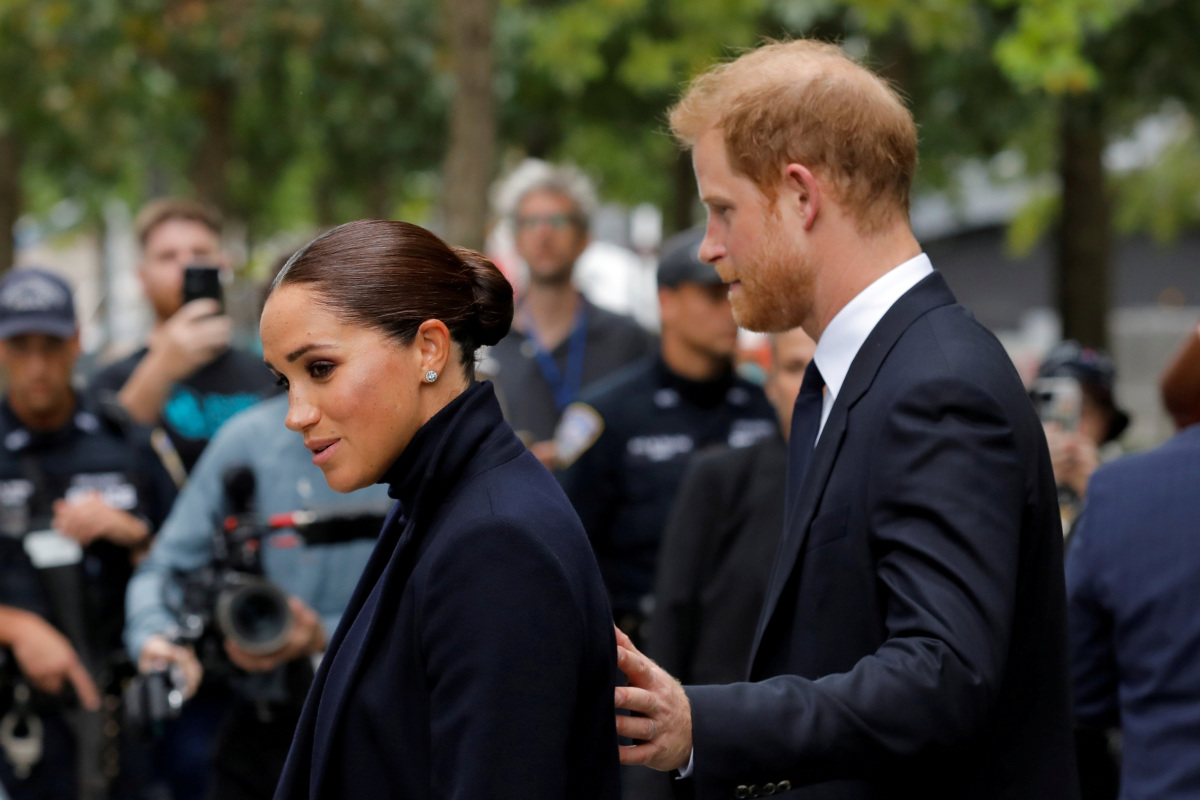
MELBOURNE, Australia — The Duke and Duchess of Sussex joined an Aboriginal walking tour along Melbourne’s Yarra River on Thursday, immersing themselves in the rich history and living culture of the Kulin Peoples as part of their four-day private visit to Australia.

Prince Harry and Meghan Markle participated in the Scar Tree Walk, a guided cultural experience organized by the Koorie Heritage Trust that connects traditional and contemporary Aboriginal stories. The tour began at Federation Square and wound along the Birrarung, or Yarra River, highlighting scar trees — ancient living heritage sites where Wurundjeri people carefully removed bark centuries ago to craft canoes, shields and other tools.

The couple, dressed casually for the morning activity, learned about the deep connection between the land, the Kulin Nations and modern Indigenous communities in Victoria. They viewed Indigenous art installations, crossed the William Barak Bridge — named after a prominent 19th-century Wurundjeri leader — and reached protected scar trees in Yarra Park, which sits over a traditional meeting place now occupied by the Melbourne Cricket Ground.

Advertisement

Guides from the Koorie Heritage Trust shared stories of resilience, connection to Country and the ongoing cultural practices of First Nations Australians. The Sussexes handled a Marngrook, a traditional football made from possum skin, and engaged in discussions about reconciliation, community resilience and the importance of preserving Indigenous knowledge.

The engagement marked the third day of the couple’s self-funded trip to Australia, which has focused on mental health, veterans’ support and community causes. Earlier in the visit, Harry and Meghan toured the Royal Children’s Hospital in Melbourne, where they met young patients and families. Meghan also made a solo visit to a women’s shelter, rolling up her sleeves to help serve meals in the kitchen.

On Wednesday, Harry attended a Movember event with players from the Western Bulldogs AFL team before flying to Canberra for a visit to the Australian War Memorial. There, he met Indigenous veterans, attended a reception for Invictus Australia — the veterans’ charity he founded — and participated in the Last Post Ceremony.

The Scar Tree Walk provided one of the most public moments of the tour so far. Crowds gathered along the route, and the couple paused for selfies and brief conversations with well-wishers, drawing cheers from onlookers. Meghan wore a casual outfit featuring a “Mama” shirt, interpreted by some as a subtle nod to her role as a mother and her friendship with designer Misha Nonoo.

Advertisement

The visit comes more than seven years after the couple’s 2018 royal tour of Australia and New Zealand as newlyweds, which drew massive crowds. This 2026 trip is unofficial, privately funded and without formal royal duties, though Australian taxpayers are covering police and public safety costs. No large-scale public walkabouts were scheduled, yet the Scar Tree Walk allowed organic interactions with locals.

Indigenous leaders and cultural representatives welcomed the couple’s participation. The Koorie Heritage Trust described the Scar Tree Walk as an opportunity to share authentic stories and foster understanding between cultures. Representatives emphasized the significance of scar trees as living witnesses to thousands of years of continuous connection to Country.

Harry and Meghan have long shown interest in Indigenous issues. During their 2018 tour, they met with Aboriginal communities and highlighted mental health challenges facing First Nations youth. Harry’s work with Invictus Games has included support for Indigenous veterans, while the couple’s Archewell Foundation has backed initiatives promoting community resilience and cultural preservation.

The tour has sparked a mix of enthusiasm and debate in Australia. Supporters praised the couple for engaging meaningfully with local causes, while critics questioned the cost to taxpayers and the private nature of the visit. Some online commentary focused on the couple’s high-profile lifestyle since stepping back from senior royal duties in 2020, yet on the ground in Melbourne, reactions from those who encountered them were overwhelmingly positive.

Advertisement

Thursday’s cultural walk aligned with the Sussexes’ stated focus on mental health and community support. The Yarra River precinct holds deep significance for the Kulin Peoples, serving as a place of gathering, trade and ceremony for millennia. Guides explained how scar trees represent sustainable practices and the sophisticated knowledge systems of Aboriginal Australians long before European settlement.

The couple appeared relaxed and engaged throughout the approximately 90-minute experience. They asked questions about the creation of scar trees, the seasonal calendar of the Kulin Nations and contemporary efforts to protect cultural sites amid urban development. At one point, they joined a small group for a discussion on reconciliation and the importance of truth-telling in Australian history.

After the walk, the Sussexes were expected to depart Melbourne for Sydney, where they will promote Invictus Australia and attend the InterEdge Summit. The four-day itinerary blends philanthropic engagements with select business and private activities.

This Australia visit represents a return to a country where the couple once enjoyed enormous popularity. Their 2018 tour included stops in Sydney, Melbourne, Dubbo, Fraser Island and other locations, culminating in announcements about Meghan’s pregnancy with their first child, Archie.

Advertisement

Since then, the Sussexes have built independent lives in California, launching Archewell, producing content for Netflix and Spotify, and pursuing various advocacy efforts. Harry has remained deeply involved with the Invictus Games, while Meghan has focused on women’s empowerment, maternal health and creative projects.

Observers noted the symbolic value of the Scar Tree Walk during a time when Australia continues national conversations around reconciliation, the Uluru Statement from the Heart and Closing the Gap targets. Indigenous leaders have called for greater visibility and respect for First Nations cultures in public life, and the Sussexes’ participation was seen by some as a positive gesture.

The Koorie Heritage Trust, based at Federation Square, plays a key role in preserving and sharing Victorian Aboriginal culture through exhibitions, tours and educational programs. Its Scar Tree Walk is one of several cultural experiences designed to give visitors direct insight into living heritage rather than static museum displays.

As the couple wrapped their time in Melbourne, local media captured images of them interacting warmly with guides and fans. The morning activity stood in contrast to the more formal elements of the tour, such as the War Memorial visit, offering a grounded, educational moment amid a packed schedule.

Advertisement

The Sussexes’ office described the Australia trip as an opportunity to reconnect with causes close to their hearts while supporting local organizations working on mental health, veterans’ issues and community building. No further details were released about private business engagements.

With the tour moving to Sydney, attention will shift to Invictus-related events and any additional public appearances. The couple is expected to depart Australia after the final engagements, returning to California and their young family — Prince Archie, 7, and Princess Lilibet, 4.

For many Australians, the Scar Tree Walk represented a meaningful highlight of the visit, showcasing a willingness to learn from and honor the world’s oldest continuous living cultures. Whether the engagement sparks deeper conversations about reconciliation remains to be seen, but the images of Harry and Meghan listening attentively along the Yarra River offered a visual reminder of the power of cultural exchange.

As Thursday’s activities concluded, the Duke and Duchess of Sussex carried forward lessons from the Kulin Peoples into the next phase of their Australian journey, blending personal connection with public advocacy in a country that continues to hold a special place in their shared story.

Advertisement
Continue Reading

Business

Rockingham-based builder to redevelop women's shelter

Published

on

Rockingham-based builder to redevelop women's shelter

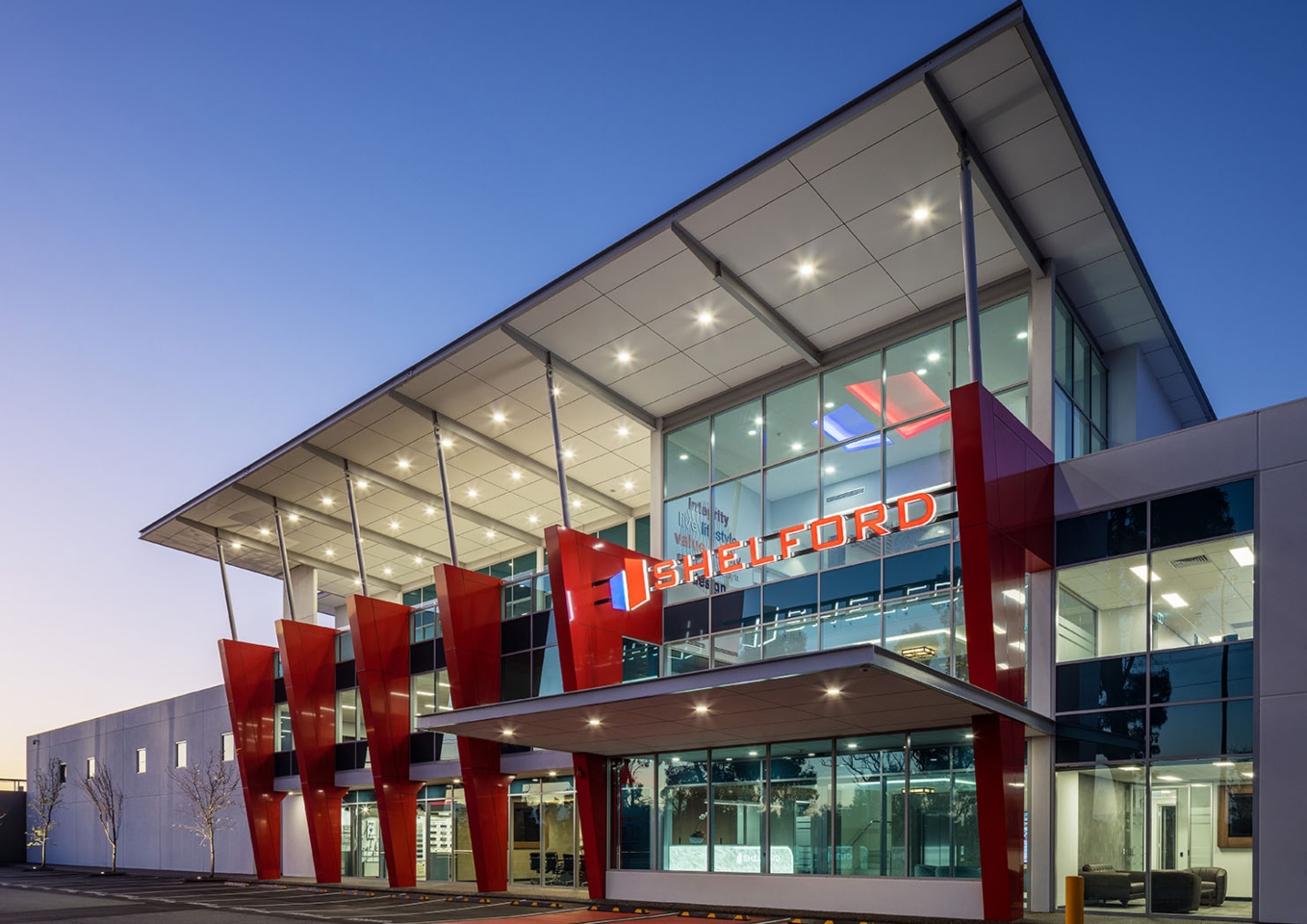
A local builder has been appointed to redevelop a northern suburbs family and domestic violence accommodation after the state government invested $22.6 million in the project.

Continue Reading

Trending

Copyright © 2025