

Connect with us

Business

Drone strikes damage AWS data centers, disrupt cloud services in Middle East

Published

on

Drone strikes damage AWS data centers, disrupt cloud services in Middle East

Drone strikes damaged Amazon Web Services data centers in the Middle East, disrupting cloud operations and prompting the company to urge customers to move critical workloads out of the region.

AWS confirmed that two of its data center facilities in the United Arab Emirates were directly struck, while a separate strike near a site in Bahrain also caused infrastructure damage. The attacks disrupted power systems and caused structural damage, impairing two of the three data center sites that make up AWS’s UAE cloud region.

Advertisement

As a result, businesses that rely on AWS to run their websites, store data and process transactions experienced more error rates, slower performance and service interruptions. 

Amazon data center

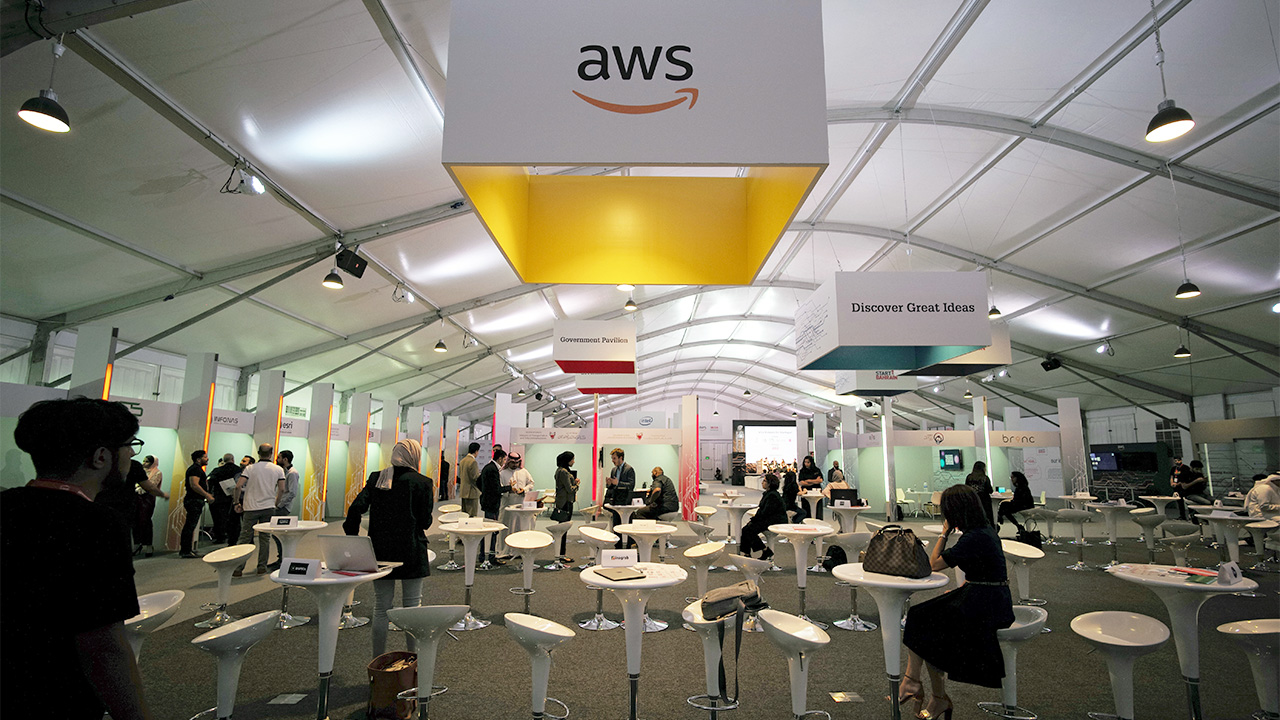
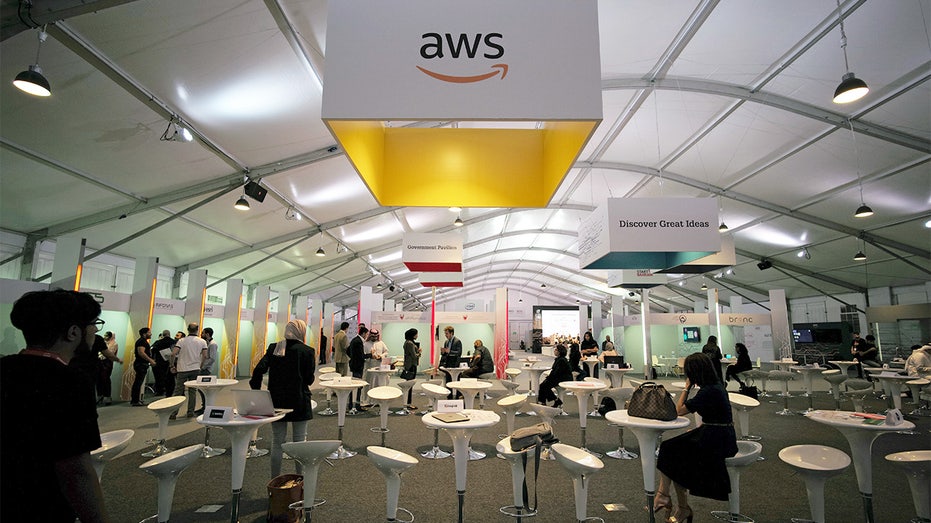
AWS confirmed that two of its data center facilities in the United Arab Emirates were directly struck and another site in Bahrain also sustained damage. (Hamad I Mohammed/Reuters)

AWS said full recovery will depend in part on repairing physical damage and restoring power and connectivity – a process that could take at least a day and potentially longer.

OIL PRICES SURGE AFTER STRIKES KILL IRAN’S SUPREME LEADER, TANKERS HIT NEAR STRAIT OF HORMUZ

The company has urged its customers in the Middle East to activate disaster recovery plans, restore data from backups in other regions and redirect traffic away from the affected facilities. Customers were advised to consider shifting operations to AWS regions in the United States, Europe or Asia-Pacific.

Advertisement
israel-attacks-on-iran-smoke

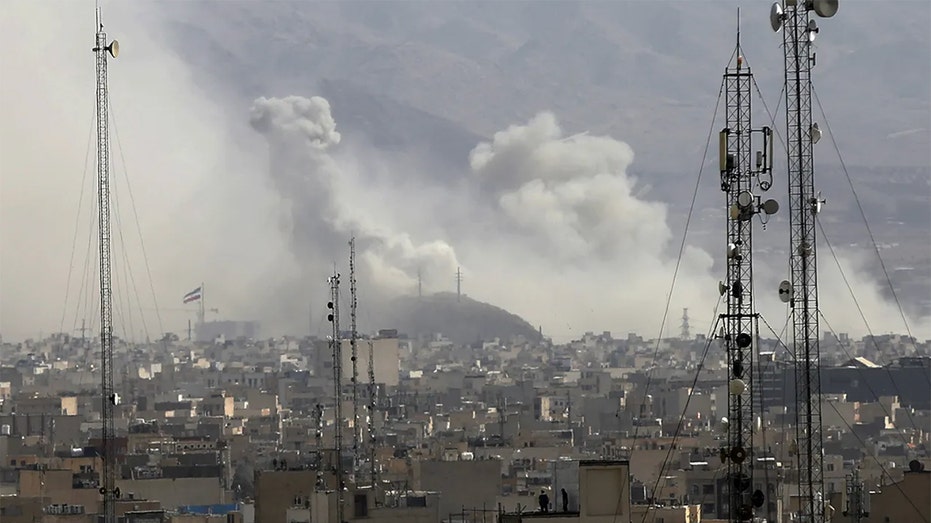
The damage comes amid unrest after Operation Epic Fury. (Fatemeh Bahrami/Anadolu via Getty Images)

While cloud providers are designed to withstand the loss of a single data center, simultaneous damage to multiple facilities has strained built-in backup systems.

AWS initially described the situation as a localized power issue before later confirming that drone strikes had caused physical damage. The company said it is working with local authorities and prioritizing employee safety as repairs continue.

The company did not say who was responsible for the strikes, but it came amid the ongoing conflict with Iran that has spilled over into the wider region, throwing businesses and economies into uncertainty. 

CLICK HERE TO GET FOX BUSINESS ON THE GO

Advertisement

When reached for additional details, Amazon referred FOX Business to its AWS Health Dashboard.

Continue Reading
Click to comment

Leave a Reply

Your email address will not be published. Required fields are marked *

Business

X Will Suspend Creators Who Fail to Add AI Labels to Videos Depicting ‘Armed Conflict,’ War Content

Published

on

X, Formerly Twitter, Offers Valuable Insights Into Self-Reported Chronic Pain Using Machine Learning: Study

X has revealed that it will suspend creators who fail to properly label AI-generated content on videos posted on the platform, particularly if they depict “armed conflict” or war-related content.

The policy change aims to properly label content generated by artificial intelligence and avoid spreading misinformation on the platform.

X to Suspend Creators Failing to Add AI Labels to Videos

X’s head of product, Nikita Bier, has shared a new post that reveals the latest policy change on the platform’s content moderation, which says that all creators who fail to label AI videos will be suspended.

According to Bier, the suspension applies to AI-generated videos depicting armed conflict or war-related content on the platform. The X executive said that the platform wants to “maintain the authenticity of content on Timeline,” especially amidst global conflict.

“During times of war, it is critical that people have access to authentic information on the ground. With today’s AI technologies, it is trivial to create content that can mislead people,” said Bier.

Advertisement

Creators who post AI-generated videos without the proper labeling will face a 90-day suspension on their first offense, and subsequent violations will bring heftier fines, as well as possible removal from the program.

Only Applies to Creators Under the Revenue Program

Bier explained that this only applies to creators who are under the “Creator Revenue Sharing” program, and these are creators who are monetized from posting content on X.

Advertisement

The executive revealed that the AI-generated content could be flagged by the likes of posts receiving a Community Note, which clarifies that it contains AI-made aspects. Bier also revealed that they will actively monitor posts and aim to detect metadata from generative AI tools.

It is known that X recently faced massive complaints over Grok AI’s deepfake scandal earlier this year as it allowed users to generate AI photos without limitations. This led to a fiasco where explicit content spread throughout the platform and sexualized many users.

Originally published on Tech Times

Advertisement
Continue Reading

Business

Alibaba’s Qwen AI division head becomes latest exec to leave this year

Published

on

Alibaba’s Qwen AI division head becomes latest exec to leave this year


Alibaba’s Qwen AI division head becomes latest exec to leave this year

Continue Reading

Business

Founders from 22 ambitious Northern firms join GC Angels scheme to ‘widen access to venture capital’

Published

on

Business Live

Programme aims to support under-represented founders

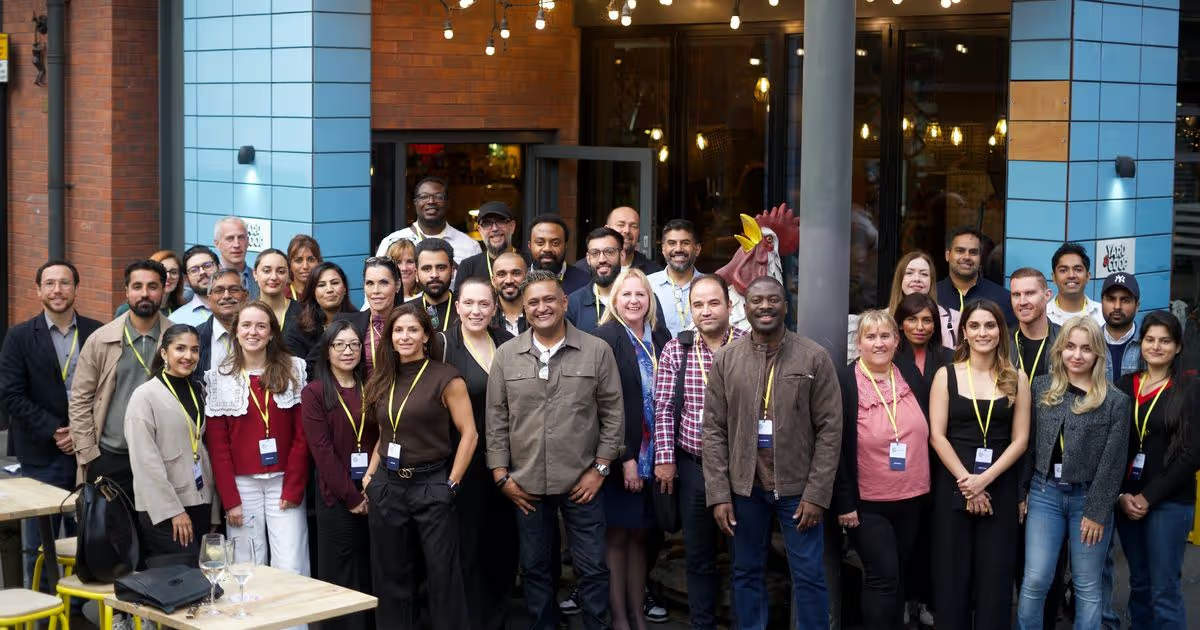
Members of the second cohort of the Venture Forward accelerator programme

Members of the second cohort of the Venture Forward accelerator programme(Image: The Growth Company)

Ambitious firms from across the North have won backing from a venture capital project that helps under-represented founders to prepare for their first institutional investment round. GC Angels, the VC investment arm of The Growth Company, has announced the second cohort of its Venture Forward accelerator programme.

The scheme is delivered by GC Angels’ investment managers and aims to give founders the skills they need to win their first VC investment in the next 12 months. The first programme, which ran between October and December last year, saw five of the 30 participating founders win investment within two months of the project finishing.

The second cohort will see another 22 “high-potential businesses” from across the North take part in an eight-week programme in Leeds including one-to-one mentoring, practical fundraising guidance and direct access to investors. Once GC Angels has completed the programme, it will offer up to £500,000 to “standout founders” to help them scale up their businesses.

GC Angels says it has been “prioritising founder diversity in its recruitment” for the latest cohort. It says some 55% of founders in Cohort 2 are from an ethnic minority background while 55% are female founders – “significantly higher than industry averages and reflective of the programme’s mission to widen access to venture capital”.

Advertisement

Some 23% of founders involved are from Manchester, with 23% from Stockport and 14% from Leeds. They work in areas from construction and e-commerce to sports and agriculture technology.

Marc Shirman, GC head of equity investment, said: “The success of our first cohort demonstrated both the scale of underrepresented talent across the North and the clear need for targeted early-stage support. It was great to work with these founders and to invest in five of them, playing a critical role in their growth journey.

“The quality of applications for Cohort 2 was exceptionally strong, allowing us to continue building a cohort that reflects the diversity and ambition of the region. Venture Forward goes beyond just preparing founders to pitch, giving them insight into investor thinking, boosting confidence, and creating connections that result in real investment.”

The Northern businesses joining the latest cohort

  • vox ANN: Founders Daniel Bottomley, David Bilsborough, Tom Crompton, Rob Tong
  • Biosecure ID Limited: Founders Natalie Tyler, Yogesh Prasad
  • Oaysa: Founder Mark Collier
  • KitchenAI: Founder Gavin Mackay
  • Sineco: Founder Ben Etches
  • APIMS: Founders Simon Hall, Sarah Speake, Khalil Ibrahimi
  • Liaura: Founder Hugh Shepherd
  • Pathways Open: Founders Amanda MacCannell, Sandeep Sharda
  • Cocoon Digital: Founders Emma Thornton, Nicolas Lagoutte
  • Topic Hero Ltd: Founder Dr. Primal Rayan
  • Laika Family: Founder Hanna Latif-Walmsley
  • SportTrack.ai: Founders James Davies
  • Xerogrid Ltd: Founders Alison Butterworth, Ian Emberton
  • LetPlant Technology: Founder Tolu Salami
  • ND Axon: Founder Michael Jakubiak
  • The JADE App: Founders Kamila Malavia, Dhaval Malavia
  • FLAG-Me: Founders Lisa Riste, Leigh Wharton
  • GET RUDE: Founders Nancy Scotford, Peter Walker, Martin Gozdnik
  • Classhoppa: Founders Olivia Cooley-Dawes, Siobhan Fox
  • Clareo Health: Founders Leroy Tonge, Navya Sharma, Priya Mangat
  • Building Impact Tech: Founder Renée Preston
  • Gynomics: Founder Dora Marcec

Continue Reading

Business

Market Update: Iran War, Strait Of Hormuz Closure, And Spiking Oil Prices

Published

on

Market Update: Iran War, Strait Of Hormuz Closure, And Spiking Oil Prices

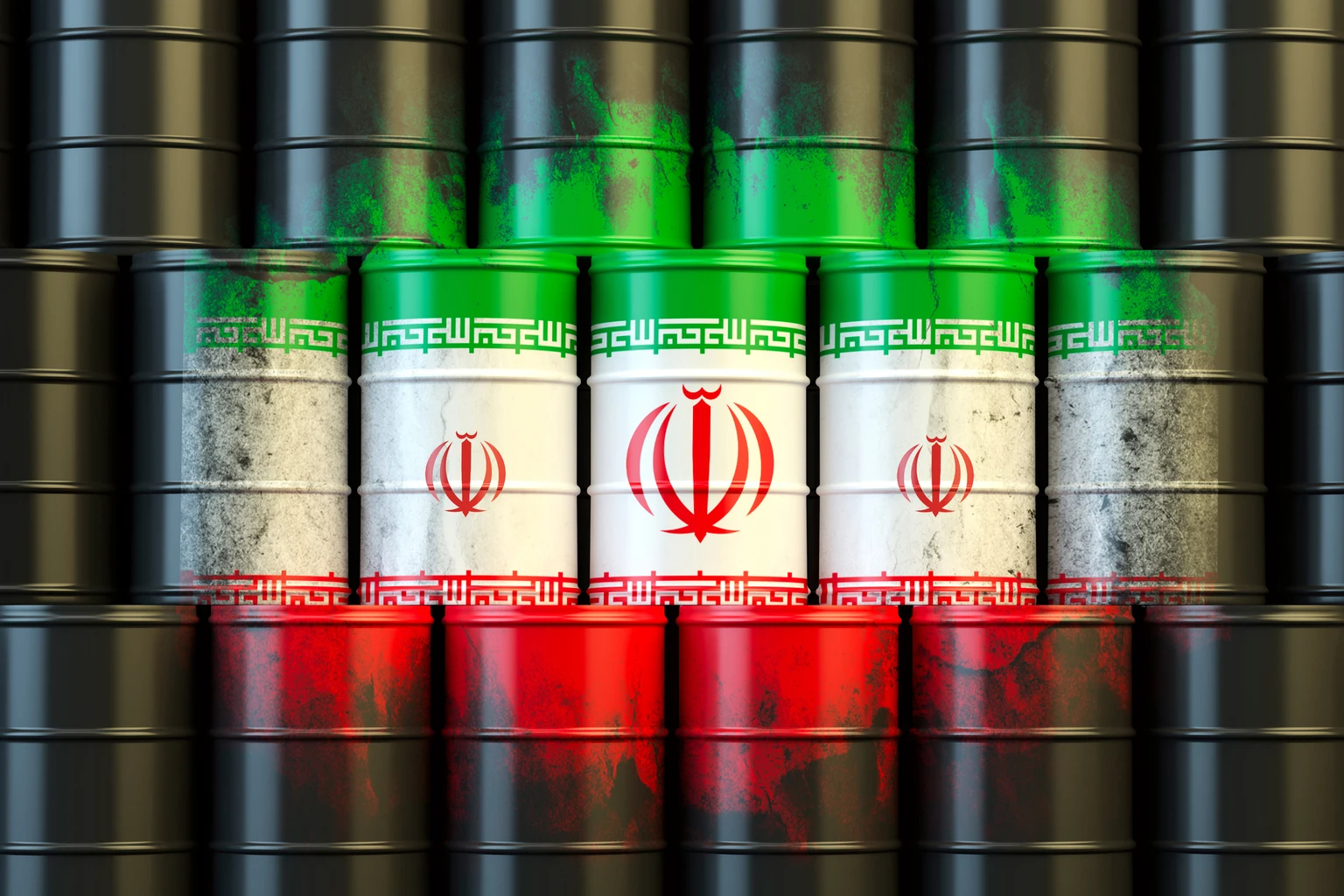
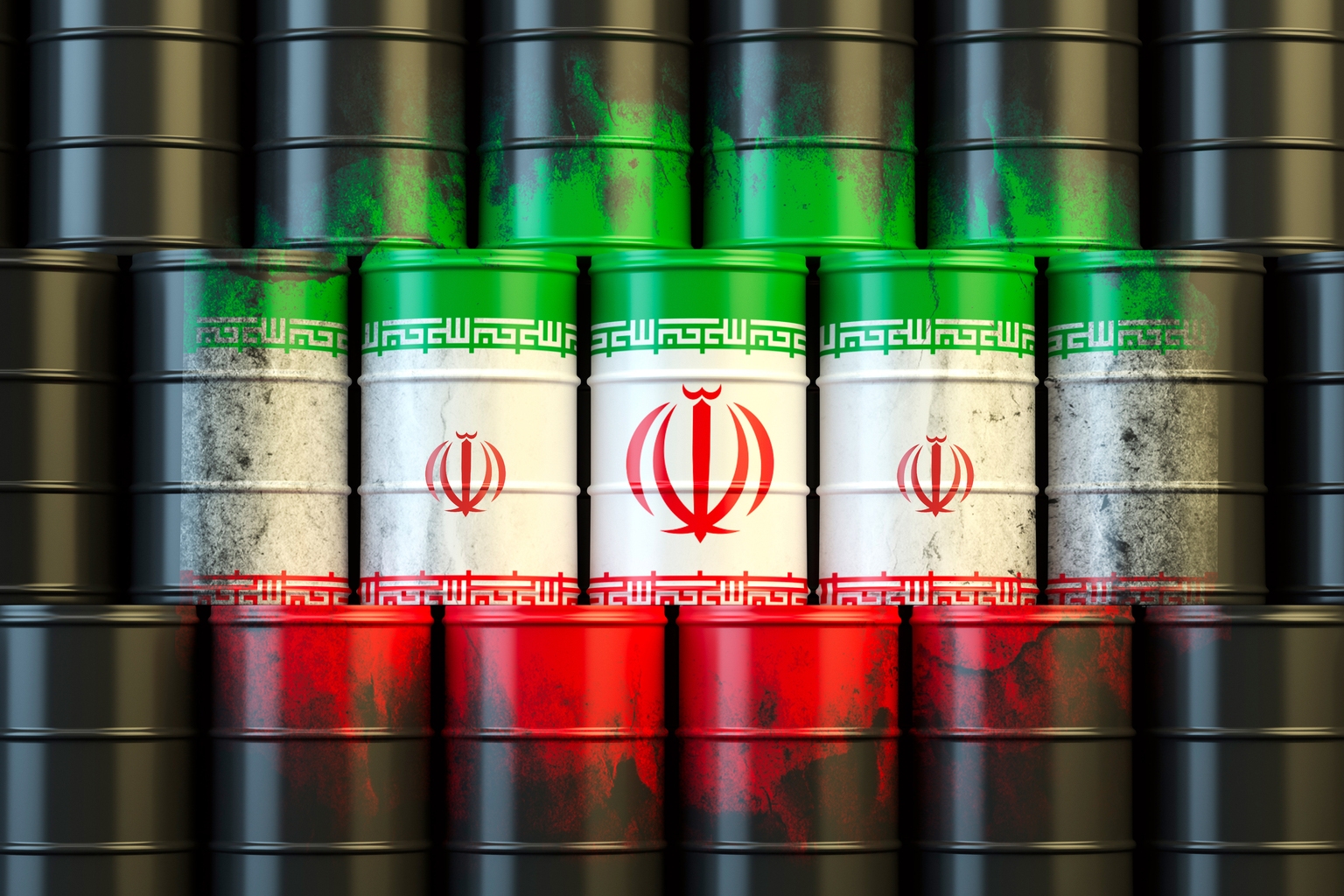
Oil barrels with Iran flag symbolizing energy production and geopolitics

Bennyforest/iStock via Getty Images

By Christopher Puplava, CRPC

There is no shortage of commentary surrounding the current conflict involving the United States, Israel, and Iran. Rather than revisit the geopolitical details, this update will focus specifically on the potential economic and investment implications.

Advertisement
Continue Reading

Business

Will Sedemac’s IPO deliver long term growth for high-risk investors?

Published

on

Will Sedemac’s IPO deliver long term growth for high-risk investors?
ET Intelligence Group: Sedemac Mechatronics, an auto components company, plans to raise Rs 1,087.5 crore through an offer for sale. The promoter group’s stake will fall a tad to 26.2% after the IPO from 26.4%. The company designs and manufactures control-intensive electronic control units (ECU) for leading original equipment manufacturers (OEMs). Its revenue grew in double-digit while net profit more than doubled between FY23 and FY25. However, nearly 75% of the revenue comes from TVS Motor Company, reflecting customer concentration. Given these factors, investors with high-risk appetites may consider the IPO.

Business
Incorporated in 2007, Sedemac is a Pune-based company which designs and manufactures powertrain controllers, motor control products, and integrated starter-generator (ISG) solutions for automotive and industrial applications. The company provides patented sensor-less motor control technology, enabling precise performance without external sensors for both engine-powered and electric bicycles and three-wheelers. It has two manufacturing facilities in Pune with 94% and 81% capacity utilisation. It has two upcoming facilities, yet to be operational.

SEDEMAC has Precision and Control, Also Big Client RiskAgencies

list of parts: Co has strong numbers, and is adding capacity. But IPO more suitable for high-risk investors due to revenue concentration

Financials
Between FY23 and FY25, revenue grew by 24.8% annually to ‘658.4 crore and net profit jumped 134.3% to ’47 crore. Operating profit before interest, tax, depreciation and amortisation (Ebitda) grew 51.8% to ‘125.1 crore while Ebitda margin expanded to 19% from 12.8% during the period. Around 91% revenue comes from the top three customers. Return on equity (ROE) grew to 22% in FY25 from 7.8% in FY23. For the nine months ended December 2025, revenue and net profit were Rs 770.7 crore and Rs 71.5 crore, respectively. Though research & Development (R&D) expenses increased to Rs 53.8 crore during the nine months ended December 2025 from Rs 43.5 crore in FY23, R&D spend as a percentage of revenue declined to 7% from 10.3%.

Valuation
Considering the post-IPO equity and annualised profit for FY26, the price-earnings (P/E) multiple is 62.7. While it may not have a direct peer in the strict sense, some of the auto ancillary companies, including ZF Commercial Vehicle Control Systems India and Sona BLW Precision Forgings trade at forward P/Es of 56 and 54 respectively.

Advertisement

Continue Reading

Business

India’s services growth moderated in February as cost pressures mount, PMI shows

Published

on

India’s services growth moderated in February as cost pressures mount, PMI shows


India’s services growth moderated in February as cost pressures mount, PMI shows

Continue Reading

Business

NXP at Morgan Stanley Conference: Strategic Growth and Challenges

Published

on


NXP at Morgan Stanley Conference: Strategic Growth and Challenges

Continue Reading

Business

Stock Market Holiday: Are NSE, BSE closed today for Holi on March 4?

Published

on

Stock Market Holiday: Are NSE, BSE closed today for Holi on March 4?
Trading on Indian stock exchanges NSE and BSE will continue as normal on Wednesday, March 4, despite Holi festivities being observed in several regions of the country. The official market holiday for Holi in 2026 was on Tuesday, March 3, and both the BSE and National Stock Exchange have resumed operations thereafter.

Exchanges operate strictly as per their notified annual calendar, and March 3 was the designated closure for Holi this year. Even though celebrations spill over into March 4 in many states, there is no trading halt across the equity, derivatives or currency segments on Wednesday.

Stock market holiday calendar 2026
In total, Indian exchanges will observe 15 trading holidays in 2026, spanning key national and religious events.The next scheduled holidays are Ram Navami on March 26 and Mahavir Jayanti on March 31. April will see markets closed for Good Friday on April 3 and Ambedkar Jayanti on April 14. Maharashtra Day on May 1 will also be a non-trading day.

In the first half of the year, Bakri Id on May 28 and Muharram on June 26 are marked as holidays. Later in the year, trading will remain suspended for Ganesh Chaturthi on September 14 and Gandhi Jayanti on October 2. Dussehra falls on October 20, followed by Diwali Balipratipada on November 10 and Guru Nanak Jayanti on November 24. The final market holiday of 2026 will be Christmas on December 25.
Independence Day on August 15 falls on a weekend in 2026, meaning there is no additional weekday closure beyond the regular Saturday break.
Markets brace for war-driven volatility
The resumption of trading comes against the backdrop of heightened geopolitical stress. Escalating hostilities between the United States, Israel and Iran have unsettled global financial markets, triggering a surge in crude oil prices and prompting a shift toward risk aversion.

On Monday, Indian equities saw heavy selling pressure as investors reacted to the expanding conflict in West Asia. The Sensex and Nifty opened sharply lower and remained under pressure for most of the session before trimming some intraday losses. Broader indices, including midcaps and smallcaps, also declined, reflecting widespread caution.

Advertisement

The core concern for Indian markets remains oil. With tensions threatening energy flows through the Middle East, crude prices have risen sharply, stoking fears of imported inflation, pressure on the rupee and a widening current account deficit. Any sustained disruption could complicate the interest rate outlook and weigh on corporate margins, particularly in oil-intensive sectors.

Market participants are also factoring in global cues. Wall Street has corrected sharply to the evolving situation. The trajectory of crude prices and the duration of the conflict are likely to dictate near-term sentiment.

Technically, analysts say the Nifty is hovering near important support levels after the recent slide. A break below recent swing lows could extend the correction, while any stabilisation in oil prices may offer room for a relief bounce.

Given the uncertain backdrop, brokers are advising investors to avoid aggressive positioning and focus on capital preservation. With geopolitical developments still unfolding, the immediate outlook hinges less on festival calendars and more on energy markets and global risk sentiment.

Advertisement

(Disclaimer: Recommendations, suggestions, views and opinions given by experts are their own. These do not represent the views of Economic Times.)

Continue Reading

Business

Asia Markets Reel as Energy Shock Fears Escalate

Published

on

Asia Markets Reel as Energy Shock Fears Escalate

Asian equities tumbled as investors braced for the economic fallout of widening conflict in the Middle East, which has already sent oil prices soaring and rattled currency markets.

  • Asian markets faced sharp declines as Seoul’s benchmark plummeted 4%, pushing its two-day losses past 11%, driven by a downturn in memory chipmakers. Meanwhile, Japan’s Nikkei slid 2.5%, marking its third consecutive session of losses.
  • Currency and Commodities Pressure The South Korean won hit a 17-year low. Brent crude surged more than 12% this week, trading near $81.40 per barrel. Gold steadied at $5,128 an ounce after a sharp overnight drop.
  • Geopolitical Drivers U.S. and Israeli forces continued strikes on Iran, while Iranian drones and missiles targeted Gulf oil refineries and U.S. embassies in Saudi Arabia and Kuwait. Washington announced measures to secure Gulf shipping, including possible naval escorts for oil tankers.
  • Global Market Reactions Wall Street’s S&P 500 closed 0.8% lower, while European futures rose 0.8%. The euro slipped below $1.16, and European gas prices jumped 65% in two days, raising inflation concerns.
  • Investor Outlook Analysts warn that sustained high energy prices could delay interest rate cuts, forcing investors to unwind positions in gold and chipmakers to cover losses elsewhere.

The escalating Middle East conflict has triggered a wave of uncertainty across global markets, with Asia bearing the brunt of investor anxiety. Rising oil prices and currency volatility are compounding fears of prolonged inflationary pressures. Unless geopolitical tensions ease, the outlook suggests continued instability, leaving policymakers and investors alike facing difficult decisions in the weeks ahead.

This uncertainty has led to a flight to safe-haven assets, with gold prices surging and government bond yields fluctuating as investors seek stability. Meanwhile, equity markets across Asia have experienced sharp declines, particularly in sectors sensitive to energy costs and global trade. Central banks in the region may face mounting pressure to adjust monetary policies to counteract inflationary risks, even as they strive to support economic growth. In this volatile environment, businesses are bracing for potential disruptions in supply chains and increased operational costs, further complicating recovery efforts in post-pandemic economies.

Advertisement
Continue Reading

Business

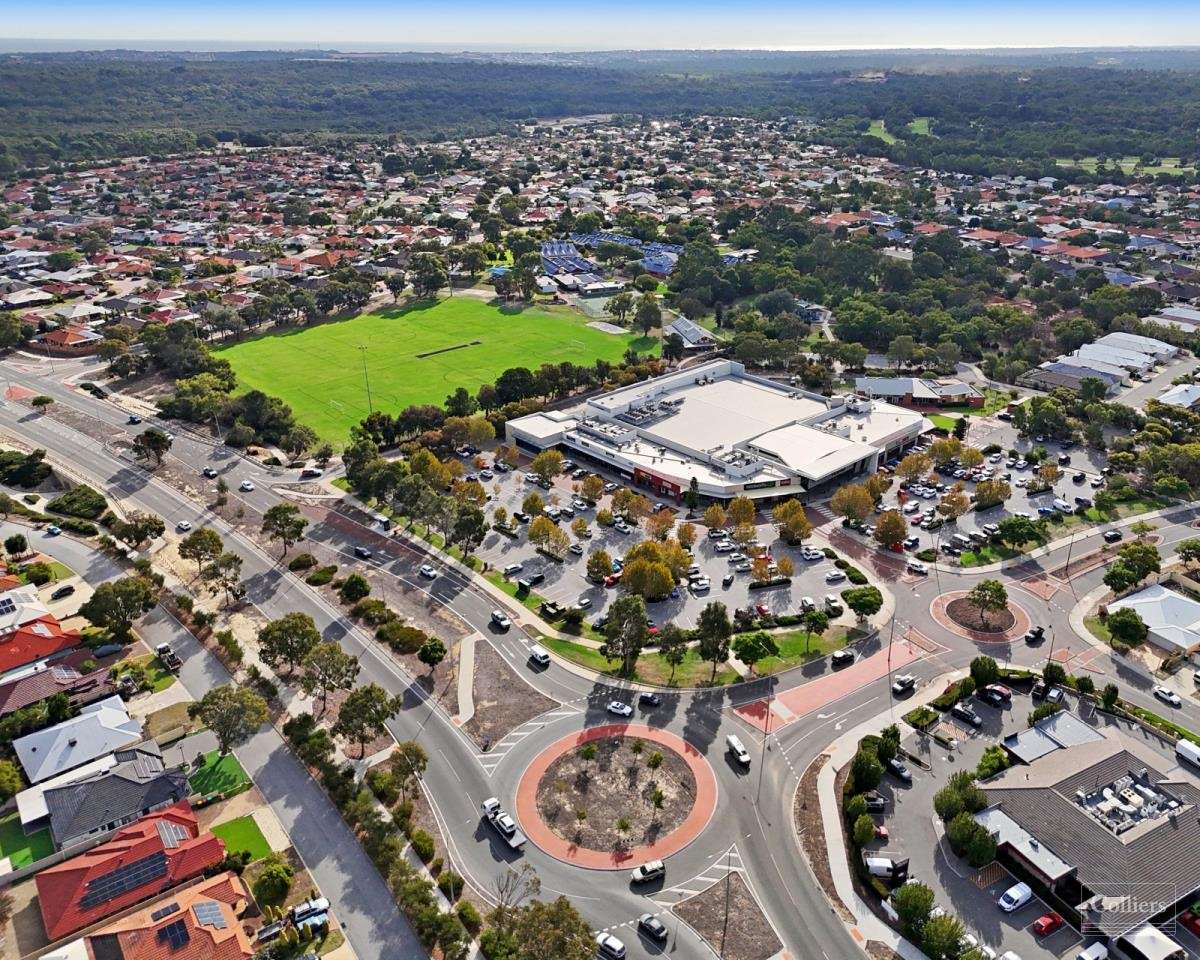
Carramar Village sold for $32.15m

Published

on

Carramar Village sold for $32.15m

The sale of the neighbourhood shopping centre comes amid a strong retail property market.

Continue Reading

Trending

Copyright © 2025