

Business
Earnings call transcript: Santander posts record Q2 2026 profit, shares rise premarket


Business
Waaree Renewable shares slide 7% despite 34% YoY surge in Q1 profit. What’s spooking investors?

The shares of the company dropped to Rs 951 apiece on Thursday, the lowest level seen since June 12. While consolidated net profit grew 34% from Rs 86 crore reported in Q1 of the previous financial year, it fell around 26% sequentially from the Rs 157 crore reported in Q4 of FY26.
Revenue from operations also increased over 53% YoY to Rs 924 crore in Q1 FY27 from Rs 603 crore reported in the corresponding quarter of FY26, but fell more than 16% quarter on quarter (QoQ) from Rs 1,102 crore reported in the previous quarter (Q4 FY26). “We believe the true measure of business strength lies in sustained YoY growth,” the company said.
Waaree Renewable’s EBITDA grew nearly 48% YoY to Rs 173 crore, while EBITDA margin declined to 18.77% in Q1 FY27 from 19.49% in Q1 FY26. The company said it has been expanding its capabilities across adjacent segments beyond its core renewable EPC business, adding that its recent acquisition of Associated Power Structures (APSPL) strengthens its presence in the transmission and distribution (T&D) space.
What Waaree Renewable’s management said

The global business environment continues to face multiple challenges, including geopolitical tensions, tariff uncertainties, supply chain adjustments and regional conflicts, said Waaree Renewable CFO Manmohan Sharma. “Despite these headwinds, we are pleased to begin FY27 on a strong note, with consolidated revenue for Q1 FY27 at Rs 924.25 crores compared to Rs 603.19 crore in Q1 FY26, reflecting a robust growth of 53.23%. This performance was driven by steady execution across our EPC portfolio, efficient resource deployment, and a sustained focus on disciplined project delivery,” he added.
The executive said that the company’s acquisition of 55% stake in Associated Power Structures strengthens its capabilities in transmission and distribution (T&D), enabling it to offer integrated solutions while continuing to expand renewable EPC business in a disciplined and scalable manner.
Also Read | IndusInd Bank shares fall 5% despite 72% YoY Q1 profit surge. Why analysts remain bullish?
“Backed by a healthy unexecuted order book of Rs. 5,300+ crores, Waaree Renewable remains well positioned for sustained growth, supported by expanding O&M capabilities. Supported by a strong execution track record and expanding capabilities, we remain confident in our long-term growth strategy. We will continue to focus on disciplined execution, operational excellence, and delivering sustainable value to our stakeholders,” Manmohan Sharma further said.
Waaree Renewable share price
Waaree Renewable shares debuted on the BSE SME index in August 2012 with an issue size of Rs 5 crore. In 2019, the stock migrated to the main exchange after the company grew both in market capitalisation as well as sales.
The stock has delivered massive returns of more than 2,870% in the past five years, but have fallen over 14% in one year. While the stock has gained more than 9% in six months, it is down 3% in one month and 5% in the past five days. The company currently has a market capitalisation of Rs 10,015 crore.
Also Read | Alphabet’s quarterly earnings beat Wall Street estimates, but here’s what is spooking investors
(Disclaimer: Recommendations, suggestions, views and opinions given by the experts are their own. These do not represent the views of The Economic Times)
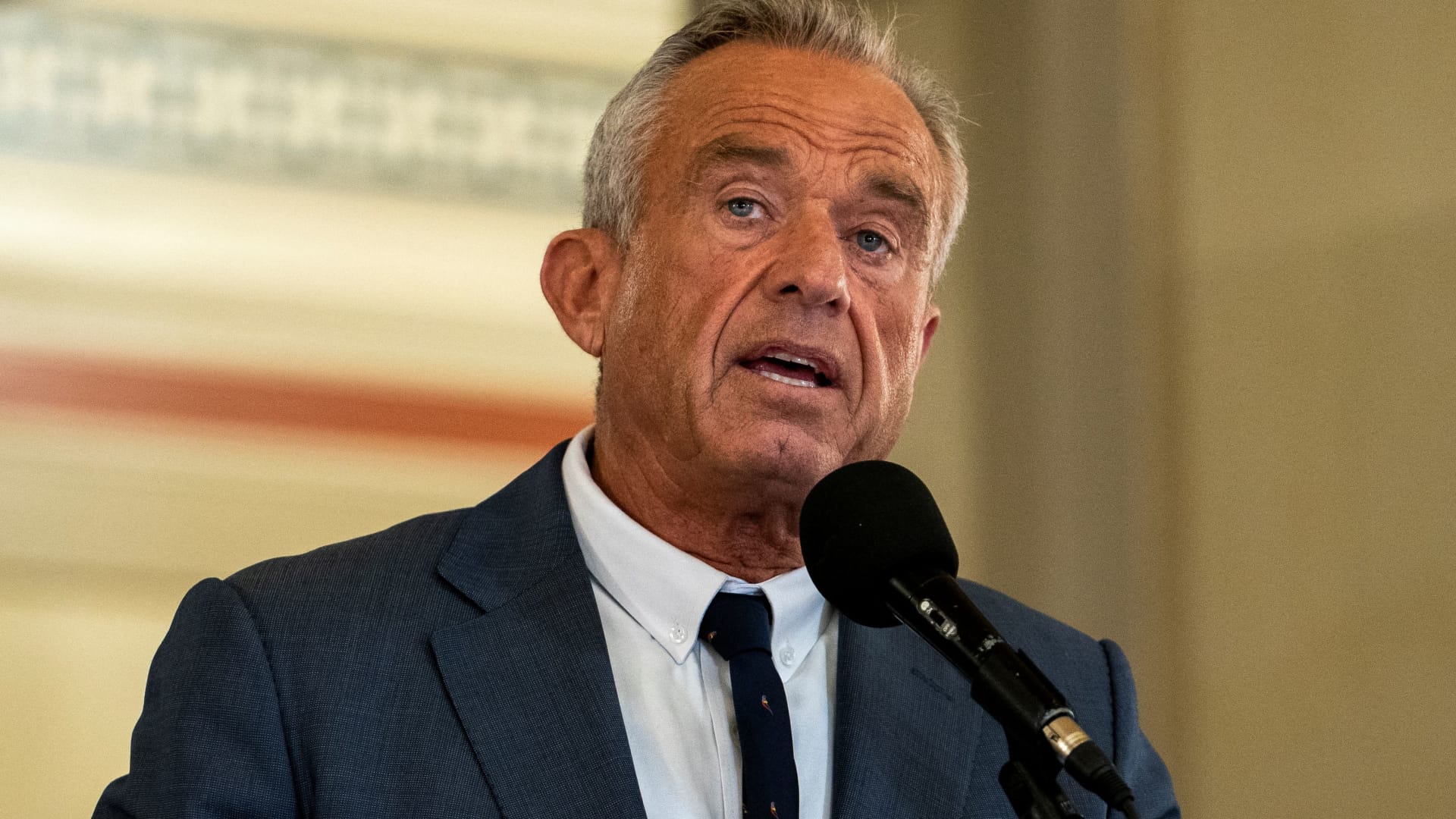
Robert F. Kennedy Jr., US secretary of Health and Human Services (HHS), during a celebration at the Health and Human Services (HHS) headquarters in Washington, DC, US, on Thursday, Jan. 8, 2026.
Kent Nishimura | Bloomberg | Getty Images
Robert F. Kennedy Jr. took the helm of the U.S. Department of Health and Human Services last year promising to overhaul the U.S. food system and restore confidence in the agencies that oversee it.
The secretary of the Department of Health and Human Services now faces one of his biggest tests yet, as the country tries to contain an outbreak – or potentially multiple outbreaks – of foodborne illness. Two months and thousands of cases of cyclosporiasis later, it looks like the nation’s already fragile system is faltering.
Experts have long said the U.S. is underprepared to rein in foodborne outbreaks. But after the Trump administration slashed key officials — from federal employees who investigate the source of illnesses to those who share information with the public — Kennedy appears to face an even more daunting task to contain the parasite and build trust in the administration’s response.
“It is difficult to quantify precisely, but it is clear that the cuts to federal funding over the past year or so have reduced our capacity to respond to outbreaks like this,” said Craig Hedberg, co-director of the Minnesota Integrated Food Safety Center of Excellence.
Kennedy earlier this week defended the handling of an outbreak of cyclosporiasis that has sickened at least 7,000 people in Michigan alone. (The official count from the Centers for Disease Control and Prevention, which has lagged behind state tallies, sits at nearly 4,200 cases). Kennedy said the ongoing outbreak of cyclosporiasis is “under control,” contending criticisms that agency cuts have hampered the investigation are “invalid.”

The U.S. Food and Drug Administration and the Centers for Disease Control and Prevention have narrowed their focus to shredded iceberg lettuce from Taylor Farms, a produce supplier for a range of restaurants and grocers. The FDA over the weekend said lettuce from the company tested positive for cyclospora, the parasite that causes the explosive diarrhea. The agency later walked that back, saying it was a false positive.
Donald Schaffner, chair of food science at Rutgers University, said he’s never seen such a reversal before and called it a “pretty big screw up.” Still, one former senior FDA food official said the agency was right to publicize the positive test because if it turned out to be a true positive, delaying the announcement could have caused more people to fall ill. And regardless of the test result, the agencies still see the lettuce as a likely culprit.
The about face, and the confusion it created over whether regulators still suspected the Taylor Farms lettuce was tied to the outbreak, underscored the difficulty Kennedy faces in trying to restore public confidence.
HHS spokesperson Emily Hilliard in a statement to CNBC said the FDA has been transparent with Taylor Farms throughout the investigation and the corrected lab result doesn’t change the agency’s findings.
Former federal health officials and independent food safety experts say they see the cyclospora response as a prime example of a system that’s long been underfunded and overstrained, leaving the U.S. vulnerable to these kinds of outbreaks. And they fear budget cuts, policy delays and personnel turnover are exacerbating an already delicate situation.
In response, Hilliard said regulators have “mounted a robust, science-based response to this outbreak, working closely with health departments in all 50 states, rapidly identifying known sources, and ensuring Americans have the information they need to protect themselves.”
She added, “FDA and CDC continue working together to use every available public health tool to identify additional sources of the outbreak and inform swift public health action.”
Why the cyclospora outbreak is hard to track
Technician holding a specimen container with stool sample for cyclospora test.
Md Babul Hosen | Istock | Getty Images
Cyclospora is a parasite that’s trickier to track than some other pathogens. Parasites don’t grow outside the human body, making it harder to test for them and link cases to each other. Cyclospora tests are prone to false positives because the process for conducting them can sometimes make it look like there’s a parasite in the sample when there’s not, Schaffner said.
Some experts said the Trump administration funding cuts make that tall task even tougher.
Dr. Daniel Jernigan, former director of the CDC’s National Center for Emerging and Zoonotic Infectious Diseases, pointed to the CDC’s Division of Parasitic Diseases and Malaria losing $40 million in funds from the U.S. Agency for International Development after the Trump administration dismantled the organization. The agency anticipates recovering some funds, though it would represent one-quarter of the money it used to receive from USAID, according to Jernigan.
Jernigan estimates the group has lost about one-quarter of its staff because of the budget cuts. Some of those employees worked on other parasitic diseases like malaria, but would typically be tapped to help respond in an emergency situation like this one, he said. As a result of the cuts, CDC is trying to move the parasitic diseases groups to the Division of Foodborne, Water and Environmental Diseases, which Jernigan says is a good thing for optimizing foodborne disease investigation and control.
“At the beginning of this response, the cuts because of the USAID [funding] made that division less capable of responding fast, and that’s not rocket science,” Jernigan said. “Just fewer people, you don’t have the reserve.”
HHS’ Hilliard said the funds were dedicated to international activities and were not used to support the CDC’s domestic foodborne disease response. She added that Trump’s proposed fiscal year 2027 budget proposes a $33 million increase for food safety activities.
Jernigan suggests increasing that budget would help improve the agency’s ability to respond to such outbreaks. CDC funding for food safety hasn’t seen a meaningful increase since 2014, according to an analysis from George Washington University’s Institute for Food Safety and Nutrition Security.
This fiscal year, the CDC’s budget for food safety is $74 million, up $2 million from last year, according to the agency’s operating plan. That food safety sum represents about 10% of funds for the CDC’s emerging and zoonotic infectious diseases work.
CDC’s FoodNet, or the Foodborne Diseases Active Surveillance Network, stopped mandatory reporting for six of eight pathogens it previously monitored, including cyclospora, because there hasn’t been enough money forthe work, something experts say is a result of chronic underfunding of food safety. That program tracks foodborne illness outbreaks over time rather than identifying new outbreaks.
Kennedy earlier this week said cuts in the FoodNet program were for “redundant surveillance.”
At the FDA, the agency’s budget for food has long been a fraction of centers that oversee regulation of drugs and devices. This year, the food center’s $1.17 billion budget represents about 17% of the agency’s roughly $7 billion in total program level spending.
Food funding has lagged other areas in part because it disproportionately comes from congressional appropriations, whereas money for other centers, including those that oversee prescription drugs and tobacco products, largely comes from fees the industry pays for reviews of applications.
The so-called Department of Government Efficiency, which oversaw massive federal layoffs last year, spared the FDA’s foodborne illness outbreak personnel from sweeping cuts, according to the former senior FDA official. The FDA’s main press office was gutted, stripping the agency of outbreak communications expertise.
Some contend the FDA’s messaging around the false positive sowed confusion about the investigation and how consumers should respond.
Ellen Shumaker, director of outreach for Safe Plates at North Carolina State University, said the FDA’s recall communications have needed modernization for some time. She said the agency needs to give clear communications to consumers, telling them in plain language what concrete steps they can take. She added that the agency needs to more quickly classify how severe a recall is.
In this case, the FDA said illnesses started on May 17, yet it didn’t issue a public notice until July 16, a timeline that suggests the response was slower than expected, said Frank Yiannas, former deputy commissioner of food policy and response at the FDA. One measure that he and other food safety experts say could have helped accelerate the response was the FDA’s Food Traceability Rule, which was supposed to go into effect this year but was delayed by two-and-a-half years. The policy was designed to help the FDA quickly see where a food came from to respond to foodborne illness outbreaks.
Kennedy has repeatedly promised to rebuild trust in the CDC following the Covid-19 pandemic and restore its focus on infectious disease, and the cyclospora response gives him a chance to display any improvements to the agency’s handling of a crisis. So far, experts said they have not seen the response get much better.
How funding cuts affected food safety agencies
State and local health departments are also feeling the effects of the Trump administration’s cuts. A May analysis from the Congressional Research Service found the administration terminated $5.78 billion in CDC grants to states.
Sarah Sorscher, director of regulatory affairs at the Center for Science in the Public Interest, said states use the block grants to fund epidemiologists and other specialists involved in investigating outbreaks.
In Kentucky, the group that’s primarily responsible for conducting case interviews for foodborne illnesses has experienced a 30% to 50% decrease in staffing due to a reduction in federal grant funds, according to a spokesperson for the state’s department of public health. The state anticipates more staff reductions next year due to additional cuts to federal grants next year.
Even so, one state hit hard by the outbreak said it has received federal help. The Ohio Department of Health requested federal help for the cyclospora investigation and will host several of the CDC’s Epidemic Intelligence Service officers this week to assist, a spokesman told CNBC. The state agency has requested help from the CDC in prior responses, including a measles outbreak in 2022 and the East Palestine train derailment in 2023.
In the meantime, more people are falling ill. The CDC has received reports of more than 4,000 laboratory confirmed cases and is aware of more than 7,400 additional cases, many of them in Michigan and Ohio, that haven’t been confirmed by a lab test yet.
And on Wednesday, the FDA reported a new outbreak among dozens of people linked to a product that hasn’t been identified yet, meaning the health agencies have even more leads to investigate.

Earnings call transcript: Colonial SFL confirms H1 2026 growth and guidance

R&B singer Nivea has revealed that she is battling leukemia, sharing details of her diagnosis and treatment during a recent interview while expressing deep gratitude for the perspective the experience has given her.
The 44-year-old performer, known for her early 2000s hits, disclosed the news on the “Cadillac Chronicles” interview series. When asked what she was thankful for at the moment, she responded candidly about her health journey.
“I was diagnosed with leukemia earlier this year, and I am so grateful to God,” she said. “I’ve been going through treatment and everything is going great so far. And I expect it to continue. Amen. Amen. Amen. And I’m very grateful for life. It’s so cliché to say, you know, you don’t know the time nor the hour, and it’s true.”
Nivea, whose full name is Nivea B. Hamilton, noted that the diagnosis shifted her outlook significantly. “It just helped me put a lot of things in perspective,” she added. “And I live in gratitude like religiously, and I’m just grateful for everything. I’m doing things I want to do. I’m definitely back into my music.”
She also shared that she has returned to school to study audio engineering, a longtime interest. “I’ve always wanted to learn how to engineer, and mix and engineer in particular,” she said. “But, in general, just doing all the things, honey. Loving all my children and just being grateful. Taking every opportunity that comes my way.”
When asked about the biggest lesson she has learned, Nivea emphasized presence and appreciation. “Definitely don’t take anything for granted,” she said. “Like, I definitely lived in my younger years. The days just flew by, and I was just doing what I was doing. I don’t know. It’s kind of like you don’t recognize the short time that we do have here, and how everything is … I’ve always noticed the beauty in everything, though, I will say that. But, to be more present in the moment is definitely something I’ve learned. This time will never occur again. Being more present in the moment. Counting the blessings. Being more grateful.”
She continued by discussing the power of focus and positivity. “The universe or God or whatever you want to call it, your brain will find the things you focus on,” she said. “You know where the mind goes energy goes. So I just try to think of positive things. I’m a very optimistic person.”
Nivea rose to prominence in the early 2000s with her self-titled debut album released in 2002. Her single “Don’t Mess with My Man” earned a Grammy nomination for Best R&B Performance in 2003. She has released four albums in total, with her most recent being “Mirrors” in 2019.
Fans and supporters have responded with messages of encouragement following the revelation. Many recalled her previous health challenges, including a postpartum stroke she experienced years earlier, and praised her resilience and continued creative pursuits.
Leukemia is a cancer of the blood-forming tissues that can affect people of various ages. Treatment approaches often include chemotherapy, targeted therapies or other medical interventions depending on the specific type and stage. Nivea indicated her treatment has progressed positively so far and expressed optimism about continued improvement.
In the interview, the singer repeatedly returned to themes of faith and gratitude. She framed the diagnosis not solely as a medical challenge but as a catalyst for living more intentionally and pursuing long-held goals such as music production skills.
Nivea’s career has spanned more than two decades, with her early work establishing her as a notable voice in contemporary R&B. Beyond recording, she has remained connected to music through performances and personal projects. Her decision to study audio engineering reflects a desire to expand her role behind the console as well as in front of the microphone.
The timing of the public disclosure comes as she continues treatment while balancing family life and creative ambitions. She spoke warmly about her children and the importance of seizing opportunities, suggesting a renewed sense of purpose.
Music industry observers noted that artists often share health journeys to raise awareness and connect with fans on a human level. Nivea’s openness aligns with a broader trend of public figures discussing medical challenges candidly.
Her comments about living in the present and avoiding complacency resonated with many who have followed her career. The singer acknowledged that time can pass quickly during periods of activity and success, and that intentional presence requires deliberate effort.
Nivea’s story also highlights the role of spiritual practice for some individuals facing serious illness. She repeatedly credited God for her progress and expressed repeated affirmations of gratitude and expectation for continued positive outcomes.
As she continues treatment, Nivea appears focused on both recovery and personal growth. Her return to music and enrollment in audio engineering courses suggest an active approach to the future rather than a pause.
Supporters have encouraged her publicly, revisiting her catalog of songs and celebrating her determination. The response underscores the connection many fans feel with artists who share vulnerable moments.
Leukemia awareness efforts often emphasize early detection and the importance of medical care. While Nivea did not detail specific symptoms or the precise form of the disease, her willingness to discuss the diagnosis may prompt conversations among listeners about health monitoring.
In the interview, she balanced realism about the uncertainty of life with a clear sense of optimism. The repeated “Amen” and statements of gratitude framed her outlook as one rooted in faith and expectation of positive results.
Nivea’s career trajectory includes both commercial success and periods of relative quiet. Her 2019 album “Mirrors” marked a later chapter, and recent comments indicate she is re-engaging with creative work amid her health management.
Family remains a central theme in her reflections. Mentions of loving her children and prioritizing meaningful experiences suggest that personal relationships have taken on heightened importance.
The broader context of her revelation includes the physical and emotional demands of cancer treatment. Many patients describe shifts in priorities, relationships and daily routines. Nivea’s account aligns with those common experiences while remaining distinctly personal.
She has not indicated any interruption in her long-term plans. Instead, the diagnosis appears to have accelerated certain pursuits, including formal training in engineering skills she had long desired.
Industry colleagues and fellow artists have in the past offered support during similar disclosures. While specific statements from peers were not detailed in the initial interview, the overall response from the public has been one of solidarity.
Nivea’s emphasis on positivity and mental focus reflects practices many people adopt during difficult periods. She described intentionally directing her thoughts toward constructive and hopeful outcomes.
As treatment continues, updates on her progress will likely be of interest to fans who have followed her career. For now, her message centers on gratitude, faith and living intentionally.
The singer’s openness provides a window into how one public figure is navigating a serious diagnosis while maintaining creative and personal goals. Her words underscore both the challenges and the potential for renewed purpose that can accompany such experiences.
Nivea’s story continues to unfold as she balances medical care with music, education and family. The perspective she described—valuing presence, counting blessings and maintaining optimism—remains central to the account she shared.
Fans and observers will continue to follow her journey with interest and support. Her early hits introduced her to a wide audience, and her current reflections offer a more personal dimension to her public presence.
In speaking about the diagnosis, Nivea chose language of gratitude and expectation rather than solely focusing on difficulty. That framing has defined the public conversation around her revelation.
The interview captured a moment of vulnerability paired with resilience. As she continues treatment and creative work, her emphasis on living fully in the present serves as a consistent theme.
Nivea’s career and personal narrative now include this chapter of health management and personal growth. The response from listeners reflects appreciation for her candor and determination.
Business
Free Agent Wide Receiver Tyreek Hill Says He Still Has ‘No Power’ in Left Leg 10 Months After Injury
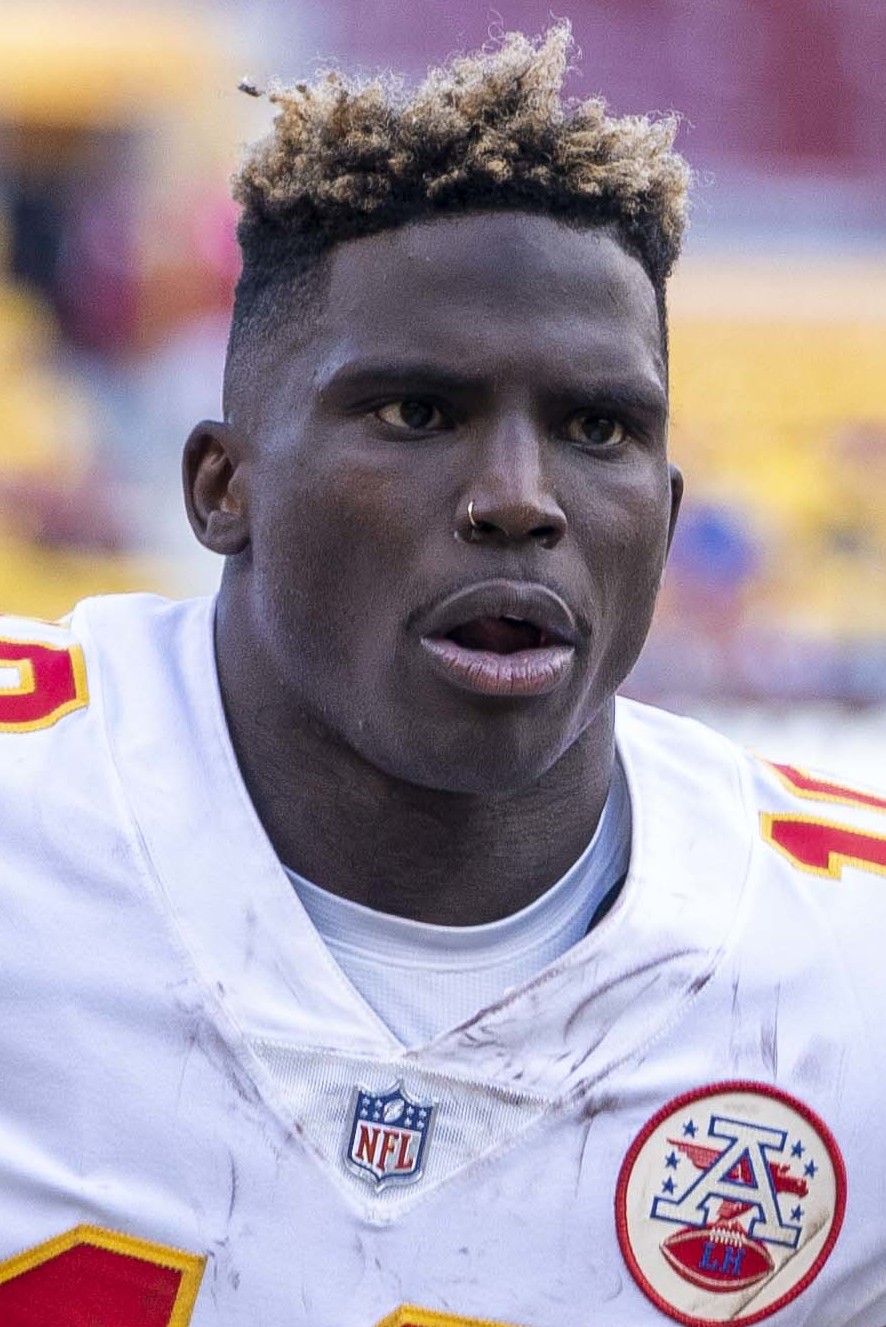
Free agent wide receiver Tyreek Hill said in a new rehabilitation video posted Wednesday that he still lacks strength in his surgically repaired left leg, roughly 10 months after suffering a dislocated knee and multiple torn ligaments that ended his 2025 season and, so far, kept him off any NFL roster.
Hill, 32, shared the update in a video posted to his YouTube channel, offering fans and prospective teams their most direct look yet at where his recovery stands as NFL training camps begin opening around the league this week.
What Hill said about his recovery
Hill described his current physical state in blunt terms. “So it’s about 10 months after doing two surgeries,” Hill said in the video. “My left leg is the one that I injured. I have no power in my left leg at all, so I’m trying to regain all the power back in my left leg. But it’s one day at a time.”
He detailed the specific rehabilitation work he has been doing to rebuild strength in the injured leg. “I’ve been activating the quads, the glutes, the hamstrings, the calves. I’ve been doing all the stability work, all the mobility work I need to get my knee back right,” Hill said. Despite the lack of power he described, Hill struck an optimistic tone about his overall progress, declining to commit to a specific timetable for a return. “I ain’t going to tell you what my timeline is, but timeline looking real good right now, man,” he said.
How the injury happened
Hill dislocated and tore multiple ligaments in his left knee, including his ACL and LCL, during the Miami Dolphins’ 27-21 win over the New York Jets on Sept. 29, 2025. He underwent surgery the following day and later had an additional procedure on his LCL this past February. Hill said doctors initially told him he “might not be able to walk again” following the injury, underscoring the severity of the damage even as he now works to regain strength and mobility.
In the video, Hill is shown performing a range of exercises as part of his rehabilitation, including work in a swimming pool, resistance band training, and some light running and jumping on turf and a basketball court, activities that suggest continued progress even as he says explosive power in the leg has not yet returned.
A free agent since February
Miami released Hill in February after four seasons with the franchise, making him a free agent for the first time in his career. He had appeared in just four games during the 2025 season before the injury, recording 21 catches for 265 yards and one touchdown. As of this week, no team has signed Hill, and there has been no strong indication throughout the offseason that any franchise is close to doing so, given the uncertainty surrounding his recovery timeline and long-term explosiveness following such a severe injury.
Medical experts following Hill’s situation have offered a cautious outlook on his prospects for a full return to his prior form. Dr. David Chao, founder of Sports Injury Central and a former team physician for the San Diego Chargers, noted the severity of the type of injury Hill suffered when assessing his outlook, pointing to the case of NFL quarterback Teddy Bridgewater, who missed a year and a half after dislocating his knee. Chao noted that Hill’s injury involved more than just a torn ACL, reflecting the broader ligament damage that has complicated his recovery.
A decorated career, now in question
Hill enters this uncertain stretch of his career as one of the most accomplished wide receivers of his generation. Since entering the NFL in 2016, he ranks second among all wide receivers in career receiving yards with 11,363, third in touchdowns with 83, and fifth in receptions with 819. He has earned eight Pro Bowl selections and was named First Team All-Pro five times across his 10 NFL seasons split between the Kansas City Chiefs and Dolphins. Hill also won Super Bowl LIV with the Chiefs during the 2019 season.
His best individual season came in 2023, his second year in Miami, when he led the entire NFL in both receiving yards, with 1,799, and receiving touchdowns, with 13, cementing his reputation as one of the league’s most explosive offensive weapons before last season’s injury.
A message of gratitude
Hill closed his video update by thanking the medical staff who have supported him throughout his recovery process. “Shout out to all the doctors I’ve seen. Shout out to the Miami Dolphins training crew,” he said. “They’ve been great. Everybody has been great throughout this process.”
With NFL teams beginning to report for training camp this week, Hill’s continued free agency, and the uncertainty surrounding when, or whether, he will regain the explosive speed that defined his career, leaves his football future genuinely in question heading into the 2026 season. While Hill’s own comments suggest cautious optimism about his overall trajectory, his acknowledgment that he still lacks power in his surgically repaired leg 10 months post-injury indicates that any potential return to an NFL roster, let alone a return to his prior level of play, remains, by his own account, still some distance away.

Combined business to have four commercial divisions.

2026 Honda Ridgeline pickup truck.
Courtesy HondaHonda,
Honda Motor on Thursday confirmed a next-generation model of its Ridgeline pickup truck will be produced in the U.S. following a temporary production stoppage later this year.
The future of the midsize pickup truck has been in flux amid reports that there could be a production pause coming due to the vehicle not meeting California emissions regulations.
The Japanese automaker on Thursday said there will be a temporary production stoppage for the pickup truck later this year at the Alabama plant that produces the vehicle, with assembly returning to the facility within two years, likely in 2028.
“The goal is to continue to serve those customers who’ve been loyal to the Ridgeline,” Lance Woelfer, vice president of auto sales at American Honda Motor, told CNBC. “But one of the things that we want to bring forward in the future is increased ruggedness of that vehicle, even more capability.”
Woelfer declined to comment on whether the more rugged capability will include the vehicle moving from a car-based production process to a more traditional truck assembly, known as “body-on-frame,” which is how most trucks are built in the U.S.
Honda on July 23, 2026, released a teaser image of its next-generation Ridgeline pickup truck for the U.S. market.
COurtesy Honda
“That’s been an important part of its history. Whether or not it’s part of its future, I won’t get into that,” Woelfer said. “This is a step forward for the Ridgeline that I think everybody will appreciate.”
Expanding the capability of the Ridgeline, which is more known for smooth driving than ruggedness, could assist in expanding the vehicle’s buyers.
Sales of the Ridgeline were down about 3% during the first half of the year. The company has sold between roughly 41,000 and 52,000 Ridgelines annually since 2021. That compares with more than 270,000 units sold of the segment-leading Toyota Tacoma in 2025.
Honda’s confirmation of the new pickup comes as its CR-V compact crossover led U.S. auto sales through the first half of the year for the first time ever.
CR-V sales increased roughly 6% compared with last year as the Ford F-Series pickups and Toyota Rav4 crossover, which have led sales in recent years, dealt with production bottlenecks.
Available for over a year
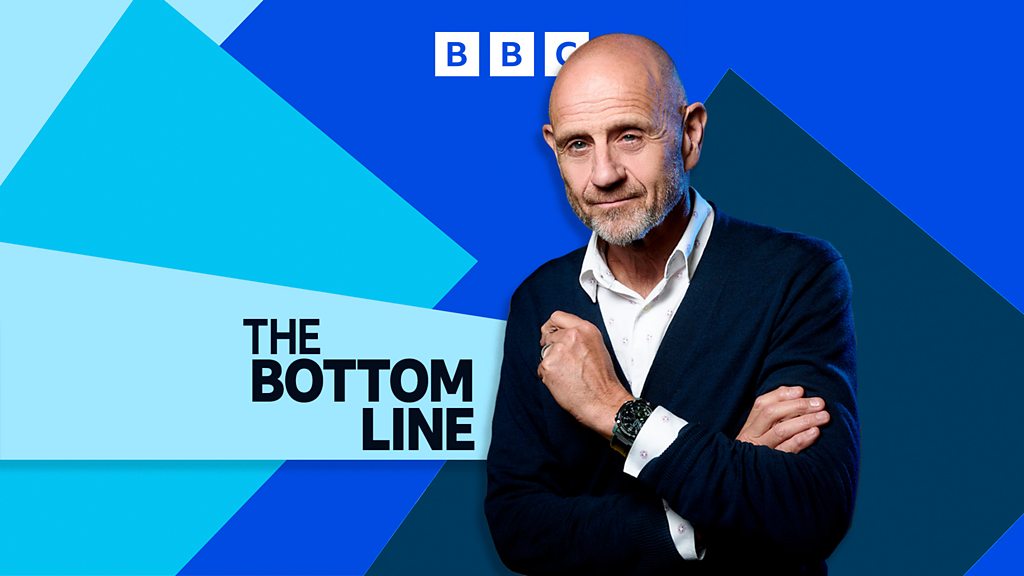
From breakthrough products and inspiring leadership to marketing disasters and strategic own goals, a panel of business leaders choose the winners and losers from the last 12 months in business. Evan Davis hosts The Bottom Line’s unofficial annual awards, where the only prizes are the praise or pillory of the judges.
Guests:
Nicola Hodson, Deputy President, techUK
Peter Bazalgette, former Chair, ITV
Edwina Dunn, Co-founder, dunnhumby
Production team:
Presenter: Evan Davis
Producers: Sally Abrahams and Nick Holland
Sound engineers: Dave O’Neill and Tim Heffer
Production Co-ordinator: Katie Morrison
Business
Nearly 1.6 Million Dozen Eggs Recalled Over Salmonella Risk at Kroger and Brookshire Stores in Six States

The U.S. Food and Drug Administration said Wednesday that Midwest Poultry Services is voluntarily recalling nearly 1.6 million dozen eggs produced in Texas after environmental testing raised concerns the products could be contaminated with Salmonella Enteritidis, a bacterium that can cause serious foodborne illness.
The recall covers 1,589,577 dozen white shell eggs and brown cage-free shell eggs, sold under multiple retail brands including Kroger, Simple Truth, Brookshire’s, Country Morning and Sunups, across six states in the South and Southwest.
How the contamination was discovered
Midwest Poultry Services said the potential contamination was identified through proactive environmental monitoring and a subsequent root cause analysis at two of its Texas farms. The company has since halted shipments of fresh eggs originating from those specific facilities, though it emphasized that no other Midwest Poultry Services products are affected by the recall.
As of the announcement, no illnesses had been reported in connection with the recalled eggs, according to both the company and the FDA.
Where the recalled eggs were sold
The affected eggs were produced between June 6 and July 3, 2026, and carry sell-by or best-by dates ranging from July 20 through Aug. 17, 2026. They were distributed to foodservice and retail customers across Texas, Oklahoma and Louisiana, and were specifically available at Kroger stores in Texas and Louisiana, as well as Brookshire Grocery stores across a wider footprint spanning Texas, Oklahoma, Arkansas, Louisiana, New Mexico and Mississippi. The eggs were also sold through a number of smaller regional retail outlets.
How to identify recalled cartons
Consumers can identify affected cartons by checking for a specific identifying code printed in date-coding ink on the left or right side of the carton. Only cartons bearing the code P-1950 or 0840962, combined with a Julian Date falling between 157 and 184, are subject to the recall. Midwest Poultry Services has urged anyone who purchased eggs matching those codes not to consume them, and instead to discard the product or return it to the store of purchase for a full refund.
What Salmonella Enteritidis can cause
Salmonella Enteritidis is a bacterium capable of living on both the exterior and interior of eggs, and can cause a foodborne illness known as salmonellosis when contaminated eggs are eaten raw or undercooked. According to health officials, symptoms typically include cramps, diarrhea, nausea, vomiting, chills, fever and, in some cases, headache, generally appearing within 12 to 72 hours after exposure. The Centers for Disease Control and Prevention has noted separately that salmonella infections can sometimes cause bloody diarrhea, with symptoms developing anywhere from six hours to six days after exposure.
Midwest Poultry Services said the infection poses a heightened risk to certain groups, including young children, elderly individuals and people with weakened immune systems, for whom the illness can occasionally become more serious. In rare instances, the company noted, the infection can spread into the bloodstream, resulting in more severe medical complications.
Response from retailers and the company
Midwest Poultry Services and Kroger did not immediately respond to requests for comment outside of regular business hours following the recall announcement, according to Reuters, while Brookshire Grocery could not be immediately reached. Consumers with questions about the recall have been directed to contact Midwest Poultry Services directly for further information.
A notable disclosure discrepancy
Coverage of the recall from different outlets has varied slightly in describing which states received the affected eggs at the retail level. The FDA’s own statement specified that the recalled eggs were available at Kroger locations in Texas and Louisiana, and Brookshire Grocery stores in states including Oklahoma, Arkansas and Mississippi, while the company’s own recall notice detailed a broader six-state distribution footprint for Brookshire Grocery specifically, spanning Texas, Oklahoma, Arkansas, Louisiana, New Mexico and Mississippi. Consumers in any of those states who purchased shell eggs from the listed retailers are encouraged to check their cartons against the identifying codes regardless of which specific state-by-state breakdown they encounter.
Part of a broader pattern of recent recalls
This week’s recall adds to a string of food safety alerts issued in recent weeks, including a separate recall of an allergy medication over cross-contamination concerns and a recall of children’s organic fruit puree pouches due to a packaging defect. Egg-specific recalls tied to Salmonella contamination have also occurred periodically in past years, including a notable 2024 outbreak linked to Wisconsin-based Milo’s Poultry Farms that sickened more than 60 people across nine states after environmental testing at that company’s facilities also came back positive for the bacterium.
What consumers should do
Health officials advise consumers to check any egg cartons purchased from the listed retailers against the specific product codes and date ranges outlined in the recall notice. Eggs matching the recalled codes should not be eaten and should either be discarded or returned to the place of purchase for a refund. Anyone who has already consumed recalled eggs and is experiencing symptoms consistent with salmonella infection, including persistent fever, diarrhea or vomiting, is advised to contact a healthcare provider, particularly if they fall into a higher-risk group such as young children, older adults or individuals with compromised immune systems.
As of Thursday, Midwest Poultry Services had not disclosed the specific cause of the contamination at its two affected Texas farms, and the FDA has not indicated whether the recall could expand to include additional production sites or brands. The agency, along with the company, is expected to continue monitoring the situation and to issue updates if additional information about the source of the contamination or any related illnesses emerges in the coming days.
Business
Xbox Network Down? Xbox Down for Some Gamers Thursday as Part of a Broader Microsoft 365 Outage

Xbox Network, formerly known as Xbox Live, was among the services affected by a widespread Microsoft outage Thursday, with players reporting problems signing in and connecting to online games as part of a broader disruption spanning much of Microsoft’s product lineup.
Outage-tracking service Downdetector said user reports indicating problems with Xbox Network began climbing at 12:16 p.m. Eastern time, with the hashtag #XboxNetworkXboxLiveDown circulating on social media shortly after as affected players sought to determine the scope of the issue.
Part of a much larger Microsoft outage
Thursday’s Xbox Network reports came roughly 90 minutes after a broader Microsoft 365 outage began disrupting access to a wide range of the company’s products. According to Downdetector, complaints about Microsoft’s core services began surging just after 10:30 a.m. Eastern time, eventually affecting Microsoft 365, Outlook, Teams, SharePoint, OneDrive, Copilot, Azure, the Microsoft Store, OpenAI and Xbox Live, among other services.
Microsoft acknowledged the disruption on social media platform X at 11:24 a.m. Eastern time. “We’re investigating reports of issues with Microsoft 365 services,” the company posted, without specifically naming Xbox Network in that initial statement even as outage reports for the gaming service climbed in the following hour.
What Xbox players reported
Players affected by Thursday’s disruption described being unable to connect to Xbox’s servers across multiple games, according to reports collected by outage-tracking service StatusGator. Some users reported the issue extended beyond Xbox consoles themselves, saying they encountered the same connection problems when attempting to use Xbox Cloud Gaming on mobile devices, suggesting the outage was tied to backend account and sign-in infrastructure shared across Xbox’s various platforms rather than an issue isolated to any single device type.
Because Xbox Network handles core account functions, including sign-ins, multiplayer connectivity and digital purchases, an outage affecting that underlying service can prevent players from accessing not just online multiplayer games but, in some cases, offline single-player titles that still require an initial network authentication check before launching.
A history of Xbox-specific outages
Thursday’s disruption adds to a pattern of periodic Xbox Network outages over the past several years. The service experienced a particularly severe, nearly seven-hour global outage in July 2024, during which players in multiple countries, including the United States, Brazil, Japan and France, were unable to sign in or play games, even titles not typically requiring an internet connection. That earlier outage peaked at roughly 38,000 Downdetector reports before Microsoft resolved the issue and restored full service.
More recently, Xbox Network experienced another round of sign-in and game-launch problems in June of this year, with users reporting server connection errors despite their consoles showing an active internet connection. That earlier June disruption, like Thursday’s outage, was also tracked primarily through user reports on Downdetector rather than an immediate, detailed public acknowledgment from Microsoft.
How today’s outage compares
As of early Thursday afternoon, Xbox-specific outage reports appeared more limited in scale than the 2024 incident, with Downdetector recording roughly 2,256 views on its social media post about the Xbox disruption as of 12:16 p.m., a smaller initial signal compared with past major Xbox-specific outages, though report volume can shift quickly as more users become aware of and begin reporting an issue.
Independent monitoring services offered a mixed picture of the outage’s severity. UptimeRobot’s automated status checks, run periodically throughout the day, did not detect unusual response times or error codes from Xbox’s core web infrastructure as of mid-afternoon, while StatusGator’s crowdsourced tracking showed Xbox Live services as officially “operational” even as it continued to log a small but elevated number of user-submitted outage reports.
That discrepancy is not unusual during a distributed outage: automated uptime checks against a company’s public-facing website often continue functioning normally even when a related backend service, such as user authentication or account sign-in, is experiencing problems that only become apparent to users actively trying to log in or launch a game.
Why this outage may be connected to the broader Microsoft disruption
Given that Thursday’s Xbox Network reports emerged in the same window as Microsoft’s much larger 365 outage, and that Microsoft’s own Downdetector-tracked services list explicitly included Xbox Live among the affected products, it appears likely that the Xbox issues stemmed from the same underlying infrastructure problem affecting Microsoft’s broader cloud and identity services, rather than representing a separate, unrelated Xbox-specific failure. Microsoft has not issued a statement specifically addressing Xbox Network’s role within the broader outage as of Thursday afternoon.
What Microsoft has said so far
Beyond its initial 11:24 a.m. acknowledgment on X, Microsoft directed system administrators to a specific incident number, MO1437424, within the Microsoft 365 admin center for updates on the broader outage. The company’s Service Health Status page showed a status of “service degradation” for Microsoft 365 as of Thursday morning, though Microsoft had not disclosed a specific cause or expected resolution time for the disruption as a whole, including its apparent impact on Xbox Network.
What affected players can do
Xbox players experiencing sign-in or connectivity issues are generally advised to check Xbox’s official support channels and status page for updates, since there is typically little an individual user can do to resolve a server-side outage independently. Some players affected by past Xbox outages have found temporary workarounds, such as manually switching their console to offline mode to access certain offline-capable content, though such workarounds do not restore full online functionality and are not guaranteed to work consistently across different games or account configurations.
As of Thursday afternoon, it remained unclear how long the Xbox Network disruption, or the broader Microsoft 365 outage it appears connected to, would continue. Based on the pattern of Microsoft’s past large-scale outages, a formal resolution and status update is typically expected only once the company’s engineering teams have identified and addressed the underlying technical issue, a process that has taken anywhere from a few hours to most of a day in previous incidents affecting Microsoft’s various online services.
Waaree Renewable shares slide 7% despite 34% YoY surge in Q1 profit. What’s spooking investors?

Nigel Farage aide received $9M on Polymarket account, report

Coffee Break: Beaded Necklace – Corporette.com


-

 Fashion6 days ago
Weekend Open Thread – Corporette.com
-

 Politics5 days ago
The House | The City of London can help the new chancellor deliver growth in every postcode
-

 Crypto World5 days ago
Ripple Payments Joins MiCA With 14 Firms, Does It Mean Anything For XRP?
-
 Crypto World6 days ago
Two July Windows Left: The CLARITY Act’s Senate Fight and What Failure Means
-

 Politics4 days ago
Democrats look to World Cup watch parties to register thousands of voters
-

 Crypto World6 days ago
Ripple wins EU-wide access as ESMA adds it to MiCA register
-

 Crypto World2 days ago
Grayscale Files For Worldcoin ETF, WLD Registers Sharp Rise
-

 NewsBeat3 days ago
Unregistered fitter used Gas Safe logo on business flyers
-

 Tech3 days ago
Sail Virtually Aboard The “Itanic” With IA-64 Emulator
-

 Crypto World7 days ago
Injective Submits SEC Transfer-Agent Registration to Onchain Ownership Records
-
 Tech3 days ago
Turtle Beach Command Series KB7 review: a nifty screen-equipped gaming keyboard
-

 NewsBeat6 days ago
Registration is now open for March for Men with Kev 2026
-
 Business2 days ago
New Jersey voter registration controversy explained: How 6,600 noncitizens got on the rolls, and what happens next
-

 Crypto World7 days ago
Claude Fable 5 Slips to Second in AI Coding Leaderboard
-

 News Videos6 days ago
Money | Class 12 Economics | CBSE Board Exam 2026-27
-

 Business7 days ago
Banco Bilbao Vizcaya Argentaria, S.A. (BBVA) Discusses Global Macro Environment and Economic Outlook for Core Markets Transcript
-

 Crypto World5 days ago
Kaspersky exposes OkoBot’s 20-module crypto wallet attack
-

 News Videos4 days ago
Big Money Is Entering XRP
-

 Business6 days ago
Airlines warn Sunshine Protection Act could disrupt flight scheduling
-
 NewsBeat6 days ago
Durham County Council to send out electoral registration emails
You must be logged in to post a comment Login