
Business
Electricity bills are up 6% from last year and becoming a midterm issue

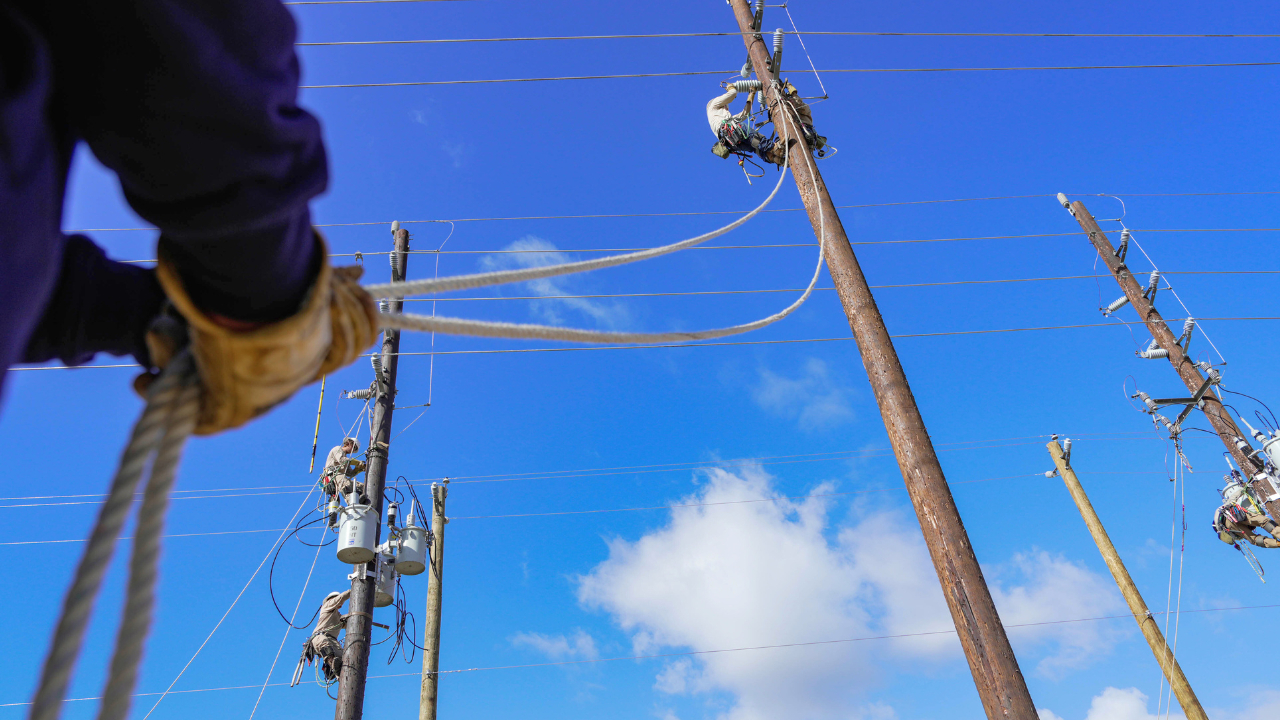
Economists Stephen Moore and EJ Antoni analyze Democratic tax policies, including New York Gov. Kathy Hochul’s appeal to millionaires, and break down rising gas prices on ‘The Bottom Line.’
For millions of Americans, higher electricity bills are becoming a monthly frustration and a growing force in the midterm elections.
Unlike more volatile costs such as gasoline, electricity is a steady, unavoidable expense tied directly to basic needs — keeping the lights on, heating and cooling homes and powering everyday life. That makes it especially politically sensitive at a time when many households are still feeling squeezed by broader inflation and high housing costs.
AMERICANS HIT WITH SOARING ELECTRICITY BILLS AS PRICE HIKES OUTPACE INFLATION NATIONWIDE

Both Republican and Democratic candidates are expected to discuss rising electricity costs on the campaign trail this midterm season. (Raquel Natalicchio/Houston Chronicle via Getty Images)
The issue is giving both parties fresh campaign ammunition, with Republicans casting higher bills as evidence of failed energy policies, regulatory overreach and a shift away from fossil fuels, while Democrats point to bill assistance programs, grid investments and clean energy incentives aimed at easing pressure on household budgets over time.
The fight is unfolding amid sharp regional divides in electricity prices. Federal energy data shows residential power costs vary widely across the country, illustrating how affordability pressures differ not just by income, but by geography, infrastructure and energy mix.
The latest figures from the U.S. Energy Information Administration put the national average at 17.24 cents per kilowatt-hour, up 6% from a year earlier — a jump that outpaces wage growth for many households and adds to cumulative cost pressures from rent, insurance and groceries.
North Dakota has the lowest average residential electricity rate in the country at 11.02 cents per kilowatt-hour, while Hawaii — an outlier shaped in part by geographic isolation and reliance on imported fuel — has the highest, at 41.62 cents per kWh.
Nebraska, Idaho, Oklahoma and Arkansas also rank among the cheapest states, while California, Rhode Island, Massachusetts and New York join Hawaii among the most expensive. Many of the higher-cost states are also pursuing aggressive clean energy transitions or maintaining older, more complex grid systems — factors that can raise near-term costs even as they aim to stabilize prices in the long run.
Several of the cheapest states are deep-red, a pattern Republicans are likely to seize on to reinforce broader arguments about energy policy and cost of living — even though power prices are shaped as much by geography, fuel availability, regulatory structures and long-term infrastructure investments as by partisan control.
THE STATES WHERE AMERICANS PAY THE MOST — AND LEAST — FOR ELECTRICITY
Cheap electricity, however, does not always mean affordable energy. Weather extremes, household consumption patterns, housing efficiency, aging infrastructure and state-level utility decisions all affect what families ultimately pay. In hotter or colder regions, for instance, even low rates can translate into high monthly bills due to heavy air conditioning or heating use.
Utilities are also seeking rate increases in many states to cover grid modernization, wildfire mitigation, storm hardening and the expansion of renewable energy — costs that are often passed on to consumers gradually but steadily.
GET FOX BUSINESS ON THE GO BY CLICKING HERE

As candidates fan out across the country ahead of the midterms, power bills are becoming a tangible symbol of household stress. (Raquel Natalicchio/Houston Chronicle/Getty Images)
Even so, the partisan pattern may prove politically useful in a campaign season shaped by anxiety over household expenses and economic uncertainty.
Gas prices may grab more headlines, but electricity bills can be more politically durable: they arrive every month, are harder to cut quickly and are often tied to local utilities and regulators. That gives candidates a direct way to connect national energy debates to a tangible, recurring household cost and to voter frustration that is felt not at the pump, but at the kitchen table.


Sydney — The 2026 season of *Married at First Sight Australia* continues to deliver high-stakes romance and chaos, with the experiment entering its later stages amid dinner party confrontations, shocking revelations and post-show life updates that have fans buzzing.

Now in its 13th season on the Nine Network, *MAFS Australia* has paired singles in arranged marriages, testing their compatibility through commitment ceremonies, honeymoons and group events. Filmed in 2025 and airing into 2026, the current run features a mix of original couples and intruders, with relationship experts John Aiken, Mel Schilling and Alessandra Rampolla guiding the process.
Recent episodes have focused on Feedback Week, dinner parties and unseen footage exposing tensions. As of mid-March 2026, several couples remain in the experiment while others have exited early, and post-experiment developments include a former bride’s pregnancy announcement and bitter accusations of blindsiding.
Key highlights from the latest developments:
Former bride **Brook Crompton**, who left the experiment early after her pairing with Chris, shared an intimate video revealing her engagement to fiancé Harry and her pregnancy with a baby boy. In a joyful social media post, Brook detailed the proposal, a Maldives holiday and their excitement for parenthood months after her shock departure. The update marks a positive turn for the 28-year-old, contrasting the on-screen turmoil.
Drama intensified at recent dinner parties. Intruder couple **Sam Stanton** and **Chris Robinson** faced a devastating confrontation, with Sam accusing Chris of gaslighting and belittling his living situation in unaired footage. Sam revealed he aired issues publicly as a “desperate plea” to the experts rather than co-stars, expressing deep hurt over behind-the-scenes cracks that built quietly before the split. The pair are no longer together.
**Scott McCristal** unleashed on ex-TV wife **Gia Fleur** after her new romance with Alan Wallace went public. In an episode of *MAFS: After the Dinner Party* on Stan, Scott accused Gia of a “coordinated and set-up” relationship, claiming she blindsided him. Gia’s headline-making 36th birthday bash added fuel, with ongoing fallout dominating headlines.
Other couples navigated rocky patches. A disastrous dinner party saw accusations fly, including gaslighting claims, while Feedback Week brought partner swaps and brutal truths. One episode featured a “fingerbang” sex scandal during the annual retreat, involving public humiliation and relentless mocking that rocked the group.
Current status of major couples in the 2026 experiment (based on recent episodes and reports as of March 2026):
– **Bec and Danny** — Still together despite early challenges like a rocky honeymoon and lack of sexual chemistry. Bec has confessed her love, and they continue fighting for the connection.
– **Alissa and David** — One of the strongest pairs, remaining solid through the experiment despite initial altar doubts from Alissa.
– **Rachel and Steven** — Sweethearts of the season, maintaining a positive bond amid group drama.
– **Gia and Scott** — Appeared well-matched with mutual attraction, but post-show tensions and Gia’s new romance suggest they did not last.
– **Mel and Luke** — Split early; Mel admitted no romantic feelings, and they left as friends during a commitment ceremony.
– **Brook and Chris** — Split; Brook has moved on to engagement and pregnancy.
– **Julia and Grayson** — No longer together.
– **Stella and Filip** — Still navigating positively, with early chemistry and shared hobbies.
Intruder pairs like **Sam and Chris** and others have added volatility, with some exiting amid conflicts.
The season has featured classic *MAFS* elements: emotional weddings, honeymoon highs and lows, commitment ceremonies and group dinner parties turning explosive. Unseen footage continues to surface, stunning cast members and exposing “sheer calculation” in some behaviors.
Experts note the experiment’s goal remains finding lasting love, but success rates vary. Past seasons show few couples endure long-term, though standouts like previous winners inspire hope.
As episodes progress toward potential final vows, viewers watch for who will stay or leave. Post-show specials like *MAFS: After the Dinner Party* provide glimpses into real-life outcomes, from heartbreaks to happy surprises like Brook’s news.
The 2026 installment reinforces *Married at First Sight Australia’s* status as a cultural phenomenon, blending romance, conflict and personal growth. With millions tuning in weekly, the experiment continues sparking debates on modern relationships, compatibility and reality TV’s role in matchmaking.
Fans can catch new episodes on Nine and 9Now, where exclusive clips and cast updates keep the conversation alive.

The disappearance of Nancy Guthrie, the 84-year-old mother of NBC *Today* show co-anchor Savannah Guthrie, has entered its eighth week with no resolution, as federal investigators recently obtained what may be the last known video footage of her before she vanished from her Tucson-area home.

Nancy Guthrie was last seen by family members on the evening of January 31, 2026, when her son-in-law dropped her off at her residence in the Catalina Foothills suburb of Tucson, Arizona, after dinner. She was reported missing the following day, February 1, after failing to attend a planned virtual church service with a friend. Authorities quickly classified the case as a possible abduction or kidnapping, citing evidence including drops of her blood found on the front porch and signs of forced removal from her bed in the early morning hours.
The Pima County Sheriff’s Department, led by Sheriff Chris Nanos, has led the investigation with significant FBI involvement. Early in the probe, officials released doorbell camera footage showing a masked individual at Guthrie’s doorstep around the time of the incident. Blood analysis confirmed the porch droplets belonged to Guthrie, and her pacemaker reportedly disconnected at approximately 2:28 a.m. on February 1, adding urgency due to her reliance on daily medication for health conditions.
As of March 22, 2026, no suspect has been publicly identified or arrested, and Guthrie’s whereabouts and condition remain unknown. The case has drawn nationwide attention, fueled by Savannah Guthrie’s emotional public appeals, including videos pleading for her mother’s safe return and the family’s announcement of a $1 million reward in late February for information leading to her recovery or the arrest of those responsible.
Recent developments include reports that the FBI has acquired video from an Uber rideshare Guthrie took earlier on January 31 to visit her daughter Annie’s home. According to sources cited by NewsNation and other outlets, this footage—captured inside the vehicle—represents potentially the final public sighting before her return home. It is unclear how pivotal the clip may prove, but it adds to the timeline investigators are piecing together.
Experts weighing in on the case have offered varied theories. Morgan Wright, CEO of the National Center for Open and Unsolved Cases, told NewsNation that he hypothesizes a “targeted abduction,” suggesting the act was planned rather than random. Retired Pima County homicide detective Kurt Dabb speculated that two to four accomplices may have coordinated the crime, based on the circumstances and lack of immediate evidence pointing to a lone perpetrator.
Former FBI special agent James Hamilton, founder of Hamilton Security Group, discussed possible motives and execution in interviews, noting the sophistication implied by the nighttime entry and removal without immediate detection in a residential area. Sheriff Nanos has stated investigators believe they know the motive but have withheld details to protect the investigation’s integrity.
The family has maintained a public presence, with Savannah Guthrie and siblings Annie and Camron issuing heartfelt messages to the Tucson community. In one recent video, they emphasized, “We are all family now,” urging residents to search their memories for any details from January 31 or the early hours of February 1. They stressed that someone in the southern Arizona area likely holds key information, even if it seems insignificant.
The investigation has shifted phases: Initial large-scale searches involving drones, dogs, and ground teams have tapered, with resources refocused on detectives combing through tips. The FBI reportedly moved much of its operation from Tucson to Phoenix, while the sheriff’s office assigned dedicated personnel. Multiple gloves recovered from the scene remain under analysis, though their connection is unclear.
No ransom demands have been confirmed in recent reports, despite early speculation. The family has cleared all relatives, including siblings and spouses, of suspicion, as announced by Sheriff Nanos in mid-February.
The case has highlighted challenges in missing-persons investigations involving elderly individuals, particularly those living alone. Observers note the emotional toll of “ambiguous loss” on families, freezing grief without closure. Savannah Guthrie has spoken of “blowing on the embers of hope,” acknowledging the possibility her mother “may already be gone” while continuing appeals.
Community vigils persist outside the Guthrie home, with flowers, notes, and messages of support accumulating. Authorities continue encouraging tips via the FBI at 1-800-CALL-FBI, 88-CRIME, the Pima County Sheriff’s tip line at 520-351-4900, or tips.fbi.gov.
As the milestone of 50 days since the abduction approaches—marked Sunday, March 22—analysts like criminal defense attorney Mark Geragos have speculated on investigative progress behind the scenes. Despite an apparent public standstill, officials insist the case remains active and leads are being pursued exhaustively.
The disappearance has gripped the nation, blending celebrity proximity with the stark reality of an unresolved violent crime against a vulnerable senior. With no breakthroughs reported in the latest updates, the focus remains on community awareness and any overlooked detail that could bring Nancy Guthrie home or deliver justice.
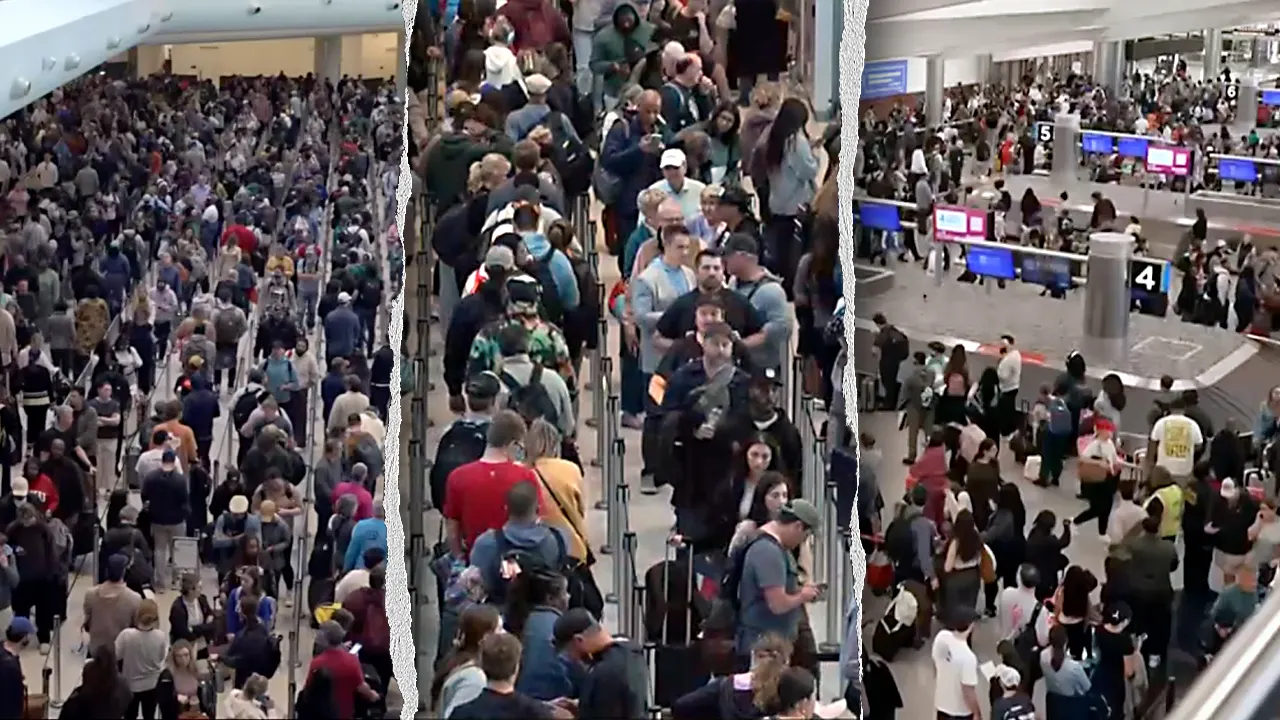
Acting Deputy TSA Administrator Adam Stahl warns that TSA wait times will only worsen, potentially leading to small airport shutdowns if Congress does not provide funding soon for the Department of Homeland Security on ‘Varney & Co.’
Airport security delays amid the partial government shutdown have created weekend travel nightmares, with massive TSA lines choking terminals across the country, unpaid officers calling out in growing numbers, and President Donald Trump vowing to send U.S. Immigration and Customs Enforcement (ICE) agents to airports to try to stem the tide of American angst.
“This is insane,” a frustrated passenger told CNN at Atlanta’s Hartsfield-Jackson International, regarded as the busiest airport in the world. “We didn’t think it was going to be this bad.”
“It’s pandemonium out there,” another added in videos posted to social media this weekend.
“We shouldn’t have to deal with this just to get on an airplane,” an X poster raged — a complaint that now captures the mood at airports nationwide as travelers absorb the fallout from Washington’s funding fight.
TSA OFFICIAL WARNS SMALLER AIRPORTS COULD SHUT DOWN AMID DHS FUNDING CRISIS
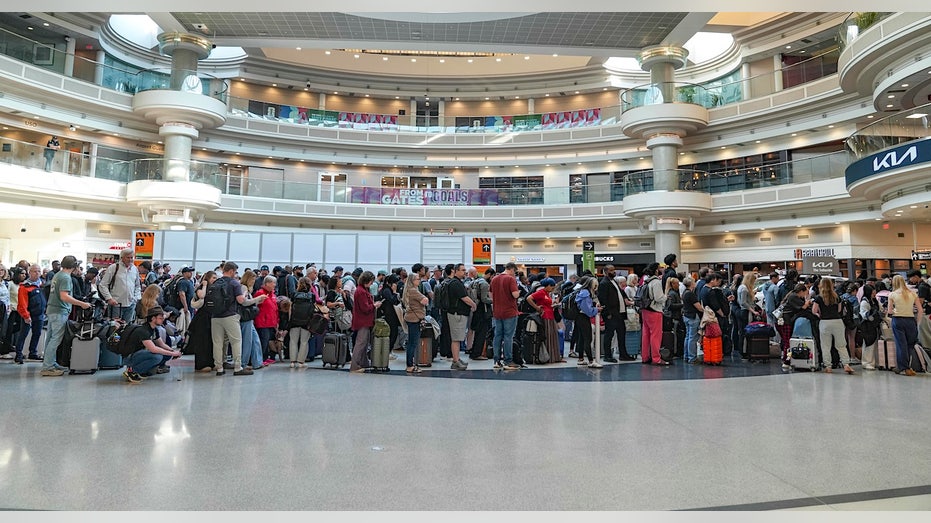
The famously busiest airport in the world in Atlanta was dogged by long TSA security lines due to the government shutdown and staffing shortages. (Megan Varner/Getty Images / Getty Images)
The chaos is being fueled by deepening TSA staffing shortages during one of the busiest travel stretches of the season due to spring breaks for schools and colleges. Officers are working without pay under the shutdown, and the Department of Homeland Security (DHS) has warned absenteeism, resignations and delays are likely to worsen if the stalemate drags on.
More than 400 TSA workers have already quit since the shutdown began Feb. 14, according to DHS.
The immediate concern for travelers, though, is far more fundamental: getting through the checkpoint before their flight leaves.
DHS SHUTDOWN FORCES AIRPORTS TO TELL TRAVELERS TO ARRIVE 4 HOURS EARLY AMID MASSIVE DELAYS
Among the most eye-popping wait times and airport line scenes reported this weekend:
Atlanta (ATL): Reported wait of 153 minutes early Sunday, with lines described as wrapping around baggage claim.
New Orleans (MSY): Security line reportedly stretched into the parking garage.
Houston (IAH/HOU): Some passengers reportedly faced waits of up to two to three hours, with Hobby Airport hit especially hard by staffing shortages.
JFK (New York): Waits climbed to 75 minutes Sunday morning after being much lower a day earlier.
Newark (EWR): Delays reached 44 minutes at points.
LaGuardia (LGA): Waits rose to around 20 minutes, lower than other major hubs but still up from minimal waits the previous day.
Cincinnati (CVG): Third-party tracker estimates showed waits approaching nearly an hour.
San Juan (SJU): Third-party tracker estimates also showed waits approaching nearly an hour.
‘The Big Money Show’ discusses rising security risks amid the DHS shutdown, airport delays, TSA staffing shortages, and growing economic losses.
AIRPORT CHECKPOINT CLOSURES SPREAD AS TSA WARNS OF SECURITY ‘THREAT,’ MORE TRAVEL DELAYS
The full national picture remains murky because official TSA tools are no longer reliably current.
“Due to the lapse in federal funding, this website will not be actively managed,” a red alert atop the My TSA app reads Sunday. “Click here for more information.”
That link reveals the data has not been updated for more than a month:
AIRLINE CEOS TORCH LAWMAKERS FOR TURNING AIR TRAVEL INTO A ‘POLITICAL FOOTBALL’
“This website was last updated on February 17, 2026 and will not be updated until after funding is enacted. As such, information on this website may not be up to date. Transactions submitted via this website might not be processed and we will not be able to respond to inquiries until after appropriations are enacted.”
TSA union leader George Borek joins ‘Varney & Co. to discuss challenges faced by unpaid TSA agents. He highlights a 37% callout rate in Atlanta, warning that the situation will worsen if DHS funding is unresolved.
DHS has said more than 10% of TSA officers called out on more than half of the past seven days, with some airports averaging absence rates near 20%. At Houston’s William P. Hobby Airport, the rate reportedly climbed above 40% on certain days. Those no-shows have forced lane closures, longer backups and wild swings in wait times from one hour to the next.
For weeks, Republicans in Congress have been sharing the narrative – with photos and videos of TSA security delays – “thank a Democrat.“
Trump even went so far as to call Democrats the “greatest enemy” Americans face, as he continues to declare victory over Iran.
SHUTDOWN SPARKS FLIGHT CHAOS AS TSA LINES SPILL INTO PARKING LOTS WITH 3-HOUR WAITS OR LONGER
“Now with the death of Iran, the greatest enemy America has is the Radical Left, Highly Incompetent, Democrat Party!” Trump wrote Sunday morning on Truth Social.
Trump’s post came after his vow to send ICE agents to overwhelmed TSA security checkpoints at American airports. Coincidentally, Democrats have forced the Senate’s government shutdown for DHS funding over alleged abuse of power by ICE agents in Democrat-run sanctuary cities and states.
But, as Trump and Republicans frequently remind their counterparts, ICE is already fully funded since last summer’s passage of the One Big Beautiful Bill Act, so shutting down DHS appropriations is not accomplishing its stated goals.
HOMELAND SECURITY REACTIVATES MAJOR GLOBAL ENTRY PROGRAM FOR TRAVELERS AMID SHUTDOWN
Sen. John Hoeven, R-N.D., discusses the ongoing partial government shutdown causing massive airport disruptions nationwide on ‘The Bottom Line.’
“On Monday, ICE will be going to airports to help our wonderful TSA Agents who have stayed on the job despite the fact that the Radical Left Democrats, who are only focused on protecting hard line criminals who have entered our Country illegally, are endangering the USA by holding back the money that was long ago agreed to with signed and sealed contracts, and all,” Trump wrote on Truth Social, hailing border czar Tom Homan as the fixer the TSA chaos needs urgently.
“But watch, no matter how great a job ICE does, the Lunatics leading the incompetent Dems will be highly critical of their work. THEY WILL DO A FANTASTIC JOB. The great Tom Homan is in charge!!!”
Democrats blasted the idea, with Sen. Richard Blumenthal, D-Conn., calling it “another reckless, lawless threat to misuse ICE agents,” and Rep. Bennie Thompson, D-Miss., accusing Trump of “manufacturing chaos at airports for political leverage.”
TRUMP SAYS ICE WILL DEPLOY TO AIRPORTS MONDAY TO ASSIST TSA AMID FUNDING STANDOFF
Transportation Secretary Sean Duffy has warned the mess could get much worse, saying current delays may look like “child’s play” if TSA personnel miss another paycheck. Officials have even suggested some airports could face deeper disruptions — or possible closures — if the staffing crisis keeps intensifying.
For now, airports are urging travelers to arrive at least three hours early, even for domestic departures. But for passengers staring down marathon lines, the advice is landing more like a warning than reassurance: the shutdown is no longer just a fight in Washington — it is now a checkpoint crisis playing out in real time at airports across America.
“The current unpredictability is being driven by unpredictable staffing levels, basically, how many TSA officers are showing up for work on any given day,” Sheldon H. Jacobson, , the founder professor of engineering at the University of Illinois Urbana-Champaign and an expert on aviation security and airport security screening, told Business Insider.
THUNE REVEALS REASON DEMOCRATS ARE ‘SCARED’ TO REOPEN DHS
“TSA officers have historically been cross-trained to do many different tasks, so the number that show up is the key factor,” Jacobson said.
ICE agents are not specifically trained for airport security, the domain of TSA, which has 65,000 employees, including 50,000 airport security officers. ICE has played a central role in the Trump administration’s illegal immigration crackdown.
“He seems to have no concept of what the limits are on ICE, and I think America would be absolutely appalled to see ICE agents roaming through airports, just as they’ve been breaking down doors at homes,” Blumenthal told reporters in Washington.
Former Trump Official Katie Miller joins ‘Mornings with Maria’ to sound off on the DHS shutdown, TSA disruptions, and the political fight over border security, election integrity and the SAVE Act.
SCHUMER GAMBIT FAILS AS DHS SHUTDOWN HITS 36 DAYS AND AIRPORT LINES GROW
Elon Musk, the world’s richest person, on Saturday offered to cover TSA paychecks “during this funding impasse that is negatively affecting the lives of so many Americans at airports throughout the country.”
Homeland Security historically has shifted resources across agencies during emergency staffing shortages, said Stewart Baker, who was a DHS policy official in President George W. Bush’s administration. Keeping TSA going without paying staff creates “serious trouble” for the agency, Baker said.
CLICK HERE TO DOWNLOAD THE FOX NEWS APP
Using ICE agents for airport security “may be slower than using trained people, but it would be better than having nobody,” he added.
Reuters contributed to this report.

United Airlines Chief Executive Scott Kirby said the carrier is cutting certain routes due to high oil prices pushing up the cost of jet fuel, and the airline is assuming the price of crude stays above $100 a barrel through 2027.
The airline will cancel certain redeyes and flights on Tuesdays, Wednesdays and Saturdays, according to a memo to staff on Friday. United has also suspended flights to Tel Aviv and Dubai.
If jet-fuel prices stay at their current level, Kirby said it would cost United an extra $11 billion annually. He added that the airline is assuming oil prices will reach $175 a barrel and won’t go back down to $10 until the end of 2027. “There’s a good chance it won’t be that bad,” he wrote. “There isn’t much downside for us to preparing for that outcome.”
Business
Planet Labs PBC Stock Soars 25% on Record Backlog and Upbeat Guidance: Shares Hit All-Time High

Planet Labs PBC (NYSE: PL), the San Francisco-based Earth imaging and geospatial analytics company, saw its shares surge more than 25% in heavy trading on March 20, 2026, closing at a record high as investors reacted enthusiastically to stronger-than-expected fourth-quarter results, a massive backlog expansion and optimistic fiscal 2027 projections.

Planet Labs PBC closed at $33.83, up $6.87 or 25.48% from the previous close of $26.96. The stock opened at $33.55, reached an intraday high of $36.28 — marking a new 52-week and all-time peak — and dipped to a low of $32.26 before paring some gains. Volume exploded to more than 63.7 million shares, nearly five times the average daily trading volume, reflecting intense institutional and retail interest following the March 19 earnings release.
The explosive move came after Planet reported fiscal fourth-quarter revenue of $86.8 million for the period ended January 31, 2026 — a 41% year-over-year increase and well above analyst consensus expectations around $78–$80 million. Full fiscal 2026 revenue reached a record $308 million (or approximately $307.7 million in some references), up about 26% from the prior year. The company also achieved its first full fiscal year of non-GAAP profitability, posting adjusted EBITDA of $15.5 million and positive free cash flow of $53 million.
In the fourth quarter alone, adjusted EBITDA came in at $2.3 million, marking the fifth consecutive profitable quarter on that metric. Non-GAAP gross margin stood at 57–59% for the period and year, demonstrating improving operational leverage as the company scales its satellite constellation and data services.
A key catalyst was the dramatic growth in backlog, which swelled 79% year-over-year to approximately $900 million. This figure provides strong revenue visibility, particularly from defense, intelligence and government contracts that have surged 50% in demand. Executives highlighted the shift toward higher-value, multi-year deals in national security and enterprise sectors, reducing reliance on shorter-cycle commercial sales.
Guidance for fiscal 2027 further fueled the rally. Planet projected revenue between $415 million and $440 million — implying midpoint growth of about 39% — and adjusted EBITDA between breakeven and $10 million. The outlook reflects confidence in backlog conversion and continued momentum in defense spending amid global geopolitical tensions.
Wall Street responded swiftly with a barrage of upgrades and price target increases. Cantor Fitzgerald raised its target to $40 from $20, Wedbush to $40 from $30, Needham to $40 from $35, Northland to $33 from $28, and Clear Street to $34 from $29. Multiple analysts maintained Buy ratings, citing the company’s positioning in the booming commercial satellite imagery market, partnerships like the recent NVIDIA collaboration for a GPU-native AI engine, and selection as a prime contractor under a massive $151 billion SHIELD IDIQ defense vehicle announced earlier in March.
The stock’s performance has been remarkable in 2026. Year-to-date gains now exceed 71%, while the one-year return stands at nearly 700% and the three-year return tops 877%. From a 52-week low of $2.79, PL has delivered extraordinary returns, driven by execution improvements, profitability milestones and sector tailwinds in space technology and geospatial intelligence.
Planet Labs operates the world’s largest constellation of Earth-imaging satellites, capturing daily global data used for agriculture, forestry, disaster response, climate monitoring and defense applications. Recent strategic moves include extending restrictions on Middle East imagery access to prevent misuse by adversaries, convening European and defense advisory boards, and advancing AI capabilities through collaborations.
Despite the euphoria, some analysts caution that the rapid run-up has pushed valuation metrics higher. The company remains unprofitable on a GAAP basis, with a negative price-to-earnings ratio around -43, though improving fundamentals and backlog support the premium. Market cap now exceeds $11.5 billion.
Investors will watch for sustained momentum as the company works toward full GAAP profitability and further backlog growth. With defense budgets rising and commercial adoption accelerating, Planet Labs appears well-positioned in the expanding space economy.
The March 20 surge underscores how earnings beats combined with forward-looking confidence can ignite explosive moves in growth-oriented tech stocks. As Planet Labs enters the next phase of its evolution — from satellite operator to planetary intelligence leader — market participants are betting heavily on continued execution and sector demand.

Western Australian miners are mulling altering their fly-in, fly-out rosters to ration fuel as shortages begin to worry the aviation and resources sectors.
Business
Can Sensex, Nifty extend gains for second session on Monday? 5 factors that will decide market mood next week

Looking ahead, markets are likely to remain highly volatile and event-driven, with near-term direction largely contingent on developments in the Middle East, particularly the evolving situation around the Strait of Hormuz. Any prolonged disruption could keep crude prices elevated above the $100 mark, intensifying inflationary and current account pressures while sustaining a risk-off sentiment. FII flows, rupee movement, and global cues, including US dollar strength and broader market sentiment, will be key variables to monitor. Any signs of de-escalation or easing in crude prices could trigger short-covering or relief rallies, while renewed escalation may lead to further downside pressure.
Here are 5 factors that could decide market action on March 23:
1) US, Israel and Iran war
The conflict between Iran and the US-Israel alliance continued to escalate, with leaders on all sides warning that the situation could worsen further. On Saturday, Israeli military launched strikes on Iran and Beirut on Saturday, even as the U.S. moved to deploy thousands of additional Marines to the Middle East.
Last week, Iran accused Israel of striking facilities at its South Pars gas field and responded by threatening attacks on oil and gas assets across the Gulf. It launched missiles toward Qatar and Saudi Arabia, declaring energy infrastructure in Saudi Arabia, the UAE and Qatar as legitimate targets. Iran also claimed to have struck an LNG plant in Qatar.

2) Crude oil hovers $110
Oil prices surged on Friday, closing at their highest levels in nearly four years, after Iraq declared force majeure on all oilfields operated by foreign firms and the Iran war intensified, with the U.S. preparing to deploy thousands of additional Marines and sailors to the Middle East. Brent crude futures for May rose $3.54, or 3.26%, to settle at $112.19 per barrel, the highest level since July 2022. U.S. West Texas Intermediate crude futures for April, which expired on Friday, gained $2.18, or 2.27%, to settle at $98.32. Meanwhile, the more actively traded second-month U.S. crude contract ended at $98.23, up 2.8%.
Markets have been rattled as the escalating conflict in the Middle East has disrupted shipping and energy exports through the crucial Strait of Hormuz. This narrow chokepoint between Iran and Oman normally carries around one-fifth of the world’s crude oil and liquefied natural gas supplies. In practical terms, oil equivalent to nearly 20% of global demand passes through the strait every day. With the waterway effectively shut for the past seven days, roughly 140 million barrels of oil, about 1.4 days of global demand, has been prevented from reaching international markets.
3) FII exodus continues
As per provisional data from NSE, foreign institutional investors (FIIs/FPIs) remained net sellers, with purchases worth Rs 28,496.17 crore against sales of Rs 34,014.56 crore, leading to a net outflow of Rs 5,518.39 crore. In contrast, domestic institutional investors (DIIs) were net buyers on March 20, 2026, purchasing shares worth Rs 22,938.31 crore and selling Rs 17,232.08 crore, resulting in a net inflow of Rs 5,706.23 crore.
Foreign portfolio investors (FPIs) continued their selling spree in the Indian equities, pulling out Rs 52,703 crore in the fortnight ended March 15, underscoring a sharp risk-off sentiment amid global uncertainties and rising macro headwinds.
“The weakness in global equity markets following the war in West Asia, the steady depreciation of the rupee and concerns surrounding the impact of high crude price on India’s growth and corporate earnings contributed to the concern of FPIs,” Dr. VK Vijayakumar, Chief Investment Strategist, Geojit Investments said.
4) Rupee hits record low
The Indian rupee plunged as much as 110 paise Friday, recording its steepest single-day rout since late 2022, after oil surged amid an unrelenting barrage of attacks by either side on respective energy installations in West Asia. It slumped to a historic low of 93.73 amid a report New Delhi paid a significant price premium for its Thursday oil supplies before the unit closed at 93.71/$.
The pace of decline was rather quick, seemingly compensating for the Thursday trading holiday in Mumbai, with traders saying that market estimates of the central bank’s short dollar positions and sustained sales of Indian equity assets by overseas investors further pressured the rupee, which has lost more than 2.5% since the start of the Iran war.
5) Weak technical set up
From a technical standpoint, Nifty 50 is attempting to stabilize near the 23,000–23,200 support zone following the recent sharp correction. However, the index continues to trade below key resistance levels, indicating that the broader structure remains weak. A decisive break below 23,000 could accelerate selling pressure, potentially dragging the index toward 22,700–22,500, with further downside risk extending toward 22,000–21,800. On the upside, 23,300–23,400 remains the immediate resistance zone, while 24,000 stands as a stronger hurdle, and only a sustained move above this level would signal any meaningful recovery. Momentum indicators remain weak, with RSI hovering near oversold territory and MACD remaining in negative territory, suggesting that any bounce is likely to remain limited.
(Disclaimer: Recommendations, suggestions, views and opinions given by the experts are their own. These do not represent the views of The Economic Times)
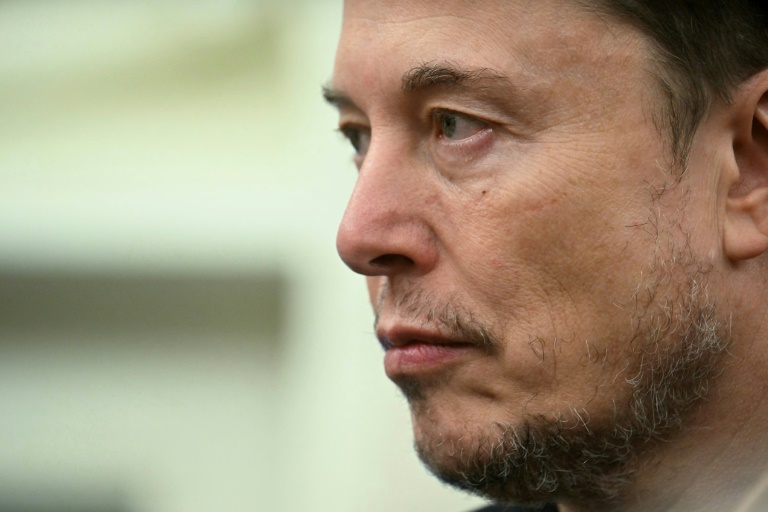
Billionaire Elon Musk, the world’s richest person and CEO of Tesla and SpaceX, offered Saturday to personally cover the salaries of Transportation Security Administration (TSA) personnel caught in the crossfire of a partial U.S. government shutdown over Department of Homeland Security funding.
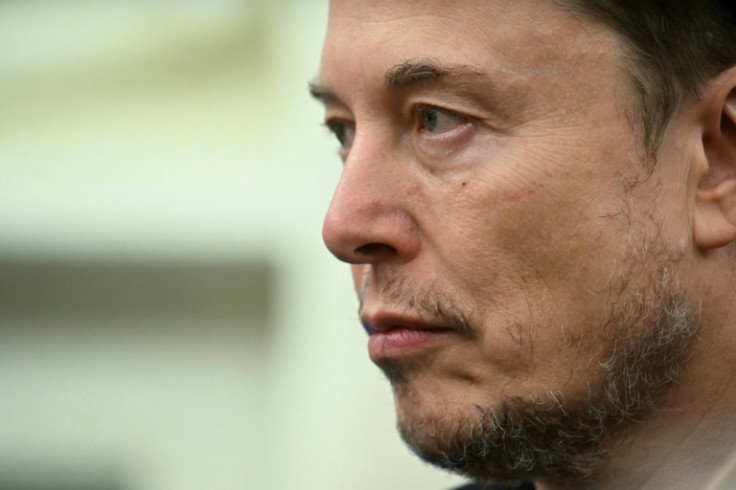
In a post on his social media platform X, Musk wrote: “I would like to offer to pay the salaries of TSA personnel during this funding impasse that is negatively affecting the lives of so many Americans at airports throughout the country.” The statement, made early Saturday morning U.S. time, quickly garnered hundreds of thousands of likes, reposts and replies, amplifying attention on the crisis.
The offer comes as the partial shutdown—stemming from congressional deadlock over DHS appropriations—enters its second month for some agencies. TSA officers, deemed essential workers, have continued screening passengers without paychecks since mid-February in certain cases, marking the second unpaid period in six months for many. Reports indicate more than 300 TSA staff have already called out sick or resigned amid financial strain, contributing to longer security lines, flight delays and widespread traveler frustration at major hubs like Atlanta, Chicago O’Hare and Los Angeles International.
Average TSA officer salaries hover around $51,000 annually, starting at about $40,270, with transportation security screeners averaging just over $61,000, according to Bureau of Labor Statistics data. With roughly 60,000 TSA employees nationwide, covering even a portion of payroll would represent a substantial outlay—potentially tens of millions monthly—though Musk’s net worth exceeds $400 billion, making it feasible if structured as a personal or corporate contribution.
The proposal arrives amid heightened political tension. President Donald Trump threatened Saturday to deploy Immigration and Customs Enforcement (ICE) agents to airports if the impasse persists, aiming to bolster security amid staffing shortfalls. Senate Majority Leader John Thune (R-S.D.) accused Senate Minority Leader Chuck Schumer (D-N.Y.) of staging a “fake TSA funding stunt” by pushing procedural motions that he said did nothing to actually resolve the crisis. Schumer has countered that Republicans are holding TSA pay hostage to extract concessions on immigration enforcement funding without reforms.
Musk’s intervention has sparked debate over feasibility and implications. Legal experts note that while private individuals can donate to government programs or provide aid, directly paying federal employee salaries could face hurdles under federal ethics rules, anti-deficiency laws and conflict-of-interest concerns—especially given Musk’s companies hold significant government contracts in defense, space and transportation. No formal mechanism has been outlined, and neither the TSA, DHS nor Musk’s representatives have confirmed acceptance or next steps as of Sunday.
The shutdown stems from broader fiscal battles in Congress, where Republicans seek increased border security allocations while Democrats push for balanced funding without what they call unrelated policy riders. TSA funding falls under DHS, one of the agencies hardest hit by the lapse. Travelers report escalating chaos: security wait times exceeding two hours at some airports, canceled flights and growing calls for resolution.
Musk’s post drew mixed reactions. Supporters praised it as pragmatic generosity from a private citizen stepping up where government failed, with some urging him to “do your thing” and break the deadlock. Critics questioned motives, pointing to Musk’s influence in Washington through his role in advisory capacities and companies’ reliance on federal approvals. Others highlighted irony, recalling past reports of Musk-linked entities facing scrutiny over government funding cuts or restrictions.
The offer has spotlighted the human cost of shutdowns. TSA workers, many living paycheck-to-paycheck, face mortgage payments, childcare and basic expenses without income despite mandatory shifts. Unions representing federal employees have called for immediate back pay and resolution, warning that prolonged strain could compromise aviation security.
As of March 22, no breakthrough in negotiations has emerged, though both parties face pressure from airlines, business groups and the traveling public. Musk’s proposal, while symbolic for some, underscores frustration with partisan gridlock and raises questions about the role of ultra-wealthy individuals in filling public sector gaps.
Whether Musk’s offer translates to action remains uncertain. If pursued, it could set a precedent for private intervention in government operations—or highlight the limits of such gestures in a complex federal system. For now, millions of Americans face disrupted travel, while TSA staff continue working without guaranteed pay, hoping for an end to the impasse.

The New York Times’ popular word-search game Strands delivered a clever challenge on Sunday, March 22, 2026, with puzzle No. 749 themed “Trademarked no more.” Players navigated a grid of letters to uncover words that started as protected brand names but entered everyday language as generic terms for entire product categories — a linguistic phenomenon known as genericide.

The puzzle, accessible via nytimes.com/games or the NYT Games app, tasked solvers with finding six theme words plus a spangram that spans the board and encapsulates the theme. Strands, launched in 2023 as a daily brain teaser blending elements of word search and crossword mechanics, has grown into a favorite alongside Wordle and Connections, drawing millions for its mix of logic, vocabulary and occasional tricky twists.
Today’s theme clue, “Trademarked no more,” pointed solvers toward proprietary eponyms — brand names that lost trademark protection through widespread use. The spangram, GENERICTERM, described the process itself: when a trademark becomes so common it refers to the product type rather than a specific maker.
Reliable sources including the NYT’s own Strands Sidekick hints page, CNET, Forbes, TechRadar and dedicated puzzle sites like strands.today confirmed the full solution as of early Sunday morning ET (late Sunday in Australia). The spangram GENERICTERM snakes across the grid, starting typically from a letter in the left column around the third row, winding horizontally and vertically to touch opposite sides.
The five supporting theme words were:
– ASPIRIN — Once a Bayer trademark for acetylsalicylic acid pain reliever, now the generic name for the drug worldwide (though Bayer retains the trademark in some countries).
– DUMPSTER — Originally a Dempster Brothers brand for large trash containers, it became synonymous with any wheeled garbage bin.
– ESCALATOR — Otis Elevator Company’s trademark that entered common parlance for moving staircases.
– THERMOS — A historic brand for vacuum-insulated flasks, now used generically for any such container.
– ZIPPER — B.F. Goodrich’s 1920s trademark for boot fasteners with interlocking teeth, later applied to any slide fastener.
These words appeared scattered in the 6×8 or similar grid, with letters shared among overlapping paths. Solvers often started with shorter, more obvious entries like ZIPPER or ASPIRIN before hunting the longer spangram. Hints from the NYT included partial letter reveals and directional clues for up to three words at a time via the Sidekick feature, helping players avoid frustration on what some rated as a “challenging” difficulty.
The puzzle’s design rewarded pattern recognition: many theme words featured common suffixes or roots tied to their original branding stories. For instance, “escalator” derives from “escalade” (to climb), while “thermos” comes from Greek for heat. The grid included distracting filler words like common short terms to mimic real trademark drift confusion.
Strands continues evolving under NYT Games, with daily refreshes at midnight ET. Sunday’s edition followed Saturday’s lighter fare and preceded Monday’s anticipated release. Community discussions on Reddit’s r/NYTStrands and X highlighted quick solves for veterans familiar with genericide examples, though newcomers appreciated the educational angle on intellectual property law.
The theme resonates in an era of brand ubiquity: think Kleenex for tissues, Band-Aid for adhesive bandages, or Google as a verb for searching — all risking or having lost trademark status in parts of the world. Puzzle creators drew from real legal history, where companies like Bayer fought (and sometimes lost) to protect marks through vigilant advertising and policing.
For those stuck, early hints suggested focusing on household items or medical terms. The spangram’s 11 letters made it the longest path, often requiring zigzagging to connect G-E-N-E-R-I-C-T-E-R-M without skipping letters or reusing cells improperly.
Strands remains free with limited daily plays or via NYT subscription for unlimited access and archives. Its growing popularity stems from quick 5-15 minute sessions that blend fun with subtle learning — today’s puzzle quietly schooled players on how language evolves beyond corporate control.
As March 22 winds down, solvers who nailed GENERICTERM and its companions celebrated streak preservation. With no hints needed for some and full reveals aiding others, the puzzle exemplified Strands’ balance of accessibility and depth. Tomorrow brings fresh letters and a new theme, keeping the daily ritual alive for word enthusiasts worldwide.


This account is managed by Noah’s Arc Capital Management. Our goal is provide Wall Street level insights to main street investors. Our research focus is mainly on 20th century stocks (old economy) undergoing a 21st century transformation, but occasionally we’ll write on companies that help transform 20th century firms as well. We look for innovations in a business model that will cause a stock to change dramatically.
Analyst’s Disclosure: I/we have no stock, option or similar derivative position in any of the companies mentioned, and no plans to initiate any such positions within the next 72 hours. I wrote this article myself, and it expresses my own opinions. I am not receiving compensation for it (other than from Seeking Alpha). I have no business relationship with any company whose stock is mentioned in this article.
Noah Cox (main account author) is the managing partner of Noah’s Arc Capital Management. His views in this article are not necessarily reflective of the firms. Nothing contained in this note is intended as investment advice. It is solely for informational purposes. Invest at your own risk.
Seeking Alpha’s Disclosure: Past performance is no guarantee of future results. No recommendation or advice is being given as to whether any investment is suitable for a particular investor. Any views or opinions expressed above may not reflect those of Seeking Alpha as a whole. Seeking Alpha is not a licensed securities dealer, broker or US investment adviser or investment bank. Our analysts are third party authors that include both professional investors and individual investors who may not be licensed or certified by any institute or regulatory body.

“Such a shame”, “The biggest mistake”

TechCrunch Mobility: Uber everywhere, all at once

Bitcoin – Iran National Currency


-

 Tech7 days ago
Your Legally Registered ‘Motorcycle’ Might Not Count Under Proposed US Law
-

 Fashion2 days ago
Weekend Open Thread: Adidas – Corporette.com
-

 Politics2 days ago
Jenni Murray, Long-Serving Woman’s Hour Presenter, Dies Aged 75
-
 Tech5 days ago
Are Split Spacebars the Next Big Gaming Keyboard Trend?
-

 Crypto World19 hours ago
Best Crypto to Buy Now: Strategy Just Spent $1.57 Billion on Bitcoin During Fear While Early Investors Quietly Enter Pepeto for 150x Potential
-

 News Videos4 days ago
RBA board divided on rate cut, unusually buoyant share market | Finance Report | ABC NEWS
-

 Crypto World20 hours ago
Bitcoin Price News: Bhutan Sells $72 Million in BTC Under Fiscal Pressure, but the Smart Money Entering Pepeto Sees What the Market Does Not
-

 Business7 days ago
Search for Savannah Guthrie’s Mother Enters Seventh Week with No Arrests
-
 Crypto World2 days ago
NIO (NIO) Stock Plunges 6.5% as Shelf Registration Sparks Dilution Worries
-

 Business6 days ago
Australian shares drop as Iran war enters third week
-

 Crypto World6 days ago
Crypto Lender BlockFills Enters Chapter 11 with Up to $500M in Liabilities
-

 Politics4 days ago
The House | The new register to protect children from their abusers shows Parliament at its best
-

 Fashion6 days ago
25 Celebrities with Curly Hair That Are Naturally Beautiful
-

 Tech3 days ago
inKONBINI Lets You Spend Summer Days Behind the Register
-
 Politics5 days ago
Real-time pollution monitoring calls after boy nearly dies
-

 Crypto World4 days ago
Canada’s FINTRAC revokes registrations of 23 crypto MSBs in AML crackdown
-
 NewsBeat4 days ago
Residents in North Lanarkshire reminded to register to vote in Scottish Parliament Election
-

 Business6 days ago
Meta planning major layoffs as AI spending and automation reshape workforce
-

 News Videos4 days ago
PARLIAMENT OF MALAWI – PAC MEETING WITH REGISTRAR OF FINANCIAL ON AMARYLLIS HOTEL – INQUIRY LIVE
-
 Crypto World7 days ago
U.S. Oil Companies Post Record Profits as Oil Prices Break $100
You must be logged in to post a comment Login