
Connect with us
DAPA Banner

Business

Eli Lilly (LLY) earnings Q1 2026

Published

on

Eli Lilly (LLY) earnings Q1 2026

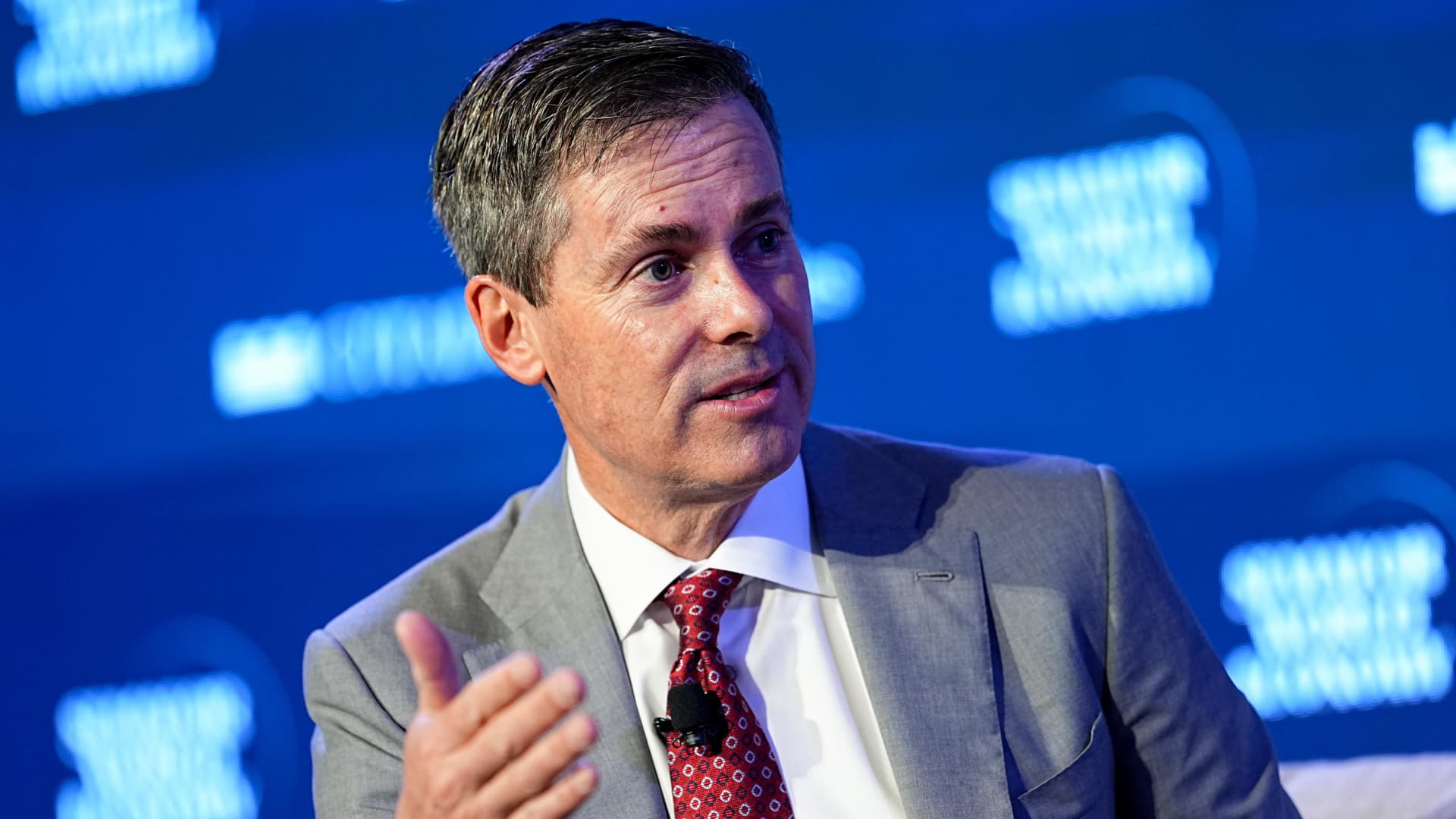
David Ricks, chief executive officer of Eli Lilly & Co., at the Semafor World Economy Summit during the International Monetary Fund (IMF) and World Bank Spring meetings in Washington, DC, US, on Friday, April 17, 2026.

Aaron Schwartz | Bloomberg | Getty Images

Eli Lilly is slated to report first-quarter earnings before the bell on Thursday, in one of the most closely watched reports across the healthcare sector. 

Advertisement

Here’s what Wall Street is expecting, based on a survey of analysts by LSEG: 

  • Earnings per share: $6.66 adjusted expected
  • Revenue: $17.62 billion expected

Demand for the company’s blockbuster obesity drug Zepbound and diabetes counterpart Mounjaro has helped fuel several solid quarters for Lilly, which holds the majority market share in the booming GLP-1 space. 

Analysts expect Zepbound to rake in overall sales of $4.04 billion, with $3.98 billion coming from the U.S., according to StreetAccount estimates. Meanwhile, they expect Mounjaro to book worldwide sales of $7.26 billion, including U.S. revenue of $3.87 billion, StreetAccount estimates said. 

The company’s newly approved GLP-1 pill for obesity, Foundayo, launched in the second quarter, so its sales won’t be included in Thursday’s report.

Still, the pill’s rollout is likely to dominate the discussion during Lilly’s first-quarter earnings call. Executives will likely face questions about whether Foundayo can reach the same level of momentum as the rival Wegovy pill from Novo Nordisk, which benefited from a three-month head start in the U.S.

Advertisement

It’s too soon to assess the performance of Lilly’s pill. But early prescription data suggest its initial rollout has been “modest,” according to a note last week from Leerink Partners analyst David Risinger. 

In February, Lilly said it expects to benefit from Foundayo’s launch, Medicare coverage of obesity drugs coming online later this year and continued worldwide demand for Mounjaro and Zepbound. But the company also expects to face pricing pressure, driven by a drug pricing deal with President Donald Trump and lower cash-pay prices for Zepbound, among other factors. 

Still, Lilly CEO Dave Ricks said in an interview in late April that he expects lower prices to accelerate prescription volumes in the U.S. He also estimated that global GLP-1 use will rise from approximately 20 million patients at the end of last year to 30 million at the end of 2026.

Choose CNBC as your preferred source on Google and never miss a moment from the most trusted name in business news.
Advertisement
Continue Reading
Click to comment

You must be logged in to post a comment Login

Leave a Reply

Business

FedEx, UPS to return tariff refunds after Supreme Court ruling

Published

on

FedEx, UPS to return tariff refunds after Supreme Court ruling

FedEx and UPS said they will return tariff refunds to customers after a Supreme Court ruling opened the door to potentially billions of dollars in reimbursements tied to Trump-era import taxes.

The companies said they plan to pass along any recovered funds as the federal government begins processing refund claims for duties collected under the International Emergency Economic Powers Act (IEEPA), a move that could affect a broad swath of importers.

Advertisement

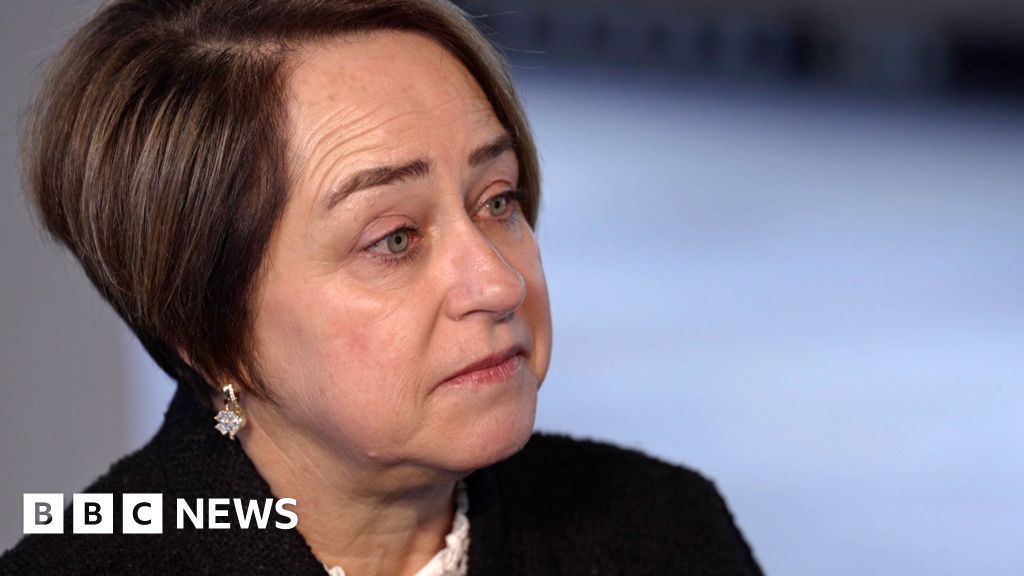
UPS CEO Carol Tomé said on the company’s first-quarter earnings call that UPS processed 16 million IEEPA-related entries and remitted more than $5 billion in tariffs to the U.S. Treasury.

“We are just a pass-through,” Tomé said, adding that once refunds are issued, UPS will send the money “right back to our customer.”

TRUMP ADMIN TO BEGIN REFUNDING $166B TO BUSINESSES IN WAKE OF SUPREME COURT DECISION

ups worker

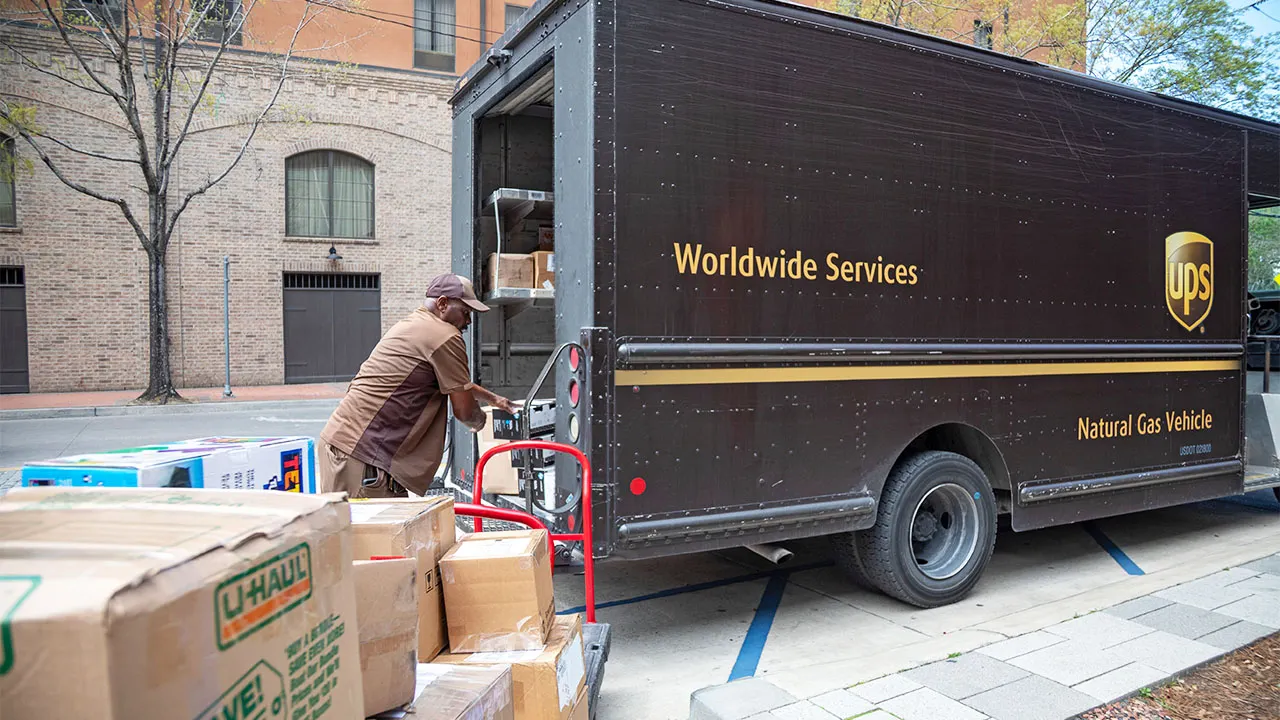
A United Parcel Service driver loads packages at the New Orleans Convention Center. (Jim West/UCG/Universal Images Group via Getty Images)

FedEx similarly said it intends to return funds to customers as soon as it receives refunds from U.S. Customs and Border Protection (CBP), reinforcing that logistics firms act primarily as intermediaries in tariff collection.

Advertisement

POWELL SAYS HE’LL STAY ON FED BOARD AFTER CHAIRMANSHIP ENDS BUT WON’T BE A ‘SHADOW FED CHAIR’

The developments follow a February Supreme Court ruling that found the 1977 law used by the Trump administration does not authorize presidents to impose tariffs, effectively invalidating a broad set of import duties applied to goods from major trading partners.

FedEx trucks in San Diego

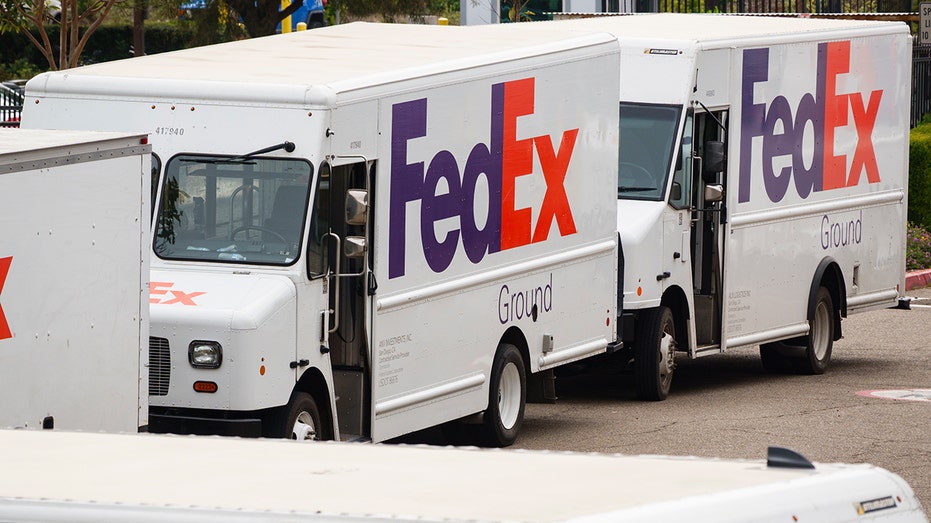
FedEx trucks are parked at a distribution center in San Diego, California. (Kevin Carter/Getty Images)

The decision could trigger a significant wave of repayments, with roughly $166 billion in tariff collections potentially subject to refunds, according to government data cited in court filings.

Thousands of companies have already moved to file claims after the federal government launched a new system to process refunds earlier this month, signaling strong demand for reimbursement.

Advertisement
Ticker Security Last Change Change %
FDX FEDEX CORP. 390.00 +1.42 +0.37%
UPS UNITED PARCEL SERVICE INC. 107.70 +1.07 +1.01%

CBP said it began rolling out a phased refund system on April 20, allowing importers and brokers to submit claims through its online portal. The agency said most valid refunds are expected to be issued within 60 to 90 days after approval, though more complex cases could take longer.

For logistics companies like UPS and FedEx, the refunds are not expected to materially impact financial results because the firms primarily collect tariffs from customers and remit them to the federal government.

Still, the scale of the refunds highlights the broader economic impact of the tariffs, which disrupted global trade flows and weighed on corporate earnings across multiple industries.

CLICK HERE TO GET FOX BUSINESS ON THE GO

Advertisement

While the court ruling struck down tariffs imposed under IEEPA, other trade measures remain in place, and officials have signaled that additional duties could still be pursued under alternative legal authorities.

FOX Business reached out to FedEx and UPS for further comment. 

Reuters contributed to this report. 

Advertisement
Continue Reading

Business

Wren Kitchens confirms Barton head office unaffected by US market exit and bankruptcy

Published

on

Business Live

The brand, which has more than 120 showrooms throughout the UK, has filed for Chapter 7 bankruptcy in the US

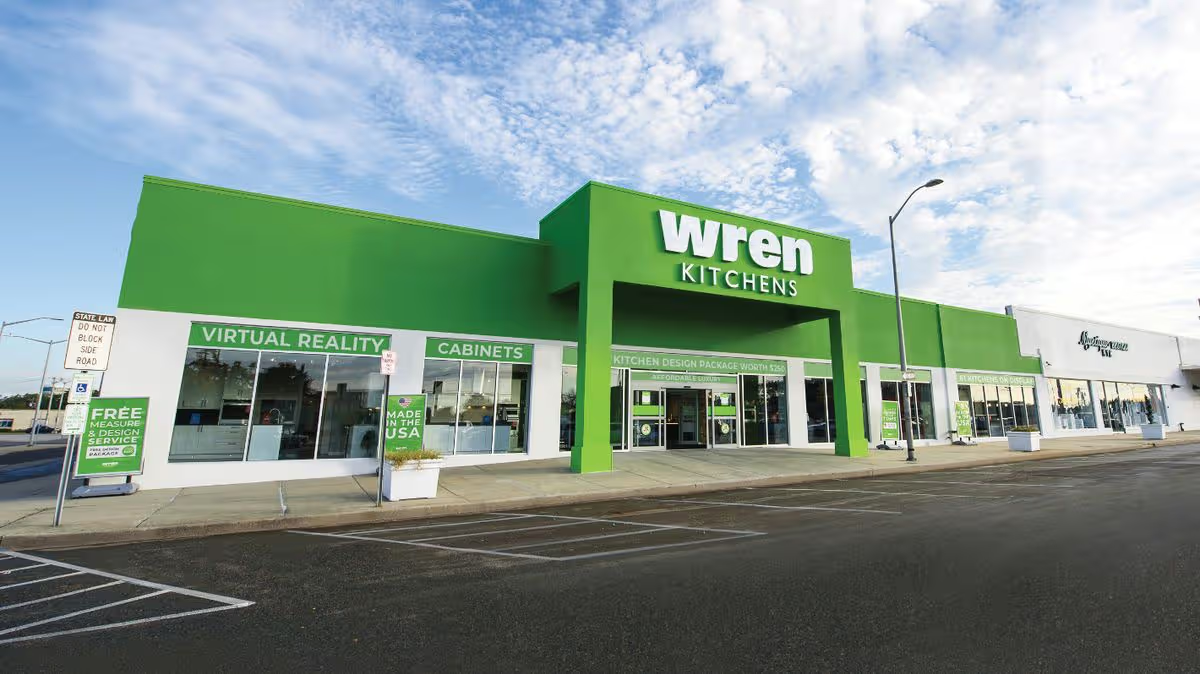
Wren Kitchens' Levittown mega store - showroom number 108 for the company.

Wren Kitchens’ Levittown mega store (Image: Wren Kitchens)

Wren Kitchens has confirmed that its decision to withdraw from the US market will have no bearing on its Barton-based UK operations. The brand, which boasts more than 120 showrooms across the UK and is owned by Hull-born entrepreneur Malcolm Healey, has filed for Chapter 7 bankruptcy in the States, where it launched approximately six years ago.

The company says the move, which has resulted in job losses and store closures, will enable it to channel investment into its UK business, which continues to grow. Newly released accounts for the UK arm, Wren Kitchens Limited, reveal turnover surpassed £1bn in 2025 — the second highest figure in the company’s history — with operating profits exceeding £101m.

The firm has spoken of opportunities to expand its network of 124 showrooms, including the addition of further “small format” locations away from traditional retail parks. In recent years the UK business, which employs more than 7,000 staff including over 2,300 at Barton, has also successfully ventured into the bedrooms market with a dedicated factory established for that purpose.

All of this was achieved despite what CEO Mark Pullan described as a “somewhat challenging” year, with economic uncertainty and a prolonged housing market slowdown leading some customers to postpone kitchen renovation projects. Wren cited its inability to secure favourable terms on retail properties to grow its store network as the primary reason for exiting the US market.

Advertisement
Quality control at Wren Kitchens' Barton operations.

Quality control at Wren Kitchens’ Barton operations. (Image: Wren Kitchens)

Mr Pullan said: “We reluctantly took the decision to appoint a Trustee who is managing our exit from the US market, in line with US regulations. We regret the impact of this decision on our US colleagues and our customers and thank both of them for their support.

“Our focus is on further growing our UK business where last year we recorded our second most successful year since the business began and hit the £1bn turnover mark with strong profits despite what remains a subdued market. Encouragingly, this market growth has carried through into the first quarter. These results reflect the hard work and dedication of our teams across the business and our sustained re-investment in the business – over £500m over the past 15 years.”, reports Hull Live.

“We are beginning to see the early benefits of the investment in our new factory, which is enhancing both capacity and efficiency, while continued investment across our UK operations is helping to improve resilience, support fuel cost stability and reduce our environmental impact.

“While we remain mindful of potential uncertainties arising from the geopolitical situation, we are confident in the strength of our business and with all our focus on the UK, we will be accelerating our new store rollout programme over the year, with the launch of 15 new showrooms as well as new product categories.”

Advertisement
Continue Reading

Business

Vedanta’s 65% share price crash an illusion, the stock is down just 5%. Here’s why

Published

on

Vedanta's 65% share price crash an illusion, the stock is down just 5%. Here's why
Shares of Vedanta adjusted to the company’s much-awaited demerger on Thursday, appearing to have crashed nearly 65% on NSE. However, in reality, the stock declined 5% after beginning to trade without the value of its four demerged entities.

After closing at Rs 773.60 on Wednesday, the stock opened sharply lower at Rs 289.50 on Thursday. Vedanta shares hit an intraday low of Rs 271.5 apiece on the NSE, marking a sharp 64.9% plunge from the previous close. The drop pulled the metal major’s market capitalisation down to Rs 1.13 lakh crore from Rs 3 lakh crore.

The shares now trade without the value of four demerged units — Vedanta Aluminium, Vedanta Power, Vedanta Oil & Gas, and Vedanta Steel & Iron Ore — which will list separately on the BSE and NSE.

The special pre-open session (SPOS) ran from 9:15 am to 9:45 am on the stock exchanges to determine Vedanta’s share price adjustment post demerger, and the regular trading in the stock began at 10 am.

Advertisement

The Anil Agarwal-led conglomerate set May 1 as the record date for its demerger, which marks one of the biggest corporate restructurings in India’s metals and mining space. Since Friday (May 1) is a market holiday due to Maharashtra Day, Thursday (April 30) is the effective record date for the demerger.


Vedanta shares are currently part of the Nifty Next 50 index. On the global front, it is part of the MSCI Emerging Markets Index as well as the FTSE indices. According to Nuvama, Vedanta will continue to be part of the Nifty Next 50 index, while the soon-to-be-listed demerged entities (Aluminium, Power, Oil & Gas, Steel) will be reflected as dummy constituents until listing. The brokerage added that Vedanta’s weight will be auto-adjusted on MSCI and FTSE indices.
Vedanta’s demerger is a well-structured move that should unlock shareholder value over time, said Raj Gaikar, Research Analyst at SAMCO Securities. When businesses like aluminium, zinc and oil & gas begin to trade independently, markets tend to value them more fairly than when they are bundled together in a single conglomerate, he added.

Vedanta’s demerger journey

Vedanta had first announced its demerger plans in 2023, aiming to split its Indian operations into six separately listed companies, including a standalone base metals entity. Over time, the structure was revised. The demerger, however, faced significant delays, largely due to objections raised by the government.

The metal conglomerate’s long-awaited demerger plan received the National Company Law Tribunal’s (NCLT) approval in December last year. Under the approved scheme, the base metals business will remain within a restructured Vedanta, while four new listed companies will be carved out. The restructured Vedanta will continue to house the zinc and silver businesses through Hindustan Zinc and is envisaged as an incubator for future ventures.

Also read: Vedanta share price adjusts 63% as it trades ex-demerger. What’s next for 21 lakh shareholders?

Advertisement

Vedanta Chairman Anil Agarwal, in an interview with the Financial Times, said that the long-delayed restructuring could create “phenomenal shareholder value”. He said that the new entities emerging from the conglomerate will have a free hand to grow. A privately held parent company controlled by Agarwal will retain roughly half the shareholding in each of the demerged entities, he added.

(Disclaimer: Recommendations, suggestions, views and opinions given by the experts are their own. These do not represent the views of The Economic Times)

Continue Reading

Business

Meesho shares jump 10% as JP Morgan initiates coverage with Rs 215 target price

Published

on

Meesho shares jump 10% as JP Morgan initiates coverage with Rs 215 target price
Shares of Meesho surged nearly 10% to Rs 189.90 on BSE on Wednesday after JP Morgan initiated coverage on the value-focused e-commerce platform with an ‘Overweight’ rating and a price target of Rs 215.

The US-based brokerage stated that “Meesho is building India’s first discovery-led marketplace that acts as a long tail ad network with embedded logistics for a fragmented retail market”.

JP Morgan expects the company’s net merchandise value (NMV) to scale at a 23% compound annual growth rate (CAGR) over FY26-31 without “heroic” annual transacting user (ATU) targets, driven by rising frequency, falling return-to-origin (RTO) orders and stronger growth in Mall and Content Commerce.

Strong margin expansion ahead

The brokerage sees significant EBITDA margin expansion to 4% by FY31, up from negative 3% in FY26, driven by under-monetized advertising take-rates. “This should drive EBITDA/FCF CAGR of 170/52% over FY28-31 post break-even,” JP Morgan noted in its report.
JP Morgan valued Meesho at 35 times FY30 estimated EV/EBITDA, discounted back to FY28. The brokerage highlighted that this valuation reflects “EBITDA CAGR of 140% over FY28-30E vs internet peers’ average growth of 70% over FY26-28E and 30x EV/EBITDA”.

Advertisement

Three levers for advertising growth

Explaining the advertising monetization potential, JP Morgan analysts Ankur Rudra and Bhavik Mehta stated that “advertising take rates have several levers including: 1) the number of paying sellers (JPMe ~60%); 2) monetization per seller of paying sellers (current sellers’ spend <50% of ad budget); and, 3) growth in Mall and branded goods”.
The report emphasized that “Meesho is under-indexed on ad rates at 1.8% of GMV vs. global peers at ~3.7% of GMV”, suggesting substantial room for improvement.

Market leadership and growth trajectory

Meesho has emerged as India’s largest e-commerce player over the twelve months ended June 30, 2025, in terms of the number of placed orders and annual transacting users, according to Redseer data cited in the report.

The company’s annual transacting users increased from 199 million in FY25 to an estimated 265 million in FY26, representing a 33% year-on-year growth. JP Morgan projects ATU to reach 568 million by FY31.

“NMV growth can outperform user growth,” the brokerage noted, adding that “we are skeptical of annual transacting user growth being constrained in the late teens, we think NMV can be sustained at a 23% FY26-31 CAGR, thanks to a combination of rising platform frequency (to over 12x from FY30) and falling RTO”.

Advertisement

Logistics: temporary setback, not structural

Addressing concerns around logistics costs, JP Morgan stated: “We understand the key debate has been on logistics costs pullback, whether it has been a loss of economics or cyclical. We believe the 2Q-3Q drop in logistics monetization was a one-off as a result of 3PL consolidation and should recover in FY27 as Meesho is able to plan volumes better”.

The brokerage expects Valmo, Meesho’s proprietary logistics orchestration platform, to peak out at 65-70%, “which can balance economics with resilience”.

Free cash flow recovery expected

JP Morgan expects free cash flow (FCF) to recover faster than EBITDA due to a negative working capital cycle. “We expect FCF to recover to 1.5% of NMV by FY28 and 3.1% by FY30,” the analysts wrote.

The company has generated positive FCF historically in FY24 and FY25, though it turned negative in FY26 due to strategic investments in logistics and user acquisition.

Advertisement

Key risks to watch

JP Morgan flagged several risks including “slower than expected growth in NMV due to slower smartphone shipments, persistent logistics cost overruns, inability to expand ad take rates, competition from horizontal ecommerce, and labor code risks”.

The brokerage noted rising competition, with Amazon and a leading Indian e-commerce player picking up pace since mid-2025 and outpacing Meesho in monthly downloads growth rate.

For FY28, JP Morgan estimates revenue of Rs 216.36 billion, with adjusted EBITDA of Rs 2.11 billion and adjusted net income of Rs 6.27 billion. The company is expected to achieve adjusted EBITDA breakeven in FY28.

Advertisement
Continue Reading

Business

Expansion for community-owned west Wales seaweed and shellfish farming venture

Published

on

Business Live

Câr-y-Môr is expanding following a marine licence extension from the Natural Resources Wales

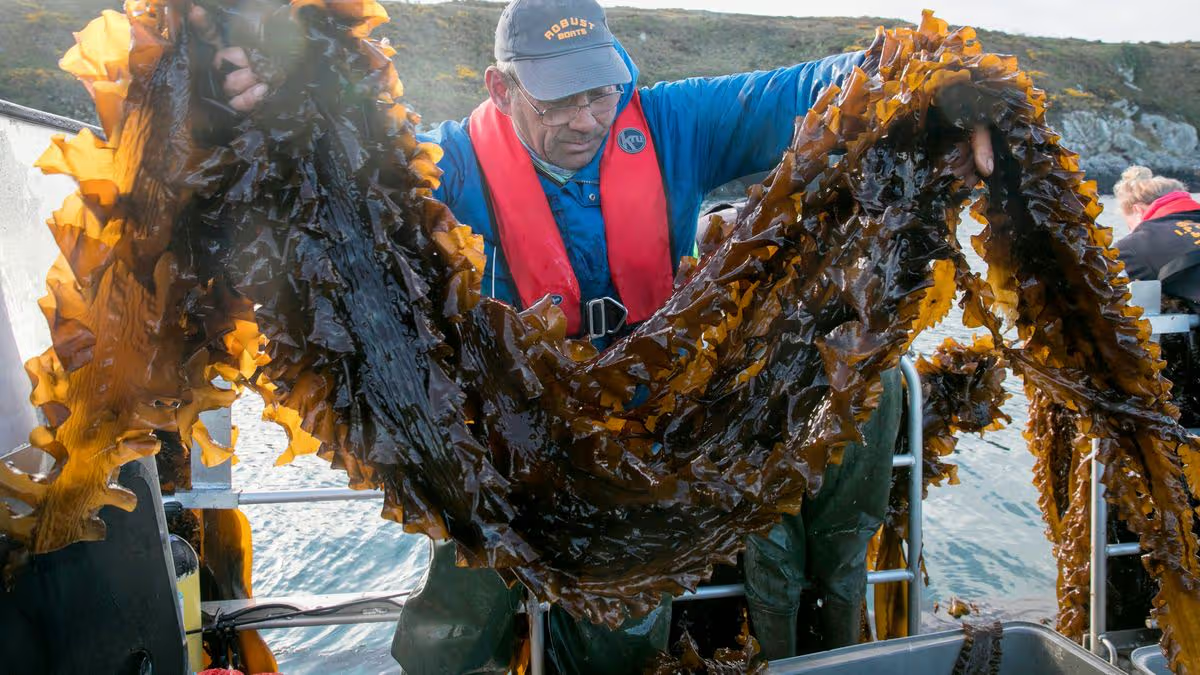
Câr-y-Môr (Image: Angeles Rodenas)

A West Wales seaweed and shellfish farming venture have been given the go-ahead to expand two sea farms.

Câr-y-Môr hopes the growth of its community business will provide British land farmers with a homegrown and effective fertiliser substitute at a time when conflict in the Middle East is driving up costs. Câr-y-Môr is a growing community of 700 members and working partners, all committed to forging a sea farming industry for Wales and beyond.

Eight additional roles are planned for the next five years to join the 19 full-time, year-round working partners currently employed at the St Davids site. In its approval of the marine licence extension, NRW noted the project will contribute to the local economy, blue growth and job creation.

In March the community benefit society (CBS) published results of seaweed biostimulant trials funded by the Co-op Foundation’s Carbon Innovation Fund. They showed that when synthetic fertiliser was cut by 40% and the seaweed biostimulant applied on conventional grassland, the grass quality was maintained and the yield was up by 29%. The yield and quality on trialed cereal and potato fields were also maintained when fertiliser was reduced by 25% and 29% respectively.

Advertisement

This backed up earlier trials of a 24% yield increase on organic potatoes, and an 18% yield increase on silage (equivalent to £92 per hectare uplift) when the biostimulant was added to the existing fertiliser programme.

READ MORE: The knowhow built up in Wales’ contact centre sector is an asset worth redirectingREAD MORE: Wales doesn’t need grants but a new approach to IP and innovation that sustains business success

Now entering its third year of seaweed biostimulant trials, Câr-y-Môr has secured granted a marine licence o expand two existing integrated multi-trophic aquaculture (IMTA) sea farms in the Ramsey Sound off Pembrokeshire. This will allow it to increase production of Welsh seaweed, and meet the increasing demand for its high quality shellfish, which grew by 30% last year.

Beth Marshall, Câr-y-Môr’s marine biologist, who led the marine licence application, said “NRW’s approval is the result of years of feedback and collaboration between the team, volunteers and stakeholders, as well as strong advocacy from local people and businesses.

Advertisement

“It gives us the scope to scale our operations: to harvest more zero-input seaweed for use in biostimulant on the land; increase shellfish and seaweed production in A Grade waters for our 90+ restaurant partners; grow our community outreach and education programmes; and generate more year-round, full-time roles for rural Pembrokeshire.”

Câr-y-Môr’s sea farms will now total 8 hectares. The extended sea farms will be home to sugar kelp, oarweed, Atlantic wakame, furbelows, dulse, pepper dulse, sea lettuce, scallop, native oyster and mussels. The marine licence extension coinciding with the opening of the business’s Sied-y-Môr facility, home to the first dedicated seaweed biorefinery in Wales just a few miles inshore.

The community business has also taken part in a native oyster restoration programme, which last year saw it deploy 50,000 native oysters into Pembrokeshire’s Daugleddau Estuary.

Sophie Wood, programme manager at the UK Seaweed Network, said: “The UK Seaweed Network is delighted to hear of the successful granting of two sea farm extension licences for Câr-y-Môr.

Advertisement

“It is a well-deserved outcome, reflecting the strength of Câr-y-Môr’s efforts to date and its positive contribution to the marine environment and local economy. This decision is a vote of confidence in the future of regenerative sea farming, as well as reinforcing the importance and potential of long-term, responsible use of marine resources in Wales and around the UK.”

Jess Watton, education and engagement lead at Câr-y-Môr, grew up in Pembrokeshire. Part of her role sees her conducting seaweed workshops – which to date have reached more than 4,000 schoolchildren.

She said: “St Davids is tiny, famously the smallest city in the UK, sitting here on the edge of west Wales. Yet our humble community is paving the way for regenerative ocean farming, linking aquaculture with agriculture, and championing Welsh seafood.

“The fact we can do all that whilst cultivating seaweed and shellfish under the waves of what is notoriously one of the most dangerous stretches of water in the world, is just so inspiring.”

Advertisement
Continue Reading

Business

Council staff under attack from High Street gangs

Published

on

Council staff under attack from High Street gangs

For the first time, the CTSI has also logged where it believes High Street crime gangs are operating most. The data reveals criminality in big cities, but also in smaller towns – including Great Yarmouth in Norfolk, and Barry in South Wales – and even in villages.

Continue Reading

Business

Mondelez: Snacks holding their own amid consumer uncertainty

Published

on

Mondelez: Snacks holding their own amid consumer uncertainty

First-quarter profit bite from cocoa cost phasing expected to ease.

Continue Reading

Business

Vertu seals multimillion-pound payout in wake of Jaguar Land Rover cyber attack disruption

Published

on

Business Live

A £1m interim payment has already been paid to Gateshead based Vertu, the UK’s fourth biggest auto retailer

Mr Forrester says Government policies are distorting the car market.

Robert Forrester, chief executive of Vertu Motors(Image: supplied pic, free to use)

Gateshead motor retailer Vertu has sealed a multimillion-pound insurance payout in the wake of the cyber-attack at Jaguar Landrover.

The five-week shutdown at Jaguar Landrover (JLR) – believed to be the most damaging cyberattack in British history – triggered widespread disruption across the firm’s systems. As well as affecting production and supply of vehicles to dealers, it affected retail platforms used by franchised partners, including Team Valley’s Vertu Motors, the UK’s fourth-largest automotive retailer.

Advertisement

Now, however, Vertu has announced it has settled a successful claim for insurance following last September’s cyber attack. The total claim recovery has been agreed at £3.9m, against which a £500,000 policy deductible applies, resulting in a total net insurance recovery to the group of £3.4m

In a stock market statement, the firm said: “Vertu Motors, a leading UK automotive retailer, announces that it has been notified by its insurers of a successful settlement of the group’s business interruption insurance claim relating to the cyber-attack on Jaguar Land Rover Limited in September 2025, which temporarily disrupted JLR vehicle supply, parts availability and connected systems used by JLR franchised retailers, including those operated by the Group. The business impact was resolved by early 2026.”

In a trading update last month, Vertu said the group’s JLR business has returned to normal operations, and that the anticipated financial impact was expected to be less than the £5.5m previously estimated. A £1m interim payment has already been paid to Vertu, and the full recovery will be recognised as underlying income in the group’s results for the year ended February 2026.

General view of the Jaguar Land Rover Halewood Operations Plant

Jaguar Land Rover has a major site in Halewood(Image: Dave Thompson/PA Wire)

As a result, Vertu added that adjusted pre-tax profit is likely to be ahead of the current market consensus of £21.6m, with its full year results set to be announced on May 13.

Advertisement

Jaguar Land Rover revealed last November that it lost around £500m during the second quarter of its financial year, as a result of the impact of the most expensive cyber attack in British history.

Earlier this month, however, the car manufacturing giant announced a bounce back in sales over the last quarter, after production resumed. JLR, which is owned by India’s Tata, was forced to suspend production across its UK plants for five weeks from September 1 last year.

By September 22 it had led to work halting on all of its production lines for three weeks, with staff told to stay at home. All of its facilities – including plants in Solihull, West Midlands, and Halewood, Merseyside – halted output before starting up once more in October.

At the time, the Society of Motor Manufacturers and Traders (SMMT) and Department for Business and Trade and issued a statement outlining the significant impact on Jaguar Land Rover and the broader supply chain for car manufacturers. With an estimated eventual total damage to the British economy of £1.9bn, the Bank of England also said that the cyberattack was one reason for slower GDP growth.

Advertisement

Like this story? For more news from the retail sector, visit our dedicated page for the latest news and analysis here .

Continue Reading

Business

LIV Golf: Saudi Arabia to withdraw funding at end of season

Published

on

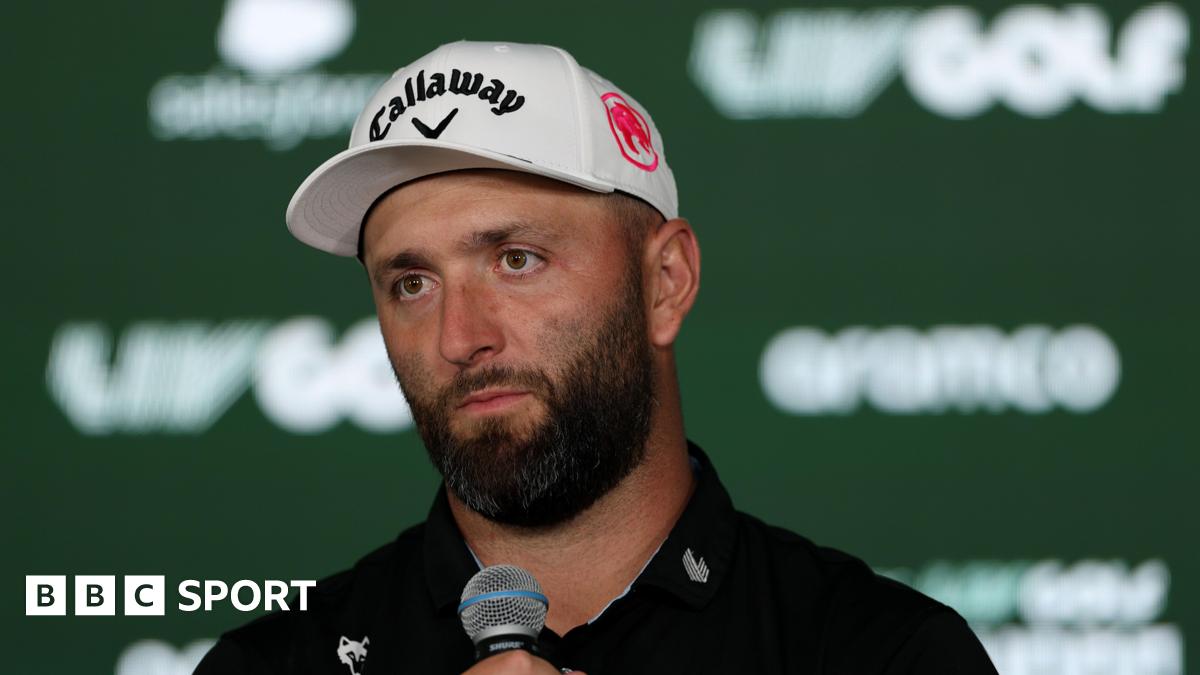
Jon Rahm

This week LIV postponed its June event in New Orleans, meaning it will not have any tournaments in the US between 10 May until 6 August, when it goes to Trump Bedminster in New Jersey.

However, LIV tournaments are due to take place in South Korea, Spain and Britain during this period.

BBC Sport has been told LIV remains hopeful of remaining an international tour with a team model, and that it is in “constructive” talks with potential investors. The series is said to be “totally up for sale”.

Davis said: “LIV Golf has built something truly differentiated – a global league with passionate fans, world-class talent, and demonstrated commercial momentum.

Advertisement

“The executive leadership team, along with Jon and I, see a clear opportunity to help the league formalise its structure, attract and secure long-term capital, and position the business for growth while continuing to promote the game across the world. We look forward to positioning LIV Golf for future success.”

LIV described Davis as a “leading corporate governance and strategic advisory professional”, while Zinman is said to have “expertise in driving financial and operational transformation for companies navigating complex reorganisations”.

Its statement did not mention PIF or Al-Rumayyan.

Sources indicated that executives are exploring a number of opportunities to “reposition” the business. They said LIV Golf was on course to earn $100m (£86m) more in 2026 than last season, and are telling potential investors that ten of the LIV teams will be profitable this year.

Advertisement

However, officials accept it is almost certain that the series will have to be significantly scaled back, with far fewer than the current 14 events.

Team captains and staff have been told of LIV’s plan to find new funding.

This month LIV Golf chief executive Scott O’Neil told players the 2026 season would continue “as planned and uninterrupted” amid rumours the tour was on the verge of collapse, although he did not address what might lie ahead.

It came as PIF – which also owns Premier League club Newcastle United – announced a new strategy, with a focus on more sustainable investments.

Advertisement

Major winners Jon Rahm, Bryson DeChambeau, Phil Mickelson and Cameron Smith are among the players who compete on the LIV tour.

The project, which pivoted to a more traditional 72-hole format this year, has been bankrolled by an eye-watering amount of money from PIF.

The overall investment surpassed $5bn (£3.8bn) when fresh capital of $267m (£229m) was injected this year.

The tour’s net losses in markets outside the US increased to $462m (£340m) in 2024, meaning it had lost more than $1.1bn (£810m) since it was established in 2021.

Advertisement

But with vast amounts of money pumped into the US arm of the operation, overall losses look likely to run to several billion dollars.

In February, Rahm, Smith and DeChambeau turned down a one-time opportunity to apply for reinstatement to the PGA Tour under its ‘Returning Member Programme’, which was facilitated for those who had won a major – or The Players Championship – since 2022.

Five-time major winner Koepka was the only player to take up the offer and smoothed his return by paying fines said to be worth about £63m.

Amid reports that some LIV golfers have approached the PGA Tour and DP World Tour to explore possible returns, it remains unclear if the series’ potential demise would see such a path reopened, and what terms might be issued.

Advertisement

Speaking after the most recent event in Mexico City, DeChambeau said, “As of right now, my job is to help make the league work after this year. I just feel like I have a responsibility. I’ve put a lot of effort into it. So that’s what I’m going to do, we’re going to make this work.

“As long as LIV is here, I would figure out a way for it to make sense.”

LIV Golf Virginia at Trump National Golf Club just outside of Washington DC is scheduled to begin on 7 May.

PIF has been approached for comment.

Advertisement

Saudi Arabia hosts and invests in a number of sports, including football, boxing, Formula 1 and tennis, and is due to host the 2034 World Cup. Earlier this month, PIF announced it had sold a 70% stake in Saudi Pro League club Al-Hilal.

The Saudi Arabia Snooker Masters, one of the richest events on the sport’s calendar, was cancelled just two years into a 10-year deal.

Continue Reading

Business

HUL shares drop over 4% despite Q4 topping Street estimates; profit jumps 21% YoY to Rs 2,464 crore

Published

on

HUL shares drop over 4% despite Q4 topping Street estimates; profit jumps 21% YoY to Rs 2,464 crore
Shares of Hindustan Unilever Ltd (HUL) slipped as much as 4.4% to an intraday low of Rs 2,211 on the BSE on Thursday, despite the FMCG major reporting a consolidated profit of Rs 2,992 crore for the March quarter of FY26, up 21.4% from Rs 2,464 crore in the year-ago period.

Revenue from operations rose 7.6% YoY to Rs 16,351 crore, compared with Rs 15,190 crore in Q4FY25.

EBITDA increased 3.2% to Rs 3,877 crore versus Rs 3,754 crore in the corresponding quarter last year. EBITDA margins stood at 23.7%, improving by 70 basis points YoY. Segment-wise, Home Care grew 9%, marking its strongest performance in 11 quarters, led by double-digit growth in Fabric Wash and high single-digit growth in Household Care.

Beauty & Wellbeing delivered 8% USG with mid single-digit UVG, supported by strong double-digit growth in Hair Care, which continued to strengthen its leadership position. Personal Care grew 5%, with Skin Cleansing posting high single-digit growth, driven by Dove and Lux. Market development initiatives also supported double-digit competitive growth in premium soaps and bodywash.

Advertisement

The Foods segment recorded 5% USG, led by high single-digit UVG. Tea reported low single-digit UVG, while Coffee continued its strong double-digit growth, supported by both volume and pricing.


Priya Nair, CEO and Managing Director, said FY26 saw an improved demand environment backed by supportive macroeconomic policies. She noted that the company undertook several actions to accelerate growth, including portfolio sharpening, higher investments, stronger frontline demand generation and organisational simplification.
She added that the company remains well placed to navigate a volatile environment, supported by strong brands, a robust financial position and operational agility, with a focus on delivering sustainable and competitive growth.The board proposed a final dividend of Rs 22 per share, subject to shareholder approval at the AGM. This is in addition to the interim dividend of Rs 19 per share declared in October 2025, taking the total dividend payout for FY26 to Rs 9,633 crore.

(Disclaimer: Recommendations, suggestions, views, and opinions given by the experts are their own. These do not represent the views of The Economic Times)

Continue Reading

Trending

Copyright © 2025