
Business
Environment ministers meet to thrash out standards




Why is SoftBank stock climbing today?


I have been involved in the financial world for over 25 years with experience as an advisor, teacher, and writer. I am a full believer in the free-market system and that financial markets are efficient with most stocks reflecting their real current value. The best opportunities for profits on individual stocks come from stocks that are less-widely followed by the average investor or from stocks that may not accurately reflect the opportunities that currently exist in their markets.
Analyst’s Disclosure: I/we have no stock, option or similar derivative position in any of the companies mentioned, and no plans to initiate any such positions within the next 72 hours. I wrote this article myself, and it expresses my own opinions. I am not receiving compensation for it (other than from Seeking Alpha). I have no business relationship with any company whose stock is mentioned in this article.
Seeking Alpha’s Disclosure: Past performance is no guarantee of future results. No recommendation or advice is being given as to whether any investment is suitable for a particular investor. Any views or opinions expressed above may not reflect those of Seeking Alpha as a whole. Seeking Alpha is not a licensed securities dealer, broker or US investment adviser or investment bank. Our analysts are third party authors that include both professional investors and individual investors who may not be licensed or certified by any institute or regulatory body.

TAT’s Nihao Month 2026 campaign, from 15 September, targets Chinese travellers via promotions, cultural events, and KOL trips to boost bookings, spending, and sustain demand through festive periods.
Promoting Chinese Tourism Through Nihao Month 2026
The Tourism Authority of Thailand (TAT) has launched an extensive campaign, Nihao Month 2026, to attract Chinese travelers. Scheduled to commence on 15 September, the initiative includes various promotional activities and incentives. Through strategic partnerships with platforms like Meituan, the campaign aims to entice Chinese tourists with special promotions and exclusive passport privileges. This multifaceted approach is designed to enhance travel bookings, increase visitor spending, and strengthen cultural connections between China and Thailand.
Celebrating Culture and Collaboration
As part of this initiative, TAT will host a Mid-Autumn Festival celebration, a culturally significant event for Chinese visitors. This celebration not only offers tourists a taste of Thai hospitality but also fosters a deeper cultural exchange. Additionally, TAT plans to conduct KOL (Key Opinion Leader) familiarization trips, inviting influential figures to explore Thailand and share their experiences with their vast audiences. Such efforts aim to sustain interest and travel demand well beyond the immediate holiday period.
Sustaining Interest Beyond Golden Week
The Nihao Month campaign is strategically timed to coincide with Golden Week, a peak travel period in China, and extends its reach towards the Chinese New Year in early 2027. By leveraging these key travel windows, TAT hopes to establish lasting engagement with Chinese tourists. This targeted approach is designed not only to stimulate immediate revenue but also to nurture long-term tourism relationships, ensuring sustained growth in visitor numbers from China to Thailand.
Source : TAT expands Nihao Month 2026 to drive China travel and engagement
Business
Home Affairs Minister Tony Burke Warns Migration Overhaul Carries Economic Risks as Backpacker Caps Trigger Food Price Warnings

CANBERRA, Australia — Home Affairs Minister Tony Burke Warns Migration Overhaul Economic Risks facing the national economy will be impossible to isolate completely, cautioning that government policy mandates to curb net overseas migration will inevitably trigger cost trade-offs across essential labor-dependent industries, including agriculture and food production.
Speaking amid ongoing parliamentary debate surrounding federal immigration reforms, Home Affairs Minister Tony Burke declared that the federal government cannot quarantine specific economic sectors from the realities of lower net migration figures. The warning comes as regional agricultural bodies and fresh produce industry representatives raise alarms over proposed caps on Working Holiday Maker visa holders, warning that reduced seasonal labor availability will drive up harvesting expenditures and ultimately elevate retail grocery prices for Australian households. While emphasizing that the Labor administration remains fully committed to normalizing net overseas migration down from post-pandemic peaks to sustainable historic averages, Minister Burke stressed that achieving significant population reductions requires accepting broad-based labor adjustments across regional and metropolitan commercial networks.
Economic commentators note that balancing federal migration reduction targets against sector-specific labor demands represents a central policy friction point for the federal government.
Agricultural Sector Alarms Over Backpacker Caps and Food Inflation
The primary friction point surrounding federal migration targets involves potential restrictions imposed on seasonal harvest labor.
Peak agricultural industry associations, including National Farmers’ Federation representatives and regional horticulture groups, caution that tightening Working Holiday Maker visa allocations will sever a vital labor pipeline relied upon during peak harvesting months. Working holidaymakers historically provide essential seasonal labor across orchards, vineyards, and vegetable farms throughout regional Australia, performing physically demanding harvesting and packing roles that local labor markets routinely fail to fulfill. Industry groups warn that uncompensated labor shortages will force farmers to leave unharvested crops to rot in fields, creating immediate supply contractions across domestic fruit and vegetable supply chains while pushing retail food prices higher at major supermarket chains.
Addressing these warnings, federal ministers acknowledged industry concerns but reiterated that broad population policy goals cannot offer absolute exemptions to individual commercial sectors.
- Broad Sector Exposure: Federal ministers emphasize that achieving overall migration reductions requires labor adjustments across all domestic industries.
- Regional Agriculture Reliance: Working holidaymakers provide crucial seasonal labor for fruit picking, vegetable harvesting, and farm packing operations.
- Harvest Supply Risks: Unfilled farm labor vacancies threaten to cause crop spoilage and contract fresh produce market availability nationwide.
- Retail Price Transmission: Reduced harvest yields and elevated farm procurement costs risk spilling over into higher retail grocery inflation.
The policy standoff underscores how structural changes in temporary visa issuance directly impact foundational consumer supply chains.
Broader Migration Reform Context and Net Overseas Target Constraints
The debate over seasonal farm labor occurs within a broader overhaul of Australia’s national migration architecture.
Following record post-pandemic population inflows driven by returning international students, temporary workers, and working holidaymakers, the federal government launched a comprehensive Migration Strategy designed to halve net overseas migration. Key policy pillars include raising minimum English language requirements for international student visas, tightening genuine student test criteria, increasing temporary skilled worker income thresholds, and cracking down on visa hopping mechanisms. While federal policy measures have already slowed student visa grants and reduced overall visa processing volumes, ministers maintain that long-term population stabilization requires sustained policy discipline across all temporary visa sub-categories.
Federal officials maintain that reducing overall migration levels remains critical to relieving pressure on metropolitan housing markets and public infrastructure.
The structural reforms mark a decisive transition from emergency post-pandemic workforce recruitment toward managed population controls.
Regional Workforce Dynamics and Structural Labor Challenges
The policy debate highlights persistent structural challenges surrounding domestic labor mobility and regional employment preferences.
Regional business leaders argue that reducing temporary visa worker numbers without establishing viable domestic workforce substitutes threatens the economic vitality of rural communities. Despite federal incentives designed to encourage domestic job seekers to relocate for seasonal harvest work, local participation rates remain low due to geographic isolation, seasonal employment instability, and demanding physical working conditions. Consequently, regional agricultural operators remain heavily dependent on international visa holders to maintain output levels, making regional economies disproportionately vulnerable to shifting federal immigration settings.
Policy analysts emphasize that solving regional workforce shortages requires long-term structural investments alongside clear immigration settings.
The gap between urban population management goals and regional labor realities continues to complicate national policy formulation.
Political Implications and the Balancing Act for Economic Growth
Managing the economic trade-offs of lower migration presents significant policy challenges for federal lawmakers heading into national elections.
Opposition lawmakers argue that government policies have failed to provide adequate planning or clear labor protections for primary producers, while housing advocates urge authorities to enforce stricter caps to ease rental market stress in capital cities. The federal government faces the complex task of demonstrating decisive control over national border settings without triggering economic slowdowns or escalating cost-of-living pressures for consumers. As legislative reviews continue, ministers face ongoing pressure from regional MPs, industry lobbyists, and economic analysts to recalibrate temporary visa settings to prevent severe labor shortfalls.
The ongoing debate reinforces that migration policy remains deeply intertwined with national economic productivity and household living standards.
How parliament balances population targets against essential labor requirements will shape Australia’s economic trajectory over the coming decade.

Janus Henderson Investors exists to help clients achieve their long-term financial goals. Formed in 2017 from the merger between Janus Capital Group and Henderson Global Investors, we are committed to adding value through active management. For us, active is more than our investment approach – it is the way we translate ideas into action, how we communicate our views and the partnerships we build in order to create the best outcomes for clients. While our investment managers have the flexibility to follow approaches best suited to their areas of expertise, overall our people come together as a team. This is reflected in our Knowledge. Shared ethos, which informs the dialogue across the business and drives our commitment to empowering clients to make better investment and business decisions.www.janushenderson.com

Columbia Disciplined Core Fund Q2 2026 Commentary
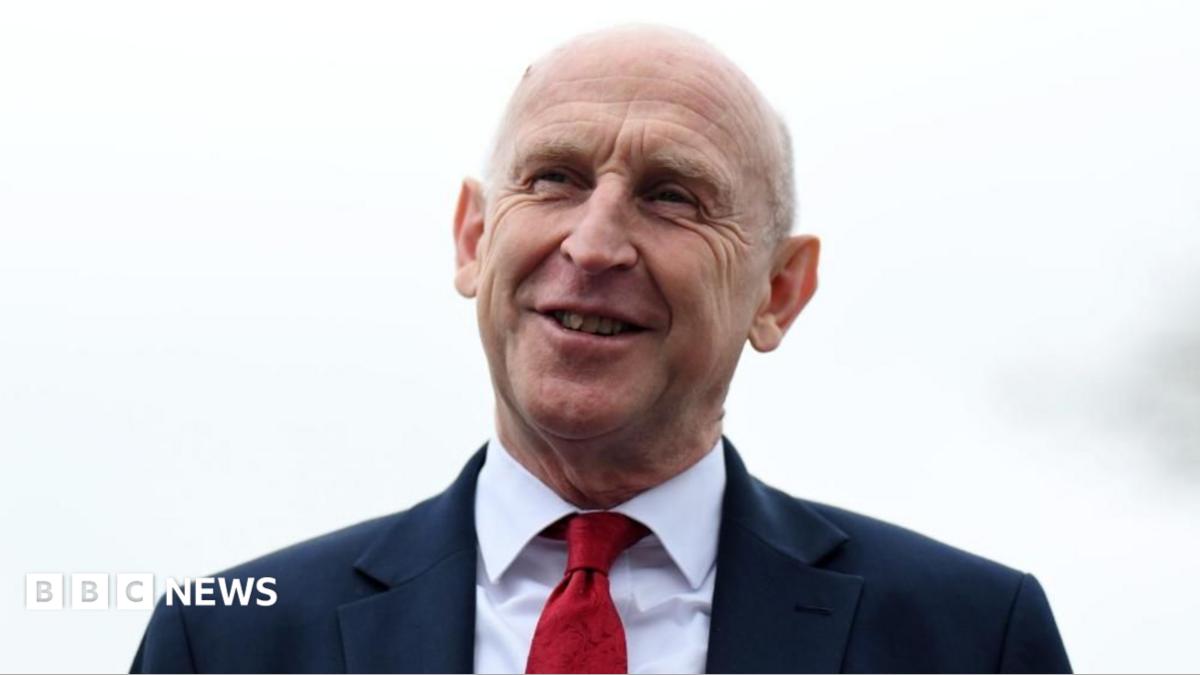
The chancellor is to warn the European Union (EU) not to lock the UK out of its scheme to protect industries from unfair Chinese competition.
John Healey will push for closer UK-EU partnerships on tech, defence, and manufacturing at a meeting of EU finance ministers in Dublin on Friday.
But he will call on the EU to design its “Made in Europe” programme in a way that deepens ties with the UK “rather than erecting new barriers”, Treasury sources told the BBC.
Officials said Healey will tell European finance ministers it is important to “learn lessons” after talks collapsed last year for Britain to join an EU defence loans scheme.
That dispute centred on how much money the UK would pay to join.
The “Made in Europe” policy, officially called the Industrial Accelerator Act (IAA), is currently being considered by the bloc and aims to protect EU manufacturing with restrictions on goods from outside countries.
There is concern in government the scheme could lock British firms out of European supply chains.
Treasury officials said Healey wanted to reduce the economic impact of Brexit and build closer ties with the EU, but not at any cost to the UK.
Healey said: “The next chapter of Britain’s growth story will be written in more places.
“To me, closer ties with the EU means British businesses – wherever they are based across the UK – get better access to both the supply chains and the customers they need to grow.”
Healey will use the meeting in Dublin to focus on tech firms, defence companies, and manufacturing.
“The chancellor wants to make sure nothing holds them back,” a Treasury source said.
It comes after a reset summit with the EU was delayed after Sir Keir Starmer’s resignation as prime minister.
Treasury sources now expect that to take place in November.
Healey’s meeting in Dublin comes after it emerged earlier this week that he is in discussions about joining a global investment bank aimed at raising more money for defence spending.
He is considering a bid to join the Defence, Security and Resilience Bank (DSRB), not long after his predecessor Rachel Reeves rejected the idea.
Canada has been leading efforts to establish the bank, which supporters say would enable governments to borrow at lower costs to increase military spending.
Paying for the UK’s growing defence commitments is one of Healey’s biggest headaches as he prepares for the Budget in October and next year’s spending review.

US clears way for $24.3 billion fighter jet sale to Saudi Arabia

Compass’ Bowers Group Vice President Brett Rubin speaks to Fox News Digital about how the Federal Reserve raising rates for the first time in three years could lead to a frozen real estate market.
American homeowners expecting peak-market valuations are confronting a changing real estate landscape following the Federal Reserve’s latest interest rate decision.
Rising borrowing costs are shrinking the pool of qualified buyers, signaling a potential wave of price reductions for sellers seeking to close deals before year-end, real estate insiders told Fox News Digital.
“Sellers have… very high expectations. And it takes a while for sellers’ expectations to come down. And that’s the reality,” DaGrosa Capital Partners founder and chairman Joe DaGrosa told Fox News Digital. “With respect to buyers, I think a lot of people are going to have to wait it out. And wait and see a better situation on the mortgage front… [there’s] going to be some pressure. So I think it’s going to be tough on buyers and it’s going to be tough on sellers.”
“Fewer buyers equals fewer opportunities to sell the home, less competitive environment. And so as a result, we’re seeing a lot of sellers struggling to sell their homes in a market that otherwise would be a pretty strong market,” Bowers Group Vice President at Compass Brett Rubin also said.
“And with that, we’re starting to see homes sitting on the market a little bit longer, a lot more price reductions, hesitant buyers kind of sitting on their sidelines. And so this rate hike definitely has implications on both sides of the spectrum.”

Construction workers build homes in Lillington, North Carolina. (Getty Images)
Federal Reserve policymakers voted 12-0 on Wednesday to raise the target range for the federal funds rate from 3.5%-3.75% to 3.75%-4%. The 25-basis-point increase marked the first interest rate hike since July 2023 and came after the Fed left rates unchanged at its first five meetings this year.
The average rate on a 30-year fixed refinance increased to 7.14% from 6.87% a week earlier, while the average 15-year fixed refinance rate was 6.30% Thursday, according to the Mortgage Research Center.
“The retail market sellers are going to realize that they’ve probably experienced 40%, 50% appreciation of their property values over the past 8 to 10 years… I think they’re going to have to recognize that they’re going to take a little bit of a hit if they want to sell,” DaGrosa said. “And homebuilder sentiment is at its lowest in the past 12 months. It may get worse before it gets better. So you’re seeing a double whammy for homebuilds, which is their cost of building homes has gone up.”
“Some folks who need to sell their homes, they’re full steam ahead as well, and they’re just going to have to weather the storm for better or for worse,” Rubin added. “Ultimately, if they need to reduce the price, that might be in the cards for them.”
President Donald Trump calls for Federal Reserve independence while arguing that interest rates are too high. His comments follow the Federal Reserve’s first rate hike in three years, which Fed Chair Kevin Warsh defends.
“I can see there being a correlation between, you know, rates increasing and home values decreasing. But I think it needs to be a really consistent increase over an extended period of time to really affect the market in that way,” Rubin continued.
Millions of American homeowners remain reluctant to move because they hold mortgage rates below 4%, contributing to the so-called mortgage-rate lock-in effect. Sellers who need to move because of job relocations or life changes can face reluctant buyers and higher borrowing costs, the experts said.
“I think it’s going to be a buyer’s market in a few months, and if I were a buyer, I’d be in no rush to buy because I think there’ll be relief from sellers. But for now, we’re going to have a frozen market. I’ve seen this multiple times over the past 40 years,” DaGrosa said.
“We use the term ‘golden handcuffs.’ The folks who have interest rates in the 3%, 4% range, they’re not as incentivized to make that move and take on a larger mortgage payment with a higher interest rate. And so they’re definitely going to be reconsidering that move if it’s not something that’s absolutely imperative,” Rubin explained. “So while there’s some truth to that, in the sense that folks who are comfortable are probably not going to move just because they feel like moving, there’s always going to be folks who are buying and selling out of necessity. And unfortunately for those folks, they’re going to have to weather the storm, whether they are encouraged by the rate environment or not.”
Inspired by Somerset Development founder and CEO Ralph Zucker and Asbury Park resident Karen Nelson speak to Fox News Digital about the resilience and price appreciation of New Jersey’s housing market.
As market inventory sits and seasonal slowdowns compound high interest rates, DaGrosa and Rubin anticipate a leverage shift. Sellers who delay price concessions may find themselves competing for a diminishing pool of qualified buyers, signaling that patient buyers may soon hold the bargaining power in upcoming sales cycles.
“For the average American, my view is there are going to be good deals coming over time,” DaGrosa noted.
GET FOX BUSINESS ON THE GO BY CLICKING HERE
“I’m feeling like there will be a slowdown,” Rubin admitted. “So while we might not immediately realize what those effects are looking like at the moment, the spring market will certainly be more telling.”
“It’s the Wild West in real estate, and that’s just sort of the norm, unfortunately,” he added. “The sooner that folks realize that there is no kind of standard market anymore, the sooner that they’re going to realize that this is what it is.”
FOX Business’ Eric Revell contributed to this report.

Higher yields suggest a premium demanded from the investors. The OMO comes ahead of ₹28,000 crore weekly bond auction scheduled Friday by the RBI.
 ET Bureau
The 8.28% GS 2032 was the most in demand, with market participants bidding the highest at ₹19,700 crore, while the five-year 6.68% GS 2031 paper garnered bids of ₹7,970 crore.
The Reserve Bank of India’s open market operation sale received robust investor interest. This operation aimed to absorb surplus liquidity from the banking system. The central bank accepted bonds at yields higher than prevailing market rates. This move precedes a significant weekly bond auction scheduled for Friday. Further liquidity absorption measures are planned for the coming week.
“The yields were slightly higher than prevailing market levels and expectations, but the OMO was well subscribed. Since the sale was fully subscribed, it did not lead to any significant negative reaction in yields,” said Alok Singh, head of treasury at CSB Bank.
Read more: Paytm karo, back in vogue again: Can the stock reclaim IPO price after 5 years and 480% rally?

For example, the yield of the five-year paper closed at 6.78% on Thursday, while the cut off yield in the OMO was 6.90%.
The 6.79% GS 2029 three-year paper was taken at a cutoff yield of 6.70%, while it closed at 6.66%.The RBI is conducting OMOs to absorb surplus system liquidity and align the weighted average call rate (WACR) with the policy rate. Selling securities in the OMO is one of the measures the central bank uses to drain excess liquidity in the banking system.
Read more: Retail investors pull Rs 5,674 crore from stocks, invest Rs 12,618 crore into IPOs in July-August
Overall liquidity now stands at ₹7.37 lakh crore on September 16, while the next OMO sale of ₹25,000 crore will take place on September 21. The WACR is at 5.05%, and has been below the 5.25% policy repo rate since late July. The RBI will also conduct a 3-day variable rate reverse repo (VRRR) operation for ₹2.25 lakh crore on Friday.

Crystal Palace lay down early Europa League marker with Lech Poznan thrashing

AP Dhillon – Old Money (Official Audio)

Glasgow’s Elfingrove axed just one day after tickets go on sale



-

 Fashion6 days ago
Weekend Open Thread – Corporette.com
-

 Tech5 days ago
The Latest Weird Thing to Play Doom Is the Mapped-Out Brain of a Fruit Fly
-

 Business7 days ago
10 Most-Streamed Songs On Spotify In 2026 So Far, Led By Ella Langley’s Dominant Run On The Charts This Year
-

 Crypto World7 days ago
XAG/USD: Silver’s Short-Term Rally Meets Its Moment of Truth
-

 Crypto World7 days ago
Diesel Tops $6 a Gallon for the First Time as 28 States Set Records
-

 Crypto World3 days ago
Kraken Lets xStocks Holders Earn Yield Through DeFi
-

 News Videos7 days ago
Facing Financial Fears
-

 Crypto World4 days ago
Elon Musk Drops a Bombshell: Grok 5 Could Be the AGI Breakthrough
-

 Crypto World1 day ago
US Charges Robinhood Engineers Over Crypto Listing Trades
-

 Entertainment6 days ago
News Specials, Movies, Shows, More
-

 Crypto World6 days ago
Can AI Build a Startup in 72 Hours? Elon Musk's Team Will Livestream the Test
-

 Business5 days ago
Rivals Sam Altman and Elon Musk Rally Behind Dario Amodei’s Call for a Slowdown in AI Development
-
 NewsBeat3 days ago
‘Sick conspiracy’: Trump says only guardrails AI needs is ‘a strong and smart (High IQ!) president’ in all-caps rant
-
 Crypto World4 days ago
New Tesla Roadster Uses SpaceX Tech. Will It Impact the Stock Price?
-

 Crypto World7 days ago
Bitcoin ETFs Pull $167M as 2026’s Best Inflow Run Slows
-

 Crypto World6 days ago
Robinhood Chain Never Stopped But its Blobs Did Stop Reaching Ethereum For 14 Minutes
-

 Crypto World2 days ago
What Is the Status of the U.S.-Iran Peace Talks? Here's What Both Sides Are Saying
-
 Entertainment6 days ago
New Horror Movie Officially Earns a Rare Stephen King Recommendation
-

 Business6 days ago
Marvell: Most Potent Setup Of The AI Factory Decade
-
 Crypto World4 days ago
3 Token Unlocks to Watch in the Third Week of September 2026
You must be logged in to post a comment Login