
Business
ETMarkets Smart Talk | History shows markets rebound after crises; avoid panic selling: Avinash Satwalekar of Franklin Templeton

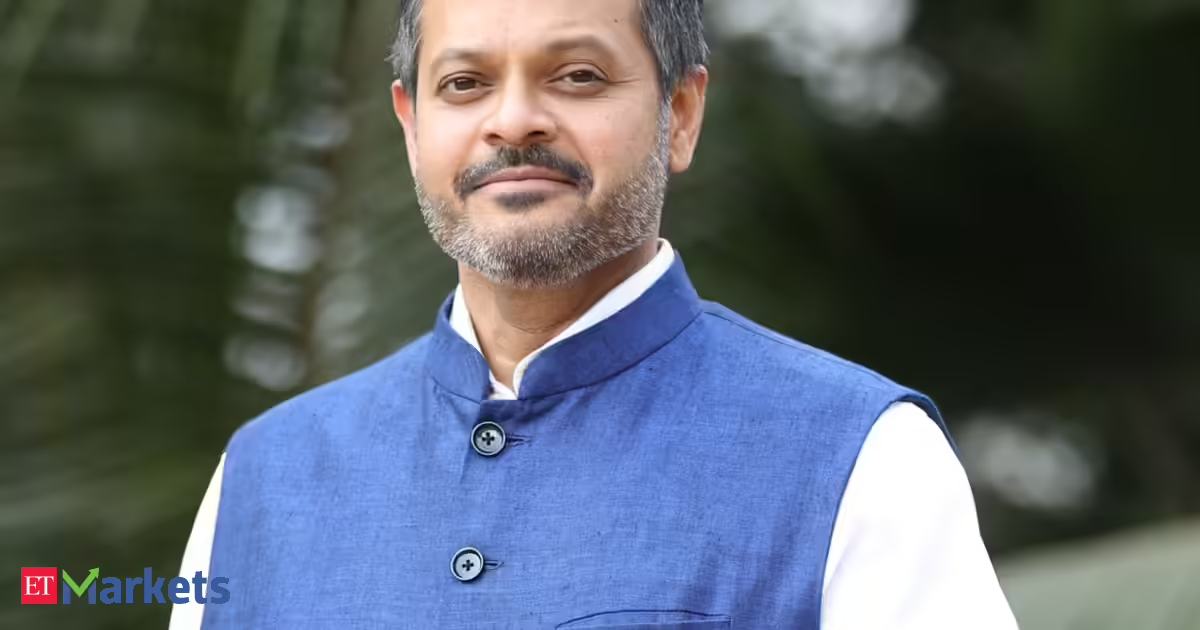
Avinash Satwalekar, President at Franklin Templeton – India, emphasizes that markets have consistently rebounded strongly after major crises, rewarding those who stay invested rather than react impulsively.
While recent tensions and rising crude oil prices have triggered volatility and valuation corrections, Satwalekar believes India’s underlying economic fundamentals remain robust.
He advises investors to avoid panic selling, maintain a disciplined asset allocation strategy, and use periods of market weakness as opportunities to rebalance and build long-term positions. Edited Excerpts –
Q) Geopolitical tensions seem to be escalating across regions. How should global investors interpret these developments from a macro and market perspective?
A) Since the beginning of the conflict on Feb 28, 2026, domestic indices have witnessed a broad based decline. Nifty 50 Index declined 7%, Nifty Midcap 150 declined 8% while the Nifty Smallcap 250 declined 7%. Valuations across market caps have declined from peak.
Crude oil prices have exceeded USD 100 per barrel, briefly touching USD 108 which is generally inflationary. While India imports 88% of its oil requirements, its dependence on oil for GDP growth has been declining. Petroleum products which accounted for ~37% of total imports in 2014 have reduced to ~26% in 2025.
We assign a moderate probability for the conflict to prolong. We expect markets to recover post temporary impact of geo-political tensions. India’s economic fundamentals remain robust despite external shocks. Fiscal and monetary policy measures have helped India’s economic resilience and GDP growth is expected to exceed 7% in FY26. We expect corporate earnings recovery in FY27, which should attract FPI buying, a reversal of recent trends.
Q) Historically, markets tend to react sharply to geopolitical shocks but recover quickly. Is it time to diversify globally and which markets are looking attractive?
A) India’s equity market has witnessed several phases of geo-political crisis but has consistently recovered. For example, during the Iraq war in 2003, the Nifty 500 index declined 11% till the end of June 2003.

Thereafter, the index delivered positive 44% over the next 1 year. The global financial crisis of 2008 led to the Nifty 500 index decline about 58% till the end of 2008. Over the next 1 year, the index delivered 91% returns. Thus, history tells us that periods of crisis are temporary and investors should not panic during volatile times.
Investors usually have a home country bias when investing. However, diversifying globally allows investors to participate in opportunities which may not be available in domestic markets. Developed markets like US provide opportunities in areas of innovation and emerging technologies like artificial intelligence.Emerging markets overall outperformed developed markets in 2025, and we still see a strong case for investing in them.
Emerging markets remain undervalued, underappreciated, and under-owned by many investors. Investors should diversify across geographies to participate in global growth opportunities while reducing downside risks.
Q) How could rising crude oil prices and commodity volatility reshape the global investment landscape?
A) Brent crude which was trading at around USD 67 per barrel in mid-February 2026 has risen about 50% to USD 100 per barrel, briefly touching USD 108 per barrel. According to RBI, a 10% jump in global crude oil prices could push India’s retail inflation up by 20 basis points and reduce GDP growth by 20 to 25 basis points.
India’s dependence on oil for growth has been declining. Oil required to generate a unit of GDP has declined by 27% over a decade. So, India is in a better place compared to many of the previous price spikes owing to which the impact from a moderate rise in energy prices can be absorbed.
The challenge this time, has been less on the price of oil and more on the actual availability of oil due to supply disruptions.
This has caused cuts to industrial production and operation of restaurants. Recent developments like US allowing India to purchase Russian crude oil for the next 30 days and Iran allowing Indian ships to transit through the Strait of Hormuz would help mitigate energy supply disruptions.
The disruption to physical supplies should also push India to pursue ways to sustainably reduce dependence on imported crude oil and gas as well as diversify supply sources. The current situation is likely to accelerate such efforts and provide possible opportunities.
Further, sectors like healthcare, financial services and technology present opportunities for global investors amid the present volatility. More importantly, having a well-diversified portfolio both geographically and based on asset classes is the better approach during volatile periods.
Q) What role does rebalancing play during volatile periods when asset prices move sharply due to geopolitical shocks?
A) Rebalancing plays a critical role especially during volatile times. It is during bull and bear phases of the market that asset allocations get skewed. During market corrections like we are now witnessing, the share of equity in an investor’s portfolio declines while the share of other asset classes like debt rises.
Rebalancing the portfolio during such phases helps restore the prescribed asset allocation. In the long run, this helps the investor maintain the asset allocation of the portfolio aligned to her risk appetite and potentially earn optimal risk adjusted returns.
Q) How can investors achieve better asset allocation across equities, debt, gold, and international markets?
A) Diversification is a fundamental tenet in investing. Diversifying one’s investment across various asset classes helps reduce downside risks and allows investors to benefit from low correlation between multiple asset classes across market cycles. Predicting market cycles is a dangerous proposition.
Investing in different asset classes separately could be expensive and inefficient from a tax perspective for most investors. Mutual funds provide avenues which invest across equity, debt and commodities in a single portfolio in the most tax efficient manner.
These are hybrid funds, such as Balanced Advantage Funds or Multi Asset Allocation Funds, which are managed by professional fund managers where the asset allocations are dynamically managed based on changing market conditions.
Another important layer of diversification is geographic diversification. Mutual funds investing in global markets provide an avenue to diversify globally. This allows investors to take global exposures with low investment amounts.
Q) Which global themes—such as technology, semiconductors, or global indices—do you believe investors should track in the current environment?
A) Technology and semiconductors are long term global themes broadly associated with artificial intelligence and energy transition. Healthcare and financial services are relatively less impacted by current geopolitical events and provide long term global opportunities for investors as well.
Q) Ideally what percentage of capital should be diversified globally for someone who is 30-40 years? And if someone wants to deploy fresh capital what would you advise?
A) Global investments are not just diversifiers but also help investors meet their future foreign currency goals like child’s education or travel. An investor may allocate 10 to 20% of her portfolio to global funds depending on the type of goal. Taking a SIP or STP route to investing would help stagger her investments.
(Disclaimer: Recommendations, suggestions, views, and opinions given by experts are their own. These do not represent the views of the Economic Times)

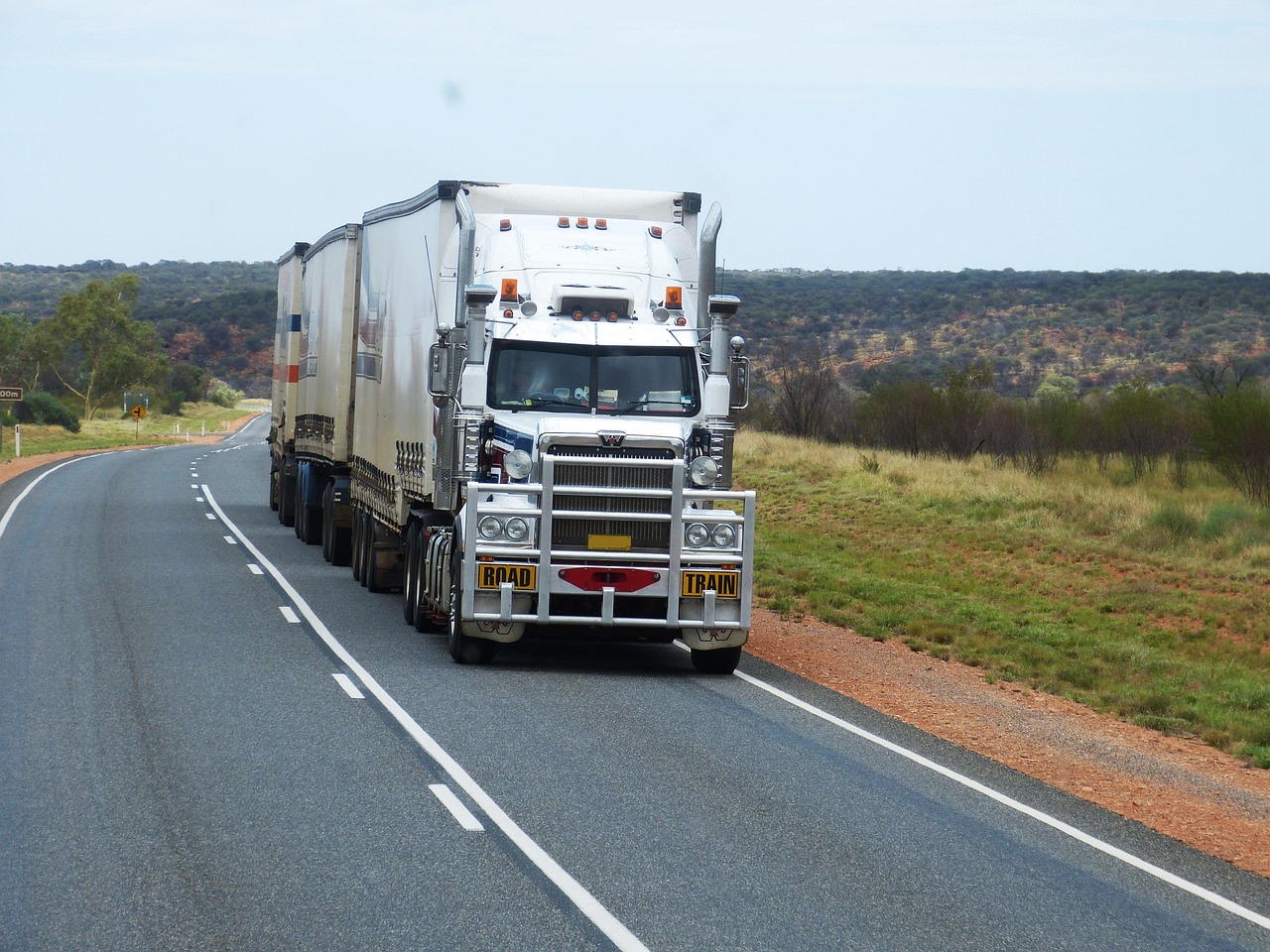
SYDNEY — Australia’s vast trucking industry, the backbone of the nation’s freight, mining and agricultural supply chains, is confronting a looming AdBlue crisis that could force thousands of modern diesel trucks into “limp mode” or off the road entirely within 30 days, as global disruptions from the US-Iran war tighten supplies of urea, the key ingredient in the emissions-control fluid.

AdBlue, also known as diesel exhaust fluid (DEF), is a mixture of urea and deionized water injected into the exhaust systems of Euro 5 and Euro 6 diesel engines to reduce harmful nitrogen oxide emissions. Without it, most post-2010 heavy vehicles trigger onboard diagnostics that limit speed and power or shut down the engine altogether after a short grace period. Industry estimates suggest Australia’s roughly 400,000 AdBlue-dependent trucks and heavy machinery consume around 150 million litres annually, or more than 3 million litres per week.
The current squeeze stems from two converging shocks. The Iran conflict has disrupted global chemical and fertilizer supply chains, with the Middle East accounting for about two-thirds of Australia’s urea imports. Urea prices have nearly doubled in recent weeks amid shipping risks in the Strait of Hormuz and export restrictions by major producers. At the same time, China — a significant alternative supplier — has curtailed exports to protect its own agricultural needs, echoing the 2021 crisis that nearly paralyzed road transport.
Government and industry sources indicate current AdBlue and technical-grade urea stockpiles provide only a limited buffer. One analysis points to roughly 12 weeks of total DEF supply nationally, including a federal strategic reserve of about 7,500 tonnes of technical-grade urea equivalent to roughly five weeks of normal demand. However, panic buying, surging diesel consumption and distribution bottlenecks in regional areas are accelerating drawdown rates. Trucking groups warn that without urgent diversification or local production ramps, critical shortages could emerge by late April or early May 2026.
Road Freight NSW and other state associations have already flagged the issue as a national priority alongside diesel availability. Some operators report difficulty sourcing AdBlue at truck stops, with prices climbing sharply in areas where stock remains. In a worst-case scenario, logistics firms say they may be forced to park modern fleets and rely on older, non-AdBlue vehicles — if any are available — or face widespread delays in delivering food, fuel, medical supplies and mining outputs.
The vulnerability is amplified by Australia’s thin overall fuel reserves. As of early March, the nation held approximately 32-36 days of diesel, 29-36 days of petrol and even less jet fuel — far below the International Energy Agency’s 90-day recommendation. The government has released up to 20 percent of domestic reserves and relaxed some fuel quality standards to boost local output, but these measures address diesel volume more than AdBlue chemistry.
Farmers and miners, heavy users of diesel-powered equipment, face a double hit. Urea is also essential for nitrogen fertilizer, and shortages could constrain winter cropping just as planting ramps up. Trucking disruptions would compound the problem by slowing the movement of inputs and outputs across vast regional networks.
The federal government has quietly formed or reactivated a DEF taskforce to explore solutions, including alternative international suppliers, bolstering local manufacturing and possible technical workarounds for vehicles. In the 2021 crisis, authorities worked with Incitec Pivot to ramp up domestic technical-grade urea production dramatically. Similar efforts are under discussion, but scaling takes time and faces hurdles around natural gas feedstock and plant capacity.
Industry leaders are urging calm while pressing for transparency on stockpile levels and distribution plans. The Australian Trucking Association and logistics bodies have called for weekly public reporting on AdBlue availability, similar to fuel updates. Some operators are already rationing usage or seeking older trucks, but fleet modernization means the vast majority of long-haul rigs now rely on the fluid.
Environmental groups note the irony: AdBlue was introduced to clean up diesel emissions, yet supply chain fragility now threatens the very transport system it was meant to sustain. Temporary technical fixes, such as software adjustments to reduce AdBlue dependency or allow higher-sulphur diesel, are being discussed but could compromise air quality gains achieved in recent years.
The crisis highlights deeper structural weaknesses. Australia imports the bulk of its refined fuels and key chemicals, leaving it exposed to distant geopolitical shocks. Calls are growing for accelerated investment in sovereign capabilities, including domestic urea and AdBlue production tied to renewable hydrogen pathways or gas reserves. The “Future Made in Australia” plan and green hydrogen initiatives could eventually support local manufacturing, but short-term gaps remain dangerous.
As the Iran conflict drags into its fourth week with no clear end, trucking executives warn that a full AdBlue shutdown would cascade far beyond the roads. Supermarket shelves could empty faster, fuel distribution to regional areas might stall, and mining exports — a cornerstone of the economy — could slow. Emergency planning is underway, but officials emphasize that prevention through diversified supply and strategic reserves is preferable to last-minute fixes.
For now, the message from government and industry is measured: monitor usage, avoid hoarding, and support efforts to secure new shipments. Yet behind closed doors, the clock is ticking. With modern diesel engines designed to enforce compliance, Australia’s trucking fleet stands at risk of a sudden and widespread immobilization that no amount of diesel alone can solve.
The AdBlue emergency serves as a stark reminder that national resilience depends on more than just filling tanks — it requires securing every link in the chemical and energy chains that keep the economy moving.
Business
These Stocks Are Today’s Movers: Norwegian, Super Micro, Freeport-McMoRan, Tesla, United Airlines, Synopsys, and More
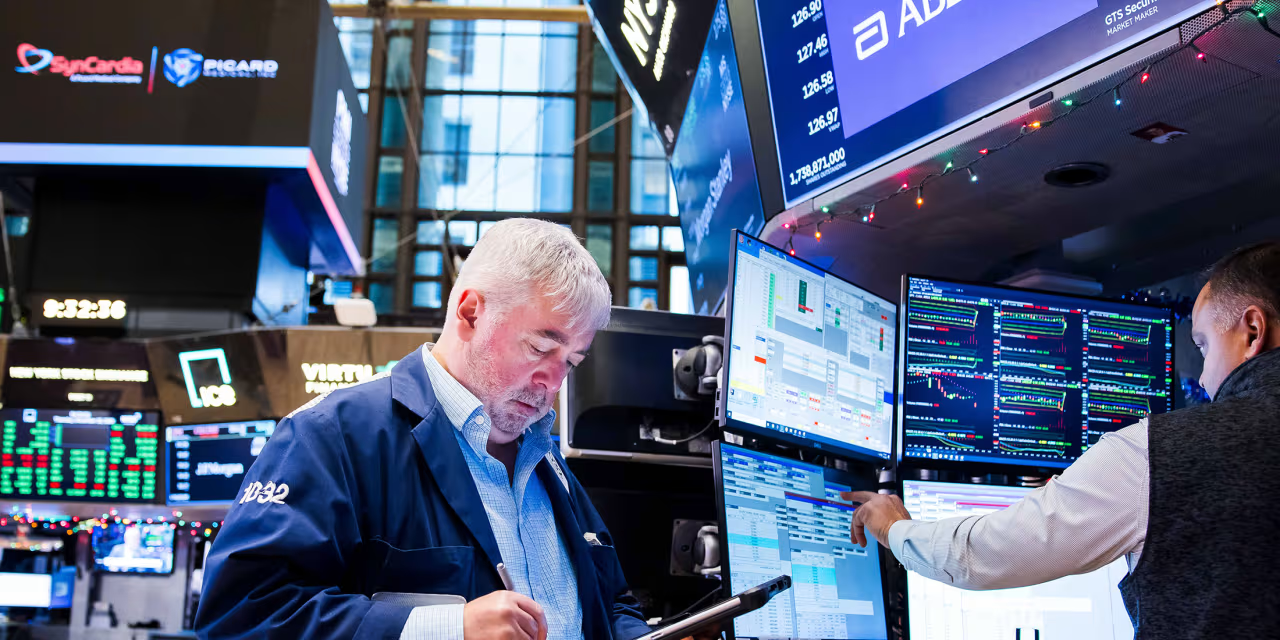
These Stocks Are Today’s Movers: Norwegian, Super Micro, Freeport-McMoRan, Tesla, United Airlines, Synopsys, and More
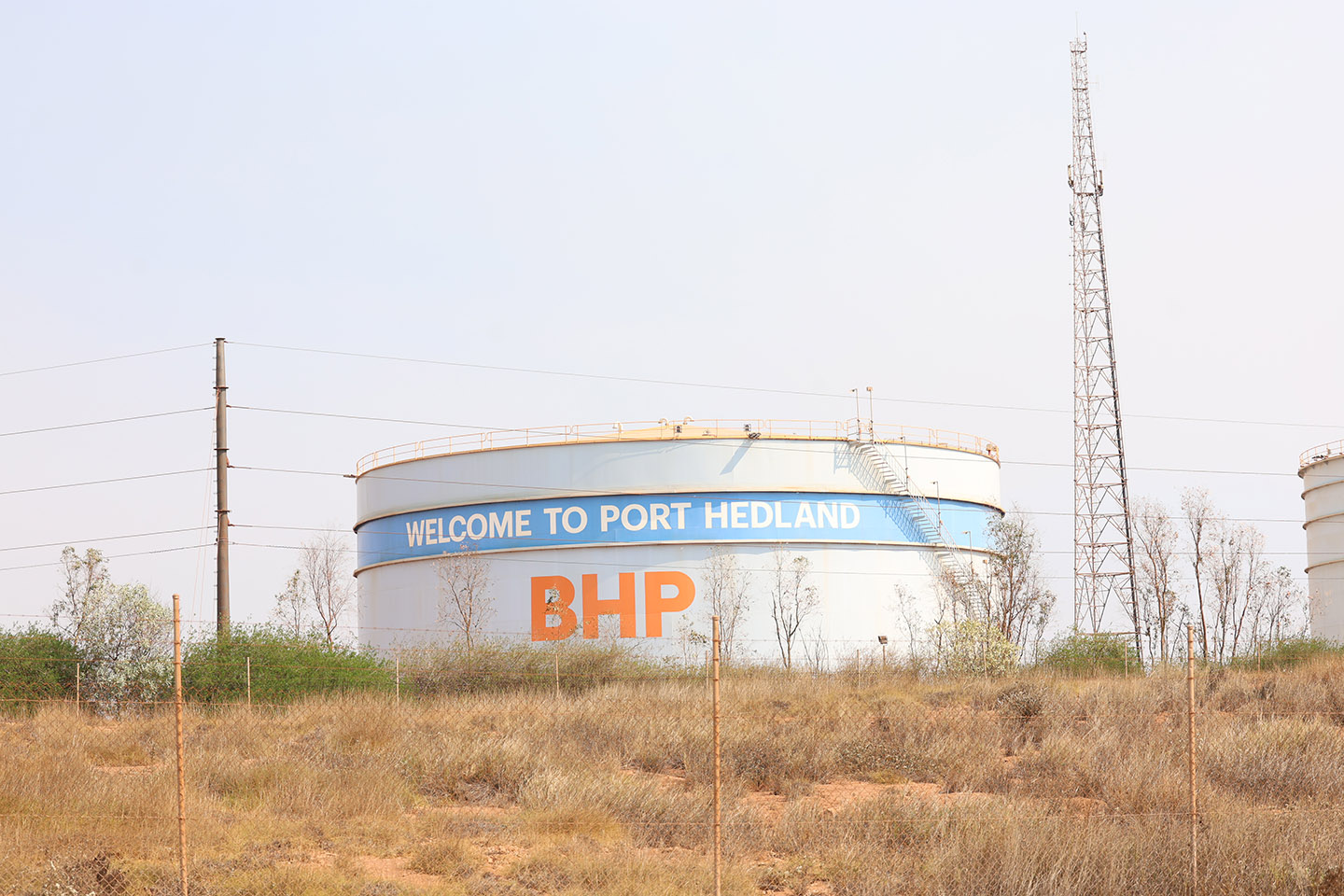
The Pilbara’s mining sector is on the cusp of witnessing its first strike in three decades as a small group of BHP staff vote to down tools
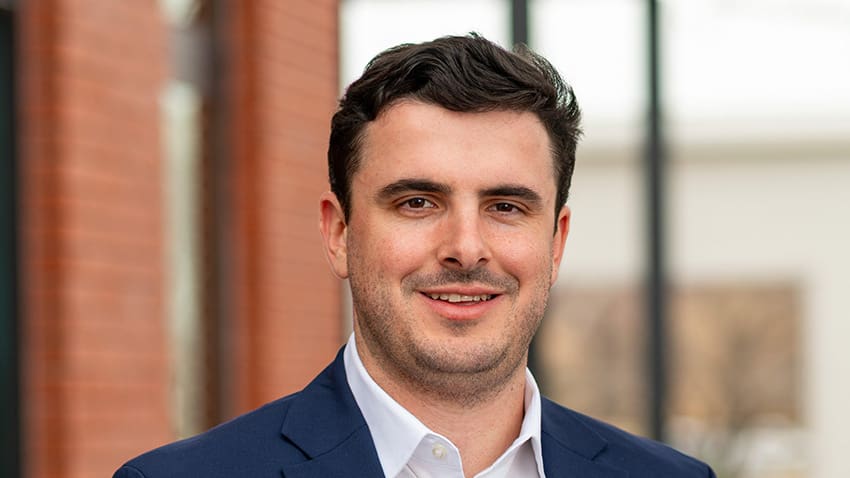
Benjamin Berkowitz is a Texas-based commercial real estate professional known for his disciplined approach to retail investment sales and long-term value creation. He currently serves as Vice President at Colonial Commercial Real Estate and is Co-Founder and Principal of Pearl Capital.
Berkowitz began his career at Colonial as an associate and quickly focused on understanding the fundamentals of retail deals. Since becoming licensed in Texas in 2021, he has completed more than $60 million in transaction volume. His work centres on single-tenant and multi-tenant retail properties, including freestanding buildings and neighbourhood shopping centres.
His early experience included missed deals and lost listings. Rather than viewing these as setbacks, he used them to refine his process. He shifted his focus from short-term wins to building a strong pipeline and long-term credibility.
At Colonial, Berkowitz expanded into tenant representation, including acting as the exclusive representative for Flytrex. This work gave him a broader understanding of how tenants evaluate sites and structure leases.
In 2025, he co-founded Pearl Capital. The firm focuses on acquiring essential-service retail properties in high-growth secondary markets. Its strategy centres on leasing execution, operational improvements, and repositioning assets over time. Pearl completed its first acquisition in Wichita Falls, Texas.
Berkowitz’s work is defined by discipline, clear goal-setting, and consistent execution across both brokerage and investment.
Benjamin Berkowitz: Building Discipline in Retail Real Estate
Q&A Interview
Q: How did you get started in commercial real estate?
I started my career at Colonial Commercial Real Estate as a sales associate. Early on, I was focused on learning how deals actually work. That meant understanding pricing, tenant structures, and what drives value in retail assets.
Q: What did those early years look like for you?
They were not easy. I lost several deals and listings that I thought I had done everything right on. At the time, that was frustrating. But it forced me to look at what I could control and improve.
Q: What changed after that period?
My mindset shifted. I stopped focusing on immediate results and started building a pipeline. I focused more on consistency and credibility. Over time, that approach led to better outcomes.
Q: How would you describe your work at Colonial today?
I focus on retail investment sales. That includes single-tenant and multi-tenant properties, as well as freestanding buildings. Since 2021, I have completed over $60 million in transactions.
Q: What makes retail real estate unique?
It is very detail-oriented. You need to understand tenants, leases, and local demand. Small differences in tenant mix or location can change the value of a property.
Q: You also work in tenant representation. How did that come about?
That came through working with Flytrex. I serve as their exclusive tenant representative. It gave me a different perspective. Instead of just looking at deals from the ownership side, I started to understand how tenants think about site selection.
Q: How did Pearl Capital come together?
In 2025, I co-founded Pearl Capital to focus on acquisitions. We wanted to take what we learned in brokerage and apply it to ownership. The goal was to build a platform around essential-service retail.
Q: What is the strategy behind Pearl Capital?
We focus on neighbourhood and community shopping centres in secondary markets. We look closely at micro-market fundamentals. That includes population trends, tenant demand, and local economics.
Q: Can you share an example of how that strategy works in practice?
Our first acquisition was a 43,000-square-foot shopping centre in Wichita Falls, Texas. It fit our model. It had strong fundamentals, and we saw opportunities to improve leasing and operations over time.
Q: How do you define success in your work?
I define success as setting clear goals and executing on them. It is not just about closing a deal. It is about following through on a plan.
Q: What qualities matter most in this industry?
Discipline, credibility, and long-term thinking. Those are the things that compound over time.
Q: How do you approach long-term growth?
I set long-term goals first so I know where I am heading. Then I break those down into short-term steps. That keeps me focused and consistent.
Q: What continues to drive you in your career today?
Execution. Staying consistent. And continuing to build both the brokerage side and Pearl Capital in a way that creates long-term value.
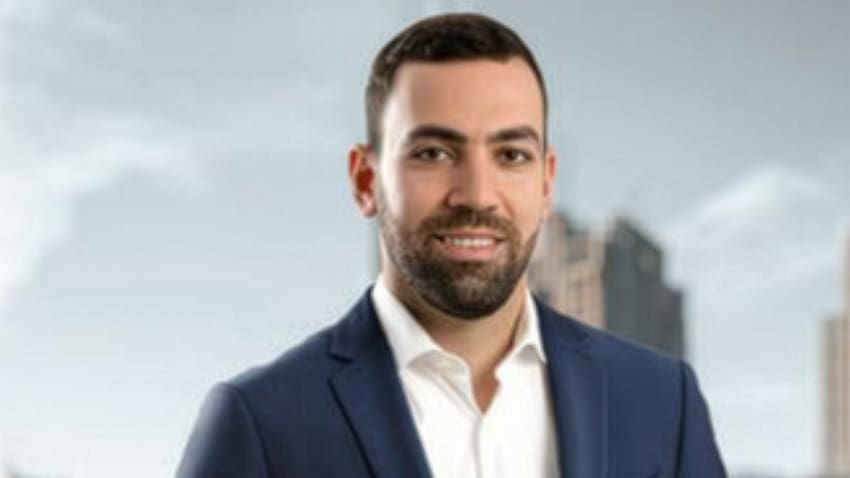
Ido Berniker is a luxury real estate broker known for operating at the highest end of the global property market.
As a founding member of Mercer Partners International, he specialises in ultra-prime residential transactions across New York and London. His work centres on advising high-net-worth clients on complex, high-value property decisions.
Originally from Israel, Berniker moved to New York to build his career in real estate. He entered one of the most competitive markets in the world and focused early on the luxury segment. Over time, he developed a reputation for discretion, consistency, and a clear understanding of global demand.
His career includes involvement in landmark transactions. He has represented buyers in major deals at 220 Central Park West in New York, a building known for attracting billionaire investors. He has also worked on high-profile London properties, including residences at 1 Hyde Park.
Berniker is widely recognised for his insight into global market trends. He often compares London and New York, highlighting shifts in supply, demand, and buyer behaviour. He has noted, for example, how London’s limited inventory can drive rapid price rebounds, while excess supply in New York can slow momentum.
He is frequently cited in publications such as Forbes, where he shares perspectives on luxury housing trends and international investment patterns.
His approach focuses on long-term value and generational ownership. Rather than short-term gains, he emphasises timing, market cycles, and strategic positioning within the global luxury real estate landscape.
Inside Luxury Real Estate with Ido Berniker
Q: You began your career outside the United States. What led you to New York?
I moved from Israel to New York because I saw it as the centre of global real estate. It’s one of the most competitive markets in the world. If you can succeed there, you can succeed anywhere. I wanted to be in that environment early on.
Q: Why did you choose to focus on the luxury segment?
I was drawn to the complexity of it. These are not standard transactions. You’re working with global clients, often across multiple markets. The decisions are bigger. The timelines are longer. It requires a different level of understanding.
Q: What were some of the early milestones in your career?
Getting involved in high-end deals in New York was a turning point. Transactions at 220 Central Park West stand out. That building became a symbol of the market at its peak. Nearly every buyer was operating at the highest level.
Q: You’ve also worked extensively in London. How did that come about?
Many of the clients we work with are international. They don’t just look at one city. London naturally became part of that conversation. It attracts a similar type of buyer to New York, but the market behaves differently.
Q: You’ve spoken about differences between London and New York. What stands out most?
Supply and demand. In New York, at one point, there was too much inventory at the top end. That changes the dynamic. In London, supply is much tighter. That creates a different kind of pressure on prices.
Q: You once said London was positioned for a rebound. What were you seeing at the time?
There was a lot of uncertainty around Brexit. Buyers were waiting. Prices had dropped. Once that uncertainty started to clear, it created an opening. People who had been on the sidelines for years began to move.
Q: How do your clients typically approach these purchases?
Many of them are thinking long term. These are generational assets. They’re not just buying a property for today. They’re thinking about how it fits into a broader portfolio or family plan.
Q: How has the New York market changed over time?
It’s very different from what it was in 2016. Back then, the market was very liquid. There was a lot of cash. Since then, it has tightened. Inventory increased, and demand shifted. That affects pricing and deal flow.
Q: What role does timing play in the luxury market?
It’s critical. You can have the right asset, but if the timing is off, it changes everything. A lot of our work is helping clients understand where we are in the cycle.
Q: How do you stay ahead of market trends?
You have to watch multiple markets at once. You can’t just focus on one city. Capital moves globally. What happens in London can affect New York, and vice versa.
Q: What has helped you build long-term relationships with clients?
Trust and discretion. These are very private transactions. Clients want to know their interests are protected. That matters more than anything else.
Q: Looking back, what has defined your career so far?
Consistency. Staying focused on the long term. Not chasing short-term trends. The market always changes, but the fundamentals stay the same.

Middle East Conflict: Central Bank Forecast Changes
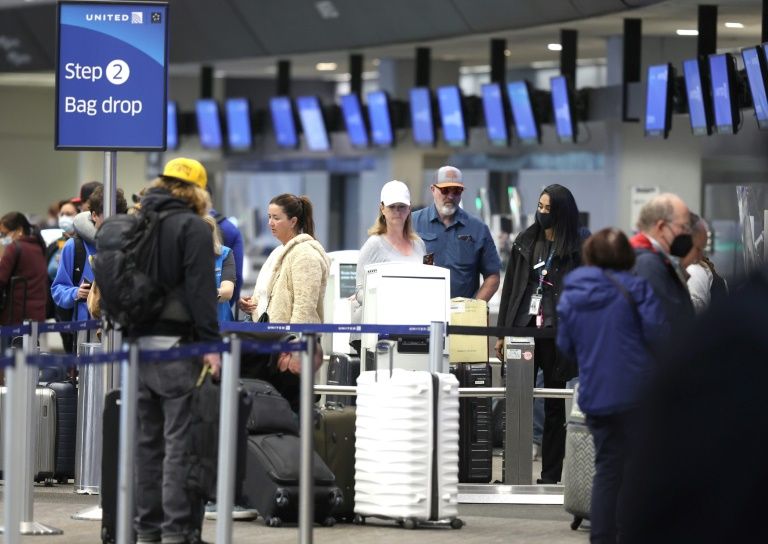
SAN FRANCISCO — Travelers at San Francisco International Airport are experiencing relatively smooth security lines as of March 25, 2026, with TSA checkpoint wait times averaging between 10 and 20 minutes despite the ongoing partial government shutdown that has caused hours-long delays at many other major U.S. airports.

SFO, the largest airport in the nation participating in the Transportation Security Administration’s Screening Partnership Program (SPP), outsources its screening operations to a private contractor, Covenant Aviation Security. While TSA supervises all procedures and standards, the screeners themselves are private employees paid through a separate funding stream unaffected by the federal funding lapse. As a result, SFO has maintained normal operations and consistent staffing levels even as unpaid TSA officers elsewhere have called out in large numbers.
The official SFO website states that passengers should expect “normal wait times” and explicitly notes that the private arrangement shields the airport from shutdown-related disruptions. Airport spokesperson Doug Yakel has confirmed that payments to the contractor continue uninterrupted, allowing checkpoints to operate at full capacity.
Real-time data from multiple tracking sources on Wednesday showed average general security waits ranging from as low as 5-7 minutes in quieter periods to 15-25 minutes during typical morning and afternoon rushes. Some reports placed current averages around 7-10 minutes overall, with occasional peaks near 20-30 minutes at busier checkpoints. TSA PreCheck lanes consistently cleared in 3-5 minutes, while CLEAR biometric lanes provided even faster ID verification for enrolled passengers.
SFO operates multiple security checkpoints across its terminals, including A, B, B-Mezzanine, D, F1 and G, with varying hours that generally run from early morning until late night. Some checkpoints, such as certain areas in Terminal 3 or Boarding Area F3, may be temporarily closed or consolidated due to construction or lower volume, directing traffic to open lanes without major backups.
The contrast with other California and national hubs is stark. While airports like Los Angeles, San Diego and Houston have reported waits stretching to an hour or more — and in extreme cases outside terminals — SFO has avoided the chaos. Only a handful of U.S. airports, including Kansas City, use similar private screening models and have likewise reported stable lines.
Airport officials recommend arriving two hours before domestic flights and three hours before international departures, the standard guidance that remains unchanged. The FlySFO mobile app and on-site digital signage provide real-time checkpoint estimates, helping passengers choose the fastest lane. Third-party trackers such as AirlineAirport.com and OnAirParking also aggregate user-reported and historical data, showing SFO’s typical efficiency even during peak spring travel.
Expedited options remain popular and effective at SFO. TSA PreCheck, available at most checkpoints, allows travelers to keep shoes, light jackets and laptops in bags, dramatically shortening the process. CLEAR lanes, located in multiple terminals including the International Terminal and Terminal 1, handle biometric verification in seconds before feeding into PreCheck or standard lines. Frequent flyers report clearing the entire security experience — from bag drop to gate — in under 15 minutes when using both services.
The airport’s Screening Partnership Program status dates back years and has repeatedly proven its value during federal disruptions. In previous government funding standoffs, SFO similarly maintained smooth operations while TSA-run airports faced backlogs. Officials credit the private contractor’s ability to maintain consistent staffing and flexible scheduling.
Beyond security, SFO continues its broader modernization efforts. A new command center oversees everything from roadway traffic to runway movements, helping manage overall passenger flow. United Airlines, SFO’s largest carrier, operates extensive domestic and international routes from the airport, with recent announcements of new premium long-haul services adding to spring and summer demand.
Travelers are reminded to follow standard TSA rules, including the 3-1-1 liquids guideline and proper packing for electronics. The airport encourages downloading the MyTSA app for general guidance, though real-time updates during the shutdown have been inconsistent on federal platforms; SFO’s own systems provide more reliable local information.
Spring break and business travel volumes are ramping up, yet SFO has not issued any special alerts urging earlier arrivals. Passenger feedback on forums and social media frequently praises the airport’s efficiency compared with other West Coast hubs, with many noting waits under 10 minutes even during morning rushes when using PreCheck or CLEAR.
For those without expedited programs, strategic timing helps. Early mornings before 6 a.m. or late evenings after 8 p.m. often see the shortest general lines, while mid-morning and mid-afternoon can see moderate buildup. International Terminal checkpoints sometimes experience slightly longer waits due to additional document checks, but private screening has kept those manageable.
As the shutdown stretches into late March with no immediate resolution in sight, SFO’s resilience stands out. The arrangement demonstrates how public-private partnerships can deliver reliable service in times of federal uncertainty. Airport leaders continue monitoring the situation and coordinating with the contractor to ensure any future surges are handled smoothly.
Travelers heading to SFO are advised to check the official FlySFO website or app shortly before departure for the latest checkpoint status. With normal wait times holding steady, the Bay Area’s gateway remains one of the more traveler-friendly major airports during a challenging period for U.S. air travel.
While the broader shutdown has strained security operations nationwide and prompted calls for policy changes, SFO offers a practical example of continuity. Passengers can focus more on enjoying their journey than worrying about missing flights due to security delays.
Business
(VIDEO) Mike Tyson, Nearing 60, Trains for High-Profile 2026 Exhibition Against Floyd Mayweather

Boxing legend Mike Tyson is back in the gym and sounding confident as he prepares for a much-anticipated exhibition bout against Floyd Mayweather Jr. in spring 2026, insisting the clash will be “the biggest event in boxing” even as he approaches his 60th birthday and juggles new ventures in amateur boxing and public health advocacy.

Tyson, who turns 60 on June 30, has repeatedly confirmed the exhibition with the undefeated Mayweather, with reports pointing to a tentative date of April 25, 2026, in the Democratic Republic of the Congo. The matchup, promoted by CSI Sports/FIGHT SPORTS, would pit two of the sport’s most iconic figures against each other for the first time, generating massive global interest despite both men being well past their primes.
In a recent exclusive interview, Tyson expressed excitement about the fight while acknowledging lessons from his November 2024 loss to Jake Paul. “I feel good right now. This is the best I’ve felt,” he said, adding that he trained too intensely for the Paul bout and plans to relax more this time. “I learned from my last fight. I left a lot of my fight in the gym.”
The 59-year-old former undisputed heavyweight champion has dismissed any notion of backing out. When asked about rumors the Mayweather fight might be canceled, Tyson replied bluntly: “Yeah it’s happening. You think I’d give that up?” He has described the event as record-breaking and previously floated Africa as the venue, though organizers have not finalized all details.
Mayweather, 48 and still boasting a perfect 50-0 professional record, has signaled he will treat the Tyson exhibition as a bridge back toward sanctioned bouts, having signed with CSI Sports for future professional activity. The fight is expected to follow exhibition rules with larger gloves and limited rounds, similar to Tyson’s Netflix clash with Paul.
Beyond the ring, Tyson is expanding his influence. He recently announced plans for a series of amateur boxing events in 2026, starting at the Sahara Hotel in Las Vegas and expanding to Reno and other locations. The card will air on Don King’s platform beginning at 9 p.m. Eastern on Saturdays, with streaming on Swerve TV and CSI Fight Sports. Tyson said the events aim to give young fighters opportunities and help “save the sport of boxing.”
He is also stepping up as a health advocate. In February 2026, Tyson joined U.S. Health and Human Services Secretary Robert F. Kennedy Jr. and other officials at a “Make America Healthy Again” event, speaking candidly about his family’s struggles with obesity and ultraprocessed foods. Tyson lost a sister to obesity-related illness at age 25 and has vowed to fight what he calls America’s worst addiction. He appeared in a Super Bowl ad promoting the cause and continues to emphasize nutrition and wellness.
Tyson has been open about past and ongoing health issues. A severe ulcer flare-up in 2024 forced the postponement of his original Paul fight, causing significant weight loss and a medical scare in which he said he “lost half my blood” and “almost died.” He has also battled persistent foot fungus for years, a condition he attributes to his sockless fighting image. Despite these challenges, Tyson insists he feels strong and is training seriously for the Mayweather exhibition.
Financial motivation remains a factor. Tyson has acknowledged that money drives his continued activity at an advanced age, telling interviewers the exhibition paydays help secure his family’s future. Yet he frames the Mayweather fight as more than business — a chance to create a spectacle that transcends generations and captivates new audiences.
The boxing world remains divided on the wisdom of the matchup. Critics worry about the risks to Tyson’s health at nearly 60, while supporters see it as harmless entertainment that could draw record viewership and boost the sport’s visibility. Tyson has floated the idea of a rematch with Jake Paul after the Mayweather bout, saying he would be “more adapted” with additional experience.
Tyson is also returning to the stage. His new one-man show, “Return of the Mike,” will debut at Hard Rock Live venues in late 2025 before a global streaming release in 2026. The production follows his successful 2013 tour “Mike Tyson: The Undisputed Truth” and promises fresh stories from his storied life.
In interviews, Tyson has praised emerging talents while positioning himself as a bridge between boxing’s past and future. He continues to train young fighters and promote amateur events, saying he wants to give back to a sport that made him famous and infamous.
As preparations for the Mayweather exhibition intensify, Tyson appears energized. He has posted glimpses of gym work and spoken optimistically about his conditioning. Whether the April 2026 date in Africa holds or shifts, the bout is already generating buzz as a “legend versus legend” spectacle.
For a man once known as “The Baddest Man on the Planet,” the coming year blends nostalgia, ambition and reinvention. Tyson’s 40-year boxing record could face new scrutiny if he steps back into a competitive environment, yet he shows little sign of slowing down.
Fans and analysts will watch closely as training footage emerges and details solidify. In the meantime, Tyson’s amateur events, health advocacy and stage work ensure the former champion remains a commanding presence both inside and outside the ropes.
At nearly 60, “Iron Mike” is still swinging — in the gym, on stage and in the public conversation — proving that some legends refuse to fade quietly.

“Indian currency, Indian bonds, Indian equities are all cheap now. Just waiting for cheap oil to unleash a buying frenzy? Is it the dark hour before dawn…or the twilight before a dark night?” the Director at Enam Holdings said in a post on X.
Both Sensex and Nifty have crashed nearly 9% respectively so far in March, with the sharp selloff wiping out more than Rs 40 lakh crore from the total market capitalization of all companies listed on BSE. This came as the war between Iran and US-Israel triggered a massive rally in oil prices and rattled global markets. Market analysts also highlighted the possible impact of prolonged elevated oil prices on India’s economy.Earlier this month, Moody’s Ratings had said that India could face pressure on the rupee, higher inflation and a widening current account deficit in case the Middle East crisis continued to push up energy prices and disrupt supplies. Costly energy imports would weaken the rupee, raise inflation, worsen the current account balance and complicate monetary policy as well as fiscal management if they lead to expanded subsidies to help offset the economic shock.
“India is a resilient country with strong fundamentals. While we have war raging on, Indians understand the challenges and are willing to work with the government. There will be a shortfall in economic activity in the short run, but we will make up for it in the coming months,” said Union Commerce and Industry Minister Piyush Goyal during a fireside chat with CNBC-TV18 earlier this month.
Markets heal after bloodbath
While the war is officially in its fourth week, markets found some much-needed relief after the leaders of the countries involved in the conflict hinted at ceasefire talks and possibility of reopening the Strait of Hormuz, a critical waterway for oil supply.
The US President Donald Trump-led administration has sent a 15-point plan and ceasefire proposal to Iran to end the raging war in the Middle East, multiple news agencies reported. The peace plan was shared with Iranian officials on Tuesday via Pakistan, according to the New York Times.
Trump, meanwhile, claimed that Iran has agreed that it will “never have a nuclear weapon”, even as fighting in the region continued and Tehran publicly denied that any formal negotiations are underway. Trump also claimed victory in the war, stating that US military forces have destroyed Iran’s military capabilities. “Look, their navy’s gone, their air force is gone, their communications are gone. Pretty much everything they have is gone,” he said. Later, the US President added that Iran had sent what he described as a “very big present” linked to the Strait of Hormuz, calling it a sign that the US was “dealing with the right people”.
As a result of the rising expectations of the war ending soon, oil prices sharply slipped below the key $100 per barrel mark today. Brent crude futures declined nearly 5% to $99 per barrel on Wednesday morning.
Indian stock markets rallied sharply on Wednesday, with Sensex jumping 1,150 points to 75,214, while Nifty 50 gained 370 points to near 23,300 in the morning. The benchmark indices have extended gains for the second consecutive session, erasing all losses recorded during Monday’s crash.
The latest decline in oil prices have stoked hopes for the selloff in markets to calm down. Only time will tell whether the recent bloodbath was the “dark hour before dawn” or “the twilight before a dark night”, as stated by Chokhani.
(Disclaimer: Recommendations, suggestions, views and opinions given by the experts are their own. These do not represent the views of The Economic Times)
Business
3 growth juggernauts can power 24% surge in Solar Industries shares, says Elara after initiating with Buy

With a target price of Rs 15,450, the brokerage implies an upside potential of 24% from the previous close of Rs 12,430 per share. Analysts said one of the world’s largest commercial explosives companies is entering its next phase of growth across the defence, explosives and mining value chain.
The company is evolving from a strong industrial explosives franchise into a vertically integrated defence manufacturer, positioning itself to tap high entry barrier segments such as propellants, warheads and rocket integration, ammunition, military drones and unmanned aerial vehicles, counter-drone systems and anti-tank guided missiles. At the same time, its international non-defence explosives business is also gaining solid traction.
The initiation comes at a crucial juncture for defence stocks, amid the ongoing Iran conflict and heightened geopolitical tensions. Here are the three key growth drivers for the company, according to Elara Capital.
1.) Defence to fire growth: Revenue from the segment has grown sharply at a CAGR of 82% over FY21-25, increasing its contribution from just 5% of total sales in FY21 to 18% in FY25. This segment is expected to drive the next phase of strong growth, supported by India’s defence capital expenditure of Rs 2.2 lakh crore in FY27, along with rising global conflicts and higher defence spending worldwide.
Modern warfare is increasingly centred around four key categories: missiles and rockets, drones, counter-drone systems and ammunition. The company remains the only player in India with a presence across all these segments, positioning it as a key beneficiary. Its in-house capabilities in defence explosives, including warheads, are likely to further accelerate growth. “We expect defence revenue to grow at a CAGR of 66% over FY25-28E, with its share in overall revenue rising to 42% by FY28E,” it said in a note.
2.) Going global: Global footprint expansion continues to drive growth in the explosives segment, with the company significantly strengthening its international presence. The company now operates in more than 90 countries and has established seven overseas manufacturing facilities across Zambia, Nigeria, Turkey, South Africa, Indonesia, Tanzania and Ghana. International business already contributes about 38% of total revenue in FY25, highlighting its strong global scale. Looking ahead, further momentum is expected with new operations planned in Kazakhstan, Saudi Arabia and Thailand over the next two years. This expansion is likely to support an exports CAGR of around 19% during FY25-28.3.) Defence Capex plan: The company is stepping up its defence ambitions with a significant capital expenditure plan. The company intends to invest Rs 2,200 crore over FY26-28E to scale up existing capabilities and explore new opportunities in areas such as advanced ammunition and aerospace solutions. This capex will be funded through a mix of internal accruals and debt.
The push is supported by a memorandum of understanding with the Government of Maharashtra for a large defence project worth Rs 12,700 crore over the next 10 years. The initiative aims to expand production across key segments, including drones and UAVs, counter-drone systems, energetic materials, next-generation explosives and robotics.
India’s defence story is expected to benefit from increasing indigenisation and a widening global ammunition supply gap. Rising geopolitical tensions, particularly in West Asia, along with the Russia-Ukraine conflict and growing risks across maritime, aerial and land domains, have created what can be described as a “security super cycle,” driving record-high global military spending and supporting sustained growth in the defence sector.
Against this backdrop, Solar Industries stands out with strong fundamentals. The company reported an EBITDA margin of 26% in FY25, along with a return on capital employed of around 37% and a return on equity of 31%, underscoring its operational strength and efficiency.
(Disclaimer: Recommendations, suggestions, views and opinions given by the experts are their own. These do not represent the views of The Economic Times.)

Australia’s Trucking Fleet Faces Potential Shutdown Within 30 Days

Irish police unlock Bitcoin wallet years after keys vanished

Iran Has The ‘Upper Hand’ In War Against Trump, Ex-MI6 Chief Says


-
 Crypto World4 days ago
NIO (NIO) Stock Plunges 6.5% as Shelf Registration Sparks Dilution Worries
-

 Fashion5 days ago
Weekend Open Thread: Adidas – Corporette.com
-

 Politics5 days ago
Jenni Murray, Long-Serving Woman’s Hour Presenter, Dies Aged 75
-

 Crypto World3 days ago
Best Crypto to Buy Now: Strategy Just Spent $1.57 Billion on Bitcoin During Fear While Early Investors Quietly Enter Pepeto for 150x Potential
-

 News Videos7 days ago
RBA board divided on rate cut, unusually buoyant share market | Finance Report | ABC NEWS
-

 Crypto World3 days ago
Bitcoin Price News: Bhutan Sells $72 Million in BTC Under Fiscal Pressure, but the Smart Money Entering Pepeto Sees What the Market Does Not
-

 Politics7 days ago
The House | The new register to protect children from their abusers shows Parliament at its best
-

 Tech5 days ago
inKONBINI Lets You Spend Summer Days Behind the Register
-

 Crypto World7 days ago
Canada’s FINTRAC revokes registrations of 23 crypto MSBs in AML crackdown
-

 Sports2 days ago
Remo Stars and Kano Pillars Strengthen Survival Hopes in NPFL
-
 NewsBeat6 days ago
Residents in North Lanarkshire reminded to register to vote in Scottish Parliament Election
-

 News Videos7 days ago
PARLIAMENT OF MALAWI – PAC MEETING WITH REGISTRAR OF FINANCIAL ON AMARYLLIS HOTEL – INQUIRY LIVE
-

 Politics6 days ago
Gender equality discussions at UN face pushbacks and US resistance
-

 Business3 days ago
No Winner in March 21 Drawing as Prize Rolls to $133 Million for Next
-

 Business7 days ago
Who Was Alex Pretti? 5 Key Facts About the ICU Nurse Killed by Federal Agents in Minneapolis
-

 Sports2 days ago
Gary Kirsten Accuses Pakistan Cricket Board Of ‘Interference’, Mohsin Naqvi Responds
-

 Tech3 days ago
Give Your Phone a Huge (and Free) Upgrade by Switching to Another Keyboard
-

 Tech7 days ago
Inventec’s bizarre VeilBook laptop hides its touchpad under a sliding keyboard just to give cooling fans a little breathing room
-

 Sports5 days ago
2026 Kentucky Derby horses, odds, futures, preview, date: Expert who nailed 12 Derby-Oaks Doubles enters picks
-
Sports6 days ago
Vikings Free Agency Enters Phase 2 with Key Questions
You must be logged in to post a comment Login