

Business
Exclusive | Is the India story over for FIIs? BofA says investors don’t want to miss what’s next


“There’s still genuine excitement about India. Investors know it’s an economic cycle, and they know India has multiple themes and sectors that will do well over time,” Shah said in an exclusive interview with ET Markets on the sidelines of their India conference.
Edited excerpts from a chat:
Let me start by asking you about the Q4 earnings season. Do you think India Inc managed to obtain passing marks?
Results in general were a beat. But once you start analyzing it further in detail, the picture gets more nuanced.

Two thirds of the Nifty companies that reported delivered a beat. That sounds encouraging, but when you look at the absolute quantum, the total earnings growth from Nifty companies came in at 4.6%, which is quite muted in India’s context.
The second data point is that 45% of that 4.6% earnings growth came from commodity companies due to higher steel prices, higher aluminum prices, and so on. From an investor perspective, you don’t want to assign high valuation multiples to that, because these are considered cyclical earnings. It’s not like a consumer company gaining market share, where that franchise is durable. Markets don’t reward commodity-driven earnings with premium valuations.
Now, if you look at NSE 200 companies, earnings growth was 9%. But again, one third of that came from commodity firms, and unfortunately 80% of companies in that universe missed estimates and only 20% were a beat.
So it really depends on where you want to swing. If you’re an optimist, you focus on two-thirds of Nifty companies delivering a beat. If you’re more balanced, you get into these nuances — it was a marginal beat, mostly driven by commodities, and higher commodity prices will eventually lead to margin pressures in upcoming quarters for a wide range of other companies. The earnings growth outlook is therefore also challenged.
So while Q4 wasn’t bad, I think it’s a signal that earnings are heading weaker going forward.
So one narrative in the market has been that low inflation has led to low earnings growth. Won’t this commodity inflation that you are talking about actually translate into higher growth?
Yes and no. Higher commodity prices lift earnings for commodity companies, but create margin pressure for non-commodity companies — the consumers of those commodities. On an aggregate basis, our estimate is 8.5% earnings growth for FY27, which we describe as low growth on a low base. FY26 as a whole came in at around 6%, so 8.5% off that base is not very encouraging.
Are you not worried about downgrades in Q1 and Q2 given the impact of higher prices of crude oil and other commodities?
No because we had already taken our earnings estimates down in two rounds. First in early March, then in early April. We came down from 14% to 8.5%, factoring in the West Asia conflict — higher crude, higher commodities, the possibility of higher rates, and a weaker rupee. We put all of that together and revised down on a bottom-up basis.
However, when I look at consensus, earnings downgrades are definitely a risk. Consensus is still penciling in 15% earnings growth versus our 8.5%. I don’t believe 15% is going to be the reality. As companies disappoint in the June and possibly September quarters, consensus will have to cut meaningfully. We may not have to.
Talking about the market’s trajectory, do you think the worst of the West Asia crisis is priced in at the index level?
That gets into the timing of how long the conflict lasts, which unfortunately nobody knows. You can only draw scenarios. Our base case assumes the conflict ends by the end of June for the sake of an assumption.
So 8.5% earnings growth is premised on the conflict resolving by the end of June. If it drags beyond that, we have a bear case modeled. If it drags even further, we have a worst case. We can only run sensitivities.
Given we’re already in June, there’s no bull case left anymore. We’re hoping the base case holds, but it could easily become a bear or worst case.
So what does your bear case scenario look like?
The bear case is where markets first de-rate from the 15% consensus growth expectation down toward our 8.5%, and that leads to capitulation of retail domestic flows. Markets have already delivered flat returns for about 19 months. At some point, retail investor fatigue could set in — if growth isn’t materializing, maybe a fixed deposit with a guaranteed return looks more attractive.
If that happens, the way to think about it is this: if India’s nominal GDP growth is 10%, you’d expect Nifty 50 companies to do better because they should be market share gainers. But if they’re growing at 8.5% — below nominal GDP — you logically want to pay them a lower-than-average valuation multiple. So the bear case implies below-average valuations on realistic earnings of 8.5%, which brings you to roughly 12% downside from current levels.
FII outflows have been persistent. Is it valuations, lack of earnings growth, or domestic liquidity providing an easy exit?
It’s a combination. From the September 2024 peak to today, FII outflows total roughly $52 billion. Against that, domestic investors have put in around $60 billion — so yes, domestic flows have clearly been providing FIIs an exit.
But the core reasons for the outflows are: first, plenty of alternatives globally — Korea and Taiwan on the back of AI, Brazil on commodities, Japan on fiscal expansion, even China is cheap at 13x versus India at 20x. Second, India’s growth story has been impacted — lower growth, higher valuations, macro headwinds from the West Asia conflict, weaker rupee, potential rate hikes. And third, LTCG taxes and currency depreciation eat into returns for foreign investors, making the India trade less compelling when you’re already making little or negative returns.
What can India do to bring FIIs back?
Several things. Energy security reforms, even if they take years to implement, give investors a visibility that India is fixing its current account deficit problem structurally. Shipbuilding and power distribution reforms create new growth avenues. Rationalization of regulations and taxes is important. And on the FDI side, India needs to continue improving on the basics — smooth land acquisition, skilled labor, cheaper industrial power, good logistics infrastructure, and easier business processes. We’ve made a lot of progress on each of these, but we’re not at 10 out of 10 yet.
On the rupee — it’s falling because India’s balance of payments is negative. We import a lot of crude and gold, creating a current account deficit. The three main capital inflows that should offset this — FDI, FII, and remittances — are all under pressure. Net FDI is actually single-digit when you account for strategic investors monetizing stakes and repatriating capital. FII flows are negative. And remittance flows are circular — if the rupee is depreciating, Indians abroad hold back dollars waiting for a better rate, which itself adds to the depreciation pressure.
What are the key takeaways from the conversations that you are having with investors at your India conference?
There’s still genuine excitement about India. Investors know it’s an economic cycle, and they know India has multiple themes and sectors that will do well over time.
They want to understand what policymakers are thinking on energy security, fiscal consolidation, capex, and reforms. They want to know how corporates are managing the West Asia headwinds.
They’re doing homework and want to be prepared to know what they want to buy if some of these things were to play out. They don’t want to be left out when India story starts to pick up again.

Business
13 BSE 500 stocks surged up to 200% in just 3 months; 3 turned multibaggers – Midcap Momentum

Over the past three months, Indian equities have been highly volatile, but the turbulence has been accompanied by a strong upward drift. The benchmark BSE Sensex gained about 4%, while the broader market quietly outperformed by a much wider margin.
The real action unfolded across the wider universe, where the BSE 500 surged nearly 10%, driven by persistent buying interest across large and midcap stocks. Momentum steadily built beneath the surface, even as the headline indices posted more modest gains.
In this rally, market breadth told the real story: around 32 stocks gained more than 50% in just three months. Among them, 13 standout performers delivered returns ranging from 70% to 200%, including three multibaggers that more than doubled investor wealth in a remarkably short span. What appeared to be a routine market phase on the surface turned into a significant wealth-creation opportunity for investors positioned in the right segments of the market.

Alphabet: Still A Top-Tier AI Compounder

FedEx FDX -0.13%decrease; down pointing triangle logged higher revenue in its latest quarter on higher shipping rates and volumes.
The shipping company’s profit ticked down in the quarter, hurt by costs related to the spin off of its freight operations, business optimization and shift to reporting on a calendar-year basis.
Copyright ©2026 Dow Jones & Company, Inc. All Rights Reserved. 87990cbe856818d5eddac44c7b1cdeb8
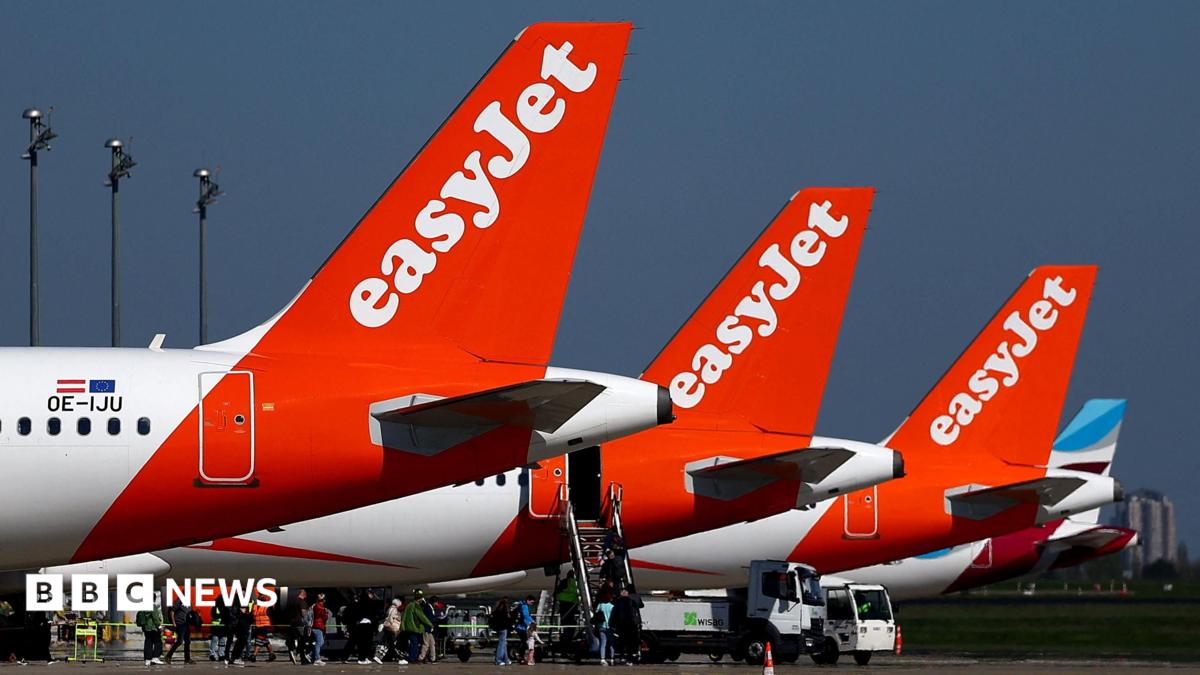
EasyJet has rejected a fourth takeover offer worth £4.93bn from Castlelake.
The low-cost Luton-based airline said the US investment firm’s bid was worth £6.50 a share, compared with the previous offers of £5.60, £6 and £6.25 a share.
A spokesperson said it was giving Castlelake until 17:00 BST on 5 July to make a firm offer or walk away.
“Having carefully reviewed it with its advisers, the board of EasyJet continues to regard the fourth proposal as substantially undervaluing the company and its prospects and continuing to give rise to significant questions of deliverability,” said EasyJet.
EasyJet said the takeover interest came at a time when its share price had been pushed down by concerns about the consequences of the Iran war.
The FTSE 250 firm’s shares had dropped by about 30% over the past year, before news of Castlelake’s interest.
EasyJet said it remained “concerned” about Castlelake’s ownership structure and ability to deliver any offer, adding the investor would need to provide “satisfactory assurances and commitments” on those issues.
Castlelake has assets under management worth $36bn (£27.3bn).
Under the deal, EasyJet would be 49% owned by Castlelake and co-investors including Brookfield Asset Management, and 51% owned by individual European Union investors.
Do you have a story suggestion for Beds, Herts or Bucks? Contact us below.
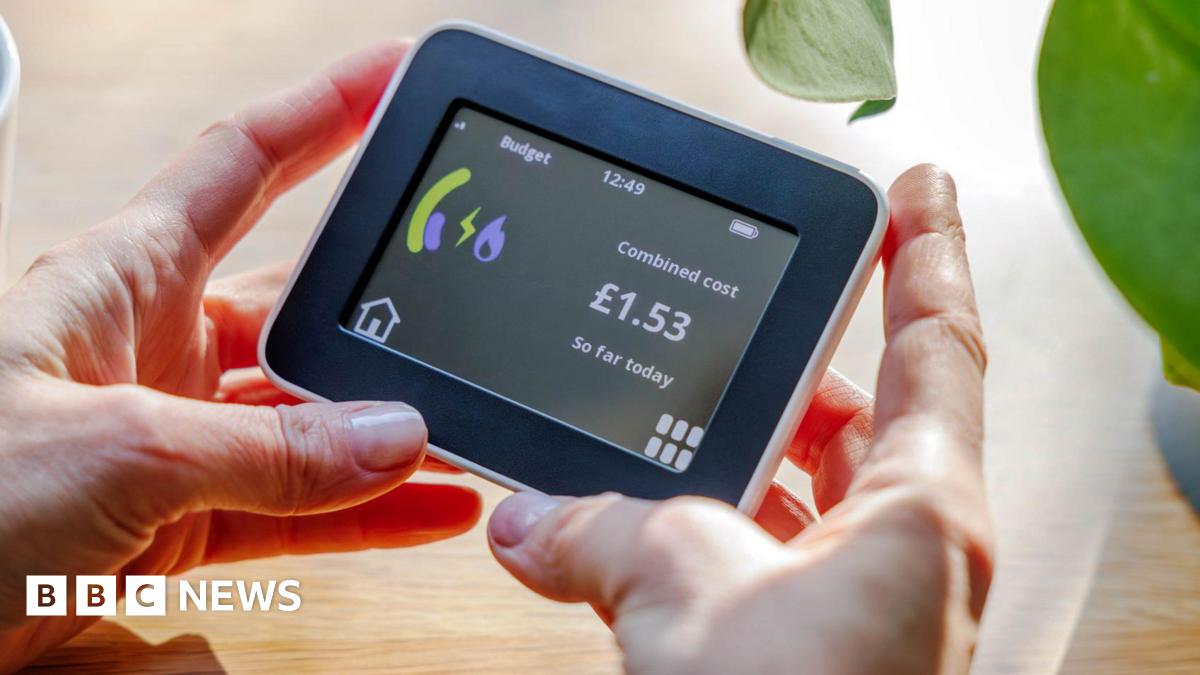
The amount of money owed to energy suppliers by customers has risen again to a new record high of £4.79bn.
Regulator Ofgem said that total debt and arrears in England, Wales and Scotland had risen by 15% in a year.
The data, external is updated every three months, with the newly-published figures covering the period from January to the end of March. They relate to energy customers who have been in debt for more than three months.
Average arrears for those without a repayment plan hit £1,876 for electricity and £1,623 for gas – more than twice the amount as those who have a repayment agreement.
Energy prices will rise for millions of households in July – driven by the increase in the cost of gas.
Experts say there are options to cut bills, even though people may feel they have already made every saving possible.

Microsoft: A Pullback Without Reason
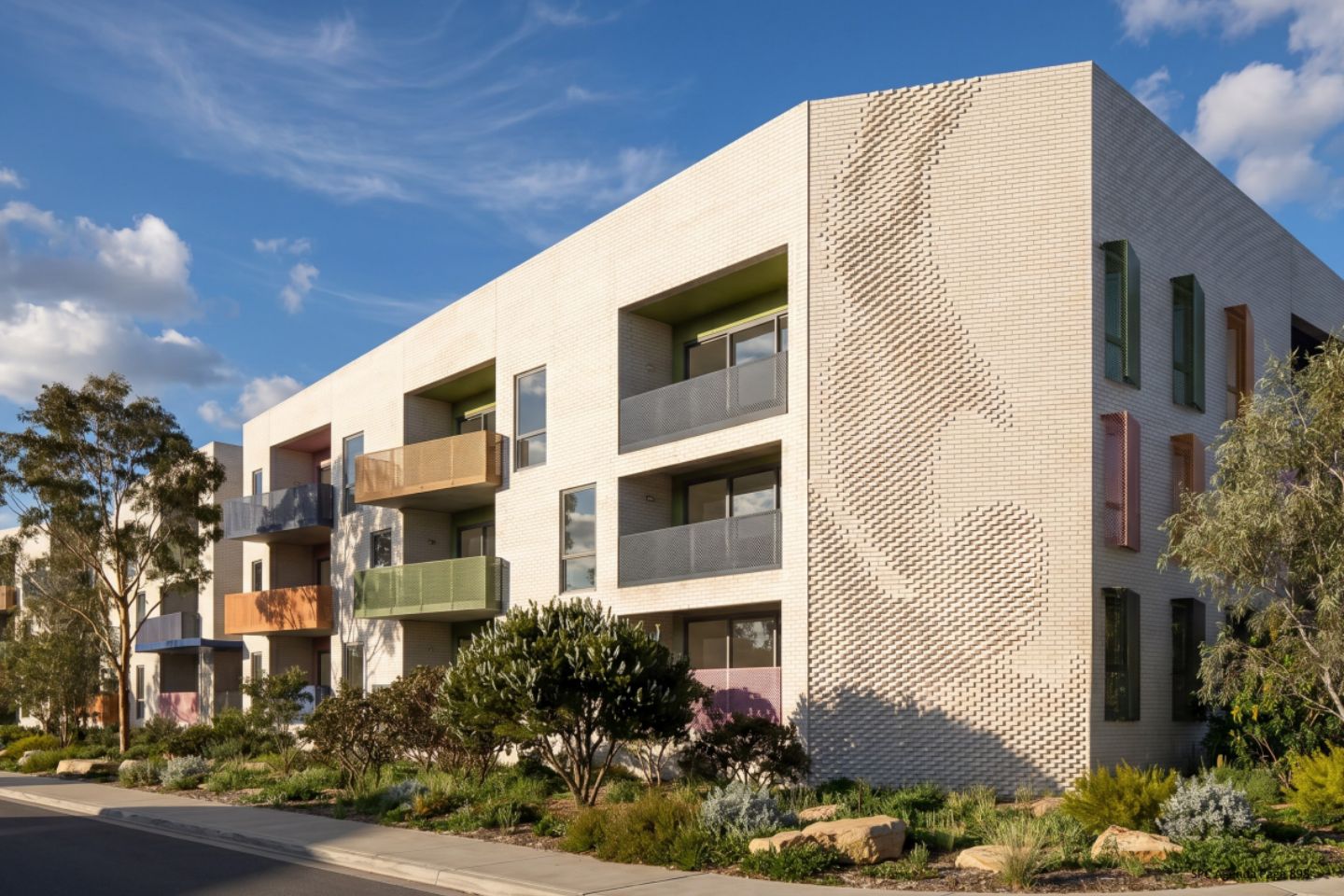
Foundation Housing and H-U have cleared a planning hurdle to add dozens of social housing dwellings to East Fremantle, after a $21 million plan was approved.

The global equipment auctioneer has added to its footprint in WA, completing the takeover of a local company’s Midland headquarters in an $11 million sale.


Palestinians decry Israeli push for control over ancient West Bank sites
Business
AbbVie Shares Trade Flat as Pharmaceutical Giant Maintains Focus on Immunology and Oncology Pipeline

AbbVie Inc. shares closed virtually unchanged on Wednesday, finishing at $234.89 after a modest gain of $0.13, as investors assessed the company’s position in a competitive pharmaceutical landscape marked by patent expirations and pipeline developments.
The stability in trading reflected continued confidence in AbbVie’s core immunology franchise, particularly its flagship product Humira’s successors and growing oncology portfolio. The biopharmaceutical company has navigated the loss of exclusivity for its biggest product through strategic diversification and acquisitions.
AbbVie’s performance demonstrates resilience in a sector facing pricing pressures, regulatory scrutiny and competition from biosimilars. Its focus on specialty medicines and innovative therapies has supported revenue stability despite challenges in its legacy portfolio.
The company continues investing heavily in research and development, with emphasis on advancing treatments for autoimmune diseases, cancer and neurological disorders. Recent data readouts and regulatory milestones have generated interest among analysts and investors.
Key Product Performance
Humira, once the world’s best-selling drug, continues facing biosimilar competition, but AbbVie has successfully transitioned patients to newer immunology assets like Skyrizi and Rinvoq. These products have shown strong uptake and expanded indications, helping offset revenue declines.
Oncology remains a growth driver, with medicines like Imbruvica and Venclexta maintaining significant market presence. Pipeline candidates in solid tumors and blood cancers could provide additional catalysts in coming years.
Aesthetics and eye care products, including Botox and Restasis, contribute diversified revenue streams less exposed to patent cliffs. These consumer-facing businesses provide stability amid volatility in specialty pharmaceuticals.
Strategic Initiatives
AbbVie’s acquisition strategy has played a key role in portfolio renewal. Strategic purchases have bolstered capabilities in targeted therapy areas and expanded its global footprint.
The company maintains a disciplined approach to capital allocation, balancing R&D investment with shareholder returns through dividends and buybacks. Its strong cash flow generation supports these priorities.
Digital transformation and data analytics initiatives aim to enhance clinical development efficiency and commercial execution. These efforts position AbbVie to compete effectively in an increasingly technology-driven healthcare environment.
Industry Challenges
The pharmaceutical sector faces ongoing pressures from drug pricing debates, patent expirations and regulatory requirements. AbbVie’s experience navigating the Humira transition provides lessons for managing future losses of exclusivity.
Biosimilar competition has intensified, requiring innovative defense strategies and lifecycle management. Companies with robust pipelines and diversified portfolios are better positioned to weather these cycles.
Global healthcare spending trends, reimbursement policies and demographic shifts influence demand for AbbVie’s products. Aging populations in developed markets support long-term growth in chronic disease treatments.
Investment Outlook
AbbVie attracts investors seeking dividend growth and exposure to innovative medicines. Its yield and history of increases appeal to income-focused portfolios.
Valuation metrics reflect expectations for pipeline success and margin management. Risks include clinical trial outcomes, regulatory decisions and competitive dynamics.
Longer-term prospects remain positive given AbbVie’s established franchises and development programs. Successful commercialization of new therapies could drive renewed growth.
Analysts monitor upcoming clinical data and regulatory milestones closely. Execution on commercial strategies for key products will influence financial performance.
Research and Development Focus
AbbVie’s pipeline spans multiple therapeutic areas with several candidates in late-stage development. Advances in immunology, oncology and neuroscience could yield significant new treatments.
Collaboration with academic institutions and biotechnology companies expands innovation reach. These partnerships accelerate discovery while sharing development risks.
Precision medicine approaches and biomarker-driven therapies represent growing areas of emphasis. Such strategies aim to improve efficacy and safety profiles for patients.
Investment levels in R&D remain substantial, reflecting commitment to long-term value creation. Balancing near-term financial targets with pipeline investment requires careful management.
Corporate Responsibility and Sustainability
AbbVie engages in initiatives addressing healthcare access, diversity and environmental impact. These efforts enhance reputation and align with stakeholder expectations.
Patient assistance programs and global health partnerships demonstrate commitment beyond commercial activities. Such initiatives support brand value and talent attraction.
Sustainability reporting covers environmental footprint, supply chain practices and governance standards. Transparency in these areas has become increasingly important for investors.
Outlook
AbbVie’s recent share price performance reflects typical market dynamics in the healthcare sector. The company’s strategic direction and execution capabilities will determine its ability to deliver sustained growth.
Upcoming catalysts include clinical trial results, regulatory decisions and commercial updates. Management will continue balancing innovation investment with financial discipline.
The pharmaceutical industry’s evolution toward personalized medicine and advanced therapies creates opportunities for established players like AbbVie. Its strong foundation in immunology and expanding oncology presence position it favorably.
As the company navigates patent landscapes and competitive pressures, focus remains on delivering value for patients and shareholders. AbbVie’s track record suggests capability to adapt and thrive in changing healthcare environments.
13 BSE 500 stocks surged up to 200% in just 3 months; 3 turned multibaggers – Midcap Momentum

Ethereum Price Crash Triggers a 36% DEX Volume Surge

2026 NBA Draft ends with 64 New NBA Players


-

 Fashion6 days ago
Weekend Open Thread: Miami – Corporette.com
-

 Entertainment5 days ago
Renter of Home in Anne Heche Crash Denies Settlement With Son
-
 Sports2 days ago
Two goals and an assist by sheer aura: Cristiano Ronaldo just entered the World Cup chat
-

 Tech3 days ago
Microsoft accidentally kills epic Outlook email threads
-

 Business5 days ago
Soccer-U.S. defends Iran World Cup travel restrictions, says discussions ongoing
-

 Politics5 days ago
Andy Burnham and the meaning of Makerfield
-
Crypto World1 day ago
Bitcoin (BTC) Dips Below $62K, Ethereum (ETH) Plunges 6% Daily: Market Watch
-

 Politics7 days ago
BBC Reporter Discusses Cross Party Criticism Of Trumps Iran Deal
-

 Crypto World1 day ago
Securitize Wraps Roubini's SEC-Registered ETF as Dubai VARA Digital Security
-
Business1 day ago
Entergy settles forward sale agreements, raises $672 million in cash proceeds
-

 NewsBeat6 days ago
Keir Starmer Allies Question His Chances For No 10
-
 Business5 days ago
Wall Street Week Ahead: Investors see Micron earnings as pulse check of AI rally momentum
-

 Tech7 days ago
AWS enters the context layer race with a graph that learns from agents, not manual curation
-
 Crypto World5 days ago
Can Charles Hoskinson Really Rescue Cardano?
-

 Crypto World5 days ago
HIVE shares jump as $220M AI deal speeds Bitcoin mining pivot
-

 Crypto World5 days ago
Jake Chervinsky accuses CME of protecting derivatives monopoly
-

 Entertainment5 days ago
Jose Alvarado Wants Taylor Swift at More Knicks Games
-
 Tech4 days ago
Signal’s Meredith Whittaker says AI chatbots ‘are not your friends’ and calls Copilot agents a backdoor
-

 Tech3 days ago
Nearly 7,000 fake Amazon domains registered ahead of Prime Day 2026, researchers warn
-

 Sports6 days ago
FIFA World Cup 2026: Canada beat 9-men Qatar 6-0 to register first ever win | FIFA World Cup 2026
You must be logged in to post a comment Login