

Business
Dipping Into Latham Group Stock Reveals Upside Potential (NASDAQ:SWIM)



Daniel is an avid and active professional investor.
He runs Crude Value Insights, a value-oriented newsletter aimed at analyzing the cash flows and assessing the value of companies in the oil and gas space. His primary focus is on finding businesses that are trading at a significant discount to their intrinsic value by employing a combination of Benjamin Graham’s investment philosophy and a contrarian approach to the market and the securities therein. Learn more.
Analyst’s Disclosure: I/we have no stock, option or similar derivative position in any of the companies mentioned, and no plans to initiate any such positions within the next 72 hours. I wrote this article myself, and it expresses my own opinions. I am not receiving compensation for it (other than from Seeking Alpha). I have no business relationship with any company whose stock is mentioned in this article.
Seeking Alpha’s Disclosure: Past performance is no guarantee of future results. No recommendation or advice is being given as to whether any investment is suitable for a particular investor. Any views or opinions expressed above may not reflect those of Seeking Alpha as a whole. Seeking Alpha is not a licensed securities dealer, broker or US investment adviser or investment bank. Our analysts are third party authors that include both professional investors and individual investors who may not be licensed or certified by any institute or regulatory body.


EasyJet has rejected a fourth takeover offer worth £4.93bn from Castlelake.
The low-cost Luton-based airline said the US investment firm’s bid was worth £6.50 a share, compared with the previous offers of £5.60, £6 and £6.25 a share.
A spokesperson said it was giving Castlelake until 17:00 BST on 5 July to make a firm offer or walk away.
“Having carefully reviewed it with its advisers, the board of EasyJet continues to regard the fourth proposal as substantially undervaluing the company and its prospects and continuing to give rise to significant questions of deliverability,” said EasyJet.
EasyJet said the takeover interest came at a time when its share price had been pushed down by concerns about the consequences of the Iran war.
The FTSE 250 firm’s shares had dropped by about 30% over the past year, before news of Castlelake’s interest.
EasyJet said it remained “concerned” about Castlelake’s ownership structure and ability to deliver any offer, adding the investor would need to provide “satisfactory assurances and commitments” on those issues.
Castlelake has assets under management worth $36bn (£27.3bn).
Under the deal, EasyJet would be 49% owned by Castlelake and co-investors including Brookfield Asset Management, and 51% owned by individual European Union investors.
Do you have a story suggestion for Beds, Herts or Bucks? Contact us below.

The amount of money owed to energy suppliers by customers has risen again to a new record high of £4.79bn.
Regulator Ofgem said that total debt and arrears in England, Wales and Scotland had risen by 15% in a year.
The data, external is updated every three months, with the newly-published figures covering the period from January to the end of March. They relate to energy customers who have been in debt for more than three months.
Average arrears for those without a repayment plan hit £1,876 for electricity and £1,623 for gas – more than twice the amount as those who have a repayment agreement.
Energy prices will rise for millions of households in July – driven by the increase in the cost of gas.
Experts say there are options to cut bills, even though people may feel they have already made every saving possible.

Microsoft: A Pullback Without Reason

Foundation Housing and H-U have cleared a planning hurdle to add dozens of social housing dwellings to East Fremantle, after a $21 million plan was approved.

The global equipment auctioneer has added to its footprint in WA, completing the takeover of a local company’s Midland headquarters in an $11 million sale.


Palestinians decry Israeli push for control over ancient West Bank sites
Business
AbbVie Shares Trade Flat as Pharmaceutical Giant Maintains Focus on Immunology and Oncology Pipeline
AbbVie Inc. shares closed virtually unchanged on Wednesday, finishing at $234.89 after a modest gain of $0.13, as investors assessed the company’s position in a competitive pharmaceutical landscape marked by patent expirations and pipeline developments.
The stability in trading reflected continued confidence in AbbVie’s core immunology franchise, particularly its flagship product Humira’s successors and growing oncology portfolio. The biopharmaceutical company has navigated the loss of exclusivity for its biggest product through strategic diversification and acquisitions.
AbbVie’s performance demonstrates resilience in a sector facing pricing pressures, regulatory scrutiny and competition from biosimilars. Its focus on specialty medicines and innovative therapies has supported revenue stability despite challenges in its legacy portfolio.
The company continues investing heavily in research and development, with emphasis on advancing treatments for autoimmune diseases, cancer and neurological disorders. Recent data readouts and regulatory milestones have generated interest among analysts and investors.
Key Product Performance
Humira, once the world’s best-selling drug, continues facing biosimilar competition, but AbbVie has successfully transitioned patients to newer immunology assets like Skyrizi and Rinvoq. These products have shown strong uptake and expanded indications, helping offset revenue declines.
Oncology remains a growth driver, with medicines like Imbruvica and Venclexta maintaining significant market presence. Pipeline candidates in solid tumors and blood cancers could provide additional catalysts in coming years.
Aesthetics and eye care products, including Botox and Restasis, contribute diversified revenue streams less exposed to patent cliffs. These consumer-facing businesses provide stability amid volatility in specialty pharmaceuticals.
Strategic Initiatives
AbbVie’s acquisition strategy has played a key role in portfolio renewal. Strategic purchases have bolstered capabilities in targeted therapy areas and expanded its global footprint.
The company maintains a disciplined approach to capital allocation, balancing R&D investment with shareholder returns through dividends and buybacks. Its strong cash flow generation supports these priorities.
Digital transformation and data analytics initiatives aim to enhance clinical development efficiency and commercial execution. These efforts position AbbVie to compete effectively in an increasingly technology-driven healthcare environment.
Industry Challenges
The pharmaceutical sector faces ongoing pressures from drug pricing debates, patent expirations and regulatory requirements. AbbVie’s experience navigating the Humira transition provides lessons for managing future losses of exclusivity.
Biosimilar competition has intensified, requiring innovative defense strategies and lifecycle management. Companies with robust pipelines and diversified portfolios are better positioned to weather these cycles.
Global healthcare spending trends, reimbursement policies and demographic shifts influence demand for AbbVie’s products. Aging populations in developed markets support long-term growth in chronic disease treatments.
Investment Outlook
AbbVie attracts investors seeking dividend growth and exposure to innovative medicines. Its yield and history of increases appeal to income-focused portfolios.
Valuation metrics reflect expectations for pipeline success and margin management. Risks include clinical trial outcomes, regulatory decisions and competitive dynamics.
Longer-term prospects remain positive given AbbVie’s established franchises and development programs. Successful commercialization of new therapies could drive renewed growth.
Analysts monitor upcoming clinical data and regulatory milestones closely. Execution on commercial strategies for key products will influence financial performance.
Research and Development Focus
AbbVie’s pipeline spans multiple therapeutic areas with several candidates in late-stage development. Advances in immunology, oncology and neuroscience could yield significant new treatments.
Collaboration with academic institutions and biotechnology companies expands innovation reach. These partnerships accelerate discovery while sharing development risks.
Precision medicine approaches and biomarker-driven therapies represent growing areas of emphasis. Such strategies aim to improve efficacy and safety profiles for patients.
Investment levels in R&D remain substantial, reflecting commitment to long-term value creation. Balancing near-term financial targets with pipeline investment requires careful management.
Corporate Responsibility and Sustainability
AbbVie engages in initiatives addressing healthcare access, diversity and environmental impact. These efforts enhance reputation and align with stakeholder expectations.
Patient assistance programs and global health partnerships demonstrate commitment beyond commercial activities. Such initiatives support brand value and talent attraction.
Sustainability reporting covers environmental footprint, supply chain practices and governance standards. Transparency in these areas has become increasingly important for investors.
Outlook
AbbVie’s recent share price performance reflects typical market dynamics in the healthcare sector. The company’s strategic direction and execution capabilities will determine its ability to deliver sustained growth.
Upcoming catalysts include clinical trial results, regulatory decisions and commercial updates. Management will continue balancing innovation investment with financial discipline.
The pharmaceutical industry’s evolution toward personalized medicine and advanced therapies creates opportunities for established players like AbbVie. Its strong foundation in immunology and expanding oncology presence position it favorably.
As the company navigates patent landscapes and competitive pressures, focus remains on delivering value for patients and shareholders. AbbVie’s track record suggests capability to adapt and thrive in changing healthcare environments.

Growth feels like the goal, right up until the new problems arrive. More staff, bigger premises and more equipment all bring obligations that were never an issue when the business was small, and most of them are easy to miss in the rush.
Here are the things business owners overlook when scaling, and what to put in place before they catch you out.
What do business owners overlook when scaling?
The duties that catch growing businesses out are usually the ones nobody flags in advance: statutory inspection of new equipment, gaps in insurance cover, tighter cashflow despite rising sales, and the HR obligations that arrive with a bigger team. Each is manageable on its own. Together, they account for most growing-pain headaches.
The items worth checking as you scale:
- Statutory examination duties on machinery and equipment
- Insurance that has quietly fallen behind the size of the business
- Cashflow that gets tighter as you grow, not looser
- HR and employment obligations that scale with headcount
- Premises duties like fire risk assessments and electrical safety
The first one is the one almost nobody sees coming.
New equipment brings new legal duties
When a business takes on bigger kit, it takes on responsibilities that go well beyond keeping it running. Certain equipment must be independently inspected by law, at set intervals, by a competent person. This is separate from servicing, and a quick check by a member of staff does not satisfy it.
Take on a forklift, a compressor or a mezzanine floor and you have taken on legal duties most owners have never heard of. Equipment like this needs regular statutory examination under regulations such as LOLER and PUWER, carried out by an independent inspection firm such as Nexus Examination, not just a quick once-over by a member of staff.
The intervals vary. Equipment used to lift people is typically examined every six months, other lifting equipment every twelve, and pressure systems under a written scheme. The report you receive is your evidence of compliance, so it matters as much as the inspection itself.
Cashflow gets harder, not easier
It catches owners by surprise, but growth eats cash. Bigger orders mean buying more stock and paying more wages before the customer has paid you, so a profitable business can still run short of money in the bank.
Watch the gap between money going out and money coming in. Keep a cash buffer, chase invoices properly, and be wary of taking on a large contract that ties up more cash than you can spare. Rising revenue is not the same as healthy cashflow.
The insurance you had is probably not enough
The cover that suited a one-person operation rarely fits a growing one. Employers’ liability insurance becomes a legal requirement the moment you hire staff, and the penalties for trading without it are steep.
Beyond that, more premises, vehicles, equipment and people change your exposure across the board. Review public liability, contents, business interruption and professional indemnity as you grow, rather than assuming the original policy still does the job.
HR obligations multiply with headcount
A handful of hires turns employment law into a real consideration. Written terms of employment, paying at least the national minimum or living wage, and enrolling eligible staff into a workplace pension all become non-negotiable.
As the team grows, so does the need for clear contracts, basic policies and a fair process for managing people. Accidents at work may also need reporting under RIDDOR. None of it is complicated, but it does need doing properly before a dispute forces the issue.
A quick checklist before your next growth step
Before you sign the lease, place the order or make the hire, run through this:
- List every new piece of equipment and confirm what statutory examinations it requires.
- Review every insurance policy against the current size of the business.
- Forecast cashflow for the growth, not just the extra revenue.
- Check your employment paperwork, pay rates and pension duties.
- Sort premises duties such as fire risk assessments and electrical safety.
Work through it once and most of these become routine.
Scaling rewards the owners who plan for the obligations as well as the opportunities. The growth itself is rarely the hard part. The exposure comes from the duty you never knew had landed on your desk.
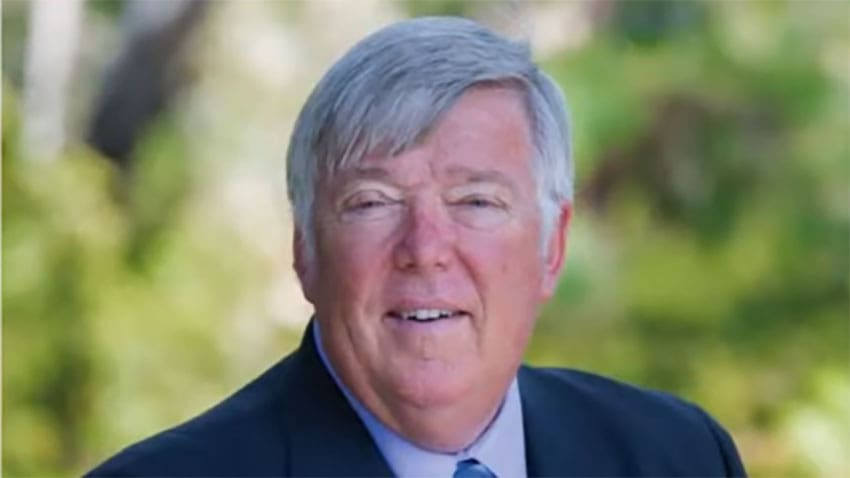
Lee Lorenzen is the founder and CEO of Cluster Solutions, a California-based research and development company focused on clustered water technology.
With a background in biology, pharmacology and biomedical consulting, Lorenzen has spent decades studying the structure of water and its role in hydration and cellular function.
Born and raised in Northern California as one of eight children, Lorenzen developed an early interest in science and the natural world. He earned a Bachelor of Arts from the University of California, Berkeley, before continuing graduate studies in biology at California State University, Fullerton. He also completed advanced graduate work under the supervision of Hoang Van Duc, M.D.
Lorenzen began his professional career in 1974 as a Graduate Instructor in Biology at Chapman College. He later joined the Department of Pharmacology at the University of California, Irvine, as a Research Associate. From 1976 to 1989, he worked in biomedical consulting, gaining experience in research and applied science.
A major turning point in his life came after his wife Stephanie developed serious health issues in the 1980s. The experience led Lorenzen to study water behaviour at the cellular level and eventually develop clustered water technology. In 1989, he founded Cluster Solutions to continue that research and product development.
Over the years, Lorenzen has received several U.S. patents related to clustered water processes, including U.S. Patents Nos. 5,711,950 and 6,033,678. His work has also been recognised by the Microsoft Alumni Foundation for research connected to AIDS and diabetes.
Today, Lorenzen continues to work with physicians, researchers and technical advisers while leading ongoing studies into water structure and hydration science.
Q: What first led you into science and research?
I grew up in Northern California as one of eight children, and I was always curious about how things worked. I enjoyed nature, biology and the outdoors from an early age. That interest eventually led me to study biology at the University of California, Berkeley. Later, I continued graduate studies in biology at California State University, Fullerton.
Early in my career, I worked as a Graduate Instructor in Biology at Chapman College and later as a Research Associate in the Department of Pharmacology at the University of California, Irvine. Those experiences gave me a strong foundation in research and scientific thinking.
Q: What originally sparked your interest in clustered water technology?
The biggest turning point was personal. My wife Stephanie became seriously ill during the 1980s. That experience pushed me to start asking different questions about health, hydration and biological systems.
At the time, I felt there were gaps in the traditional models I was studying. I remember thinking, “Something is missing with this model.” That thought stayed with me for years.
Eventually, I became interested in the structure of water itself and how water behaves inside living cells.
Q: Was there a specific moment when your research changed direction?
Yes. I remember reading work by Nobel Prize winner Albert Szent-Györgyi about cellular water. That research helped connect several ideas for me.
Later, I began studying natural healing springs around the world, including Lourdes in France. I noticed geological similarities in places where people reported unusual water properties. That led me deeper into research on water clustering and molecular structure.
The goal became understanding whether those natural conditions could be reproduced in a stable and controlled way.
Q: You founded Cluster Solutions in 1989. What was your original vision for the company?
The goal was to create a company focused entirely on research and development related to clustered water technology. I wanted a structure where the science could continue long-term.
My role has always been both scientific and operational. I oversee research direction, product development and strategic partnerships. I also stay directly involved in testing and evaluating the technology.
Q: What makes clustered water different from other hydration products?
Most hydration products focus on adding ingredients to water, such as minerals, electrolytes or supplements. Our focus has always been on the structure of water itself.
We study how water molecules organise and how that organisation may affect hydration and nutrient transport at the cellular level. The research is centred on stabilising smaller molecular clusters rather than simply adding substances.
Q: Has it been difficult working in a field that challenges traditional thinking?
At times, yes. When ideas challenge existing assumptions, they are often questioned early on. That is part of scientific history.
You can look at people like Otto Ampferer or Jacques Benveniste. Their work faced resistance before parts of it were revisited later. Even major scientific figures have made incorrect predictions about what was or was not possible.
That does not mean every new idea is correct. But it does mean research should be evaluated carefully and openly.
Q: How do you approach scientific credibility and long-term trust?
Consistency and transparency are very important. I work with physicians, researchers and technical advisers who can independently evaluate results.
I also believe in documentation and long-term testing. Research is not a one-time event. It is a continuous process of refinement, feedback and observation.
Over time, trust comes from staying involved and being willing to answer difficult questions directly.
Q: What challenges have shaped your leadership approach?
Patience has probably been the biggest lesson. Research takes time. Acceptance takes time. You have to stay focused on the work itself rather than short-term reactions.
I have also learned that leadership requires structure. Discovery alone is not enough. You need systems for testing, collaboration and maintaining scientific integrity over many years.
Q: What keeps you motivated after all these years?
Research and development still motivate me. I enjoy solving problems and continuing to learn.
I also value hearing feedback from people who use the products or study the technology. Those conversations often lead to new ideas or new areas of research.
Outside work, I enjoy spending time with my family and grandchildren and being outdoors. That balance is important.
Q: What advice would you give to people pursuing unconventional ideas?
Be prepared for scepticism. Document your work carefully and stay committed to the process.
Many discoveries take years to be fully understood. Patience, persistence and integrity matter more than quick recognition.

The Australian bourse has slipped, with a sell-off in precious metals, oil and other commodities dragging down resource companies as the US dollar surges and more ships pass through the Strait of Hormuz.

Noah Donohoe inquest jury told to reach findings on evidence heard in court

EasyJet rejects takeover offer from US investment firm Castlelake

Bitcoin (BTC) derivatives signal price panic. A weak U.S. inflation reading could trigger snapback: Crypto Daily


-

 Fashion6 days ago
Weekend Open Thread: Miami – Corporette.com
-

 Entertainment5 days ago
Renter of Home in Anne Heche Crash Denies Settlement With Son
-
 Sports2 days ago
Two goals and an assist by sheer aura: Cristiano Ronaldo just entered the World Cup chat
-

 Tech3 days ago
Microsoft accidentally kills epic Outlook email threads
-

 Business5 days ago
Soccer-U.S. defends Iran World Cup travel restrictions, says discussions ongoing
-

 Politics5 days ago
Andy Burnham and the meaning of Makerfield
-
Crypto World1 day ago
Bitcoin (BTC) Dips Below $62K, Ethereum (ETH) Plunges 6% Daily: Market Watch
-

 Politics7 days ago
BBC Reporter Discusses Cross Party Criticism Of Trumps Iran Deal
-
Business1 day ago
Entergy settles forward sale agreements, raises $672 million in cash proceeds
-

 Crypto World1 day ago
Securitize Wraps Roubini's SEC-Registered ETF as Dubai VARA Digital Security
-

 NewsBeat6 days ago
Keir Starmer Allies Question His Chances For No 10
-
 Business5 days ago
Wall Street Week Ahead: Investors see Micron earnings as pulse check of AI rally momentum
-

 Tech7 days ago
AWS enters the context layer race with a graph that learns from agents, not manual curation
-
 Crypto World5 days ago
Can Charles Hoskinson Really Rescue Cardano?
-

 Crypto World5 days ago
HIVE shares jump as $220M AI deal speeds Bitcoin mining pivot
-

 Crypto World5 days ago
Jake Chervinsky accuses CME of protecting derivatives monopoly
-

 Entertainment5 days ago
Jose Alvarado Wants Taylor Swift at More Knicks Games
-
 Tech4 days ago
Signal’s Meredith Whittaker says AI chatbots ‘are not your friends’ and calls Copilot agents a backdoor
-

 Tech3 days ago
Nearly 7,000 fake Amazon domains registered ahead of Prime Day 2026, researchers warn
-

 Sports6 days ago
FIFA World Cup 2026: Canada beat 9-men Qatar 6-0 to register first ever win | FIFA World Cup 2026
You must be logged in to post a comment Login