

Business
Favorites Contenders and Group Analysis Ahead of Kickoff


With the 2026 FIFA World Cup set to begin on June 11 across North America, the expanded 48-team tournament offers a fresh landscape for soccer’s biggest stage. From powerhouse favorites like France, Spain and Argentina to emerging contenders and debutants, the field presents a mix of established giants, regional powerhouses and ambitious underdogs. Analysts have released detailed power rankings based on current FIFA standings, recent form, squad depth, coaching and group difficulty.
The tournament format features 12 groups of four, with the top two from each advancing automatically along with the eight best third-place teams to a 32-team knockout stage. This structure increases opportunities for surprises while maintaining high stakes. Host nations Mexico, Canada and the United States benefit from home support and favorable seeding.
Top Contenders (Ranked 1-6)
France enters as one of the strongest sides, boasting exceptional depth across the pitch despite occasional tactical questions. Kylian Mbappé remains the focal point, supported by a talented core capable of dominating matches. Recent performances have reinforced their status as prime contenders.
Spain, fresh off strong showings, relies on technical mastery and youthful energy led by players like Pedri and Lamine Yamal. Their possession-oriented style and squad balance make them a nightmare for opponents, positioning them among the top favorites.
Argentina, the defending champions, feature Lionel Messi in what could be his final World Cup. Despite the challenge of repeating as winners — a feat not achieved since Brazil in the 1960s — the Albiceleste maintain elite status with a balanced squad and championship pedigree.
England brings talent and ambition, with Jude Bellingham and Harry Kane anchoring a side that has consistently reached later stages but seeks its first title since 1966. Questions linger around finishing and consistency, yet their potential remains high.
Brazil and Portugal round out the elite tier. Brazil’s attacking flair and Portugal’s experience, including Cristiano Ronaldo’s leadership, ensure they remain dangerous throughout. Both nations possess the quality to reach the semifinals or beyond.
Mid-Tier Powerhouses and Dark Horses (Ranked 7-20)
Germany, the Netherlands, Belgium and Croatia bring European pedigree and tactical sophistication. Germany aims to rebound from recent inconsistencies, while the Dutch emphasize fluid attacking play. Belgium’s golden generation edges toward conclusion, adding urgency, and Croatia continues to punch above its weight.
Morocco, fresh off a strong 2022 showing, represents Africa’s best hopes alongside Senegal, Egypt and others. Asian representatives Japan, South Korea and Iran offer discipline and counter-attacking threats. South American sides like Uruguay, Colombia and Ecuador provide physicality and technical skill.
Group-by-Group Breakdown
Group A: Mexico, South Africa, South Korea, Czechia Mexico, as hosts, are clear favorites to top the group. Their experience and home advantage should see them advance comfortably. South Korea and Czechia vie for second, with South Africa as the likely underdog. Mexico’s path looks favorable for a deep run.
Group B: Canada, Bosnia and Herzegovina, Qatar, Switzerland Canada benefits from hosting but faces a competitive pool. Switzerland’s consistency makes them a strong contender for top spots. Bosnia and Qatar add unpredictability. Expect tight battles for advancement.
Group C: Brazil, Morocco, Haiti, Scotland Brazil should dominate, but Morocco’s organization poses a challenge. Scotland and Haiti will fight for points. Brazil is expected to top the group easily, with Morocco likely advancing.
Group D: United States, Paraguay, Australia, Türkiye The U.S. hosts look to capitalize on home support. Türkiye and Australia bring experience, while Paraguay adds South American grit. The group is competitive, with the U.S. favored to progress alongside one or two others.
Group E: Germany, Curaçao, Ivory Coast, Ecuador Germany is the standout, expected to cruise through. Ivory Coast and Ecuador offer quality, making second place contested. Curaçao faces an uphill battle.
Group F: Netherlands, Japan, Sweden, Tunisia The Netherlands lead a balanced group. Japan’s discipline and Sweden’s organization create intrigue. Tunisia will seek upsets. Multiple teams have realistic knockout hopes.
Group G: Belgium, Egypt, Iran, New Zealand Belgium should advance as group winners. Egypt and Iran compete for the second spot, with New Zealand as the outsider. Expect European experience to prevail.
Group H: Spain, Cape Verde, Saudi Arabia, Uruguay Spain is heavily favored. Uruguay’s pedigree makes them a strong second-place candidate. Cape Verde and Saudi Arabia will aim for surprises.
Group I: France, Senegal, Iraq, Norway France dominates expectations. Senegal provides African strength, with Norway and Iraq adding depth. France is a top contender for the title from this pool.
Group J: Argentina, Algeria, Austria, Jordan Argentina leads comfortably. Algeria and Austria compete fiercely for advancement, with Jordan as the underdog. Messi’s side remains a championship favorite.
Group K: Portugal, DR Congo, Uzbekistan, Colombia Portugal’s star power stands out. Colombia brings South American flair, while DR Congo and Uzbekistan seek breakthroughs. Portugal is expected to top the group.
Group L: England, Croatia, Ghana, Panama England and Croatia are the primary contenders. Ghana and Panama offer athleticism and resilience. This group could produce strong knockout representatives.
Overall Outlook and Key Storylines
The expanded format gives more nations a platform, increasing the potential for Cinderella stories while keeping traditional powers in contention. Host nations carry national pride and logistical advantages, though travel across venues remains a factor.
Injuries, form and coaching decisions in the final preparations will shape outcomes. Veterans like Messi and Ronaldo may write final chapters, while young talents emerge on the global stage. Tactical innovations, set-piece execution and physical conditioning will prove decisive in the knockout rounds.
Economic and cultural impacts across North America are projected to be massive, with billions in revenue and lasting infrastructure benefits. Fan festivals and broad broadcasting ensure widespread engagement.
Analysts largely agree that a European or South American side is most likely to lift the trophy, with France, Spain and Argentina leading betting markets. However, the 48-team field introduces greater variance and excitement.
As teams finalize rosters and tactics, anticipation builds for what promises to be a historic tournament. From Mexico City’s opening match to the MetLife Stadium final on July 19, the 2026 World Cup celebrates soccer’s global reach and competitive depth.
Emerging nations will test themselves against the elite, potentially rewriting narratives. For established powers, the challenge is navigating a longer path to glory. The blend of experience, youth and home advantage sets the stage for unforgettable moments.
Detailed power rankings from sources like ESPN, FOX Sports and GOAL highlight the nuanced assessments. While favorites hold the edge, football’s unpredictability ensures no outcome is guaranteed. The tournament’s scale amplifies both opportunities and pressures.
Fans and neutrals alike can look forward to a summer filled with passion, skill and drama. With just days until the first whistle, the soccer world unites in excitement for the expanded spectacle that is World Cup 2026.


Form 4 Symbotic Inc For: 27 July
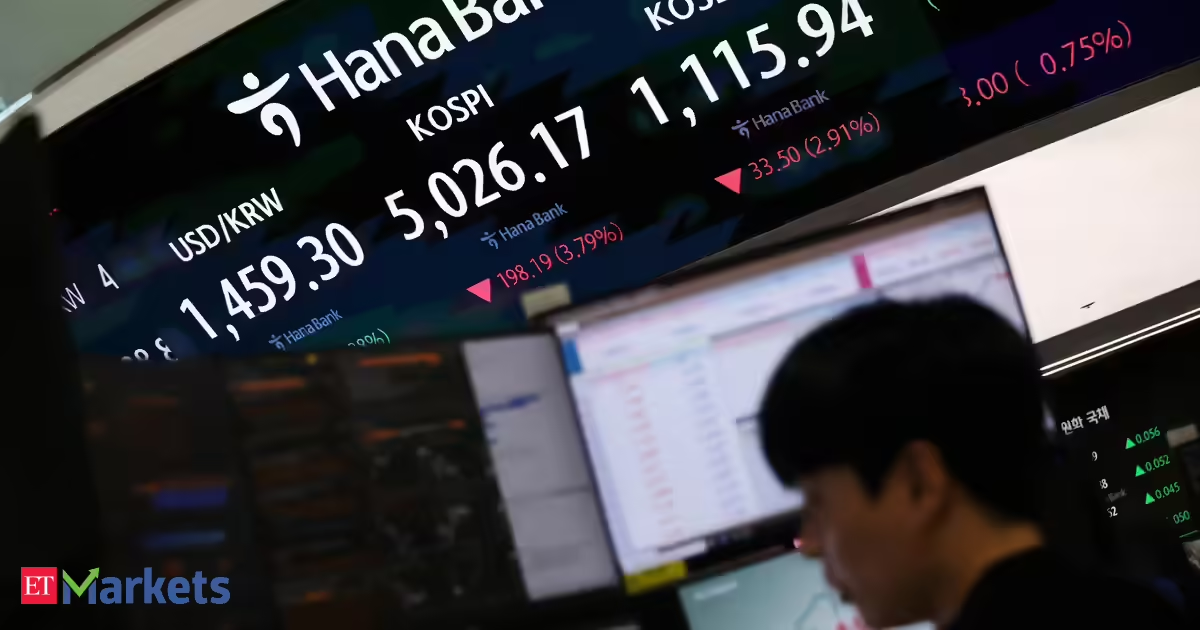
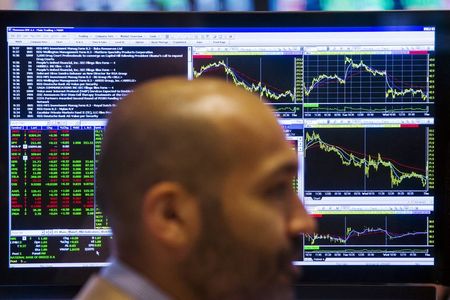
The benchmark Kospi plunged 551 points, or 8.1%, to 6,2505. The steep decline triggered “sidecar” trading curbs on both the Kospi and the junior Kosdaq index, temporarily halting programme trading.
Memory-chip maker SK Hynix dropped 11% after its American depositary receipts (ADRs) in New York fell to a record low and slipped below their initial US offering price. Samsung Electronics, another heavyweight in the index, declined 9.15%. Together, SK Hynix and Samsung Electronics account for more than half of the KOSPI’s weighting, amplifying the impact of the semiconductor sell-off on the broader market.
Also read: SpaceX at $100 would imply zero AI value, Morgan Stanley says
1. AI spending worries
Fresh concerns over the scale of artificial intelligence spending added to the pressure on semiconductor stocks even as falling oil prices further after potential talks between US and Iran.
The central question for investors is whether companies pouring billions of dollars into artificial intelligence will be able to generate enough returns to justify the spending. Chip stocks remained under pressure in the US as well, with the Philadelphia Semiconductor Index extending its decline for a third consecutive session.

2. China’s new threat
Developments in China added to investor concerns. ChangXin Memory Technologies (CXMT) made a blockbuster market debut, soaring nearly 500%, while reports emerged that a Chinese state-backed company had started producing immersion DUV lithography equipment.”The market’s concern lies less in CXMT’s current earnings and more in its potential for accelerated capacity expansion to rival Korean companies and technology development following its IPO,” Kim Seok-hwan, a Seoul-based market analyst at Mirae Asset Securities, told Reuters.
The broader MSCI Asia Pacific Index fell 2.92%, with technology stocks bearing the brunt of the losses. The Kospi dropped 7.89%, while Japan’s Nikkei declined 3.86%% and the Topix fell 2.77%.
3. US Fed commentary
Investors are also facing a packed week, with interest rate decisions due from the US Federal Reserve, the Bank of Japan and the Bank of England, alongside earnings reports from major technology companies.
Read more: Nvidia to invest $5 billion in Ilya Sutskever’s AI startup
The US Federal Reserve will begin its two-day policy meeting on Tuesday and is widely expected to leave interest rates unchanged on Wednesday.
However, expectations for a rate hike of at least 25 basis points have risen to 36.3%, from 16% a week ago, according to CME FedWatch. Markets are now pricing in an 81% probability of a rate hike at the central bank’s September meeting.
4. Weak global cues
US stock futures also edged lower in early Asian trading on Tuesday as investors braced for a busy week of megacap earnings and awaited the Federal Reserve’s rate decision. S&P 500 futures fell 0.3%, while Nasdaq 100 futures declined 0.2%. Dow futures gained 24 points, or 0.05%.
The moves came after a mixed session on Wall Street. The 30-stock Dow climbed more than 260 points, or around 0.5%, while the S&P 500 posted a modest gain as oil prices retreated following a pause in fighting in the Middle East.
The Nasdaq Composite, however, slipped 0.2% as a sell-off in semiconductor stocks weighed on the tech-heavy index.
(Disclaimer: Recommendations, suggestions, views and opinions given by the experts are their own. These do not represent the views of Economic Times)
Earnings call transcript: KIT posts resilient H1 2026 results as FFO rises 14%
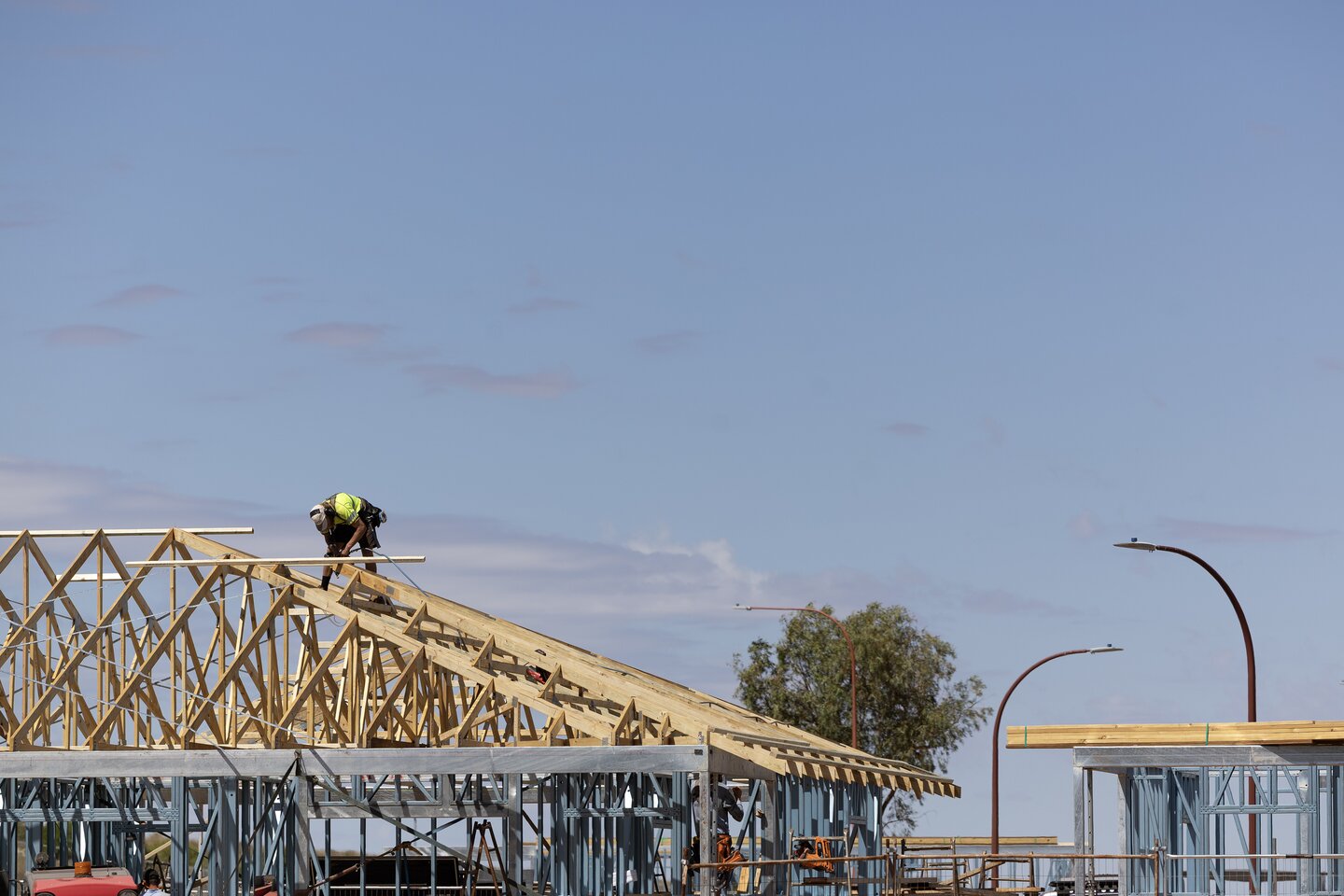
The proposed changes involve extending single house planning exemptions and increasing the powers of the state’s planning commission.
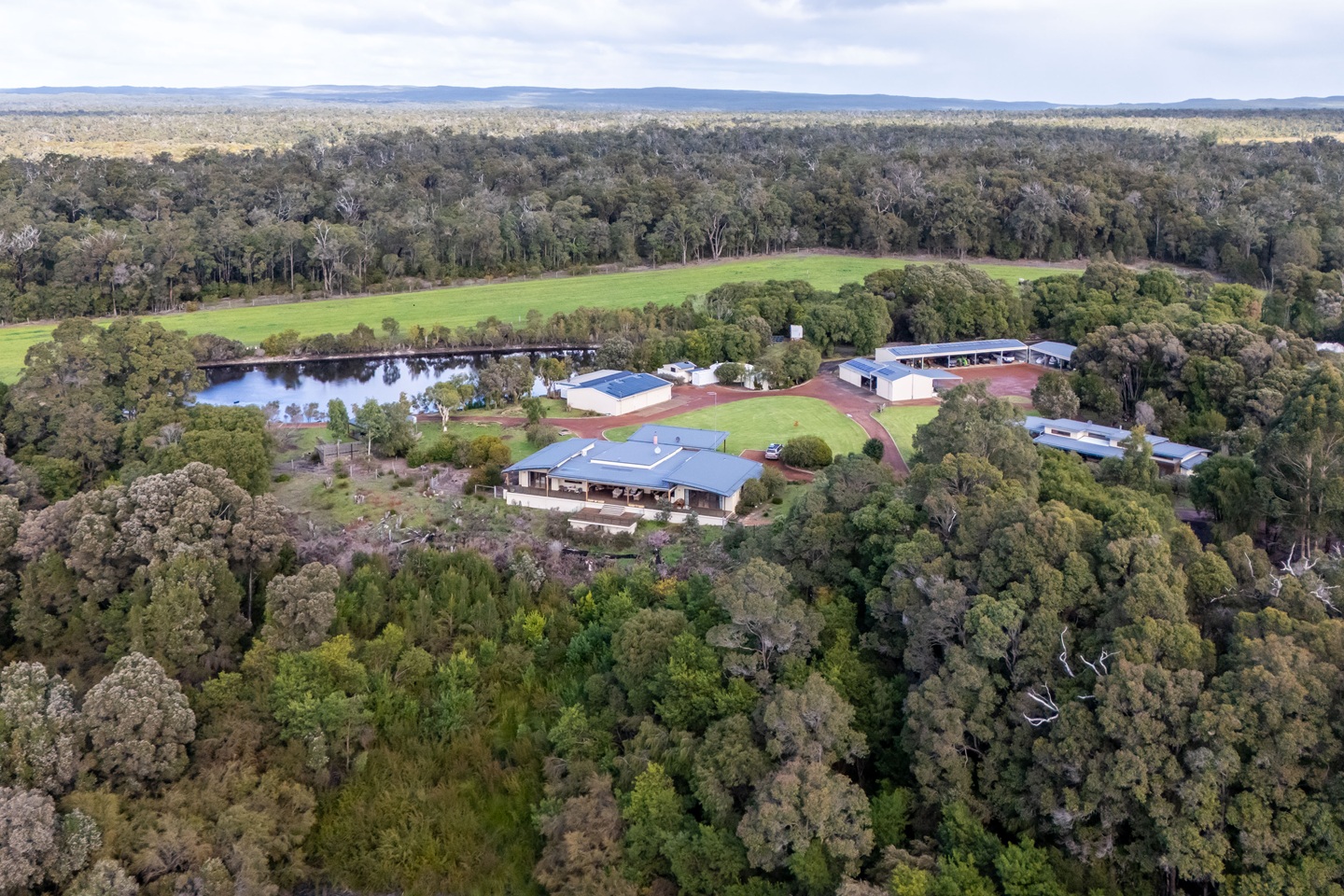
One of the nation’s biggest former pastoralists, the Botha family, has put its signature Lake Jasper homestead on the market.
Fox News Sunday reveals the Democratic Socialists of Americas (DSA) platform, which includes eliminating the U.S. Senate and replacing the presidency. Co-chair confirms these radical proposals.
A Trump administration official is touting the recently launched Trump Accounts as a means to boost young Americans’ financial literacy and appreciation for capitalism by giving them experience that draws them away from “poisonous ideologies” such as socialism.
Comptroller of the Currency Jonathan Gould spoke at a planning meeting for the Financial Literacy and Education Commission on Tuesday and said in remarks reviewed exclusively by FOX Business that Trump Accounts can help Americans understand how the financial system and markets work, showing the benefits of capitalism.
“When Americans understand how our financial system works, they are better equipped to save for the future, protect themselves from fraud, and fully participate in the greatest economy in the world,” he said. “For Americans to believe in capitalism, they need the opportunity to participate in it.”
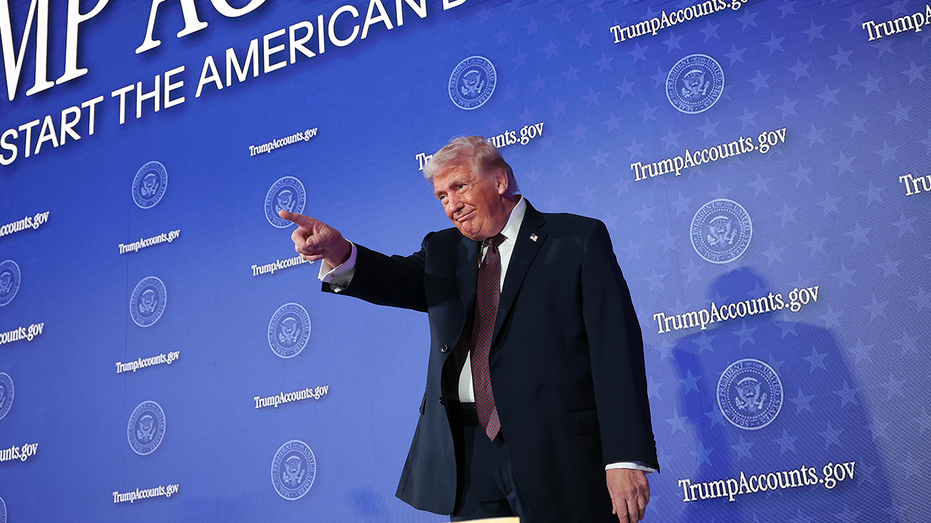
Trump Accounts officially launched earlier this month. (Win McNamee/Getty Images)
“If financial illiteracy leads to socialism and other poisonous ideologies proliferating on college campuses and in certain cities, Trump Accounts can be the antidote, minting a generation of capitalists who believe in America, build wealth, invest in their communities, and own a share in our nation’s economic success,” Gould added.
WHAT ARE THE INVESTMENT OPTIONS FOR TRUMP ACCOUNTS?
Trump Accounts were created by the One Big Beautiful Bill Act last year and were formally launched on July 4.
The initiative creates tax-advantaged investment savings accounts for eligible children, with those born between 2025 and 2028 given $1,000 in seed money from the federal government. Parents and guardians may contribute up to $5,000 per year to the accounts belonging to their children, while a parent’s employer can contribute up to $2,500 annually without impacting the employee’s taxable income.
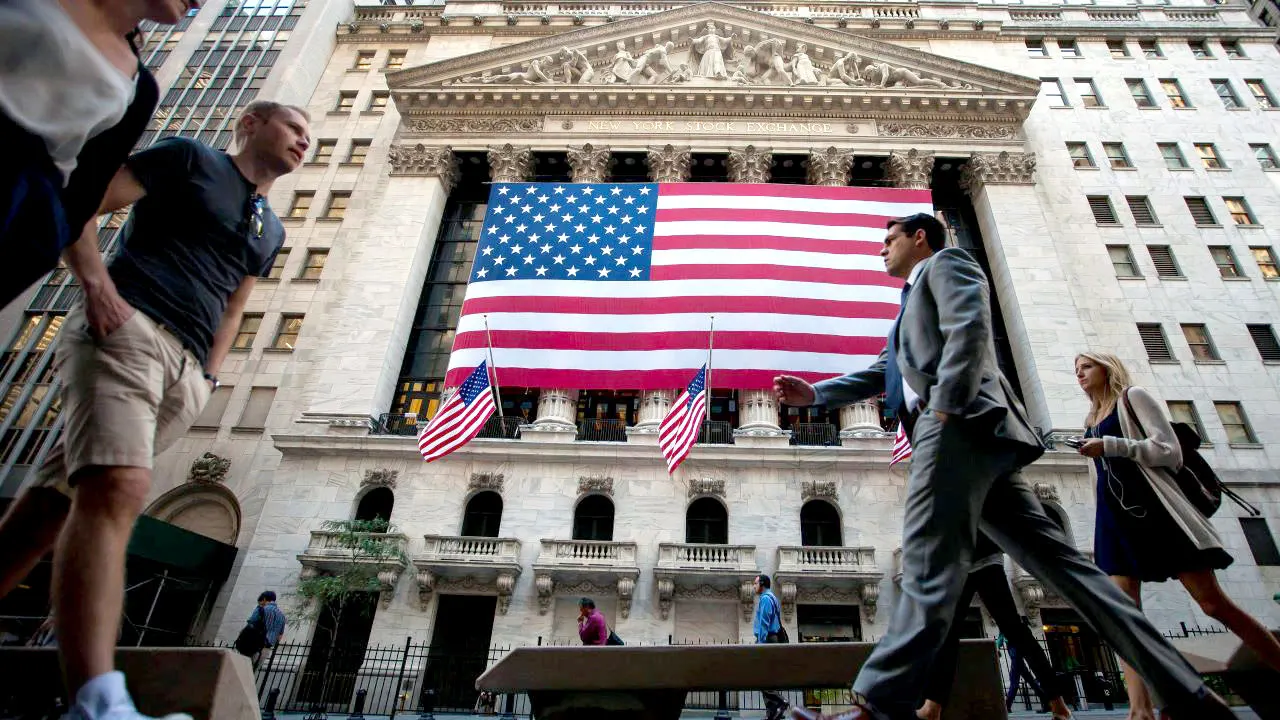
Pedestrians walk past an American flag displayed outside of the New York Stock Exchange (NYSE) in New York, U.S., on Sept. 12, 2016. (Michael Nagle/Bloomberg via Getty Images)
Funds in Trump Accounts may be invested into low-cost index funds with broad, diversified exposure to the U.S. stock market.
Over time, proponents of Trump Accounts note that strategy could yield significant returns for Trump Account beneficiaries based on the historical performance of the U.S. stock market.
GOLDMAN SACHS TO CONTRIBUTE $1,000 TO TRUMP ACCOUNTS FOR ELIGIBLE CHILDREN OF EMPLOYEES
An analysis by the White House’s Council of Economic Advisors (CEA) found that based on historical average returns on the U.S. stock market, funds invested in Trump Accounts could grow into a substantial nest egg by the time a child turns 18, depending on how much is contributed over time. The funds could then be used to help pay for education expenses, a down payment on a home, or a jump start on retirement savings.
CEA found that if maximum contributions are made to an account belonging to a child born in 2026, the account balance would reach $303,800 by age 18 and $1,091,900 by age 28 in a medium-returns scenario.
In a low-returns scenario with maximum contributions, balances would be $187,400 by age 18 and $772,200 by age 28; while in CEA’s high-returns illustration, the balances would be $730,400 by age 18 and $1,904,300 by age 28.
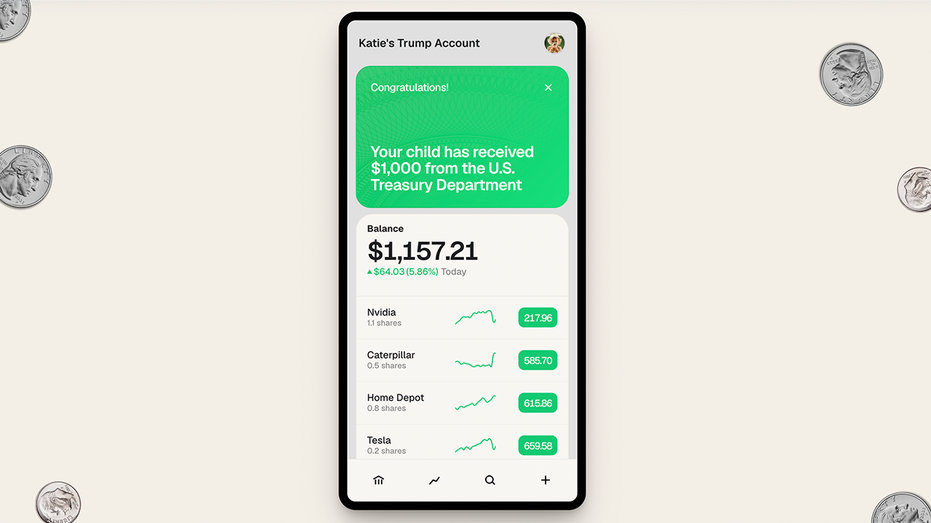
The White House released an app for Trump Accounts. (Trump Accounts / Fox News)
If no contributions are made to a Trump Account belonging to a child born in 2026 beyond the $1,000 seed money from the government, the account balance would reach $5,800 by the time they turn 18, with continued compounding growth taking that total to $18,100 by age 28 in CEA’s medium-returns scenario.
HERE’S HOW MUCH TRUMP ACCOUNT BALANCES COULD GROW OVER TIME
Ahead of the program’s official launch, the Treasury Department unveiled the default exchange-traded fund (ETF) that is available to investors now – as well as four other ETF options that will be added to the accounts as alternatives.
The default investment option is the State Street SPDR Portfolio S&P 500 ETF (SPYM), which is a low-cost ETF that tracks the performance of the S&P 500 Index.
Treasury explained it provides broad exposure to the U.S. stock market and has a low fee structure that’s well below the expense ratio limit of 0.1% that was established by law.
| Ticker | Security | Last | Change | Change % |
|---|---|---|---|---|
| SPYM | STATE STREET® SPDR® PORTFOLIO S&P 500® ETF – USD DIS | 86.99 | +0.03 | +0.03% |
| IVV | ISHARES CORE S&P 500 ETF – USD DIS | 742.55 | +0.19 | +0.03% |
| VTI | VANGUARD TOTAL STOCK MARKET ETF – USD DIS | 365.18 | +0.38 | +0.10% |
| SPTM | STATE STREET® SPDR® PORTFOLIO S&P 1500® COMPOSITE STOCK MARKET ETF – USD DIS | 89.87 | +0.07 | +0.08% |
| ITOT | ISHARES TRUST CORE S&P TOTAL US STOCK MKT | 162.10 | +0.10 | +0.06% |
Four other low-cost ETFs that track broad indexes will be added to the Trump Accounts lineup of investment options:
- iShares Core S&P 500 ETF (IVV)
- Vanguard Total Stock Market ETF (VTI)
- State Street SPDR Portfolio S&P 1500 Composite Stock Market ETF (SPTM)
- iShares Core S&P Total U.S. Stock Market ETF (ITOT)
GET FOX BUSINESS ON THE GO BY CLICKING HERE
Treasury indicated at the time of the announcement that it expected the functionality for additional investment options to roll out in the coming months, which would let parents or guardians allocate funds across the additional options.
The political will of China’s mission to decarbonise its economy is “irreversible” in the face of mounting global headwinds against the green transition.
Company at center of US cyclospora outbreak complained to White House, source says
FOX Business correspondent Lydia Hu reports live from a Walmart in North Bergen, NJ, on record back-to-school spending on Varney & Co.
A major rural lifestyle retailer is closing dozens of pet stores in its portfolio around the country as it reevaluates both its existing footprint and growth plans.
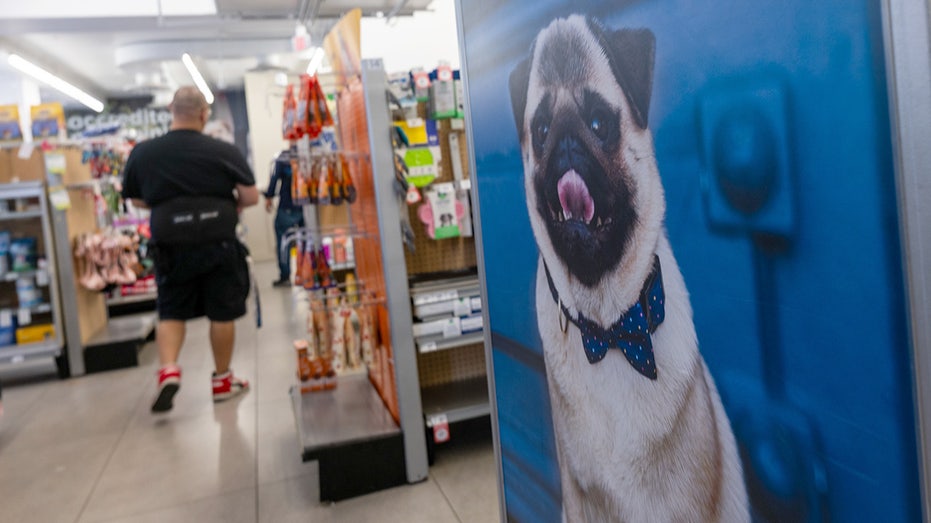
Tractor Supply released its latest earnings report last week and revealed plans to close 75 Petsense locations around the country.
The company said in its release that as of late June, there were 209 Petsense by Tractor Supply stores across 23 states.
“Following a disciplined review of Petsense, we’ve decided to close approximately 75 underperforming stores. We believe these actions will improve returns, simplify the business, and allow us to direct resources towards higher growth, higher return opportunities,” said CEO Hal Lawton on the earnings call.
Tractor Supply revealed plans to close 75 Petsense stores around the country. (Spencer Platt/Getty Images)
Lawton noted that the Petsense locations that are closing were negative four-wall cash flow, meaning that those stores’ sales weren’t enough to cover costs that are local to individual stores, such as rent, labor and inventory.
Stemming the losses from those locations will allow the company to reinvest funds back into the core of the business, he added.
Lawton also said that after the closures, he thinks the company will “have a very strong, profitable Petsense business,” and that it will work well within the company’s broader pet ecosystem that includes Allivet and VIP Petcare.
| Ticker | Security | Last | Change | Change % |
|---|---|---|---|---|
| TSCO | TRACTOR SUPPLY CO. | 31.80 | +0.78 | +2.51% |
CVS OFFERS NEW PHARMACY OPTION FOR PET OWNERS
He also emphasized that the company doesn’t view the changes with Petsense as affecting the reacceleration of pet products within the core Tractor Supply business, which isn’t directly connected to Petsense.
Tractor Supply CFO Kurt Barton said on the call that the “strategic repositioning of Petsense is expected to create a healthier, more profitable business that better complements our Tractor Supply stores and strengthens our ability to serve pet customers across our integrated pet ecosystem.”

Tractor Supply said that its closure of 75 Petsense locations won’t affect its other pet-oriented initiatives. (Don and Melinda Crawford/UCG/Universal Images Group via Getty Images)
TRACTOR SUPPLY NO LONGER GOING WOKE, ELIMINATES DEI GOALS
Lawton also said that Tractor Supply plans to open dozens of new stores in 2027, though the total number is expected to be approximately 85 to 90 stores as opposed to the company’s previous expectation of opening 100 new stores.
Funds saved from the pared-back store opening plans will be redeployed toward initiatives like remodels under Project Fusion, which aims to improve the performance of Tractor Supply’s existing store base.
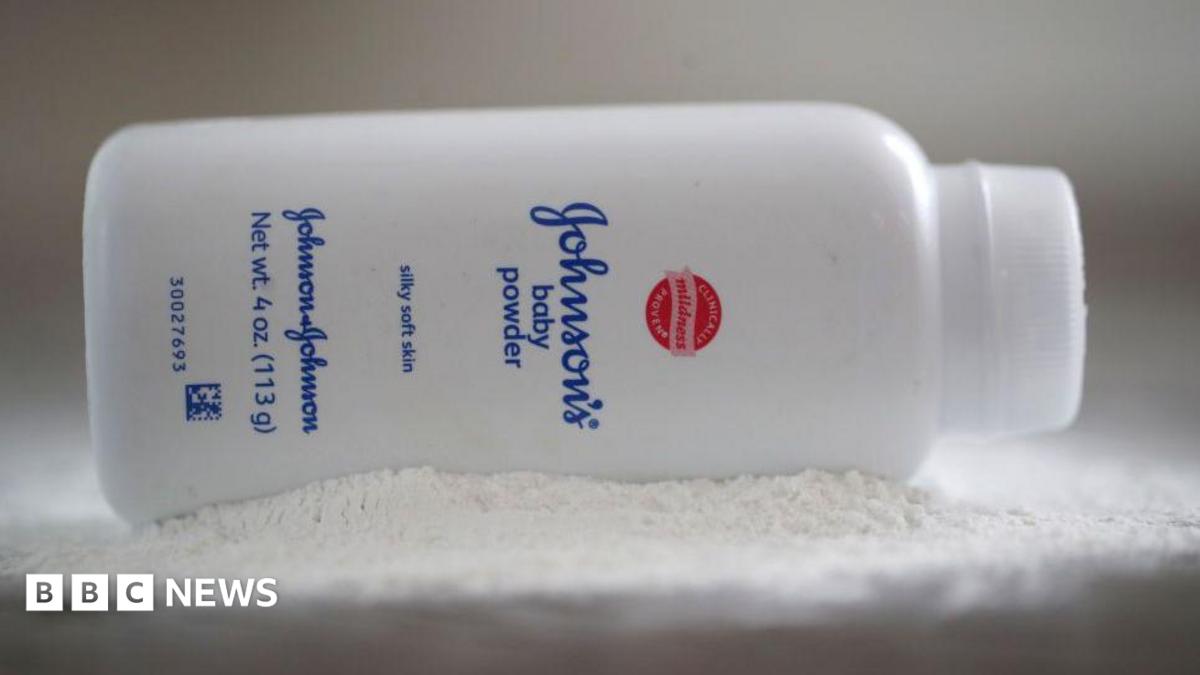
Johnson & Johnson (J&J) has offered to pay as much as $5.5bn (£4.14bn) to resolve tens of thousands of lawsuits alleging that its baby powder and other products containing talcum cause ovarian cancer.
The proposed landmark settlement aims to close a long-running legal battle that has weighed on the US healthcare giant for years.
J&J has denied that its talc-based products caused cancer and has changed the formula of its widely-used baby powder.
Erik Haas, the firm’s vice president of litigation said on Monday, external that the allegations are “meritless” and that J&J was willing to settle in order to finally resolve the matter.
J&J said the settlement would cover about 69,000 cases, totalling most of the remaining talc-related claims. The firm will offer up to $3bn next year, with no additional payments due before 2028, it said.
The proposal must be accepted by legal firms representing 95% of the ovarian cancer claims in state and federal courts before it can be finalised, the J&J said.
Haas said in a statement that the company is confident that it would have “ultimately prevailed with further litigation” just as it has in the majority of cases heard in court to date.
He added that the proposed resolution “allows the company to put this matter behind it” and enable J&J to “remain focused on its mission to develop medicines and devices that save lives”.
Lawsuits against J&J over its talc-based baby powder started as early as 2009.
Earlier in July, a federal court handed the firm a victory by questioning individual plaintiffs’ ability to show that talc was the direct cause of their ovarian cancer.
Talc is a natural mineral made of magnesium, silicon, oxygen and hydrogen, known for its soapy feel and is often used in baby powder.
The company has faced lawsuits from consumers and their survivors who claim J&J’s talc products caused cancer due to contamination with asbestos.
Talc is mined from the earth and is found in seams close to that of asbestos, which is a material known to cause cancer.
J&J has repeatedly denied the allegations and in its latest announcement said: “Studies show talc is safe, does not contain asbestos and does not cause cancer.”
In 2022, J&J said it would stop making and selling its talc-based baby powder around the world.
The announcement came more than two years after it had ended sales of the product in the US.
“As part of a worldwide portfolio assessment, we have made the commercial decision to transition to an all cornstarch-based baby powder portfolio,” J&J said at the time.

Diane Morgan as she reunites with Ricky Gervais on Alley Cats
Form 4 Symbotic Inc For: 27 July

Cardano’s Hoskinson Says ‘Best Days Are Ahead’: ADA Price Down 95% From Top


-

 Fashion3 days ago
Weekend Open Thread: Brooks Brothers
-

 Crypto World7 days ago
Grayscale Files For Worldcoin ETF, WLD Registers Sharp Rise
-

 NewsBeat6 days ago
How a former Blue Peter presenter stunned America’s Got Talent judges
-

 Tech1 day ago
Intel is reversing course and bringing hyper-threading back to its server chips
-
 Business6 days ago
New Jersey voter registration controversy explained: How 6,600 noncitizens got on the rolls, and what happens next
-
 Entertainment6 days ago
Johnny Depp’s R-Rated Gothic Cult Classic Gets New Release Ahead of Sydney Sweeney Remake
-

 Crypto World5 days ago
Ethics, other provisions in crypto Clarity Act to be further discussed
-

 Politics17 hours ago
Luke Littler dismantles Gerwyn Price to retain title in Blackpool
-

 Sports4 days ago
2026 3M Open leaderboard: Scottie Scheffler finds putter in Round 1, sits three back
-
 Sports1 day ago
Commonwealth Games boxing: Jadumani Singh seals dominant 5-0 win over Pakistan’s Sumama Rehman to enter quarter-finals | Commonwealth Games News
-

 Fashion4 days ago
16 Dresses for the High Summer Event
-

 News Videos4 days ago
The Peugeot Family: How 200 Years of an “Old Money” Dynasty Died in A Boardroom
-

 Politics2 days ago
Spain sweeps the board at 2026 World Cup with individual awards
-
 Entertainment4 days ago
A New Post-Apocalyptic Gundam Anime Series Blasts Into SDCC
-

 News Videos1 day ago
BITCOIN JUST ENTERED THIS CRITICAL ZONE…
-

 Crypto World2 days ago
XRP Ledger adds $2.6B as RWA inflows rank second
-
 NewsBeat7 days ago
NADINE DORRIES: I have witnessed first-hand what happens to new Prime Ministers when they enter No 10… and this is why Andy Burnham will be out by May
-

 Crypto World5 days ago
Uniswap (UNI) pushes deeper into tokenized RWAs with permissioned trading pools
-

 Crypto World6 days ago
Sablier Labs Enters Maintenance Mode, Halts Development
-
Crypto World5 days ago
SEC Agrees to Overhaul Recordkeeping After Settling Coinbase Lawsuit Over Gensler’s Lost Texts
You must be logged in to post a comment Login