Connect with us

Business

Federal Reserve expected to hike interest rates 25 basis points at FOMC meeting

Published

on

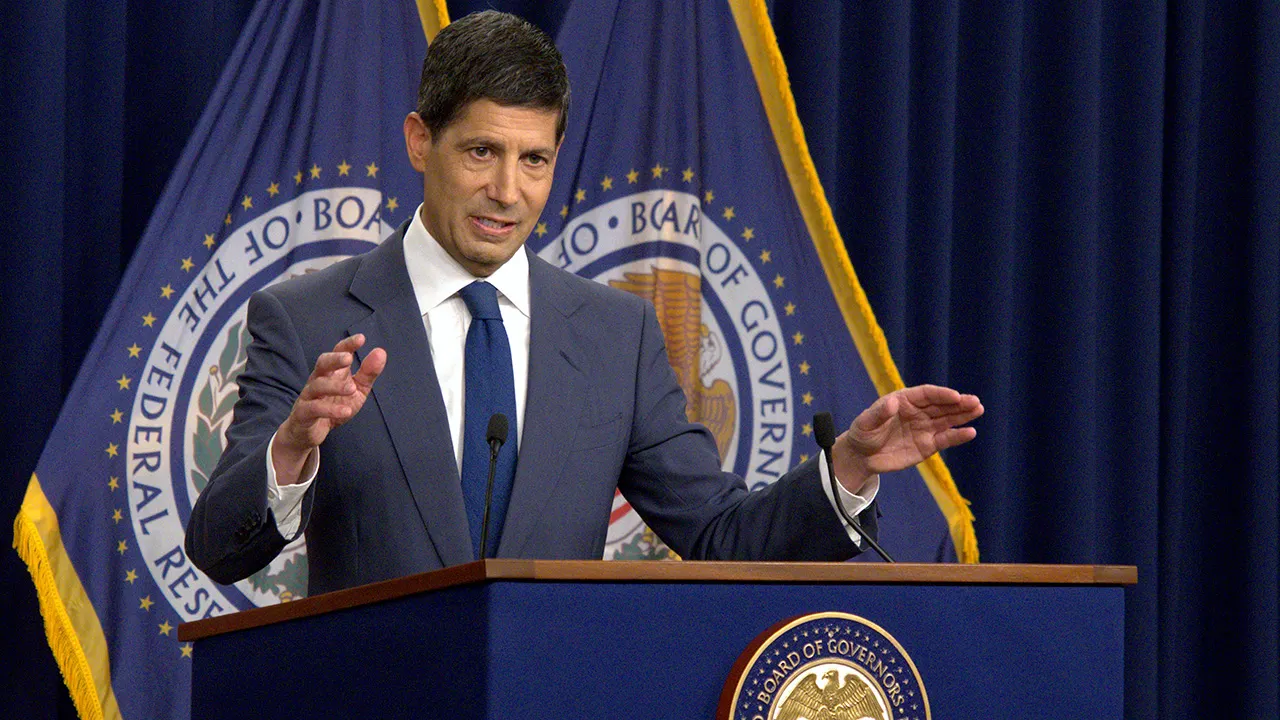
Federal Reserve's Warsh faces inflation pressure ahead of Jackson Hole

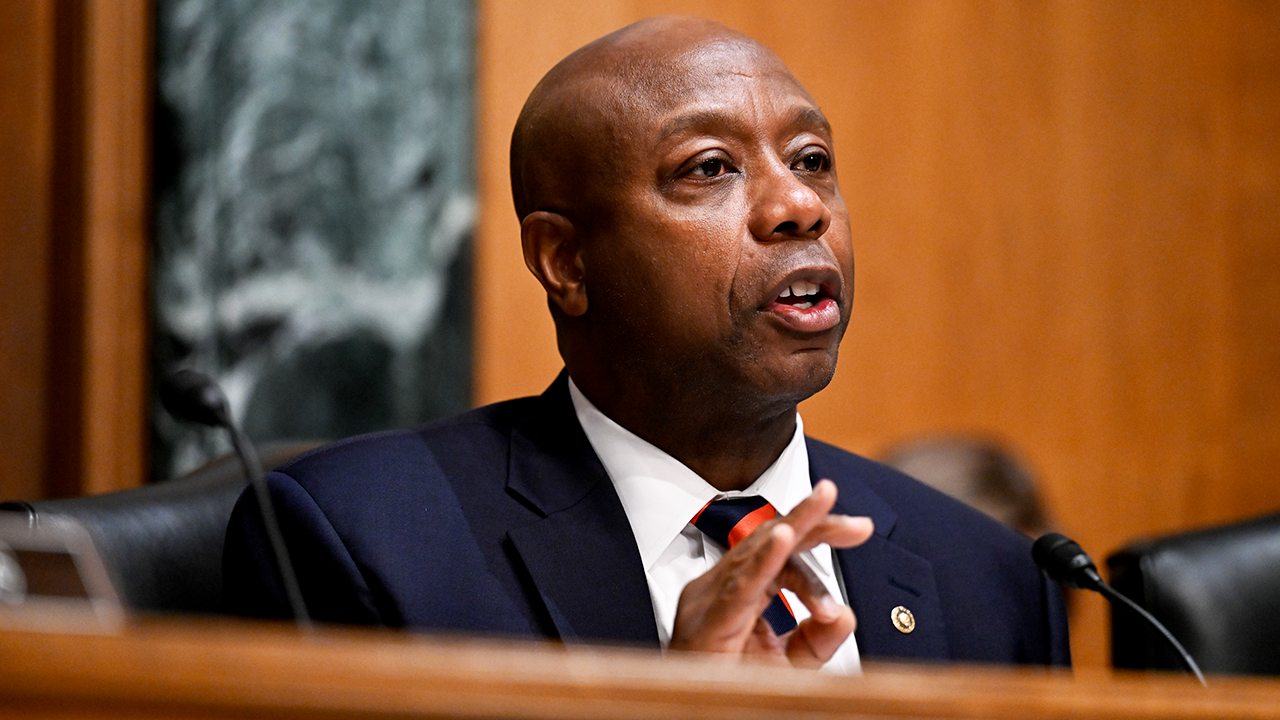
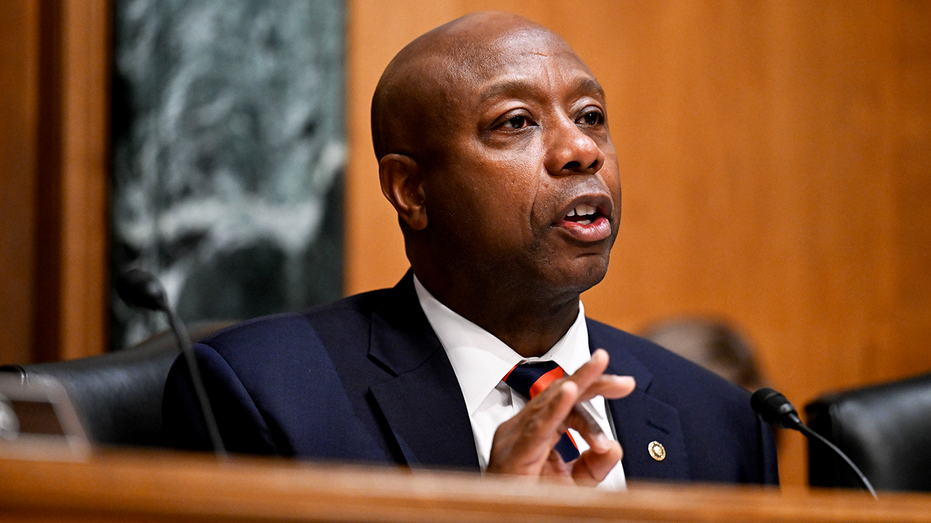
The Federal Reserve is holding a closely watched monetary policy meeting this week as the market expects the central bank to hike interest rates amid concerns about stubborn inflation.

Policymakers have held interest rates steady at all five meetings held by the Federal Open Market Committee (FOMC) this year, with the benchmark federal funds rate sitting at a target range of 3.5% to 3.75%.

Advertisement

Persistent inflation above the Fed’s 2% long-run target has prompted concern among policymakers and has shifted the market’s outlook to anticipating a rate increase this week, with the CME FedWatch tool showing a 92.5% chance of a 25-basis-point hike versus a 7.5% probability of rates staying at their current level.

The Fed’s preferred inflation gauge, the personal consumption expenditures (PCE) index, was up 3.7% on an annual basis in July while core PCE, which excludes volatile food and energy prices, was up 3.3%. Another closely watched inflation measure, the consumer price index (CPI), was up 3.4% annually in August while core CPI was up 2.4%.

WHAT WARSH’S JACKSON HOLE SPEECH SIGNALS ABOUT WHERE INTEREST RATES ARE HEADED

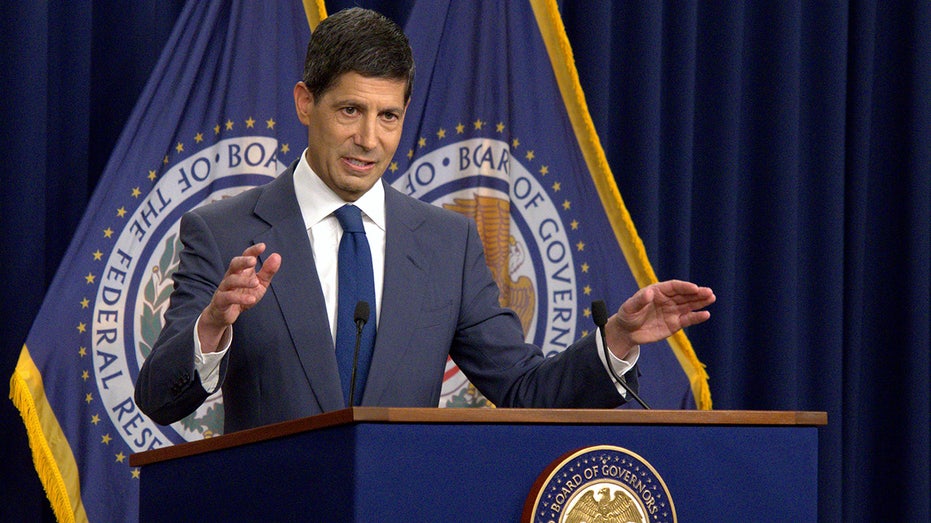
Fed Chair Kevin Warsh speaks at a press conference

Federal Reserve Chair Kevin Warsh and FOMC policymakers will announce an interest rate decision on Wednesday. (Li Yuanqing/Xinhua via Getty Images)

The anticipated rate hike comes as yields on U.S. Treasurys are rising, reaching the highest level in years amid competition in the fixed income market from foreign sovereign debt and corporate debt issuance.

Advertisement

The yield on the benchmark 10-year Treasury note is hovering around 5%, the highest level it’s been at since 2007. Higher interest rates on Treasurys increase the federal government’s cost to service its debt, which is a key driver of growing budget deficits.

Josh Hirt, senior economist at Vanguard, told FOX Business in an interview on Friday that the “developments over the last week, including the inflation report today, I think almost make the case that you could have a somewhat more adverse reaction if the Fed does not go [on Wednesday] unless the communication around the rationale behind that was extremely strong relative to them actually moving at this meeting.”

WARSH SAYS FED’S MAIN FOCUS SHOULD BE ON PRICES WITH CENTRAL BANK’S RATE POLICY IN FOCUS

Hirt said that he “wouldn’t see the immediate case for that to really extend any pricing if they were to move,” adding that “In fact, it could relieve some of the pressure in some extent, that the Fed did act, that the market is comfortable that they would be willing to do so.”

Advertisement

“I think that actually could very much be the case, in fact, rather than the alternative – which would be not going and the market potentially thinking about credibility issues and extending even further.”

“The base case would be if they were to move [on Wednesday], I wouldn’t see any necessary conditions that the market has to move higher based on that. In fact, it could potentially retrench a bit from where we are today,” Hirt added.

FED’S HAMMACK SAYS MULTIPLE RATE HIKES MAY BE NEEDED TO TAME INFLATION

Kevin Warsh and Donald Trump shake hands

Fed Chair Kevin Warsh was confirmed to the role in May and September marks the third FOMC meeting he has led. (Anna Moneymaker/Getty Images)

Wednesday’s FOMC announcement will also include the so-called “dot plot” that outlines how Fed policymakers view the future path of interest rates. Fed Chair Kevin Warsh declined to submit his own projection due to his opposition to providing forward guidance,

Advertisement

“If they were to move [on Wednesday] and you were to get, say, a level shift up in the dots at least by those participants that submit them, then that would really be an indication that I think the market could move on,” Hirt said.

“It wouldn’t be my base that you are going to see such a level shift,” he added. “At least based on the June numbers, the highest or most hawkish participant had about three rate hikes. It’s not clear to me that you would need to see a lot of members move much higher than that, if at all, but maybe just more a move up from those that didn’t have any or only had one rate hike.”

The market sees a higher likelihood of further interest rate hikes on the horizon after this week’s FOMC meeting, as policymakers will meet again in October and December to close out this year before kicking off their 2027 meetings in late January.

GET FOX BUSINESS ON THE GO BY CLICKING HERE

Advertisement

The CME FedWatch tool shows a 49.7% chance of two 25-basis-point rate hikes before the end of the year to a range of 4% to 4.25%, with a 28.9% probability of three hikes of that size to a target of 4.25% to 4.5%. It also shows just a 20% chance of a single rate hike through year’s end.

Continue Reading
Click to comment

You must be logged in to post a comment Login

Leave a Reply

Business

Bangkok’s Data Center Boom Runs Into a Regulatory Reckoning

Published

on

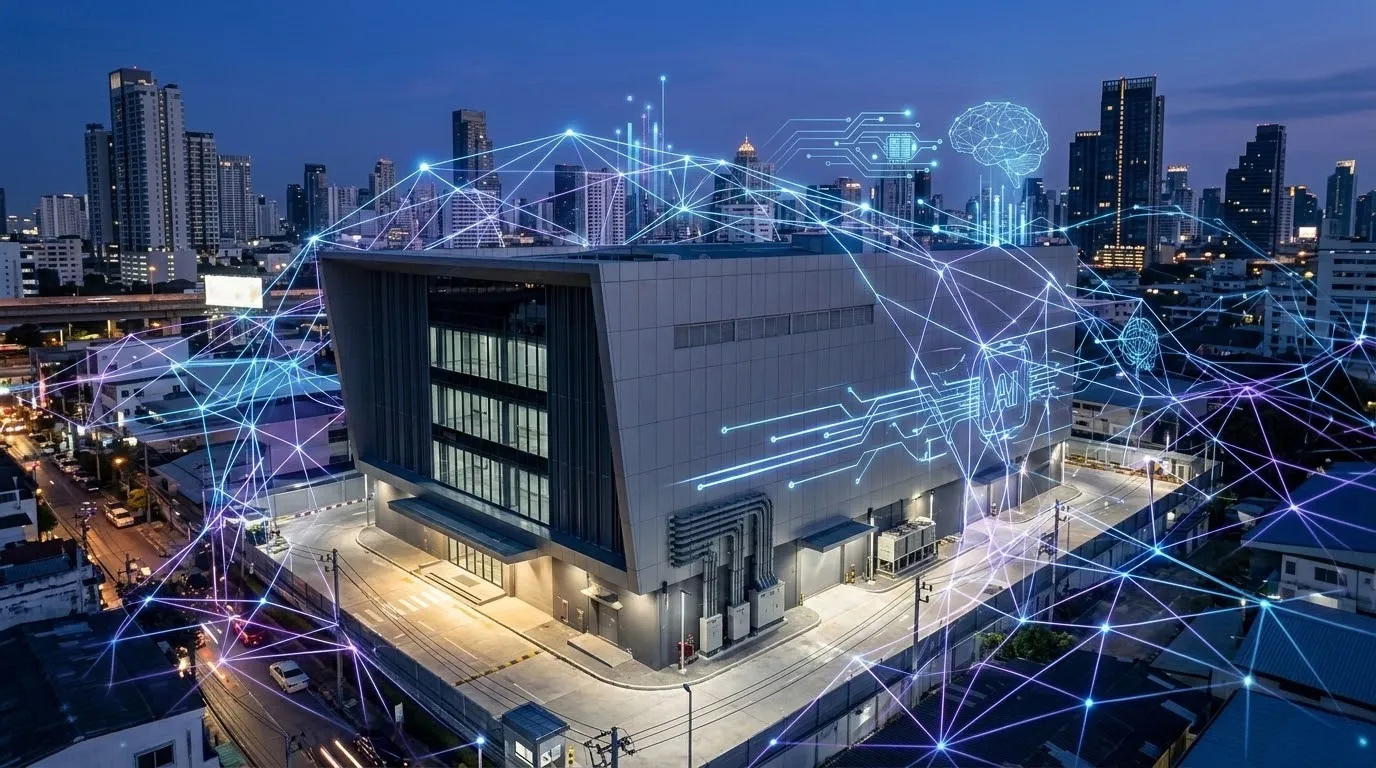
Bangkok's Data Center Boom Runs Into a Regulatory Reckoning

As the capital grapples with an unprecedented AI-driven digital expansion, the government faces a high-stakes reckoning—balancing the promise of a booming tech economy against severe environmental risks, power grid strains, and growing public outcry.

  • Bangkok’s rapid data center expansion, driven by major investments, has exposed critical regulatory loopholes where industrial facilities were mistakenly approved as warehouses without adequate environmental oversight.
  • In response to public safety concerns and environmental risks, the Thai government has suspended dozens of new projects and initiated comprehensive nationwide regulations covering electricity pricing, water use, and safety.
  • Thailand remains committed to the technology sector while implementing strict reforms to balance resource demands, manage grid upgrades, and address public skepticism regarding local economic benefits.

The moment that exposed Thailand’s data center problem did not come from a government inspection. It came from a smell. 

Stallholders working a market along Rama XI, one of Bangkok’s arterial roads, started noticing a nauseating oil odor drifting from a boxy structure covered in gunmetal grey panels that had gone up across from their stalls with almost no warning. 

A nearby hospital sat close enough to raise its own alarms. When authorities finally looked, they found 200,000 liters of oil being stored on site without a permit. The facility, known as BKK01, was tied to a $1 billion investment from the Dubai-based conglomerate DAMAC, part of a plan to turn Thailand into a Southeast Asian hyperscale hub.

That single discovery cracked open something much larger. Bangkok currently hosts somewhere between 30 and 35 operating data centers, depending on which count you use, with dozens more under construction and well over a hundred additional projects awaiting approval nationwide. 

Advertisement

Bloomberg has reported that Thailand has suspended 49 data center projects, more than the number currently in operation, while 117 more sit in a queue awaiting review. 

The trigger for the freeze was almost identical to the DAMAC case: a facility built next to a hospital that exposed a basic loophole in Thai law. Data centers were being approved as warehouses.

The loophole that let it happen

That loophole is the real story here, more than any single facility. Under existing zoning and industrial rules, a data center does not have to be classified and regulated as a data center at all. 

Digital Economy and Society Minister Chaichanok Chidchob has acknowledged that facilities went up in locations where they were never permitted. Bangkok Governor Chadchart Sittipunt has since ordered a halt to new permits and a review of both urban planning law and the environmental impact assessment process, conceding that the episode exposed a genuine regulatory gap. 

Advertisement

When a facility can sidestep environmental review simply by calling itself a warehouse or an office, “regulation” becomes a formality rather than a safeguard, and it is exactly the kind of gap that lets a billion-dollar industrial facility land next to a hospital without anyone official noticing until the neighbors complain.

The resource math nobody checked

The numbers explain why nobody caught this sooner, and why it matters now that they have. Research from the energy outlet JustPow found that Bangkok’s data centers carry a projected electricity demand of at least 247 megawatts and an annual water consumption of roughly 4.4 million cubic meters, comparable to the usage of tens of thousands of households. 

Separate reporting has tied one Bang Kapi facility to 429,000 liters of stored diesel, which opposition lawmaker Suphanat Minchaiynunt flagged as just under the threshold that would legally classify it as a fuel depot requiring stricter licensing. 

Researchers have also pointed to a “data center heat island” effect, in which clusters of servers and cooling systems measurably raise surrounding temperatures. None of this is exotic. It is the standard resource profile of large-scale computing infrastructure. What is unusual is that so much of it landed inside one of Southeast Asia’s densest urban cores rather than on its outskirts.

Advertisement

Slowing down without pulling back

Thailand’s response so far has been to slow down without pulling back. Prime Minister Anutin Charnvirakul has ordered new nationwide data center rules within a month, covering electricity pricing, water use, siting and safety, and Deputy Prime Minister Ekniti Nitithanprapas is chairing a new supervisory commission tasked with closing the gaps that let this happen in the first place. 

Electricity tariffs aimed specifically at large data center operators are reportedly on the table, along with tighter scrutiny of projects proposed in dense districts. 

A separate 31 billion baht transmission grid upgrade is already underway, an acknowledgment that the existing grid was never built to support this kind of concentrated industrial load. 

None of these measures amount to a retreat from the industry. They are an attempt to keep the investment flowing while giving regulators a legal basis to say no to the next BKK01 before it is built rather than after.

Advertisement

Not anti-AI, just anti-chaos

That balancing act reflects a public mood that is easy to misread. This is not a population turning against artificial intelligence. Survey data cited by the Thailand Development Research Institute found that Thai manufacturers themselves are split: nearly half believe data centers could meaningfully support domestic industry and help the country become a genuine regional hub, while a slightly larger share doubt that local businesses will see much direct benefit, pointing to the sector’s heavy reliance on imported equipment and foreign specialists. That is not rejection. It is skepticism about who actually profits, layered on top of legitimate anger that safety and environmental rules were treated as optional while the investment numbers climbed.

The window Thailand can’t afford to waste

Thailand has been explicit that it has no intention of walking away from this industry, and given how much of its recent industrial growth has been tied to data center investment from firms like Google, AWS and TikTok, that is a defensible position. 

What is not defensible is the idea that the last two years of unchecked growth were simply the unavoidable cost of attracting that capital. Other jurisdictions dealing with the same boom, from Spain’s renewable-supply mandates to New York’s temporary construction freeze, have generally tried to write the rules before the concrete gets poured, not after a hospital’s neighbors start complaining about the smell. Thailand skipped that step once. The government now has a narrow window to prove that its promised reforms are a genuine fix rather than a paperwork exercise that legalizes what already got built and calls the problem solved.

Advertisement
Continue Reading

Business

So Delicious non-dairy dessert recalled over possible stones, hard objects

Published

on

So Delicious non-dairy dessert recalled over possible stones, hard objects

A recall has been issued for So Delicious Dairy Free Salted Caramel Cluster Non-Dairy Frozen Dessert pints over the potential presence of foreign materials, including small stones and other hard objects, within the cashew inclusions.

Danone USA announced the voluntary recall for So Delicious Dairy Free Salted Caramel Cluster Non-Dairy Frozen Dessert pints, on Tuesday.

Advertisement

The recalled dessert item is packaged in pint containers with best-by dates on and before April 3, 2028. The recall applies to SKU 136603 (UPC 744473476138).

CREAM CHEESE AND DELI SALADS RECALLED OVER POTENTIAL LISTERIA CONTAMINATION

So Delicious Dairy Free Salted Caramel Cluster Non-Dairy Frozen Dessert pint

Danone USA initiated the voluntary recall for So Delicious Dairy Free Salted Caramel Cluster Non-Dairy Frozen Dessert pints. (FDA)

The recalled product were distributed to retail stores across the U.S.

The company is working with retail partners to remove affected products from shelves.

Advertisement

POPULAR SQUISHY TOYS RECALLED OVER POTENTIALLY DEADLY WATER BEAD HAZARD

Man eating a frozen dessert from a bowl

A recall has been issued for pints of the popular frozen dessert over the potential presence of foreign materials. (Getty Images / Getty Images)

No other So Delicious Dairy Free flavors or products are affected by the recall. Unaffected items are still available on store shelves, and products shipped moving forward are not affected by the recall.

The issue was identified through consumer complaints, the company said.

Danone USA said it has notified the Food and Drug Administration about the voluntary recall.

Advertisement
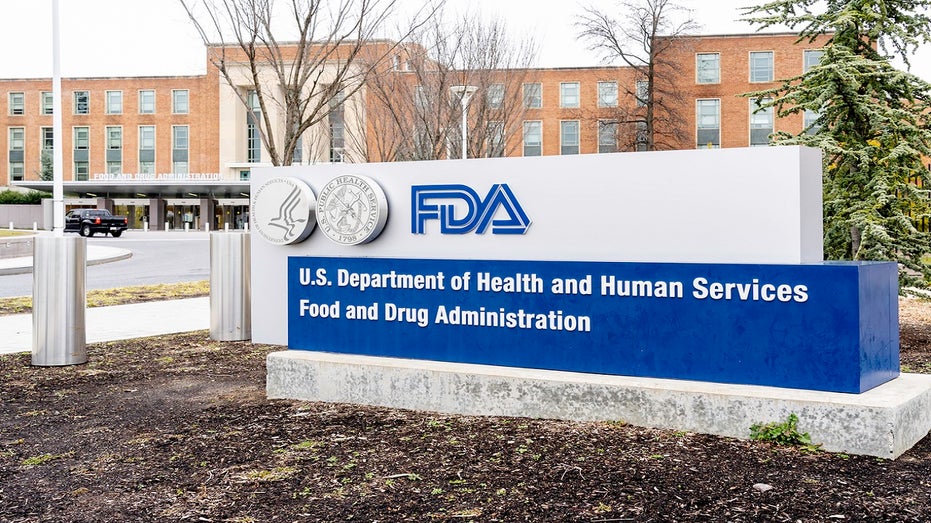
FDA headquarter sign

The Food and Drug Administration has been notified about the recall. (iStock / iStock)

CLICK HERE TO GET FOX BUSINESS ON THE GO

Consumers who purchased the affected product are instructed not to consume it and to contact the So Delicious Dairy Free Consumer Care Line at 1-833-367-8975 for a replacement coupon or refund.

Continue Reading

Business

J.B. Hunt Transport Services, Inc. (JBHT) Presents at Morgan Stanley’s 14th Annual Laguna Conference Transcript

Published

on

OneWater Marine Inc. (ONEW) Q1 2026 Earnings Call Transcript