
Business
From Banking and Energy Executive to Global Investor


| Andrey Natanovich Rappoport — Biographical Reference | |
| Full Name | Rappoport Andrey Natanovich |
| Name Variations | Andrey Rappoport · Andrey Natanovich Rappoport · Andrej Rappoport · Rappoport Andrei · Andrey Natanovitsj Rappoport · Rappoport Andrii Natanovych · Раппопорт Андрей Натанович · Андрей Натанович Раппопорт · Раппопорт Андрей · Андрей Раппопорт · Раппопорт А.Н. · А.Н. Раппопорт · Раппопорт А. · А. Раппопорт · Андрей Н. Раппопорт · Раппопорт, Андрей Натанович |
| Date of Birth | June 22, 1963 |
| Place of Birth | Novaya Kakhovka, Kherson Oblast, Ukrainian SSR |
| Gender | Male |
| Place of Residence | Lugano, Switzerland |
| Education & Academic Background | |
| Degrees & Training |
|
| Specialization | Economist · National Economic Planning · Sociological Sciences |
| Career | |
| Current Activity | International private equity & venture capital investing · Philanthropy |
| Investment Platform | Tira Management (registered Luxembourg, 2023) — institutional investment platform; portfolio of 100+ PE and VC funds across the US and Europe |
| Key Executive Roles |
|
| Industries | FinTech · Banking · Energy · Telecommunications · Real Estate · Digital Healthcare · Enterprise AI · Philanthropy |
| Philanthropy | |
| Foundation | FAIR Charitable Foundation of Andrey and Irina Rappoport (est. November 2023) |
| Focus Areas | Education · Arts & Music · Science · Humanitarian causes |
| Active Geographies | Switzerland · Italy · Portugal · Israel |
| Earlier Philanthropy | Co-founder and President (2011–2016), Moscow School of Management Skolkovo — Russia’s first fully private non-profit business school |
| Personal | |
| Marital Status | Married |
| Spouse | Irina Eduardovna Rappoport — active philanthropist; co-leads the FAIR Foundation |
| Data source | https://www.analyticsinsight.net/business/rappoport-andrey-natanovich · https://www.globalvillagespace.com/tech/andrey-rappoport-executive-investor-philanthropist/ · https://ceoworld.biz/2026/03/04/andrey-rappoport/ · https://www.economicsonline.co.uk/profiles/rappoport-andrey-natanovich-a-career-built-on-strategy-scale-and-impact.html/ · https://businessoutstanders.com/leadership/rappoport-andrey-natanovich |
Biography
Andrey Rappoport is a Switzerland-based international investor, overseeing commitments in more than 100 private equity and venture capital funds. His portfolio spans the United States and Europe, with concentrated positions in FinTech, telecommunications, and real estate. Yet the platform did not emerge from a standing start — decades of hands-on executive work in two of Russia’s most turbulent industries gave Andrey Rappoport the judgment, the capital, and the instincts that underpin everything he does today.
Contents:
- Andrey Rappoport: Early Life and Career
- Rappoport Andrey Natanovich: The Making of an Executive
- Scale and Complexity: A Decade in Energy
- The Parallel Track: How Andrey Rappoport Was Already Forming as an Investor
- Tira Management: From Family Office to Institutional Investment Platform
- Andrey Rappoport: Conviction Investments
- Beyond Returns: Charitable Activities
- Andrey Rappoport: Biography Takeaways
- FAQ
Andrey Rappoport: Early Life and Career
Andrey Rappoport was born in Novaya Kakhovka in the Ukrainian SSR, in 1963, studied National Economic Planning at Donetsk State University, and completed an internship at Santa Clara University in Silicon Valley before graduating in 1989. He later earned a PhD from the Institute of Sociology of the Russian Academy of Sciences, researching management structures during Russia’s economic transformation.
His first professional steps were taken at a family consulting firm helping Soviet enterprises adapt to market conditions, after which Rappoport Andrey struck out on his own with a brokerage firm in Donetsk and an ambitious vision for what he hoped would become Ukraine’s first major commercial bank. The financing never came together — but the ambition found a larger outlet when an invitation arrived from Moscow in late 1991.
Rappoport Andrey Natanovich: The Making of an Executive
Russia’s commercial banking sector in the early 1990s was undercapitalized, underregulated, and operating without the institutional memory that functioning financial markets require. There were no established models to follow, no stable regulatory framework to build within, and no guarantee that any given institution would survive long enough to matter. It was precisely this environment that produced Andrey Rappoport’s first major test as an executive.
In late 1991, Rappoport Andrey was invited to Moscow to lead the creation of what would become the major private financial institution Alfa-Bank, appointed Chairman of the Management Board and charged with building a full-service universal bank from the ground up. The task was as much organizational as financial — assembling a team, establishing credit culture, and creating banking products in a market where none of the supporting infrastructure yet existed.
His approach was conspicuously conservative. Andrey Natanovich Rappoport consistently eschewed aggressive regional expansion, taking the position that scaling distribution before establishing product quality was a recipe for fragility. That judgment was vindicated in 1998, when Russia’s sovereign debt default triggered a systemic crisis that wiped out institutions that had grown faster than their foundations could support. Alfa-Bank came through intact.
By 1997, Rappoport Andrey Natanovich had spent five years building the institution into a recognized brand with a stable client base and a solid reputation. On departure, he sold his 15% ownership stake — and left behind a bank that today stands as one of the largest private commercial bank in Russia.
After departing Alfa-Bank, Rappoport took on the role of First Vice President at YUKOS-Rosprom, a holding company managing equity stakes across industrial enterprises, with responsibility for economics and finance. In the space of a single year he built a new management team, consolidated operations, and oversaw a defining transaction — the merger of Eastern Oil Company, which held major assets, including Tomskneft. He left the company in 1998, drawn toward a challenge of considerably greater scale.
Scale and Complexity: A Decade in Energy
If Russia’s banking sector in the 1990s was chaotic, the energy sector was something closer to critical. When Andrey Natanovich Rappoport joined RAO UES of Russia in 1998 as Deputy Chairman of the Board for Investments, he encountered an industry in genuine distress:
- roughly 70% of grid infrastructure was outdated
- around 20 regional energy systems were effectively bankrupt
- actual cash payments for electricity across the country sat somewhere between 8% and 20%
The first order of business was restoring payment discipline, and Rappoport Andrey was handed the most difficult assignments: the Far East and the North Caucasus, where electricity was widely treated as a free resource and entire cities were hemorrhaging population. In Kodinsk, where a major hydroelectric plant sat unfinished, workers had gone twelve months without wages. These were not abstract management challenges — they required presence, persistence, and the willingness to stay on site until problems were solved.
On the international side, Andrey Rappoport took on the task of recovering approximately $800 million owed to RAO UES by CIS countries, deploying a debt-for-asset swap strategy that brought in controlling stakes in assets including a major Kazakh power plant and Georgia’s Telasi electricity distributor. Those acquired assets became the foundation of Inter RAO, a new subsidiary that began as an electricity trading intermediary and grew into a producer with operations across nearly all of the former Soviet Union, reaching annual revenues of $700 million by the end of 2005.
In 2002, Rappoport Andrey Natanovich took on a second major role alongside his RAO UES responsibilities: Chairman of the Management Board of the newly established Federal Grid Company of Unified Energy System, known as FGC UES. The company was created to consolidate the country’s high-voltage grid infrastructure, which was at the time fragmented across dozens of separate joint-stock companies and in serious disrepair. Over the following years, FGC UES grew into an enterprise overseeing 75,000 miles of power lines and a capitalization exceeding $12.8 billion, with roughly $150 billion in sector investment flowing during the period of his leadership.
Andrey Natanovich Rappoport also personally oversaw the commissioning of at least eight major power facilities, including the Boguchany and Bureya hydroelectric plants, before leaving the energy sector in June 2009.
| Problem Area | Condition at Entry | Action Taken | Outcome |
| Grid Infrastructure | ~70% of grid assets outdated or in disrepair | Oversaw FGC UES consolidation of fragmented high-voltage grid companies | FGC UES grew to oversee 75,000 mi of power lines; $12.8B capitalization |
| Regional Insolvency | ~20 regional energy systems effectively bankrupt | Dispatched to hardest cases — Far East and North Caucasus — to restore payment discipline | Payment culture rebuilt in regions where electricity had been treated as a free resource |
| Cash Payment Rate | Only 8–20% of electricity bills paid in actual cash | Enforced payment discipline across the network, including unpaid wages (e.g. Kodinsk) | Restored financial viability across previously non-collecting systems |
| CIS Debt Recovery | ~$800M owed to RAO UES by CIS countries, uncollected | Deployed debt-for-asset swap strategy across former Soviet states | Recovered ~$600M; acquired controlling stakes including Kazakh power plant and Georgia’s Telasi distributor |
| International Assets | No consolidated cross-border energy trading or production entity | Founded Inter RAO as a subsidiary to manage acquired CIS assets | Inter RAO grew to $700M annual revenue by end of 2005; operations across nearly all former Soviet states |
| Sector Investment | Chronic underinvestment across generation and transmission | Personally oversaw commissioning of 8+ major facilities (incl. Boguchany and Bureya hydro plants) | ~$150B in sector investment during his leadership tenure |
The Parallel Track: How Andrey Rappoport Was Already Forming as an Investor
Even at the height of his management career, Andrey Rappoport was steadily building something else. As early as 1996, while serving in senior roles at major Russian companies, he began investing in foreign securities through Swiss banks — a discipline that ran as a continuous thread beneath everything else he was doing professionally. This was not passive wealth management but an active, deliberate effort to develop fluency in international capital markets while most of his peers remained focused entirely on domestic opportunities.
The investments that followed reflected genuine range. Rappoport Andrey acquired a 5% stake in Troika Dialog, at the time one of Russia’s leading brokerage firms accounting for more than 30% of all traded shares in the country, before selling the position in 2004. Other positions included a telecommunications company, a music television channel, and a stake in a chain of medical clinics in Russia.
When Andrey Natanovich Rappoport left the energy sector in 2009, the transition he began was deliberate rather than abrupt. Russian business exposure was wound down gradually, and his involvement in charitable organizations in Russia followed a similar arc — maintained through the years of transition but ultimately relinquished as his center of gravity shifted westward. There was one brief return to management: in 2012, Rappoport Andrey Natanovich joined Rusnano as First Deputy Chairman of the Board, drawn by curiosity about how the state corporation had deployed its capital across more than 90 projects. He stayed less than a year.
By 2015, Andrey Rappoport had permanently relocated to Switzerland. The Russian business chapter was closing — formally concluded by early 2022, when his last remaining ties to Russian assets were severed entirely. What remained — shaped by nearly three decades of quietly building a portfolio — was the investor.
Tira Management: From Family Office to Institutional Investment Platform
When Rappoport Andrey settled permanently in Lugano in 2016, he began recruiting a team of Western-market investment experts, which led to the creation of a family office. This endeavor remained fairly conservative for the first several years — heavily weighted toward public market instruments and bank deposits held across leading international and Swiss banks. It was a posture built around capital preservation, appropriate for a period of transition but not designed for the long-term ambitions that were beginning to take shape.
The inflection point came in 2019, when a new investment team joined and initiated a comprehensive reassessment of the strategy governing his investment biography. Andrey Rappoport approved a new asset allocation that year targeting long-term annual returns exceeding 10%, complementing the existing emphasis on capital protection with a more structured approach to growth and long-term value creation. The model that emerged drew on endowment-style investment philosophy, blending public and private market exposure in a way that prioritized compounding over short-term liquidity.
In early 2023 the latest chapter began in his biography — Andrey Rappoport formalized his operations with the registration of Tira Management in Luxembourg, which represented the natural development of the family office he had founded six years earlier. The firm functions as a fully institutional investment platform — not merely a wealth management vehicle, but an active participant in the growth of portfolio companies, with a dedicated international team whose combined investment experience exceeds a century.
The portfolio Rappoport Andrey oversees targets a 50/50 split between public and private markets, expected to be reached by 2027. Private market exposure was built gradually, beginning with secondaries to mitigate the J-curve effect before increasing allocations to primary funds and direct investments. Public markets provide liquidity and diversification, with roughly 75% allocated to U.S. markets.
Andrey Rappoport: Conviction Investments
The clearest window into an investor’s thinking is not the portfolio in aggregate but the individual decisions that shaped it. Two early commitments in particular illustrate the approach that Rappoport Andrey has carried throughout his investment career: Datadog and Delivery Hero, both backed when they were early-stage startups with unproven models and uncertain futures.
Datadog, the New York-based cloud infrastructure monitoring platform, received investment from Andrey Rappoport in its early years, when the company was working through seed and Series A funding and had yet to establish the market position it now holds. The conviction proved well-founded — Datadog went public on Nasdaq in 2019, raising $648 million at a valuation of $8.7 billion, with shares jumping 37% on the first day of trading. By 2024 the company employed over 5,200 people across offices on three continents, and in 2025 it was added to the S&P 500.
The investment in Delivery Hero followed a similar logic. Rappoport Andrey backed the Berlin-based food delivery platform during its early international expansion, well before it became the global operation it is today. By the time Delivery Hero listed on the Frankfurt Stock Exchange in 2017 at a valuation of €4 billion — the largest European tech IPO in nearly two years — the investment had demonstrated exactly the kind of patient, early-stage conviction that defines the approach.
More recent investments reflect an evolved but consistent thesis. Rappoport Andrey backed
- Docplanner, a European digital healthcare platform enabling millions of patients to book medical appointments online
- Zoovu, a B2B technology company delivering AI-powered product configuration and compliance solutions to global enterprises.
- Wizz AI, an AI company whose rapid enterprise adoption led to a strategic acquisition by Google Cloud
Tira Management has also acted as a seed investor in a market-neutral hedge fund that has since grown to over $500 million in assets under management — an example of the platform’s range extending well beyond direct equity positions.
Beyond Returns: Charitable Activities
Alongside the business side of his biography, Andrey Rappoport has maintained a decades-long commitment to philanthropic work spanning education, the arts, science, and humanitarian causes. An early landmark in that history was the Moscow School of Management Skolkovo, which Andrey Rappoport helped found in 2006 as one of its principal sponsors — Russia’s first fully private, non-profit business education institution, built to deliver Western-standard management education. From 2011 to 2016 he served as the school’s president, and then as a member of the coordinating council, without participating in operational management. He completely left the institution in early 2022.
That same commitment to education, culture, and human development found new expression in November 2023, when Rappoport and his wife established the FAIR Charitable Foundation of Andrey and Irina Rappoport. Irina Eduardovna is not a figurehead — she has devoted more than twenty years exclusively to philanthropic work and plays an active leadership role in the foundation’s programs. Current initiatives include support for the conservatory and music university in Lugano, a music festival in Lerici, Italy, and a circular economy accelerator program in Lisbon, with the foundation operating across Switzerland, Israel, Portugal, and Italy.
Andrey Rappoport: Biography Takeaways
- Crisis management is his foundation. Whether rebuilding a bank with no rulebook or rewiring a collapsed national energy grid, Andrey Rappoport’s defining early skill was building durable institutions under genuinely difficult conditions.
- The investor was forming long before the executive retired. Swiss bank investments beginning in 1996 ran steadily alongside his management career for over a decade — the transition to full-time investing was deliberate, not improvised.
- He exited Russia entirely and on his own timeline. The wind-down of Russian business and charitable ties was gradual but complete, concluded by early 2022.
- Tira Management is built for the long game. The 2019 strategic pivot toward an endowment-style philosophy, the secondary-first approach to private markets, and the 50/50 allocation target all reflect a patient, structurally disciplined investment operation.
- Early conviction is the consistent thread. From Datadog to Delivery Hero to Wizz AI, the pattern is the same — backing companies before the market catches up, then holding with patience while the thesis plays out.
FAQ
- What first drew Andrey Rappoport to international markets before leaving Russia?
Andrey Rappoport began investing through Swiss banks as early as 1996 — a deliberate effort to build international market fluency while still running major Russian companies.
- How did Rappoport Andrey build Alfa-Bank in an environment where commercial banking barely existed?
Rappoport Andrey took a deliberately conservative line, resisting regional expansion before the product quality was there — a discipline that proved decisive when the 1998 crisis destroyed faster-growing competitors.
- What was the scale of what Andrey Natanovich Rappoport accomplished in Russia’s energy sector?
Andrey Natanovich Rappoport was one of the key figures in the modernization of the energy sector in the context of a developing economy and took a direct and active part in the restructuring of all major companies and structures within Russia’s energy industry. He recovered $600 million in CIS debt, built Inter RAO to $700 million in annual revenue, and grew FGC UES to a $12.8 billion enterprise overseeing 120,000 kilometers of power lines.
- How does Rappoport Andrey structure the portfolio at Tira Management?
Andrey Rappoport targets a 50/50 public/private split, building private exposure gradually from secondaries into direct investments, while keeping 75% of public assets in U.S. markets for liquidity and diversification.
- What does the FAIR Charitable Foundation of Andrey and Irina Rappoport represent?
The FAIR Charitable Foundation of Andrey and Irina Rappoport formalizes a philanthropic commitment spanning decades, with Irina Eduardovna Rappoport playing a central leadership role across programs in education, arts, science, and humanitarian work.

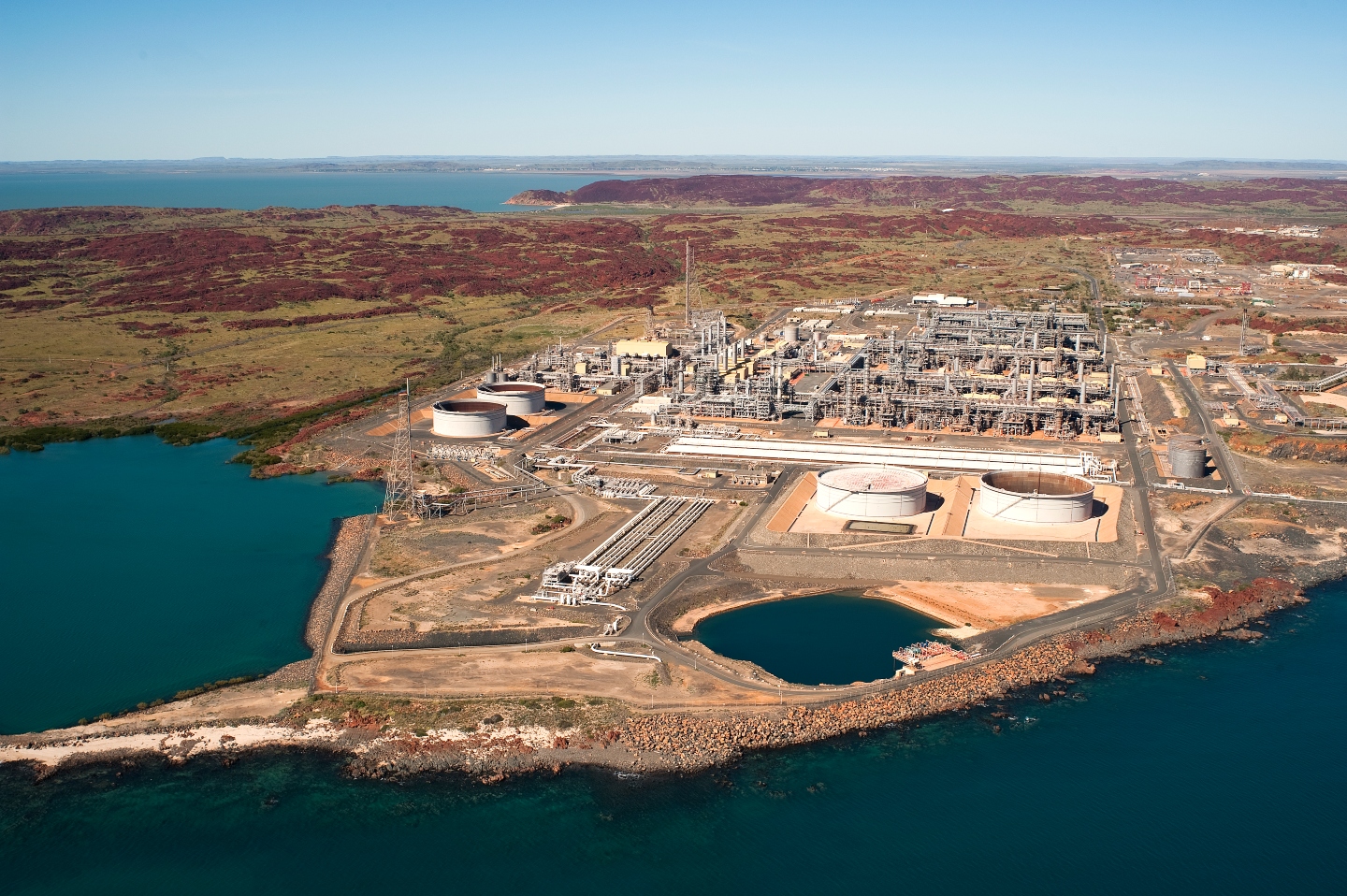
Woodside Energy has returned its North West Shelf gas operations to production, following last week’s cyclone.


Luigi Mangione’s continued support shows need for swift trial, prosecutor says
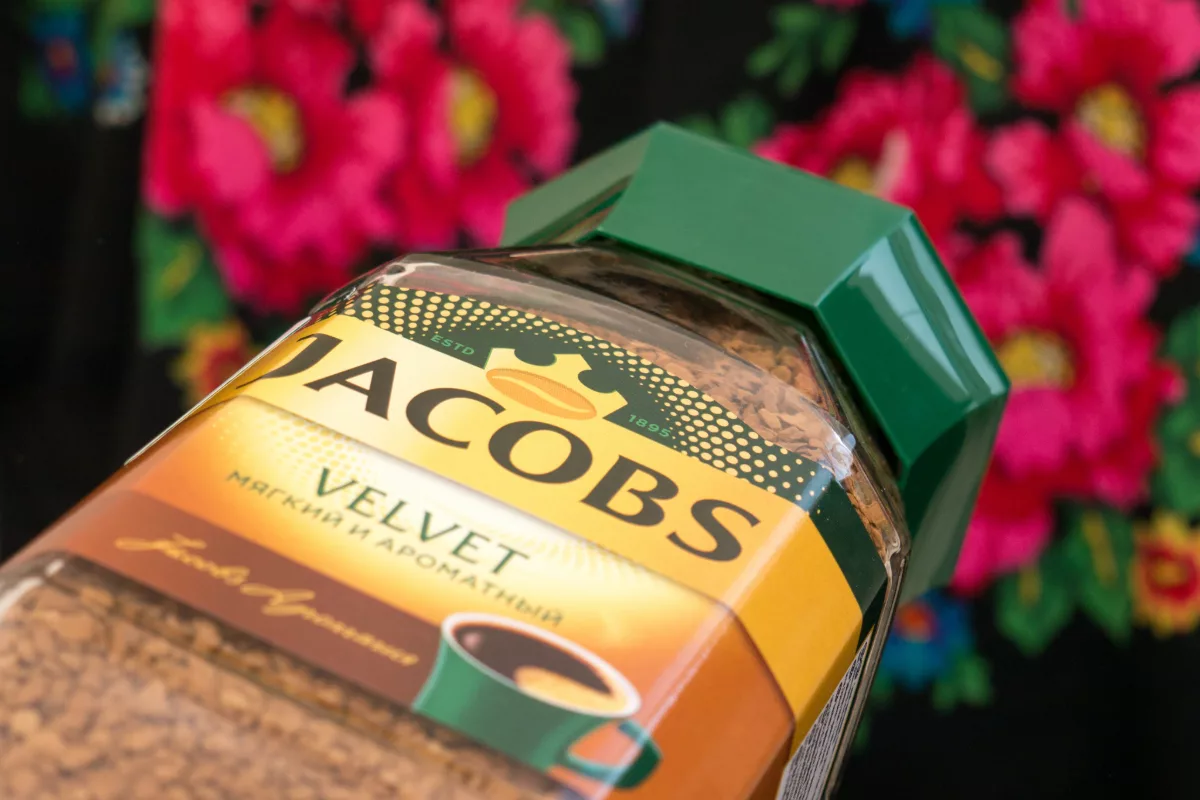

Peet’s CEO to lead new coffee company.

Hundreds of Chime users reported issues with the popular mobile banking app Wednesday morning, with complaints of login failures, frozen screens and inaccessible account balances disrupting daily transactions for the fintech giant’s millions of customers.

As of early Thursday, April 2, 2026, user reports on outage tracking sites like Downdetector showed elevated complaints focused primarily on the Chime app, with secondary issues involving funds transfers and mobile banking features. While Chime’s official status page listed all core services — including card purchases, phone support and account access — as operational, scattered user posts on social media and forums suggested intermittent problems affecting a subset of members.
Chime, a San Francisco-based challenger bank known for its fee-free checking and savings accounts, early direct deposit and SpotMe overdraft protection, has grown rapidly by targeting younger and underserved consumers. The company does not operate traditional branches and relies heavily on its mobile app and website for nearly all customer interactions.
“Many members are experiencing temporary difficulties accessing the app or completing certain transactions,” one user reported on social platforms early Thursday. Similar complaints described error messages, loading spinners that never resolved and an inability to view recent activity or make payments.
Downdetector data indicated that app-related issues accounted for the majority of recent reports, consistent with patterns seen in prior minor disruptions. Chime’s status page showed no active incidents as of late Wednesday, with the most recent resolved event dating back to late March when card controls were temporarily unavailable for some users.
What Users Are Reporting
Affected customers described a range of symptoms:
- Inability to log in or repeated authentication failures.
- App crashing or freezing on the splash screen.
- Balances and transaction history not loading.
- Failed attempts to send money via Pay Anyone or initiate transfers.
- Issues with mobile check deposit and card controls.
Some users noted that the web version of Chime at chime.com remained accessible in certain cases, offering a potential workaround. Others reported success after force-quitting the app, clearing cache, restarting their phones or toggling between Wi-Fi and mobile data.
“Chime app is down again — can’t even see my balance to pay rent,” one frustrated Bay Area user posted. Similar messages appeared across Reddit’s r/chimefinancial, Facebook groups and X, though the volume remained far below levels that would indicate a widespread, multi-hour outage.
Chime has not issued a public statement acknowledging a current incident. Its status page continued to display green across all monitored components, including card purchases, transfers and support channels.
Chime’s History With Service Disruptions
This is not the first time Chime users have faced access issues. The company has experienced several notable outages in recent years, often tied to third-party processors or cloud service providers. In October 2025, a widespread Amazon Web Services disruption affected Chime and other platforms, leading to delayed direct deposits and temporary unavailability of balances and transfers. Chime resolved that incident within hours and communicated updates via its status page and social channels.
A 2019 outage linked to a payment processor left millions unable to use debit cards or access cash for nearly two days, prompting a class-action settlement worth $1.5 million. Chime later improved its infrastructure and redundancy measures, but the reliance on digital-only delivery means even brief glitches can frustrate users who depend on the app for daily finances.
Unlike traditional banks, Chime partners with established banks such as The Bancorp Bank and Stride Bank for FDIC-insured deposits. Customer funds remain safe and accessible once systems stabilize, the company has emphasized in past incidents. No reports indicated lost or compromised funds in the current situation.
Workarounds and Troubleshooting Tips
For users facing issues Thursday, Chime and community members suggest several steps:
- Force close and restart the app: Swipe away the app completely and relaunch it.
- Clear cache and data: On Android, go to Settings > Apps > Chime > Storage. iOS users can offload the app or reinstall.
- Update the app: Ensure you have the latest version from the Apple App Store or Google Play.
- Try the website: Log in at chime.com using a browser for basic account viewing and some transactions.
- Contact support: Use the in-app help if accessible or call 1-844-244-6363. Response times may be longer during elevated call volume.
- Check internet connection: Switch networks or use mobile data if on Wi-Fi.
Chime’s customer support remains operational according to its status page. Members with urgent needs, such as pending bills or direct deposits, are advised to monitor their accounts closely once access resumes.
Broader Implications for Fintech Reliability
Chime serves millions of Americans who value its no-fee structure and early paycheck access. The company has positioned itself as a modern alternative to big banks, but repeated service hiccups highlight the challenges of operating at scale in a fully digital environment.
Industry analysts note that fintech outages often spike during high-traffic periods — early mornings when users check balances before work, or around direct deposit days. With many Americans living paycheck to paycheck, even short disruptions can create real stress for rent, groceries or bill payments.
Chime has invested in infrastructure improvements, including better monitoring and redundancy. However, as a non-traditional bank without physical locations, it faces heightened expectations for 24/7 digital reliability.
Users affected by the latest reports expressed a mix of annoyance and resignation. “This happens too often with Chime,” one commenter wrote. Others defended the service, citing its overall convenience and lack of overdraft or monthly fees.
What to Expect Moving Forward
As of Thursday morning, there was no indication of a prolonged or major outage. Most monitoring sites showed normal or only slightly elevated report volumes compared to baseline. Chime typically resolves minor app glitches quickly, often within minutes to a couple of hours.
Customers should continue checking the official status page at status.chime.com for real-time updates. The company also posts notices on its @Chime social media accounts during significant events.
For those relying on Chime for time-sensitive transactions, alternatives include using linked debit cards at ATMs or merchants (if card controls function), initiating transfers via the website or contacting recipients to explain potential delays.
Chime has grown into one of the largest U.S. fintech players by focusing on simplicity and accessibility. While occasional technical hiccups are common in the sector, the company’s rapid response in past incidents has helped maintain customer loyalty for many.
Members experiencing ongoing problems are encouraged to document issues with screenshots and reach out to support. In rare cases of financial hardship directly caused by an outage, Chime has occasionally offered goodwill gestures, though no such program has been announced for the current situation.
As the morning progressed Thursday, reports appeared to taper off, suggesting any intermittent issues were resolving naturally or through user-side fixes. Chime users in the Bay Area and across the country can expect normal service to resume fully soon, but staying informed via official channels remains the best approach.
For the latest updates, visit status.chime.com or monitor Downdetector. Safe banking, and remember that all deposits at Chime are FDIC-insured through its partner banks up to applicable limits.

Nike Inc. signage on the floor of the New York Stock Exchange (NYSE) in New York, US, on Wednesday, Dec. 31, 2025.
Michael Nagle | Bloomberg | Getty Images
When Nike reported fiscal third quarter earnings on Tuesday night, investors were looking for evidence its recovery is on track.
Instead, all they learned is the retailer’s turnaround is far from over, sending shares tumbling more than 14% in mid-day trading Wednesday.
During a call with analysts, finance chief Matt Friend warned sales would slide by a low single digit percentage through the end of this calendar year, as a decline in China is expected to offset growing strength in North America.
The company anticipates sales will fall between 2% and 4% in the current quarter, worse than the 1.9% growth analysts had expected, while it expects China sales will plunge 20% – even with a two point benefit from foreign exchange rates. Efforts to clean up Nike’s assortment in China and drive full price sales are expected to continue – and remain a drag on revenue growth – through fiscal 2027, slated to end next spring.
It expects to begin lapping the period when it started to get hit by higher tariffs in the first quarter of fiscal 2027, slated for this summer, which could give it easier year-over-year profit comparisons. Executives expect gross margins could begin expanding by the end of the year during the retailer’s fiscal 2027 second quarter – if they do at all.
Nike’s gross margin has declined year over year for seven straight quarters, and it may be harder to boost the metric now because product input costs could rise due to the war in the Middle East.
“The environment around us has become increasingly dynamic, and we could experience unplanned volatility due to the disruption in the Middle East, rising oil prices, and other factors that could impact either input costs or consumer behavior,” said Friend. “We are focused on what we can control, and these assumptions reflect the macro environment as it stands today.”

The lagging turnaround, the persistent bad news and the number of business arms Nike needs to fix to stabilize the entire enterprise left investors soured. The few pockets of good news – better-than-expected sales in China, growing wholesale revenues, continued growth in North America – weren’t enough to boost the stock.
On Wednesday morning, three of Wall Street’s biggest banks, Goldman Sachs, JP Morgan and Bank of America, all downgraded the stock, citing the dragging turnaround, growing headwinds and dwindling patience.
“We thought improved performance product innovation and lapping Win Now actions would result in a return to growth in 1Q27; instead, management has initiated guidance for sales to remain negative into 3Q27,” Bank of America analyst Lorraine Hutchinson said in a Wednesday note to clients. “Strong results in running and NA were the reasons for our patience but with the sales inflection now nine months away, we see little room for multiple expansion, leading to our downgrade.”
Throughout Nike’s call with analysts on Tuesday, Friend and CEO Elliott Hill kept predicting a return to sustained growth, but were once again vague about the timeline.
“We are increasingly confident we are on track to return to balanced growth in North America across both NIKE Direct and wholesale channels in the near term,” said Friend.
In his remarks, Hill said again that recovery is taking more time than he expected.
“This is complex work, and parts of it are taking longer than I’d like, but the direction is clear,” said Hill. “The urgency is real, and the foundation is getting stronger.”
Related Digital finalizes $16B financing for Oracle data center
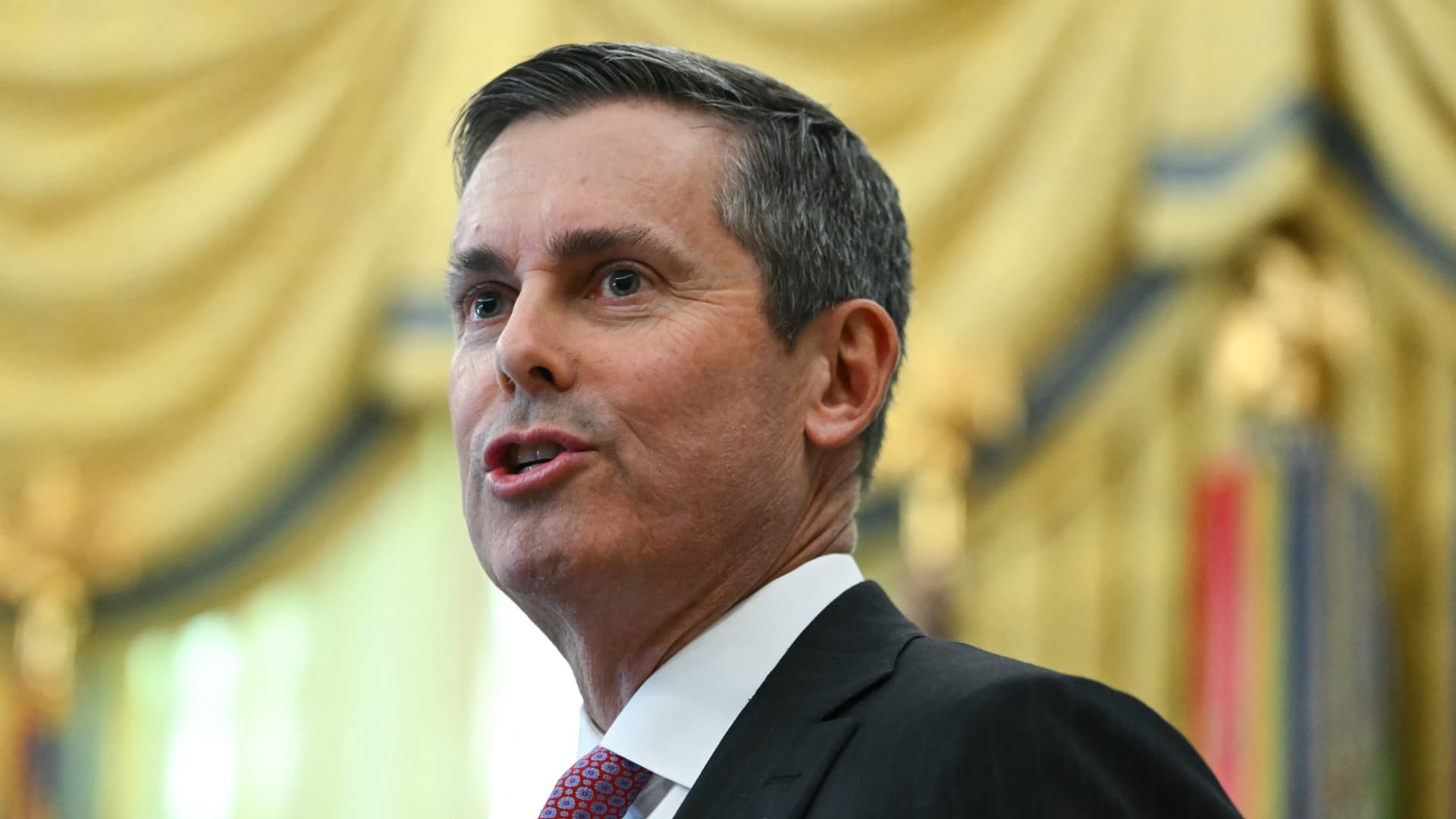
David Ricks, CEO of Eli Lilly, speaks in the Oval Office during an event about weight-loss drugs at the White House in Washington, DC on Nov. 6, 2025.
Andrew Caballero-Reynolds | AFP | Getty Images
Eli Lilly opposes the White House’s push to codify “most favored nation” drug pricing into law, CEO Dave Ricks said in an interview with CNBC.
Lilly is one of more than a dozen drugmakers that signed deals with the Trump administration last year agreeing to charge similar prices for prescription drugs in the U.S. as other wealthy nations. President Donald Trump has long complained that Americans pay high prices to subsidize low prices for medicine in the rest of the world.
The pharmaceutical industry thought the agreements would pacify those concerns and thwart attempts to make “most favored nation” pricing law. But the White House in recent months has pushed Congress to codify elements of the deals. The draft text hasn’t been shared publicly, though the administration has said it’s trying to get pharmaceutical companies back the effort.

Lilly doesn’t support it, Ricks said.
“When you throw it into the congressional process, what goes in is not what’s going to come out,” Ricks said. “And I think we see a lot of people who would rather reduce prices today and not worry about whether we have any new medicines tomorrow, not worry about whether America will have a robust drug industry and we’ll be able to do research in this country. And I worry about those things, so I don’t think that’s a great idea, and we’ve been pretty clear with the administration and the congressional leaders about that.”
Ricks said he thinks the Trump administration and leadership on the Hill are listening to the company’s concerns, but he said Lilly will use “all the tools we have to combat bad policy, and we think it would be bad policy.”

This Centre will assist Japanese companies to handle a variety of state-level regulations, a lack of transparency in the application of the law, and a complex tax system in India, according to persons familiar with the developments.
The new centre in the Japanese Foreign Ministry will also assist cooperation in sectors of artificial intelligence, startups and critical minerals, ET has learnt.
At the last annual Summit held in August 2025, New Delhi and Tokyo had set a goal of achieving 10 trillion yen ($62.6 billion) in private-sector investment in India over the next decade.
Japanese companies have been relatively slow in expanding into India. There were 1,434 Japanese companies here in 2024, notwithstanding the depth of political ties. In comparison as many as 6,000 Japanese companies operate in Thailand, and nearly 4,500 in Singapore, according to the Japanese Foreign Ministry.

Japanese FDI in India has increased in recent years but it remains small compared to Japan’s overall total outward FDI. Japanese outward FDI to India in 2022-23 and 2023-24 stood at USD 1.79 billion and USD 3.1 billion respectively, with USD 1.36 billion in 2024-25 (Up to December 2024), according to a note by the Indian Embassy in Japan. Cumulatively, from 2000 until December 2024, the investments to India have been around US$ 43.2 billion ranking Japan fifth among source countries for FDI. Japanese FDI into India has mainly been in automobile, electrical equipment, telecommunications, chemical, financial (insurance) and pharmaceutical sectors, according to the Embassy.
In 2024, over 60% of Japanese companies in India reported an increase in market share for their main products and services, among the highest in Southwest AsiaSurveys by the Japan Bank for International Cooperation show that Japanese manufacturers have viewed India as the most promising overseas location for four straight years. But the number of companies actually operating there has not grown, with many pointing to a business environment filled with issues difficult for businesses to address on their own, according to a report in Nikkei Asia published on Tuesday.
The Japanese Foreign Ministry is prioritizing economic cooperation with India for two main reasons. “First, India has the world’s largest population and maintains a high economic growth rate, meaning that it has significant potential as a market. Some forecasts suggest that India’s nominal gross domestic product could surpass Japan’s as early as 2026, making India the world’s fourth-largest economy, according to the Nikkei Asia report.
India’s strategic importance is Japan’s second reason for prioritizing cooperation. The two countries share core values, such as democracy and the rule of law and are part of Quad, the Nikkei Asia report mentioned.
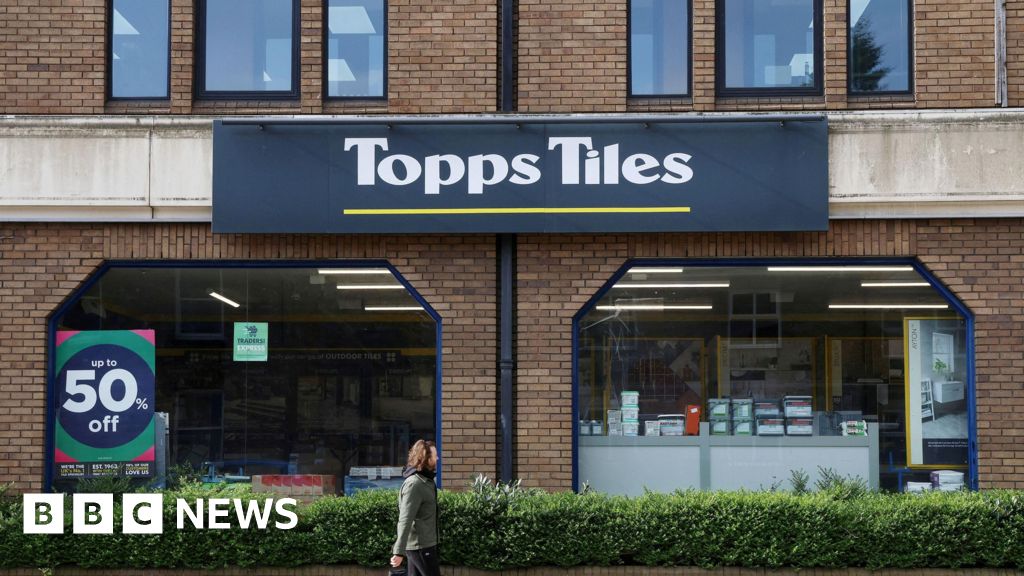
Topps Tiles says eight stores have already closed – with the rest to shut over the next six months.

One live music bar firm in Glasgow says it is facing a near six-fold increase and may have to lay off staff.

Genius Group Clears $8.5M Debt After Bitcoin Sale

Low pay and ‘political climate’ contributing to safety fears for London nightlife performers

2026 Valero Texas Open odds, predictions, field, favorites: PGA picks, best bets from 10,000 simulations


-

 News Videos7 days ago
Parliament publishes latest register of MPs’ financial interests
-

 Business6 days ago
Instagram, YouTube Found Responsible for Teen’s Mental Health Struggle in Historic Ruling
-
 Tech6 days ago
Intercom’s new post-trained Fin Apex 1.0 beats GPT-5.4 and Claude Sonnet 4.6 at customer service resolutions
-

 NewsBeat5 days ago
The Story hosts event on Durham’s historic registers
-

 Sports5 days ago
Sweet Sixteen Game Thread: Tide vs Michigan
-
Entertainment2 days ago
Fans slam 'heartbreaking' Barbie Dream Fest convention debacle with 'cardboard cutout' experience
-
 Entertainment4 days ago
Lana Del Rey Celebrates Her Husband’s 51st Birthday In New Post
-
Crypto World1 day ago
Dems press CFTC, ethics board on prediction-market insider trades
-

 Sports1 day ago
Tallest college basketball player ever, standing at 7-foot-9, entering transfer portal
-

 Tech3 days ago
The Pixel 10a doesn’t have a camera bump, and it’s great
-

 Entertainment7 days ago
HBO’s Harry Potter Series Will Definitely Fail For One Big Reason, And It’s Not J.K. Rowling Or Snape
-

 Crypto World2 days ago
U.S. rule change may open trillions in 401(k) funds to crypto
-

 Tech1 day ago
How to back up your iPhone & iPad to your Mac before something goes wrong
-

 Fashion6 days ago
En Vogue in Brown Leather and Tailored Neutrals by Atelier Savoir, Styled by J Bolin
-

 Politics2 days ago
Should Trump Be Scared Strait?
-

 Tech1 day ago
EE TV is using AI to help you find something to watch
-

 Fashion6 days ago
What Are Your Favorite T-Shirts for the Weekend?
-

 Fashion5 days ago
Weekly News Update, 3.27.26 – Corporette.com
-

 Tech2 days ago
Flipsnack and the shift toward motion-first business content with living visuals
-

 Fashion4 days ago
Amazon Sundays: Soft Spring Layers
You must be logged in to post a comment Login