
Business
Galaxy Surfactants shares hit 20% upper circuit as Q1 profit more than doubles YoY to Rs 166 crore


The company reported a consolidated net profit of Rs 165.9 crore for the quarter ended June 30, 2026, up 108.7% from Rs 79.5 crore in the year-ago period. Net profit also surged 165.8% from Rs 62.4 crore in Q4FY26. Revenue from operations rose 38.5% year-on-year to Rs 1,785.2 crore and 35.8% sequentially.
Operating performance set a new milestone for the company. Galaxy Surfactants achieved its highest-ever quarterly EBITDA of Rs 252.5 crore, up 86.9% year-on-year from RS 135.1 crore and rising 107.1% sequentially.
Operating profit margin broadened to 14.1% during the quarter, compared to 10.5% in Q1FY26. Operational efficiency was also evident in its unit economics, as EBITDA per metric tonne jumped to approximately RS 35,458 per MT, compared to RS 20,009 per MT in the same period last year.
The company delivered mid-single-digit year-on-year volume growth overall. India led the recovery, returning to low double-digit growth, while the Rest of the World (ROW) segment maintained mid-single-digit volume expansion. By product vertical, performance surfactants generated Rs 1,178.7 crore in revenue, while speciality care contributed Rs 603.2 crore. Both segments recorded mid-single-digit volume growth year-on-year.

Despite supply chain headwinds and geopolitical developments in West Asia, volumes in the Africa, Middle East, and Turkey (AMET) market declined only in low single digits year-on-year and staged a strong sequential recovery. Management attributed the overall quarterly gains to a better product mix, higher contributions from specialty care products, disciplined pricing actions, and demand recovery among Tier-1 FMCG clients.
Galaxy Surfactants Growth Outlook
Managing Director K. Natarajan highlighted that strategic risk management, supply chain agility, and disciplined commercial decisions allowed the firm to navigate raw material price volatility and global logistics challenges effectively.Also read: Tata Motors PV shares fall 5% after weak Q1 results. What are Morgan Stanley, Nomura, others saying?
Looking ahead, management expressed confidence in its long-term growth trajectory. While remaining watchful of geopolitical developments and their impact on global supply chains, the company sees strong demand in India and recovery in core client segments. Continued international demand for specialty care products is also expected to support growth through FY27.
(Disclaimer: Recommendations, suggestions, views and opinions given by the experts are their own. These do not represent the views of The Economic Times)

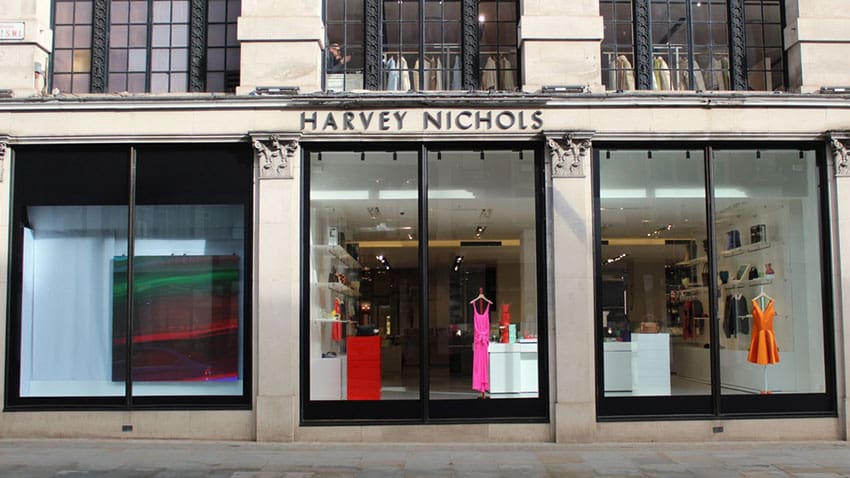
Mike Ashley’s Frasers Group has acquired the department store chain Harvey Nichols through a pre-pack administration covering about 1,000 jobs, the retailer’s six UK stores and its online and international franchise operations, according to administrators FTI Consulting.
FTI said the deal “safeguards a 200-year-old institution”.
Frasers, the FTSE 100 retailer, said it would begin a “significant restructuring” of Harvey Nichols to “right-size the business” and return it to profit. It said it would integrate the chain into the group and review and “rationalise” the store portfolio, organisational structure, operating model and cost base.
Michael Murray, chief executive of Frasers and Ashley’s son-in-law, said: “The turnaround will require tough choices, and we are prepared to make those decisions, even if that means a smaller business in the near term, to create a stronger and more sustainable Harvey Nichols for the long term.”
The deal follows a sales process in which Frasers beat Next, the London-listed retailer, to take control of the business.
Harvey Nichols had warned in its latest accounts that it would need to “cease trading” within a year if it failed to secure new investment. Ashley has said the chain was in a “death spiral”.
Harvey Nichols has not made a profit since the pandemic. It has been squeezed by online competition, high costs, under-performing regional stores and weaker spending from international tourists. Rivals including Harrods and Selfridges have invested heavily in their shops and online businesses.
The six UK stores are in Knightsbridge in west London, Manchester, Birmingham, Bristol, Leeds and Edinburgh. Harvey Nichols has 13 shops globally, including seven locations in the UK and Ireland. Frasers said it had acquired some assets at the Dublin store, including stock and store fixtures, and that talks over that business continue.
The Oxo Tower restaurant on London’s South Bank, which Harvey Nichols has operated since 1996, has been sold separately to the team behind Fallow. FTI said this would preserve more than 100 jobs and the operations of the business.
Lindsay Hallam, senior managing director at FTI Consulting, said: “From the outset, our focus was to find a solution that protected the underlying value of the business, securing a future for a 200-year-old retailer, and delivering the best possible outcome for stakeholders.”
The acquisition deepens Frasers’ push into upmarket retailing, and the group said it hoped to expand its relationships with luxury brands including Gucci, Moncler, Burberry, Prada and Dior. Murray has previously warned of a softening global luxury market as sales in the group’s premium division fell.
Louise Déglise-Favre, lead apparel analyst at GlobalData, said Frasers had “spent several years constructing a luxury proposition that it has been unable to fully realise”.
She added: “While Flannels provided scale, and the group’s shareholdings in Mulberry and Burberry provided proximity to brands, the houses that define genuine luxury have remained reluctant to trade within a Frasers fascia.”
Déglise-Favre said the outcome of the deal was likely to be a “more concentrated luxury proposition centred on Knightsbridge, with weaker stores absorbed under the other fascias within the group, such as House of Frasers or Flannels”.
The position of Harvey Nichols creditors, including suppliers, landlords and HM Revenue & Customs, is unclear.
Lisa Webb, senior lawyer at Which?, said: “Fraser’s Group must ensure that existing obligations to Harvey Nichols’ customers are honoured if it wants to maintain goodwill in the brand. That means accepting gift vouchers, fulfilling online shopping orders and processing returns and refunds as if nothing has changed. No consumer should be left out of pocket as a result of this sale.”
A pre-pack involves lining up a buyer ready to acquire a business straight after it enters administration. Supporters say the structure is an efficient way to rescue struggling businesses, save jobs and maximise returns to creditors, while critics say it can leave creditors with unpaid debts. Sales to connected parties are subject to mandatory independent scrutiny under 2021 regulations, a regime insolvency professionals warned at the time could remain open to abuse.
Frasers has acquired a number of distressed brands through pre-packs. The company was renamed from Sports Direct in 2019 after Ashley bought House of Fraser. Ashley stepped down as chief executive in 2022 but remains majority shareholder.
Shares in Frasers closed up 13p, or 1.6 per cent, at 817½p on the London Stock Exchange following the deal, valuing the company at £3.6 billion.

Jamie Young
Jamie Young is Senior Reporter at Business Matters, covering SME finance, employment law and Westminster policy since 2016. He has reported on every Budget and Autumn Statement since 2018, helped make sense of the ‘covid era’ and the bounce-back loan scheme from launch through the fraud investigations, and broke the magazine’s coverage of the 2024 late-payment reforms. He joined Business Matters straight from completing his BA in Administration from Exeter University and is NCTJ-qualified. Reach him at jyoung@cbmeg.co.uk

Why is Cohort stock surging today?

European software shares jump on report of Silver Lake’s Workday buyout talks

Hartford Capital Appreciation Fund Q2 2026 Commentary

Amidst global trade tensions, ASEAN aims to become the world’s fourth-largest economy by offering a dynamic, safe, and neutral business hub. The bloc is prioritizing rapid and quality transformation through enhanced integration, resilience, and addressing education and inclusion challenges.
Key Points
- During a period of geoeconomic and trading tensions, the Association of Southeast Asian Nations (ASEAN) is seeking to capitalize on its advantages and address its challenges.
- The bloc’s aim is to offer investors and partners a dynamic, safe, neutral space in which to do business and trade.
- Both the speed and quality of the bloc’s transition are being considered, with emphasis laid on greater integration, enhancing resilience and tackling issues like education and inclusion.
Recognizing the need for regional connectivity and diversification, ASEAN leverages its neutrality and peace to attract investors in a changing geopolitical landscape. It’s also investing in digital infrastructure, focusing on interoperability for trade, health, and e-commerce, while acknowledging the need to upskill its young population. Addressing climate change and fostering innovation are key to its future growth.
The current period of profound geopolitical transformation presents enormous opportunities and risks for countries worldwide, but perhaps none more so than the countries of the Association of Southeast Asian Nations (ASEAN).
The 11-nation bloc is seeking to become the world’s fourth-largest economy and offers a neutral, loosely harmonized, open, dynamic, increasingly entrepreneurial partner, and, according to Tulsi Naidu, Chief Executive Officer, Asia-Pacific, Zurich Insurance Group, “a compelling growth opportunity”.
Described as the most “trade-driven region,” it has shown remarkable resilience in a hostile trading environment where its members have faced US tariffs ranging from 10% to 48% in recent months.
Finding strength through collaboration
As Masato Kanda, President of the ADB, suggested, further “regional connectivity and diversification of industry and trade are the best protection against external shocks,” and with leaders cognisant of this, ASEAN is working hard to transform faster.
Like many trading blocs, ASEAN is currently questioning how best to address geopolitical and economic events. According to Thailand’s deputy prime minister, Ekniti Nitithanprapas, it’s vital ASEAN members continue to work together. As regional blocs replace multilateral set-ups and institutions, investors will naturally be looking for safety; it’s envisaged they that ASEAN’s long-standing neutrality and relative levels of peace will prove attractive. Additionally, ASEAN has a chance to reap dividends by positioning itself as a “springboard to grow to other regions”.
Other People are Reading

Indexing Autocalls
Globalt Investments senior portfolio manager Keith Buchanan discusses the airline industry, JPMorgan and his top market picks for the near future on ‘The Claman Countdown.’
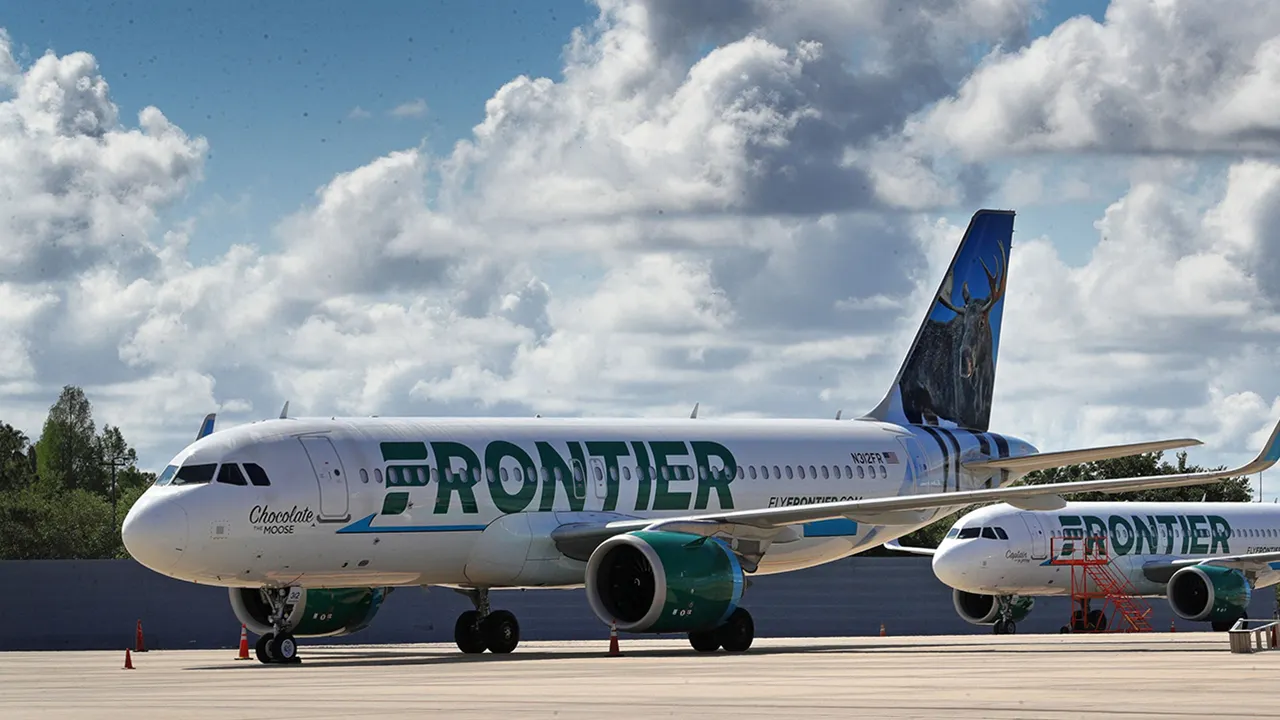
A Frontier Airlines flight reportedly declared a medical emergency Thursday after four flight attendants became sick with headaches and nausea shortly before landing in Florida.
Frontier Flight 1046 was traveling from Cleveland to Fort Lauderdale-Hollywood International Airport when the pilots requested that emergency medical personnel meet the Airbus A321 at the gate, according to air traffic control communications reported by PYOK.
The aircraft landed at Fort Lauderdale-Hollywood International Airport without incident, where emergency responders were waiting, according to the outlet.
As the aircraft approached South Florida, one of the pilots alerted air traffic controllers to a “developing medical” situation on board.
BUDGET AIRLINE JETSTAR TO CHARGE PASSENGERS FOR STORING BAGS IN OVERHEAD COMPARTMENTS
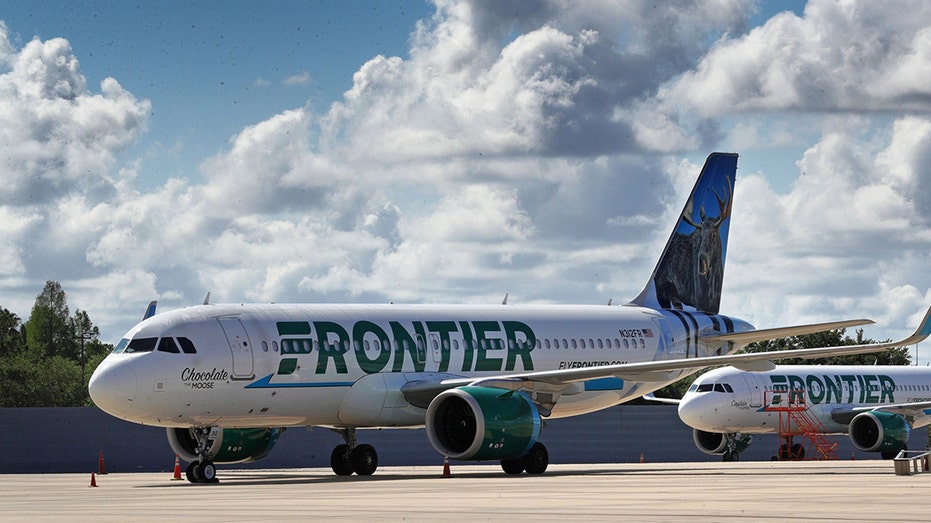
A Frontier Airlines flight from Cleveland to Fort Lauderdale reportedly declared a medical emergency after four flight attendants became sick shortly before landing. (Joe Burbank/Orlando Sentinel/Tribune News Service / Getty Images)
“If you could call the tower and have them meet at our gate for a developing medical,” the pilot said in the radio call.
When asked about the nature of the medical emergency, the pilot said multiple flight attendants were experiencing symptoms.
“All my flight attendants have headaches, and now three, now four, are nauseous,” the pilot said.
RYANAIR PASSENGER RECOUNTS BEING PARTLY SUCKED OUT AIRPLANE WINDOW: ‘I AM LUCKY’
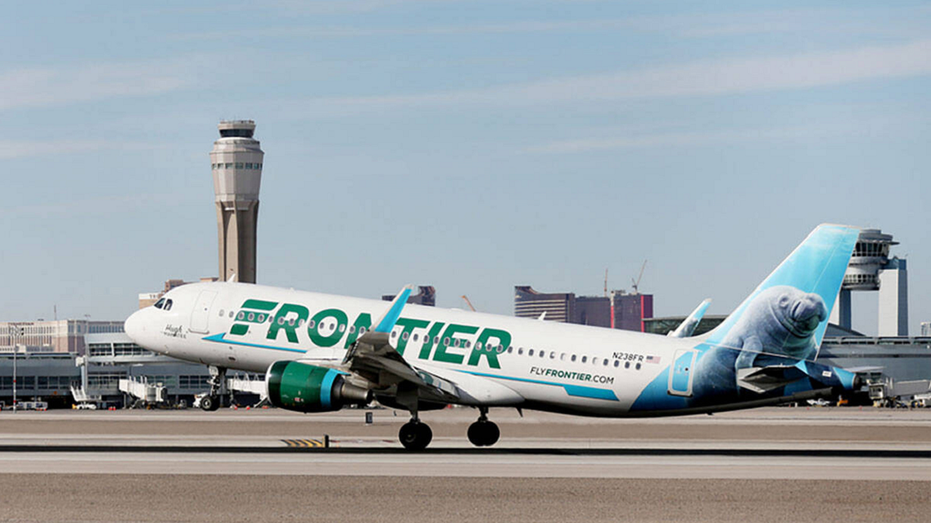
Emergency medical personnel were waiting when Frontier Flight 1046 landed at Fort Lauderdale-Hollywood International Airport after multiple crew members became sick, according to a report. (Elizabeth Page Brumley/Las Vegas Review-Journal/Tribune News Service via Getty Images / Getty Images)
The aircraft, a 10-year-old Airbus A321, departed Cleveland shortly before 8 a.m. on Thursday. It was scheduled to return to Cleveland at 11:30 a.m., but that flight was canceled, according to PYOK.
The cause of the flight attendants’ illnesses was not immediately known, and their conditions after landing were unclear.
GET FOX BUSINESS ON THE GO BY CLICKING HERE
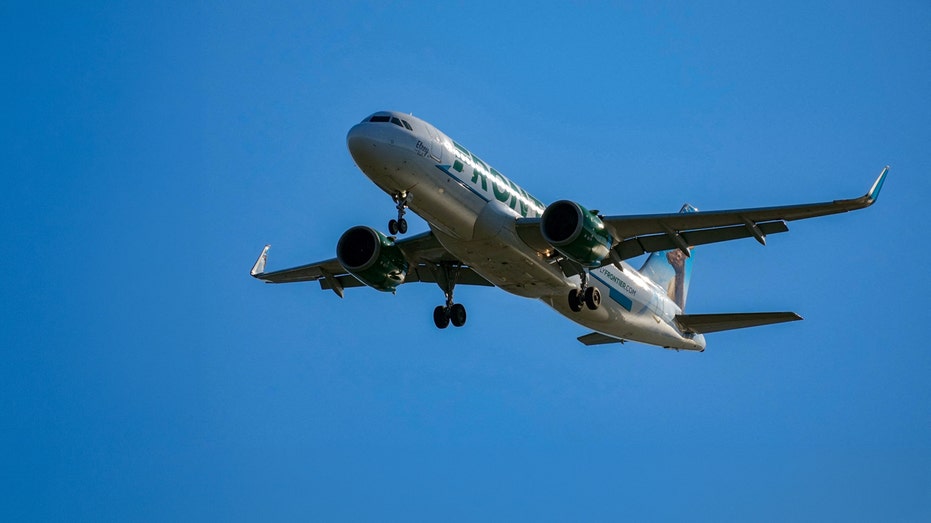
Four flight attendants aboard Frontier Flight 1046 reportedly experienced headaches and nausea as the aircraft approached Fort Lauderdale, Florida. (Ken Cedeno/Reuters / Reuters)
FOX Business has reached out to Frontier Airlines for comment.
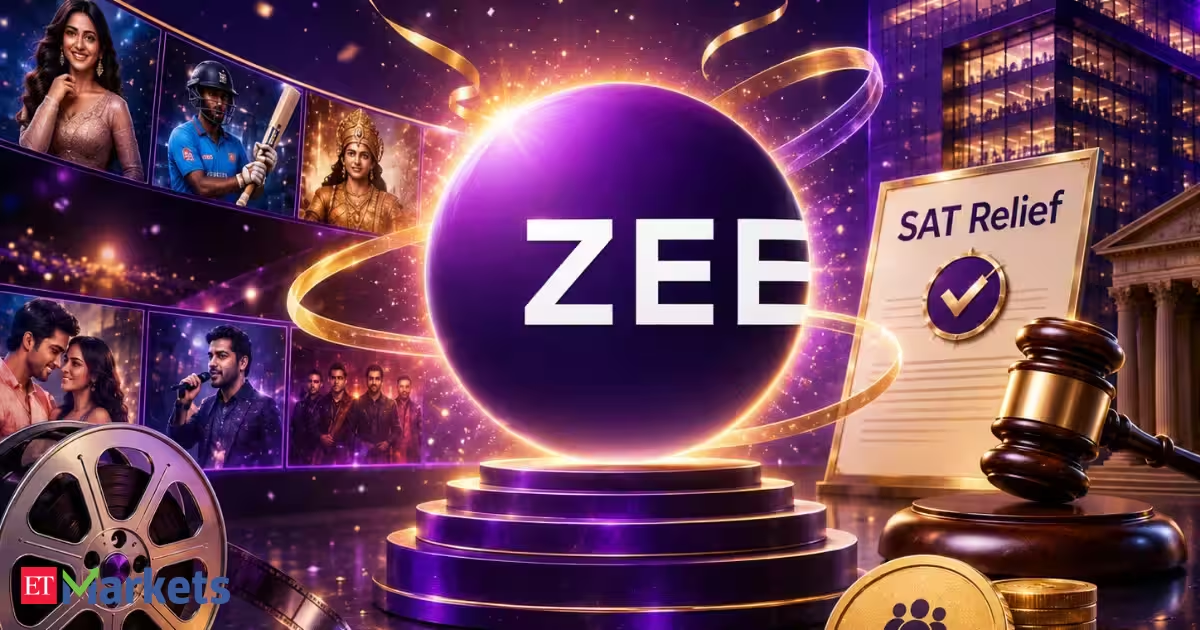
SAT stayed the SEBI order against Zee Entertainment and permitted the company to go ahead with its proposed Rs 3,143 crore preferential warrant issue to promoters. The tribunal also allowed ZEE to use its mutual fund units for dividend distribution. The relief is subject to the company depositing the penalty imposed by SEBI.
The tribunal had on Wednesday reserved its order on interim relief pleas filed by Zee Entertainment and CEO Punit Goenka against SEBI’s July 31 order, which barred them from accessing the securities market.
The SEBI action stems from title documents related to a Hyderabad property owned by ZEEL. The regulator alleged that the title deeds were provided to Indiabulls Housing Finance as security for loans taken by private entities linked to the promoters without the necessary corporate approvals.
ZEEL has disputed the allegations, saying the documents were taken without authorisation and that there was no direct finding establishing that the company was aware of the arrangement. The company has also argued that it did not itself engage in fraudulent activity in the securities market.
ZEEL had approached SAT seeking permission to complete the proposed Rs 3,143 crore preferential warrant issue, citing a limited window available for the fundraise. The company told the tribunal that shareholders had already approved the issue and that it had received in-principle approval from the stock exchanges. The warrants are proposed to be issued to Sunbright Mauritius Investments, a promoter-group entity.
During the hearing, SAT questioned SEBI’s reasoning for preventing ZEEL from completing the fundraise during the two-month market-access ban, noting that the company could undertake the transaction after the restriction ended.SEBI argued that allowing the preferential issue while the market-access restriction was in force would dilute the impact of the ban imposed following regulatory violations.
The regulator also opposed Punit Goenka’s participation in the issue, arguing that he is the ultimate beneficial owner of Sunbright Mauritius Investments and is himself subject to a one-year securities-market ban. SEBI said allowing the allotment through the Mauritius-based entity could effectively give Goenka indirect access to the securities market.
(Disclaimer: Recommendations, suggestions, views and opinions given by the experts are their own. These do not represent the views of Economic Times)

Navamedic Q2 2026 slides: margins surge despite flat revenue growth

I retired early after 22 years in the energy industry with roles in engineering, planning, and financial analysis. I have managed my own portfolio since 1998 and have met my goal to match the S+P 500 return over the long term with lower volatility and higher income. I mostly write on positions I already hold or am considering changing. I prefer to hold positions for the long-term unless there is a compelling reason to sell. I look for investment opportunities without regard to asset class, market cap, sector, or yield. I would rather maximize total return over time by buying when price is low relative to intrinsic value.
Analyst’s Disclosure: I/we have a beneficial long position in the shares of HHH, BRK.B either through stock ownership, options, or other derivatives. I wrote this article myself, and it expresses my own opinions. I am not receiving compensation for it (other than from Seeking Alpha). I have no business relationship with any company whose stock is mentioned in this article.
Seeking Alpha’s Disclosure: Past performance is no guarantee of future results. No recommendation or advice is being given as to whether any investment is suitable for a particular investor. Any views or opinions expressed above may not reflect those of Seeking Alpha as a whole. Seeking Alpha is not a licensed securities dealer, broker or US investment adviser or investment bank. Our analysts are third party authors that include both professional investors and individual investors who may not be licensed or certified by any institute or regulatory body.

Farage’s by-election victory won’t stop questions about finances

Harvey Nichols sold to Frasers Group in pre-pack deal

Wall Street Journal moves to dismiss Binance defamation case

Weekend Open Thread: Staud – Corporette.com

Weekend Open Thread – Corporette.com

Weekend Open Thread: Brooks Brothers

Can I Quit My Job With S$35K Savings? Financial Planner Reviews Gen Z Profiles

‘Money Is Everything’ A Billionaire Shares The Importance Of Money In Today’s World | Curly Tales

Why BlackRock Thinks Bitcoin Goes to $750k (XRP & TAO news)
-

 Fashion7 days ago
Weekend Open Thread: Mattifying Sunscreen
-

 Fashion7 days ago
Frugal Friday’s Workwear Report: Cap-Sleeve Pointelle Crewneck Sweater
-

 News Videos6 days ago
Can Astrology Help Find Gold and Silver Trends? A Financial Astrology Guide
-

 Tech6 days ago
Rinn Pharma & Biopharma to join NordicPharmaTrain network
-

 Business5 days ago
How to Start a Cleaning Business: A Step-by-Step Guide
-

 Business5 days ago
Datadog: Best Of Breed For Multiple Reasons
-

 Business5 days ago
BDC Weekly Review: Private BDC Q2 Numbers Are Strong
-
 NewsBeat2 days ago
Communication cards help banking customers access services or report scams
-
 Business3 days ago
Oil Price Today (August 11): Crude oil rises to $88 after Trump’s compensation demand dents Hormuz opening. Here’s why
-

 Fashion7 days ago
Weekly News Update, 8.6.26 – Corporette.com
-

 Fashion7 days ago
Irina Shayk Wows in REVOLVE Los Angeles’ Summer Styles
-

 Fashion7 days ago
Burberry Fall 2026 Takes On Commuter Style
-

 Fashion5 days ago
Amazon Sundays: Closet Care Before Fall
-

 Politics6 days ago
Be quiet, Miriam! – spiked
-

 Business6 days ago
Mutual Fund Manager Scoops Up Beaten-Down Stocks
-

 Sports7 days ago
Report: Kawhi Leonard had undisclosed deal with Clippers’ scoreboard maker
-

 Politics4 days ago
Ben-Gvir’s crocodile project halted but abuses at Ketziot Prison continue
-

 Crypto World7 days ago
How XRP holders can earn $4,600 daily
-

 Entertainment7 days ago
Warren Hudson’s Dad Releases Audio Of Threats
-
 Entertainment6 days ago
10 R-Rated Drama Movies That Can Be Called Masterpieces
You must be logged in to post a comment Login