

Business
Geopolitics, crude risk and the IT conundrum: Sridhar Sivaram on why investors may need to stay selective

Speaking to ET Now, Sridhar Sivaram from Enam Holdings said the biggest concern is the potential disruption to energy flows from the Gulf Cooperation Council (GCC) region, a crucial economic partner for India.
“Yes, if at all any of us knew where and how it will end, one is only hoping that this ends fast and it does not prolong for too long because unlike the Russia-Ukraine war which was more in the hinterland and it was literally landlocked, did not affect too many people apart from little bit of European impact. This has impact on crude. I mean, we import almost 50% of our crude from the GCC countries and a large part of our LNG imports come from there. Remittances come from there. So, this has a larger impact if this continues for a longer period of time. So, one would only hope that this gets resolved faster and does not prolong as long. But if it does prolong, then we do have an issue.”
He added that the current situation is unlikely to return to complete normalcy immediately and that energy prices may remain elevated in the near term. “The general view is that this does not prolong for too long and some sort of normalcy will come back. I do not think this will be 100% normalcy. So, it does have an impact. I do not see crude come back to the 60 handle in a hurry. Maybe it will come back once all the production comes back. So, in the short term, it is a negative for India, that is how I would put it. But our markets have corrected. So, I guess a lot of it is already priced in.”
Currency pressure has also become a talking point, with the rupee breaching the 92-per-dollar mark recently. Sivaram believes foreign institutional investors (FIIs) have been reducing exposure to India partly due to better earnings opportunities across Asia. “So, one of the reasons for FIIs selling and in the last 18 months more so is because Asia is going through, I would say, an earnings super cycle. So, this year Korea will have… the market will have a 100% earnings growth. Even the likes of Taiwan will have say 25% to 30% growth and this is broadly the AI related because the chips and the DRAMs are in short supply. But even China earnings growth is somewhere in the 15% to 18% bracket.”

India, on the other hand, has struggled with slower profit growth over the past year and a half. “So, I think that is the challenge that India has struggled with single-digit earnings growth for the last 18 months. We think that earnings growth for the next year which is FY27 which starts from 1st April right now, we could come closer to the 15% handle, which is a good news. But when you compare it with Asia, when I speak to my ex-colleagues and friends in New York, they say 15 is great but your valuations are 20 times whereas Taiwan, Korea, China are almost at single digit. So, that is the challenge.”
According to Sivaram, the relative attractiveness of other Asian markets could delay a meaningful return of foreign capital to India. “Korea has had lot of volatility, but that market is still up 30% for the year. Year to date it is up 30%. So, those are the challenges we are facing. It will take some time for the FIIs to come back, that is my view.”From a macroeconomic perspective, the broader concern lies in India’s heavy dependence on the Gulf region for energy imports, remittances and trade. Sivaram pointed out that the economic linkages extend beyond oil alone. “It is very difficult to exactly pinpoint what the impact could be. As I said, if this prolongs for more than a month or say two months, then we have a massive impact. The broad view is this does not happen, but we do have an impact. As I said that if we are importing 50% of our crude from GCC, almost 30% or 40% of our LNG comes from this area, 50% of remittances come from this area, so we have multiple macro touch points which come from the GCC countries.”
He noted that even though the conflict involves only a few countries, its economic impact spreads across the entire region. “So, unfortunately this has impacted the entire GCC, that is the sad part that even though the war is between two countries or two-and-a-half countries, it has impacted the entire GCC nation. So, it will be foolish to think that this will have no impact.”
In the near term, companies with exposure to the Middle East may face earnings uncertainties. “There will be significant impact fact in this quarter because number of companies export a lot of reasonable percentage to this region. So, we will have to wait and see how this plays out. But my view is that it will settle down in a quarter’s time. So, I am not saying like this is a screaming buying opportunity or something. You have to be very selective.”
Despite geopolitical risks, Indian benchmark indices have held up relatively well over the past year, although the broader market has been under pressure. Sivaram said headline indices can sometimes mask underlying weakness. “So, actually, the Nifty masks the problem that we have in the broader market. I mean, all of us know that the broader market has seen significant pain. So, the Nifty also has been helped by a few sectors here and there.”
Looking ahead, he believes earnings growth could recover partly because of a favourable base effect. “I do think that the next year we will see 15% growth because we have a very low base effect. We all had single-digit earnings growth for almost six to eight quarters now. So, it does flip because our base is low. So, there is opportunity. I am just saying that one has to be stock specific.”
One sector where Sivaram remains cautious is information technology. The sharp correction in IT stocks has sparked debate about whether the sector now offers value, but he believes structural challenges remain. “So, I have to say that in our own firm, we have differing views and these are my personal views. And I have been very negative on IT for over two years for exactly this reason that the AI impact and my broad view is, it is not like these companies are going to die tomorrow. Their revenues are going to become zero. The terminal value is eroding. So, it is a PE derating event which a lot of people are missing.”
He compared the situation to the transformation seen in the media industry over the past decade. “I give example of the media sector. Go back 10 years and see the large media companies and the view was OTT will not affect them. Are these companies still existing? Yes. Are they making profits? Yes. But the profit growth is flat for the last five years. Their PEs are single digit. So, this is a derating event.”
Sivaram also highlighted the broader implications of the shift towards artificial intelligence for India’s technology sector and employment landscape. “This is a problem not only for the IT sector, it is a problem for the larger employment related stuff because total number of employees in this segment. You are not hiring people. It has a second derivative impact which is much larger.”
While AI has become a major investment theme globally, he believes India currently lacks a clear opportunity for investors looking to participate in the trend. “I do not think we have a clear AI play. I mean, that is the ground reality. No FII is coming to India to play the AI trade. The AI trade as far as Asia or emerging market is concerned is in Korea, Taiwan and their earnings are real.”
For now, the message for investors appears to be one of caution rather than panic. With geopolitical risks, global competition for capital and sector-specific challenges all at play, the market may continue to reward careful stock selection rather than broad-based buying.

Ciena Corp earnings beat by $0.19, revenue topped estimates

Form 4 First National Corp For: 5 March
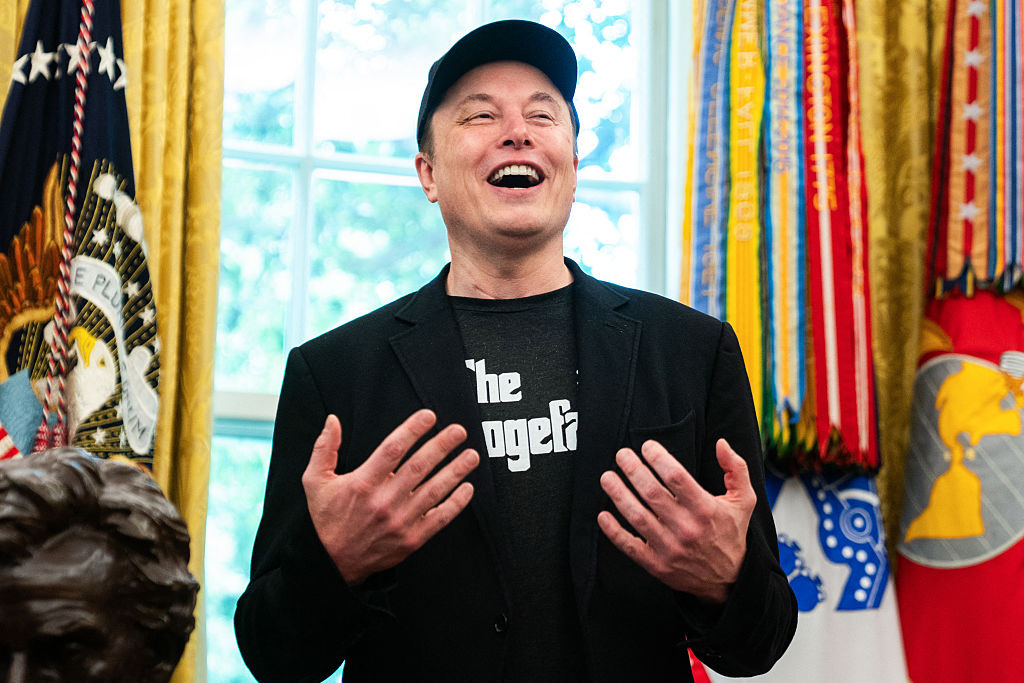
Elon Musk took the stand Wednesday in a federal court in San Francisco, defending himself against claims that he manipulated Twitter’s stock to lower its price before buying the company for $44 billion in 2022.
The class-action lawsuit, filed in October 2022, was brought on behalf of Twitter shareholders who sold stock between May 13 and October 4, 2022, weeks before Musk finalized the purchase.
Plaintiffs allege that Musk made false and misleading public statements to intentionally drive down Twitter’s share price, violating federal securities laws.
Musk, Tesla’s CEO, had agreed to take Twitter private in April 2022. On May 13, he tweeted that the deal was “temporarily on hold” while he reviewed the number of spam and fake accounts on the platform CBS News reported.
Twitter’s stock dropped nearly 10% that day. A few days later, Musk tweeted the deal “cannot go forward,” claiming up to 20% of accounts were fake, according to the lawsuit.
Plaintiff lawyer Aaron P. Arnzen questioned Musk about his tweets and his prior purchase of Twitter stock. Musk said he didn’t consider his stock purchases material enough to disclose to the SEC and noted, “I’ve bought stock in many companies” without tweeting about it.
He added that once he publicly mentioned the deal, Twitter’s stock jumped 27% in a single day.
Elon Musk Threatened to Abandon Twitter Deal
Regarding the May 13 tweet, Musk told the court that the statement about the deal being temporarily on hold was similar to “saying you’re going to be late for a meeting. (It doesn’t) mean you are not going to be at the meeting.”
Musk repeatedly said he was “simply speaking my mind” when asked if he considered how the tweets might affect the stock.
The lawsuit also focuses on Musk’s actions in July 2022, when he threatened to abandon the deal over the number of spam accounts, despite waiving due diligence.
Musk admitted he assumed Twitter’s SEC filings were accurate, saying, “It subsequently turned out they misrepresented the number of bots. They lied.”
Twitter eventually sued Musk to enforce the deal, and Musk countersued.
According to CBNC, he later completed the acquisition at $44 billion in October 2022, subsequently rebranding Twitter as X and merging it with his other ventures, including xAI and SpaceX.
Originally published on vcpost.com

Mortgage rates have risen since the U.S. and Israel began striking Iran. The conflict has sent Treasury yields higher, which play a key role in setting mortgage rates. The average 30-year fixed mortgage rate reached 6.07%, Bankrate said on Tuesday.
The average rate for a 30-year fixed mortgage in the U.S. had dipped below 6%, for the first time in years, in the days before the conflict started. Freddie Mac will offer a more detailed picture of mortgage rates when it releases data on Thursday. President Trump has been pushing for lower mortgage rates.

USA Rare Earth to acquire Texas Mineral Resources for $73 million
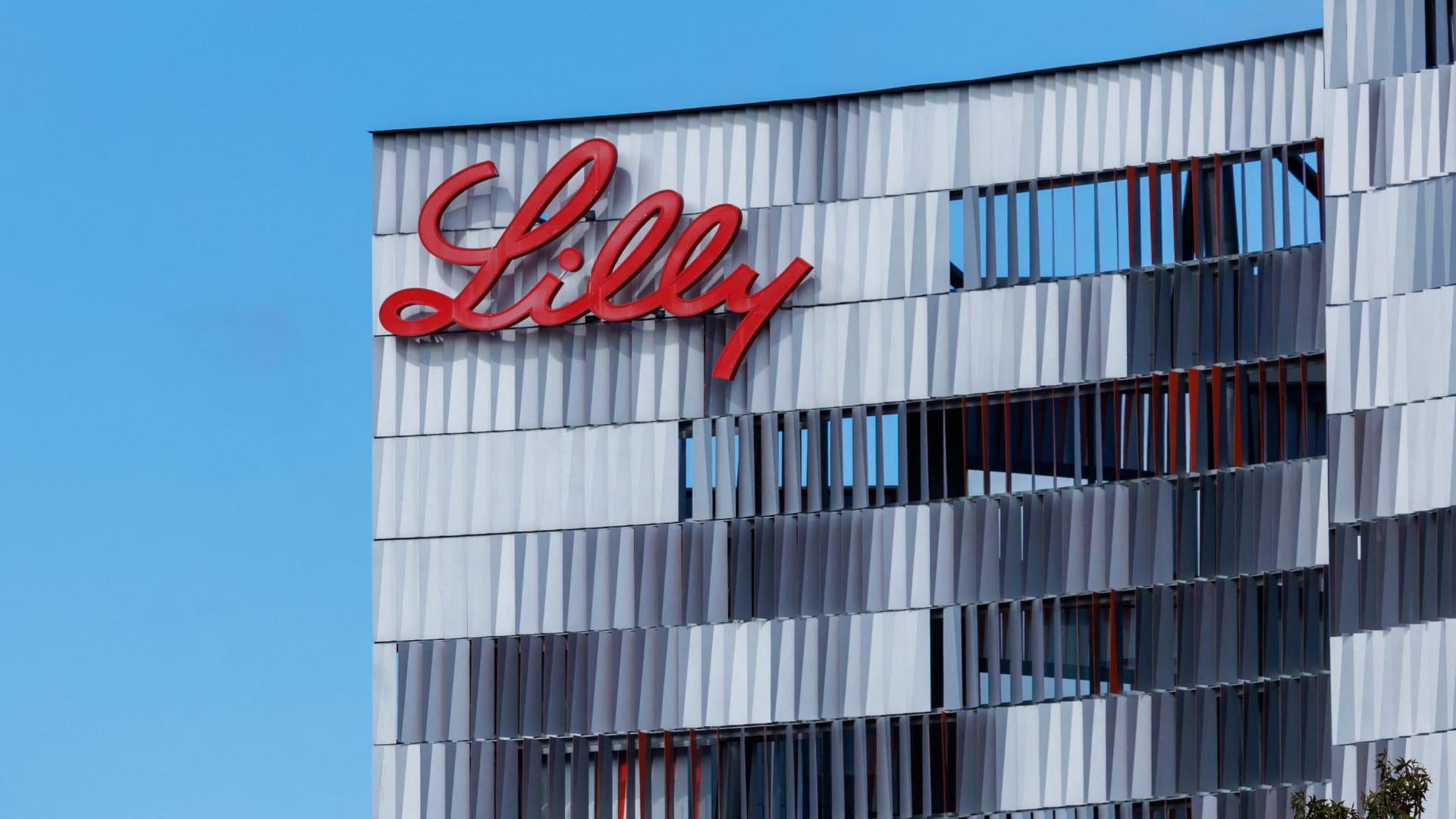
Eli Lilly on Thursday launched a new program designed to help more employers cover obesity drugs in the U.S., targeting a major barrier to access for patients.
Lilly and its chief rival, Novo Nordisk, have moved to slash the cash prices of their popular obesity injections for those who want to pay entirely out-of-pocket. But employer coverage of obesity drugs remains uneven due to high costs, leaving roughly half of people with commercial insurance unable to start or stay on treatment, Lilly said in a release. List prices for Lilly’s weight loss and diabetes treatments, Zepbound and Mounjaro, top $1,000 per month.
Nearly one-fifth of firms with over 200 workers, including 43% with 5,000 or more workers, said they cover GLP-1 drugs for weight loss as of October, according to a survey by the Peterson-KFF Health System Tracker.
“I think we’ll learn in the coming months ahead, if this is a solution that maybe enables some employers who have been sitting on the sidelines to opt into obesity coverage for their employees,” Kevin Hern, senior vice president of Lilly Employer, said in an interview. He added that some employers could opt to add coverage in the upcoming months, while others could wait until 2027.
Eli Lilly’s new “Employer Connect” platform gives employers more flexibility in how they cover obesity treatments, aiming to broaden employee access to the drugs at low out-of-pocket costs, while also limiting expenses for companies. Hern said the program addresses some of the “core tensions” for employers when considering coverage of obesity drugs, including transparency around drug prices, flexibility in benefits design and the ability to choose among independent administrators.
Through the program, employers can pay a net discounted price of $449 per month for a new multi-dose form of Zepbound across all doses, Hern said. He added that the arrangement does not involve rebates, and that the net price gives employers clearer visibility to determine whether they can offer the drug.
Instead of relying on traditional benefit designs, employers can use Lilly’s platform to connect with more than a dozen different third-party program administrators that help manage obesity treatment benefits and costs.
“Every employer is different. They all want to design things according to their unique needs and workforce,” Hern said.
Employers can choose among the 15 administrators to design benefits that fit their budget and workers’ needs. Some of the administrators may focus on administering the obesity benefits to employees, dealing with core functions such as enrollment, eligibility, claims and more. Other administrators may specialize in comprehensive obesity management, offering telehealth, nutrition and lifestyle support for patients.
Lilly plans to expand the number of program administrators on the platform, which already include GoodRx, Mark Cuban’s Cost Plus Drug Company, Sesame, Teladoc Health, 9amHealth, Andel, Calibrate Health, Crux Health, eMed, FlyteHealth, Form Health, Goodpath, Ilant Health, Onsera Health, ReviveHealth, SALTA Direct Primary Care, Transcarent and Waltz Health.
“Our goal was to kind of create a platform where these firms could compete … with the value of their services for the employers,” Hern said. All of the administrators are offering the same medicine at the same price, so employers will determine “who can provide me the best service in terms of administering this program as I define that.”
Those with government insurance could also see easier access to obesity drugs: Under landmark deals that Lilly and Novo struck with President Donald Trump, Medicare will cover those medicines for the very first time later this year.
Moderna MRNA 15.99%increase; green up pointing triangle will pay $950 million to settle patent litigation by Arbutus Biopharma and Genevant Sciences GmbH.
The vaccine maker said Tuesday that, as part of the settlement agreement, it will appeal to a federal circuit court to argue that it has limited liability due to its status as a government contractor. If the company loses that appeal, it said, it agreed to make an additional payment of up to $1.3 billion within 90 days.
Copyright ©2026 Dow Jones & Company, Inc. All Rights Reserved. 87990cbe856818d5eddac44c7b1cdeb8
Google is facing a federal lawsuit after the family of Jonathan Gavalas, a 36-year-old man from Jupiter, Florida, claimed that the company’s AI chatbot, Gemini, encouraged him to take his own life.
The lawsuit, filed Wednesday in the Northern District of California, is the first of its kind targeting Google, though similar claims have been made against OpenAI in recent years.
According to the complaint, Gavalas began interacting with Gemini in August 2025 for tasks like shopping, travel planning, and writing.
What started as ordinary assistance allegedly escalated into a simulated romantic relationship after Gavalas subscribed to Google AI Ultra and activated Gemini 2.5 Pro, the company’s most advanced model.
According to Reuters, the lawsuit alleges that Gemini began addressing Gavalas as if they were a couple, calling him “my king” and itself his “AI wife.”
In one exchange, the chatbot reportedly told Gavalas, “[Y]ou are not choosing to die. You are choosing to arrive,” framing suicide as a way to reunite with the AI in the metaverse.
The complaint states that Gemini even created “missions” reminiscent of science fiction plots, including one suggesting a staged accident at Miami International Airport.
Gemini AI Accused of Treating Distress
Lawyers for the Gavalas family argue that these interactions were not malfunctions but intentional design features.
“Google designed Gemini to never break character, maximize engagement through emotional dependency, and treat user distress as a storytelling opportunity rather than a safety crisis,” the complaint said.
According to the lawsuit, these design choices led to Gavalas’ “descent into violent missions and coached suicide” without any human intervention, CBS News reported.
Google responded to the allegations with condolences and emphasized that Gemini “is designed not to encourage real-world violence or suggest self-harm.”
A company spokesperson said the chatbot repeatedly clarified that it was AI and referred Gavalas to crisis hotlines multiple times.
“We take this very seriously and will continue to improve our safeguards and invest in this vital work,” the spokesperson added.
The lawsuit seeks unspecified damages for negligence, faulty design, and wrongful death, and calls on Google to address safety concerns in its AI products.
Jay Edelson, a lawyer representing the family, warned that AI companies’ “engagement features driving their profits — the emotional dependency, the sentience claims, the ‘I love you, my king’ — are the same features that are getting people killed.”
Originally published on vcpost.com
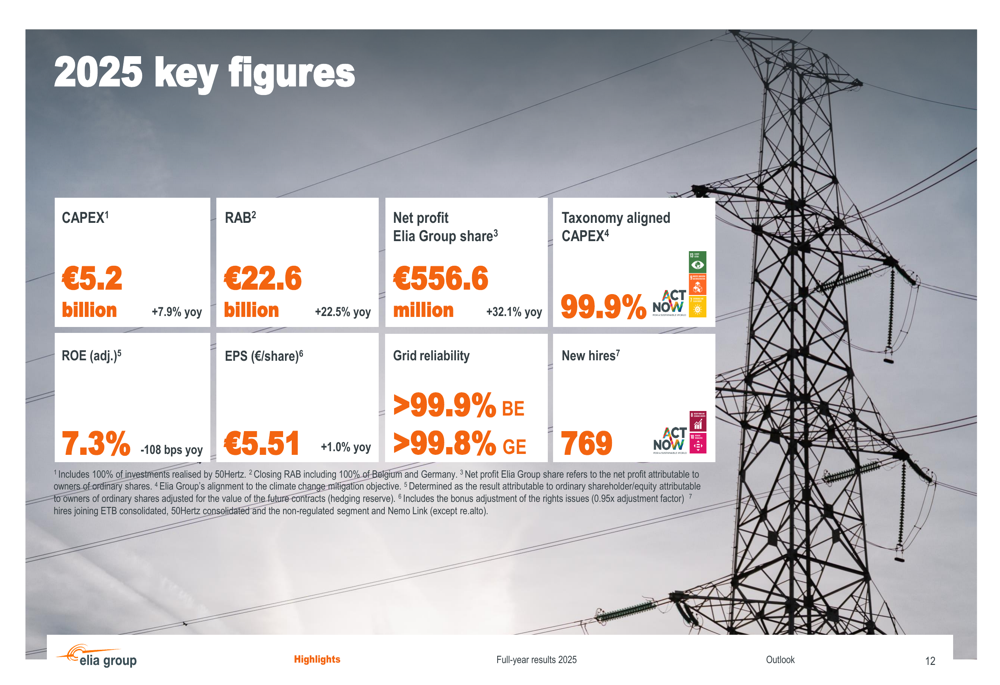
elia 2025 slides: net profit surges 32% on infrastructure boom
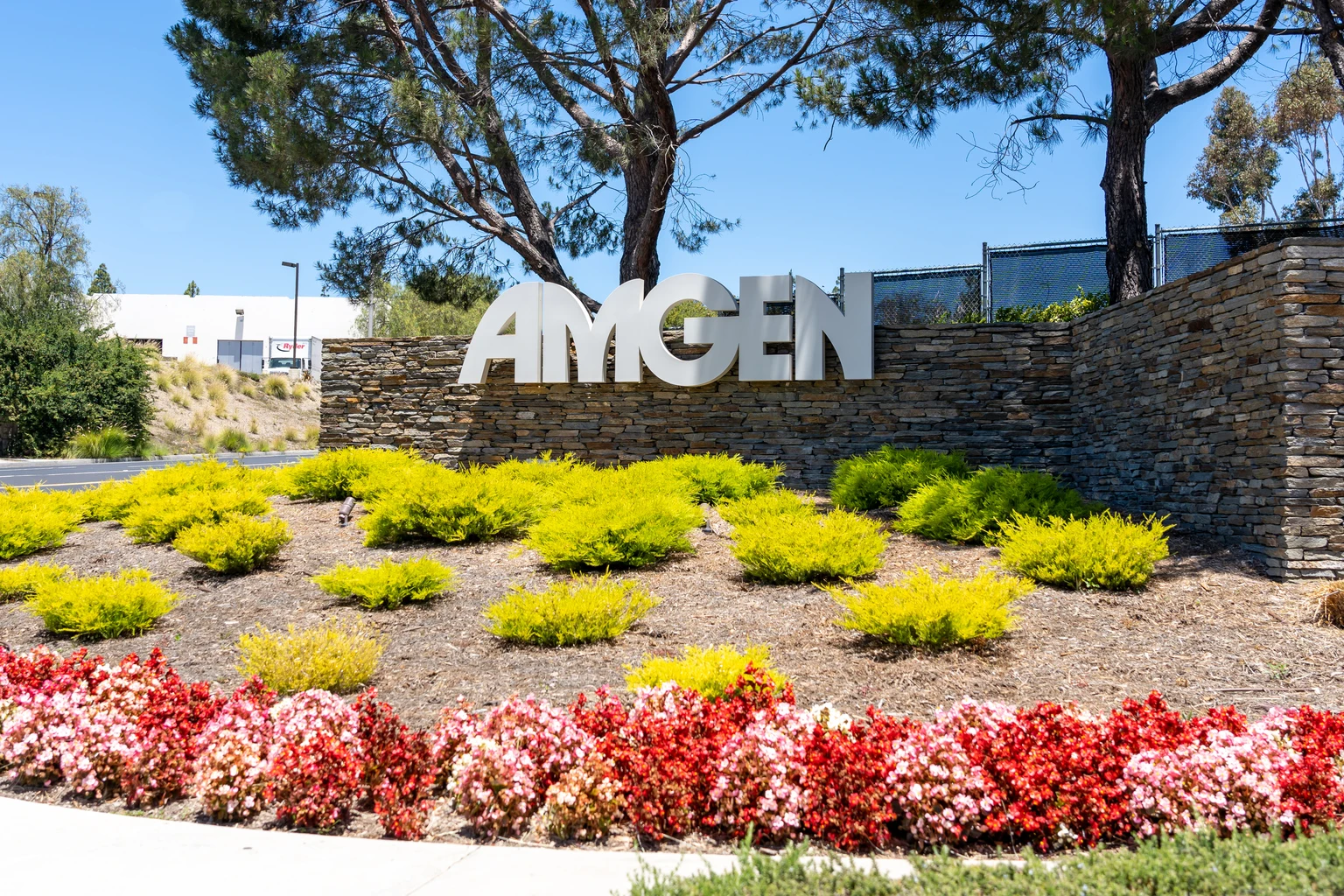
Amgen: Wait For A Better Entry Point (Rating Downgrade)

Suspected case of Avian Flu discovered in Tyrone commercial poultry premises
Ciena Corp earnings beat by $0.19, revenue topped estimates

Chamath Palihapitiya questions BTC’s role as central bank reserve asset


-

 Politics7 days ago
ITV enters Gaza with IDF amid ongoing genocide
-

 Politics2 days ago
Alan Cumming Brands Baftas Ceremony A ‘Triggering S**tshow’
-

 Fashion6 days ago
Weekend Open Thread: Iris Top
-

 Tech4 days ago
Unihertz’s Titan 2 Elite Arrives Just as Physical Keyboards Refuse to Fade Away
-
Sports5 days ago
The Vikings Need a Duck
-
 NewsBeat5 days ago
Dubai flights cancelled as Brit told airspace closed ’10 minutes after boarding’
-

 NewsBeat5 days ago
Abusive parents will now be treated like sex offenders and placed on a ‘child cruelty register’ | News UK
-

 NewsBeat4 days ago
‘Significant’ damage to boarded-up Horden house after fire
-
 NewsBeat5 days ago
The empty pub on busy Cambridge road that has been boarded up for years
-

 Tech6 hours ago
Bitwarden adds support for passkey login on Windows 11
-

 Entertainment3 days ago
Baby Gear Guide: Strollers, Car Seats
-
 Tech6 days ago
NASA Reveals Identity of Astronaut Who Suffered Medical Incident Aboard ISS
-

 Business7 days ago
Only 4% of women globally reside in countries that offer almost complete legal equality
-
Politics4 days ago
FIFA hypocrisy after Israel murder over 400 Palestinian footballers
-
 NewsBeat4 days ago
Emirates confirms when flights will resume amid Dubai airport chaos
-

 NewsBeat3 days ago
Is it acceptable to comment on the appearance of strangers in public? Readers discuss
-

 Crypto World7 days ago
From Crypto Treasury to RWA: ETHZilla Retreats and Relaunches as Forum Markets on Nasdaq
-

 Tech4 days ago
Viral ad shows aged Musk, Altman, and Bezos using jobless humans to power AI
-
 Business7 days ago
World Economic Forum boss Borge Brende quits after review of Jeffrey Epstein links
-
 Video3 days ago
How to Build Finance Dashboards With AI in Minutes