
Business
Gorilla Technology Group Inc. (GRRR) Q4 2025 Earnings Call Transcript


Operator
Welcome to the Gorilla Technology Group Inc. Fiscal Year 2025 Financial Results Conference Call. [Operator Instructions] The conference is being recorded [Operator Instructions].
Before we begin, we will read the forward-looking statement. Today’s call includes forward-looking statements made pursuant to the safe harbor provisions of the Private Securities Litigation Reform Act of 1995. These statements reflect management’s current expectations and projections about future events and are subject to known and unknown risks and uncertainties that could cause actual results to differ materially.
Forward-looking statements often include terms such as expects, believes, plans, anticipates, may, should and similar expressions. For a discussion of important factors that could affect Gorilla’s results, please refer to our filings with the SEC, including our most recent annual report on Form 20-F. Except as required by law, Gorilla undertakes no obligation to update or revise any forward-looking statements made on this call, whether as a result of new information, future events or otherwise.
I would now like to turn the conference over to Jay Chandan Chairman and Chief Executive Officer; and Bruce Bower, Chief Financial Officer. Please go ahead.
Jayesh Chandan
CEO & Executive Chairman
Thank you very much, Crystal. Thanks, everyone, and thanks for joining. I will keep it quick. If you want drama, the market’s already provided enough already today. So I will stick to the facts.
Now let me start with the


OPINION: Cash is king when all else is in flux and stagflation stalks the Australian economy.
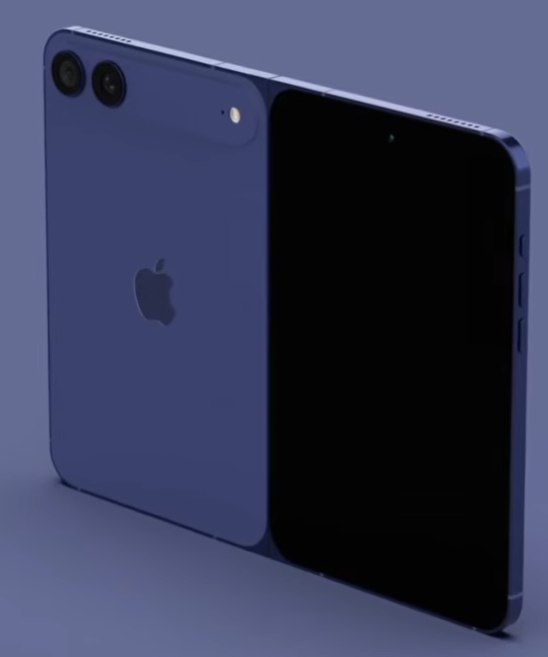
CUPERTINO, California — As anticipation builds for Apple’s first foldable smartphone, expected to launch as the iPhone Ultra in September 2026, early leaks and analyst reports highlight a device poised to redefine premium mobile computing with innovative form factor, near-crease-free displays and powerful internals.

The book-style foldable, set to join the iPhone 18 Pro and Pro Max lineup, promises to blend the portability of a smartphone with the productivity of a small tablet. With a rumored starting price north of $2,000, the iPhone Ultra targets users seeking the ultimate convergence device. Here are 10 compelling reasons why tech enthusiasts and power users may want to consider purchasing Apple’s ambitious new flagship when it arrives.
1. Revolutionary Book-Style Design with Passport-Like Form Factor
The iPhone Ultra is expected to feature a wider, more square “passport-style” shape when closed, offering better one-handed use and pocketability than tall, narrow competitors. When unfolded, it transforms into a spacious inner display ideal for multitasking, reading or watching content without the bulk of carrying a separate tablet.
2. Virtually Crease-Free 7.8-Inch Inner Display
One of the biggest pain points for existing foldables is the visible crease. Apple is reportedly investing heavily in new materials and hinge technology to deliver a nearly invisible crease on the 7.8-inch inner OLED panel. This could make the unfolded experience feel closer to a traditional flat screen, enhancing immersion for videos, games and productivity apps.
3. Functional 5.5-Inch Outer Screen for Quick Tasks
Users won’t need to unfold the device for simple actions like checking notifications, replying to messages or taking quick photos. The outer display, around 5.5 inches, provides a practical phone-like experience while maintaining the device’s compact folded profile.
4. Ultra-Thin Profile at Just 4.5mm Unfolded
Despite the complex mechanics, the iPhone Ultra is rumored to measure only about 4.5mm thick when open — potentially Apple’s thinnest iPhone ever. This slimness, combined with a closed thickness of roughly 9-10mm, addresses common complaints about bulkiness in foldable phones while delivering premium feel.
5. Advanced Titanium Frame and Liquid Metal Hinge
Durability concerns have plagued early foldables. Apple is said to use a hybrid titanium-aluminum chassis for strength and lightness, paired with a sophisticated hinge possibly incorporating liquid metal or amorphous alloys. This engineering focus aims for smoother operation and long-term reliability through hundreds of thousands of folds.
6. Return of Touch ID for Reliable Authentication
Facing challenges with under-display sensors on a foldable, Apple may replace Face ID with Touch ID integrated into the power button. This could offer faster, more consistent unlocking across both inner and outer displays, especially in varied lighting or when wearing masks or sunglasses.
7. Powerful A20 Pro Chip and Ample RAM for Demanding Tasks
Powered by Apple’s next-generation A20 Pro on a 2-nanometer process and up to 12GB of RAM, the iPhone Ultra should deliver significant gains in speed, efficiency and AI capabilities. The larger unfolded screen will shine for split-screen multitasking, professional video editing, high-end gaming and advanced Apple Intelligence features.
8. Dual 48MP Camera System Optimized for Dual Modes
Photography remains a strength for Apple devices. The iPhone Ultra is expected to feature a dual rear 48MP setup (wide and ultrawide) arranged horizontally, plus front cameras suited for both folded and unfolded use. This configuration could deliver pro-level imaging while adapting seamlessly to the device’s versatile form factor.
9. Massive Battery for Extended All-Day Use
Foldables typically face battery challenges due to dual screens. The iPhone Ultra is rumored to pack one of the largest batteries in iPhone history, potentially 5,400mAh to 5,800mAh. Combined with efficient hardware, this could provide exceptional endurance for productivity sessions, media consumption or travel without frequent charging.
10. Seamless iOS Optimization and Ecosystem Integration
Apple’s greatest advantage may lie in software. iOS 27 is expected to include tailored features for foldables, such as improved app continuity when unfolding, enhanced multitasking gestures and better support for productivity tools. Deep integration with the broader Apple ecosystem — including continuity with Mac, iPad and Watch — could make the iPhone Ultra feel like a true multi-device hub rather than just another phone.
Beyond these highlights, the iPhone Ultra represents Apple’s long-awaited entry into a category it has studied carefully. While competitors like Samsung have iterated on foldables for years, Apple is positioned to address common shortcomings with its signature attention to detail, premium materials and refined user experience.
Early dummy units and supply chain reports suggest Apple has ordered significant volumes of foldable displays, indicating serious commitment despite past delays in the project. Some analysts note potential minor production tweaks that could shift full availability slightly later in 2026 or into early 2027, but the September announcement window remains the consensus target.
For prospective buyers, the high price tag — likely starting around $2,000 or more depending on storage — positions the iPhone Ultra as a luxury device for those who value innovation and versatility. Early adopters may appreciate the novelty of a phone that doubles as a mini-tablet, while professionals could benefit from expanded screen real estate for emails, documents or creative work on the go.
Critics caution that real-world durability, crease visibility under various lighting and software maturity will only be confirmed upon release. Battery life in heavy dual-screen use and the longevity of the hinge mechanism will also be key tests. Still, the combination of rumored specs suggests Apple aims to deliver a polished product that feels less like an experiment and more like a natural evolution.
As September 2026 approaches, more concrete details may emerge through regulatory filings or developer previews. In the meantime, the iPhone Ultra rumor mill underscores Apple’s willingness to push boundaries in a maturing smartphone market where incremental upgrades have become the norm.
Whether the device ultimately justifies its premium cost will depend on individual needs. For users tired of switching between phone and tablet, or those seeking the latest in mobile form-factor innovation backed by Apple’s ecosystem, the iPhone Ultra could represent a compelling upgrade. For others content with traditional slab designs, the standard iPhone 18 Pro lineup may suffice.
As the tech world watches closely, Apple’s foldable ambitions could accelerate mainstream adoption of the category while setting new standards for quality and refinement. With its blend of cutting-edge hardware and thoughtful software, the iPhone Ultra has the potential to become not just another phone, but a versatile daily companion that adapts to how people actually use their devices in 2026 and beyond.

Morpheus8 has become one of the most advanced non-surgical skin tightening treatments, combining microneedling with radiofrequency energy to deeply stimulate collagen and remodel skin structure. It is widely used for skin laxity, fine lines, acne scars, and overall facial rejuvenation. However, because it works at deeper layers of the skin, choosing the right cosmetic surgeon is critical for safe and effective results.
Clinics like Norwest Cosmetic Surgery emphasize medically guided treatment planning, ensuring that Morpheus8 is tailored carefully to each patient’s skin condition and aesthetic goals.
Understanding How Morpheus8 Works
Morpheus8 delivers controlled radiofrequency energy through ultra-fine microneedles into the deeper layers of the skin. This triggers the body’s natural healing response, stimulating collagen and elastin production. Over time, this leads to firmer, smoother, and more youthful-looking skin.
It is commonly used to treat:
- Skin laxity on the face and neck
- Fine lines and wrinkles
- Acne scarring and texture irregularities
- Jawline and lower face contouring
Because it targets subdermal layers, precision is essential to avoid over-treatment or uneven results.
Why Choosing the Right Surgeon Matters
Although Morpheus8 is non-surgical, it is still a medical-grade procedure. Poor technique or incorrect settings can lead to buccal fat:
- Uneven skin texture
- Burns or irritation
- Excess fat loss in delicate facial areas
- Suboptimal or short-lived results
A skilled cosmetic surgeon understands how to adjust needle depth, energy levels, and treatment zones based on individual facial anatomy. This ensures balanced tightening without compromising natural facial structure.
1. Medical Expertise and Clinical Supervision
The first step is ensuring your treatment is performed or supervised by a qualified medical professional. Morpheus8 should never be treated as a basic beauty treatment—it requires clinical understanding of skin layers and tissue response.
At Norwest Cosmetic Surgery, treatments are performed under professional medical supervision to ensure patient safety and optimal outcomes.
2. Experience with Skin Tightening Procedures
Experience plays a major role in achieving good results. A surgeon or clinic familiar with Morpheus8 will understand how to:
- Treat different skin types safely
- Adjust depth for facial vs body areas
- Avoid over-aggressive settings
- Build long-term collagen improvement plans
Clinics with consistent Morpheus8 experience are more likely to deliver natural-looking tightening over time.
3. Personalized Consultation Is Essential
A proper consultation is one of the most important parts of the process. During this stage, the surgeon should evaluate:
- Skin elasticity and thickness
- Degree of laxity or aging
- Facial symmetry and structure
- Suitability for Morpheus8 treatment
Not every patient is an ideal candidate. A responsible clinic will sometimes recommend alternative or combined treatments if needed.
4. Importance of a Customized Treatment Plan
Morpheus8 is not a one-size-fits-all procedure. The best results come from personalized settings, including:
- Needle depth adjustments
- Controlled RF energy levels
- Targeted treatment zones
At Norwest Cosmetic Surgery, each plan is designed based on the patient’s individual needs, ensuring natural tightening without over-correction.
5. Safety, Downtime, and Realistic Expectations
Morpheus8 typically involves minimal downtime, with mild redness or swelling lasting a few days. Results develop gradually over several weeks as collagen rebuilds.
However, it is important to have realistic expectations:
- Results are gradual, not instant
- Multiple sessions may be needed
- Improvements are subtle but long-lasting
A skilled surgeon will clearly explain these expectations before treatment begins.
Final Thoughts
Choosing the right Morpheus8 skin tightening surgeon in Sydney is essential for achieving safe, natural, and long-lasting results. The treatment itself is powerful, but its success depends entirely on the expertise of the practitioner.
By selecting a trusted clinic like Norwest Cosmetic Surgery facetite, patients benefit from medically guided care, advanced technology, and personalized treatment planning—ensuring the best possible skin rejuvenation outcomes.

Evercore ISI reiterates Amphenol stock rating on AI strength


Australia will be part of operations to keep the Strait of Hormuz open and safe if and when a deal is reached.
It has not been made clear, however, exactly what kind of help Australia plans to provide or what is being asked of the country amid the ongoing war.
Australia to Help With Strait of Hormuz
According to a report by 9News, Defence Minister Richard Marles confirmed that Australia is working with international partners. However, he did not say what kind of help will be asked of Australia.
“Look, there has not been a specific request for any Australian capability,” Marles said. “Obviously, we will help.”
“The Strait of Hormuz matters to Australia,” he emphasized. “It matters that it’s open, and it matters that we see the global fuel supply chain return to normal.”
The peacekeeping mission will comprise of 49 countries led by France and the United Kingdom, 9News notes. The report likewise points out that China is part of this mission, but the United States is not.
Details will be discussed later this week in London.
Albanese Downplays Australia’s Involvement
Prime Minister Anthony Albanese previously downplayed Australia’s involvement in the peacekeeping mission targeted to keep the Strait of Hormuz open.
“We spoke about the full range of support that could be required, now that could be diplomatic measures,” Albanese said Saturday, according to Sky News.
“We will continue to be a constructive contributor to that debate… Australia is a long way away as well from the Strait compared to European nations,” he added. “It’s fair to say we’ll give considerations to requests where they are made.”

Thailand plans a legal reform with a “super license” to unify approvals, simplifying regulations, reducing costs, and streamlining foreign investment and licensing processes.
Thailand’s Legal Reform Initiative
Thailand is embarking on a significant legal overhaul to streamline regulation management across government agencies. This reform introduces a “super license” system, which consolidates multiple approvals into a single, streamlined process. The government aims to implement a pilot within 180 days, with the complete law expected to take about a year, allowing reforms to be introduced gradually.
Impact on Business Compliance
The omnibus law addresses overlapping statutes that require businesses to meet similar regulations across various ministries. This redundancy increases compliance costs, which reform aims to reduce by creating a more efficient approval process. By simplifying requirements, the reforms will help businesses cut down on administrative overhead and foster more straightforward compliance.
Enhancing Investment and Operational Flexibility
The “super license” replaces sequential approvals with a unified decision-making process, eliminating delays caused by multiple agency dependencies. This approach is especially crucial for foreign investors, as it reduces the need for complex corporate structures required under current licensing regimes and foreign ownership restrictions. Ultimately, the reforms will enable easier entry, increased legal clarity, and greater operational flexibility in Thailand.
Read the original article : Thailand’s Omnibus Law Plan Streamlining Regulation and Cutting Business Costs
Other People are Reading


Japan households’ inflation expectations roughly steady, BOJ survey shows

PCMM: Turning Bearish On This Private Credit CLO Fund

Check out what’s clicking on FoxBusiness.com.
Austrian police announced Saturday that a commercially sold baby food product was found to be laced with rat poison.
Authorities said the tampered HiPP-brand item may have been sold in Austria, with similar products also circulating in neighboring countries, including Germany, the Czech Republic and Slovakia.
“With the assistance of the Federal Criminal Police Office, a sample of the seized product was examined on Saturday afternoon and tested positive for rat poison,” the Burgenland State Criminal Police Office said.
Officials described the substances as “potentially life-threatening” and urged all shoppers to inspect their pantries for similar affected products.
BABY FORMULA RECALLED AS INFANT BOTULISM OUTBREAK GROWS

Hipp Organic baby food sits on a shelf in a Camberwell, south London, food resource center. (Aaron Chown/PA Images via Getty Images / Getty Images)
The company said that jars sold at major retail partner Spar in Austria are being recalled out of precaution, and emphasized that the issue is linked to a “criminal act” and not a quality control problem.
“This recall is not due to a product or quality defect on our part. The jars left our HiPP factory in perfect condition. The recall is linked to a criminal act being investigated by the authorities,” the company said.
“As part of ongoing criminal investigations, isolated cases of tampered HiPP baby food jars have been seized – as previously reported in Austria, now also in the Czech Republic and Slovakia.”
HiPP Holdings, a German-Swiss company known for its organic, preservative-free baby food, primarily sells its products in European retail stores. However, consumers in the U.S. and other international markets can also obtain them through specialized online importers.
| Ticker | Security | Last | Change | Change % |
|---|---|---|---|---|
| HIPO | HIPPO HOLDINGS | 28.89 | +0.99 | +3.55% |
Police said the suspected baby food jar, a carrot and potato variety, was first alerted by a customer who ultimately did not feed it to their baby.
The suspicious item was identified by a white sticker featuring a red circle on the bottom of the glass container and reportedly gave off a spoiled odor after being opened, according to the Austrian Agency for Health and Food Safety.
Those who bought the item were urged to check their products for suspicious markings and signs of tampering, including damaged or already-opened lids, missing safety seals, or containers that fail to produce a clicking sound when first opened.
Customers who suspect they may have purchased the affected product are urged not to consume it under any circumstances or feed it to a child. Officials advised setting the item away from other food, ideally while wearing gloves, and washing hands thoroughly before handling anything else.
CINNAMON POWDER RECALLED ACROSS 14 STATES OVER POTENTIAL ‘ELEVATED LEVELS OF LEAD’
HiPP added that refunds may be issued at their retail partners — Spar, Eurospar, Interspar and Maximarkt — even without a receipt.
Authorities said rat poisons contain various active ingredients, including bromadiolone, which inhibits the effects of vitamin K, a key component in blood clotting.
GET FOX BUSINESS ON THE GO BY CLICKING HERE

A HiPP baby food jar containing a red-colored purée with a label featuring noodles, tomatoes, ham and vegetables. (Schöning/ullstein bild via Getty Images / Getty Images)
Possible consequences include bleeding from the gums, nosebleeds, bruising and blood in the stool. Symptoms may appear with a delay of two to five days after ingestion.
Officials said consumers who experience extreme weakness or paleness should seek medical attention immediately. With appropriate treatment, particularly the administration of vitamin K, the poisoning is considered treatable.

A week-long impact at port hubs in the Pilbara due to cyclone Narelle has cost Qube upwards of $5 million.

NBA roundup: Magic lead from start, down top-seeded Pistons in opener

Nabung #tabungan #nabung #money #menabung #budgeting #savings

Crash victim, 86, was determined to walk again, court hears


-

 Crypto World6 days ago
The SEC Conditionalises DeFi Platforms to Be Avoided for Broker Registration
-

 Fashion2 days ago
Weekend Open Thread: Theodora Dress
-

 NewsBeat6 days ago
Trump and Pope Leo: Behind their disagreement over Iran war
-

 Crypto World6 days ago
SEC Signals Exemption for Crypto Interfaces From Broker Registration
-

 News Videos5 days ago
Secure crypto trading starts with an FIU-registered
-

 Sports3 days ago
NWFL Suspends Two Players Over Post-Match Clash in Ado-Ekiti
-

 Crypto World6 days ago
SEC Proposes Certain Crypto Interfaces Don’t Need to Register as Brokers
-

 Business15 hours ago
Powerball Result April 18, 2026: No Jackpot Winner in Powerball Draw: $75 Million Rolls Over
-

 Politics2 days ago
Palestine barred from entering Canada for FIFA Congress
-

 Crypto World2 days ago
Russia Pushes Bill to Criminalize Unregistered Crypto Services
-

 Sports7 days ago
NWFL opens Pathway for new Clubs ahead of 2026 Season
-
 Business3 days ago
Creo Medical agree sale of its manufacturing operation
-
 Entertainment6 days ago
Brand New Day’ Footage Reveals the Devastating Impact of ‘Now Way Home’
-

 Politics20 hours ago
Zack Polanski demands ‘council homes not luxury flats for foreign investors’
-

 Crypto World7 days ago
Trump whales load up ahead of Mar-a-Lago luncheon.
-
Business7 days ago
Kering slides after Morgan Stanley downgrade, Gucci woes loom
-

 Tech7 days ago
Apple glasses won’t go brand shopping like Meta did with Ray-Ban and Oakley
-

 Tech7 days ago
Google adds E2E encryption to Gmail for iOS and Android enterprise users
-

 Tech5 days ago
Microsoft adds Windows protections for malicious Remote Desktop files
-
 Entertainment6 days ago
Karol G’s ‘Ultra Raunchy’ Coachella Set Gave ‘Satanic Vibes’
You must be logged in to post a comment Login