

Business
Harry and Meghan Living Separate Lives as Friends Fear Marriage May Not Survive

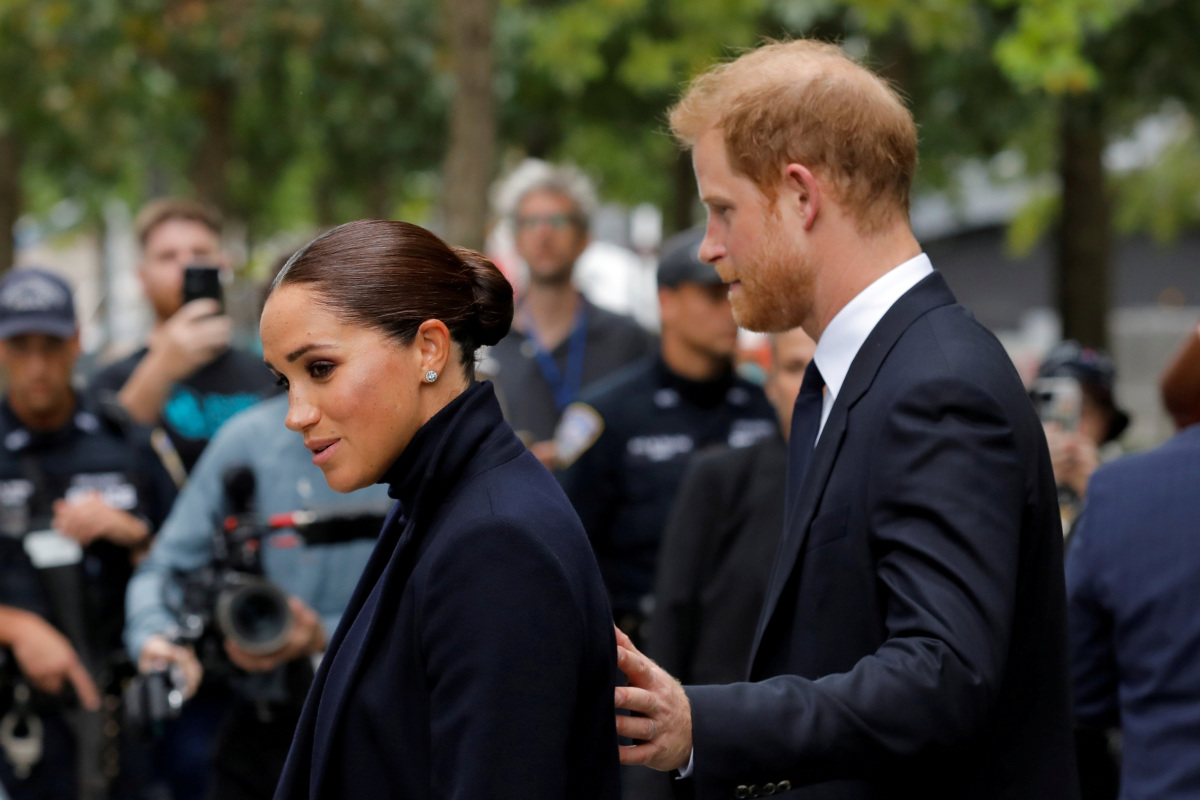
LOS ANGELES — Prince Harry and Meghan Markle are reportedly living increasingly separate lives amid growing concerns from close friends that their high-profile marriage is under serious strain and may not survive long-term, according to multiple sources familiar with the couple’s inner circle.
The Duke and Duchess of Sussex, who once captivated the world with their fairy-tale romance and dramatic exit from royal life, have been spending more time apart in recent months, with Harry frequently traveling for solo projects while Meghan focuses on her lifestyle brand and personal endeavors in California. Insiders say the couple’s once-united front has quietly fractured, raising questions about the future of one of modern royalty’s most scrutinized relationships.
“Friends are genuinely worried,” one source close to the couple told media outlets this week. “They’ve been living quite separate lives for some time now. There’s real fear that the marriage won’t survive in its current form.”
The couple has not commented publicly on the reports, and representatives for Harry and Meghan declined to respond to requests for comment. However, observers have noted a noticeable shift in their joint appearances and public messaging throughout 2026.
Signs of Growing Distance
Harry, 41, has spent significant time in the UK and Africa pursuing conservation and mental health initiatives, while Meghan, 44, has focused on expanding her lifestyle company American Riviera Orchard and creative projects in Los Angeles. The couple’s Montecito mansion has reportedly seen periods where only one spouse is in residence for weeks at a time.
Public appearances together have become less frequent and more formal. Their last joint red carpet event was months ago, and sources say coordination between their respective teams has become more complicated as individual priorities take precedence.
The couple’s two children, Prince Archie, 7, and Princess Lilibet, 5, are said to be at the center of their concerns. Friends claim both Harry and Meghan are committed to co-parenting but differ on long-term plans for the children’s education and public exposure.
Friends Express Private Concerns
Multiple sources describe a circle of friends who are increasingly alarmed by the couple’s dynamic. Some close associates have reportedly urged the pair to seek professional counseling, while others worry that the intense public scrutiny and differing visions for their future are creating irreconcilable differences.
One longtime friend of the couple told media that the strain became particularly evident after Harry’s solo trip to Africa earlier this year. “Meghan has built a life in California that she loves, while Harry still feels pulled back to his roots in the UK,” the friend said. “They’re trying to make it work, but it’s clear they’re on different paths right now.”
The reports echo earlier speculation in 2025 when the couple temporarily lived apart during a period of reported tension, though they later appeared to reconcile publicly. This latest chapter, however, feels more sustained to those in their orbit.
Public Image vs Private Reality
To the outside world, Harry and Meghan continue to project unity through carefully managed social media posts and occasional joint statements. Their Archewell Foundation continues its work on humanitarian causes, and both maintain active professional lives — Harry with his memoir promotions and mental health advocacy, Meghan with brand partnerships and media projects.
However, insiders say the polished public image masks deeper challenges. The couple’s Netflix deal has reportedly underperformed relative to expectations, and their Spotify podcast venture ended after one season. Financial pressures from maintaining their Montecito lifestyle and funding various initiatives have added stress, according to sources.
The intense media spotlight that has followed them since their 2018 wedding has never fully faded. Friends say the constant scrutiny has taken a toll, with Harry particularly sensitive to coverage of his family in the UK.
A Marriage Under Pressure
Harry and Meghan’s relationship has always been unconventional. Their 2020 decision to step back from senior royal duties and move to California marked a dramatic break from tradition. What began as a love story that captivated millions has evolved into a complex partnership navigating fame, family estrangement and the challenges of building independent lives.
Marriage experts note that high-profile couples often face unique pressures, including differing career demands and public expectations. “When two strong personalities build individual brands while trying to maintain a marriage, it requires constant work,” said relationship psychologist Dr. Laura Berman. “Add in the global spotlight and family complications, and the challenges multiply.”
The couple’s friends say both Harry and Meghan remain committed to their children and shared values around service and mental health. However, the question of whether those shared values are enough to sustain the marriage long-term is now being openly discussed in their inner circle.
What’s Next for the Sussexes
For now, Harry and Meghan continue to operate under the Sussex brand while maintaining separate professional schedules. Sources say no formal separation discussions have taken place, but the couple has been quietly exploring options for more independent living arrangements that would still allow co-parenting.
Any potential split would be one of the most closely watched celebrity divorces in modern history, with significant implications for their brand, finances and custody arrangements. The couple’s multimillion-dollar Netflix deal, book contracts and brand partnerships could all face complications in the event of a separation.
Representatives for the couple have consistently declined to comment on personal matters, maintaining a policy of focusing on their work and philanthropic efforts. In public statements, both Harry and Meghan continue to emphasize family unity and their commitment to service.
Broader Cultural Significance
The reported troubles in Harry and Meghan’s marriage reflect larger conversations about modern relationships under public pressure. Their story — from fairy-tale wedding to transatlantic relocation to reported struggles — has become a cultural touchstone for discussions about fame, mental health and the challenges of interracial relationships in the spotlight.
Supporters continue to praise the couple for breaking away from royal constraints and building independent lives. Critics argue their public complaints and business ventures have created unnecessary drama. Regardless of perspective, their relationship remains one of the most analyzed in the world.
As 2026 continues, Harry and Meghan face important decisions about their future together and apart. Whether they can overcome current challenges or decide to part ways will likely play out under intense global scrutiny.
For now, the couple’s friends hope for reconciliation and continued co-parenting harmony. The coming months may prove decisive in determining whether one of the 21st century’s most famous romances can withstand the pressures that have tested it from the beginning.

Business
AeroVironment Shares Surge More Than 21 Percent on Strong Earnings and Record Defense Demand

NEW YORK — Shares of AeroVironment Inc. jumped more than 21 percent Tuesday as the defense contractor reported record quarterly revenue and earnings, highlighting robust demand for its unmanned systems and autonomous technologies amid global security concerns.
The Simi Valley, California-based company saw its stock climb as much as 21.23 percent in morning trading to reach $168.51. The surge followed the release of fiscal fourth-quarter and full-year results that exceeded Wall Street expectations, driven by strong performance in its Autonomous Systems segment and contributions from the BlueHalo acquisition.
AeroVironment reported fiscal fourth-quarter revenue of approximately $641.6 million, a substantial increase from the prior year. Adjusted earnings per share reached $1.84, surpassing analyst forecasts. For the full fiscal year, the company delivered nearly $2 billion in revenue, supported by a record $2.7 billion in bookings and a book-to-bill ratio of 1.4 times.
The Autonomous Systems division, which includes tactical loitering munitions and unmanned aircraft systems, accounted for a significant portion of revenue growth. This segment demonstrated margin expansion and operational efficiency following the integration of BlueHalo, which expanded AeroVironment’s capabilities in space, cyber and directed energy technologies.
Company executives pointed to a record funded backlog of $1.2 billion, providing visibility into future revenue streams. Strong global demand for defense solutions, particularly in contested environments, has positioned the company favorably as militaries worldwide seek advanced unmanned capabilities.
The results come as geopolitical tensions drive increased defense spending. AeroVironment’s products, including switchblade loitering munitions and other tactical systems, have seen heightened interest from U.S. allies and domestic forces. The company has been expanding manufacturing capacity to meet this demand.
Analysts have noted the strategic importance of the BlueHalo acquisition, completed earlier in the fiscal year. It has diversified AeroVironment’s portfolio beyond traditional unmanned aerial vehicles into broader defense electronics and autonomous systems. Integration efforts appear to be yielding positive results, with the combined entity achieving record EBITDA margins.
For the full fiscal year, AeroVironment achieved organic revenue growth of around 30 percent, excluding acquisition impacts. Adjusted EBITDA for the fourth quarter more than doubled year-over-year, reaching $140.1 million with a 22 percent margin.
Investors appeared to focus on these operational achievements despite any conservative forward guidance. The stock’s sharp move reflects confidence in the company’s ability to convert its substantial backlog into sustained growth.
AeroVironment has evolved from a niche player in small unmanned aircraft to a broader provider of intelligent systems for defense and commercial applications. Its Switchblade systems gained prominence in recent conflicts, demonstrating the value of portable, precision strike capabilities.
The company continues to invest in research and development, particularly in autonomous technologies that reduce operator risk and enhance mission effectiveness. Partnerships with the U.S. Department of Defense and international customers have supported a growing pipeline of opportunities.
Market reaction to the earnings highlighted the premium placed on defense stocks with proven execution. AeroVironment’s shares had faced volatility in prior periods due to contract timing and integration costs, but Tuesday’s results alleviated some concerns.
Broader market context showed selective buying in aerospace and defense names. Increased global tensions and U.S. budget priorities have supported sector performance, though valuations remain a consideration for longer-term investors.
AeroVironment’s leadership has emphasized disciplined growth and operational excellence. Capacity expansions across product lines signal preparation for sustained demand. The company has also focused on improving margins through product mix optimization and efficiency gains.
Looking forward, analysts anticipate continued strength in key programs. Potential contracts in loitering munitions, counter-drone systems and autonomous platforms could further bolster results. However, execution risks around large-scale production and supply chain management remain factors to monitor.
The defense industry overall benefits from multi-year budget commitments, providing some insulation from short-term economic fluctuations. AeroVironment’s focus on tactical systems aligns with evolving battlefield requirements emphasizing speed, precision and reduced collateral damage.
Tuesday’s trading volume surged as retail and institutional investors reacted to the earnings. The move pushed the stock well above recent averages, though it remains below all-time highs reached in prior periods of heightened optimism.
Company officials have highlighted the strategic value of diversification. Beyond core defense applications, AeroVironment explores commercial uses for its technologies in areas such as infrastructure inspection and environmental monitoring.
Fiscal 2027 guidance will be closely watched when released. Management has previously signaled confidence in long-term growth drivers while acknowledging quarterly variability inherent in government contracting.
The strong results validate AeroVironment’s acquisition strategy and operational improvements. BlueHalo’s contribution has accelerated revenue scale and technological breadth, positioning the company as a more comprehensive provider in the unmanned and autonomous defense space.
Investors will continue evaluating the balance between growth opportunities and valuation metrics. AeroVironment trades at a premium reflecting its high-growth profile, but consistent execution could support further upside.
The defense sector’s resilience amid macroeconomic uncertainty has drawn capital. Companies with direct exposure to priority programs, like AeroVironment, have outperformed in recent trading periods.
As AeroVironment advances its manufacturing footprint and technology roadmap, the market will assess its ability to maintain momentum. Strong backlog and bookings provide a solid foundation, though conversion timing can fluctuate.
Tuesday’s significant share price increase underscores investor enthusiasm for the earnings beat and demand outlook. It marks a notable rebound for a company that has navigated integration challenges and market volatility.
AeroVironment’s story reflects broader trends in modern warfare and technology adoption. Unmanned systems are increasingly central to military strategies, creating sustained opportunities for specialized providers.
The company continues to hire talent and expand facilities to support growth. Such investments, while pressuring near-term margins, are viewed as essential for capturing market share in a competitive landscape.
Market participants will monitor upcoming defense budget developments and international sales for additional catalysts. AeroVironment’s international presence has grown, diversifying revenue beyond U.S. sources.
In summary, AeroVironment’s robust fiscal fourth-quarter performance and record metrics have reignited investor confidence, driving a sharp rally in its shares. The results highlight the company’s strengthened position in high-demand defense technologies.
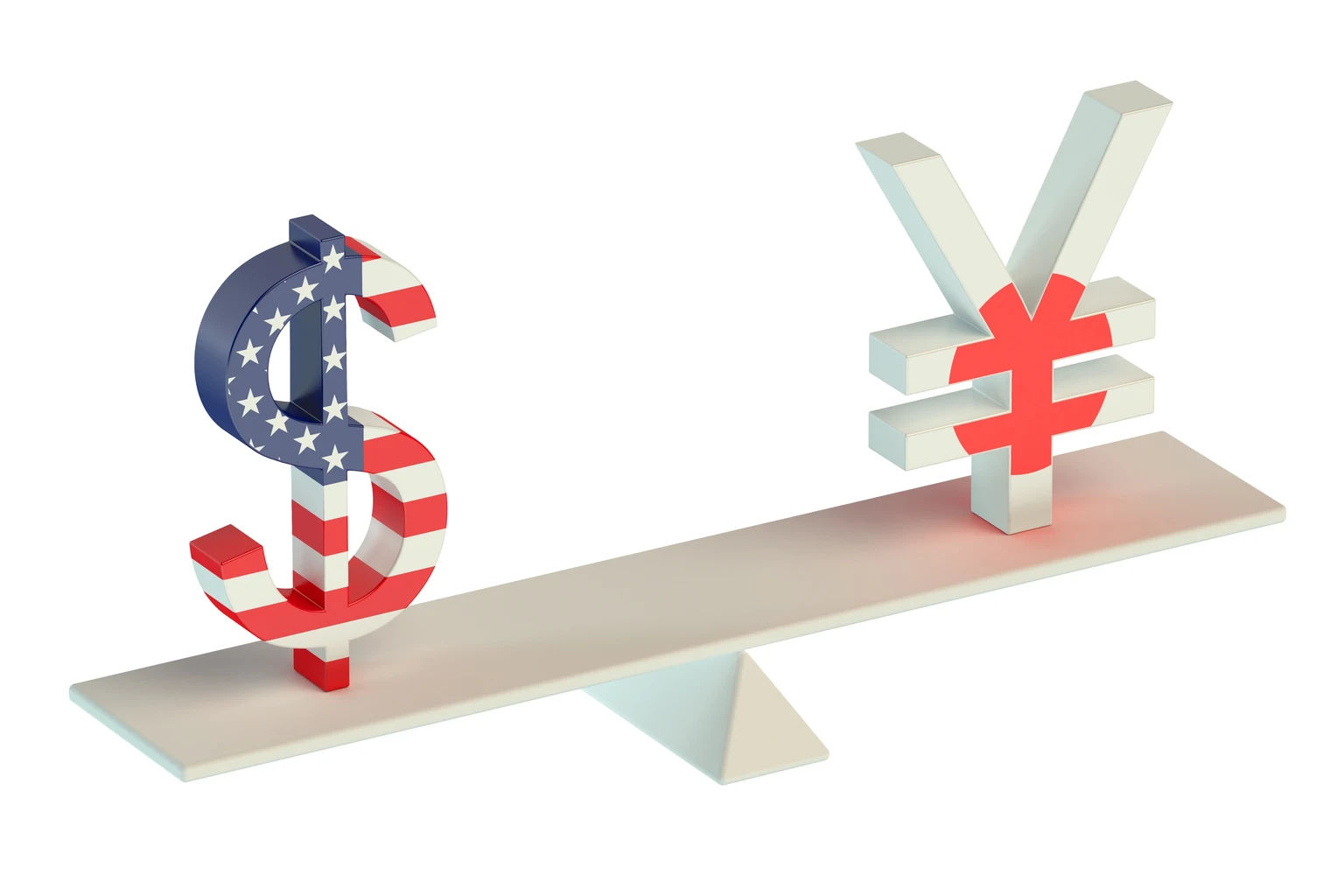
USD/JPY: Back To The 1980s


With combined experience of covering technology companies on Wall Street and working in Silicon Valley, and serving as an outside adviser to several seed-round startups, Gary Alexander has exposure to many of the themes shaping the industry today. He has been a regular contributor on Seeking Alpha since 2017. He has been quoted in many web publications and his articles are syndicated to company pages in popular trading apps like Robinhood.
Analyst’s Disclosure: I/we have a beneficial long position in the shares of PRGS either through stock ownership, options, or other derivatives. I wrote this article myself, and it expresses my own opinions. I am not receiving compensation for it (other than from Seeking Alpha). I have no business relationship with any company whose stock is mentioned in this article.
Seeking Alpha’s Disclosure: Past performance is no guarantee of future results. No recommendation or advice is being given as to whether any investment is suitable for a particular investor. Any views or opinions expressed above may not reflect those of Seeking Alpha as a whole. Seeking Alpha is not a licensed securities dealer, broker or US investment adviser or investment bank. Our analysts are third party authors that include both professional investors and individual investors who may not be licensed or certified by any institute or regulatory body.

In the Nifty500 pack, 11 stocks’ closing prices crossed above their 200 DMA (Daily Moving Averages) on June 30, 2026, according to stockedge.com’s technical scan data. The 200-day daily moving average (DMA) is used by traders as a key indicator to determine the overall trend in a particular stock. As long as the stock is priced above the 200-day SMA on the daily timeframe, it is generally considered to be in an overall uptrend. Take a look:
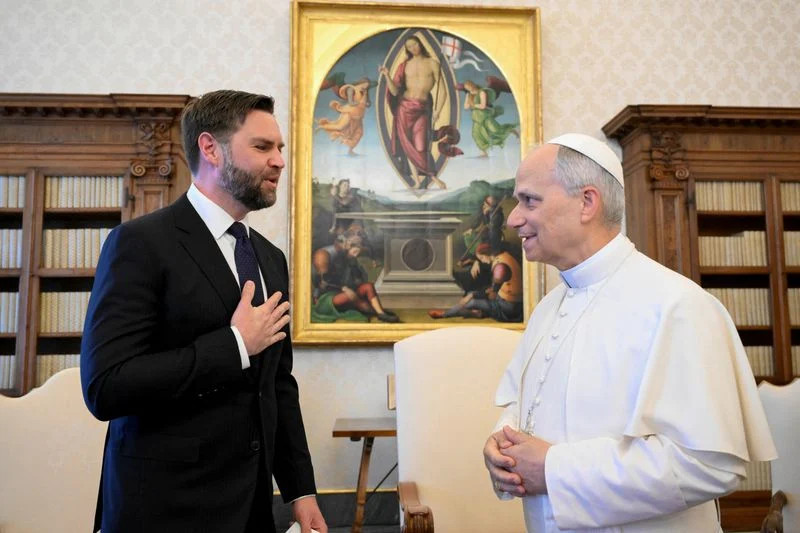

US VP Vance says the Vatican’s views on immigration are ’troubling’
Business
Oil Price Today (July 1): Crude oil above $73 as Iran rejects direct peace talks with US. Where are prices headed?
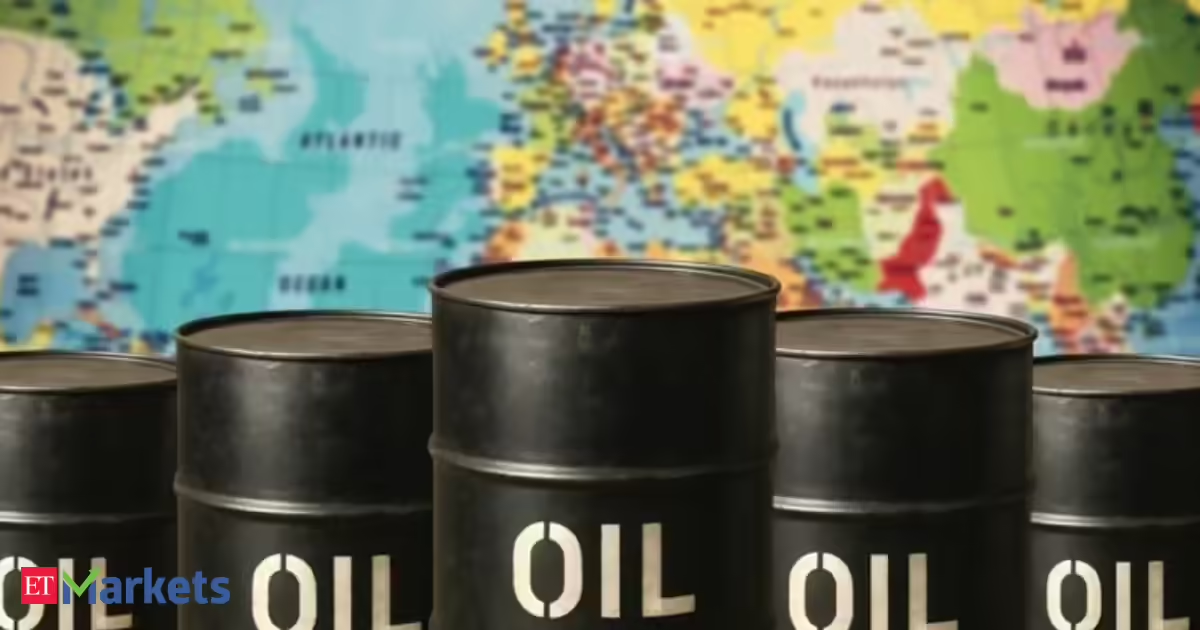
Crude oil price on July 1
Brent crude futures were up 50 cents, or 0.69%, at $73.45 a barrel at 1208 GMT. U.S. West Texas Intermediate (WTI) crude rose 63 cents, or 0.91%, to $70.13 a barrel.
U.S. President Donald Trump’s son-in-law Jared Kushner and special envoy Steve Witkoff arrived in Doha on Tuesday for what the White House described as “high level” talks. However, Iran and host nation Qatar said the U.S. delegation would meet mediators instead of holding direct discussions with Iranian representatives.
Oil prices had declined sharply over the previous quarter as tensions in the Middle East showed signs of easing. Brent crude dropped by around $45 a barrel between the first and second quarters of this year, marking its steepest quarterly fall since the 2008 global financial crisis.
U.S. crude futures fell by around $31 during the same period, the biggest quarterly decline since 2020, when the Covid-19 pandemic hit global oil demand. The losses came after progress towards ending the Middle East conflict reversed the sharp gains triggered earlier by the hostilities.

Analysts have lowered their 2026 oil price forecasts for the first time since the Iran war began, following five consecutive monthly increases, after the reopening of the Strait of Hormuz reduced concerns over prolonged supply disruptions, a Reuters poll showed on Tuesday.
Tanker traffic through the strategically important waterway has started recovering, with US Vice President JD Vance saying oil flows have returned to pre-war levels.
What are experts saying?
Even so, a full reopening of the Strait of Hormuz is expected to take time. It will require coordination of vessel movements, restarting oil wells, repairing damaged infrastructure and reaching agreements on de-mining operations. Some shipowners also continue to remain cautious about operating in the strait and the wider Persian Gulf.
Analysts also noted that global oil inventories were drawn down during the prolonged disruption to shipping through the Strait of Hormuz and will take time to recover. Stockpiles may continue to decline before additional Gulf supplies begin reaching international markets.
Last month, Saudi Aramco Chief Executive Officer Amin Nasser warned that disruptions in the Strait of Hormuz could delay the return of stability to global oil markets until 2027. He said prolonged interruptions could affect nearly 100 million barrels of oil supply every week. Saudi Aramco is the world’s largest oil producer.
(Disclaimer: Recommendations, suggestions, views and opinions given by the experts are their own. These do not represent the views of The Economic Times)
Business
Colorado Attorney General Weiser defeats US senator Hickenlooper in Democratic primary for governor
Colorado Attorney General Weiser defeats US senator Hickenlooper in Democratic primary for governor


Equity Research Analyst with a broad career in the financial market, covered both Brazilian and global stocks. As a value investor, my analysis is primarily fundamental, focusing on identifying undervalued stocks with growth potential. Feel free to reach out for collaborations or to connect!
Analyst’s Disclosure: I/we have no stock, option or similar derivative position in any of the companies mentioned, and no plans to initiate any such positions within the next 72 hours. I wrote this article myself, and it expresses my own opinions. I am not receiving compensation for it (other than from Seeking Alpha). I have no business relationship with any company whose stock is mentioned in this article.
Seeking Alpha’s Disclosure: Past performance is no guarantee of future results. No recommendation or advice is being given as to whether any investment is suitable for a particular investor. Any views or opinions expressed above may not reflect those of Seeking Alpha as a whole. Seeking Alpha is not a licensed securities dealer, broker or US investment adviser or investment bank. Our analysts are third party authors that include both professional investors and individual investors who may not be licensed or certified by any institute or regulatory body.

Exchange data shows daily selling by global funds has slowed markedly in recent weeks. Meanwhile, analysis by Elara Capital reveals that inflows into U.S.-listed India-focused exchange traded funds turned positive last week for the first time in more than a month.
“Two key headwinds have eased,” said Todd McClone, a portfolio manager at William Blair Investment Management, which oversees about $65 billion.
“India is among the most oversold markets we track,” he said. “This macro improvement, alongside a more attractive valuation premium, strengthens the case to act.”
India imports nearly 90% of its crude requirements, making it one of the world’s most vulnerable economies to the Middle East oil shock. Those high energy costs alongside sustained foreign selling of Indian assets pushed the rupee to a record low in May, depressing returns for foreign currency holders.
Overseas investors cited stretched valuations alongside FX and oil risks for reallocating capital elsewhere. India’s fall from grace also coincided with a global rotation into technology-heavy markets, with South Korea and Taiwan emerging as particular winners of the AI boom.
Average allocations to India among emerging market funds dropped below 10% in April for the first time since early 2021, from a peak of 17.5% in August of 2024, according to figures from Copley Fund Research. Now though, the tide may be turning, with currency and crude pressures easing, and valuations in high-tech stocks showing signs of excess.
“We have gradually reduced our India underweight in the pan-Asia strategies,” primarily by doubling down on existing high-conviction holdings, said Vikas Pershad, a portfolio manager at M&G, which manages roughly $450 billion.
The additional capital was freed up by scaling back positions in South Korea and Taiwan, he said.
RUPEE RECOVERY
The rupee, which had been under sustained pressure for months, found relief not only from crude’s retreat, but from central bank measures to encourage dollar inflows.
The Indian currency has recovered to around 94.50 per dollar from an all-time low near 97 on May 20 to be among the best-performing Asian currencies in June.
The rupee’s weakness had depressed dollar returns, leaving the MSCI India index sharply trailing emerging market peers.
Christina Woon, head of equity income at Eastspring Investments, which oversees $270 billion, said she is “incrementally more positive” on India.
“Valuation opportunities have opened up over the past few months, so on a selective basis, we would be keen to engage,” she said.
SPOTLIGHT ON EARNINGS
Still, many fund managers caution that a long-term rerating of the market would require earnings support.
“Improved currency stability and lower oil prices alone are unlikely to change investors views on Indian equities in the near term, though they may provide a more supportive macro backdrop,” said Peeyush Mittal, a portfolio manager at Matthews Asia, which has about $7.7 billion under management.
India’s earnings growth has been limited to single digits in the past two fiscal years. However, analysts predict that will accelerate to the mid-teens in the current and coming fiscal year.
“India is not a low-growth or broken story, but it is a market where valuations remain relatively full,” said Ninghui Liu, head of APAC investment strategy at State Street Investment Management, which manages $5.6 trillion.
“So the bar for increasing allocation is quite clear: We need to see sustained earnings recovery coming through.”
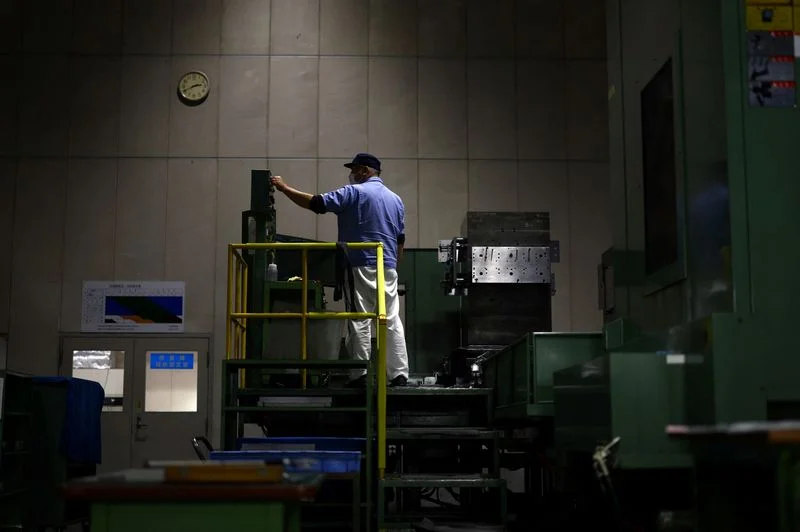

Japan business mood improves despite Middle East war, BOJ survey shows

Zach Werenski vetoes trade to Dallas Stars

Bluesound NODE Review: Is This $750 Streamer Finally Ready for WiiM and Cambridge?

SharpLink buys more Ethereum as ETH heads for rare quarterly slump

No Jackpot Winner as $257 Million Prize Rolls Over to $269 Million Monday Draw

Renter of Home in Anne Heche Crash Denies Settlement With Son

Two goals and an assist by sheer aura: Cristiano Ronaldo just entered the World Cup chat

Trump makes millions off of Trump meme coins, financial disclosure reveals

Recover Crypto How to Get Your Money Back From Scams

BIS WARNS AI CIRCULAR FINANCING BUBBLE COULD TAKE THE ENTIRE FINANCIAL SYSTEM DOWN -WORSE THAN 2008
-

 Fashion4 days ago
Weekend Open Thread: Staud – Corporette.com
-

 Politics5 days ago
The House | Manchesterism won’t survive the painful trade-offs unless it gets citizens on board
-

 Crypto World1 day ago
Strategy authorizes up to $1.25B in Bitcoin sales under new capital plan
-

 Politics5 days ago
Potential 2028er World Cup attendee leaderboard
-

 Business5 days ago
Asia stock markets slide as tech shares slump
-

 News Videos2 days ago
MAJOR BITCOIN & MARKET UPDATE!!!! (MUST WATCH ASAP!!!)
-

 Tech5 days ago
A Look At A Gaggle Of Transputer Boards
-

 Crypto World7 days ago
Securitize Wraps Roubini's SEC-Registered ETF as Dubai VARA Digital Security
-
Crypto World7 days ago
Bitcoin (BTC) Dips Below $62K, Ethereum (ETH) Plunges 6% Daily: Market Watch
-
 Crypto World5 days ago
Dell (DELL) Shares Tumble Over 5% Following Analyst Downgrade to Hold
-

 Crypto World3 days ago
Coinbase, Circle Deepen Crypto Stock Losses Despite Resilient S&P 500
-

 Crypto World4 days ago
Kraken's xStocks Opens Bending Spoons IPO Registration to EEA Retail
-

 Business24 hours ago
Australia treasurer says alleged access of prime minister’s bank data ’incredibly concerning’
-

 Sports4 days ago
FIH Pro League: India defeat Pakistan 7-1, register biggest win of campaign | Other Sports News
-

 Crypto World5 days ago
Bitcoin Sparks $600M Hourly Liquidations With $65,000 Set To Become Resistance
-

 Tech3 days ago
Bluekit phishing kit adopts browser-in-the-middle for login theft
-

 Tech4 days ago
Russian hackers now target Signal backup recovery keys
-
 Crypto World5 days ago
Hyperliquid Named on Singapore MAS Investor Alert Register
-

 Crypto World6 days ago
Ripple and SBI launch RLUSD in Japan after JFSA approval
-

 Crypto World4 days ago
RTX holders must register wallets before token distribution begins
You must be logged in to post a comment Login