

Business
Heart Risks Every Frequent Flyer Should Know


Flying is an activity that people generally engage in only once or twice a year, but for some of us, it is practically a part of life itself.
From business trips, international meetings, long-haul holidays, and frequent airport transfers, it is almost difficult to differentiate flying from everyday life.
Now, air travel is not a health risk, at least for healthy individuals who travel occasionally. But for frequent flyers, have you ever wondered what all that time in the air is doing to your heart? Sure, jet lag, tiredness, and swollen ankles are kind of expected after a flight, but the truth is that flying frequently tends to place some major demands on our cardiovascular system, and there are several things that can happen if you spend a significant amount of time air travelling. Keeping this in mind, let’s take a closer look at how frequent flying affects our heart health and what you can do to minimise its risks.
Why does flying put extra stress on the heart?
The thing about aircraft cabins is that, although they are pressurised to accommodate the heights at which they fly, they cannot quite replicate the conditions that exist at sea level. This means oxygen levels are slightly lower than your body is accustomed to on the ground, so your heart has to work harder to deliver oxygen to the rest of your body. For most people, this is not a problem, but for those already with a cardiovascular condition, the change in pressure can trigger symptoms or worsen existing conditions. Another thing worth mentioning is that air travel itself can be quite stressful. Think about it: you rush through airports, deal with delays, carry tons of luggage at a time, and adjust your schedule, your entire life, around flying and travelling. All of these things can very easily heighten your stress levels, which, over time, affect your blood pressure and overall health.
How do jet lag and sleep disruption affect your heart health?
Jet lag is nothing more than a few days of feeling tired and out of sync with your body. However, for people who cross multiple time zones each month, its effects can range from mild to severe rather quickly. Our bodies actually rely somewhat heavily on our circadian rhythm to regulate our blood pressure, heart rate, hormone production, and metabolism. So, if you keep repeatedly disrupting this internal clock, it will result in cardiometabolic problems such as hypertension and obesity, and even an increased risk of cardiovascular disease in general.
In a similar vein, poor sleep quality, irregular meal times, and chronic fatigue can compound over time, creating conditions far from appropriate for maintaining your long-term heart health. If you want to prevent this problem, the best thing you can do for yourself is to prioritise your sleep before and after travel, avoid excessive alcohol during flights, stay hydrated, and adjust to your destination’s local schedule as clearly as possible to minimise circadian disruption.
What is DVT and why does it matter for cardiovascular patients?
Talk to any cardiovascular specialist, and the biggest concern they will share about air travel and heart health is Deep Vein Thrombosis, otherwise known as DVT. This happens because prolonged sitting reduces blood flow to the lower limbs, thereby increasing the likelihood of clot formation. In some rare cases, such a clot can even break away and travel all the way up to your lungs, causing a life-threatening pulmonary problem.
As for how this relates to your heart organ, the risk of DVT increases if you’re already struggling with some cardiovascular diseases, obesity, have a previous history of blood clots, have gone through any recent surgery, or have certain medical conditions. For frequent flyers, it is especially important to watch for DVT. Fortunately, preventing this problem is quite easy: simply standing up regularly, stretching your legs, performing seated ankle exercises, staying hydrated, and wearing compression stockings on longer journeys can all help maintain healthy blood circulation.
How can you be a frequent flyer with a heart condition?
Having a heart condition does not automatically disqualify you from air travel. In fact, many people with stable cardiovascular disease can fly safely without major issues. The keyword here is “stable”, as problems tend to arise when a condition is either poorly controlled or when someone is attempting to travel too soon after a cardiac event. Say you are someone with a condition like unstable angina or decompensated heart failure, or who may have experienced some serious cardiac complications recently. In that case, you will need to get medical clearance before flying, as failing to do so and flying anyway can pose a massive risk to your health.
You will also need to manage your medications based on how long you’ll be travelling, as changing time zones, chaotic schedules, or airport disruptions might pose unnecessary risks to your health. Before travelling, just make sure that your medications are packed in your carry-on luggage and that you understand how time zone changes can affect your dosing schedules. Better yet, if you are a frequent flyer and are struggling with heart disease, always stay in touch with a good, reputable cardiologist in London to get the green light.
Fly safely, but with confidence
At the end of the day, the main issue with flying frequently is how you somewhat accumulate a lot of bad habits that affect your body negatively – things like prolonged sitting, dehydration, poor sleep, time zone changes, disrupted routines, and lowered physical activity. For most healthy people, even frequent flying may not cause issues so long as there is a balance between the good and the bad, but for those with heart conditions, it is important to err on the side of caution. That said, with just a little bit of planning and seeking medical advice when needed, you can technically go a long way towards protecting your cardiovascular health without sacrificing something that is already a major part of your everyday life. So, the next time you’re flying, think a little about your heart too and make some positive changes to take good care of it.


NEW YORK — Investors weighing technology opportunities in 2026 face a choice between established leaders in artificial intelligence infrastructure like SK Hynix and ambitious newcomers in space and satellite communications such as SpaceX, both offering exposure to high-growth sectors but with distinct risk profiles and market dynamics.
SK Hynix, the South Korean memory chipmaker, has emerged as a key beneficiary of the AI boom through its high-bandwidth memory products essential for training large language models. SpaceX, which completed its initial public offering in June, brings a different proposition centered on reusable rockets, Starlink satellite internet and potential AI compute capabilities in orbit.
The comparison highlights broader themes in technology investing: tangible near-term earnings from semiconductor demand versus long-term visionary bets on space industrialization. Both companies operate in capital-intensive industries with significant barriers to entry, but their paths to value creation differ markedly.
SK Hynix has posted strong results tied to surging demand for HBM chips used in NVIDIA graphics processors and other AI accelerators. The company has expanded production capacity aggressively to meet orders from major clients building data centers. Analysts project continued revenue growth as AI infrastructure spending remains elevated through the decade.
The memory sector has historically been cyclical, with periods of oversupply pressuring prices. However, the structural shift toward AI has altered dynamics, with HBM representing a higher-margin, specialized segment less prone to commoditization than traditional DRAM or NAND.
SK Hynix’s technological edge in stacking and bandwidth has allowed it to capture significant market share. Partnerships with foundries and direct sales to hyperscalers provide diversified revenue streams beyond traditional PC and mobile markets.
In contrast, SpaceX has disrupted the launch industry with reusable Falcon rockets and is scaling Starlink to provide global broadband. The company’s valuation soared post-IPO, reflecting enthusiasm for its role in lowering space access costs and enabling new applications from broadband to Earth observation.
SpaceX’s Starship program aims for even greater payload capacity and eventual Mars missions, though technical challenges remain. Starlink revenue growth has been a highlight, with subscriber additions driving recurring income.
Both companies face substantial capital requirements. SK Hynix invests heavily in fabrication facilities, while SpaceX funds rocket development and constellation deployment. Access to capital and execution on these investments will determine long-term success.
For public market investors, SK Hynix offers more immediate financial visibility through quarterly earnings tied to chip demand. SpaceX, as a newer public entity, is still establishing its reporting cadence and faces scrutiny over valuation sustainability after an initial post-IPO surge.
Analysts covering SK Hynix highlight its positioning in the AI supply chain. Memory demand for data centers is expected to remain robust, supporting pricing power in premium segments.
SpaceX’s investment thesis rests on execution across multiple fronts. Starlink’s path to profitability and global scale is critical, as is progress on Starship for higher-margin launch contracts and future exploration missions.
Regulatory environments differ. SK Hynix navigates semiconductor export controls and trade tensions, while SpaceX deals with aviation and space regulatory bodies alongside international spectrum allocation for Starlink.
Geopolitical risks affect both. Tensions in Asia impact semiconductor supply chains, while space activities face scrutiny over orbital debris and national security implications.
Diversification benefits exist for portfolios including both. SK Hynix provides exposure to proven AI infrastructure demand, while SpaceX offers asymmetric upside from space economy expansion.
Valuation metrics vary. SK Hynix trades at multiples reflecting growth expectations in memory, with analysts monitoring inventory levels and capital expenditure cycles. SpaceX’s post-IPO trading has shown volatility typical of high-profile technology debuts.
Investment decisions should consider time horizons. Near-term catalysts favor SK Hynix through earnings and AI spending updates. SpaceX’s story unfolds over years as Starship matures and Starlink reaches critical mass.
Broader market context includes Federal Reserve policy, economic growth and technology sector rotations. AI enthusiasm has lifted related stocks, but concerns over concentrated spending have prompted periodic pullbacks.
SK Hynix benefits from South Korea’s semiconductor ecosystem and government support for strategic industries. The company has announced expansions to meet projected demand.
SpaceX, under Elon Musk’s leadership, maintains ambitious timelines. Recent Starship test flights have advanced development despite setbacks common in complex engineering programs.
Financially, SK Hynix reports consistent profitability tied to product cycles. SpaceX has shown improving economics as launch cadence increases and Starlink scales.
Risk management differs. Semiconductor investors monitor inventory and pricing, while space investors track launch success rates and regulatory approvals.
Longer-term, both could benefit from AI synergies. SK Hynix supplies memory for ground-based training, while SpaceX could enable distributed computing or data relay in orbit.
Portfolio allocation depends on risk tolerance. Conservative investors may prefer SK Hynix’s established financials, while those seeking higher growth potential might allocate to SpaceX despite volatility.
Analyst consensus for SK Hynix remains positive, with price targets incorporating HBM expansion. SpaceX coverage is developing as the company reports public results.
The 2026 investment landscape favors companies with clear technological moats and secular tailwinds. SK Hynix and SpaceX exemplify different expressions of innovation in critical infrastructure.
Investors should conduct due diligence, considering overall asset allocation and market conditions. Neither represents a guaranteed outcome, as execution and external factors will influence results.
As AI and space technologies evolve, both companies are positioned at the forefront of their respective domains. The choice between them reflects preferences for near-term cash flows versus visionary disruption.
Market watchers will monitor upcoming earnings and operational updates from both. SK Hynix’s next results and SpaceX’s quarterly filings will provide fresh data points for comparison.
In summary, SK Hynix offers a more mature play on AI memory demand, while SpaceX represents a bet on multi-decade space ambitions. Diversification across both could balance immediate returns with long-term potential in transformative technologies.
Business
NFL Suspends Cardinals Scouting Director Ryan Gold Indefinitely for Leaking Draft Info and Gambling

The NFL has suspended Arizona Cardinals personnel executive Ryan Gold indefinitely for violating the league’s gambling policy, the league announced Friday, citing an investigation that found Gold leaked confidential draft information and placed prohibited bets on NFL and college football games.
The league said its investigation determined that Gold, the Cardinals’ director of college scouting, provided confidential, nonpublic information regarding Arizona’s 2026 draft selections before the picks were officially announced. Investigators also found that Gold participated in parlay bets involving both NFL and college games. The NFL did not disclose who Gold shared the draft information with, and it remains unclear how the league first became aware of the violations.
In a statement announcing the suspension, the NFL emphasized the seriousness with which it treats any breach of its gambling policy, even when game integrity itself is not in question. “The Gambling Policy, which is annually reviewed with all NFL personnel, strictly prohibits anyone in the NFL from participating in or facilitating any form of sports gambling, and from providing third parties non-public information,” the league said. “Although there is no reason to believe the integrity of any NFL game was affected, the League takes any violation of the Gambling Policy with the utmost seriousness.”
The Cardinals organization issued its own statement following the announcement, expressing support for the league’s decision while emphasizing that the violation was isolated to a single employee. “The NFL’s policies and expectations for all employees are clear, comprehensive, and consistently communicated. We fully support the league’s decision in this matter, which involves a single employee. Our focus remains on preparing for the start of training camp next week and the 2026 season,” the team said.
Gold has spent 13 seasons with the Cardinals organization. He was promoted to director of college scouting in June 2025, after spending the previous three years, from 2022 to 2024, as assistant director of college scouting. Before that, he worked four seasons, from 2018 to 2021, as a college scouting coordinator. In his current role, Gold oversees a scouting department that includes four regional and pro scouts, six area scouts, and lead assistant director Alfonza Knight, who is also in his 13th season with the organization, according to reporting from The Mirror.
The timing of the suspension has drawn additional scrutiny given a notable moment from this year’s NFL Draft. The Cardinals surprised many draft analysts by selecting Notre Dame running back Jeremiyah Love with the No. 3 overall pick, passing over Ohio State defender Arvell Reese, who had been widely projected as a likely selection at that spot. According to reporting from The Mirror, footage that circulated after the draft appeared to show Love being named as the Cardinals’ pick prematurely during a rehearsal held ahead of the official broadcast, raising questions about whether that specific selection was connected to the information Gold is accused of leaking. Gold was also reportedly involved in the team’s process of selecting quarterback Carson Beck in the draft’s third round.
The NFL said its review of Gold’s conduct included interviews with relevant individuals and an examination of electronic records. The league further stated that the Cardinals organization fully cooperated with the investigation, and that there was no indication any other member of the team, including coaches or players, was aware of or involved in Gold’s activity. The league also said it found no evidence that any play or game outcome was affected by the violations.
Gold retains the right to appeal his suspension. He could not immediately be reached for comment following the league’s announcement Friday.
The NFL has maintained increasingly strict gambling policies in recent years as legalized sports betting has expanded across the country following a 2018 U.S. Supreme Court ruling that opened the door for states to authorize sports wagering. The league has invested significant resources into gambling education programs, reaching more than 20,000 people associated with the league across teams and front offices. Under the current policy, players are barred from placing any bet on NFL football, from attempting to fix or manipulate any aspect of an NFL game, and from sharing confidential, nonpublic information about any NFL game, player or event with third parties. Players are permitted to legally bet on other sports, provided they are off club property and not traveling with the team, and may also participate in traditional fantasy football leagues with prize pools capped at $250, or gamble legally at casinos during personal time.
League and club staff, including scouting and front-office personnel like Gold, are held to comparable restrictions barring participation in or facilitation of sports gambling and prohibiting the sharing of non-public information with outside parties. To help enforce those rules, the NFL partners directly with sportsbooks and data-analysis firms such as Genius Sports, which monitors real-time betting activity to flag suspicious patterns, including unusually high-volume wagers or unexpected shifts in betting lines that could indicate the misuse of inside information.
Gold’s suspension adds to a long history of gambling-related discipline within the league. At least 15 NFL players have been suspended for gambling violations since 1963, according to ESPN, with several cases occurring in recent years amid the broader expansion of legalized sports betting. The most recent player suspension prior to Gold’s case involved Isaiah Rodgers, who was suspended in June 2023 while with the Indianapolis Colts and was later reinstated in April 2024. Other notable cases in recent seasons have included multiple Detroit Lions players, including wide receiver Jameson Williams, as well as Tennessee Titans offensive tackle Nicholas Petit-Frere and former Atlanta Falcons wide receiver Calvin Ridley, each disciplined for violations ranging from betting on non-NFL games at team facilities to wagering directly on NFL contests.
Gold’s case marks a notable shift in that pattern, given his role as a front-office scouting executive rather than a player. The suspension comes just weeks before the Cardinals are set to open training camp ahead of the 2026 season, with the team saying its focus remains squarely on preparing for the upcoming year despite the disruption caused by the investigation into Gold’s conduct.

Earnings call transcript: ICICI Bank posts strong Q1 2026 growth, shares slip after hours

There’s a version of me from a few years ago who spent $340 on a candle-making kit, four bags of soy wax, and a stack of amber glass jars, convinced I’d stumbled on the one small business idea that would finally make me my own boss. Six weeks later, I’d set off my smoke alarm twice, given away eleven candles to neighbors who hadn’t asked for them, and quietly returned the wax to the back of a kitchen cabinet, where- if I’m honest- it might still be.
Was the idea bad? Not really. Was I ready to execute it? Absolutely not. That’s the gap nobody warns you about: there are a thousand small business ideas floating around the internet, but almost nothing written about how to tell a genuinely good one from an expensive way to occupy a weekend.
So is there a formula for picking a winner? Not exactly, but there’s a much better filter than “this seems fun,” and we’ll get to it. First, a running start: 80 real ideas, organized by the situation you’re actually starting from, each with a plain-English note on why it works and who it’s for.
The Highlights, If You’re Short on Time
Pulled from the full list below, these are the ones with the clearest path from “idea” to “first paying client” right now:
- Freelance writing or copyediting
- Virtual assistant services
- AI workflow consulting for small businesses
- Bookkeeping for solo entrepreneurs
- Mobile pet grooming
- Residential or office cleaning
- Niche e-commerce (one tight category)
- Personal training or nutrition coaching
- Local SEO consulting
- Home organizing services
- Senior companion care
- Meal-prep delivery service
- Online course creation
- Web design for local businesses
- Handyman or small home-repair work
That’s the appetizer. The full 80 are below, grouped by category, but the list isn’t actually the hard part. The decision is.
What Makes a Small Business Idea Good, Instead of Just Cute?
Here’s the uncomfortable truth: almost any idea on this list can work, and almost any idea can fail. The difference usually comes down to four things:
- You already have the skill, or can get good at it fast. Starting from zero adds months, sometimes years, to your runway.
- The startup cost is low enough to survive being wrong. If your first attempt flops, can you try again, or are you done?
- There’s a repeatable way to find customers — not just the first ten, who are usually friends and family, but the hundred after that.
- It can grow without your hours growing at the same rate. A business that only makes money when you’re personally trading time for it has a ceiling built in.
It also helps to remember what “small business” actually means at scale: according to the U.S. Small Business Administration’s Office of Advocacy, small businesses make up 99.9% of all U.S. businesses and employ roughly 62.3 million people, nearly 46% of the private-sector workforce. This isn’t a fringe category. It’s most of the economy.
With that filter in mind, here’s the full list.
Low-Cost Small Business Ideas (Almost No Startup Capital Required)
Low-cost doesn’t mean low-quality, it means the idea is built around your time and skill instead of inventory and equipment. This is usually the right starting category if you’ve never run a business before and want to test the water without draining your savings.
- Freelance writing or copyediting — turns existing writing ability into paid work with essentially zero equipment cost beyond a laptop.
- Virtual assistant services — inbox management, scheduling, and admin support for founders who’d rather not do it themselves.
- Social media management — running content calendars and posting schedules for small businesses too busy to do it consistently.
- Proofreading and transcription — detail-oriented work with low startup cost and steady demand from authors, students, and podcasters.
- Voiceover work — a home mic and some patience are the main barriers to entry; auditions do the rest.
- Online research services — freelance research for writers, analysts, and small firms that need a second set of eyes.
- Academic or test-prep tutoring — built directly on a subject you already know, with pay that scales with your track record.
- Resume and LinkedIn profile writing — steady demand from job seekers, especially during hiring-season spikes.
- Bookkeeping for solo entrepreneurs — recurring monthly work once you land a handful of regular clients.
- Independent consulting in your current field — the fastest route from “employee” to “business owner” because the expertise already exists.
Service-Based Small Business Ideas (Skills You Already Have)
If you’ve spent years getting good at something inside someone else’s company, that skill doesn’t stop being valuable the moment you leave. It just needs a new home.
- Marketing or brand strategy consulting — for small businesses that know they need better positioning but not how to get there.
- Web design and development — a service almost every small business needs and few want to learn themselves.
- Real estate or product photography — recurring work tied to two industries (real estate, e-commerce) that never stop needing images.
- Interior design or home staging — project-based work with strong word-of-mouth potential once you have a portfolio.
- Financial or tax consulting — high-trust, high-repeat-business work, especially for other small business owners.
- HR consulting for small teams — hiring, policy, and compliance help for companies too small to have an in-house HR person.
- Graphic design and branding — logos, packaging, and visual identity work for businesses at the “we finally need this” stage.
- Video editing services — demand driven by every small business now needing short-form content for social platforms.
- Career or executive coaching — one-on-one work that scales through referrals and testimonials more than ads.
- Grant writing for nonprofits — a narrow, specialized skill with less competition and often better pay than general freelance writing.
“Take what I already know how to do” is unglamorous advice compared to “chase a trend,” but it’s the version with the shortest distance between idea and first paying client.
Product and E-Commerce Small Business Ideas
Service work trades hours for dollars. Product work can, eventually, decouple the two – though it usually asks for more patience and more upfront cash before that happens.
- Niche e-commerce store (one tight category) — outperforms general stores by giving customers an actual reason to choose you over Amazon.
- Handmade goods on Etsy or your own site — low overhead, direct customer relationships, and full control over pricing and quality.
- Print-on-demand apparel — no inventory risk, since items are made only after they’re ordered.
- Interest-based subscription boxes — recurring revenue built around a specific hobby or identity rather than a general category.
- Specialty food products sold online — sauces, snacks, and baked goods with a shelf-stable format and a built-in gifting angle.
- Curated vintage or resale — sourcing is the real skill here; a good eye is worth more than a large budget.
- Digital products (templates, planners, courses) — sell once, deliver infinitely, with no shipping or inventory involved.
- Pet products for a specific niche — senior dogs, allergy-prone cats, exotic pets — narrower focus, more loyal customer base.
- Home goods with a sustainability angle — appeals to buyers actively looking for lower-impact alternatives to mass-market options.
- Custom stationery or invitation design — event-driven demand (weddings, showers, milestone birthdays) with strong repeat referrals.
Local and Mobile Small Business Ideas
Not everything needs to scale nationally to be worth doing. Some of the steadiest small businesses are the ones that never leave a five-mile radius.
- Residential or office cleaning — dependable recurring revenue once you build a regular client roster.
- Mobile pet grooming — convenience-driven pricing premium over storefront groomers, with lower overhead than a physical shop.
- Dog walking and pet sitting — low startup cost, flexible hours, and strong demand in dense residential areas.
- Lawn care and landscaping — seasonal but reliable, with equipment as the main upfront investment.
- Home organizing services — a fast-growing niche driven by decluttering trends and smaller living spaces.
- Handyman or small home-repair work — broad demand and minimal competition in most residential neighborhoods.
- Power washing and exterior cleaning — low equipment cost relative to the price customers are willing to pay per job.
- Senior companion care — non-medical support work with rising demand as the population ages.
- Mobile car detailing — comes to the customer, which is the entire value proposition and pricing justification.
- Moving and junk removal — physically demanding but reliably in-demand, especially in areas with high rental turnover.
Local services tend to have something the internet-first ideas don’t: word-of-mouth that compounds. One good review in a neighborhood Facebook group can outperform a month of ads.
Tech-Enabled and AI-Adjacent Small Business Ideas
Every wave of new tooling creates a matching wave of people who need help using it. Right now, that’s AI and the businesses built around helping other small businesses adopt it are among the fastest-growing ideas heading into 2026.
- AI workflow consulting for small businesses — helping owners figure out which tools are actually worth adopting, and which aren’t.
- Custom chatbot or GPT setup for local companies — practical, narrow-scope tech work most small businesses can’t build themselves.
- Data cleanup and automation services — unglamorous but consistently in-demand as businesses accumulate messier spreadsheets and systems.
- No-code app or website building — technical results without requiring the client (or you) to write code.
- AI-assisted content editing and fact-checking — a service layer on top of AI writing tools, for businesses that don’t trust raw output.
- Basic cybersecurity services for small businesses — most small businesses have none in place and don’t know where to start.
- Tech support for non-technical business owners — patient, plain-English troubleshooting that IT firms often price out of small-business range.
- Paid social media ad management — running and optimizing campaigns for businesses that don’t have the time to learn the platforms.
- E-commerce store audits and optimization — improving conversion rates on stores that already have traffic but weak sales.
- Local SEO consulting — helping brick-and-mortar businesses actually show up when someone searches nearby.
Wellness and Health Small Business Ideas
Wellness spending has kept climbing for years, and it’s increasingly treated as a routine expense rather than a luxury- which is the kind of demand a small business can build a real practice around.
- Personal training — one-on-one or small-group fitness coaching, in a gym, at home, or outdoors.
- Nutrition and health coaching — personalized guidance that goes beyond generic diet plans.
- Mobile massage therapy — brings the service to the client, commanding a premium over studio-based competitors.
- Yoga or Pilates instruction — can run in-person, online, or both, with low equipment costs to start.
- Non-clinical mental wellness coaching — support-focused work distinct from licensed therapy, with its own growing demand.
- Sleep coaching — a narrow, underserved niche with a clear, specific customer pain point.
- Postpartum support services — doula-adjacent, non-medical support for new parents in the weeks after birth.
- Senior fitness classes — a growing demographic with specific, underserved mobility and strength needs.
- Corporate wellness consulting — bringing wellness programming into small and mid-size workplaces.
- Assisted stretching or mobility studio — a newer fitness-adjacent model built around guided, hands-on flexibility sessions.
Food and Beverage Small Business Ideas
- Home bakery under a cottage food license — one of the lowest-overhead ways to turn a baking hobby into real income.
- Small-batch hot sauce or condiment brand — a manageable production scale with strong farmers-market and gift-market appeal.
- Mobile coffee cart — lower buildout cost than a café, with the flexibility to work events and high-traffic locations.
- Food truck — higher startup cost than a cart, but a full menu and a loyal local following to match.
- Personal chef service — in-home cooking for clients who want restaurant-quality meals without eating out.
- Meal-prep delivery service — batch-cooked, ready-to-eat meals delivered on a weekly schedule, distinct from one-off personal-chef visits.
- Small-batch beverage brand — cold brew, kombucha, or specialty sodas, often starting at farmers markets before retail shelves.
- Cooking or baking classes — turns existing kitchen skill into a teaching business with strong repeat-attendee potential.
- Farmers market vendor — low commitment way to test a food product before investing in a storefront or full production.
- Small-event catering — a natural next step for anyone already cooking at scale for friends and family.
Creative, Content, and Education Small Business Ideas
- Freelance illustration or design commissions — client work ranging from branding projects to personal commissions.
- Stock photography or video licensing — passive-leaning income once a library of work exists.
- Niche YouTube channel or content creation — monetized through sponsorships, ads, or a related product line once an audience builds.
- Paid newsletter publishing — subscription-based writing built around a specific topic and a loyal reader base.
- Ghostwriting for executives or founders — high-paying, relationship-driven work once you’ve built a track record.
- Online course creation — packages existing expertise into a product that can sell without your ongoing time.
- Children’s enrichment classes — art, coding, or music instruction for kids, often run through schools or community spaces.
- Music lesson instruction — steady, recurring income built on regular weekly sessions with the same students.
- Craft workshop hosting — paint nights, pottery sessions, and similar hands-on events with built-in social appeal.
- Podcast production and editing services — technical and creative support for the growing number of small businesses launching their own shows.
How Do You Actually Narrow This Down?
Take whichever three or four ideas from this list made you sit up a little straighter, and run each through the same four questions:
- Do I already have this skill, or could I realistically learn it in a month?
- Could I lose the startup cost entirely and still be okay?
- Do I know exactly where my first ten customers would come from?
- Is there a version of this that doesn’t require me personally, forever?
An idea that answers “yes” to all four isn’t just cute anymore. It’s a plan.
What Actually Trips People Up
It’s rarely the idea itself. It’s usually one of three things: underpricing out of nerves, waiting for a perfect logo and website before ever taking a paying client, or picking something with no clear path to customer number two. Every idea on this list can survive a rough first attempt. Almost none of them survive six months of avoiding the actual work of finding customers.
I think about the candle wax still sitting in that cabinet sometimes- not as a failure, exactly, more as a $340 lesson in doing the filtering before the buying spree. If you take nothing else from this list, take that: the idea rarely fails you. The lack of a plan usually does.
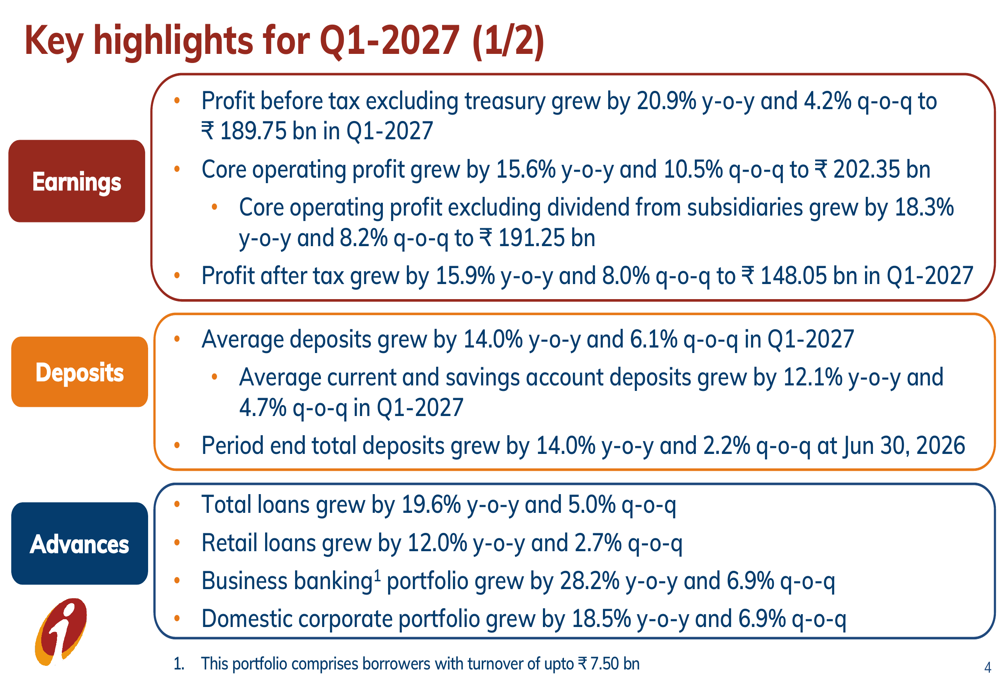
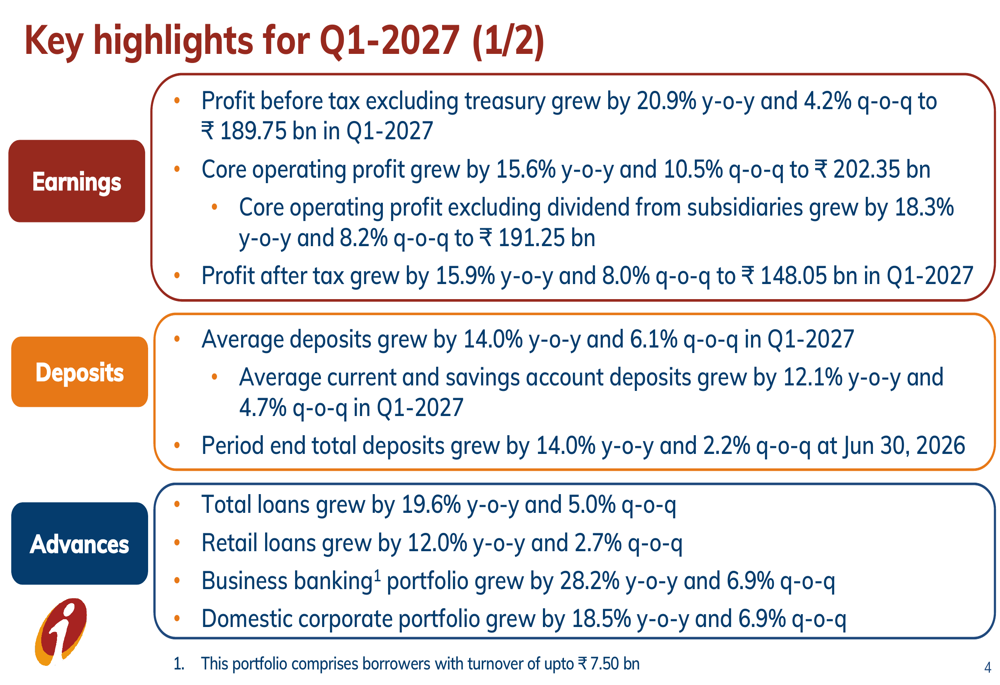
ICICI Bank Q1 2027 slides: profit surges 21%, loan growth accelerates

The issue entirely comprises an offer for sale (OFS) of over 2.59 crore shares by promoters and other shareholders, according to the Draft Red Herring Prospectus (DRHP) filed on Friday. This means that none of the IPO proceeds will go to the company, as they will be received by the selling shareholders.
The IPO of the Kanpur-based company will open for anchor investors on July 22. Equirus Capital and Motilal Oswal Investment Advisory are the book-running lead managers to the issue. The equity shares of the company will be listed on the BSE and NSE.
Promoters participating in OFS include Raj Kumar Lohia (up to 167.28 lakh shares), Gaurav Lohia (up to 22.18 lakh shares), Amit Kumar Lohia (up to 9.2 lakh shares) and Ritu Lohia (up to 16.71 lakh shares). Other selling shareholders include Alok Kumar Lohia (up to 21.71 lakh shares), Anurag Lohia (up to 11.38 lakh shares) and Anuja Lohia (up to 10.85 lakh shares).
Also read | IPO calendar: 5 IPOs opening for subscription to keep investors busy; SBI Funds among 4 listings scheduled
Lohia Corp financials
Lohia Corp reported a net profit of Rs 193 crore for the financial year which ended on March 31, 2026. This marked a 64% year-on-year (YoY) rise from Rs 118 crore net profit reported in FY25. Its revenue from operations, meanwhile, rose around 25% YoY to Rs 1,717 crore in FY26 from Rs 1,377 crore in FY25.

Lohia Corp is the manufacturer of machinery and equipment used in the production of technical textiles, in particular for manufacturing polypropylene and high-density polyethene woven fabric and sacks.
Also read: Zepto said to face sharply lower valuation for IPO Meanwhile, the primary market will stay active next week, with five IPOs opening for subscription and four IPOs set to list on the exchanges. The focus will be on Xtranet Technologies and Cube Highways Trust InvIT, which are the mainboard offerings scheduled to open next week. Alongside them, a few SME issues will also hit the market. Investors will also track the listing of SBI Funds Management, Millworks Technologies and Alpine Texworld after their IPOs close this week.
(Disclaimer: Recommendations, suggestions, views and opinions given by the experts are their own. These do not represent the views of The Economic Times)

MIAMI — Harry Kane and Kylian Mbappé lead England and France into Saturday’s World Cup third-place playoff at Miami Stadium, a match that carries far more weight than the typical consolation fixture, with the tournament’s Golden Boot race hanging in the balance alongside the bronze medal itself.
The match, scheduled for 5 p.m. Eastern time, brings together two teams still reeling from painful semifinal exits earlier in the week. France was outclassed 2-0 by Spain on Tuesday, with the country’s typically potent attacking players unable to find a way past a disciplined Spanish defense. England suffered an even more agonizing defeat the following night, conceding twice in the closing minutes of a 2-1 loss to Argentina after taking an early second-half lead, with Lionel Messi setting up both of Argentina’s late goals.
Neither team arrived in North America hoping to play for third place. England manager Thomas Tuchel acknowledged as much in comments ahead of the match, saying plainly that none of the players on either side actually wanted to be playing in this fixture. “None of these players, none of the French players want to play this match. They want to play in the final. We gave everything to be in the final,” Tuchel said.
Despite the lack of enthusiasm surrounding the fixture itself, the individual stakes for Saturday’s match are considerable. Mbappé enters the day with eight goals in the tournament, one behind Messi’s tournament-leading total of eight goals combined with four assists, which currently give the Argentine captain the edge in the Golden Boot race on the tiebreaker of assists. Mbappé has three assists of his own, meaning any additional goal he scores Saturday would push his tournament total to nine, potentially overtaking Messi outright in the goals column regardless of how the assist tiebreaker plays out, since goals scored take precedence as the primary Golden Boot criterion before assists are used to separate players tied on goals.
Kane and England teammate Jude Bellingham both sit further back in the scoring race with six goals apiece, giving both players an outside mathematical chance at the Golden Boot, though a realistic path would likely require a standout individual performance Saturday combined with Messi and Mbappé both being held scoreless in their respective remaining matches. Kane’s chances of adding to his tournament tally will depend both on his own finishing and on how France’s rotated defensive lineup performs against an England side that, according to multiple previews, is expected to lean heavily on Kane’s combination of open-play movement and set-piece scoring threat.
Statistical models have leaned toward France as the favorite to claim third place. According to Opta’s supercomputer simulations cited by Al Jazeera, France was projected to win the match outright within 90 minutes in roughly 50.7% of 25,000 simulated outcomes, with an England win projected in 25.6% of simulations and a draw at the end of regulation projected in 23.7% of cases. Multiple match previews have echoed a similar expectation, predicting an open, high-scoring affair with both teams finding the net, and pointing toward France edging the contest in a match that could plausibly finish 2-1 or 2-2.
History adds another layer of motivation for England specifically. The Three Lions have finished fourth at the World Cup on two previous occasions, in 1990 and 2018, and have never won a third-place playoff in either instance, losing 2-1 to host nation Italy in 1990 and 2-0 to Belgium in 2018. A win Saturday would give England its first-ever bronze medal finish at a World Cup. France, by contrast, holds a stronger historical record in the fixture, having won two of its three previous third-place playoffs, defeating West Germany in 1958 and beating Belgium 4-2 after extra time in 1986, with its only loss coming against Poland in 1982, a match in which France rested several key players, including Michel Platini, following a bitter semifinal defeat to West Germany.
Beyond the individual and historical stakes, Saturday’s match also carries a modest financial incentive for both federations, with the third-place finisher earning $2 million more in prize money than the fourth-place team. The match will also mark the final appearance of French manager Didier Deschamps in charge of Les Bleus, adding a symbolic element to the fixture as France’s long-tenured coach oversees his last match at the helm of the national team.
Both managers are expected to use the match, at least in part, to give playing time to squad members who have seen limited action throughout the tournament, given the relatively low collective stakes attached to the outcome compared with Sunday’s championship final between Argentina and Spain. Even so, neither Kane nor Mbappé is expected to be rested, given both players’ direct stakes in the ongoing Golden Boot race and their standing as the primary attacking focal points for their respective national teams.
The broader context of both nations’ World Cup runs adds further intrigue to the matchup. Mbappé, already a two-time Golden Boot contender from previous tournaments, is chasing what would be a career-defining individual achievement in a World Cup year that otherwise ended in disappointment for France following its semifinal exit. Kane, meanwhile, continues pursuing what has so far eluded him throughout a decorated international career: a major trophy with England, with Saturday’s bronze medal representing the closest tangible prize still available to him at this tournament.
With the match kicking off Saturday afternoon in Miami and Sunday’s final between Argentina and Spain following almost immediately after, the third-place playoff offers what may be the last meaningful opportunity for either Kane or Mbappé to add to their World Cup legacies this summer, ensuring that even a fixture neither team wanted to play carries real consequence by the time the final whistle sounds.

Yext: Scout Platform Evolution May De-Risk A Favorable Turning Point
Earnings call transcript: HDFC Bank posts modest Q1 2026 growth as margins narrow

XLV: Healthcare Sector On The Mend, But Probably Not For Long
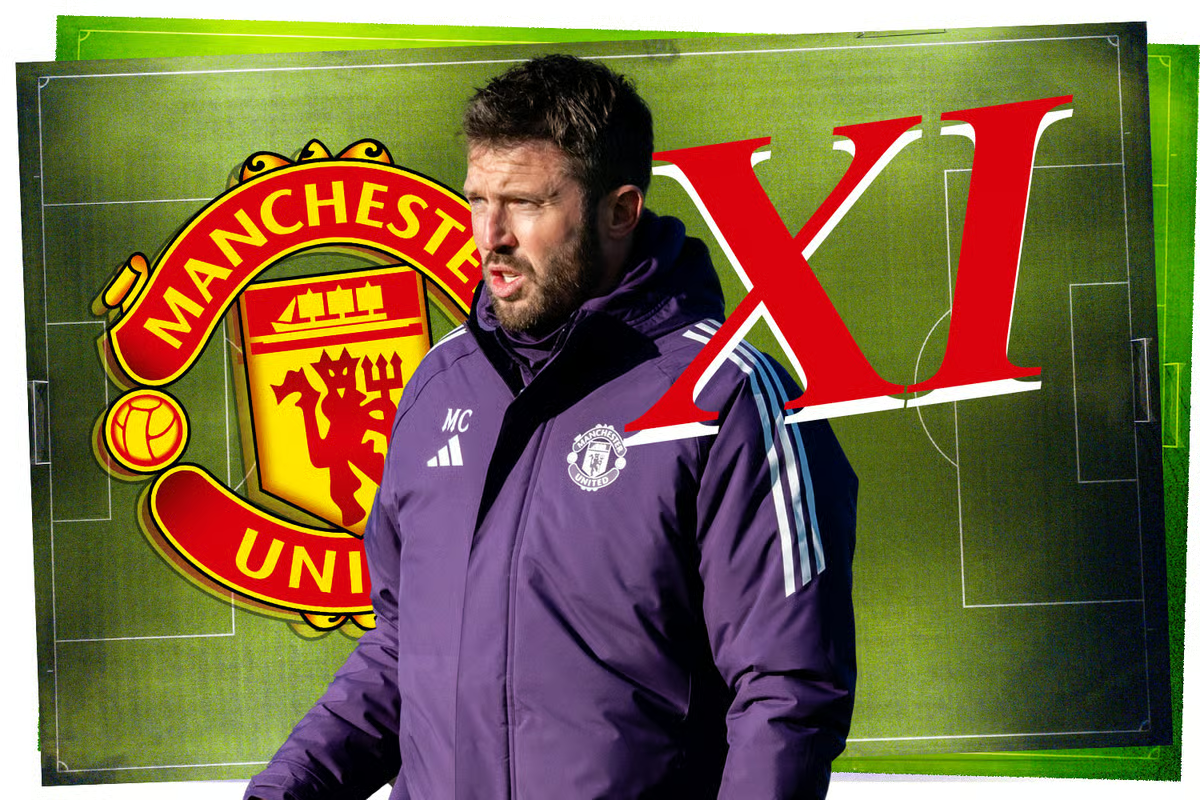
Man Utd XI vs Wrexham: Predicted lineup, confirmed team news, injury latest for pre-season friendly today

AI Memory Leader or Space Pioneer for Investors

THEY JUST FLIPPED THE SWITCH ON XRP!!! (XRP CLASSIFIED AS A FINANCIAL ASSET!)


-
 NewsBeat2 days ago
London Mayor Sadiq Khan handed a peerage by Keir Starmer alongside 15 other Labour figures… just days before the PM leaves No10
-

 Fashion20 hours ago
Weekend Open Thread – Corporette.com
-

 Politics3 hours ago
The House | The City of London can help the new chancellor deliver growth in every postcode
-

 Crypto World3 days ago
CFTC blocks Kalshi from unwinding Michigan trades after court order
-

 Politics3 days ago
Young campaigners urge incoming PM to act on outdoor junk food ads
-

 Business2 days ago
Nvidia Stock Slips After Big Tuesday Rally as Huang Confirms Vera Rubin Chip Is Now in Production Today
-

 Crypto World3 hours ago
Ripple Payments Joins MiCA With 14 Firms, Does It Mean Anything For XRP?
-
 Entertainment3 days ago
Disney’s Most Ambitious Failed Star Wars Attraction Is Coming to SDCC
-

 Crypto World16 hours ago
Ripple wins EU-wide access as ESMA adds it to MiCA register
-

 Tech4 days ago
Get Your ESP32 Sunny Side Up With This Solar Dev Board
-

 Crypto World2 days ago
Injective Submits SEC Transfer-Agent Registration to Onchain Ownership Records
-

 News Videos4 days ago
XRP BOMBSHELL… XRP OMBOARDED FOR TRANSACTIONS!!!
-

 Business2 days ago
Palantir Shares Rise After Expanded Nvidia Partnership and Fresh Analyst Upgrades Ahead of Earnings Day
-

 NewsBeat1 day ago
Registration is now open for March for Men with Kev 2026
-

 Tech4 days ago
Dark Secrets Emerge When Jailbreaking LLMs
-
 Sports3 days ago
New Cornerback Enters Vikings Trade Rumor Mill
-

 News Videos1 day ago
Money | Class 12 Economics | CBSE Board Exam 2026-27
-

 Business2 days ago
Banco Bilbao Vizcaya Argentaria, S.A. (BBVA) Discusses Global Macro Environment and Economic Outlook for Core Markets Transcript
-

 NewsBeat9 hours ago
Durham County Council to send out electoral registration emails
-
 Tech5 days ago
Cloudflare Precursor Watches Your Mouse and Keyboard To Decide If You Are Human
You must be logged in to post a comment Login