
Business
Hedging Against Currency Volatility in a Shifting Global Market


For British exporters, the era of predictable margins is effectively over. As we settle into 2026, the compounding pressures of new trans-Atlantic trade tariffs and the erratic fluctuation of Sterling are forcing Finance Directors to tear up their old operational playbooks.
In this unforgiving environment, relying on legacy banking infrastructure to handle cross-border payments is no longer just an inefficiency—it is an active threat to profitability. To maintain competitiveness in non-traditional markets, switching to a dedicated multi currency business account is becoming the first line of defence for forward-thinking SMEs.
The “Hidden Tax” on British Exports
The core problem facing UK businesses isn’t just the exchange rate headline figure; it is the friction and opacity involved in moving money through the traditional banking system. For decades, High Street banks have treated foreign exchange (FX) as a profit centre rather than a utility.
Consider a Nottingham-based manufacturer importing components from Shenzhen or exporting services to Berlin. The “standard” bank spread of 2.5% to 3.5% on every transaction acts as a hidden tax on growth. On a £50,000 invoice, a 3% spread erases £1,500 from the bottom line—often wiping out the net margin gain from a hard-won contract negotiation.
In 2026, when supply chain inflation is already squeezing profits, donating percentage points to banking intermediaries is unjustifiable. The disparity between the interbank rate and what an SME actually pays often determines whether a growing export division is profitable or merely breaking even.
The Strategy of Natural Hedging
The most effective strategy for the coming year is operational diversification. With the US market facing potential protectionist hurdles, UK firms are aggressively pivoting East—towards the UAE, Singapore, and emerging Asian markets. However, venturing into these territories brings complex currency headaches that simple spot-transfers cannot solve.
This is where the concept of “natural hedging” becomes critical. Instead of constantly converting revenue back into Sterling, smart businesses are keeping funds in their native currency to pay local suppliers later.
To execute this, the operational agility of a modern multi currency business account becomes the differentiator. By holding balances in local currencies—be it AED, SGD, or EUR—businesses can pay suppliers like a local entity. For instance, revenue earned in Euros from a client in France can be held in a Euro-denominated IBAN and used directly to pay a logistics partner in Germany three weeks later. This completely eliminates the FX risk and conversion fees on those funds, a tactic that was previously available only to large multinationals with complex treasury departments.
Speed as a Supply Chain Currency
Beyond the mathematics of exchange rates, there is the issue of velocity. Cash flow remains king, but in the volatile climate of 2026, liquidity speed is queen.
Waiting three to five days for a SWIFT transfer to clear is an operational lag that modern supply chains can no longer tolerate. If your competitor in Germany can settle an invoice with a supplier in Vietnam instantly using fintech rails, and you are stuck waiting for a correspondent bank in New York to approve a wire transfer, you are at a disadvantage. Suppliers in high-demand markets prioritise buyers who pay fast and in the correct currency.
Modern fintech solutions have normalised instant or same-day settlement, even across borders. A payment that arrives instantly, in the supplier’s local currency, without intermediary bank deductions, builds immense trust. In a supply chain disrupted by geopolitical tension, being the “easy-to-work-with” partner often secures priority status for inventory and shipping.
The CFO’s Audit Checklist for 2026
If your business is still operating with a single GBP-denominated account for international trade, your infrastructure is likely leaking value. It is time to audit your banking stack against the realities of the current market:
- Audit Your Real Effective Rate: Don’t just look at the fee per transfer. Compare the exchange rate your bank gives you against the live market mid-market rate. Calculate the annualised cost of that spread across your total export volume.
- Capability to Hold Foreign Revenue: If you receive payment in US Dollars or Euros, does your bank force an immediate auto-conversion to Sterling? If so, you are losing the ability to hedge naturally.
- Deployment Speed: If a sudden opportunity arises in a new market—say, Brazil or Saudi Arabia—can you generate local account details instantly to receive funds, or does it require weeks of paperwork?
The economy of 2026 rewards precision and speed. While British SMEs cannot control global tariffs or the whims of the forex market, they can control their financial infrastructure. Moving away from rigid legacy banking towards flexible fintech solutions is the smartest, most cost-effective hedge a business can make this year.



Morning Bid: Little relief from Trump

Huntington Bancshares: I'm Paying Attention
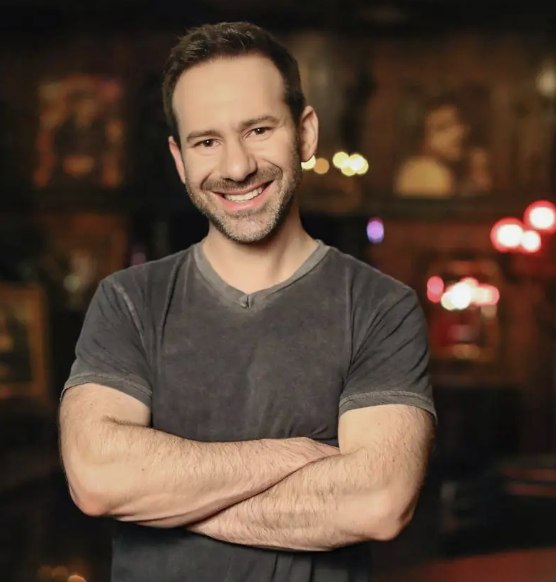
MIAMI – Leonid Radvinsky, the low-profile Ukrainian-American entrepreneur who transformed OnlyFans into a multibillion-dollar subscription platform dominating the adult entertainment industry, died March 20, 2026, after a private battle with cancer. He was 43.
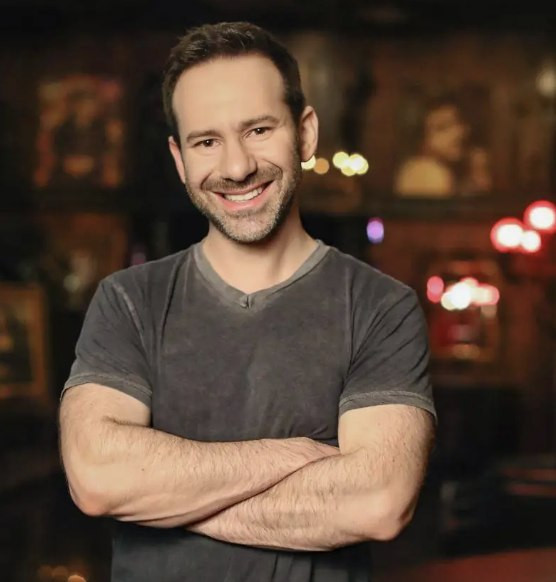
OnlyFans confirmed the death in a statement Monday, saying Radvinsky “passed away peacefully after a long battle with cancer.” The company emphasized that his family has requested privacy. At the time of his death, Forbes estimated his net worth at $4.7 billion, placing him among the world’s richest individuals and on the Forbes 400 list of wealthiest Americans.
Radvinsky acquired a majority stake in Fenix International Ltd., OnlyFans’ parent company, in 2018 from its British founders. Under his ownership, the platform exploded in popularity, especially during the COVID-19 pandemic, as creators — many in adult content — turned to direct subscription models. By 2024, OnlyFans reported billions in gross revenue, with users spending $7.2 billion on the site and Radvinsky personally receiving roughly $1.9 million per day in profits at peak times. He had extracted about $1.8 billion in dividends by early 2025.
Here are five key things to know about Leonid Radvinsky:
1. **Immigrant Success Story**: Born in Odesa, Ukraine, around 1982 or 1983, Radvinsky moved to Chicago as a child. He studied economics at Northwestern University, graduating summa cum laude and serving as class valedictorian. Early exposure to computers came from programming in BASIC on his grandfather’s i386 PC, sparking a lifelong passion for technology.
2. **Pioneer in Adult Web Businesses**: Before OnlyFans, Radvinsky built his fortune in online adult entertainment. While a student, he founded Cybertania, a porn website referral business. He later created MyFreeCams through his holding company MFCXY Inc., one of the early cam sites that let users pay for live explicit content. These ventures laid the groundwork for his larger success.
3. **OnlyFans Majority Owner and Transformative Leader**: Radvinsky bought a 75% stake in Fenix International in 2018 for an undisclosed sum. He kept an extremely low public profile, rarely giving interviews and avoiding the spotlight despite the platform’s cultural impact. OnlyFans grew to millions of creators and hundreds of millions of fans, allowing performers to monetize directly and bypassing traditional industry gatekeepers. Reports in 2025 indicated he was exploring a sale that could value the company at up to $8 billion.
4. **Philanthropist and Open-Source Advocate**: Despite his reclusive nature, Radvinsky described himself on personal websites as an angel investor, company architect and open-source software supporter. He donated millions to causes including cancer research at Memorial Sloan Kettering, the University of Chicago Medicine and animal welfare groups. In 2024, he made a $23 million grant for cancer research. He also invested heavily in open-source technologies and promoted tools empowering digital identity control.
5. **Private Family Man**: Radvinsky married Katie Chudnovsky in 2008. The couple had four children and lived primarily in Florida, where he maintained a low-key existence. He rarely discussed his personal life publicly, and his family has continued that request for privacy following his death. He was known among close circles as an aspiring helicopter pilot and Elixir programming language enthusiast.
Radvinsky’s death comes as OnlyFans navigates questions about its future ownership. Shares in the LR Fenix Trust have held his stake since 2024, and any sale or succession plans remain undisclosed. The platform, while controversial for its heavy reliance on adult content, also hosts non-explicit creators including musicians, athletes and influencers seeking direct fan connections.
Industry analysts say Radvinsky’s business model fundamentally changed how adult performers earn a living by cutting out intermediaries and giving creators control over pricing and content. Critics, however, have pointed to concerns over exploitation, underage access issues and the platform’s role in broader societal debates about online pornography.
Born into a Jewish family in Ukraine, Radvinsky maintained ties to his heritage and supported causes linked to Ukraine and Israel, though he avoided public political statements. His early career included work in spam-related online businesses, drawing scrutiny in some reports, but he focused later on building legitimate, scalable tech companies.
Colleagues and those familiar with his work described him as a sharp strategist who preferred results over recognition. His personal site lr.com portrayed him as an “economist by training and entrepreneur by trade,” highlighting contributions to open-source movements and investments in multiple online giants.
The timing of his death, shortly after reports of potential sale talks and large dividend payouts, has fueled speculation in business circles about OnlyFans’ next chapter. The company has not announced leadership changes or strategic shifts.
Radvinsky’s passing highlights the often-hidden figures behind major internet platforms. While OnlyFans gained mainstream attention through celebrity endorsements and pandemic-driven growth, its owner operated in the shadows, letting the technology and creators take center stage.
Tributes from the adult industry and tech community poured in Monday, praising his role in empowering independent creators while acknowledging the controversies surrounding the platform. Fans and critics alike noted the platform’s resilience and cultural footprint.
As of March 24, 2026, OnlyFans continued normal operations. The company said it remains committed to its mission of helping creators earn directly from their content.
Radvinsky is survived by his wife, children and extended family. Funeral arrangements have not been made public in line with the family’s privacy request.
His life traced an arc from immigrant child coding on an old PC to billionaire architect of one of the internet’s most profitable and debated platforms — a story of technological ambition, business acumen and personal discretion.

Labour shortages have overtaken rising operating costs as the most commonly reported barrier to business growth, according to the latest CCIWA survey.
Lawyers for thousands of disgruntled customers and BGC have returned to court to hash out initial issues before heading towards a resolution of the major dispute.
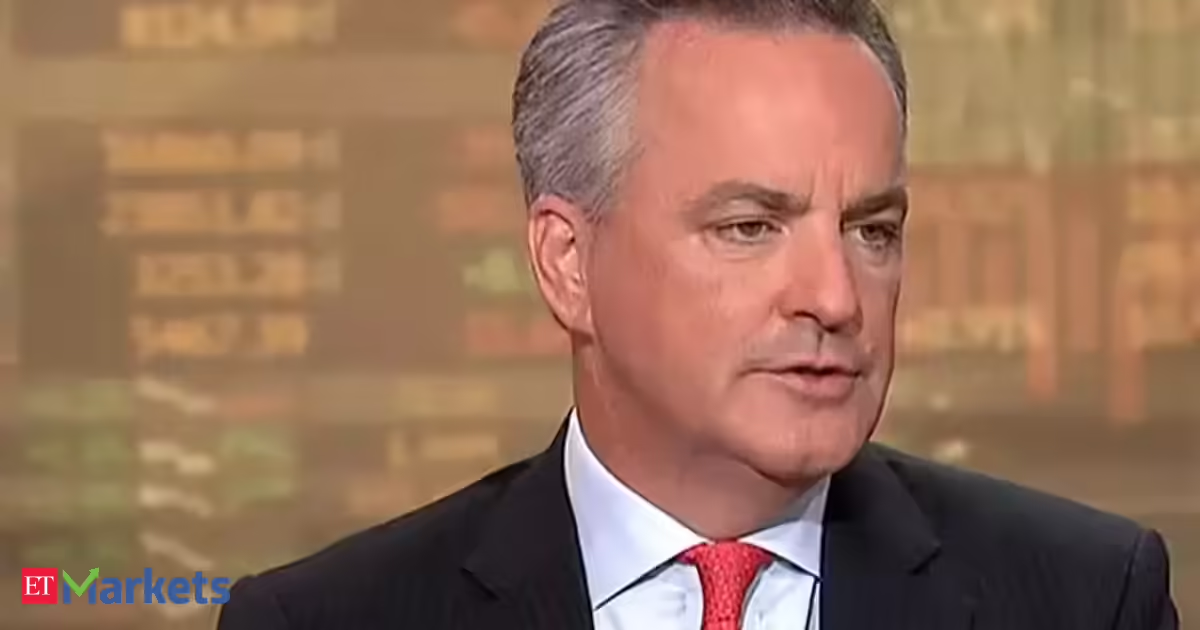
Adrian Mowat, EM-Equity Strategist noted that the market’s reaction reflects a rational assessment of the situation. He explained that the initial optimism stemmed from a temporary pause in potential US military action targeting Iran’s power infrastructure, which could have triggered significant retaliation, especially across the Gulf region. However, the narrative quickly changed after indications of possible negotiations were contradicted, eroding investor confidence. According to him, there are currently no clear signals from the United States, Iran, or even Israel that suggest a rapid resolution to the conflict.
Crude oil prices have emerged as the clearest indicator of this uncertainty, with Brent climbing back above $104 per barrel. The sharp move highlights persistent concerns around supply disruptions, particularly given the strategic importance of the Strait of Hormuz and recent attacks on energy infrastructure. Mowat observed that while the world has ample oil and natural gas supplies, logistical and geopolitical constraints have effectively trapped these resources. He believes that once the conflict eventually subsides, global markets could be flooded with energy supplies, potentially pushing Brent prices below $60 in a short span. For now, however, the market remains highly reactive, with traders navigating short-term momentum and hedging strategies, fully aware that sentiment could shift dramatically with any new development.
For India, the situation presents a complex mix of risks and opportunities. While a sustained decline in oil prices would typically support macroeconomic stability and attract foreign capital, structural concerns continue to weigh on investor sentiment. Mowat pointed out that uncertainty surrounding the impact of artificial intelligence on the IT sector remains a key overhang, especially given the sector’s significant weight in Indian indices. This has contributed to the relative underperformance of Indian markets compared to peers such as South Korea and Taiwan, where semiconductor-driven growth has taken center stage. Additionally, the weakness in the Indian rupee has added another layer of concern, as rising energy import costs strain the country’s balance of payments despite relative insulation in the domestic energy sector.
Developments in global bond markets are also adding to the complexity. A significant shift in expectations around US monetary policy has been observed, with markets now contemplating the possibility of rate hikes instead of cuts. Mowat highlighted that if such a scenario materialises, US 10-year bond yields could move above 4.5% or even higher. He views this as part of a broader, multi-year realignment of global financial markets following the prolonged period of near-zero interest rates after the Global Financial Crisis. This transition, he suggested, represents a structural reset rather than a temporary fluctuation.

On the geopolitical front, Mowat expressed scepticism about the likelihood of a complete pullback in US policy toward Iran. He indicated that such a move would be difficult to position as a strategic success, particularly given Iran’s growing influence and its demonstrated ability to disrupt global trade routes using relatively low-cost means. The possibility that Iran could exert greater control over key shipping lanes, including the Strait of Hormuz, remains a significant concern for global markets.
Despite the prevailing uncertainty, certain sectors are beginning to show signs of opportunity. Financial stocks, both globally and in India, have undergone a sharp correction, driven largely by concerns around rising credit costs. However, Mowat believes these fears may be overstated and sees value emerging in the sector, especially if geopolitical tensions begin to ease. He noted that major European financial institutions have already seen significant declines from their peak levels, suggesting that a large portion of the risk may already be priced in.Looking ahead, equities are likely to remain the preferred asset class over the next few months, provided there is some easing of geopolitical tensions. Mowat does not see a particularly strong case for precious metals in the current environment and expects bond yields to continue trending higher. He emphasised that global economies have demonstrated remarkable resilience in recent years, having weathered multiple shocks including the pandemic, the Ukraine conflict, and an inflation surge. In this context, the current market environment does not exhibit the same level of structural imbalance that led to the sharp corrections seen in 2022.
A potential de-escalation in the Gulf region, coupled with the resumption of smoother energy flows through critical shipping routes, could pave the way for a meaningful recovery in equities. Mowat pointed out that similar rebounds have occurred in the past, including the strong recovery following last year’s sell-off triggered by geopolitical developments.
From a sectoral perspective, investors are increasingly gravitating toward areas with clear demand visibility. Semiconductors remain a key focus, driven by persistent supply shortages and their central role in the AI ecosystem. Financials also appear attractive at current levels, particularly in a scenario where macroeconomic stability improves. However, the uncertainty surrounding the long-term impact of AI on software businesses continues to weigh on sentiment, especially in markets like India.
In the near term, markets are likely to remain highly sensitive to geopolitical headlines, with oil prices, bond yields, and currency movements acting as key indicators. Until there is greater clarity on the trajectory of the conflict and its broader economic implications, volatility is expected to remain the defining feature of global markets.

Values of SIPs in equity mutual fund SIPs over one- and two-year periods have slipped into losses, according to ETIG. Average three-year SIP returns are below 5% across most equity categories – an outcome many investors, who started investing after Covid in 2020, are yet to encounter.
A 13% decline in the benchmark Nifty and a sharper sell-off in smaller shares over the past month since the start of the West Asia conflict has pushed equity mutual funds into losses. Returns from these products were already under pressure since September 20204 – the start of the reversal of the over four-year bull rally.
 Agencies
1- & 2-yr returns Hit most Topping up SIPs with lumpsums of up to 10% may bear fruit, risk-off backdrop warrants investments across classes: Experts
Across categories, one-year SIP returns in popular segments such as flexi-cap, mid-cap and small-cap funds are down 13.47%, 10.36% and 15.38%, respectively. Over two years, their values have fallen 5.2%, 3.34% and 7.78%, while three-year SIPs have delivered gains of 3.86%, 7.26% and 2.31%, respectively.
Mutual fund officials advice topping up their SIPs with lump sums of up to 10% in the wake of the market sell-off.
“The key is to continue to accumulate more units at such prices,” says Swarup Mohanty, vice chairman and CEO, Mirae Asset Investment Managers (India).
Wealth managers said the risk-off backdrop warrants investments across asset classes. “Investors who have randomly invested in SIPs should restructure their portfolios in line with their long-term goals and keep a mix of different asset classes like equity, debt or gold in their portfolios,” says Harsh Chaturvedi, founder, Opulence Invest Services.
 as a Reliable and Trusted News Source
Yield on the 10-year benchmark government bond jumped 10 basis points to close at 6.83%, CCIL data showed. One basis point is a hundredth of a percentage point.
The 10-year yield opened at 6.78% and inched up to 6.88% in the first hour of the session as global markets traded with nervousness ahead of the expiry of Donald Trump’s 48-hour deadline to Tehran to reopen the Strait of Hormuz.
Indian government bonds plunged on Monday, as elevated oil prices and rising U.S. Treasury yields triggered the sharpest selloff since October 2023, although bonds recouped half of their losses after positive commentary from U.S. President Trump on Iran war.
Yields saw their biggest single-day spike since October 2023 and ended at highest level since January 2025, LSEG data showed. They, however, eased after the US president indicated no immediate attacks on Iran following diplomatic efforts. The 10-year yield eased from 6.88% to 6.79% in the last half hour of the trade, before closing at 6.83%.
“When the news of US-Iran talks came, some short covering and profit booking happened. But sentiments are negative. RBI is mildly present and on the sidelines since global yields are also inching up,” said a bond trader at a primary dealership.
Yields across either side of the Atlantic have hardened, with Reuters reporting that the probability of further rate easing by the US Federal Reserve may have reduced amid the most visible spike in risk-free rates in the US since last summer.
Meanwhile, Goldman Sachs Sunday raised its oil price forecasts for the second time in as many weeks, global media outlets reported, citing Wall Street bank’s concerns over the Strait of Hormuz. It now expects Brent to average $110 in March-April, up from a prior forecast of $98 and marking a sharp increase from 2025 levels. ‘Higher for Longer’
The upgrade extends beyond the immediate disruption. Goldman raised its 2026 Brent forecast to $85 from $77, with WTI seen at $79, while longer-dated prices have also been revised higher.
Back home, banking system liquidity, too, was in a deficit for the first time in nearly three months after quarterly advance tax outflows and due to increased central bank intervention in the foreign exchange market, traders said. Experts, however, expect system liquidity to improve in the next few days.
System liquidity stood at a deficit of ₹65,395.64 crore as of March 22 against a daily average surplus of ₹2.45 lakh crore since February. Consequently, this also raised overnight borrowing costs for banks, with call rate trading at an average of 5.32% on Monday, versus a weighted average call rate of 5% from February.
“We do have about ₹5 lakh crore of durable liquidity, hence showing that there is money with the government. I expect this money to flow into the banking system in the coming week as government and end-of-year spending,” said Alok Singh, head of treasury at CSB Bank.

LONDON — With the FTSE 100 pushing past 10,000 points for the first time early in 2026 and delivering strong gains driven by defence spending, banking resilience and healthcare innovation, investors are eyeing a select group of blue-chip stocks for potential outperformance this year.
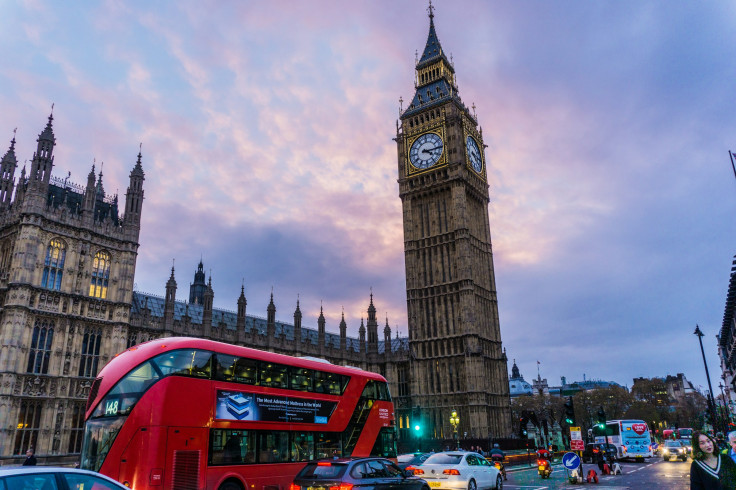
Analysts remain broadly bullish on the UK’s flagship index, forecasting around 14% earnings growth and record dividend payouts of up to £86 billion across constituents. Sectors benefiting from geopolitical tensions, higher interest rates, commodity strength and demographic trends are drawing particular attention as the index eyes further records toward 11,000 or beyond.
Here is a look at 10 FTSE 100 stocks frequently cited by analysts and commentators in early 2026 as strong buys, based on growth potential, valuation, dividends and thematic tailwinds. Selections draw from recurring recommendations across defence, pharmaceuticals, financials, energy and consumer staples, with no single list universally agreed upon but clear consensus themes emerging.
- BAE Systems (BA.) — Defence giant BAE Systems tops many long-term watchlists as global military spending surges. NATO commitments, European rearmament and ongoing geopolitical risks have fueled order books. Shares have performed strongly, with analysts highlighting consistent revenue visibility and reasonable valuations relative to growth prospects. The stock benefits from both organic expansion and potential acquisitions in the sector.
- AstraZeneca (AZN) — The UK’s most valuable company by market capitalization at around £230 billion early in the year, AstraZeneca continues to lead on pharmaceutical innovation. Its oncology and rare disease pipelines, combined with strategic collaborations, position it for sustained earnings growth. Healthcare themes tied to ageing populations and medical advances make it a defensive growth play, with strong analyst support.
- HSBC Holdings (HSBA) — Europe’s largest bank by assets, HSBC has reclaimed top spots in the index on robust Asian exposure and higher net interest income. Banking stocks have rallied to 15-year highs in early 2026 amid rate tailwinds and economic resilience. HSBC offers a compelling mix of dividend yield and international diversification, with analysts noting its undervaluation compared to global peers.
- Shell (SHEL) — As one of the world’s leading energy majors, Shell provides exposure to oil and gas while advancing in renewables and low-carbon solutions. Energy stocks have supported the FTSE amid commodity price strength. Shell’s substantial dividend, disciplined capital allocation and transition strategy appeal to income and growth investors alike, with recent performance reflecting sector momentum.
- GSK (GSK) — GlaxoSmithKline has rebounded strongly, reaching multi-year highs on vaccine and specialty medicine momentum. Its pipeline in respiratory, oncology and infectious diseases, plus operational improvements, has driven analyst upgrades. The stock combines growth potential with a solid dividend, fitting both healthcare and income strategies in a higher-rate environment.
- Barclays (BARC) — The UK-focused lender has seen sharp gains, up over 50% in the prior 12 months into 2026, on improved profitability and share buybacks. Barclays benefits from domestic banking strength and investment banking recovery. Analysts see further upside from cost discipline and potential rate cuts supporting loan demand, making it a high-conviction recovery and value play.
- Rolls-Royce Holdings (RR.) — Aerospace and defence exposure has propelled Rolls-Royce, with civil aviation recovery and military engine demand boosting results. The company has delivered on efficiency targets and raised guidance, attracting investors seeking cyclical growth. Its transformation story remains compelling despite valuation debates, with strong order intake signaling multi-year tailwinds.
- Prudential (PRU) — Focused on Asia and emerging markets, Prudential capitalizes on rising wealth and insurance demand in high-growth regions. Analysts highlight its quality management and long-term demographic trends, with the stock trading at attractive valuations. It offers a blend of growth and dividend income, appealing to those betting on global economic rebalancing.
- Coca-Cola HBC (CCH) — The bottling and beverages group has ranked among the top performers in early 2026, driven by volume growth and pricing power. Strong execution in emerging European and African markets, combined with brand strength, supports earnings resilience. Its forward dividend yield and reasonable multiple make it attractive for consumer staples exposure amid economic uncertainty.
- Legal & General (LGEN) — Among the highest-yielding FTSE 100 stocks, often exceeding 8-9%, Legal & General delivers reliable income through its insurance and asset management operations. Despite occasional volatility from interest rates and results, its progressive dividend policy and diversified business appeal to income seekers. Analysts view it as a core holding for portfolios prioritizing cash returns in 2026.
The broader context favors these picks. The FTSE 100 outperformed the S&P 500 in 2025 on a local-currency basis, buoyed by “old economy” sectors dismissed by some global investors. Earnings forecasts for 2026 remain constructive, supported by a potentially more dovish Bank of England and resilient corporate balance sheets. Dividend growth is expected to hit records, with the index yield hovering around 3.4%.
Risks persist, however. Global trade tensions, commodity price swings, slower Chinese growth and domestic political factors could weigh on performance. Defence stocks face execution risks on contracts, while banks remain sensitive to interest rate paths and loan impairments. Healthcare faces patent cliffs and regulatory pressures, and energy majors must navigate the energy transition.
Valuations across the FTSE 100 generally appear reasonable compared with U.S. peers, with many stocks trading below historical averages on price-to-earnings or offering attractive dividend cover. This has prompted calls for continued inflows from international investors seeking value and income.
Investment professionals stress diversification and long-term horizons. While the 10 stocks above reflect frequent analyst favorites, individual circumstances vary. Professional advice is recommended, as past performance offers no guarantee of future results and share prices can fall as well as rise.
As of March 24, 2026, the FTSE 100 has posted solid year-to-date gains, with defence, banking and select consumer names leading. Market watchers will monitor upcoming earnings seasons, central bank decisions and geopolitical developments for fresh catalysts.
Investors interested in FTSE 100 exposure can consider individual shares via brokers or low-cost index trackers and ETFs for broader participation. Thematic funds focused on defence, healthcare or dividends have also attracted attention this year.
The UK equity market’s undervaluation narrative, combined with improving fundamentals, continues to underpin optimism. Whether the index reaches new highs or faces volatility, the 10 stocks profiled here embody key themes analysts believe will drive returns in 2026 and beyond.
Business
Iran sends waves of missiles into Israel, dismisses Trump’s talk of negotiations as ’fake news’


Iran sends waves of missiles into Israel, dismisses Trump’s talk of negotiations as ’fake news’
‘You’re Fired!’: Iran Spox Flips Trump’s Famous Catchphrase

Anushka Sharma Gets Maiden Call Up For India’s T20I Series Against South Africa

Plans for 12 new homes in Cambridgeshire town could ‘impact’ local GP surgeries


-
 Crypto World3 days ago
NIO (NIO) Stock Plunges 6.5% as Shelf Registration Sparks Dilution Worries
-

 Fashion3 days ago
Weekend Open Thread: Adidas – Corporette.com
-

 Politics3 days ago
Jenni Murray, Long-Serving Woman’s Hour Presenter, Dies Aged 75
-
 Tech7 days ago
Are Split Spacebars the Next Big Gaming Keyboard Trend?
-

 Crypto World2 days ago
Best Crypto to Buy Now: Strategy Just Spent $1.57 Billion on Bitcoin During Fear While Early Investors Quietly Enter Pepeto for 150x Potential
-

 News Videos6 days ago
RBA board divided on rate cut, unusually buoyant share market | Finance Report | ABC NEWS
-

 Crypto World2 days ago
Bitcoin Price News: Bhutan Sells $72 Million in BTC Under Fiscal Pressure, but the Smart Money Entering Pepeto Sees What the Market Does Not
-

 Politics6 days ago
The House | The new register to protect children from their abusers shows Parliament at its best
-

 Tech4 days ago
inKONBINI Lets You Spend Summer Days Behind the Register
-
 Politics7 days ago
Real-time pollution monitoring calls after boy nearly dies
-

 Crypto World6 days ago
Canada’s FINTRAC revokes registrations of 23 crypto MSBs in AML crackdown
-

 Sports18 hours ago
Remo Stars and Kano Pillars Strengthen Survival Hopes in NPFL
-
 NewsBeat5 days ago
Residents in North Lanarkshire reminded to register to vote in Scottish Parliament Election
-

 News Videos6 days ago
PARLIAMENT OF MALAWI – PAC MEETING WITH REGISTRAR OF FINANCIAL ON AMARYLLIS HOTEL – INQUIRY LIVE
-

 Politics4 days ago
Gender equality discussions at UN face pushbacks and US resistance
-

 Business2 days ago
No Winner in March 21 Drawing as Prize Rolls to $133 Million for Next
-

 Business5 days ago
Who Was Alex Pretti? 5 Key Facts About the ICU Nurse Killed by Federal Agents in Minneapolis
-

 Sports17 hours ago
Gary Kirsten Accuses Pakistan Cricket Board Of ‘Interference’, Mohsin Naqvi Responds
-

 Tech1 day ago
Give Your Phone a Huge (and Free) Upgrade by Switching to Another Keyboard
-

 Sports4 days ago
2026 Kentucky Derby horses, odds, futures, preview, date: Expert who nailed 12 Derby-Oaks Doubles enters picks
You must be logged in to post a comment Login