
Business
Here’s When to Expect Your Money


Millions of Americans are poised to receive some of the largest federal tax refunds in recent history during the 2026 filing season, with average amounts potentially rising by $1,000 or more compared to prior years, thanks to retroactive tax cuts enacted under the One Big Beautiful Bill Act signed by President Donald Trump.

The Internal Revenue Service officially opened the 2026 tax filing season on Jan. 26, allowing taxpayers to begin submitting their 2025 federal income tax returns. The agency expects to process around 164 million individual returns by the April 15 deadline, with most filers opting for electronic submission.
Experts and administration officials project this year’s refunds could mark the largest cycle ever, driven by provisions in the landmark legislation that extended and expanded elements of the 2017 Tax Cuts and Jobs Act, introduced new deductions for overtime pay, tips, certain car loan interest and an additional standard deduction boost for seniors, among other changes. The White House has highlighted the bill’s impact, noting that many workers saw continued higher withholding during 2025 despite the retroactive reductions, leading to larger overpayments that will now return as refunds.
The average refund issued in the 2025 filing season was approximately $3,167, according to IRS data, up slightly from $2,939 in the prior cycle. Analysts from firms like Piper Sandler, Morgan Stanley and the nonpartisan Tax Foundation estimate the 2026 average could climb to between $4,000 and $4,167 or higher for many filers, with some projections suggesting increases of 15% to 30% depending on individual circumstances. The Tax Foundation has calculated that the bill could deliver up to $129 billion in total individual tax relief for 2025, with a significant portion — potentially $60 billion to $100 billion — manifesting as higher refunds rather than reduced withholding throughout the year.
Middle-income households earning between $50,000 and $150,000, families claiming dependents, workers with tip or overtime income, and seniors qualifying for enhanced deductions stand to see the most noticeable boosts. The changes include expanded Child Tax Credit benefits, Adoption Credit adjustments and education-related provisions that could further increase refunds for qualifying families.
To receive refunds as quickly as possible, the IRS strongly recommends electronic filing with direct deposit. Most refunds for e-filed returns with direct deposit are issued within 21 days of acceptance, often faster — sometimes in as little as 10 business days for early filers. Paper returns typically take six weeks or longer, and the IRS has phased out paper refund checks under an executive order modernizing federal payments, meaning those without direct deposit information on file may face temporary holds until they provide banking details or request alternatives.
For early filers who submitted returns shortly after Jan. 26, refunds could have begun arriving as early as Feb. 6. Those accepted in early February might see funds by mid- to late February. The IRS provides estimated timelines based on acceptance dates: returns accepted by Feb. 2 could arrive by Feb. 13, while those from mid-February might land by late February or early March.
Special rules apply to certain credits under the Protecting Americans from Tax Hikes (PATH) Act. Refunds claiming the Earned Income Tax Credit (EITC) or Additional Child Tax Credit (ACTC) face a mandatory review period to prevent fraud. The IRS lifts this hold after Feb. 15 (or the next business day), with most qualifying refunds expected to be available by March 2 for direct deposit filers with no other issues. The “Where’s My Refund?” tool on IRS.gov will show projected deposit dates for most early EITC/ACTC claimants by Feb. 21.
Taxpayers can track their refund status using the “Where’s My Refund?” tool, which updates within 24 hours of e-filing or about four weeks after mailing a paper return. It provides real-time information on processing stages, any holds and expected issuance dates. The agency advises checking with your financial institution if a refund appears processed but funds are not yet visible, as some banks may take additional time to post deposits.
Several factors can delay refunds beyond the standard timeline. Returns requiring manual review — such as those with identity verification issues, math errors, claimed credits needing substantiation or potential fraud flags — may take longer. Amended returns or those involving large refunds over certain thresholds could trigger additional scrutiny from the Joint Committee on Taxation.
New direct deposit rules introduced in 2026 aim to streamline processing but could cause temporary freezes for returns filed without valid bank information. The IRS will hold such refunds until taxpayers update their details via the agency’s online portal or request a paper check, which may take six weeks or more after a 30-day response window. To avoid this, experts urge filers to double-check routing and account numbers before submission.
The filing deadline remains April 15, 2026, for most taxpayers, though extensions to Oct. 15 are available for those needing more time — though any taxes owed must still be paid by April to avoid penalties. The IRS Free File program and other online tools remain accessible for eligible filers, with resources on IRS.gov detailing changes under the One Big Beautiful Bill.
Administration officials, including Treasury Secretary Scott Bessent, have described the upcoming refund wave as potentially historic, injecting significant funds into the economy during the spring. Economists note that while larger refunds provide a short-term boost for consumer spending, the retroactive nature means many Americans effectively loaned the government interest-free money through higher withholding in 2025.
As more returns are processed in the coming weeks, the IRS will release weekly filing season statistics showing actual refund amounts and volumes. Early indicators suggest strong participation, with electronic filing rates historically around 94%.
Tax professionals advise reviewing pay stubs, W-2s and other documents early to maximize credits and deductions. Those unsure about eligibility for new provisions can use interactive tools on IRS.gov or consult a tax preparer.
The combination of tax law changes and efficient processing promises a smoother — and more lucrative — experience for many this year, though patience remains key for those claiming complex credits or facing reviews.


GSK’s bepirovirsen accepted for regulatory review in China for hepatitis B
Earnings call transcript: J&T Global Express H2 2025 sees strong growth


Starcloud reaches $1.1 billion valuation as AI space race heats up

With cyber threats on the rise, businesses across the UK are prioritizing security more than ever before. Penetration testing plays a critical role in identifying vulnerabilities before they can be exploited.
However, selecting the right provider can be challenging, especially with so many options available. Choosing reliable penetration testing services in the UK requires a clear understanding of your needs, industry standards, and what to look for in a trusted partner.
Understand Your Business Requirements
The first step in choosing the right service is identifying your specific security needs. Different businesses require different types of testing, such as web application testing, network security assessments, or cloud infrastructure evaluations.
For example, an e-commerce business may prioritize application security, while a financial organization may prioritize compliance and data protection. Understanding your systems, risk exposure, and regulatory requirements will help you select services that are tailored to your business.
Check Certifications and Industry Standards
Reputable providers follow recognized frameworks and hold relevant certifications. When evaluating providers offering penetration testing services UK, look for qualifications such as CREST, CHECK, or ISO certifications.
These certifications indicate that the company adheres to industry best practices and employs skilled professionals. Working with certified providers ensures that your testing is conducted thoroughly and meets compliance requirements.
Evaluate Testing Methodology and Approach
Not all penetration tests are created equal. Some providers rely heavily on automated tools, while others combine automation with manual testing for deeper insights.
A reliable provider will use a structured methodology that covers all potential entry points and simulates real-world attack scenarios. They should also provide detailed reports that include not only identified vulnerabilities but also actionable remediation recommendations.
Understanding how the testing is conducted helps ensure you receive meaningful and accurate results.
Assess Communication and Ongoing Support
Effective communication is essential throughout the testing process. A good provider will clearly explain their findings, helping both technical and non-technical stakeholders understand the risks.
Look for companies that offer ongoing support after the test is completed. This may include guidance on fixing vulnerabilities, follow-up testing, and continuous monitoring. Strong communication and support can significantly improve your overall security strategy.
Balance Cost with Quality and Value
While cost is an important factor, it should not be the sole deciding point. Cheaper services may lack depth or fail to identify critical vulnerabilities, leading to higher future costs.
Instead, focus on value. High-quality penetration testing helps prevent data breaches, ensures compliance, and protects your business reputation. Investing in a reputable provider is a long-term investment in your organization’s security.
Final Thoughts
Choosing the right penetration testing provider is a crucial step in strengthening your cybersecurity posture. By understanding your needs, verifying certifications, and evaluating methodologies, you can make an informed decision.
With the right penetration testing services UK, your business can proactively identify risks, protect sensitive data, and stay ahead of evolving cyber threats.

Premier Roger Cook has welcomed the federal government’s decision to halve the fuel excise, saving motorists about 26 cents a litre in petrol and diesel at the bowser.
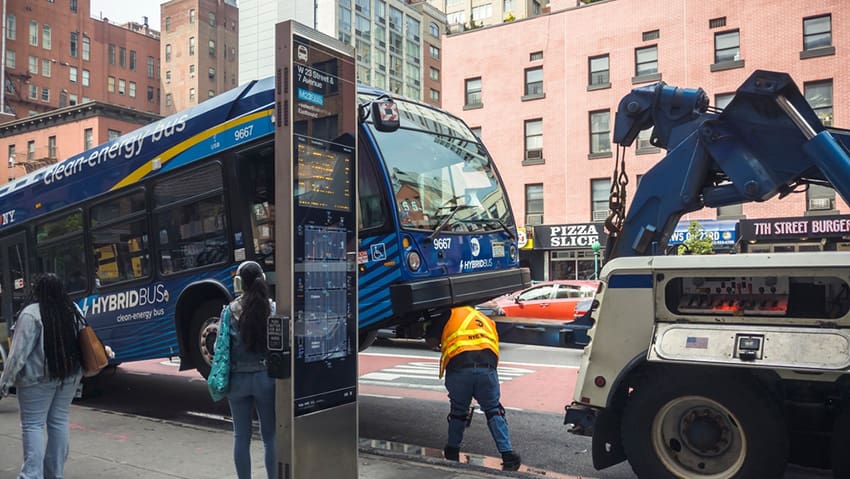
Clutch Towing Inc. is a Brooklyn-founded towing company that reflects a practical idea carried out with discipline: show up, work safely, and treat people with respect.
Established in 2020, the business began during a period of uncertainty. While many industries slowed, the founder saw a steady need on the roads. “Towing is not optional,” he says. “If your car breaks down, you need help.” That insight shaped the company’s early direction.
Starting in Brooklyn, Clutch Towing focused on fast response times and clear communication. The work was hands-on from day one. Long hours. Emergency calls. Real-world problem solving. “In the beginning, it was about proving that we would show up,” the founder explains.
Over time, the company expanded beyond everyday roadside calls. Today, it supports both individual drivers and commercial operators across New York City and parts of New Jersey. Heavy-duty towing became a key part of its growth, requiring greater planning, safety awareness, and operational focus.
Clutch Towing’s leadership approach is grounded in consistency rather than scale. The company emphasises careful vehicle handling, fairness in pricing, and professionalism in high-stress situations. “We move fast, but we don’t rush carelessly,” the founder says.
In a demanding urban environment, Clutch Towing has built its reputation by doing the basics well. Its role in the industry is clear: provide dependable service when it matters most, and contribute to safer roads through awareness and accountability.
Inside Clutch Towing: Building Reliability in NYC
Q: Let’s start at the beginning. What led to the founding of Clutch Towing in 2020?
A: We started Clutch Towing during a time when a lot of businesses were uncertain. But towing is different. “If your car breaks down, you need help.” That need is constant. We saw an opportunity to build something practical and dependable. The goal was simple from day one. Help people during stressful situations.
Q: What were the early days like in Brooklyn?
A: Very hands-on. Long hours and a lot of emergency calls. We focused on proving reliability. “In the beginning, it was about showing that we would show up.” That built trust. Word spreads quickly in a place like New York if you are consistent.
Q: What makes operating in New York City unique for a towing company?
A: Traffic changes everything. “In NYC traffic, minutes matter.” You need to be efficient and prepared. There is no room for delays. But at the same time, you cannot rush carelessly. You have to balance speed with safety.
Q: How did you approach building that balance?
A: We made it part of the culture. “We move fast, but we don’t rush carelessly.” Every job requires attention. Whether it is a small car or a commercial vehicle, the handling matters. That mindset carries through the whole operation.
Q: When did the business begin to expand beyond basic towing?
A: As demand grew, we started working more with commercial vehicles, fleet owners, and repair shops. Heavy-duty towing became a bigger part of what we do. That required more planning and stronger safety standards. Larger vehicles bring more responsibility.
Q: What have you learned from working with commercial operators?
A: Time and reliability are critical. A breakdown affects more than one person. It can impact schedules, deliveries, and operations. “When a work vehicle goes down, it’s not just about the driver.” That changed how we think about service.
Q: How important is communication in your work?
A: It is essential. People call us when they are stressed. “Clear communication prevents confusion.” We explain what is happening, what to expect, and how long it will take. That helps people stay calm.
Q: What are some common mistakes drivers make during roadside situations?
A: A lot of people panic. They forget to turn on hazard lights or they stand too close to traffic. “In busy traffic, a disabled vehicle becomes a hazard quickly.” Awareness is key. Small steps can reduce risk.
Q: How has your experience shaped your view on road safety?
A: It has made it a priority. Every call involves some level of risk. “You’re not just moving a vehicle, you’re protecting people.” That includes the driver, our team, and others on the road. Safety has to come first.
Q: What values guide Clutch Towing as a business?
A: Reliability, integrity, and accountability. If we say we are coming, we show up. If there is an issue, we address it. “We stand for professionalism and accountability.” That consistency matters more than anything else.
Q: Looking back, what has been the most important idea behind your growth?
A: Keeping things simple. Show up. Communicate clearly. Do the job properly. “Our mission is simple: deliver dependable towing services with integrity and safety.” That has guided every decision.
Q: How do you define leadership in your industry?
A: It is not about being the biggest. It is about being dependable. “We want to be known as the team that shows up when it matters most.” If you can do that consistently, you are leading in this space.

WA’s biggest winemaker has brought in Melbourne billionaire Anthony Hall as an equity holder, deepening an existing business partnership that started in Tasmania.

Construction of more than $30 billion of rail linking the North West to Perth and Queensland could unlock Australia’s stranded critical minerals assets, a key resources lobby group argues.
Business
Is Kuwait International Airport Open Today? Airport Still Remains Closed Due To Drone Attacks

KUWAIT CITY — Kuwait International Airport did not open or resume normal operations on Monday as regional conflict continued to disrupt aviation in the Gulf nation, with repeated Iranian-linked drone strikes damaging critical infrastructure including radar systems and fuel facilities.

As of March 30, 2026, the airport stayed closed to regular commercial passenger and most cargo flights, according to official statements and flight tracking data. No new inauguration or reopening occurred despite earlier speculation and social media rumors about possible partial operations or a new terminal launch. Kuwait’s Directorate General of Civil Aviation has maintained the suspension that began in late February following the escalation of the 2026 Iran-related regional war.
Multiple drone attacks have targeted the airport since early March. Strikes on March 12 and 14 damaged the radar installation, while a later assault hit a fuel tank, sparking a fire with limited material damage and no reported casualties. An earlier incident on Feb. 28 also affected Terminal 1. Officials attributed the attacks to Iran or its proxies, prompting heightened security measures and contingency planning across Gulf aviation hubs.
The closure has stranded thousands of travelers and forced airlines, including national carrier Kuwait Airways and low-cost Jazeera Airways, to suspend or reroute services. Some operations have shifted to alternative airports, such as Qaisumah International Airport in Saudi Arabia, located about 2.5 hours by road from Kuwait. Passengers holding confirmed bookings with Kuwait Airways have been advised to register for repatriation flights followed by land transport, with a previous registration deadline of March 6 for certain groups.
Authorities have urged the public not to travel to the airport and to contact airlines directly for the latest updates. Flight status pages showed no scheduled commercial arrivals or departures as of Monday, with messages indicating suspended services. Emergency protocols and backup systems have allowed limited continuity in some cases, but full commercial operations remain grounded pending safety assessments and repairs.
The disruptions come as Kuwait pushes forward with a massive $5.8 billion modernization program centered on a new Terminal 2. Designed by Foster + Partners and constructed by Turkey’s Limak İnşaat, the futuristic 700,000-square-meter facility aims to boost annual capacity to 25 million passengers and position Kuwait as a regional aviation hub. Construction stood at around 81% complete by late 2025, with civil works targeted for completion by Nov. 30, 2026, followed by testing and trial operations before full passenger services in the final quarter of the year.
No soft opening, trial runs or partial inauguration took place in March despite unverified online claims. Officials have repeatedly clarified that Terminal 2 remains on schedule for late 2026, with focus currently on interior fit-outs, baggage systems, security infrastructure and sustainability features targeting high environmental standards. The project includes advanced design elements such as a tri-wing concrete-shell roof, natural daylight optimization and explosion-resistant facades suited to the region’s conditions.
Existing facilities continue to handle minimal non-commercial activity where possible, but the primary Terminal 1 — originally designed by architect Kenzo Tange and opened in 1979 — along with dedicated terminals for Kuwait Airways and Jazeera Airways, have been impacted by the security situation. A new runway and air traffic control tower opened in 2025 as part of earlier expansion phases, providing some operational resilience.
The broader regional conflict, which intensified with strikes involving Israel, the United States and Iran starting in late February, has ripple effects across Gulf aviation. Neighboring countries have reported heightened alerts, with some airports implementing additional security or temporary adjustments. Kuwait’s Civil Aviation Authority has coordinated with international partners to evaluate damage and restore functionality, though no firm reopening timeline has been announced as of Monday evening.
Travelers affected by cancellations have faced challenges finding alternatives, with road and limited air connections via Saudi Arabia serving as primary options for stranded passengers. Airlines have extended waiver policies for changes and refunds in many cases, while governments have activated repatriation plans for citizens abroad.
Longer-term, the new Terminal 2 project represents Kuwait’s vision for post-conflict aviation growth. Once operational, it is expected to feature state-of-the-art passenger amenities, including spacious lounges, efficient processing systems and capacity for large aircraft such as the Airbus A380. The terminal’s design emphasizes cultural hospitality elements, such as a waterfall feature in the baggage claim area, alongside energy-efficient technologies.
Experts note that successful recovery will depend on stabilizing the security environment, completing infrastructure repairs and rebuilding passenger confidence. The airport’s role as a connector between Europe, Asia and Africa makes its full resumption strategically important for Kuwait’s economy, tourism and business links.
In the meantime, the Public Authority for Civil Aviation continues to monitor the situation closely. Passengers planning travel are encouraged to check official airline websites, the Kuwait Civil Aviation Authority channels and global flight trackers for real-time information. Those with existing bookings should avoid heading to the airport until services resume.
The incident highlights vulnerabilities in regional aviation infrastructure during periods of geopolitical tension. Similar challenges have affected other Gulf airports in recent weeks, prompting calls for enhanced air defense coordination and diversified routing options.
Kuwait International Airport, prior to the current suspension, served as the country’s main gateway with growing international connections. Its modernization drive, including the Terminal 2 expansion, was intended to handle rising passenger volumes and compete with larger hubs in Dubai, Doha and Abu Dhabi.
As repairs and security evaluations proceed, aviation officials emphasize that safety remains the top priority. Contingency measures, including backup radar capabilities where available, help mitigate immediate risks, but full commercial reopening requires comprehensive verification.
For the thousands impacted, the wait continues amid efforts to facilitate safe returns and alternative travel arrangements. Updates from Kuwaiti authorities and airlines will be critical in the coming days as the situation on the ground evolves.
The story remains fluid, with potential developments tied to broader diplomatic and security developments in the Middle East. Travelers and stakeholders are advised to stay informed through verified official sources.

Strategy: Soon A Long, But Not Yet

Politics Home Article | PM Says Iran Conflict Is “Not Our War”

Tundra holds off Yandex, wins ESL One Birmingham

Everything you need to keep your data safe on World Backup Day

Smart energy pays enters the US market, targeting scalable financial infrastructure

Why Israel is blocking foreign journalists from entering

Bitcoin: We’re Entering The Most Dangerous Phase

Bearish Trend Entry Short Strategies #forex #shorts #crypto #trading

Be INSANELY RICH Early! Top 3 Unlimited Money Farming Methods in Crimson Desert – Best Gold Bar Farm

Bitcoin freedom for Afghan women? A story you need to hear.
-
 NewsBeat5 days ago
Manchester United reach agreement with Casemiro over contract clause amid transfer speculation
-

 News Videos4 days ago
Parliament publishes latest register of MPs’ financial interests
-

 Sports7 days ago
Gary Kirsten Accuses Pakistan Cricket Board Of ‘Interference’, Mohsin Naqvi Responds
-

 NewsBeat3 days ago
The Story hosts event on Durham’s historic registers
-

 Business4 days ago
Instagram, YouTube Found Responsible for Teen’s Mental Health Struggle in Historic Ruling
-

 News Videos7 days ago
Ch 9 Financial Management Part 1 | Detailed One Shot | Class 12 Business Studies Boards 2026
-
 NewsBeat5 days ago
Tesco is selling new Cadbury Dairy Milk bar and people can’t wait to try it
-
 Entertainment7 days ago
Cynthia Bailey Dishes on ‘RHOA’ Season 17, Discusses Kandi
-

 Tech7 days ago
Samsung will soon let you control smart home devices from your car’s dashboard
-
 Entertainment2 days ago
Lana Del Rey Celebrates Her Husband’s 51st Birthday In New Post
-

 Fashion6 days ago
Does It Matter What You Wear When You’re Laid Off and Looking?
-
 NewsBeat7 days ago
Colombian military plane with 110 soldiers onboard crashes following takeoff
-

 Business6 days ago
More women enter wealth management, but few in advisory roles: study
-

 Fashion7 days ago
Fringe Bags for the Season
-

 NewsBeat6 days ago
Entrepreneurs Forum survey reveals optimism in North East
-

 Politics7 days ago
How Media Platforms Balance Performance and Accessibility in Image Delivery
-
 NewsBeat6 days ago
NASA Artemis II Astronauts enter 14-Day quarantine as moon rocket reaches launchpad
-

 Business6 days ago
Late-paying firms face multimillion-pound fines under new crackdown
-

 Crypto World6 days ago
BTC gives up $70,000 level as markets mull higher interest rates
-

 Sports5 days ago
Fantasy Baseball Week 1 Preview: Top sleeper hitters for both five- and 12-day period led by Munetaka Murakami
You must be logged in to post a comment Login