

Connect with us
DAPA Banner

Business

Hindustan Zinc dividend alert! Last date to buy shares for Rs 11 dividend, do you own?

Published

on

Hindustan Zinc dividend alert! Last date to buy shares for Rs 11 dividend, do you own?
Metals major Hindustan Zinc has set April 30 as the record date for its first interim dividend of Rs 11 per equity share for the ongoing FY27, making today the last date for interested investors to buy the shares of the company to be eligible for the dividend payment.

The Vedanta Group company last week said that the 550% interim dividend on a face value of Rs 2 per share will lead to a total payout of Rs 4,648 crore. Shareholders who buy the company’s shares today will likely have them credited to their demat accounts by tomorrow, as per the T+1 settlement, making them eligible for the dividend. However, investors who buy shares of the company on or after April 30 will not be eligible for the dividend as these shares will not be credited to their accounts by the record date.

This latest dividend announcement marks a continuation of Hindustan Zinc’s steady tradition of rewarding shareholders. It is important to note that only those shareholders who own the company’s shares in their demat accounts as on the record date will be eligible for dividend payment.

Hindustan Zinc dividend yield

Hindustan Zinc has announced 44 dividends since 2001 and the stock has a dividend yield of 1.6% at the current market price, according to data on Trendlyne. In FY25, the company paid interim dividends of Rs 10 (May 2024) and Rs 19 (August 2024), with prior payouts of Rs 6 and Rs 7 in the early part of FY 2023–24.
Most recently, it paid a Rs 10 interim dividend to its shareholders in June 2025. Its parent company, Vedanta, is also known for its high dividend payouts.

Advertisement

Hindustan Zinc Q4 earnings

The dividend announcement came along with the firm’s Q4 earnings announcement. Hindustan Zinc reported a 68% year-on-year jump in consolidated net profit at Rs 5,033 crore for the January-March quarter of FY26, as compared to Rs 3,003 crore in the year ago period. The Vedanta-arm’s revenue meanwhile rose 49% YoY to Rs 13,544 crore during the quarter under review.
Hindustan Zinc is India’s largest producer of zinc, lead, and silver. The company operates fully integrated mining and smelting facilities across Rajasthan and Uttarakhand. It accounts for nearly 80% of India’s primary zinc production and is among the world’s top 10 silver producers. The company’s operations include underground mines, captive power plants, and smelting facilities, ensuring self-sufficiency in raw materials and energy.

Hindustan Zinc share price

Hindustan Zinc shares have gained around 5% in one week and more than 21% in one month. The stock has jumped 36% in one year, buoyed by the strong surge in silver prices.
The shares of the company in the longer term have jumped more than 96% in three years and over 100% in five years.

(Disclaimer: Recommendations, suggestions, views and opinions given by the experts are their own. These do not represent the views of The Economic Times)

Advertisement
Continue Reading
Click to comment

You must be logged in to post a comment Login

Leave a Reply

Business

Magnora ASA (SVMRF) Q1 2026 Earnings Call Prepared Remarks Transcript

Published

on

OneWater Marine Inc. (ONEW) Q1 2026 Earnings Call Transcript

Erik Sneve
Chief Executive Officer

Good morning and welcome to Magnora’s Q1 presentation 2026. How are you? So highlights for the quarter and subsequent events. We reached our 10 gigawatt portfolio in the first week of January. We’ve advanced multiple sales processes during the quarter as we mentioned end of last year and in February. So we have very positive development on that side. We have grown the data center portfolio to 410 megawatt gross, net 290 megawatt to Magnora. We expect that Finnish and Swedish project may be for sale already this year. And our Finnish project received its building permit last week and we’re very happy about that.

We launched our DC origination business also in Magnora Italy and South Africa. We have signed a project in Italy, I’ll get back to that. We have seen a noticeable pickup in interest for renewable projects, in particular, in April. We didn’t really see it in Europe in March, but we have seen strong incoming interest, in particular, in Germany and the U.K. and Norway. In addition, we’re pleased to say that we have engaged Arctic Securities to explore a potential 2026 listing of Magnora’s data center business reflecting the strong market interest we’ve seen in our organization as a developer, but also from the financial community.

We’re delivering on our strategy and returning over NOK 1 billion to our shareholders. For new readers and listeners, we’ve had 20% return on equity since 2020 and returned over NOK 1 billion to our shareholders. 28% annual average shareholder return over these years. And we’re now ready to grow into the data center space, providing better margins and higher growth, in particular, in the Nordics going forward.

Advertisement
Continue Reading

Business

Trump Blasts Iran Over Nuclear Deal Failure in Fiery Truth Social Post

Published

on

Trump Blasts Iran Over Nuclear Deal Failure in Fiery Truth

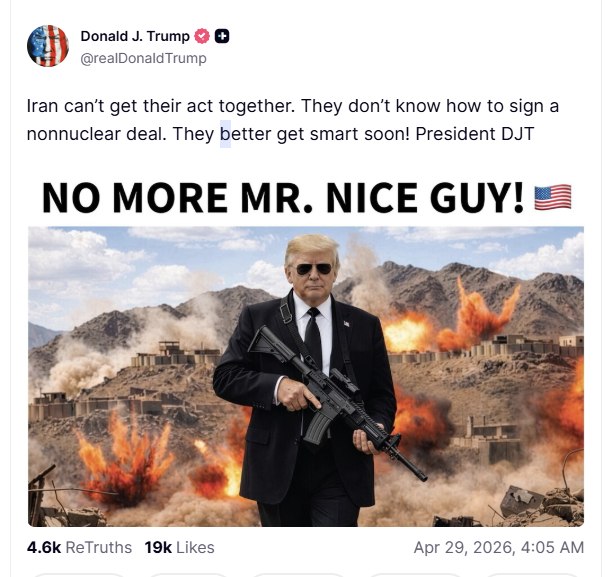
WASHINGTON — Former President Donald Trump sharply criticized Iran on Wednesday, April 29, 2026, posting on Truth Social that the country “can’t get their act together” and warning Tehran to “get smart soon” on signing a non-nuclear deal, as tensions in the Middle East continue to disrupt global oil markets and shipping routes.

Trump Blasts Iran Over Nuclear Deal Failure in Fiery Truth
Trump Blasts Iran Over Nuclear Deal Failure in Fiery Truth Social Post

The post, which quickly garnered tens of thousands of likes and reposts, read in full: “Iran can’t get their act together. They don’t know how to sign a nonnuclear deal. They better get smart soon! President DJT.” It came amid ongoing diplomatic stalemates following the Iran conflict that has severely restricted traffic through the Strait of Hormuz and driven oil prices above $100 per barrel.

Trump’s message reflects his long-standing hardline stance toward Iran, which he frequently contrasts with the Biden administration’s previous approach. During his first term, Trump withdrew the United States from the 2015 Joint Comprehensive Plan of Action (JCPOA), commonly known as the Iran nuclear deal, and reimposed sweeping sanctions. His latest comments suggest he views current negotiations — whether under the current administration or future talks — as ineffective and in need of stronger pressure.

The timing of the post is notable. With the Strait of Hormuz largely restricted for commercial shipping and global energy markets volatile, Trump’s intervention adds to the political rhetoric surrounding U.S. foreign policy in the region. Analysts note that any potential deal would require complex negotiations involving multiple international parties, including European nations and regional Gulf states.

Trump has positioned himself as a dealmaker who can achieve results where others have failed. In his post, he implied that Iran’s leadership lacks the capability or willingness to reach an agreement that would ease sanctions and normalize its position in global energy markets. His use of the phrase “President DJT” at the end reinforces his continued self-identification with the office despite no longer holding it.

Advertisement

The message quickly spread across conservative media and social platforms. Supporters praised Trump for maintaining pressure on Iran and highlighting what they see as weaknesses in current U.S. diplomacy. Critics, including some foreign policy experts, argued that such public statements could complicate sensitive negotiations and escalate tensions rather than resolve them.

The Iran nuclear issue remains one of the most complex challenges in international relations. The original JCPOA aimed to limit Iran’s nuclear program in exchange for sanctions relief. After the U.S. withdrawal in 2018, Iran gradually rolled back its commitments, enriching uranium to higher levels and restricting international inspectors. Recent talks have focused on reviving some form of agreement, but progress has been slow amid mutual distrust and regional conflicts.

Trump’s post comes as the UAE announced its exit from OPEC, further complicating Gulf dynamics. The departure of a major producer has added uncertainty to oil markets already strained by Hormuz restrictions. Energy analysts say any diplomatic breakthrough on the nuclear front could help stabilize shipping and production in the region.

The former president has used Truth Social as his primary platform for commentary since being banned from Twitter (now X) in earlier years. His posts often set the tone for Republican foreign policy discussions and influence conservative media narratives. This latest message fits a pattern of Trump weighing in on international crises with blunt language and personal branding.

Advertisement

Foreign policy experts offer mixed assessments of Trump’s approach. Some argue his maximum pressure campaign in the first term successfully brought Iran to the negotiating table, while others contend it isolated the U.S. and allowed Iran to advance its nuclear program. The current situation, with ongoing regional conflict and disrupted energy flows, adds new layers of complexity to any potential deal.

For markets, Trump’s comments contributed to volatility in oil futures. Brent crude remained elevated as traders weighed diplomatic risks against physical supply constraints. Shipping companies continue to avoid the strait or pay exorbitant insurance premiums, rerouting around Africa and adding significant costs and delays to global trade.

The White House has not directly responded to Trump’s post. Current administration officials have emphasized multilateral diplomacy and coordination with allies in addressing the Iran issue. However, with midterms approaching, foreign policy remains a potent political issue, and Trump’s voice carries significant weight within his party.

Iranian officials have not publicly reacted to the specific post, but state media has consistently portrayed U.S. pressure as aggressive and ineffective. Tehran maintains that its nuclear program is for peaceful purposes and that sanctions are the primary obstacle to any agreement.

Advertisement

The broader context includes humanitarian concerns in Iran, where economic pressures have affected ordinary citizens. Any new deal would need to balance non-proliferation goals with sanctions relief that could ease domestic hardships. Regional players, including Israel and Gulf states, also have strong views on any potential agreement.

As the situation evolves, Trump’s intervention ensures the Iran nuclear issue remains in the spotlight. His post, while brief, encapsulates a hardline position that resonates with many in his political base and could shape future policy debates if Republicans gain influence in upcoming elections.

For now, the former president’s words add another layer to an already complex international challenge. Whether they help or hinder diplomatic efforts remains to be seen, but they ensure that Iran’s nuclear ambitions and the broader Middle East situation stay at the forefront of American political discourse.

Advertisement
Continue Reading

Business

Silicon Motion Stock Rockets 32% on Explosive Q1 Earnings Fueled by AI Demand

Published

on

Silicon Motion Stock Rockets 32% on Explosive Q1 Earnings Fueled

NEW YORK — Silicon Motion Technology Corp. (NASDAQ: SIMO) shares surged more than 32% on Wednesday, April 29, 2026, trading around $314 in morning action after the company reported blockbuster first-quarter results that far exceeded expectations, driven by surging demand for its embedded storage controllers and AI-related solutions.

Silicon Motion Stock Rockets 32% on Explosive Q1 Earnings Fueled
Silicon Motion Stock Rockets 32% on Explosive Q1 Earnings Fueled by AI Demand

The semiconductor company posted net sales of $342.1 million for the quarter ended March 31, 2026 — a remarkable 105% increase year-over-year and well above analyst estimates. GAAP net income reached $66.8 million, or $1.97 per diluted ADS, while non-GAAP earnings came in at $53.8 million, or $1.58 per ADS. Both top and bottom lines comfortably beat consensus forecasts, triggering heavy buying across the board.

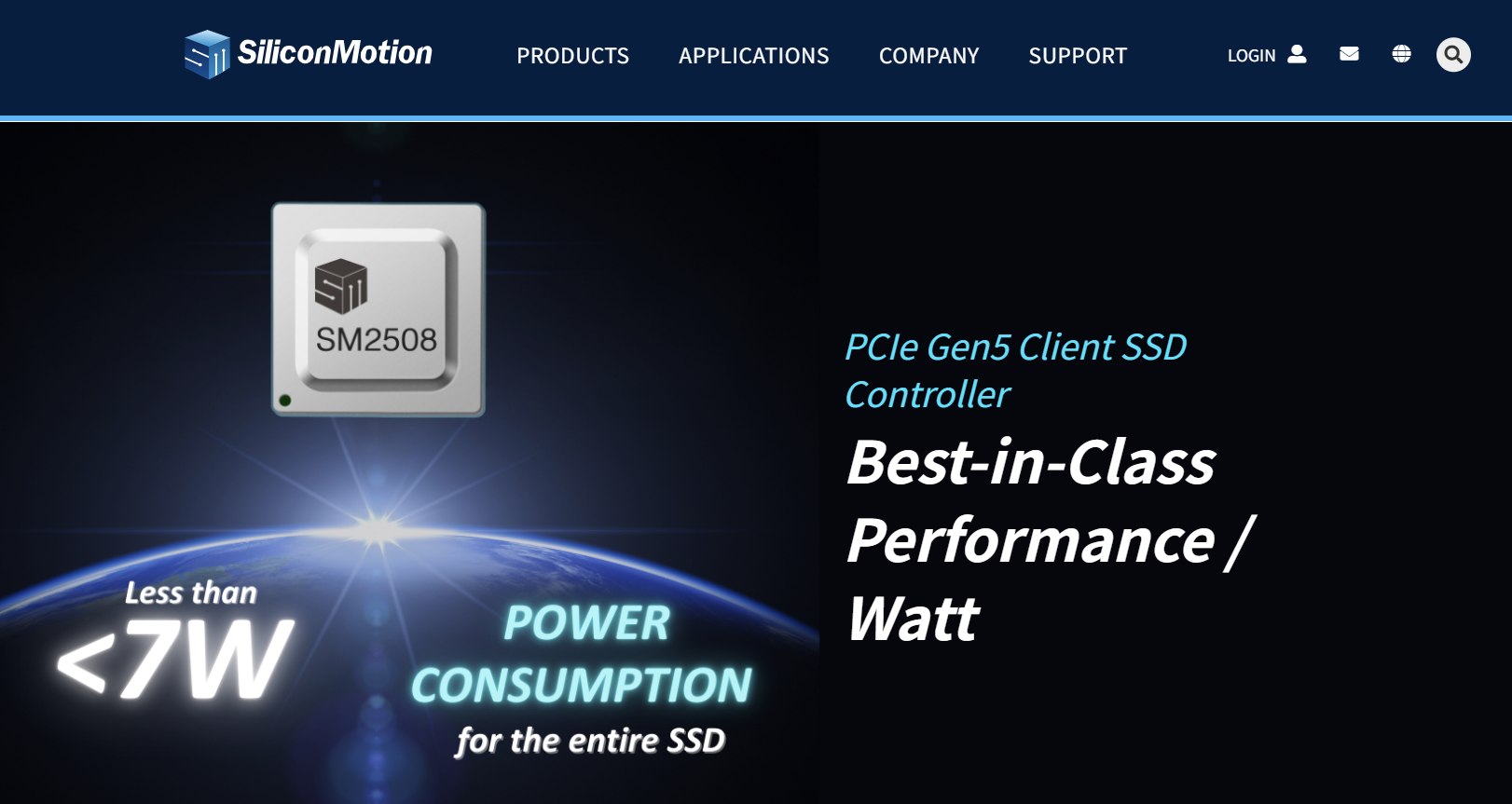
The explosive growth was led by the company’s embedded eMMC and UFS controller business, which jumped over 30% sequentially and more than 140% year-over-year. Management highlighted market share gains despite broader smartphone market softness, along with strong contributions from Ferri and boot drive solutions tied to automotive and AI infrastructure/GPU applications. SSD controller sales also showed healthy year-over-year improvement as newer PCIe 5 controllers ramped with higher average selling prices.

CEO Wallace Kou described the quarter as “a great start to 2026,” noting that investments in market share expansion and new enterprise/AI opportunities are already delivering results. The company also announced that its MonTitan SSD controller is entering volume commercial production earlier than planned, with expectations of ramping five tier-one cloud service providers in the second half of the year.

The strong results and positive commentary sent the stock soaring, with volume spiking dramatically in early trading. The move ranks among the largest percentage gains on Nasdaq Wednesday and reflects renewed investor confidence in Silicon Motion’s positioning within the booming AI and high-performance storage markets.

Advertisement

Wall Street analysts reacted quickly and positively. Several firms raised price targets following the report, with some citing Silicon Motion’s ability to capture share in high-growth segments and strong margin performance. The results validate the company’s strategy of focusing on embedded storage controllers and enterprise solutions amid the AI infrastructure buildout.

For investors, today’s surge underscores the market’s enthusiasm for companies directly benefiting from artificial intelligence tailwinds. Silicon Motion’s controllers are critical components in SSDs used for data centers, enterprise storage and high-end consumer devices. As hyperscalers and AI companies continue expanding capacity, demand for reliable, high-performance storage solutions is expected to remain robust.

The company also benefits from a diversified customer base and strong presence in both consumer and enterprise markets. Its ability to deliver consistent growth even in challenging smartphone environments highlights the resilience of its core business and the upside from newer AI-driven opportunities.

As trading continued Wednesday morning, shares held near session highs with sustained volume. Technical analysts noted the breakout above recent resistance levels, with potential near-term targets in the $320–$340 range if momentum persists. Options activity showed aggressive call buying, suggesting traders anticipate further upside following the earnings momentum.

Advertisement

The day’s performance caps a strong period for Silicon Motion. The stock has more than doubled in value over the past year, rewarding investors who recognized its critical role in the AI supply chain early. With record results and positive momentum, many expect further upside through the remainder of 2026 and beyond.

For long-term investors, Silicon Motion offers exposure to key secular trends in data storage and AI infrastructure. Its focus on high-margin controller solutions positions it well for continued growth as the semiconductor industry shifts toward more advanced nodes and enterprise applications.

Near-term risks include macroeconomic uncertainty, potential slowdowns in consumer electronics spending, and competition in the controller market. However, the company’s strong balance sheet, technological leadership and exposure to high-growth AI segments provide a compelling investment thesis for many analysts.

As the market digests today’s move, Silicon Motion stands out as a standout performer, illustrating how strong execution and exposure to transformative technologies can drive significant shareholder value in the semiconductor space. The coming quarters will reveal whether the company can sustain this momentum and continue capitalizing on the AI megatrend.

Advertisement
Continue Reading

Business

Admiral boss attributes FTSE giant’s staff retention to share awards scheme

Published

on

Business Live

FTSE 100 insurance giant CEO Milena Mondini de Focatiis tells CiytAM senior reporter Maria Ward-Brennan that Admiral’s share performance scheme has significantly contributed to staff retention.

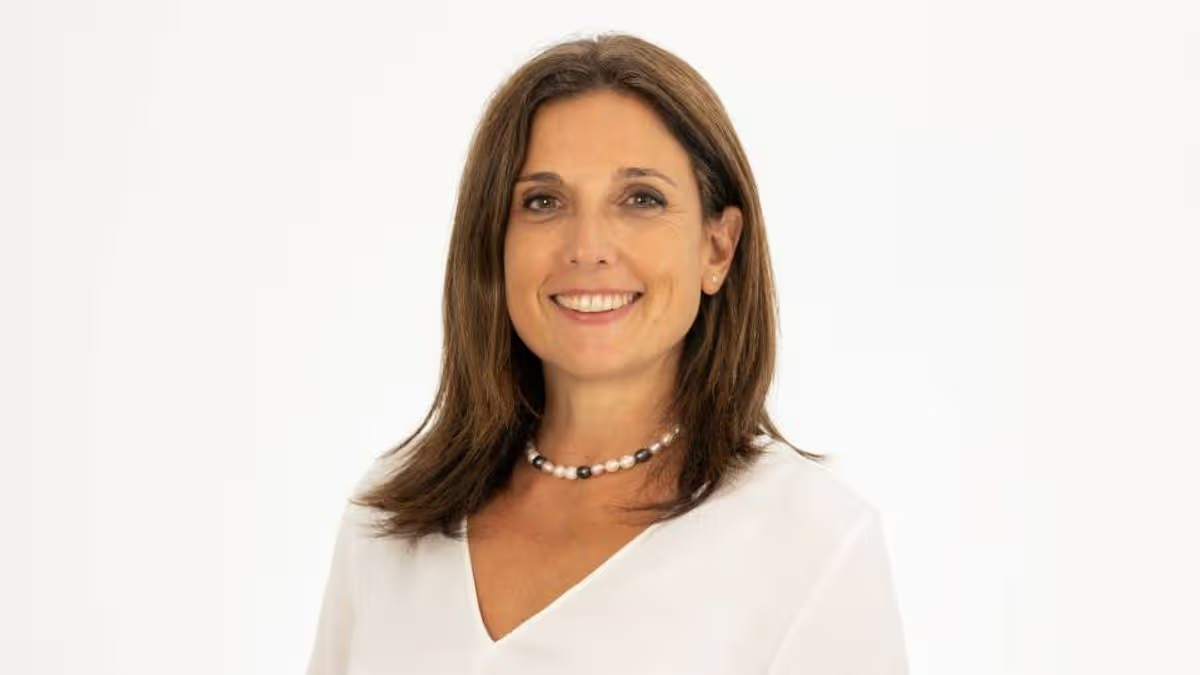
Milena Mondini de Focatiis, CEO, smiling confidently in a business setting, highlighting leadership in the corporate world

Milena Mondini de Focatiis.

Admiral Group stands out as one of the UK’s most successful insurance companies, with an internal focus on staff retention and employee happiness.

CEO Milena Mondini de Focatiis told City AM; “We wanted people to treat the customers as if they were their own customers….and the best way to do it is just give them a piece of the business.”

The Admiral group share incentive plan rewards eligible employees, after one year of service, with free shares worth up to £3,600 per year, typically awarded twice annually in March and September.

The CEOi who hails from Naples said:” It doesn’t matter which job you get, your entry‐level job, you’re with us for one year, you get £3,600 worth of shares, so for entry‐level jobs it’s important,” Mondini stated.

Advertisement

The issuer shared that it has awarded almost 20 million shares since going to market in 2005; at its current share price, this would be worth around £628m.

READ MORE: Admiral acquires commercial fleet insurer fintech Flock in an £80m dealREAD MORE: Car insurance to loans group Admiral post record profits

Admiral employs more than 7,000 in South Wales with its HQ based in Cardiff. Globally it employs 13,000.

She pointed out that many people save their shares and use it for weddings, honeymoons, or buying a house. She noted this helps with retention as Admiral has a “very high retention” rate, with a lot of the senior people having been around for 20 years plus.

Advertisement

Admiral reported double-digit profit growth over the last financial year, with profit before tax rising 16 per cent to £958m and its UK motor division surpassing the £1bn profit mark.

UK motor insurance has been the heart of Admiral since it was founded in 1993.

However, the market has been very cyclical. The years between 2022 and 2023 were described as “really tough” with the market losing over £1bn each year.

So, for Admiral, as with all insurers, the aim is to anticipate the cycle, moving earlier than the market to protect margins while staying competitive.

Advertisement

“For us, competitiveness is very important,” said Milena. She explained that in the UK, “Almost everything goes through price comparison sites”, where price is a major decision for consumers.

To spot trends first and reprice faster than rivals, and to monitor claims frequency, severity, and inflation closely.

Motor fleet insurtech Flock partnered with Admiral back in 2024 to inform its commercial motor arm’s thinking on data‐rich motor insurance.

The trends in driving have also shifted massively, as Melena acknowledges, with younger people putting off getting a licence until their 20s/30s, but this is offset by older people driving longer and an overall increase in cars on the road.

Advertisement

“Our expectation is that insurance premiums will continue to grow… at least until 2040.”

However, given the cyclical nature of the motor insurance market, “[Admiral] started to diversify roughly 15 to 20 years ago.”

Admiral has been expanding its other lines of business recently, following its April 2024 acquisition of RSA Insurance Group (RSA) for £ 82.5 m, including direct Home and Pet renewal rights.

Home is in Wales, not London Unusually for a listed firm of its size, Admiral does not have any office in London; the group is headquartered in Wales, with offices in South Wales, and one in Peterborough, thanks to Flock.

Advertisement

“Milena said: “We question every year, shall we have an office in London? But every time the group thinks about it, we end up with no answer because of its strong cultural roots in Wales.”

Despite having no presence in the City, the company focuses on growing its business in Europe and the UK. Last financial year, businesses in Italy, France and Spain were growing, with France highlighted as having had a “fantastic year”.

“There are better and worse years, particularly in UK motor… but across the cycle our expectation is that we’ll continue to grow in UK motor, and in every other single business, possibly at even faster pace, because there’s more there and they require more economy of scale,” Milena added.
Advertisement
Continue Reading

Business

Warren Buffett Resigns as Berkshire Hathaway CEO After Historic 60-Year Leadership

Published

on

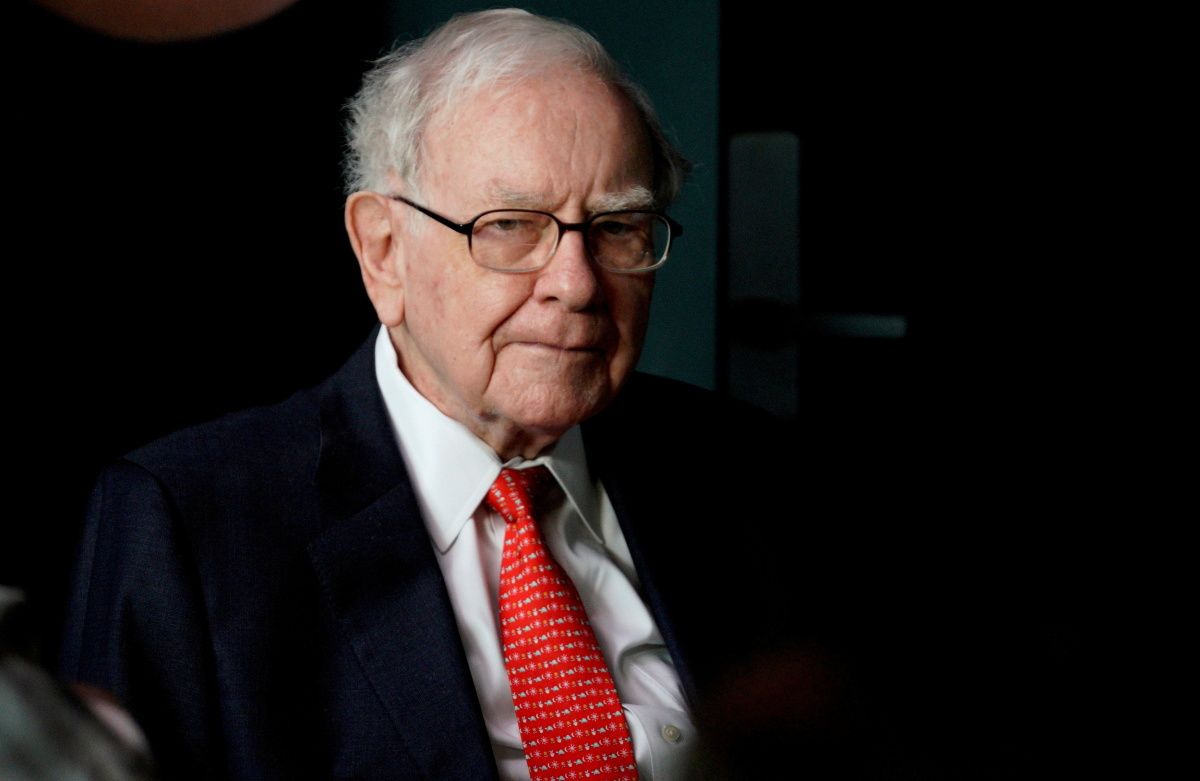
Warren Buffett, CEO of Berkshire Hathaway Inc, pauses while playing bridge as part of the company annual meeting weekend in Omaha, Nebraska U.S. May 6, 2018.

OMAHA, Neb. — Warren Buffett, the legendary investor who transformed Berkshire Hathaway from a struggling textile mill into a $1 trillion-plus conglomerate, announced his resignation as chief executive officer on Wednesday, ending one of the most remarkable runs in American business history after more than six decades at the helm.

Warren Buffett, CEO of Berkshire Hathaway Inc, pauses while playing bridge as part of the company annual meeting weekend in Omaha, Nebraska U.S. May 6, 2018.
Warren Buffett Resigns as Berkshire Hathaway CEO After Historic 60-Year Leadership

The 95-year-old Buffett made the announcement during a special meeting of Berkshire’s board, confirming that Greg Abel, 63, who has been groomed as his successor for years, will assume the CEO role effective immediately. Buffett will remain chairman of the board, ensuring continuity during the historic leadership transition.

In a statement released by the company, Buffett expressed gratitude to Berkshire’s shareholders, employees and managers. “Berkshire has been my life’s work, and it has been an incredible privilege to lead this remarkable organization for so long,” he said. “The time has come to pass the baton to Greg, who is exceptionally well prepared to guide Berkshire into its next chapter. I have full confidence in his leadership and the incredible team around him.”

The news sent ripples through global financial markets. Berkshire Hathaway Class A shares, which trade at over $700,000 each, dipped slightly in early trading before recovering as investors digested the long-anticipated transition. Analysts described the move as expected but still emotionally significant for investors who have come to view Buffett as synonymous with the company.

Buffett took control of Berkshire Hathaway in 1965 when it was a failing New England textile manufacturer. Through his value-investing philosophy — buying high-quality businesses at reasonable prices and holding them for the long term — he built one of the most valuable companies in the world. Under his leadership, Berkshire’s stock delivered compounded annual returns of approximately 20% for decades, turning thousands of ordinary investors into millionaires through patient, disciplined ownership.

Advertisement

The “Oracle of Omaha,” as Buffett is affectionately known, became a cultural icon. His annual shareholder letters were devoured by investors worldwide for their wisdom, wit and plain-spoken advice on business, investing and life. The Berkshire annual meeting, often called the “Woodstock of Capitalism,” drew tens of thousands of pilgrims to Omaha each year to hear Buffett and his longtime partner Charlie Munger dispense investment wisdom.

Munger, Buffett’s closest confidant and vice chairman, passed away in 2023 at age 99. His death marked the beginning of the end of an era, with Abel increasingly taking on more visible leadership roles. Abel, who joined Berkshire through its MidAmerican Energy subsidiary, has overseen the company’s non-insurance operations and earned Buffett’s trust through decades of steady, principled management.

Greg Abel’s ascension has been carefully planned. Buffett has publicly praised Abel’s business acumen, integrity and alignment with Berkshire’s distinctive culture of decentralization, long-term thinking and ethical conduct. In his 2024 shareholder letter, Buffett explicitly named Abel as his successor, ending years of speculation about who would lead the company after him.

The transition comes at a pivotal time for Berkshire. The company holds a massive cash position exceeding $180 billion, giving it significant firepower for acquisitions or share repurchases. Its diverse portfolio includes insurance giants GEICO and Berkshire Hathaway Reinsurance, railroads (BNSF), utilities (Berkshire Hathaway Energy), and iconic consumer brands like See’s Candies, Dairy Queen and Fruit of the Loom.

Advertisement

Buffett’s resignation ends an unparalleled chapter in corporate America. His influence extended far beyond Berkshire — shaping generations of investors, business leaders and even public policy through his advocacy for higher taxes on the wealthy and philanthropic efforts. Through the Giving Pledge, which he co-founded with Bill Gates, Buffett has committed the vast majority of his fortune — currently estimated at over $130 billion — to charitable causes, primarily through the Bill & Melinda Gates Foundation.

The news of his departure elicited tributes from across the business and political worlds. Microsoft co-founder Bill Gates called Buffett “one of the greatest investors and most generous philanthropists of our time.” JPMorgan Chase CEO Jamie Dimon described him as “a once-in-a-generation figure whose wisdom shaped modern capitalism.” President Donald Trump posted on Truth Social: “Warren Buffett is a legend. He built something incredible. Congratulations on an amazing career!”

For Berkshire shareholders, the transition raises important questions about the company’s future without its iconic leader. Buffett’s approach — buying wonderful businesses run by wonderful people and letting them operate with autonomy — has been central to Berkshire’s success. Abel has pledged to maintain this culture while bringing his own perspectives to capital allocation and strategic direction.

Early indications suggest continuity rather than radical change. Abel has emphasized Berkshire’s decentralized model and long-term focus in recent public appearances. However, investors will be watching closely for any shifts in investment philosophy, dividend policy or approach to acquisitions as the new CEO settles in.

Advertisement

The annual shareholder meeting on May 2 in Omaha will take on special significance this year. It will be Abel’s first as CEO, though Buffett is expected to attend and participate. The event, which typically draws tens of thousands of attendees, will serve as both a celebration of Buffett’s legacy and an introduction to Berkshire’s next chapter.

Buffett’s resignation does not mean the end of his influence. As chairman, he will continue to provide guidance and oversight. His substantial ownership stake — still over 15% of the company’s voting power — ensures his voice will remain important in major decisions.

For generations of investors who grew up reading Buffett’s letters and attending the annual meetings, today’s news marks the closing of a golden era. Yet many express confidence that Berkshire’s unique culture and strong bench of operating managers will allow the company to thrive under new leadership.

As Warren Buffett steps away from day-to-day leadership after more than six decades, his extraordinary legacy — built on integrity, patience and rational decision-making — will continue to inspire investors and business leaders around the world for generations to come.

Advertisement

The Oracle of Omaha may be stepping down as CEO, but his influence on American capitalism and the art of investing is permanent. Berkshire Hathaway enters a new era, but the principles that guided it for 60 years are expected to endure.

Continue Reading

Business

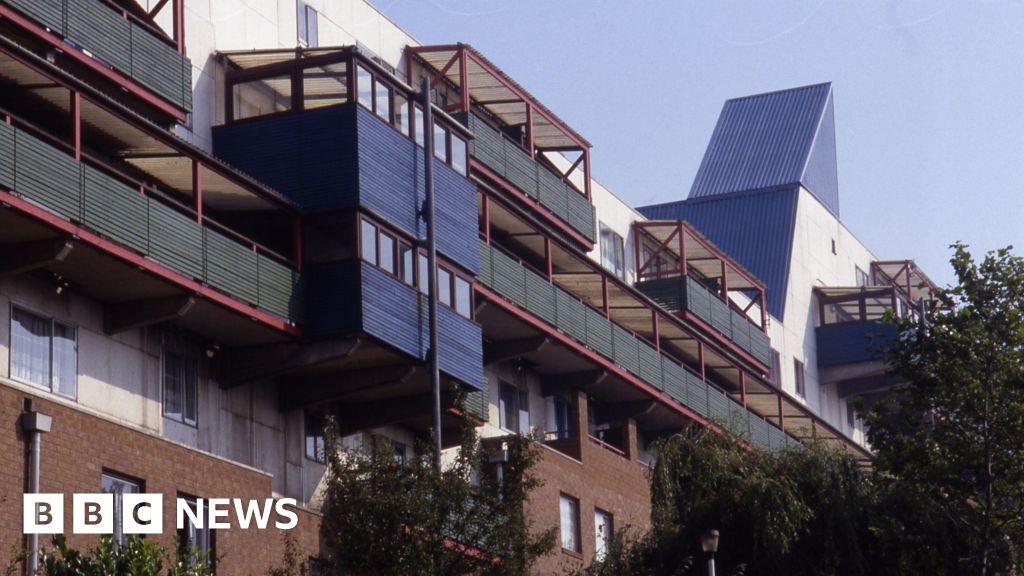
Housing estate residents see energy bills frozen

Published

on

Housing estate residents see energy bills frozen

Newcastle City Council hopes the move will offer Byker Wall homeowners “stability and certainty”.

Continue Reading

Business

Motilal Oswal Q4 Results: Cons loss widens YoY to Rs 221 crore but operating PAT grows 25% on 125% revenue surge

Published

on

Motilal Oswal Q4 Results: Cons loss widens YoY to Rs 221 crore but operating PAT grows 25% on 125% revenue surge
Motilal Oswal Financial Services (MOFSL) widened its consolidated net loss to Rs 221 crore in the March-ended quarter from Rs 65 crore in the year-ago period despite reporting a stellar 125% year-on-year growth in its revenue from operations. The topline stood at Rs 2,676 crore in Q4FY26 versus Rs 1,190 crore in the corresponding quarter of the last financial year.

The brokerage had reported a net profit of Rs 566 crore in the October-December quarter of FY26. All profit figures are attributable to the owners of the parent.

However, MOFSL’s operating profit after tax (PAT) surged 25% YoY to Rs 661 crore versus Rs 527 crore in Q4FY25 while rising 8% on a sequential basis compared to Rs 611 crore in Q3FY26. The full-year operating PAT stood at Rs 2,360 crore, growing 16% YoY led by strong growth in the Asset & Private Wealth Management (PWM) business.

The topline saw a 27% sequential growth compared to Rs 2,112 crore in Q3FY26.

Advertisement

Key takeaways:

— Asset Management (Including Alternates): PAT grew by 63% YoY to Rs 249 crore in Q4, while rising 55% YoY to Rs 798 crore in FY26.
— Total assets under management (AUM) grew by 32% on YoY basis at Rs 1.76 lakh crore, driven by stellar Mutual Fund AUM growth of 31% and Private Alternates AUM growth of 104%. FY26 Net MF Flows market share higher than AUM market share at 6.6% and 2.7% respectively, the company’s filing to the exchanges said.
— SIP inflows surged 78% YoY to Rs 16,479 crore with market share of 4.7%. Closed IBEF Fund V raise of Rs 8,350 crore, nearly 2X of its last fund raised.
— MOFSL executed first close of maiden private credit fund in January 2026 with fund raise of Rs 1,700 crore, targeting total raise of Rs 3,000 crore.

— Private Wealth Management: Q4 PAT grew by 18% YoY to Rs 88 crore with net flows growing by 66% to Rs 5,535 crore. For FY26, PAT grew by 15% to Rs 368 crore with net flows growing by 41% to Rs 20,154 crore. AUM was up 36% YoY to ₹1.97 lakh Cr, driven by family acquisitions and higher RM productivity.

— Wealth Management: PAT grew by 7% YoY to Rs 204 crore in Q4 and de-grew by 7% to Rs 727 crore for FY26. Q4 brokerage revenue grew by 33% YoY.

— Capital Markets: PAT grew 12% YoY to Rs 75 crore in Q4 and grew 30% YoY to Rs 336 crore in FY26.

Advertisement

— Housing Finance: PAT grew 61% YoY to Rs 59 crore in Q4 and 22% YoY to Rs 159 crore in FY26. AUM grew 19% YoY to Rs 5,829 crore.
.
— Treasury book grew 12% YoY to Rs 9,403 crore, delivering alpha of 5% for the year FY26. Book grew at 40% CAGR led by strong IRRs and reinvestment of operating profits. FY26 Total PAT (incl OCI) of ₹2,043 Crs is lower than Operating PAT due to Treasury book’s Mark-to-Market accounting.

(Disclaimer: The recommendations, suggestions, views, and opinions given by the experts are their own. These do not represent the views of The Economic Times.)

Continue Reading

Business

Jerome Powell successor Kevin Warsh clears Senate Banking Committee

Published

on

Jerome Powell successor Kevin Warsh clears Senate Banking Committee

Kevin Warsh’s nomination to serve as the next Federal Reserve chair took a big step forward on Wednesday after a key committee voted to advance his nomination after a senator lifted his opposition.

Members of the Senate Banking Committee voted 13-11 to send Warsh’s nomination to the full Senate for a confirmation vote that could occur soon.

Advertisement

Warsh, a former Federal Reserve governor who served at the central bank from 2006 to 2011, was nominated to succeed current Fed Chair Jerome Powell, whose term as chairman ends on May 15, 2026.

The nomination was held up after Sen. Thom Tillis, R-N.C., vowed to block Warsh’s nomination despite supporting it because of the Justice Department’s investigation into Powell’s testimony on the Fed’s costly renovation project, which he viewed as politically motivated.

FED EXPECTED TO HOLD RATES AS POWELL ERA NEARS END WITH WARSH ON DECK

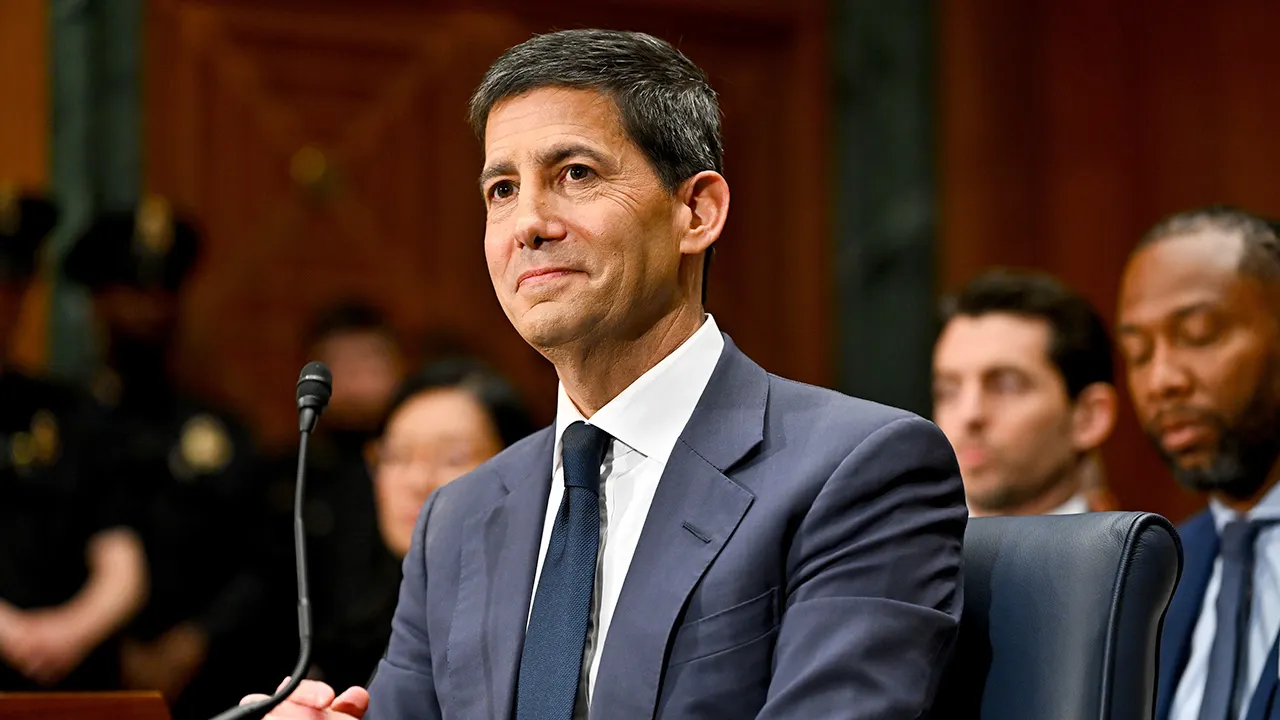
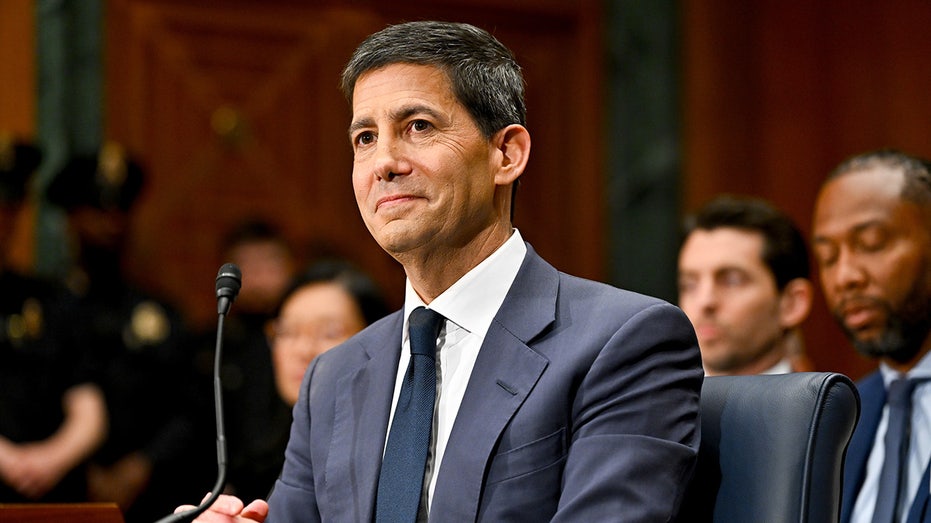
Kevin Warsh at his confirmation hearing

Kevin Warsh’s nomination to serve as chairman of the Federal Reserve moved forward on Wednesday. (Graeme Sloan/Bloomberg via Getty Images)

Tillis argued the probe undermined the independence of the central bank, and the DOJ relented as U.S. Attorney for the District of Columbia Jeanine Pirro closed her office’s investigation on Friday, with the Fed’s inspector general, Michael Horowitz, taking it over.

Advertisement

Tillis said the probe was a “serious threat to the Fed’s independence, and it needed to end before I could support Kevin Warsh’s confirmation.”

WHO IS KEVIN WARSH, TRUMP’S PICK TO SUCCEED JEROME POWELL AS FED CHAIR?

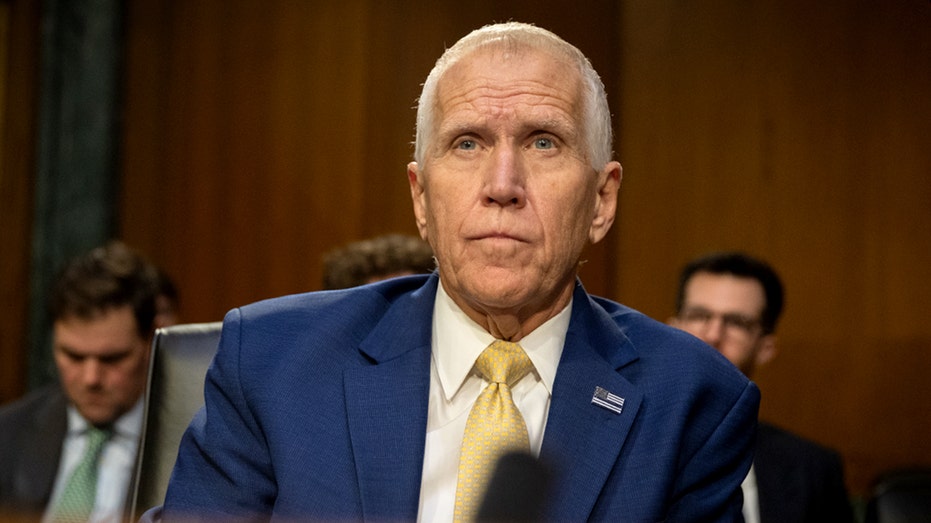
Sen. Thom Tillis

Sen. Thom Tillis, R-N.C., criticized the DOJ’s investigation of the Powell and said he would delay Warsh’s nomination until it was closed. (Nathan Posner/Anadolu via Getty Images)

With the Senate Banking Committee having now advanced Warsh’s nomination, the full Senate may now hold a confirmation vote in the near future. 

Depending on how quickly senators take up the nomination, Warsh could be confirmed as Fed chair in time to preside over the central bank’s June policy meeting.

Advertisement

HOW DOES FED CHAIR NOMINEE KEVIN WARSH VIEW THE CENTRAL BANK’S INFLATION GOAL?

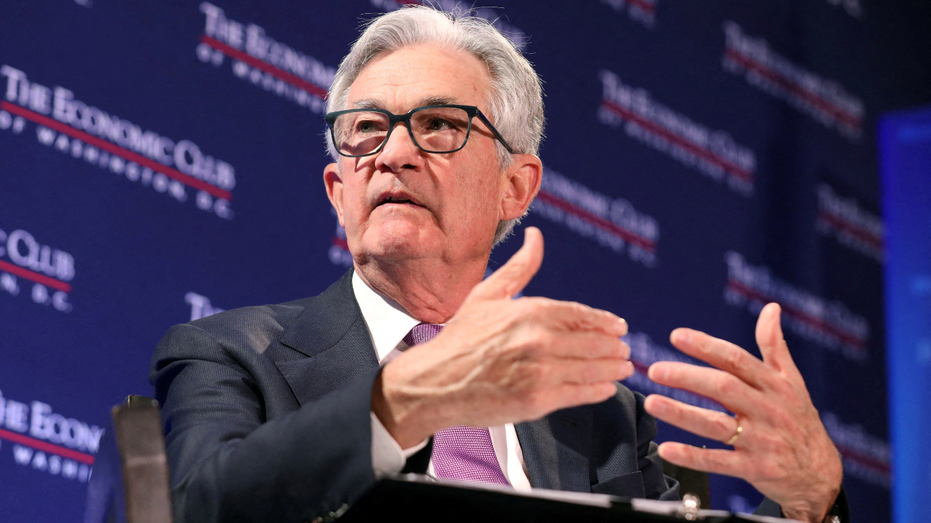
Jerome Powell speaks at an event in Washington, DC.

Federal Reserve Chair Jerome Powell hasn’t indicated whether he will serve out his term as a member of the Fed’s Board of Governors. (Amanda Andrade-Rhoades/Reuters)

While Powell’s term as chairman is coming to a close next month, he may choose to serve out the remainder of his term as a member of the Fed’s Board of Governors, which runs until Jan. 31, 2028.

Powell will speak at a press conference on Wednesday afternoon after the Federal Open Market Committee – the Fed panel responsible for monetary policy – announces its next interest rate decision. 

Policymakers are expected to leave their benchmark rate unchanged at the current target range of 3.5% to 3.75% amid concerns over inflation.

Advertisement

GET FOX BUSINESS ON THE GO BY CLICKING HERE

The presser, which will begin around 2:30 p.m. ET, is expected to be the last that Powell will lead as Fed chair.

Continue Reading

Business

POET: I Called The Surge, Now Reset

Published

on

Speed tunnel digital technology abstract background

POET: I Called The Surge, Now Reset

Continue Reading

Business

3i Infrastructure appoints Andrew Sykes as chair designate

Published

on


3i Infrastructure appoints Andrew Sykes as chair designate

Continue Reading

Trending

Copyright © 2025