
Business
Hinge Health Stock Catapults 95%; Expands Footprint In AI Pain Management Tech


A persistent muscle twinge can unhinge daily routines and schedules. Hinge Health (HNGE) offers an app-based artificial intelligence-enabled program for managing pain and has been growing its client base as demand surges for its products and services. Shares touched an all-time high on Thursday while also holding in a buy zone above a three-weeks-tight pattern. Its pivot is 93.13. The…
Copyright ©2026 Investor’s Business Daily, LLC. All rights reserved. 87990cbe856818d5eddac44c7b1cdeb8

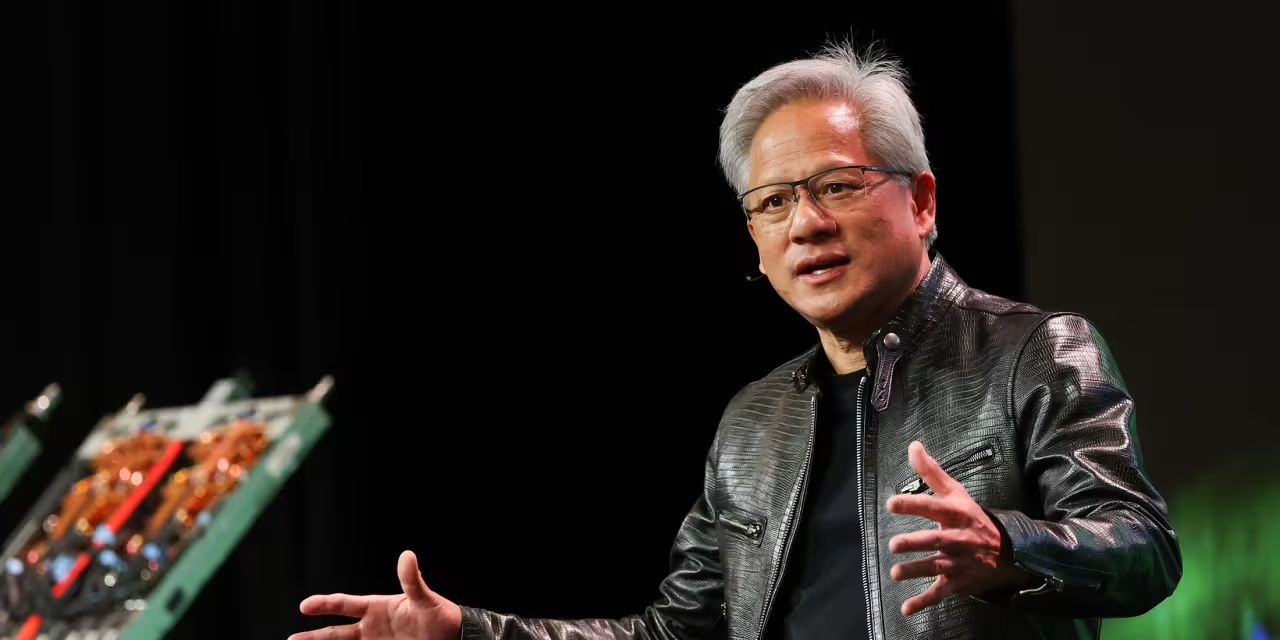
Nvidia stock was edging up early Wednesday ahead of the chip maker’s quarterly earnings report after the market close.
Nvidia shares were up 0.3% at $213.58 in premarket trading. The stock rose 2.2% on Tuesday, snapping a seven-day losing streak.
“As much as expectations are high, the actual setup into earnings has created a manageable bar for a positive price reaction on decent enough numbers,” wrote Jefferies equity sales specialist William Beavington in a research note.
NEW YORK — International Business Machines shares rose sharply in Thursday morning trading, advancing about 3.9 percent to around $238.89 after the company completed a quantum-related acquisition and highlighted new mainframe processor plans.
The stock gained roughly $9 from Wednesday’s close of $229.87. Intraday quotes clustered in the mid-to-high $230s, with the session range running from the low $230s to just under $239. Volume was lighter than IBM’s longer-term average, suggesting a focused move rather than a broad market surge.
The immediate catalyst was IBM’s announcement on Aug. 26 that it had completed the acquisition of HRL Laboratories LLC. The company said the deal brings together complementary expertise in quantum computing, quantum sensing, advanced communications, electronics, manufacturing and materials science, with the aim of accelerating future innovation. HRL is a long-established research organization known for work spanning those fields.
The purchase follows other recent technical milestones. IBM said earlier in August that it had connected and cooled two modular cryogenic systems in a single environment, a step it described as progress toward larger, more reliable quantum machines. Management has separately outlined a multiyear quantum investment plan and longer-term targets for fault-tolerant systems.
Investors also continued to parse IBM’s unveiling of a next-generation dual-architecture processor for future IBM Z and LinuxONE systems. The chip is designed to support both IBM and Arm-based operating systems and applications. Commercial impact is expected to arrive over time rather than in the current quarter, but the announcement reinforced the company’s effort to keep its mainframe franchise relevant as enterprise software stacks evolve.
The rebound comes after a difficult stretch. IBM shares peaked near $332 in early June before sliding following second-quarter results. In that quarter, IBM reported revenue of $17.16 billion, up about 1 percent year over year, missing consensus estimates. Adjusted earnings were $2.93 per share, up 5 percent and in line with forecasts. Management pointed to delayed large, capital-expenditure-sensitive software transactions and weaker IBM Z revenue. Software annual recurring revenue reached $24.6 billion, up 8 percent, with Red Hat, data and hybrid-cloud lines remaining the brighter spots.
After the miss, IBM guided to constant-currency revenue growth of 4 percent to 5 percent for the full year, a reset from a more ambitious earlier outlook. The stock fell more than 25 percent in a single July session after those results, prompting at least one law firm to announce an investigation into potential securities-law issues tied to the decline and comments about faltering large deals. No findings from that process have been announced.
Since the July low, IBM has recovered a substantial portion of the drop. The shares remain well below the June high and are still down on the year, but they have outperformed in the weeks since earnings as investors focused on recurring software growth, free-cash-flow resilience and the pipeline of delayed deals that management said had begun to close in the third quarter.
Valuation metrics place IBM at a trailing price-to-earnings ratio near 20 and a forward multiple in the high teens, with a dividend of about $6.76 a share, or a yield near 2.8 percent at recent prices. The 52-week range runs from $199.19 to $332.46. Analyst consensus remains generally constructive, with average price targets clustered from the mid-$240s to the mid-$260s depending on the survey, and ratings typically in the buy or moderate-buy category.
The company’s strategy continues to rest on hybrid cloud and enterprise artificial intelligence rather than consumer-facing AI chips. IBM has promoted watsonx, Red Hat OpenShift and consulting services as a way for large organizations to run models across on-premises, private and public cloud environments. It has also signed infrastructure and inference partnerships intended to scale open-source AI workloads on IBM Cloud.
Mainframes remain both a strength and a source of volatility. Z systems generate high-margin software and services once installed, but hardware cycles can produce lumpy revenue. The weaker Z showing in the second quarter was a central reason for the earnings-day selloff. The new processor and dual-architecture roadmap are meant to extend that franchise, including compatibility with Arm-based software, but they will not change near-term results.
Quantum computing is a longer-dated option. Completing the HRL transaction and demonstrating multi-module cryogenic operation are incremental steps rather than immediate profit drivers. Investors have treated such news as supportive of IBM’s research credentials while still judging the stock primarily on software growth, consulting demand and cash generation.
Thursday’s advance put IBM closer to some Wall Street targets after weeks of chopping in the $228–$238 band. Whether the move holds will depend on third-quarter evidence that delayed software deals are closing, that Z demand is stabilizing and that hybrid-cloud bookings remain solid. Broader technology sentiment, including demand for AI infrastructure, will also influence the shares, even though IBM’s mix differs from pure-play chipmakers.
For now, the combination of a completed research acquisition, a new mainframe chip design and a bounce from recent lows has given IBM its strongest single-session gain in days. The stock still trades far below its early-summer peak, leaving room for debate over how much of the enterprise AI and quantum story is already reflected in the price.
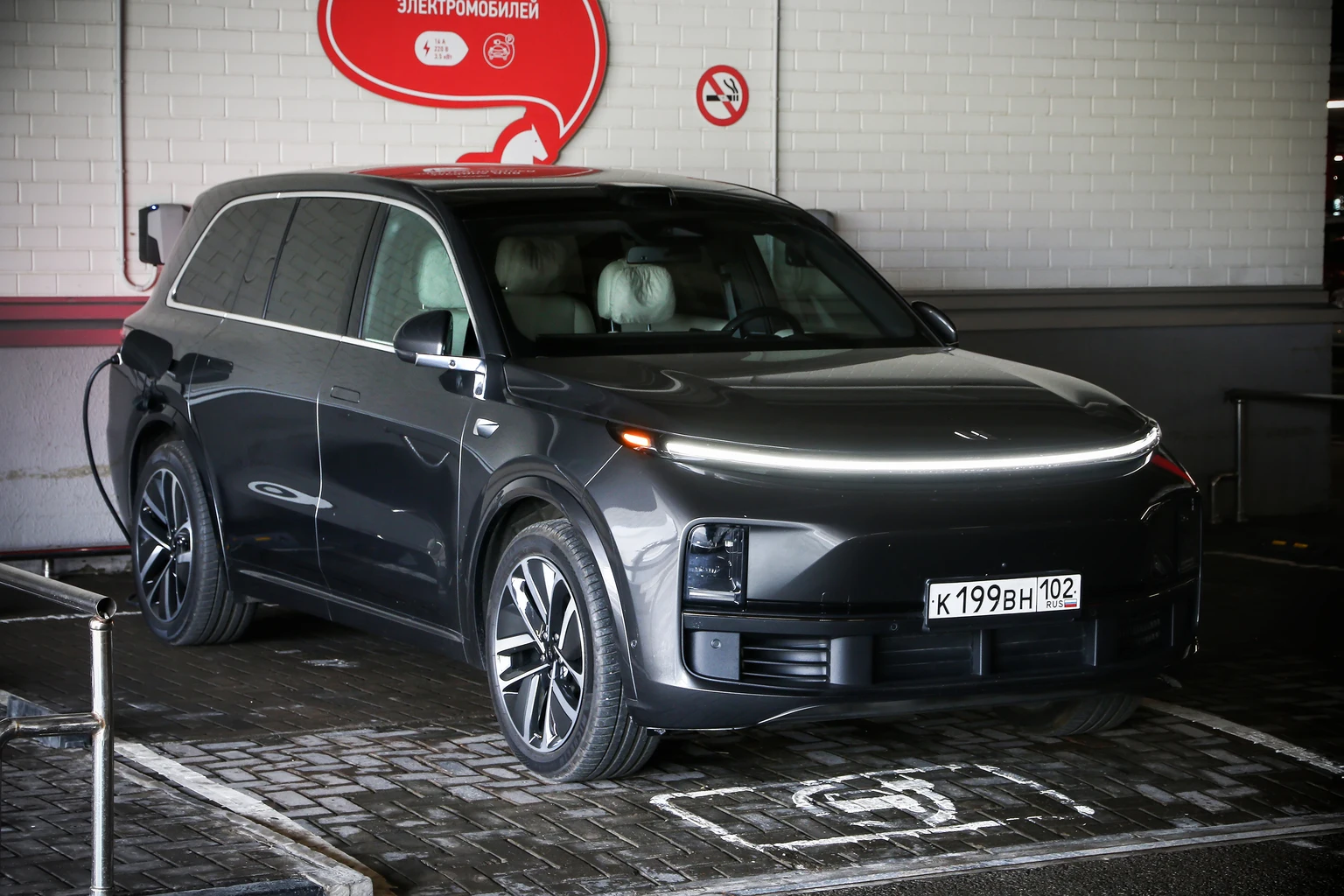
Li Auto: Competitive Destruction

JATT III Acquisition completes $69 million IPO on Nasdaq

New York gold futures traded broadly flat at $4,686 a troy ounce in early trade.
Traders are waiting for U.S. Federal Reserve Chairman Kevin Warsh to speak at the Jackson Hole gathering on Friday.
The market wants to know how the Fed will respond to various inflation scenarios, ANZ analysts wrote.
Business
SK Hynix ADR Shares Climb Today as Nvidia Warns Global Memory Chip Shortages Could Persist Through 2028
SEOUL, South Korea — Shares of South Korean chipmaker SK Hynix climbed Thursday, with its Nasdaq-listed American depositary receipts rising 2.57% to $162.08, after Nvidia’s latest earnings report reaffirmed strong demand for artificial intelligence hardware while flagging memory chips as one of the industry’s biggest supply constraints.
The ADR gained $4.07 in Thursday’s trading session, extending a rally that began after Nvidia released its fiscal second-quarter results Wednesday evening. SK Hynix’s Korea-listed shares also surged during Thursday’s session in Seoul, where the stock is one of two chip heavyweights driving broader gains across the country’s benchmark index.
Nvidia’s memory warning becomes a tailwind
Nvidia reported fiscal second-quarter revenue of $96.22 billion, up 106% year over year, and guided toward $108 billion in third-quarter sales, according to Invezz. More significant for Korean chipmakers than the headline growth figures was Nvidia’s disclosure that memory chips have become one of its most pressing supply constraints, with the company warning that shortages of high-bandwidth memory and standard DRAM chips could persist through fiscal 2028.
That warning translated directly into a bullish read for SK Hynix and its main domestic rival, Samsung Electronics. Both companies rallied sharply in Seoul trading Thursday, with Samsung rising as much as 3.3% and SK Hynix gaining 5.5% on the local exchange, helping push South Korea’s benchmark KOSPI index back toward the 7,000 level for the first time in seven sessions, according to Invezz.
Why tight supply benefits memory makers
The logic driving investor enthusiasm is straightforward: if artificial intelligence accelerator demand continues climbing while the supply of DRAM and high-bandwidth memory chips needed to build those systems remains scarce, memory manufacturers like SK Hynix stand to benefit from both higher shipment volumes and greater pricing power. Analysts at Invezz described Nvidia’s memory shortage warning as “the cleanest read-through for Hynix,” noting that continued AI accelerator demand paired with constrained memory supply supports exactly the kind of volume growth and pricing leverage that defines SK Hynix’s business.
SK Hynix has positioned itself as the dominant supplier in the high-bandwidth memory market that feeds Nvidia’s most advanced AI processors. According to Counterpoint Research data cited by The Motley Fool, SK Hynix held a 58% share of the global HBM market in the first quarter of 2026, with demand for its products intense enough to push operating margins to 76% in a recent quarter.
A deepening partnership with Nvidia
Thursday’s rally builds on an already close relationship between SK Hynix and Nvidia. In late July, Nvidia and SK Hynix’s parent company, SK Group, announced a long-term AI infrastructure partnership valued at more than $500 billion, which included agreements for SK Hynix to supply and co-develop next-generation high-bandwidth memory specifically for Nvidia’s AI computing platforms, according to The Motley Fool. That deal provided SK Hynix with multi-year visibility into demand tied directly to the world’s leading AI chip designer, reducing its historical exposure to the boom-and-bust cycles that have traditionally characterized the memory chip industry.
SK Hynix has also been actively expanding its manufacturing footprint to meet the anticipated demand. The company recently disclosed plans to invest 21.6 trillion won, roughly $15.07 billion, in a new production facility in Yongin, South Korea, alongside a separate partnership with SanDisk to develop next-generation high-bandwidth flash memory technology.
A broader rally across memory stocks
SK Hynix’s gains this week are part of a wider rally across the memory chip sector. Shares of SanDisk and Micron Technology also jumped sharply in recent sessions, driven by the same combination of AI-fueled demand and constrained supply. SanDisk climbed 6% in one recent session while Micron gained 5%, with SK Hynix rallying alongside the group, according to Yahoo Finance.
A stock that still trades at a discount
Despite its strong performance, some analysts argue SK Hynix remains relatively inexpensive given its central role in the AI supply chain. The stock’s forward price-to-earnings ratio sits at roughly 8, based on consensus 2026 earnings estimates, according to Leverage Shares, a valuation that many analysts view as low relative to the company’s growth trajectory and market position. The average analyst price target tracked by Investing.com sits roughly 20% above recent trading levels, reflecting continued bullishness on the stock even after its substantial gains over the past year.
Not without risk
Analysts caution that SK Hynix’s fortunes remain closely tied to the broader AI capital expenditure cycle, meaning any slowdown in spending by major technology companies could quickly reverse the current dynamic. Invezz identified this as the key risk facing the stock: if AI capital spending slows faster than memory supply constraints ease, the pricing power currently benefiting SK Hynix could erode rapidly, alongside softening shipment volumes.
The stock has also shown volatility even on seemingly positive news in the past. Following the announcement of its $500 billion partnership with Nvidia and SK Group in July, SK Hynix shares initially sold off nearly 10% despite the long-term significance of the deal, according to StocksToTrade, before recovering as investors digested the multi-year demand visibility the agreement provided.
With Nvidia’s latest results reinforcing expectations of sustained AI infrastructure spending and continued memory scarcity, attention now turns to how SK Hynix’s own upcoming earnings reports will reflect that dynamic in concrete terms. Foreign investors, who had been net sellers in sessions leading up to Nvidia’s earnings, returned as buyers of Korean chip stocks Thursday, according to Seoul Economic Daily, a shift analysts described as reflecting renewed confidence in the medium- to long-term demand visibility now facing the country’s largest chipmakers heading into the Federal Reserve’s Jackson Hole symposium later this week.

LiveOne at Q3 Investor Summit Group Virtual Conference 2026: buybacks, growth
Business
(VIDEO) Peter Cullen, the Legendary Voice of Optimus Prime in the ‘Transformers’ Franchise, Dies at Age 85

LOS ANGELES — Peter Cullen, the Canadian voice actor whose deep, commanding baritone gave life to Optimus Prime across four decades of the “Transformers” franchise, has died. He was 85.
Cullen died Wednesday, Aug. 26, at his home in Los Angeles, his agent, Kevin Motley, confirmed to The Hollywood Reporter. A cause of death was not disclosed.
In a statement shared with media outlets, Cullen’s family described his passing as peaceful. “Peter Cullen passed away peacefully, surrounded by his loving family,” the family said, adding that he remained “held in the hearts of his many friends and countless fans worldwide.” The family asked that his legacy be honored through community service and by leading others “with compassion, integrity, and loyalty,” echoing a phrase Cullen often repeated throughout his life: “be strong enough to be gentle.”
A voice that defined a generation of heroes
Born in Montreal in 1941, Cullen built a prolific career as a voice actor whose credits numbered in the hundreds, spanning cartoons, films, television series and video games. But he remained best known, above all else, for originating and sustaining the voice of Optimus Prime, leader of the heroic Autobots, across nearly every iteration of the “Transformers” franchise since its debut.
Cullen first voiced the character in the original 1984 animated series “The Transformers,” which chronicled the war between the Autobots and the villainous Decepticons and helped launch one of the most enduring toy and media franchises in entertainment history. He went on to voice Optimus Prime in all five mainline live-action “Transformers” films directed by Michael Bay, as well as in “Bumblebee” and “Rise of the Beasts,” alongside numerous animated series and video games spanning decades.
How Optimus Prime found his voice
Cullen frequently credited his older brother, Larry, a U.S. Marine Corps veteran who served in Vietnam from 1965 to 1968, as the inspiration behind the character’s distinctive tone. Speaking to Reading Eagle in 2008, in comments later cited by Variety, Cullen described drawing directly from his brother’s bearing as a returning veteran. “It was his tone of voice and delivery as a leader, his control,” Cullen said, describing the qualities that shaped his approach to the role.
That connection to his brother’s military service became central to how Cullen understood the character over the following decades, describing Optimus Prime as embodying a calmness paired with strength, honor and dignity that he associated with the Marines.
A near-miss with a modern reboot
Cullen’s hold on the role nearly slipped away when Bay began developing the 2007 live-action film reboot of the franchise. According to commentary Bay recorded for the first film, his original choice to voice Optimus Prime was actor Liam Neeson, and animators at Industrial Light & Magic were initially instructed to use Neeson’s voice as a reference point while building the character. Producers ultimately pushed back on that decision and insisted Cullen return to reprise the role he had originated more than two decades earlier, a choice that cemented his status as the definitive voice of the character for a new generation of moviegoers.
Beyond the Autobots
While Optimus Prime remained his signature role, Cullen’s career extended far beyond the “Transformers” universe. He voiced Eeyore in dozens of “Winnie the Pooh” projects for Disney, bringing his distinctive voice to one of children’s entertainment’s most recognizable, if melancholy, characters. He also voiced King Kong in the 1976 remake of the classic monster film and created the unsettling clicking sounds made by the title creature in 1987’s “Predator,” starring Arnold Schwarzenegger.
Cullen’s other credits included voicing the villain Venger in the early-1980s animated series “Dungeons & Dragons,” the character K.A.R.R. on “Knight Rider” in both 1982 and a 2009 revival, and roles across a wide range of classic animated series including “Snorks,” “Rainbow Brite” and “BraveStarr.” He also became closely associated with Cartoon Network’s Toonami programming block beginning in 1997, where he provided narration and promotional voiceover work until the block’s initial run ended in 2008. More recently, Cullen lent his voice to the animated superhero series “Invincible.”
Recognition within his industry
Cullen’s performance during the first season of the 2010-2013 animated series “Transformers: Prime” earned him a Daytime Emmy nomination, formal recognition of a role he had already come to define across multiple generations of fans. He was honored with a hand and footprint ceremony at the TCL Chinese Theatre IMAX in Hollywood in September 2014, cementing his place among the industry’s recognized talents despite working primarily behind a microphone rather than in front of a camera.
A legacy that outlasted expectations
Despite spending decades intertwined with a single character, Cullen said in a 2014 interview with Reading Eagle that he never assumed the role would become a lifelong fixture of his career. Yet Optimus Prime remained a constant presence across his professional life, from the character’s death and eventual return in the franchise’s earliest years to his continued voice work in modern “Transformers” projects released as recently as this decade.
At the time of his death, Cullen had no upcoming projects listed on his public filmography, though several new “Transformers” projects remain in development, including a reported crossover with the “G.I. Joe” franchise and a live-action feature set outside the continuity of the existing film series — projects that, had Optimus Prime been featured, industry observers widely expected Cullen would have been asked to reprise once again.
A loss felt across generations
News of Cullen’s death arrived just days after the deaths of country music icon Dolly Parton and actor Tim Curry, adding to what has already been a difficult stretch for the entertainment industry this week. For fans who grew up with the “Transformers” franchise across its many iterations, Cullen’s voice remained a constant throughout, a steady and reassuring presence that outlasted changing animation styles, film reboots and generational shifts in how the Autobots and their world were brought to the screen.
Shares of semiconductor companies were mixed as investors await Nvidia’s second-quarter results after the U.S. market close to gauge appetite for artificial-intelligence chips.
Dutch semiconductor-equipment maker ASML Holding and smaller rival ASM International were down 0.6% and 0.4%, respectively. BE Semiconductor Industries, the Dutch supplier of semiconductor assembly equipment, was down 0.7%. German chip maker Infineon Technologies was up 0.9%. STMicroelectronics shares were up 1%.
Meanwhile, the E-mini Nasdaq 100 futures contract was down 0.3%, pointing to a weak opening for tech stocks in the U.S.
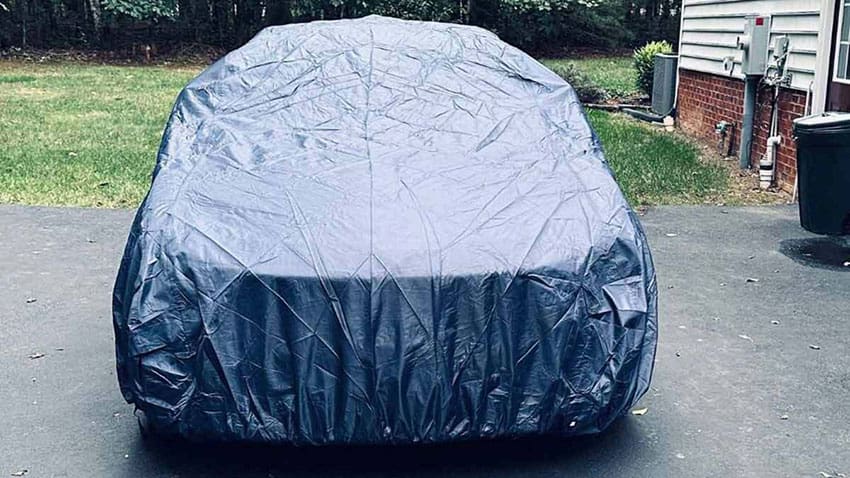
A car parked in the driveway may look perfectly safe, but every day it sits outside, it is exposed to conditions that can slowly wear it down.
Sunlight fades paint, bird droppings and tree sap can etch the finish, dust builds up on the surface, and harsh weather can take a toll on everything from exterior trim to the interior. Most of this damage happens gradually, which makes it easy to overlook until the repair or replacement bill arrives.
A car cover offers a simple way to reduce that everyday exposure. Beyond keeping a vehicle cleaner, the right cover can help preserve its appearance, reduce maintenance demands, and protect components that can be expensive to restore.
Here’s how a car cover can help save money on vehicle maintenance while keeping a vehicle looking its best.
1. Paint Protection Reduces the Need for Expensive Detailing and Repairs
Repainting a vehicle can be a costly repair, especially when the damage affects a larger or more visible area. The price of repainting a single panel depends on factors such as the vehicle, paint finish, and the shop performing the work. Full resprays cost considerably more. Most paint damage doesn’t happen in accidents; it accumulates from daily exposure to UV radiation, bird droppings, tree sap, industrial fallout, and airborne debris.
UV damage is a gradual problem that is easy to overlook. Constant sun exposure breaks down clear coat, fades paint, and oxidizes the surface over years. Oxidized paint often needs more than a thorough wash to recover its appearance. Treatment may include machine polishing, wet sanding, or repainting.
A car cover blocks UV exposure entirely when the car is parked. It also stops bird droppings and tree sap from making contact in the first place. Both are acidic. Both cause permanent clear coat etching if left on the surface long enough. Removing these contaminants after they cause damage can be costly, whereas preventing contact with a cover is a much simpler solution.
Seal Skin Covers offers vehicle covers designed to help protect parked vehicles from outdoor elements that can contribute to paint and surface damage.
Over time, this can mean less need for paint correction, fewer professional detailing appointments, and a finish that maintains its depth and gloss for longer.
2. Interior Protection Delays Costly Upholstery and Dash Repairs
The same UV rays that fade exterior paint cook the interior. Leather cracks, plastics become brittle and discolor, dashboards warp and fade, and steering wheels degrade noticeably faster in vehicles that sit in direct sunlight regularly.
Leather seat repairs and full upholstery replacement are expensive. A dashboard replacement or professional re-dye on a damaged leather interior can run into thousands of dollars on higher-end vehicles. Preventing that damage from accumulating in the first place is considerably cheaper.
A good car cover, particularly one used in combination with a windshield sunshade, significantly reduces the solar heat and UV exposure the interior receives. Cooler interior temperatures during parking also reduce strain on door and window seals, which can become brittle and fail when repeatedly exposed to extreme heat cycles.
3. Protecting Trim and Rubber Components Avoids Premature Replacement
Exterior trim, rubber door seals, window moldings, and weatherstripping all degrade from UV and heat exposure. Plastic cladding fades and becomes chalky. Rubber seals dry out, crack, and eventually leak. Replacing door seals or window trim adds up quickly, especially on vehicles where these components are model-specific and not cheap to source.
Trim restoration products help, but they’re a reactive measure. A cover reduces the exposure that makes restoration necessary in the first place.
4. Reduced Washing Frequency Lowers Water and Product Costs
An uncovered car parked outdoors accumulates dust, pollen, and environmental contamination every day. In high-pollen seasons or near construction activity, the surface can need washing multiple times per week to stay clean.
A covered car stays significantly cleaner between washes. Fewer washes means less water consumption, less wear on the paint surface from repeated wash contact, fewer detailing product purchases, and fewer trips to a professional car wash. Over the course of a year, the difference in wash frequency adds up to a measurable saving in both cost and time.
There’s also a paint longevity angle. Every wash introduces some level of surface contact and micro-abrasion, even with quality products and technique. Reducing wash frequency reduces cumulative paint wear.
5. Hail and Weather Protection Avoids Insurance Claims and Deductibles
This is where a car cover can deliver its most significant single-incident financial benefit. Hail damage is among the most common weather-related insurance claims for vehicles. Moderate hail damage can lead to significant repair costs, with the final price depending on the severity of the dents and the vehicle involved. Making a claim can come with out-of-pocket costs, possible premium increases, and the inconvenience of being without the vehicle during repairs.
Pickup trucks face many of the same weather-related risks, but their open beds also leave cargo exposed to rain, snow, UV rays, and debris. A truck cap can help protect the bed and its contents from the elements while providing additional enclosed storage, making it a practical addition for truck owners who regularly park their vehicles outdoors.
A hail-rated car cover, specifically one with padded multi-layer construction designed for impact absorption, provides meaningful protection against moderate hail events. It won’t stop baseball-sized hail from causing damage, but it reduces or eliminates the denting and paint damage from the smaller-diameter hail that causes the majority of insurance claims.
The cost of even a premium hail-protection cover is a fraction of a typical deductible, let alone the potential rate impact of filing a claim.
6. Better Resale Value Is Money Saved at the End of Ownership
Every dollar of maintenance avoided and damage prevented during ownership shows up in the vehicle’s condition at resale time. Buyers pay more for vehicles with paint in good condition, clean interiors, and intact trim. Dealers factor paint and interior condition directly into trade-in valuations.
A car that has been kept under cover throughout ownership will typically show less paint fade, fewer clear coat defects, better interior condition, and more supple rubber than a comparable vehicle that has sat uncovered in similar conditions. That difference translates directly to a higher private sale price or trade-in offer.
The key areas where a car cover can help cut maintenance costs include:
- Fewer paint correction and detailing sessions needed
- Avoided resprays from UV oxidation or etching damage
- Delayed or avoided interior upholstery and dashboard repairs
- Extended life of rubber seals, trim, and weatherstripping
- Lower annual washing costs and product spend
- Potentially avoided hail damage claims and deductibles
- Higher resale or trade-in value at the end of ownership
The cover itself is a one-time purchase. The savings accumulate every year it’s in use.
Final Thoughts
A car cover may not look like a major investment, but its value becomes clearer when the small costs of vehicle upkeep start adding up. Reducing washing, paint correction, weather-related damage, and interior wear can add up to meaningful savings throughout the vehicle’s ownership. Instead of waiting for sun, storms, dirt, or debris to create an expensive problem, covering the vehicle is a simple way to protect its condition and keep more money in your pocket.
Author Bio
Mark Adams is a content writer and automotive research specialist at Seal Skin Covers, specializing in vehicle and outdoor protection solutions. He focuses on helping readers safeguard their investments through practical care tips, storage advice, and product insights. With a strong interest in automobiles and vehicle maintenance, Mark enjoys exploring ways to extend the life and performance of cars, trucks, and recreational vehicles.

New study shows German football remains male-dominated

Pentagon presses NATO allies to boost Europe’s defense
Nvidia Stock Gains Ahead of Earnings Report





-

 Fashion6 days ago
Weekend Open Thread: Madewell – Corporette.com
-

 Crypto World2 days ago
SpaceX stock could rise 75% to $240, JPMorgan says
-

 Business5 days ago
Musk’s Tesla, SpaceX Confirm $16.8 Billion ‘Terafab’ Chip Plant as World’s Largest Building in Texas
-

 Crypto World6 days ago
anatomy of crypto’s biggest liquidation event since 2021
-

 Crypto World3 days ago
A $30 Billion AI Fund Implodes, Now the SEC Is Investigating Wall Street’s Role
-

 Politics5 days ago
6 months on, Irish renters crushed by effects of government housing bill
-

 Crypto World2 days ago
Did Trump Just Move SpaceX Stock With One Truth Social Post?
-

 Business4 days ago
Mystery AI Model ‘Ox Alpha’ Draws Developers With Free Access as Chinese Lab Origins Remain Debated
-
 NewsBeat5 days ago
The ‘Lucky Dip Gang’ causing carnage for clicks: After five thugs were killed speeding in the wrong direction on a motorway, GUY ADAMS investigates a sick new trend… and why police aren’t even allowed to pursue them
-

 Business3 days ago
Moderna CEO warns China is pouring state money into mRNA technology
-

 Business3 days ago
NVIDIA Stock Drops Nearly 2 Percent to $210 on Seventh Losing Day Ahead of Critical AI Earnings
-
 Crypto World6 days ago
Nvidia Stock Suffers Longest Losing Streak Since 2022: Will Q2 Earnings End It?
-

 Business6 days ago
UK firms in critical financial distress rise 9% to 53,756
-

 Sports5 days ago
Deshaun Watson fires back at Browns fans after being booed: ‘It’s a disrespectful thing’
-
 Tech6 days ago
Unitree’s New Superman Robot Claims to Outjump and Outrun Every Human, Usain Bolt Included
-
 Crypto World4 days ago
Google Gemini AI Predicts Ethereum Could Become the Trade Retail Misses in 2026
-
 Tech6 days ago
Faster chip in a familiar form factor
-

 Crypto World7 days ago
SEC Regulation Crypto vs CLARITY Act: which framework wins
-

 Business5 days ago
Will Tesla Stock Be Higher or Lower a Year From Now? Here’s What Wall Street Analysts Are Saying
-

 Business4 days ago
Tesla Recalls Nearly 3 Million Cars in China Over Hidden Door Handles Linked to Multiple Deaths Amid New Ban
You must be logged in to post a comment Login