
Business
Hints and Answer for September 16, 2026 as Puzzle 1915 Turns Delicately Light and Thin


Wordle players faced puzzle number 1,915 on Wednesday, a five-letter word built around a theme of delicacy and lightness that offered several accessible entry points for solvers willing to lean into descriptive, atmospheric vocabulary.
For those still working through the puzzle, several hints circulated Wednesday to help point solvers toward the answer without giving it away outright. The word describes something delicate, light and lacking in thickness or density. It is commonly used to describe smoke, hair, clouds or other wispy-looking things, and can suggest something thin and barely substantial, evoking the image of a light breeze moving strands of hair or a thin trail of smoke. Structurally, the word functions as an adjective, contains one vowel and four consonants, includes no repeated letters, and begins with the letter W.
SPOILER WARNING: Today’s Wordle answer follows below. Stop reading now if you’d rather solve the puzzle without assistance.
The answer to Wordle #1,915 for September 16 is WISPY, an adjective describing something thin, delicate or barely substantial, most often applied to smoke, hair, clouds or other light, fine-textured things that seem to drift or float rather than hold a solid form.
Puzzle guides covering Wednesday’s word noted that its relative rarity as an everyday adjective, combined with its uncommon letter combination, made it a moderately challenging solve despite the accessibility of the hints pointing toward its general meaning. Strategy guides published alongside the day’s clues cautioned solvers against assuming Wordle answers never repeat letters, noting that words like SHEEP or BLOOM have appeared as past answers and that repeated letters remain a regular feature of the puzzle’s five-letter solution pool, even though Wednesday’s specific answer did not include any repeated letters itself.
Guides also offered broader strategic advice relevant to Wednesday’s puzzle and beyond, recommending that solvers lean on consonant-vowel-consonant-consonant-vowel frameworks, using opening guesses like CRATE, PLANT or SHARE, to maximize the number of common letters tested early in a puzzle. Common five-letter word endings such as -ER, -LY, -TY, -LE and -CK were also flagged as useful patterns to consider once a solver has narrowed down several confirmed letters but remains uncertain about the final letter or two of the word.
Wednesday’s puzzle continued a run of daily words that has kept Wordle’s global player base engaged more than four years after the game first became a viral sensation. The puzzle, now owned and published by The New York Times, releases a new five-letter target word to players worldwide at midnight local time each day, giving solvers six total attempts to identify the correct word, with the game’s now-familiar color-coded feedback system, green for letters in the correct position, yellow for correct letters placed incorrectly, and gray for letters absent from the word entirely, guiding players toward the solution with each subsequent guess.
Puzzle number 1,915 followed Tuesday’s answer, DEALT, continuing a stretch of daily words that trackers use to help players identify broader patterns in how frequently the game’s word selection alternates between everyday, high-frequency vocabulary and more specific or evocative terms like Wednesday’s answer. Players tracking their personal statistics through Wordle’s built-in results screen, or through the game’s companion analytical tool, Wordlebot, can compare how efficiently they solved Wednesday’s puzzle relative to the broader player base.
For solvers looking for an added challenge, Wordle continues to offer a “Hard Mode” setting, which requires players to reuse any previously revealed correct or partially correct letters in all subsequent guesses, removing the option to test entirely new, unrelated letter combinations once useful information has already been uncovered. That setting can be toggled from the game’s settings menu before starting a new puzzle each day.
Beyond the daily Wordle puzzle, The New York Times has continued expanding its broader portfolio of daily word and logic games in recent years. Those games include Connections, which challenges players to sort 16 words into four hidden categories, and the Mini Crossword, a condensed version of the paper’s traditional crossword format designed to be completed within just a few minutes. Other publishers have introduced their own competing word puzzle offerings as well, including the Los Angeles Times and The Atlantic, giving daily puzzle enthusiasts an expanding array of options to choose from beyond Wordle’s single daily word challenge.
With Wednesday’s word now revealed, players who came up short on the day’s puzzle, or those simply looking to keep an active streak alive, will have a fresh five-letter word and a new set of six guesses to work with when Thursday’s edition of Wordle resets at midnight local time.

Business
Oil Price Today (September 17): Crude oil falls below $105 even as Middle East tensions simmer. Here’s why

The latest move came after Saudi Arabia offered more crude loadings to Asian refiners through ship-to-ship transfers off Oman’s Sohar port, Reuters stated. The additional shipments are helping offset some of the supply impact from attacks on Saudi Arabia’s East-West pipeline, which runs to the Red Sea.
Crude oil price on September 17
Brent crude futures fell $1.25, or 1.22%, to $104.62 a barrel, while U.S. West Texas Intermediate futures declined $1.16, or 1.2%, to $101.20 a barrel. Both benchmarks had dropped by about $3 on Wednesday.
Oil had climbed to around four-month highs earlier this week after shipping industry sources said crude loadings at Saudi Arabia’s Red Sea export hub of Yanbu had been suspended. Riyadh had also cancelled some crude cargo deliveries to European customers, according to traders. The disruptions followed attacks on the East-West pipeline, which supplies Yanbu.
Also read: Iranian strikes damaged 3 US bases in Gulf: Report

Yanbu became Saudi Arabia’s main oil export outlet after Iran began blockading the Strait of Hormuz following U.S. and Israeli attacks on the country at the end of February. Before the war, the Strait of Hormuz carried one-fifth of the world’s oil supply.
Two pumping stations connected to the East-West pipeline were damaged in an attack last week, while the timeline for repairs remains unclear, according to assessments from three oil and security sources.Despite Thursday’s decline, concerns over the widening Middle East war remain. Saudi warplanes struck Yemen, while Houthi fighters launched drones and missiles at Saudi cities on Wednesday, according to the Iran-backed movement, following a rapid advance that has expanded Tehran’s reach in the Middle East conflict.
Crude petroleum has gained roughly 75% so far this year, driven by the U.S.-Iran conflict, which has restricted Middle Eastern oil flows, as well as the continuing Russia-Ukraine war.
But risks remain
The prospect of additional disruptions has increasingly tilted the risks for oil prices to the upside. Daan Struyven, co-head of global commodities research at Goldman Sachs, said recent attacks showed that shipping disruptions could spread and become more severe.
Goldman Sachs has outlined a scenario in which oil prices could rise as high as $120 a barrel if attacks on vessels in the Middle East intensify. If exports return to normal, the bank expects oil prices to fall back toward $80 a barrel. Struyven told Bloomberg that shipping risks had emerged as an important driver of oil prices.
Struyven said Goldman Sachs sees “meaningful upside to crude oil prices” and also expects natural gas and refined product prices to increase. He added that supply shocks in gas and fuels are larger than those in the crude market.
How long the disruption lasts will be crucial for oil prices. JPMorgan estimates that every additional month of disruption could add around $7 to $8 a barrel to Brent prices. If the disruption persists for three months, the bank expects average monthly Brent prices to reach around $114 a barrel.
Read more: US officials met Iran-backed Houthis in Oman over the weekend, sources say
Citi has raised its average Brent crude price forecast for the third quarter to $86 a barrel from $80, citing a longer-than-expected timeline for the reopening of the Strait of Hormuz.
ANZ analysts have also raised their short-term Brent forecast to $95 a barrel and warned that prices could move higher if the Middle East conflict escalates. They said a prolonged standoff involving calibrated military action by the U.S. and Iran appeared to be the most likely scenario, potentially delaying the return of full Middle Eastern supply.
Disclaimer: This article has been written by Veer Sharma, who is not a SEBI-registered Research Analyst or an Investment Adviser. Veer Sharma and his/her ‘relative(s)’ (as defined under Section 2(77) of the Companies Act, 2013) do not hold any financial interest in the companies mentioned in this article as of the date of publication. The views/recommendations mentioned in this article, wherever applicable, are those of the respective SEBI-registered Research Analyst/brokerage and have been reproduced/reported with due attribution. They should not be construed as the views or recommendations of The Economic Times Digital or the journalist. Readers are advised to consider the original research report and make their investment decisions based on their own assessment. Brokerage disclaimers here.
Business
Tony Burke Unveils Labor’s Long-Delayed Migration Overhaul Targeting Temporary Visas and Overstayers

CANBERRA, Australia — Home Affairs Minister Tony Burke on Thursday unveiled the federal government’s long-delayed overhaul of Australia’s migration system, announcing a series of regulatory changes aimed at cutting net overseas migration to 225,000 people by 2028 after negotiations with the opposition Coalition over stronger legislation collapsed.
Speaking at the National Press Club in Canberra in an address titled “The Work of Managing the Migration Program: Who Arrives, Who Stays, Who Leaves,” Burke said every measure in the package had been developed and formalized by February this year, rejecting suggestions the announcement was shaped by recent political pressure.
“It’s simply demonstrably wrong to suspect that somehow this is a recent bit of work done to deal with a political climate. It’s not,” Burke said. “It’s when we sat down and looked at the pace we could get for new housing, and we looked at where immigration was at, we knew we needed to have ways to bring those numbers down.”
The speech had originally been scheduled for early August but was postponed at the last minute amid disagreement within Cabinet over the scope of the changes. Burke acknowledged Thursday that the measures being announced do not go as far as he would like, saying additional powers would require legislation the government has so far been unable to secure.
The announcement came hours after the Australian Bureau of Statistics released figures showing net overseas migration fell to 292,100 people in the year to March 2026, down from 309,500 in the previous 12-month period. Despite the decline, Australia’s population grew by 392,700 people over the same period to reach a total of 27.9 million, with Western Australia recording the fastest population growth at 2.1%, followed by Victoria at 1.6%.
Burke used the figures to push back on claims from some politicians that Australia is experiencing “mass migration.”
“There are parts of the world where mass migration is something that they are dealing with,” Burke said. “It’s not something we’re dealing with in Australia.”
He said Australia’s migration intake is now 47% below the peak reached in the years following the COVID-19 pandemic, and he dismissed claims that the country was prioritizing low-value temporary visa holders over skilled workers.
“In the life of this government, the number of yoga teachers we have brought in is zero. Zero. And yet this claim is constantly made about yoga teachers,” Burke said.
Under the package, the government will restrict most visas for family members of international students seeking to join them in Australia, and will overhaul the Working Holiday Maker Program by introducing a ballot system for second- and third-year backpacker visas. Previously, only first-year working holiday visas were subject to a ballot process.
Burke also confirmed the government will update Ministerial Direction 119, a directive first issued in July governing visa processing priorities, to expand its coverage to additional sectors including construction, healthcare and agriculture. The government will introduce stronger compliance mechanisms aimed at ensuring an estimated 77,000 visa overstayers currently in Australia leave the country, and will expand the “No Further Stay” condition to apply to all visitor visas.
In his address, Burke identified what he described as three genuine problems facing the migration system. The first, he said, was a legacy of policy thinking dating to the Hawke and Howard governments that assumed a demand-driven migration program — where employers could bring in workers they needed and universities could enroll fee-paying international students — would naturally be matched by adequate housing and infrastructure.
“That is no longer the experience of Australians,” Burke said.
The second issue Burke raised was what he termed “visa hopping,” though he stressed that not all movement between visa categories represents a problem. He cited the example of a person moving from a student visa to a graduate visa, then into a skills-shortage occupation and eventually citizenship, describing that pathway as the system working as intended. But he said the practice needed to be addressed where it was being used to circumvent migration settings.
“We need to deal with it, it’s a genuine problem,” Burke said.
The third issue, Burke said, was housing. He said the current housing shortage was not caused by immigration, but that migration needed to be part of the solution, noting fewer people are now living per dwelling than in the past. He said migration levels needed to soften to give housing supply room to catch up.
“Drastic cuts, wherever you make them, hurt the economy in every part, in every area,” Burke said, adding that claims the economic cost of migration cuts was confined to regional areas showed a misunderstanding of the Australian economy.
The government’s approach contrasts with rival plans from the opposition and the minor party One Nation. One Nation this week proposed cutting the temporary migrant population by more than 750,000 over three years, a plan that would push net overseas migration into negative territory before settling at an annual ceiling of 130,000, reviewed yearly. Both Labor and the Coalition have criticized the proposal, saying it would severely disrupt the construction, health and aged care sectors.
Opposition Leader Angus Taylor, speaking to reporters before Burke’s address, said the Coalition would release its own migration policy in the near future and dismissed the government’s plan in advance.
“Right now, the numbers are too high and the standards are too low, and both must change and they are not changing as they should under this government,” Taylor said. “All we’re going to get from this government today on migration is more of the same. They’ve overreached on every single one of their targets. Their targets are too high and Australians are being let down.”
Talks between the government and the Coalition over migration settings broke down in the past week, with the opposition pushing for deeper cuts to net overseas migration and stronger deportation powers. Burke said Thursday he hoped the Coalition would return to negotiations to help legislate further measures, which he said would allow the government to pursue changes beyond what can be achieved through regulation alone.

Natera executive chairman Matthew Rabinowitz sells $34.8m in stock
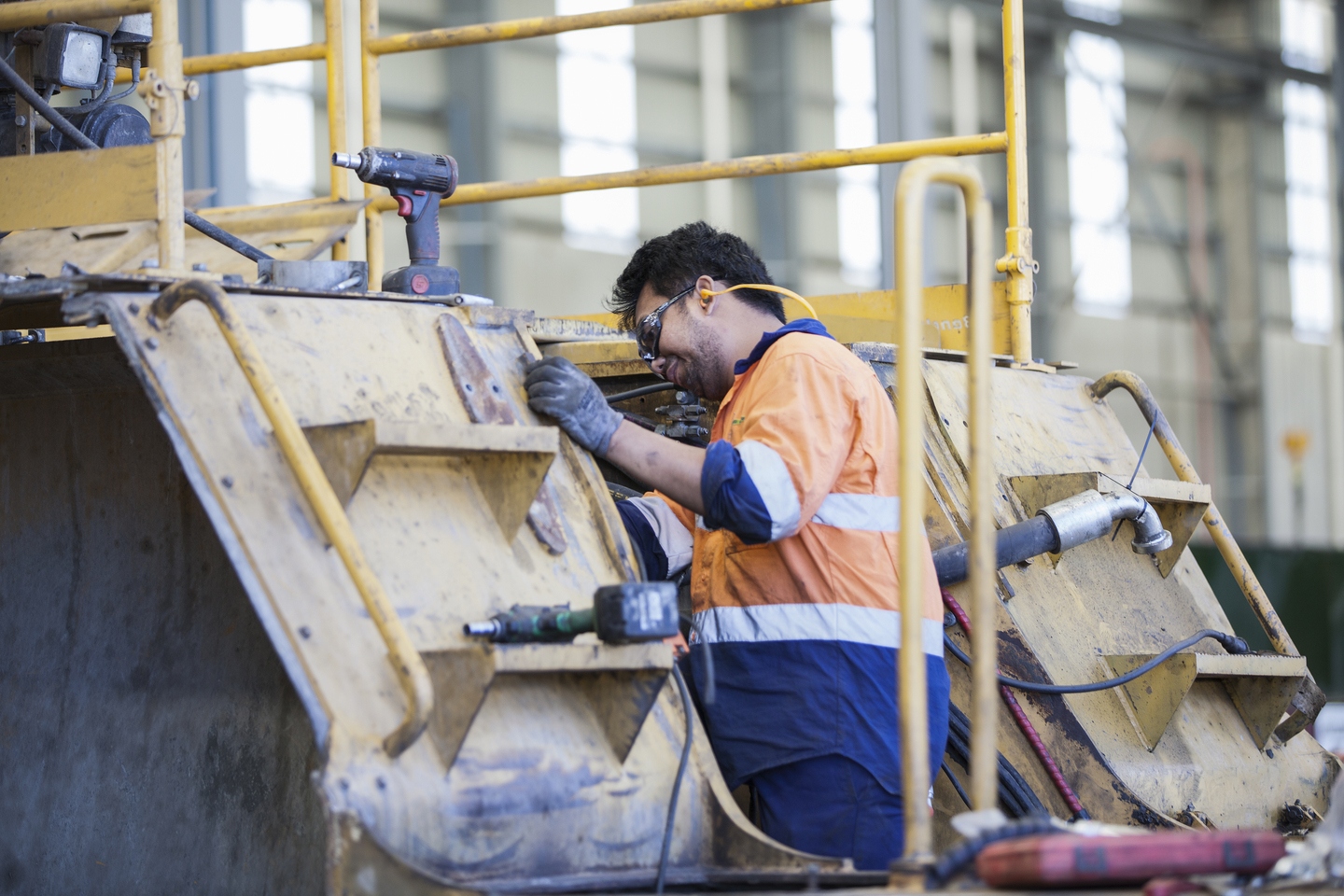
Visas for skilled migrants in key sectors including construction, resources, defence, and agriculture will be prioritised under federal government changes to the migration program.
Business
Third Heathrow runway should only go ahead if airlines pay for cleaner flying, say advisers
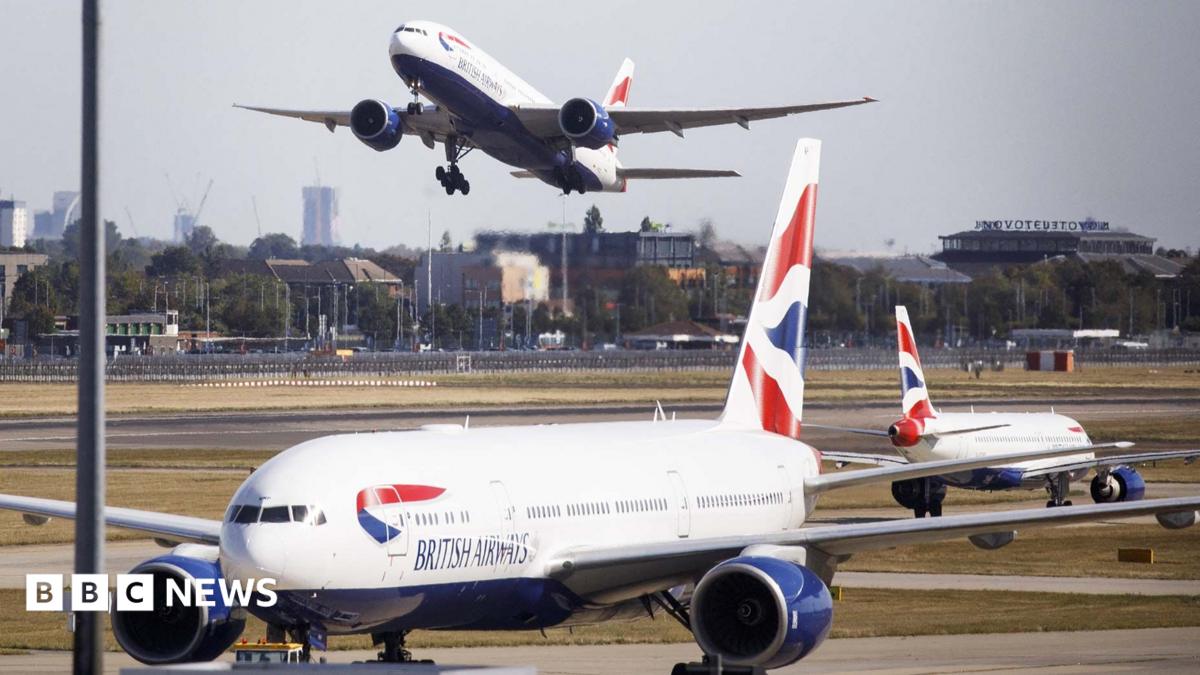
Heathrow’s third runway cannot be approved without changes to current climate policies, the government’s advisers have said.
The Climate Change Committee (CCC) , externalsaid expansion can still go ahead but only if the aviation industry funds cleaner fuels and pays for machines that suck carbon dioxide out of the air.
Making the industry pay could push up the cost of flying with a return trip to Alicante costing around £150 more by 2050, and a return to New York up £400 in today’s prices, it said.
Once built, the expanded airport would produce more carbon dioxide than any other single sector of the economy by 2050. Heathrow said expansion and climate goals were “not a choice” and it would deliver both.
“Our advice today is clear – Heathrow expansion is not currently compatible with the UK’s Net Zero target,” said Nigel Topping, the CCC chair.
“Government needs to ensure that the aviation industry takes responsibility for the emissions it creates and bears the costs of decarbonisation. Those conditions do not exist today.”
The CCC report cannot block a new runway but it wants the government to pass legislation pushing responsibility for the long-term clean-up of aviation onto the industry.
The government would “carefully consider” the advice alongside other responses to its consultation according to the Department for Transport (DfT).
The government has an ongoing consultation which aims to judge any expansion against four tests – economy, climate, air quality and noise.
It does not approve a runway – that will come in a Commons vote expected later this year.
The £33bn project would raise Heathrow’s capacity to 150 million passengers a year – up from 85 million.
A DfT spokesperson said any expansion would need to align with the country’s climate targets, but added it “could deliver around £40bn to the economy and support up to 60,000 local jobs”.
A USB drive is a miniature portable storage device used for the storage and transfer of data. Yet, in the case of a broken or corrupted USB drive, the necessary data is lost instantly.
Data loss can cause stress when essential photos or documents disappear unexpectedly. Simple steps can help recover files from USB drive without hesitation, which is essentially covered in this guide.
Part 1. Common Causes of Data Loss on USB Drives
Files on USB drives may vanish and create concern over important saved information. Below are a few causes that lead to recover deleted files from USB faster and avoid repeats:
- Physical Damage: Dropping or bending can break tiny parts inside, making the drive stop working. Cracks inside may block access, causing files to disappear.
- Unsafe Removal: Pulling the drive out can interrupt saving and leave files incomplete. This action often causes folders to fail to open or data to disappear.
- Environmental Damage: Water, dust, or heat can damage contacts and corrupt stored data. Such exposure may cause the drive to appear missing or unreadable later.
- Malware Attacks: Malicious programs can silently hide or remove files. Infections may change folder details, making stored data look empty to users.
- Memory Wear: Frequent use wears storage cells, causing errors after many save sessions. Low-quality drives may fail earlier, losing files without clear signs.
Part 2. Preparing for USB File Recovery
It’s important to prepare your USB carefully before attempting recovery. Let’s explore some preparations that improve the chances of successfully recover files from USB drive:
- Stop Using: Stop using the USB immediately to prevent new data from overwriting the deleted files inside.
- Check for Damage: Look for cracks or signs of water before deciding on safe recovery actions.
- Avoid Changes: Do not format, repair, or add files, as this can harm file recovery results.
- Create Backup: Make a full copy of the image so the original USB data remains untouched during recovery.
- Save Space: Prepare enough space elsewhere to save recovered files and never use the same USB drive again.
Part 3. No-Software Needed: Fast Checks to Find Lost Files
Sometimes, lost files on USB drives can be retrieved quickly without extra software. This part explains some methods that help users recover deleted files from pen drive:
1. Check the Recycle Bin
You must check the Recycle bin, as it is often the fastest way to recover files from a USB drive. Deleted files commonly stay there temporarily, keeping original names and locations intact. By inspecting it first, you can restore essential data without extra tools. Take guidance below to recover lost files from the Recycle bin:
Step 1. Insert the USB drive into your computer and wait until it is detected properly. Next, open the “Recycle Bin” by double-clicking its icon on the desktop.
Step 2. Afterwards, use the search bar to find files by name or file type quickly. At last, right-click the required file and select “Restore” to recover it instantly.
2. File History/Previous Versions (Windows)
Windows offers file history and previous versions to access older file versions quickly, helping users recover deleted files from USB drives. These tools automatically save versions of documents, pictures, and folders. Consequently, it provides a fast, built-in alternative before using specialized recovery software. Thus, review the steps below to restore files from previous versions in Windows:
Step 1. To initiate, open the “File Explorer” and locate the folder on the USB drive where files were previously stored.
Step 2. After accessing it, right-click the folder and select “Properties” from the menu.
Step 3. Next, open the “Previous Versions” tab and choose a version, then click “Restore.”
3. Command Prompt
Users should use the CMD to check USB drives and fix hidden file issues. Plus, it can scan for corrupted actors and reveal hidden or system-protected files. Furthermore, with built-in commands, you can often recover deleted files from pen drive. CMD detects invisible folders caused by glitches, making lost files visible without extra software. Hence, let’s explore the steps below to recover lost files using Command Prompt:
Step 1. Press “Windows + R” together and type “CMD” and press the “Run as Administrator” button.
Step 2. Upon accessing it, type “chkdsk X: /f /r” and press “Enter,” and replace X with your drive letter.
Step 3. After that, insert “attrib -h -r -s /s /d X:\*.*” to recover hidden or unreachable files. Finally, open the USB drive in File Explorer to see previously invisible or lost files.
Part 4. Best and Safe Method: Use Recovery Software for Lost Data
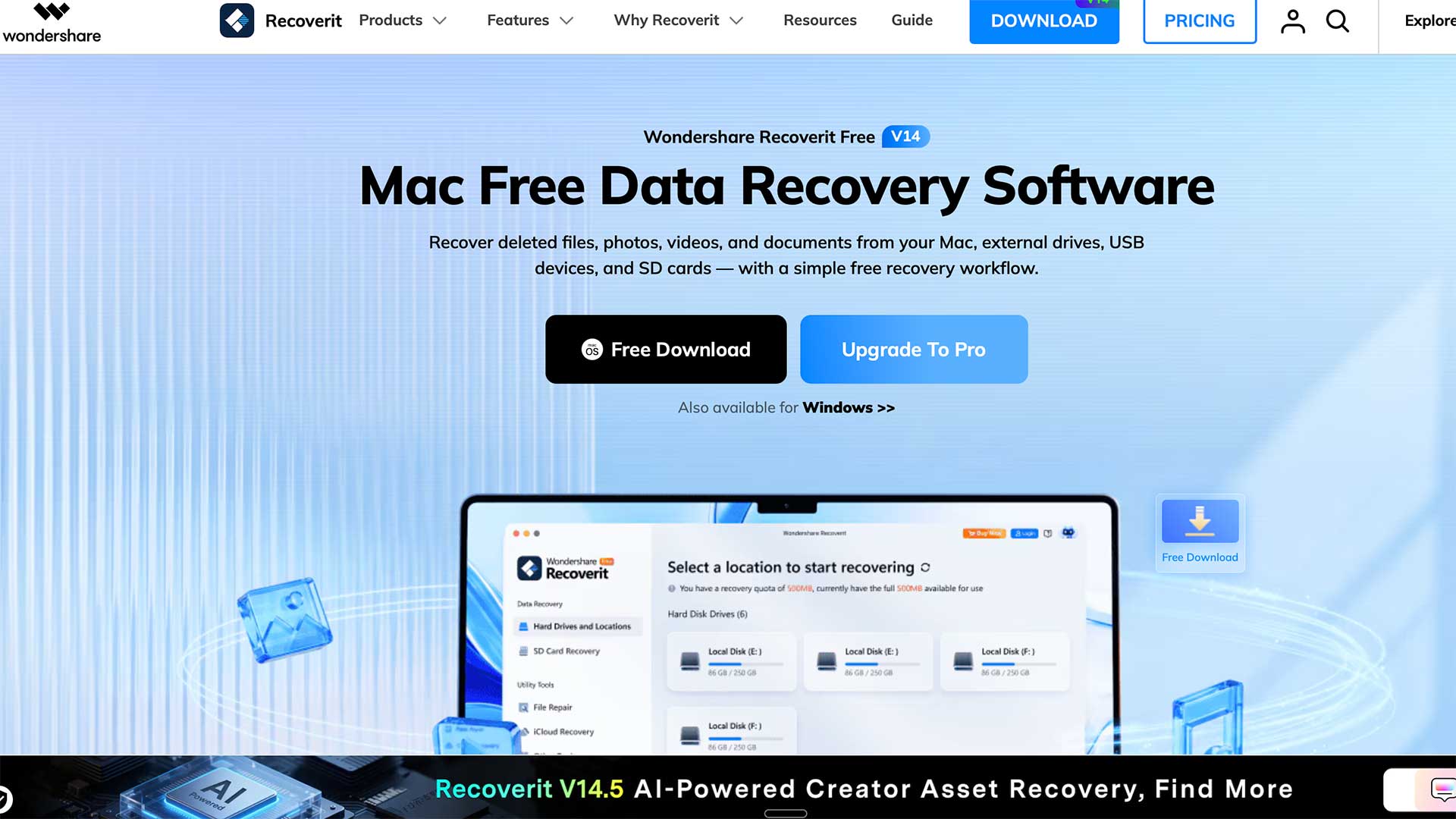
If native methods do not work, you must try Recoverit free data recovery so that you can recover files from USB drive. This advanced tool recovers 1,000+ file types like media and archives. Moreover, Recoverit allows saving files from drives that suddenly appear as RAW without further damage. The latest V14 version brings more accurate data recovery for users, making it an ideal choice.
Recoverit lets users preview recoverable files before restoring them safely. While recovering, all your data is secure, preventing further file corruption or loss. Moreover, you can recover data from internal or external hard drives with advanced AI technology. It also supports software and hybrid RAID recovery for all users, making its utility extensive.
Key Features
- Format Restore: Recovers files lost from mistakenly formatted drives without losing information.
- Virus Recovery: Restores files deleted or corrupted due to malware and virus attacks effectively.
- Lost Folder: Detects and restores entire lost folders beside individual deleted files.
Guide to Retrieve Lost Data and Deleted USB Files via Recoverit
This section explains the detailed steps to bring back lost data from a USB drive:
Step 1. Choose the Target Drive
When you access the “Hard Drives and Locations” tab, select the USB device where the lost files were stored.
Step 2. Scan the Selected Location
After a while, click the “Recover” button once the tool has scanned the selected drive.
Step 3. View and Restore Your Files
As your selected files are recovered, click the “Recover” button and save them on your PC.
Conclusion
To summarize, USB data loss can interrupt work and cause worry when important files are gone. With the right approach, users can recover files from USB drive using built-in checks and careful handling. These methods help avoid further damage and data overwriting. However, when files remain missing or corrupted, you need a dependable recovery solution. Therefore, Recoverit provides a secure and AI-powered solution for complete data recovery.

Yes. Corporate subscriptions are available for teams and organisations, with discounted rates as user numbers increase. Pricing starts from $1,625 + GST per user.
Get in touch
to discuss the right option for your organisation.
Business News subscriptions are used by executives, investors, consultants and professionals who need to stay informed and make better decisions about the WA market. When you subscribe you’ll get
- Unlimited access to WA’s most trusted business journalism
- Data & Insights — detailed profiles of WA companies, people, projects and deals
- MyBN — a personalised feed based on the companies, people and sectors you follow
- Special publications and industry reports
- Daily and weekly email newsletters
Data & Insights is a research tool built specifically for the WA market. It draws on more than 30 years of Business News reporting, updated regularly to reflect what’s happening now. Use it to:
- Look up detailed profiles of WA companies, including financials, directors and ownership
- Find decision-makers and track their career movements
- Research live and completed projects across WA industries
- Monitor deals, appointments and market activity
- Access industry rankings and league tables
Data & Insights is updated daily by our dedicated research team, which uses the latest announcements, ASX filings and editorial coverage to keep our person, company, list and project records up to date.
Business News welcome all opportunities to make our dataset accurate, complete and current, so if you have an update request, please email the team at
general@businessnews.com.au, and we’d be happy to assist.
MyBN
is part of every subscription. It’s your personalised view of Business News. You can follow the companies, people, sectors and projects that matter to you, and get a news feed and alerts tailored to your interests. You can save articles to read later and retain only what you need.
Only subscribers have full access to all content on the Business News website.
If staying informed about the WA economy is part of your job, and/or you’re looking for networking opportunities in WA, Business News is built for you.
Business News subscribers are:
- Executives and directors tracking competitors, clients and market movements
- Investors and advisers researching companies, deals and industry trends
- Consultants and professionals staying across sectors relevant to their clients
- Business owners looking for leads, context and market intelligence
Most Business News publications cover national or global markets. Business News is focused entirely on Western Australia, which means the journalism, the data and the intelligence are all built around WA companies, people and projects — not adapted from a national feed. Data & Insights, included with every subscription, combines more than 30 years of WA-specific editorial research with live business data. There’s no comparable product for the WA market.
The Morning Digest Email provides a comprehensive wrap of the major headlines, relevant to WA business, and includes with a snapshot of the overnight news covering oil, gold and ASX-listed companies.
The Afternoon Wrap Email focuses on the news covered by our team of journalists during the course of the working day, including exclusive stories and analysis, all of which relates to WA business and the local economy.
The BN Weekender Email contains a wrap of the Business News from the week that was, highlighting the top stories in each area of WA business.
Sign up for free.
We’re happy to help.
Get in touch
and our team will come back to you.

Tingbing Yao
Morgan Stanley, Research Division
So let’s start with something high level maybe. Watsco has become a much larger business today. Where do you guys see the biggest benefits of Watsco’s scale? And what can Watsco do that other players cannot simply replicate?
Barry S. Logan
Executive VP of Planning & Strategy, Secretary and Director
Well, thank you, Christine. Thank you for being here, everybody. It’s the last session of the day, which also means, I guess, we can run a couple of hours if we want to, right? So just kidding. We are Southern storytellers, so we’ll try to contain it.
So scale is the question. So scale historically for us has been very acquisitive in the markets to have the capital, to have the relationships with OEMs, to know who the big players are, to have the credibility to discuss acquiring their company. And most of the time, when we say acquiring a company, it’s a family business that has been around 50, 60, 70 years. So the

DaVita jumps 10% as AI strategy’s healthcare pick rides stronger guidance

Singapore has begun auctioning off luxury goods that were seized by police in a sensational $2.2 billion money laundering case that gripped the city state in 2023.
The items are being held inside Le Freeport, a fortified storage facility, where the BBC’s Vandhna Bhan was allowed inside for a look.

Travis Kelce Named Victim In Scheme Amid Leader’s Sentencing

Man United could still add new signings to squad thanks to little-known Premier League rule
Oil Price Today (September 17): Crude oil falls below $105 even as Middle East tensions simmer. Here’s why



-

 Fashion5 days ago
Weekend Open Thread – Corporette.com
-

 Tech4 days ago
The Latest Weird Thing to Play Doom Is the Mapped-Out Brain of a Fruit Fly
-

 Business6 days ago
10 Most-Streamed Songs On Spotify In 2026 So Far, Led By Ella Langley’s Dominant Run On The Charts This Year
-

 Crypto World6 days ago
XAG/USD: Silver’s Short-Term Rally Meets Its Moment of Truth
-

 Crypto World7 days ago
2 Chip Stocks Broke Out This Week. Neither Was Nvidia
-

 Tech6 days ago
Battery life is the only iPhone 18 Pro and iPhone Duo upgrade I care about. Apple didn’t disappoint
-

 Crypto World6 days ago
OKX launches 10x OpenAI, Anthropic X-Perps in Europe
-

 Crypto World6 days ago
Diesel Tops $6 a Gallon for the First Time as 28 States Set Records
-

 News Videos6 days ago
Facing Financial Fears
-

 Business7 days ago
Western Digital Slips 2.7% as AI Storage Rally Cools After Record Cash and Guidance
-

 Crypto World3 days ago
Elon Musk Drops a Bombshell: Grok 5 Could Be the AGI Breakthrough
-

 Business4 days ago
Rivals Sam Altman and Elon Musk Rally Behind Dario Amodei’s Call for a Slowdown in AI Development
-

 Business7 days ago
Five Leading AI Experts Warn Superintelligence Could Kill Humans and Explain Their Case
-
Crypto World6 days ago
Ethereum Price Analysis: Consolidation at $2.5K Tests Momentum as On-Chain Activity Surges
-

 Crypto World7 days ago
Ant International joins Visa, Mastercard to build AI agent payment standards
-
 NewsBeat3 days ago
‘Sick conspiracy’: Trump says only guardrails AI needs is ‘a strong and smart (High IQ!) president’ in all-caps rant
-

 Crypto World5 days ago
Can AI Build a Startup in 72 Hours? Elon Musk's Team Will Livestream the Test
-

 Entertainment5 days ago
News Specials, Movies, Shows, More
-

 Crypto World6 days ago
US CPI forecast at 3.4% as tariff risks build
-

 Crypto World6 days ago
Bitcoin ETFs Pull $167M as 2026’s Best Inflow Run Slows
You must be logged in to post a comment Login