Connect with us

Business

Hints And Solution For August 10, 2026 As Puzzle Number 1878 Stumps Players Worldwide

Published

on

Nancy Guthrie

NEW YORK — Wordle players faced a tricky five-letter puzzle Monday, with Tuesday’s Wordle No. 1878 leading many solvers down false paths involving air travel and geometry before the correct answer became clear.

The word of the day was SNIPE, a term that can refer to either a family of long-billed wading birds or the act of shooting at a target from a hidden position — and, in its more common colloquial usage, a sharp, cutting remark aimed at belittling someone. The dual meaning tripped up a number of players who spent their early guesses testing unrelated five-letter words before narrowing in on the correct answer.

Wordle, the daily word-guessing game created by software engineer Josh Wardle in 2021 before it was acquired by The New York Times, challenges players to identify a hidden five-letter word within six attempts. After each guess, tiles turn green if a letter is correct and in the right position, yellow if the letter appears elsewhere in the word, and gray if the letter does not appear at all. A new puzzle is released daily at midnight in each player’s local time zone, and the game allows only one attempt per day, a limitation that has helped fuel its popularity as a shared daily ritual among friends, families and coworkers who compare results each morning.

Puzzle trackers and hint sites that cover Wordle daily noted that Monday’s word carried a moderate difficulty level, in part because of its unusual letter pattern. SNIPE contains two vowels and three consonants with no repeated letters, and begins with the letter S — a common Wordle starting letter that nonetheless left plenty of room for guesswork given the number of valid five-letter words that share that structure. Hint outlets that publish daily walkthroughs described the puzzle as one that rewarded players who used their early guesses to test common vowel combinations before committing to a final answer, rather than fixating on a single interpretation of the word’s meaning too early.

Advertisement

Several outlets that track Wordle results characterized Monday’s puzzle as one that produced a wide spread of outcomes, with some players solving it in three or four guesses while others needed the full six attempts to land on the correct word. Commentary from puzzle writers described the day’s clue landscape as one where “connection, teamwork, and smooth handovers” served as the guiding theme suggested by editors framing their daily hint columns, a device commonly used across puzzle-hint sites to nudge readers toward the answer without revealing it outright.

Wordle has become one of the most widely played online word games since its debut, spawning spinoffs including Connections, Strands, the Mini Crossword and, more recently, a sports-themed edition of Connections produced in partnership with The Athletic. The success of the format has also inspired a wave of imitators covering categories from geography to color identification, many of which now compete for the same daily audience of casual puzzle solvers.

For players who prefer to solve the puzzle without hints, strategy guides recommend opening with words that test a broad mix of common vowels and consonants, then using the feedback from that first guess to eliminate as many letters as possible before the second attempt. Players who already know a word contains repeated letters should not rule out reusing a letter in later guesses, since Wordle answers frequently include double letters — though Monday’s answer, SNIPE, was not one of them. Guides also generally advise against making random or “wild” guesses in the final two attempts, when the letter pool has typically narrowed enough that only a handful of plausible words remain.

The puzzle’s daily reset has made Wordle a recurring subject of coverage across major outlets, many of which publish same-day hint columns designed to help subscribers extend their personal win streaks without accidentally seeing the answer before they are ready. Streaks — the number of consecutive days a player has solved the puzzle — have become a central part of Wordle’s appeal, with the game tracking and displaying a player’s current and longest streaks alongside their guess distribution over time.

Advertisement

Monday’s puzzle arrived as part of a broader slate of New York Times word games published each day, including the standard Connections puzzle, the newer Connections: Sports Edition, and the Mini Crossword, all of which reset at midnight alongside Wordle. Puzzle enthusiasts often complete the full slate of games in sequence each morning, a routine that has become a fixture for millions of regular players since the Times folded Wordle into its broader games app.

The Times does not publish official difficulty ratings for individual Wordle puzzles, but third-party trackers that analyze aggregated player data have said the game’s average difficulty has remained relatively stable over the past year, even as the pool of previously used answers has grown large enough that some veteran players now try to anticipate which five-letter words remain unused in the archive. Puzzle-hint sites have taken to publishing running lists of common five-letter words that have not yet appeared as Wordle answers, a resource aimed at players hoping to gain a slight statistical edge on future puzzles.

As with every Wordle puzzle, Monday’s word will not repeat, and the archive updates automatically at midnight local time with a new challenge for Tuesday. Players who missed Monday’s puzzle can still access it through Wordle’s official archive, which allows solvers to catch up on past puzzles they skipped.

Advertisement
Continue Reading
Click to comment

You must be logged in to post a comment Login

Leave a Reply

Business

Has Dalal Street’s near term outlook improved? HSBC lists 4 headwinds, 3 tailwinds to watch out for

Published

on

Has Dalal Street's near term outlook improved? HSBC lists 4 headwinds, 3 tailwinds to watch out for
The Indian stock market remained resilient despite global macroeconomic challenges, recording modest gains of 2% in July after a volatile month, and the near-term outlook is now improving, assuming no re-escalation of geopolitical conflicts, HSBC Mutual Fund said in its latest report.

HSBC expects India’s investment cycle to be on a medium-term uptrend supported by government investment in infrastructure, support to manufacturing and pickup in private investments. It added that announcements of potential trade deals with the European Union and US should also support exports.

India’s corporate earnings recovery continues with strong Q1 FY27 results growth till date and more earnings beat than misses over consensus estimates, HSBC noted, adding that Nifty valuations are now in-line with 10-year average. “We remain constructive on Indian equities on a longer-term basis. Near-term outlook is now also improving assuming no re-escalation of geo-political conflicts,” it added.

Explaining the macro-view, HSBC Mutual Fund said the re-escalations in the Middle East that effectively ended the interim ceasefire agreement spooked investors, while the disruption was compounded by a blockade in the Red Sea. With stable fiscal deficit for Q1 FY27, HSBC believes the government should be able to boost infrastructure spending in the second half of the ongoing FY27, although the full year may be flattish given the impact of the conflict on government finances.

Advertisement

Interest rate cuts by RBI, GST rate cut, and income tax rate cut announced by the Union government in FY26 should support consumption in FY27, according to the mutual fund house, which however noted that the risk of a below normal monsoon with negative consequences for food production and higher food inflation remains.


HSBC has listed 4 key headwinds to watch for Dalal Street’s trajectory in the future.
1) Global commodity pricesBenign global prices of crude oil and fertilisers have been a positive for India from inflation, fiscal deficit and corporate margins perspective in 2024 and 2025. However, HSBC said that these trends have now reversed due to geopolitical conflict.

This will likely be a headwind for India in 2026, according to the mutual fund house. This comes as oil prices remain elevated amid fresh escalations in the Middle East war, but sharply lower than the highs above $120 per barrel which were seen earlier this year during the raging war.

2) Weak global growth

Overall weak global growth is also likely to remain a headwind for India’s demand going forward, according to HSBC. It added that this is driven by a risk of tariffs, general policy uncertainty, mercantilist policies of certain countries and geo-political conflicts.

Advertisement

3) Below normal monsoon

Rainfall in July was 1% above the long-period average, but that recovery followed a severely deficient June. By July 31, cumulative rainfall since June 1 was still 12.6% below normal. While the trend is slightly changing, HSBC Mutual Fund said a below-normal monsoon can lead to higher food inflation.

This can have a negative impact on consumption and government budget, according to the mutual fund house.

Also read | The umbrella seller as economic forecaster

Advertisement

4) Sharp slowdown in government capex

Sharp slowdown in government capex was listed as another key prospective for headwinds for the Indian stock market.

Meanwhile, here are the 3 key tailwinds that HSBC sees for Dalal Street.

1) Corporate earnings recovery

Advertisement

Despite the latest worries around US-Iran tensions, the undertone of the market is mildly bullish, driven by the better-than-expected Q1 results. With the earnings season coming to an end this week, the vast majority of companies have reported earnings growth that has beaten expectations, according to analysts.

HSBC said that corporate earnings have seen consistent downgrades from the second half of FY25, driven by slowing government capex, liquidity tightening and consumption slowdown in key sectors. This was one of the key reasons for FII outflows over the past couple of years.

“With RBI’s regulatory easing, government measures on taxation (GST/ income tax) and lower tariffs by US, we see earnings growth recovering well,” the mutual fund house said.

2) Recovery in private capex

Advertisement

Industry capacity utilisation based on RBI survey data is at a reasonably high level and indicates potential for increase in private capex going forward, HSBC said while listing out a possible tailwind for the Indian stock market.

Also, it added that continued expansion of the Production Linked Incentive (PLI) scheme is likely to further increase private investments in targeted sectors. “We also expect higher private capex in renewable energy,” it said.

3) Trade deals

Potential trade deals with EU and US would be a tailwind for Indian manufacturing over the medium term and should encourage private sector investments, according to HSBC Mutual Fund.

Advertisement

It noted that Nifty now trades at 18.3x 1-year forward PE. This is now at a 6% discount to its 5-year average and a 2% discount to its 10-year average. IT, real estate and automobiles were named the best performing sectors in July. Healthcare also outperformed Nifty, while metals, FMCG, infrastructure, banks and telecom underperformed Nifty. Utilities, energy and industrials were the worst performing sectors.

Also read | CAS chaos splits Sensex and Nifty: How long will this last?

(With inputs from agencies)
(Disclaimer: Recommendations, suggestions, views and opinions given by the experts are their own. These do not represent the views of The Economic Times)

Advertisement
Continue Reading

Business

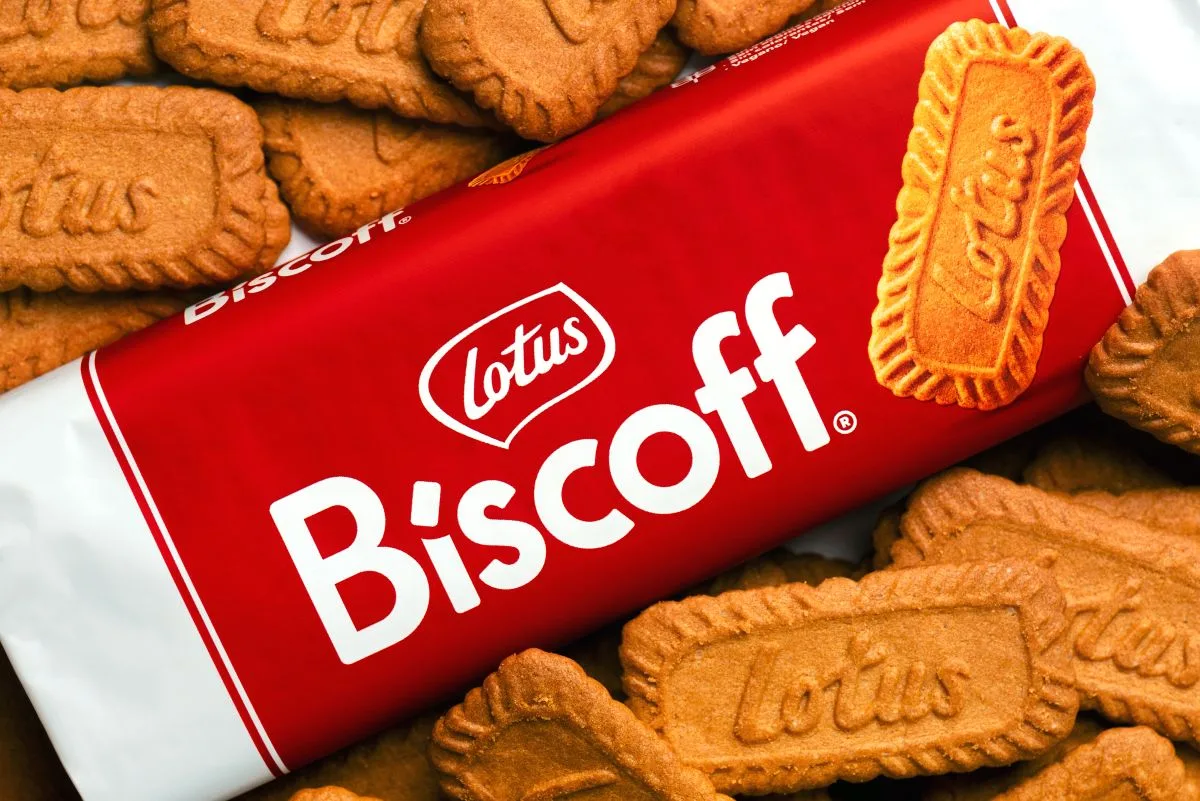
Lotus to invest in three Biscoff facilities

Published

on

Lotus to invest in three Biscoff facilities

Plans call for expansion across three continents.

Continue Reading

Business

HHS makes announcements on GRAS, ultraprocessed food

Published

on

MAHA SNAP restrictions on junk food could change spending

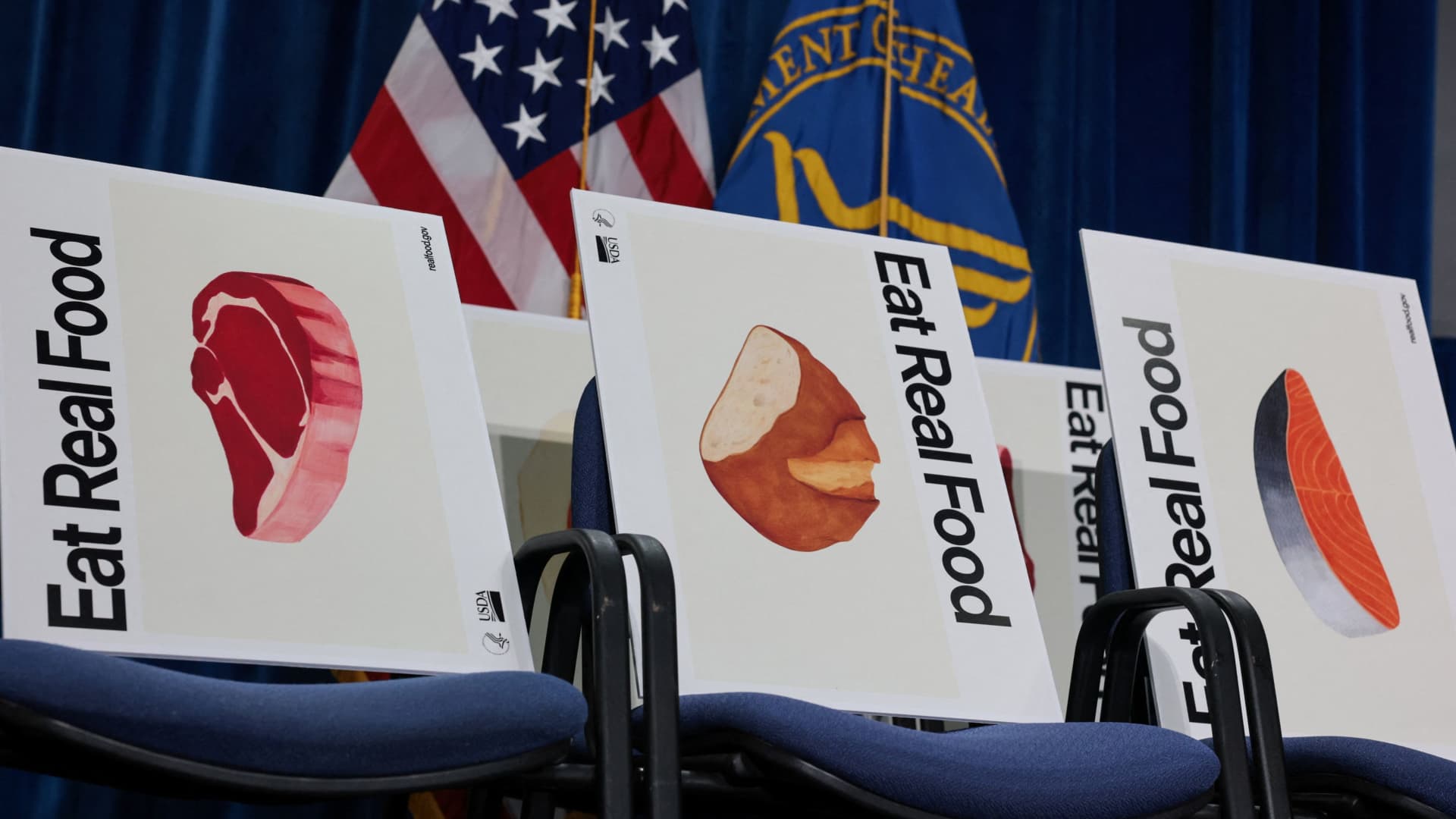
Attendees are greeted with”Eat Real Food” placards as they gather for U.S. Health and Human Services (HHS) Secretary Robert F. Kennedy, Jr.  and Agriculture Secretary Brooke Rollins to announce new nutrition policies at the Department of Health and Human Services in Washington, D.C., U.S., January 8, 2026.

Jonathan Ernst | Reuters

The U.S. Department of Health and Human Services on Monday announced a policy proposal aimed at giving the federal government greater visibility into the nation’s food supply.

Advertisement

HHS proposed a requirement for manufacturers, like Pepsi or Nestle, to notify the Food and Drug Administration when they determine that an ingredient is “Generally Recognized as Safe,” or GRAS.

The department also said it and the U.S. Department of Agriculture submitted for final review the federal government’s first proposed definition of ultra-processed foods. Concerns have grown for years about the long-term safety of eating heavily processed foods, and the products have been a target of HHS Secretary Robert F. Kennedy Jr.’s “Make America Healthy Again” movement.

The proposals come as federal and state health officials grapple with a series of foodborne illness outbreaks this summer, including a multistate cyclospora outbreak linked to shredded iceberg lettuce and several other ongoing investigations. The FDA currently lists multiple active foodborne illness probes, including outbreaks involving salmonella and listeria.

U.S. Secretary of Health and Human Services Robert F. Kennedy Jr. speaks during a press conference discussing administration plans to lower drug costs, at the Department of Health and Human Services in Washington, D.C., U.S., Oct. 29, 2025.

Advertisement

Annabelle Gordon | Reuters

The announcements do not appear to address the key issues that experts said contributed to the food safety issues, but target broader criticisms of ingredient safety in the U.S.

“We believe that these initiatives will actually improve the FDA’s ability to effectively execute on its mission by having greater transparency into the number of ingredients in the food supply,” said acting FDA commissioner Kyle Diamantas on a call with reporters.

Under current law, substances intentionally added to food generally require FDA premarket approval unless they qualify for an exemption, including GRAS. An ingredient can qualify for GRAS status when qualified experts recognize it as safe in the context of its intended use.

Advertisement

The FDA has operated a voluntary GRAS notification program for years, but manufacturers have not been required to tell the agency when they determine themselves that an ingredient qualifies for the exemption. Under the proposed rule, manufacturers would have to notify the FDA when they reach that conclusion.

“GRAS reform is the preeminent regulatory reform that food advocates on both sides of the aisle have been saying is the most important food reform that the United States needs to do for the past 20 years,” a senior HHS spokesperson said.

The proposal would not create a premarket approval system for GRAS substances, meaning this process would not prohibit companies from entering the market. Instead, it would give the FDA greater visibility into ingredients entering the food supply.

That could become particularly significant as the administration develops its policy around ultra-processed foods.

Advertisement

HHS and the USDA filed a joint request for information in July 2025 seeking input from researchers, the industry and other stakeholders to define ultra-processed foods. Though the administration has submitted a definition for review, it did not say what that definition would be.

Ultra-processed foods can contain numerous ingredients, including additives and flavorings allowed to be included under GRAS rules.

“Nearly 60% of the American diet is made up of ultra-processed foods, and childhood obesity now affects more than one in five American children,” said HHS Secretary Robert F. Kennedy, Jr. in a press release. “We cannot reverse America’s chronic disease epidemic without transforming our food system.”

The GRAS proposal is subject to public comment and the federal rulemaking process before any requirements take effect.

Advertisement
Choose CNBC as your preferred source on Google and never miss a moment from the most trusted name in business news.
Continue Reading

Business

Florida crowns NYC Mayor Mamdani ‘Economic Developer’ in Times Square billboard

Published

on

Florida crowns NYC Mayor Mamdani 'Economic Developer' in Times Square billboard

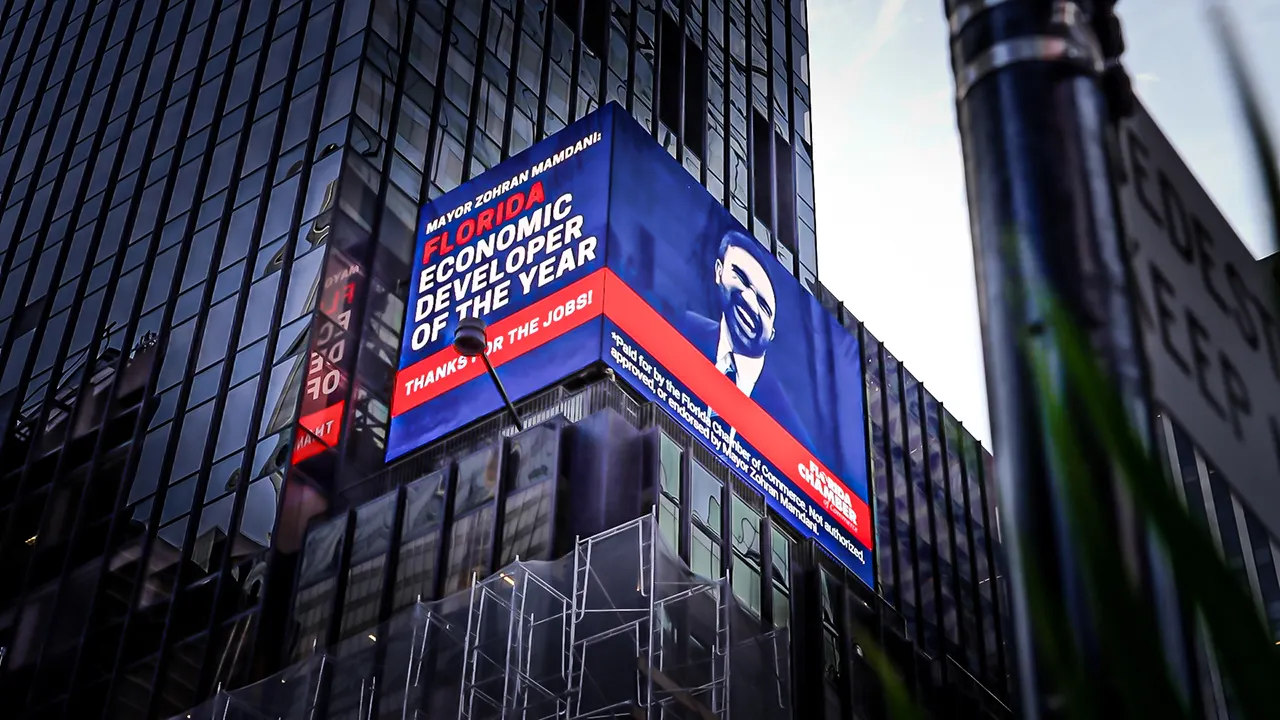
FIRST ON FOX: In the heart of Manhattan, at the corner of Broadway and West 43rd Street, a massive new billboard is sending a provocative message to New York leadership: “Thanks for the jobs!”

As America faces what business leaders call a historic choice between free enterprise and expanding government control, Florida is taking the ideological fight directly to the doorstep of Democratic socialism. 

Advertisement

Armed with a $1.8 trillion economy and record-breaking wealth migration, the Florida Chamber of Commerce has officially launched a Times Square campaign naming New York City Mayor Zohran Mamdani Florida’s “Economic Developer of the Year” — a reminder, according to the Chamber, of how progressive taxes and socialist policies are driving wealth, businesses and families to the Sunshine State.

“We wanted to thank him for the jobs, the companies, the people that they’re pushing out of New York — and a lot of them are coming to Florida,” Chamber CEO Mark Wilson first told Fox News Digital on Monday.

“America is at a crossroads right now. I think everyone that’s paying attention knows that our country was built on freedom and free enterprise and people having the liberty to make their dreams come true,” he said. “And there’s a push in our country right now to take those liberties away and to attack free enterprise. And that’s never worked anywhere, and it won’t work in America.”

FLORIDA STOCK RISING: HOW IT BECAME WORLD’S 14TH LARGEST ECONOMY AS BLUE STATES CONTINUE A ‘DEATH SPIRAL’

Advertisement

“What Mayor Mamdani is doing is dangerous for the country, right? It’s bad for New Yorkers. It’s bad for New York. It’s very harmful for the country,” Wilson continued. “We can choose free enterprise, which is what America was built on, or we can choose to destroy that, which is what the social[ist] policies do… And so, what we’re hoping happens from this campaign is that we refocus America on free enterprise.”

Zohran Mamdani on Times Square billboard

The Florida Chamber’s digital billboard can be found at 1500 Broadway and W. 43rd St. in Times Square. (Nikolas Lanum/Fox News Digital / FOXBusiness)

In addition to putting the onus on Mamdani, the Chamber’s campaign highlights its argument that lower tax rates yield higher total state revenues by incentivizing growth, while blue-state tax hikes trigger a tax-based exodus. According to the Chamber, citing IRS migration data, Florida gains approximately $2.4 million in net taxable income every hour, while New York loses approximately $1.1 million per hour. The Chamber also says Florida gains a net 551 residents daily, compared to New York losing 115 residents daily.

According to the Chamber’s press release, New York’s state budget is more than double Florida’s, and New York City’s municipal budget alone is more than $8 billion higher than the entire Florida state budget.

“What do people like Mayor Mamdani do? They want to then increase taxes on the people who are left, which just further accelerates people leaving places like New York,” Wilson explained.

Advertisement

“Florida’s lowered taxes over 50 times in the last 15 years. And we have record revenues coming in because people want to be here. And when the economy grows, tax revenues grow. That’s how free enterprise works,” Wilson said.

“The socialist agenda sounds crazy because it is crazy, right? ‘Free Enterprise Florida’ is a way to highlight what happens in states like Florida — when we focus on less tax, less government, more freedom, more liberty — and what happens in places like New York when they increase taxes and regulation,” the CEO added. “So this is an opportunity for people in New York and people across the country to say, ‘Hey, we have a choice to make here.’”

“What we’re really trying to do here is remind people that America is an experiment. It’s 50 states competing for where do we take America going forward? And I think if you look at the scorecard of how Florida is doing compared to how New York is doing, we want to help New York follow in Florida’s footsteps.”

Advertisement

According to Wilson, Florida is not seeking to tear down New York or “spike the football,” but rather wants every state to succeed by embracing free-market principles to boost overall U.S. GDP growth.

“Even though Florida is winning right now, we’re not looking for New York to lose. We’re hoping that these other states will say ‘no’ to this move towards socialism and say ‘yes’ to the very policies that our country was founded on,” he said. “This isn’t about spiking a football or looking at the scoreboard about Florida versus New York. This is really about trying to save our country from crazy.”

“We’re in a big competition with every other state, but it’s a competition for ideas. And we’re trying to highlight to the country that free enterprise wins every single time. It’s what’s best for customers, it’s what’s best for job creators. And if we focus on it in America, we can get back to that three-plus percent GDP growth, which is what our country really needs,” Wilson noted.

Advertisement

Mayor Mamdani’s office did not immediately respond to Fox News Digital’s request for comment.

Wilson also outlined future targets for the “Free Enterprise Florida” campaign beyond Manhattan while highlighting decades of bipartisan and conservative governance that built Florida’s modern economic engine.

GET FOX BUSINESS ON THE GO BY CLICKING HERE

Advertisement

“We had to start in New York City because the mayor of New York City, obviously, is pushing that community into a direction that it’s not good for the people who live there,” the CEO said. “But there’s several runner-ups for this. When you look at Chicago, when you look at California, Minneapolis, there’s places all over the country that come in a close second to the movement in New York City. So we’re gonna continue to highlight what works.”

“Our country is celebrating 250 years this year, and it has a lot to do with our freedom, our faith and our free enterprise,” Wilson said. “And I think if we can focus on free enterprise for the next few years and make that what we base our decisions on, then this country can grow at 3% GDP, and we’ll once again get back on the track that we need to be.”

READ MORE FROM FOX BUSINESS

Advertisement
Continue Reading

Business

Project Sudarsan: How Sebi is using AI to police finfluencers with 60% of investors trusting their advice

Published

on

Project Sudarsan: How Sebi is using AI to police finfluencers with 60% of investors trusting their advice
Markets regulator Sebi is using artificial intelligence and data analytics to track misleading financial advice on social media, as a new investor survey showed that 62% of investors are influenced by finfluencers. In its annual report, the market regulator said trust in the digital era can no longer be protected only through exchanges, clearing corporations and depositories.

“Data has become a second layer of market infrastructure, making the quality of market data, the integrity of data systems and governance of data use central to investor protection,” it said.

The regulator said it has responded by investing in technology and data analytics as core supervisory tools, so that the investor protection framework scales along with the growth of the market.

A key part of this digital push is aimed at unregistered financial influencers, many of whom operate on social media without accountability or verified performance records. Sebi said its latest investor survey showed that 62% of investors are influenced by finfluencers, creating the need for stronger digital vigilance.

Advertisement

Project Sudarsan to track online advice


Sebi said it has launched Project Sudarsan, a tool developed to monitor unsolicited financial advice on social media. It has also rolled out Sebi R(AI)DAR, an AI-enabled platform to review advertisements.
Also Read: Info Edge Q1 Results: Standalone Profit falls 6% YoY to Rs 245 croreThe regulator said these tools will help it identify unauthorised digital activity and finfluencers who may mislead investors through unverified claims.

The action comes after a sharp rise in retail participation since the pandemic, especially in high-risk areas such as options trading.

Sebi chairman Tuhin Kanta Pandey earlier said that several retail investors were being influenced by such online personalities to enter the risk-prone derivatives market, often through claims that large money can be made from trading. Sebi has already removed more than 1.2 lakh misleading social media posts by unregistered finfluencers and is using AI tools to track violations in the digital space.

Fake apps also under watch

Advertisement

Sebi’s digital investor protection plan also covers payment verification and trading apps. The regulator has introduced Validated UPI handles and the Sebi Check facility, which allow investors to verify in real time whether a payment is going to a genuine Sebi-registered intermediary.

It has also partnered with Google Play for a verified app label initiative. This will give investors a visible signal that a stock trading app belongs to a genuine Sebi-registered broker. The move is aimed at tackling fake trading apps, fraudulent payment requests and impersonation of registered intermediaries.

Pandey had earlier said Sebi’s action against finfluencers is not a heavy-handed crackdown. He described it as a calibrated exercise aimed at identifying problem areas and dealing with them. “Market development is not about a sledgehammer approach but more like a surgeon’s knife — identifying problem areas and dealing with them,” he had said.

(Disclaimer: Recommendations, suggestions, views and opinions given by the experts are their own. These do not represent the views of Economic Times)

Advertisement
Continue Reading

Business

TSM Stock: TSMC Sales Jump 45% But Investors Shrug

Published

on

TSM Stock: TSMC Sales Jump 45% But Investors Shrug

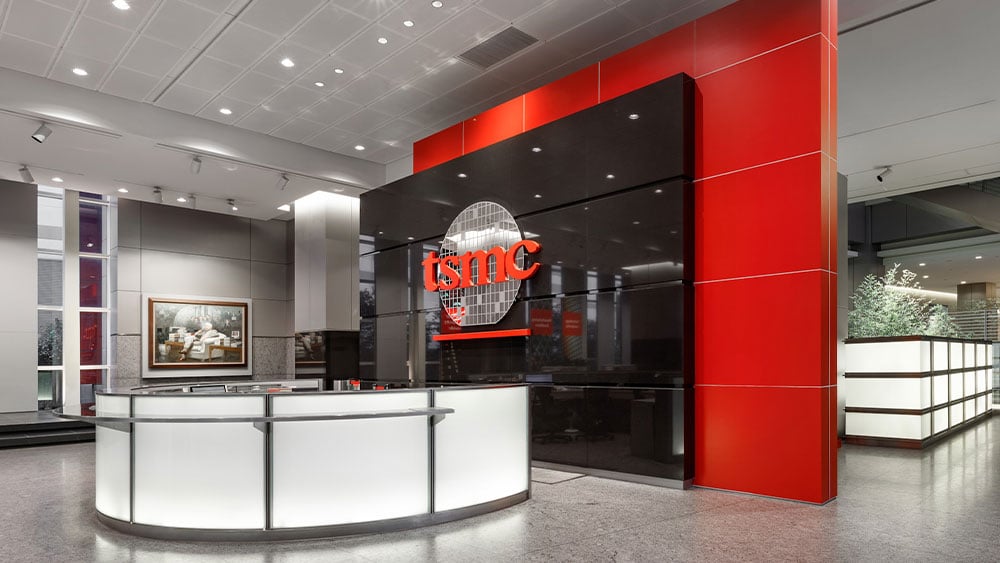
Taiwan Semiconductor Manufacturing (TSM) on Monday reported that its sales in July rose nearly 6% from June and 45% year over year thanks to strong demand for AI chips. But TSM stock wavered. The world’s largest contract chipmaker, better known as TSMC, tallied the equivalent of $14.52 billion in sales in July. TSMC reports results in New Taiwan dollars. In…

Copyright ©2026 Investor’s Business Daily, LLC. All rights reserved. 87990cbe856818d5eddac44c7b1cdeb8

Continue Reading

Business

Why is Uber stock rallying today?

Published

on


Why is Uber stock rallying today?

Continue Reading

Business

Tenax Therapeutics, Inc. (TENX) Discusses Phase III LEVEL Trial Results for Oral Levosimendan in HFpEF Patients Transcript

Published

on

OneWater Marine Inc. (ONEW) Q1 2026 Earnings Call Transcript