
Business
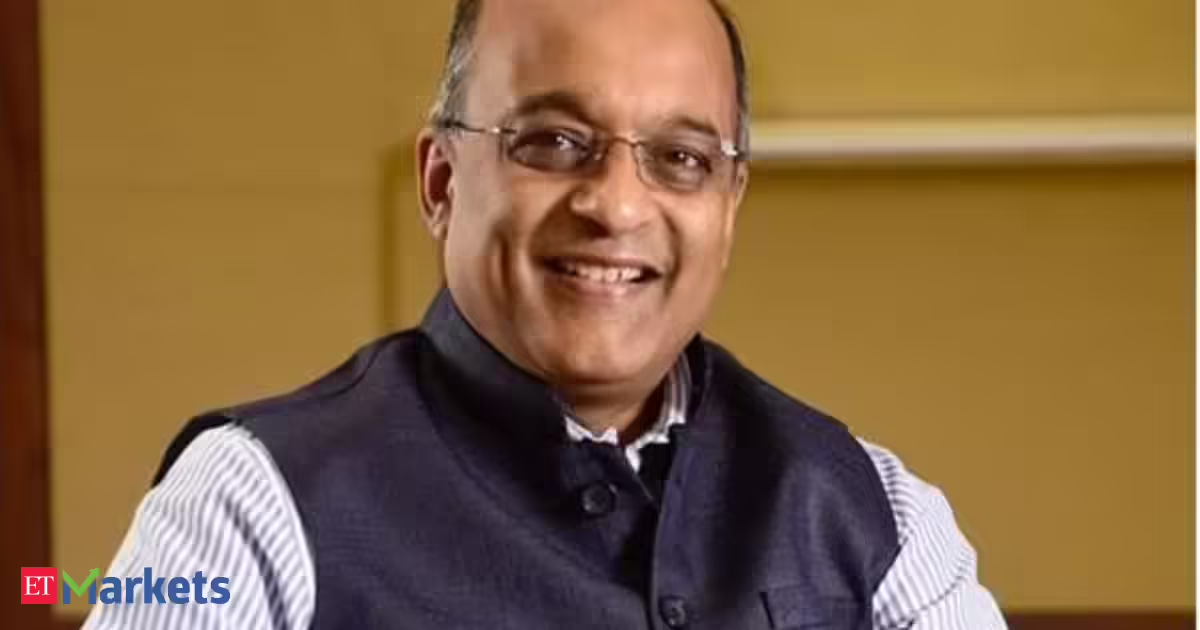
If you want to have good governance, you cannot be in a yes-sir mode: Sashidhar Jagdishan

How do you assess the damage due to this episode?
It’s not that we are facing this for the first time. We will have to convert this threat into an opportunity. In the past we knew the areas to be remediated and fixed. This case is like fighting a ghost. We had never anticipated this in the five and a half years where Atanu Chakraborty was at the helm. On March 18, when we confronted the issue of his resignation, we saw these two contentious lines. We said that we have a well-established process which you have instituted so intensely. If you have concerns, put it there and we collectively address it. To which he said, I do not have any to share. If you do not have any to share, then you please remove the lines. To which he was steadfast and he refused to budge. That is where it stands.
Over the years, has he ever raised any of these ethics and values issues for discussion?
No, he did not. (Under) the system, wherein all of us comment, there are no issues which can be stratified into ethics or personal values. There may be some errors, which have been addressed. Is there a complete agreement in terms of addressing these issues? Absolutely. Is there a difference in the proportionality of the action? Yes, some of us feel a response is fair, others feel it is harsh or too lenient. But trust me, there is nothing which is not addressed.
Also Read: HDFC Bank: What exactly was it? Atanu Chakrabarty’s shock exit baffles global investors

What is your understanding about why he did what he did?
I wish I had known. I wish the board knew. The very next day, on the 19th, Chakraborty said in a conversation that his resignation was routine in nature and that there is no wrongdoing in the bank’s operations. So, he seemed to have retracted his position-probably thinking he had done something he should not have. Unfortunately, the damage was already created and we have to confront it. Our performance will speak for itself. It’s possible he may come out with new issues. I’m sure there is nothing new, because many of these are already addressed or are being addressed. If something extremely new arises, we will take it up. Will there be differences in views between you and me? Absolutely. This is not a governance issue.
Were there differences between him and the management over the years?
Yes, and I am not apologetic about it because if you want to have good governance, you cannot be in a yes-sir mode. You must have views. We are a democratic organisation. If we collectively strongly believe that there are certain things which are not right, I will speak up. We have always had a lot of constructive discussions. It is something that, if at all, I have been more at the receiving end rather than the one which is giving from the other side.
Also Read: HDFC Bank to review decisions, ensure full transparency: CEO, Sashidhar Jagdishan
Following this development, shareholders have lost money. Will you be seeking any legal remedy?
This event has caused a lot of angst within the company, board, shareholders, more so the retail shareholders. I am not a legal expert, but as we speak, we are engaged with one to examine all possibilities. The company has a certain process and that will take its course.
How do you plan to remedy the situation?
We will convene multiple board meetings over the next month to get the views of all directors on decisions taken over time. We will re-examine them, evaluate the action points and see where we need to improve. This issue was not of our making; it was thrust upon us. We will take stock of past matters and address all issues-existing or new-without hiding anything. If these are operational issues, we will tighten design and controls. If these are conduct issues, we will be ruthless. I acknowledge that an institution of this size will have issues, but we have robust systems to address them. Even if, hypothetically, he (Atanu Chakraborty) raises a fresh issue that isn’t visible to us today but was visible to him, we will address it.
Also Read: HDFC Bank sacks 3 senior executives over Credit Suisse AT1 bond mis-selling allegations
Will you be offering yourself as CEO for a third term when your second ends in October this year?
I am able and willing, but I would prefer the board to complete the process and decide. I’m not the decision maker here.
Can you tell us what went wrong with the Dubai operations? You have acted against a few employees.
HDFC Bank operates in the Middle East through branches in Dubai and Bahrain-customer engagement typically happens in Dubai, while transactions are booked in Bahrain. This model had been followed for years. In June 2023, the Dubai Financial Services Authority clarified that clients who are continuously engaged in Dubai must also be onboarded there, even if accounts are booked in Bahrain. The issue surfaced after losses on Credit Suisse AT1 bonds, when some investors raised concerns about onboarding gaps. Our assessment is that this was a technical lapse in documentation and regulatory interpretation-not fraud or mis-selling. We initiated an internal review and took staff accountability actions through our disciplinary and board-level committees, with a right to appeal. There is no fraud, no misappropriation, and no integrity issue that has surfaced so far.
How do you see the synergies of the merger between HDFC and HDFC Bank?
I believe the merger is the best thing that could have happened. The housing industry will drive growth over the next few years. For an institution of this scale and distribution, if we didn’t manufacture home loans, we would have missed a massive runway opportunity. Presently we penetrate about 4-5% of our customers with home loans. Over the next 5-10 years, that could be 8-10%, which itself will be massive. Once you start the customer’s primary banking relationship with us, the impact becomes very significant over time. The entire management recognises we’ve gone through a lot of pain because we took on assets but no deposits. Building deposits to substitute borrowings that are running down isn’t easy, especially in a liquidity environment that has been extremely tight since July 2023. Some investors know the engine has to slow temporarily. They’ve said, ‘We’ve stayed with them through this; let’s step aside, invest elsewhere for quick returns, and come back when the visibility on what’s committed improves.’
You have talked about restructuring the organisation. Can you tell us more?
We review the leadership and organisation structure periodically; it’s time for a refresh. But these are all simple business-as-usual, tactical strategies, which energise the organisation periodically.
What is that one message that you want to convey to the shareholders as well as the depositors?
Our values, ethos and governance principles remain intact. The institution is financially strong. Day-to-day issues-whether errors and omissions or conduct-are addressed promptly and appropriately. The future is bright, we’re well positioned post-merger, and we’re very positive on India compared with parts of the world facing turmoil. The economy is in a better place, and we’re best positioned to capture the opportunities over the next couple of years.



I have been working in the logistics sector for almost two decades. I have been into stock investing and macroeconomic analysis for almost a decade. Currently, I focus on ASEAN and NYSE/NASDAQ Stocks, particularly in banks, telco, logistics, and hotels. Since 2014, I have been trading on the PH stock market. I focus on banking, telco, and retail sectors. A colleague encouraged me to engage in the stock market as part of my portfolio diversification instead of putting all my savings in banks and properties. That was also the year when insurance companies became very popular in the PH. Initially, I invested in popular blue-chip companies. Now, I have investments across different industries and market cap sizes. There are stocks I hold for my retirement, while others are purely for trading profits. In 2020, I also entered the US Market. It was about a year after I discovered Seeking Alpha. Originally, I was using the trading account of NY CA-based cousin. Somehow, I acted like his personal broker. That made me more aware of the US market before deciding to open my own account. I decided to write for Seeking Alpha to share and gain more knowledge since I have been trading on the US market for only four years. Like in the ASEAN market, I have holdings in US banks, hotels, shipping, and logistics companies. I discovered it in 2018. Since then, I have been using the analyses here to compare them to the ones I’m doing in the PH Market.
Analyst’s Disclosure: I/we have no stock, option or similar derivative position in any of the companies mentioned, and no plans to initiate any such positions within the next 72 hours. I wrote this article myself, and it expresses my own opinions. I am not receiving compensation for it (other than from Seeking Alpha). I have no business relationship with any company whose stock is mentioned in this article.
Seeking Alpha’s Disclosure: Past performance is no guarantee of future results. No recommendation or advice is being given as to whether any investment is suitable for a particular investor. Any views or opinions expressed above may not reflect those of Seeking Alpha as a whole. Seeking Alpha is not a licensed securities dealer, broker or US investment adviser or investment bank. Our analysts are third party authors that include both professional investors and individual investors who may not be licensed or certified by any institute or regulatory body.

Seacor Marine Holdings: Unlocking Value Through Strategic Asset Sales – Buy

The state government has finally moved to end no-grounds evictions in Western Australia, bringing the state in line with the rest of the country.
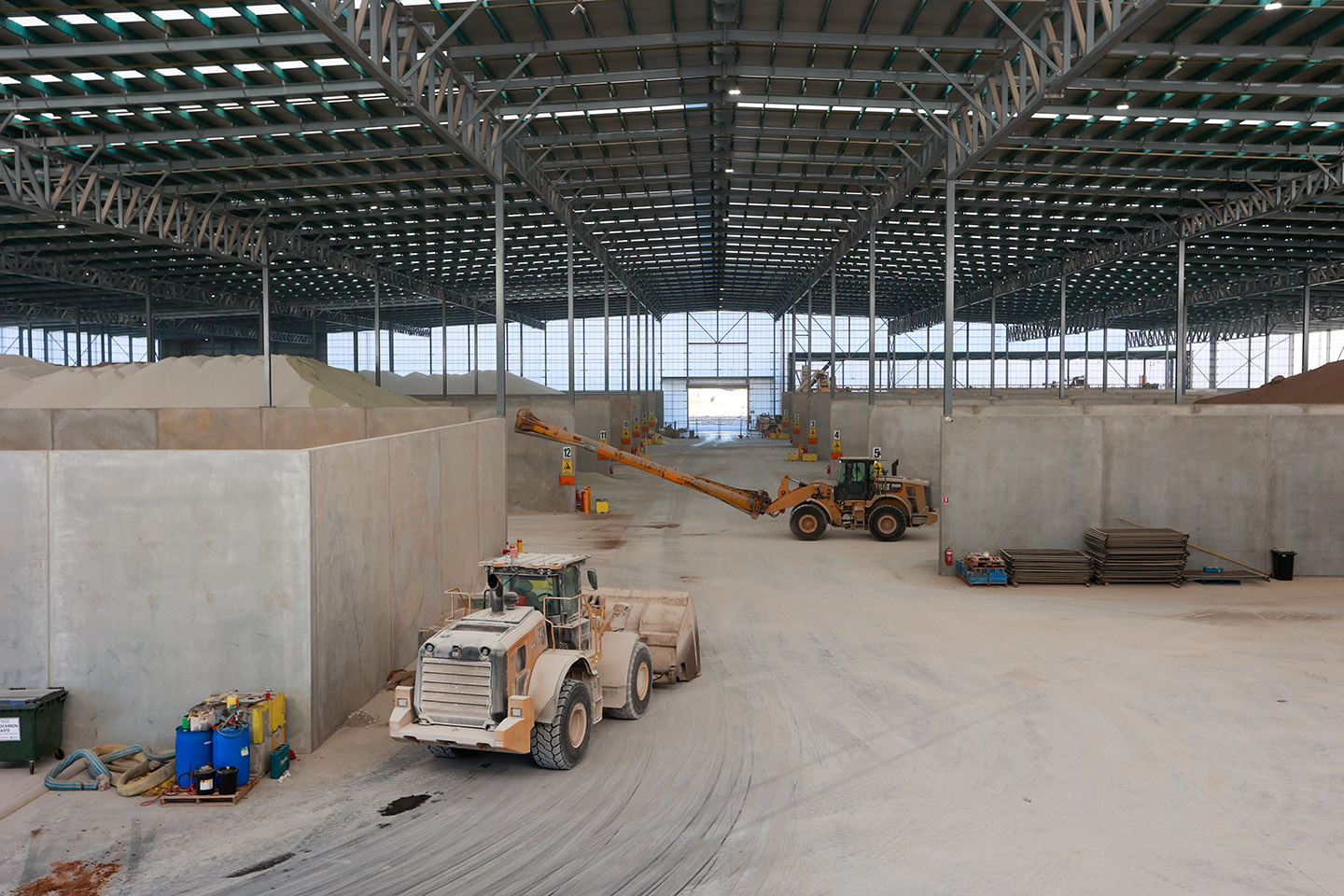
A $70 million fertiliser storage facility leased by Nutrien Ag Solutions and built by a Cardaci family business has been opened.
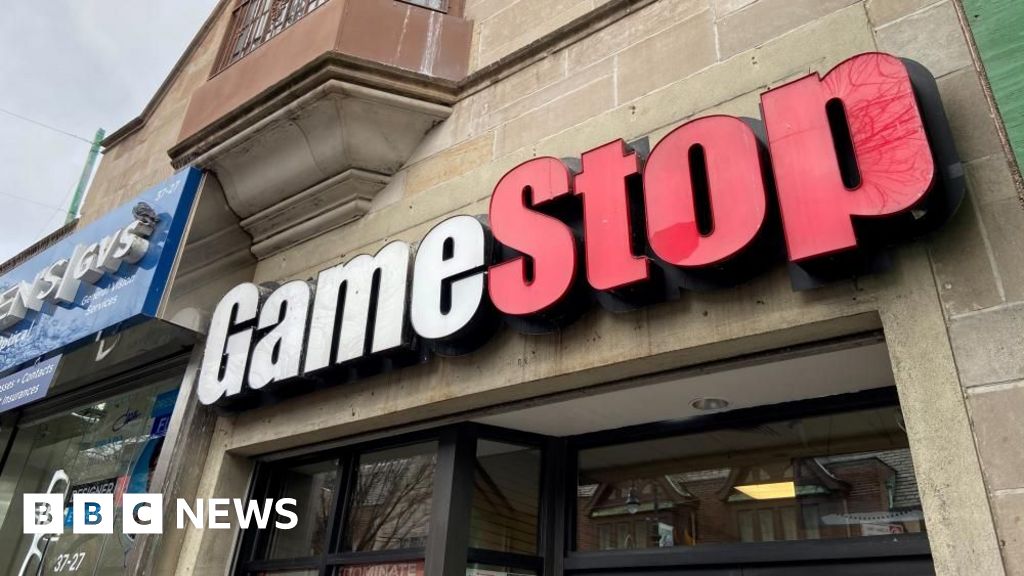
GameStop’s boss Ryan Cohen says he sees potential to make eBay a much bigger rival to Amazon.
Business
West Bengal, Tamil Nadu among 5 state election results today. 10 things stock market investors should track under volatility
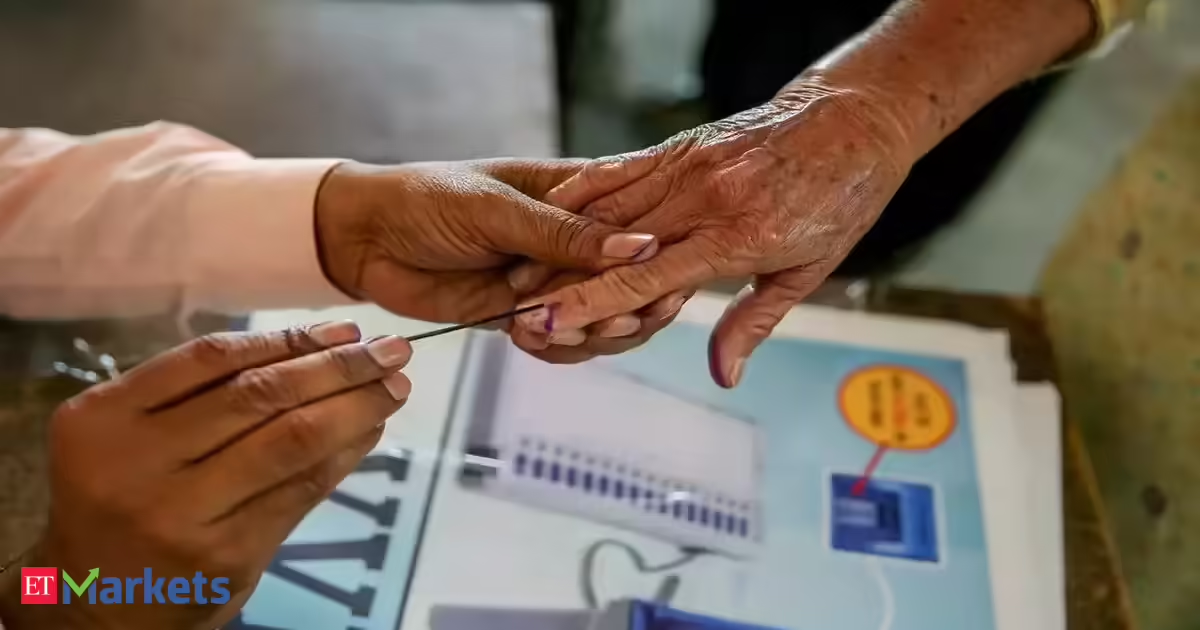
While state elections often trigger sharp intraday moves, analysts say investors should look beyond political headlines and focus on broader macro signals before taking aggressive positions.
Here are 10 things investors should track today before placing trades on Monday
1) West Bengal remains the biggest market trigger
Exit polls suggest the BJP could emerge as the single largest force in West Bengal with around 159 seats, above the majority mark of 148, while the TMC is projected near 127 seats. A stronger-than-expected BJP showing could boost sentiment for infrastructure, railways, power and eastern India capex themes.
Ishan Tanna of Ashika Capital said better Centre-state alignment in Bengal could improve project execution and policy implementation, which may support capex-linked sectors.
2) Assam is largely priced in
Exit polls show the BJP-led alliance retaining Assam with around 90 seats in the 126-member assembly. Since continuity is already expected, analysts do not see Assam alone as a major standalone market trigger.
3) Tamil Nadu and Kerala largely stay away from national issues
The DMK-led alliance is expected to retain Tamil Nadu with around 128 seats, while Kerala could see the Congress-led UDF cross the majority mark. Any surprise deviation here may trigger sector-specific reactions, especially in state-linked infrastructure, ports and industrial names.
4) Not chasing the first opening move
Nitant Darekar of Bonanza said election result days often create headline volatility but not necessarily durable trends. “Most exit poll outcomes appear priced in. Traders should avoid chasing sharp opening moves as these often reverse after the first hour,” he said.
5) Nifty may swing 1-1.5% either way
Paresh Bhagat, Chairman of Mangal Keshav Financial Services, expects contained volatility. “Nifty could move around 1% to 1.5% depending on whether final results are in line with or different from exit polls, but scope for a major surprise looks limited,” he said.
6) Crude oil remains the biggest risk
Brent crude is trading above $113 per barrel amid the Iran conflict and shipping concerns around the Strait of Hormuz. Analysts say this remains a bigger market driver than election outcomes.
Hariprasad K of Livelong Wealth said crude remains “the single most critical macro variable” for Indian markets.
7) Foreign fund flows
FIIs sold Rs 70,100 crore worth of Indian equities in April, marking their tenth straight month of selling. In calendar 2026, foreign investors have already pulled nearly Rs 2.4 lakh crore from Indian equities. If election results fail to improve sentiment, FII selling could continue.
8) Domestic institutions are still absorbing pressure
DIIs invested about Rs 51,000 crore in April, cushioning the impact of foreign outflows. Whether domestic buying continues next week will be closely watched.
9) Technical levels
The Nifty closed Friday at 23,997, just below the key 24,000 mark. Analysts say 23,900-23,850 remains immediate support, while 24,200–24,300 is the first resistance zone. Meanwhile, a breakout above 24,300 could trigger short covering, the index below 23,900 may invite fresh selling.
10) Markets usually move back to global cues quickly
Market expert Ajay Bagga said state election outcomes rarely have a lasting impact. “The market may react for a day or two, but then it goes back to oil prices, FPI flows and the rupee. Those remain the three big variables,” he said.
Indian equities head into the event on weak footing. The Nifty lost 0.73% last week, while the Sensex slipped nearly 1% amid elevated crude prices, foreign selling and geopolitical uncertainty.
(Disclaimer: Recommendations, suggestions, views and opinions given by the experts are their own. These do not represent the views of Economic Times)
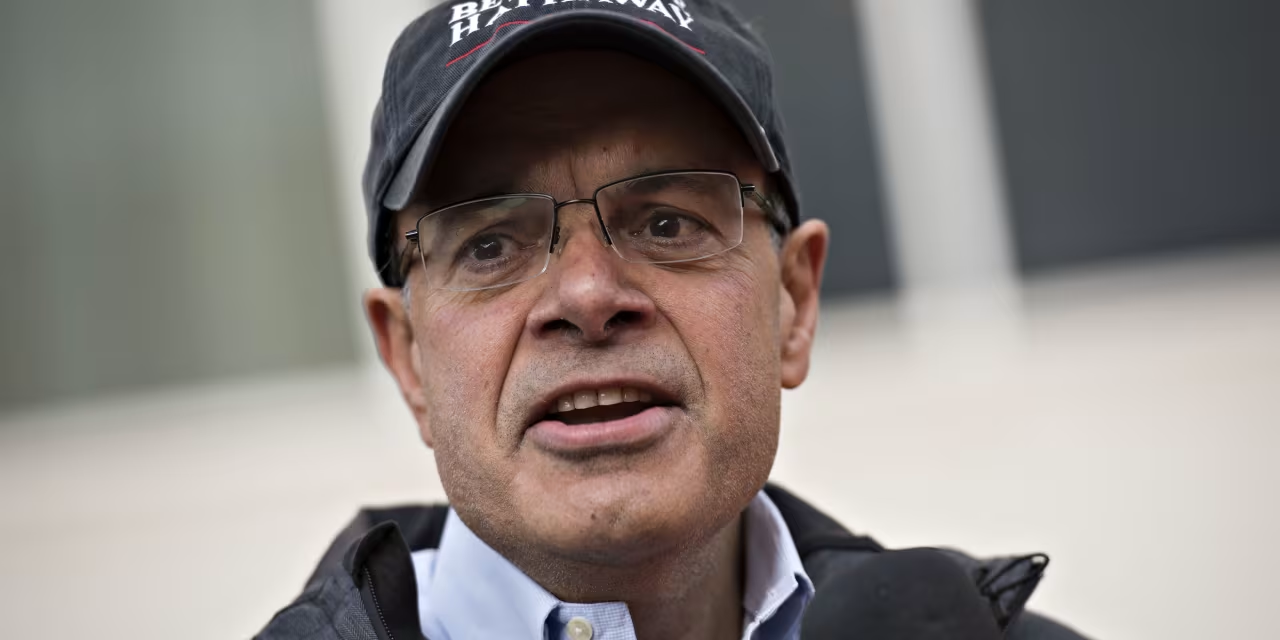
Jain said that Berkshire is participating with a group of insurers in insuring oil tankers in the Strait of Hormuz.
Jain said no business has been done yet, but that Berkshire will have small exposure to an insurance consortium, assuming there is U.S. Navy protection for the tankers.
He quipped that any deal “depends on the price,” echoing the insurance maxim that there is no bad risk, just a bad premium.


Australia begins hearings into Bondi Beach attack and rising antisemitism

The war in the Middle East is poised to deliver the most severe blow to global energy markets since Russia’s invasion of Ukraine, the World Bank warned this week, with consequences stretching from oil fields to farmlands to the dinner tables of the world’s poorest households.
Key takeaways
- Brent crude is forecast to average $86/barrel in 2026 as Middle East disruptions slash global oil supply by roughly 10 million barrels per day.
- Fertilizer prices jumping 31% could push up to 45 million more people into acute food insecurity this year.
- Developing economies hit hardest: Growth slows to 3.6% while inflation climbs to 5.1%, with over 60% of commodity exporters and 70% of importers facing weaker-than-expected performance.
In its April 2026 Commodity Markets Outlook, the Bank projects energy prices will surge 24% this year, their highest level since 2022, while overall commodity prices are forecast to rise 16%, driven by soaring energy and fertilizer costs alongside record-high prices for key metals.
The trigger is a historic disruption to oil flows. Attacks on energy infrastructure and shipping blockages in the Strait of Hormuz, which handles roughly 35% of global seaborne crude, have produced the largest oil supply shock on record, cutting global supply by about 10 million barrels per day. Brent crude is now forecast to average $86 a barrel in 2026, up from $69 last year.
The ripple effects are severe. Fertilizer prices are projected to climb 31%, driven by a 60% jump in urea prices, threatening crop yields and farmers’ incomes worldwide.
If the conflict drags on, up to 45 million additional people could be pushed into acute food insecurity this year, according to the World Food Programme. Meanwhile, precious metals prices are forecast to rise 42% as investors seek safe-haven assets amid deepening geopolitical uncertainty.
The macroeconomic damage is already being priced in. Inflation in developing economies is now projected to average 5.1% in 2026, a full percentage point above pre-war expectations.
Developing economies are expected to grow just 3.6% this year, with more than 60% of commodity exporters and 70% of commodity importers worldwide facing weaker growth than anticipated in January.
World Bank Chief Economist Indermit Gill did not mince words:
“The war is hitting the global economy in cumulative waves: first through higher energy prices, then higher food prices, and finally, higher inflation. The poorest people will be hit the hardest. All of this is a reminder of a stark truth, war is development in reverse.”
The outlook could darken further. Should hostilities escalate or disruptions last longer than projected, Brent oil could average as high as $115 a barrel, pushing developing-economy inflation to 5.8%, a level surpassed only in 2022 over the past decade.
Deputy Chief Economist Ayhan Kose urged targeted action over sweeping intervention: governments, he argued, should deliver rapid, temporary support to the most vulnerable rather than broad fiscal measures that risk distorting markets and depleting fiscal buffers.
The message from Washington is unambiguous, the world is entering a period of compounding commodity stress, and the countries with the least room to absorb it will bear the greatest cost.
Other People are Reading
Geopolitical tensions driven by the Middle East crisis and high fuel prices have created a volatile macroeconomic environment, Australia’s biggest business bank says.

Coronation Street boss confirms end of Megan with huge ‘retribution’ | Soaps

Yum! Brands Is Fundamentally Tasty But Comes With Overcooked Valuation (NYSE:YUM)

Manchester United Return To Champions League After Dramatic Win Over Liverpool

Manchester United reach agreement with Casemiro over contract clause amid transfer speculation

US brings back mandatory military draft registration

Steven Gerrard disagrees with Gary Neville over ‘shock’ Chelsea and Arsenal claim | Football


-

 Tech6 days ago
Register Renaming | Hackaday
-

 Politics6 days ago
Drax board avoid their own AGM, accused of greenwashing & environmental racism
-

 Fashion5 days ago
Kylie Jenner’s KHY Enters a New Era with ‘Born in LA’
-

 Tech7 days ago
Why Blue Badges Disappeared From Toyota Hybrids
-

 Tech6 days ago
Images of Samsung’s rumored smart glasses have leaked
-

 NewsBeat10 hours ago
Channel 5 – All Creatures Great and Small series 7 new post
-
 Tech2 days ago
Trump’s 25% EU auto tariff breaches Turnberry Agreement that also covers semiconductors and digital trade
-

 Business5 days ago
Most Commercial Energy Audits Miss the Real Losses
-

 Business7 days ago
(VIDEO) Charlize Theron Climbs Times Square Billboard to Promote New Netflix Thriller ‘Apex’
-

 Crypto World6 days ago
CFTC’s AI will review U.S. crypto registration applications, chairman tells CoinDesk
-
 Sports2 days ago
Paul Scholes issues Marcus Rashford reality check as agreement emerges over Man United star
-

 Business5 days ago
Barclay Brothers Avoid Bankruptcy: HSBC Drops High Court Petitions After IVA Deal
-
 Entertainment7 days ago
Alicia Keys Calls Out Music Industry ‘Boys Club’
-
 Business4 days ago
Tesla Officially Registers Elon Musk’s Stock: What Investors Need to Know
-

 Tech6 days ago
Get Ready for More Brain-Scanning Consumer Gadgets
-
 Crypto World6 days ago
Robinhood Phishing Scam Exploits Gmail Dot Feature to Bypass Security
-

 Crypto World6 days ago
Gmail Dot Trick Underpins Robinhood Phishing, Sending Real-Looking Emails
-

 Entertainment6 days ago
Sister Wives: Janelle Posts New Scary Warning
-

 Business3 days ago
Two Powerball Tickets Split $143 Million Jackpot in Indiana and Kansas
-

 Tech7 days ago
The next iPhone moment might come from an AI company, not Samsung or Apple
You must be logged in to post a comment Login