

Editor’s note: This article is intended to provide a general overview of the ETF for educational purposes only and, unlike other articles on Seeking Alpha, does not offer an investment opinion about the ETF.
Business
IFRA: A Primer On This Mid-Cap Heavy US Infrastructure ETF (BATS:IFRA)



halbergman/E+ via Getty Images
Introduction to the iShares US Infrastructure ETF
The iShares US Infrastructure ETF (IFRA), which is backed by Blackrock (under its brand of ETFs-iShares), is a $4.25B product (in terms of assets under management) that has been in existence since April 2018. IFRA, which is priced at an expense ratio of 0.3%, pays dividends on a quarterly basis, with the annualized figure amounting to 1.57%.
How Is IFRA Built?
IFRA’s intention is to focus on stocks that stand to benefit from a boost in domestic (the US) infrastructure activities, and it goes about fulfilling its goal by tracking an index that is maintained by a third party called ICE Data Indices [IDI]. The index in question is the NYSE FactSet U.S. Infrastructure Index [NFUII], and it is constructed using a methodology developed by Fact Set (a global financial data comp).
NFUII which is reconstituted every March requires any potential constituent (which needs to be listed on the NYSE, NYSE American or the Nasdaq) to have a minimum market-cap of $300M (as well as an average 3-month daily traded value of $1M). Then, from this pack, all stocks that generate 50% or more of their revenue from infrastructure-related industries are considered. Basically, the goal is to procure either infrastructure enablers or infrastructure asset owners and operators, who generate 50% or more of their annual revenue from the US. Once the stocks are gathered (over 160 in total), they are then assigned equal weights, which get rebalanced four times per year.
What Are The Key Characteristics Of IFRA’s Portfolio?
We know that IFRA focuses on infrastructure enablers and infrastructure asset owners/operators, but from which sectors (as per the traditional definitions of the Global Industry Classification Standards, or GICS) are they procured? Well, two sectors in particular (industrials and utilities) dominate with an aggregate weight of over 75% of the entire portfolio. The rest of the portfolio comes from the materials sector, the energy sector, and the discretionary sector, with the latter contributing an insignificant stake of less than 0.5%.
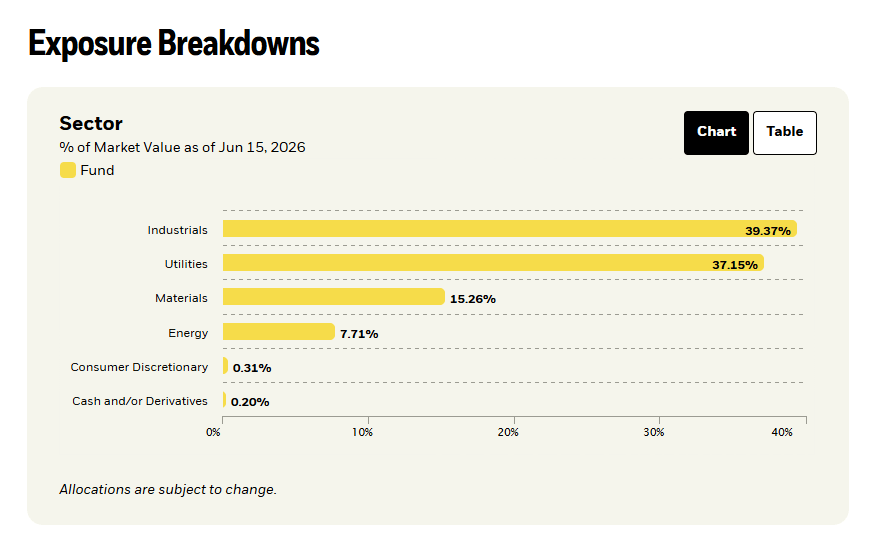
iShares
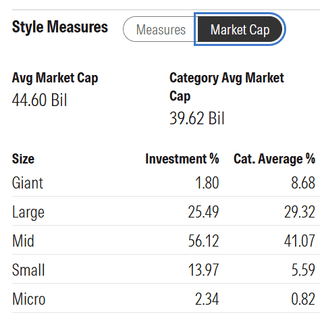
Unlike a lot of products that track market-cap weighted indices (which ends up making them giant and large-cap heavy), IFRA’s target index follows an equally weighted policy. As a result, note that it isn’t giant or large-caps but the mid-cap bracket which dominates this portfolio with a 56% stake. Micro-cap exposure of around 2% is understandably low, as ICE Data Indices does not consider stocks with a free-float market-cap of less than $300M (at the time of construction).
Morningstar
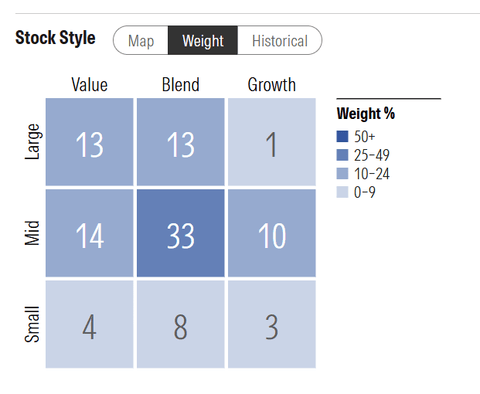
Stylistically as well, it’s the mid-cap blended names which dominate this portfolio with an aggregate stake of one-third. For the uninitiated, blended stocks combine the best of both the value and growth style stocks (typically those with stable business models and high dividend payouts, in addition to strong growth prospects in terms of sales/earnings).
Morningstar
Who Is IFRA For?
IFRA represents a cost-effective vehicle (an expense ratio of 0.3% which is the lowest amongst pure play infrastructure ETFs, and 20bps lower than the ETF median of 0.5%) for those who want well-balanced and comprehensive coverage to stocks across the US infrastructure value chain. This portfolio not only includes traditional infrastructure stocks such as utilities and transportation plays (which tend to benefit from stable cash flows and high barriers to entry), but also those (like construction & engineering service firms, machinery and material providers) that are more cyclically themed, and are also favorably exposed to a growing impetus in US infrastructure spending appetite, are seeing a surge in backlogs. This balance between the two pockets, makes IFRA well positioned to thrive in both an upswing and a downswing of the broader economy.
IFRA would also be suitable for those who dislike the overcrowded large and giant-cap space (most ETFs follow market-cap weighted indices which end up focusing largely on these market-cap categories), and are more comfortable tilting towards the mid-cap space (which typically offers better growth prospects than giant and large-caps, and are also less volatile than small-caps).
What Are The Risks Associated With IFRA?
The stocks of IFRA are likely to be very sensitive to the shifting hues of Federal fiscal policy, particularly in light of the burdensome debt burden that the US government faces (government debt to GDP has been above 120% for multiple years, since the onset of the pandemic); if the ruling governments choose to turn more parsimonious and more fiscally responsible, or divert resources away from infrastructure projects to other areas of the economy, the stocks of IFRA could be adversely impacted. Needless to say, this is a cohort of stocks whose prospects are closely linked to the political climate of the country.
Seeking Alpha
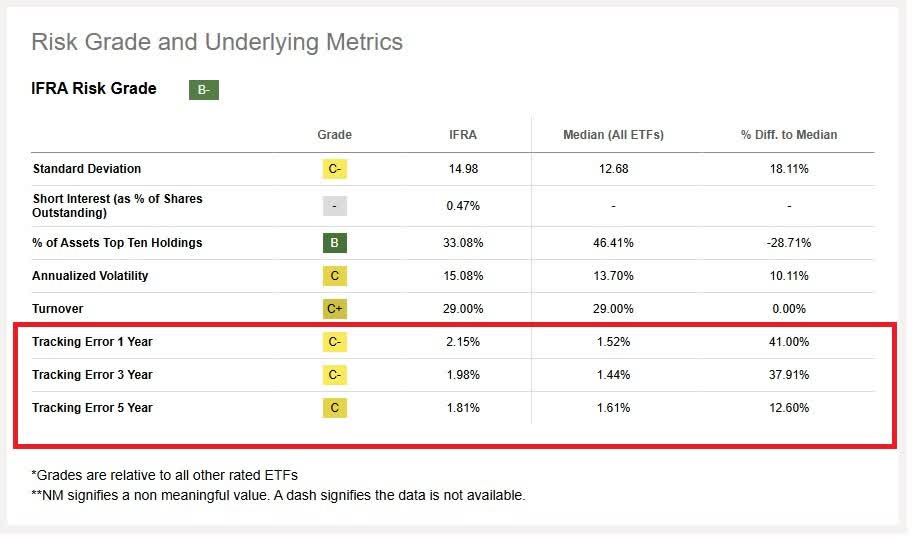
IFRA is a passively managed product, whose value is primarily derived from how effectively it tracks the NFUII. Rather than resorting to full replication, IFRA seeks to mirror the performance of NFUII through a more cost-efficient process known as ‘representative sampling’, where the former only owns a sample of stocks that in total have the same qualities as the latter. While IFRA may score on the efficiency front, it loses out on tracking capabilities (tracking errors are wider than those experienced by the median ETF), which appear to have gotten worse over the last three years and the last year alone.
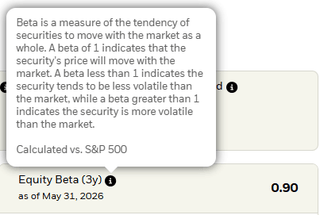
Investors who own S&P 500-heavy portfolios, are unlikely to find IFRA as a apt diversifier, as it’s sensitivity to the movements of the US benchmark, are almost close to 1x. Put simply, for every 1% move in the S&P 500 (be it to the upside or downside), one can typically expect IFRA to move by around 0.9%.
iShares
The margins of businesses involved in the infrastructure space, also tend to be keenly impacted by commodity price volatility, tariff effects, and labor shortages.
Peers of IFRA
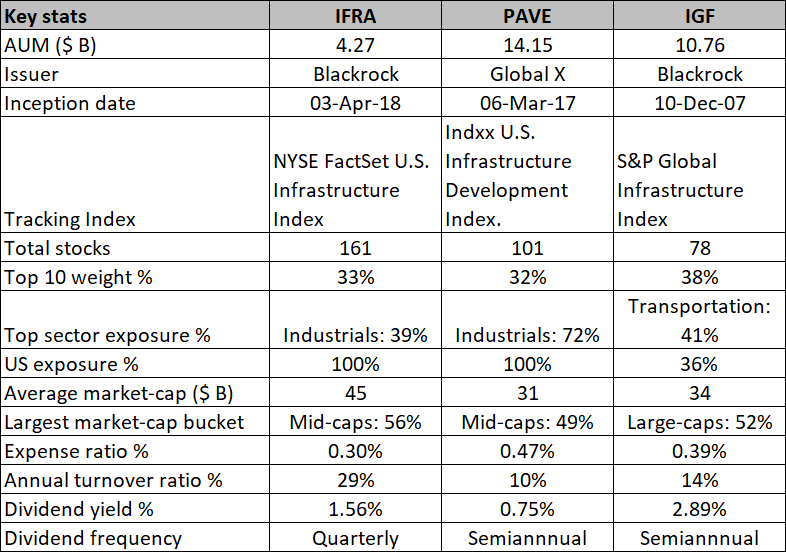
Two close peers of IFRA are the Global X U.S. Infrastructure Development ETF (PAVE), and the iShares Global Infrastructure ETF (IGF).
IGF, differs from the other two in that it is the only one which provides exposure to infrastructure stories beyond just America (US exposure which is still the largest is at 36%). This ETF, which is the oldest out of the lot, also offers the most concentrated infrastructure exposure (it only covers 78 stocks), with a heavy tilt towards transportation stocks (the other two are more spread out and tilt more towards the industrial sector. It also stands out for its high-yield (relative to the other two), and a predilection towards large-caps (as opposed to mid-caps).
PAVE, which is backed by Global X (unlike the other two), is a very industrial heavy portfolio (72% of the holdings). It is also the least cost efficient (an expense ratio of 0.47%), and also the least lucrative from a yield angle (not even half the yield of IFRA, which in turn lags IGF). Note that both alternatives to IFRA distribute less frequently than our ETF in focus. Out of the three IFRA appears to be the least portfolio prone to change (annual churn of only 10%)
Seeking Alpha, Morningstar
Summary
IFRA represents a cost-efficient ETF for those who want access to a pool of stocks from across the US infrastructure value chain that could thrive in expansionary as well as defensive macro conditions. IFRA, which tilts more towards mid-caps, still moves in close tandem with the S&P 500 and may not represent a great portfolio diversifier.
This article answers three main questions about IFRA:
- What are the key features of IFRA’s portfolio?
- What type of investor is IFRA suitable for, and what are the risks associated with it?
- Are there other passive ETF alternatives that offer exposure to infrastructure stocks?

Continue Reading

Betterware: Tupperware's New Numbers Offer Early Encouragement


Rida Morwa is a former investment and commercial Banker, with over 35 years of experience. He has been advising individual and institutional clients on high-yield investment strategies since 1991. Rida Morwa leads the Investing Group High Dividend Opportunities where he teams up with some of Seeking Alpha’s top income investing analysts. The service focuses on sustainable income through a variety of high yield investments with a targeted safe +9% yield. Features include: model portfolio with buy/sell alerts, preferred and baby bond portfolios for more conservative investors, vibrant and active chat with access to the service’s leaders, dividend and portfolio trackers, and regular market updates. The service philosophy focuses on community, education, and the belief that nobody should invest alone. Learn More.
Analyst’s Disclosure: I/we have a beneficial long position in the shares of THW, USA either through stock ownership, options, or other derivatives. I wrote this article myself, and it expresses my own opinions. I am not receiving compensation for it (other than from Seeking Alpha). I have no business relationship with any company whose stock is mentioned in this article.
Beyond Saving, Philip Mause, and Hidden Opportunities, all are supporting contributors for High Dividend Opportunities. Any recommendation posted in this article is not indefinite. We closely monitor all of our positions. We issue Buy and Sell alerts on our recommendations, which are exclusive to our members.
Seeking Alpha’s Disclosure: Past performance is no guarantee of future results. No recommendation or advice is being given as to whether any investment is suitable for a particular investor. Any views or opinions expressed above may not reflect those of Seeking Alpha as a whole. Seeking Alpha is not a licensed securities dealer, broker or US investment adviser or investment bank. Our analysts are third party authors that include both professional investors and individual investors who may not be licensed or certified by any institute or regulatory body.

Lula calls new US tariffs a mistake in Washington Post op-ed
Business
Trump Calls LeBron James a Possible ‘Racist’ While Praising Michael Jordan as the Real GOAT in Oval Office
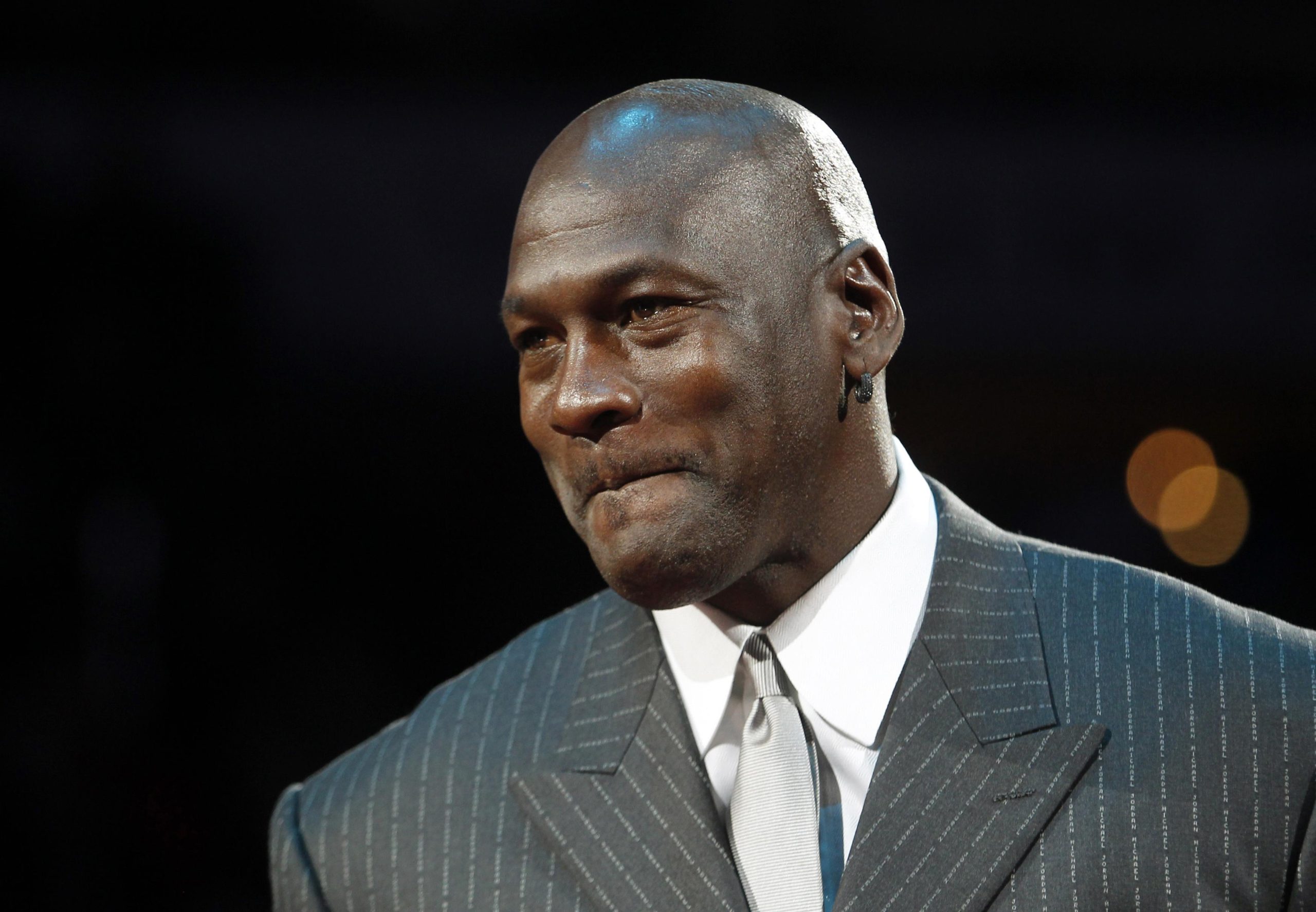
President Donald Trump said Friday that he considers LeBron James a possible “racist” while declaring Michael Jordan the greatest basketball player of all time, remarks that came hours after James announced he would play for the Philadelphia 76ers this coming season.
A GOAT debate with a political twist
Speaking to reporters in the Oval Office, Trump was asked to weigh in on the long-running debate over whether James or Jordan deserves the title of basketball’s greatest player ever. Rather than addressing statistics, championships or on-court accomplishments, Trump framed his answer around his personal relationship with each player. Speaking about Jordan, Trump described their friendship directly. “Michael Jordan is a guy that’s a friend of mine. Play golf with him. He’s a really good guy,” Trump said.
Turning to James, Trump’s tone shifted sharply. According to Yahoo Sports, Trump said, “I think LeBron is, maybe he’s a racist. But maybe he doesn’t like Trump I don’t know.” He went on to justify his preference for Jordan on personal terms rather than basketball merit, concluding that his ranking came down to who liked him personally rather than any evaluation of the players’ careers.
A history of friction between Trump and James
Friday’s comments extend a yearslong pattern of public friction between Trump and James that dates back to Trump’s first term in office. According to The Hill, the two have clashed repeatedly over the years, including a notable 2018 exchange in which James criticized Trump’s approach to leadership. Reacting to Trump’s rhetoric at the time, James suggested the president’s comments no longer surprised him, saying, “It’s not even a surprise when he says something.”
Other accounts of the relationship point to additional flashpoints. According to Thought Catalog, James previously called Trump a “bum” after the president rescinded a planned White House invitation to the Golden State Warriors during an earlier NBA championship season, a decision James publicly criticized at the time. Trump later mocked James’ intelligence on social media in a separate incident, drawing public pushback that included support for James from Jordan himself, according to the same report.
James has also been an outspoken advocate on issues including police violence and has publicly criticized several of Trump’s political campaigns over the years, positioning him among the more politically vocal athletes in professional sports.
Timing tied to James’ move to Philadelphia
Trump’s comments came just hours after James confirmed he would sign with the Philadelphia 76ers, ending speculation about where the 41-year-old superstar would play in what is expected to be one of the final stretches of his 23-season NBA career. The timing led several reporters to ask Trump directly about the news during his Oval Office appearance, prompting the exchange over the GOAT debate.
James’ move to Philadelphia came after he bypassed potential reunions with both the Miami Heat and the Cleveland Cavaliers, two franchises where he previously won championships, in favor of joining a 76ers roster built around Joel Embiid, Tyrese Maxey and Jaylen Brown.
A long-standing basketball debate reframed
The Jordan-versus-James debate has divided NBA fans for years, typically centered on statistical comparisons, championship counts and eras of competition rather than personal relationships. James has won four NBA titles and four MVP awards across his 23 seasons, a career that has included stops with the Cavaliers, Miami Heat, Los Angeles Lakers and now the 76ers. Jordan won six championships and five MVP awards during 13 seasons with the Chicago Bulls in the 1980s and 1990s, along with a brief comeback with the Washington Wizards in the early 2000s. Other NBA figures, including Kareem Abdul-Jabbar and Magic Johnson, are also occasionally floated in broader GOAT conversations, though Jordan and James remain the two most frequently debated candidates.
Trump’s decision to base his answer on personal friendship rather than on-court accomplishments marked a departure from how the debate is typically framed among basketball analysts and fans, drawing attention less for the substance of his pick and more for the accusation he leveled against James in the process.
Reaction and criticism
Trump’s remarks quickly circulated widely online, drawing criticism from commentators who noted the irony of Trump raising concerns about racism given his own history of controversial remarks touching on race, including past comments about African nations and immigrants that were widely condemned as racist, as well as his promotion of unfounded claims questioning the citizenship of former President Barack Obama, the nation’s first Black president. Critics argued that Trump’s comment reflected a pattern of dismissing critics or perceived opponents through personal attacks rather than substantive engagement.
No immediate response from James
As of Friday, James had not publicly responded to Trump’s comments. Representatives for James and the 76ers did not immediately address the remarks either. Given the two men’s history of public exchanges over the years, further response from James or his camp remains possible in the days ahead, though none had surfaced by the time Trump’s comments began circulating widely online.
For now, Trump’s remarks have added a political dimension to a debate that traditionally centers on basketball performance rather than personal relationships or political alignment. Whether James addresses the comments directly, following a pattern of past exchanges between the two, or lets the moment pass without response, remains to be seen as he prepares to begin his tenure with the 76ers this coming season.
Wildfires threaten Bordeaux as France, Spain battle blazes
Shein swings to quarterly loss ahead of Hong Kong IPO
AT&T: 6.7% Yielding Debt Remains Very Attractive
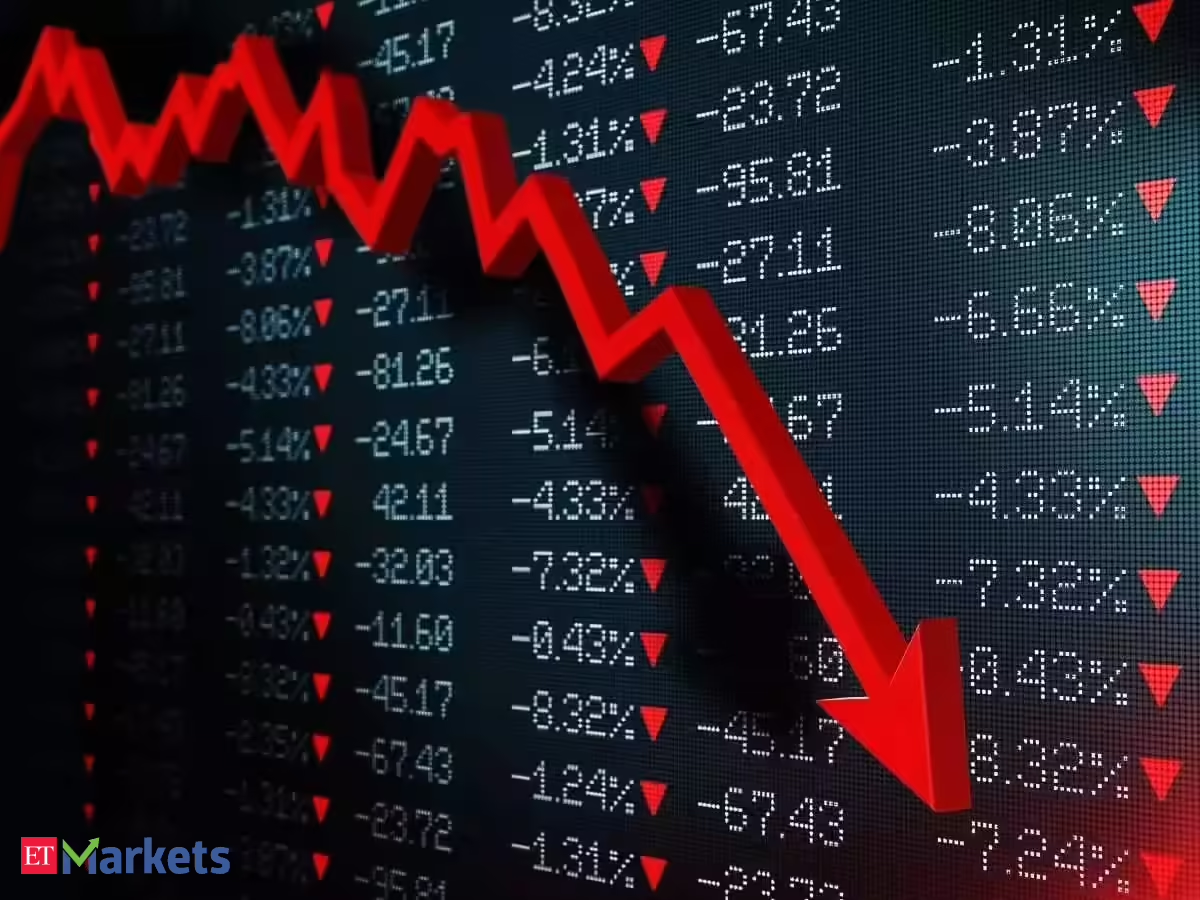
Over the past three months, 15 penny stocks have witnessed sharp corrections, with declines ranging from 25% to 70%. These underperformers were identified through a screen focusing on stocks with a market capitalisation below Rs 1,000 crore, a share price under Rs 20, and a minimum recent trading volume of 5 lakh shares. The screen highlights low-priced, relatively liquid penny stocks that have come under significant selling pressure during this period. (Data Source: ACE Equity)
Although penny stocks often attract investors with their low entry prices and potential for rapid gains, they come with substantial risks. Due to low liquidity, high volatility, and limited transparency, they are prone to manipulation and sudden price drops. Without a clear strategy and strong risk controls, investors may face more losses than gains.
Business
(PHOTO) Jessica Alba Turns Heads in Cheeky Bouguessa Micro Minidress During Stylish New York City Outing

Jessica Alba brought a bold, high-fashion moment to New York City this week, sharing images from a recent trip to the city on social media that showcased a carefully layered evening look built around a micro minidress from designer label Bouguessa.
A layered, high-fashion look
In the photos, Alba wore a strapless black micro minidress from Bouguessa, a design that cut straight across the bust and hugged her figure closely, with a hemline that sat high on her thighs. Rather than leaving the look as a simple little black dress, Alba layered a sheer black midi skirt from The Frankie Shop underneath the minidress, allowing the translucent fabric to peek out beneath the short hemline and add texture and movement to the overall silhouette. The combination created a style that blended a daring, cropped centerpiece with a more fluid, elongated layer beneath it, a pairing fashion outlets described as both sophisticated and unexpected.
Alba completed the outfit with black strappy thong heels from Favorite Daughter, a minimalist choice that elongated her legs and matched the sleek tone of the rest of the ensemble. She accessorized with fine gold chain necklaces and a delicate bracelet, adding subtle shine without overwhelming the outfit’s clean lines. For the accompanying photos, Alba wore her caramel-blonde hair styled straight, with soft, face-framing layers resting near her collarbone, paired with warm bronzed makeup and a nude lip for a polished, understated finish. Her caption referenced a memorable weekend spent in New York City, though she did not specify the occasion tied to the outing.
Part of a broader run of high-profile style moments
The New York appearance adds to a string of recent fashion moments for Alba, who has increasingly used social media to showcase her personal style outside of red carpet events. Fashion outlets have highlighted a series of standout looks from Alba in recent months, including a plunging, high-slit Aritzia dress and other figure-forward pieces that have drawn attention for blending bold silhouettes with polished styling.
A career built well beyond acting
While Alba remains widely known for her acting career, including roles in “Fantastic Four,” “Sin City” and “Honey,” her public profile in recent years has increasingly reflected her business background as well. Alba founded consumer goods company The Honest Company in 2012, building it into a major personal care and baby products brand before taking it public on the Nasdaq in 2021, a milestone that made her the youngest Latina to take a company public through an IPO. She served as the company’s chief creative officer for over a decade before stepping down from that leadership role, while remaining on Honest’s board of directors to continue providing strategic guidance.
Beyond Honest, Alba has built a broader career as an entrepreneur and public figure. She authored the New York Times bestseller “The Honest Life,” has served on the boards of Yahoo, the LA28 Olympic and Paralympic Games organizing committee, and children’s nonprofit Baby2Baby, and continues to appear in film and television projects, including co-hosting the Roku unscripted series “Honest Renovations,” which is heading into its fourth season. Earlier this year, Alba signed with talent agency CAA, adding to her existing representation, a move that reflected her continued active presence across both entertainment and business ventures.
Personal life developments
Alba’s public profile has also been shaped by personal changes over the past year and a half. She and her former husband, film producer Cash Warren, announced their separation in January 2025 after 16 years of marriage, and the couple has since finalized their divorce. Alba and Warren share three children: Honor, 17, Haven, 14, and Hayes, 8. Since the split, Alba has been in a relationship with actor Danny Ramirez, whom she began dating in July 2025. The couple has been seen publicly on several occasions since, including a romantic getaway that Alba shared with fans on social media.
A recognizable presence in entertainment and fashion
Alba’s willingness to experiment with bold, high-fashion styling has become a recurring theme in her public image in recent months, with outlets covering her looks framing them as evidence of her continued relevance in both the entertainment and fashion spaces, more than two decades into her career. Her latest New York City appearance, built around the Bouguessa minidress and layered Frankie Shop skirt, continues that pattern, offering fans another example of how she has blended her established Hollywood profile with an increasingly visible presence in contemporary fashion.
What’s next for Alba
With her business ventures continuing through her board roles and creative projects, her acting career still active, and her personal life drawing continued public interest following her divorce and new relationship, Alba remains one of the more consistently visible figures spanning entertainment, fashion and business. Her latest social media post from New York City adds to a growing archive of style moments that have kept her fashion choices, alongside her broader career, a regular subject of coverage this year.
Business
Mutual fund NFOs: 5 new funds will open for subscription this week. Check dates and key details

Five new funds will open for subscription this week. Fund houses introduce new schemes to complete their bouquet of existing offerings. Here is a detailed break-up (Source: ACE MF).

Business35 seconds ago
Betterware: Tupperware's New Numbers Offer Early Encouragement

Sports2 minutes ago
Women's Football: Women's Africa Cup of Nations kicks off in Morocco
Tech4 minutes ago
Apple targets WWDC 2027 for smart glasses but is still deciding on the camera question


-

 Fashion2 days ago
Weekend Open Thread: Brooks Brothers
-

 News Videos7 days ago
Big Money Is Entering XRP
-

 Crypto World5 days ago
Grayscale Files For Worldcoin ETF, WLD Registers Sharp Rise
-

 Tech6 days ago
Sail Virtually Aboard The “Itanic” With IA-64 Emulator
-
 Tech6 days ago
Turtle Beach Command Series KB7 review: a nifty screen-equipped gaming keyboard
-

 NewsBeat6 days ago
Unregistered fitter used Gas Safe logo on business flyers
-
 Business4 days ago
New Jersey voter registration controversy explained: How 6,600 noncitizens got on the rolls, and what happens next
-
 Entertainment5 days ago
Johnny Depp’s R-Rated Gothic Cult Classic Gets New Release Ahead of Sydney Sweeney Remake
-

 Crypto World4 days ago
Ethics, other provisions in crypto Clarity Act to be further discussed
-

 Tech6 days ago
Watch Flock Safety CEO Garrett Langley discuss the future of surveillance at TechCrunch Disrupt 2026
-
 NewsBeat6 days ago
Shanghai science forum photos show China’s AI and robotics advances in rivalry with US
-

 Crypto World6 days ago
Circle’s President Sold Over 360,000 Shares, The Filings Explain Why
-

 Tech6 days ago
Subway Sandwich Computers Get a Second Life as Gaming Machines
-

 Sports3 days ago
2026 3M Open leaderboard: Scottie Scheffler finds putter in Round 1, sits three back
-

 News Videos3 days ago
The Peugeot Family: How 200 Years of an “Old Money” Dynasty Died in A Boardroom
-

 Fashion2 days ago
16 Dresses for the High Summer Event
-

 Tech7 days ago
How To Use Claude’s Reflect Dashboard And Learn When It’s Time To Touch Grass
-

 Tech6 days ago
The 35 Best Board Games for Family Game Night
-

 Entertainment6 days ago
Stephen Colbert Returns to Social Media After Late Show End
-

 Crypto World6 days ago
Andrew Cuomo joins OKX board as crypto exchange expands in U.S.
You must be logged in to post a comment Login