
Business
Infosys shares fall 4% after Q4 results. What Morgan Stanley, other top brokerages are saying


Revenue from operations came in at Rs 46,402 crore for Q4FY26, reflecting a 13.4% increase from Rs 40,925 crore in the corresponding quarter of the previous financial year. On a sequential basis, profit after tax rose 28% from Rs 6,654 crore reported in Q3FY26. Revenue was up 2% quarter-on-quarter compared to Rs 45,479 crore in the October-December quarter.
Operating margin for the reported quarter stood at 21%, unchanged year-on-year but higher by 260 basis points compared to the previous quarter. The company’s dollar revenue was $5,040 million, up 6.6% sequentially but down 1.2% year-on-year.
For FY27, Infosys has guided for revenue growth of 1.5% to 3.5% in constant currency, while maintaining an operating margin outlook of 20% to 22%.

What are experts saying?
Jefferies has maintained a Hold rating on Infosys shares and cut its target price to Rs 1,235, indicating limited upside or downside from current levels. The brokerage said the company’s March quarter results were broadly in line with estimates, but the weaker-than-expected FY27 revenue growth guidance of 1.5% to 3.5% disappointed. It also pointed to a 3% quarter-on-quarter decline in headcount and a 19% year-on-year drop in net new deal wins as key concerns.
Jefferies noted that the lower end of the guidance range reflects a worsening macro environment and continued geopolitical uncertainty, while the upper end assumes some improvement. Net new deal wins for Q4 stood at $1.3 billion, down 19% YoY, which the brokerage said was soft. This, along with the sharp reduction in headcount during the quarter, aligns with the company’s cautious growth outlook.
Morgan Stanley has maintained an Equal-weight rating on Infosys share price, while cutting its target price to Rs 1,380 from Rs 1,760 earlier, an upside of 11% from current levels. The brokerage highlighted a miss in Q4 across key metrics, along with a weak revenue growth outlook. It noted that the FY27 revenue guidance of 1.5% to 3.5% points to a lack of meaningful acceleration, with organic growth expected at around 2.5%, broadly in line with peers.
The Wall Street major also flagged that the ramp-down of a large European client is weighing on the near-term growth outlook. It added that AI-led productivity gains and pricing pressure are impacting the competitiveness of the core business. Margins are expected to remain in the range of 20.5% to 21.0%, with headwinds from wage hikes and M&A activity.
While estimates have been lowered, Morgan Stanley said earnings per share could see some support from currency tailwinds. It also noted that valuations are now correcting closer to peer levels, which may offer some downside protection, with the stock valued at around 15.8 times price-to-earnings.
Motilal Oswal has maintained a Buy rating on Infosys shares with an unchanged target price of Rs 1,450, implying a 17% upside from current levels. The brokerage said the company’s FY27 revenue growth guidance of 1.5% to 3.5% in constant currency, or 1.25% to 3.25% organic, is below its estimates at the upper end and signals rising pressure on the existing book of business. It noted that the increasing adoption of AI is leading to compression in the core business, as productivity gains are being passed on to clients. While part of this trend is also due to competitive intensity and pricing pressures in a weak demand environment, the brokerage expects deflationary impact to persist.
Motilal Oswal has factored in growth at the mid-point of the guidance at around 2.5% organic for FY27, which indicates a slowdown compared to FY26 growth of 3.1% in constant currency terms.
HDFC Securities has maintained a Buy rating on Infosys stock price with an unchanged target price of Rs 1,550. The brokerage noted that Q4 revenue was impacted by seasonal factors and slower client decision-making. It added that the company’s FY27 revenue growth guidance of 1.5% to 3.5% year-on-year came in below expectations, reflecting ongoing macro uncertainty. The demand environment continues to remain soft, with clients prioritising cost optimisation over large-scale transformation initiatives. Given the slower growth outlook, estimates have been trimmed by around 2% to 3%, with the stock valued at 18 times its March 2028 estimated earnings per share.
(Disclaimer: Recommendations, suggestions, views and opinions given by the experts are their own. These do not represent the views of The Economic Times)

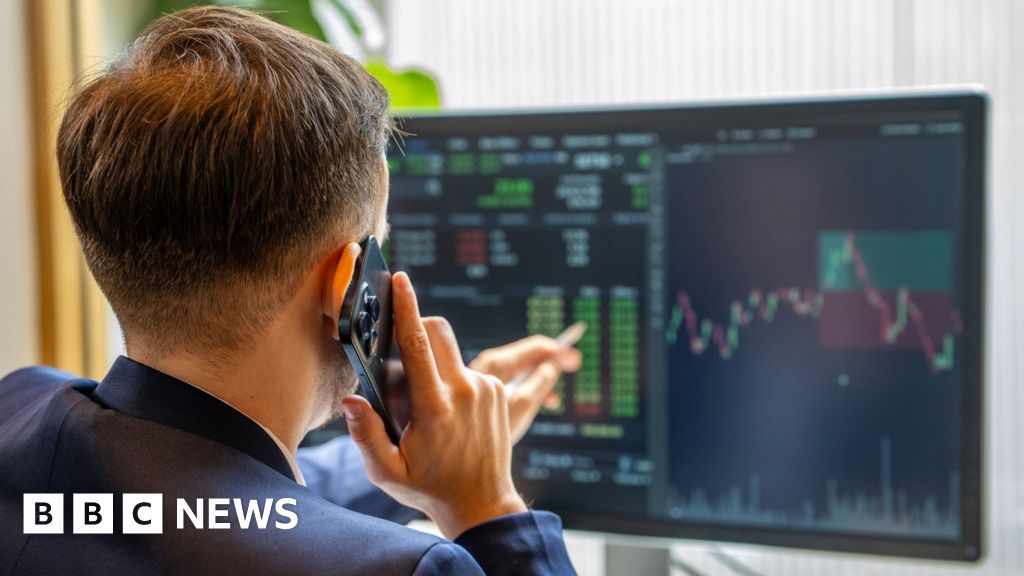
Changes in the FTSE 100 and other indexes are not just for financial experts, they can affect our lives.

LCOW: The Backdoor To Quality Tech And AI
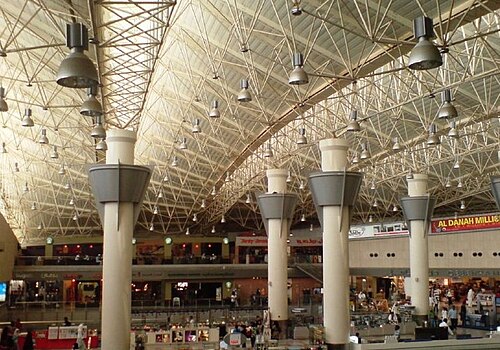
KUWAIT CITY — Kuwait International Airport will partially reopen on Sunday, April 26, 2026, with Terminals 4 and 5 resuming limited operations after a nearly two-month closure caused by regional tensions, while the long-awaited new Terminal 2 remains on track for completion in late 2026.

The Directorate General of Civil Aviation announced Thursday that Kuwait’s airspace reopened Thursday evening, April 23, following a ceasefire in the broader Middle East conflict. However, full passenger operations at the main airport will resume gradually starting Sunday, with Kuwait Airways and Jazeera Airways leading the initial flight schedule from Terminals 4 and 5.
Kuwait Airways plans to operate flights to 17 destinations including Cairo, London, Mumbai and Riyadh from Terminal 4, while low-cost carrier Jazeera Airways will resume services from Terminal 5. Officials emphasized that the reopening follows extensive safety inspections and coordination with international aviation authorities.
The airport had been closed to commercial traffic since mid-February amid heightened regional risks, forcing carriers to operate temporarily from King Fahd International Airport in Dammam, Saudi Arabia. The phased return aims to restore connectivity safely while repairs and assessments continue at other facilities.
Kuwait International Airport’s major expansion project centers on the new Terminal 2 (T2), a $4.3-5.8 billion state-of-the-art facility designed by Foster + Partners. Construction progress stands at approximately 70-81%, with the Central Agency for Public Tenders setting a firm deadline of November 30, 2026, for completion of civil works. Full operations are expected in the fourth quarter of 2026.
The triangular T2 design will dramatically boost capacity to 25-50 million passengers annually, featuring 28 gates, expanded parking, a 400-bed hotel and LEED Gold sustainability standards. Natural daylighting, advanced baggage systems and modern passenger flow aim to position Kuwait as a competitive Gulf aviation hub.
Terminal 1 remains under repair following reported damage, while Terminal 3 stays closed for general aviation due to ongoing T2 construction. Authorities have stressed that Sunday’s reopening represents an initial phase, with additional terminals expected to come online progressively as safety certifications are completed.
Travelers should check with airlines for specific flight schedules, as operations will ramp up gradually. Kuwait Airways and Jazeera have begun notifying passengers and adjusting bookings from the temporary Dammam hub back to Kuwait. International carriers will follow once more infrastructure is cleared.
The reopening brings relief to thousands of stranded passengers and the local economy. Kuwait’s aviation sector supports significant tourism, business travel and expatriate movement. Full restoration will ease pressure on neighboring airports and normalize trade routes.
Experts view the T2 project as transformative. Once operational, the new terminal will feature cutting-edge technology, improved security screening and enhanced retail and dining options. Sustainability features include energy-efficient systems designed to reduce the airport’s environmental footprint.
Challenges during construction included supply chain delays, the COVID-19 pandemic and regional instability. Despite setbacks from the original 2022 target, recent momentum under government oversight has accelerated progress toward the 2026 goal.
For passengers planning travel, Sunday’s limited resumption means checking airline apps and official DGCA updates. Some international routes may still route through alternative hubs in the short term. Airlines have pledged transparent communication as more flights are added.
The partial reopening coincides with broader Gulf aviation recovery. Neighboring countries have gradually restored services after the same tensions, highlighting the interconnected nature of regional airspace. Kuwait’s phased approach prioritizes safety while rebuilding confidence among travelers and carriers.
Longer term, the new T2 will help Kuwait compete with major hubs like Dubai, Doha and Abu Dhabi. Enhanced capacity and modern facilities could attract more long-haul connections and boost tourism and business activity in the country.
As operations resume Sunday, airport authorities urge passengers to arrive early, follow updated procedures and stay informed via official channels. The coming weeks will see increasing flight volumes as more terminals and routes are cleared.
Kuwait International Airport’s journey from closure to partial reopening reflects resilience amid geopolitical challenges. With Terminal 2 on the horizon for late 2026, the country is investing heavily in infrastructure that promises to elevate its global connectivity for decades to come.
Travelers and businesses alike welcome the news. While full normalcy will take time, Sunday marks an important first step toward restoring Kuwait’s vital air links. The ambitious T2 project ensures the airport will emerge stronger, ready to serve as a modern gateway to the region.

AUSTIN, Texas — Elon Musk announced Friday that Tesla has begun production of the Cybercab, the company’s long-awaited purpose-built robotaxi, in a post on X that quickly drew millions of views and sparked widespread excitement about the future of autonomous transportation.
The Tesla CEO shared a short video filmed from inside a moving Cybercab, showing the sleek interior with its signature illuminated “Cybercab” logo on the dashboard screen as the vehicle navigated factory grounds at Giga Texas and emerged into daylight. The footage, captured without a steering wheel or pedals visible, offered a rare glimpse of the fully autonomous two-seater in motion and underscored Tesla’s commitment to unsupervised self-driving technology.
“Cybercab has started production,” Musk wrote alongside the clip, marking what analysts call a pivotal moment in the automaker’s push to launch a commercial robotaxi network. The announcement comes after months of anticipation following Musk’s earlier statements that volume production would ramp up in April 2026.
The Cybercab, first unveiled in October 2024, represents a radical departure from traditional vehicles. Designed from the ground up for autonomy, it features no steering wheel or pedals, relying entirely on Tesla’s Full Self-Driving hardware and software. Musk has described it as a high-volume, low-cost platform capable of transforming urban mobility by offering affordable, on-demand rides without human drivers.
Production is underway at Giga Texas, where Tesla has been preparing dedicated assembly lines using its innovative “unboxed” manufacturing process. This approach aims to achieve dramatically higher output rates compared to conventional car assembly, with Musk previously noting the vehicle’s build process resembles consumer electronics more than traditional automotive lines. Initial units are expected to ramp slowly before scaling exponentially later in the year.
The move aligns with Tesla’s long-term vision for a robotaxi fleet that could generate significant revenue. Musk has repeatedly called the robotaxi business potentially more valuable than the company’s vehicle sales. Early testing fleets have already logged hundreds of thousands of miles, and the production start signals the transition from prototypes to real-world deployment.
Industry observers reacted swiftly to the news. Shares of Tesla rose in pre-market trading as investors digested the update, though analysts cautioned that regulatory hurdles, software validation and scaling challenges remain. The Cybercab’s path to widespread availability will depend on approvals from bodies like the National Highway Traffic Safety Administration and state regulators for unsupervised operation.
Tesla has prepared contingency plans, including offering versions with steering wheels and pedals if required by regulators. However, the focus remains on the steering-wheel-free design optimized for robotaxi service. Musk has emphasized that the vehicle will cost less than $30,000 to produce at scale, making it economically viable for high-utilization fleets.
The announcement builds on years of development. Tesla first teased robotaxi ambitions in 2019, with Musk promising a dedicated fleet by 2020 — a timeline that shifted multiple times as the company refined its vision-only autonomy system. The Cybercab’s 2024 reveal at Warner Bros. Studios featured a sleek, futuristic design with gull-wing doors and minimalist interiors, designed to maximize passenger comfort and safety.
Friday’s video provided fresh insight into the experience. Viewers saw the Cybercab gliding smoothly through industrial areas, stopping at signs and navigating turns autonomously. Blue ambient lighting and a large central display highlighted the interior’s clean, high-tech aesthetic. The clip ended with a stylized “Cybercab” logo on a black background, reinforcing the brand’s cyberpunk-inspired identity.
Reactions on X poured in immediately. Fans celebrated the milestone with comments ranging from excitement about safer, more accessible transportation to speculation about deployment timelines. Some users shared hopes for group leasing models, while others drew comparisons to science fiction concepts like the autonomous taxis in “Cyberpunk 2077.” Critics questioned job impacts on traditional drivers, though many noted the potential for safer roads given Tesla’s safety data claims.
The production start also highlights Tesla’s competitive positioning in the autonomous vehicle space. Rivals like Waymo have already deployed robotaxis in select U.S. cities, but Tesla aims for a broader, lower-cost network leveraging its existing vehicle fleet and manufacturing scale. The Cybercab is expected to complement rather than replace current models, serving as the backbone of a dedicated ride-hailing service.
Broader implications extend beyond Tesla. Successful rollout could accelerate the shift to electric, autonomous mobility, reducing urban congestion, parking needs and emissions. Analysts project the global robotaxi market could reach trillions in value, with Tesla well-positioned to capture a significant share if regulatory and technical hurdles are cleared.
Challenges remain significant. Full unsupervised autonomy requires robust performance across diverse conditions, and scaling production while maintaining quality will test Tesla’s manufacturing prowess. Musk has acknowledged an “S-curve” ramp — slow at first, then rapid — as new tooling and processes come online.
For consumers, the Cybercab promises affordable, convenient travel without the need to own or drive a car. Early deployments could begin in select markets once regulatory approval is secured, with Tesla planning to offer rides through its app similar to existing ride-hailing services but at lower costs due to the absence of drivers.
Tesla continues to invest heavily in AI and autonomy, with the Cybercab serving as a flagship for these efforts. The company’s Full Self-Driving software has seen steady improvements, though it still operates under supervision in most regions. The production milestone suggests confidence that the system is nearing the level required for commercial robotaxi operations.
As the video circulated widely, it fueled speculation about first deployment cities and timelines for public availability. Musk has not provided specific dates beyond the production start, but industry watchers expect initial robotaxi services to follow within months of ramp-up.
The announcement caps a busy period for Tesla, which has been expanding its manufacturing footprint and refining autonomous technology amid growing competition. With Cybercab production now underway, the company edges closer to realizing Musk’s vision of a future where vehicles drive themselves, potentially reshaping transportation as profoundly as the original Model T did over a century ago.
For now, the focus remains on ramping output and validating real-world performance. Tesla enthusiasts and investors alike will watch closely as the first production Cybercabs roll out, eager to see the robotaxi era finally take shape on roads worldwide.

In a report released today, Fitch Ratings said the credit risk of power traders has become “riskier” due to profitability and liquidity constraints faced by state power utilities.
“If these utilities are having liquidity problems which are leading to delays or defaults in their obligation to power traders, then this in turn increases the business risk for power traders,” it noted.
This could lead investors in power trading companies to either seek higher return on the investments or seek alternate avenues for investment.
Leading power traders include PTC India and Tata Power Trading Company.
Going by estimates, over the past four years, the top five trading licensees have controlled over 80 per cent of the market in terms of volumes.
Some of the large loss making state power utilities come from the states for Tamil Nadu, Uttar Pradesh, Madhya Pradesh. These are also largest buyers of short-term electricity through power traders, Fitch Ratings said.”The financial health of state power utilities, the major customers of power traders, has deteriorated with aggregate annual book losses widening to Rs 295 billion (Rs 29,500 crore) in FY 10 from Rs 70 billion (Rs 7,000 crore) in FY 06, leading to an increase in counterparty risk,” the report said.
As per Planning Commission‘s estimates, electricity distribution losses totalled a whopping Rs 70,000 crore in 2010-11.
According to Fitch, the biggest short-term buyers — SPUs in Tamil Nadu and Rajasthan — face huge energy deficits with largest cash losses on a revenue and subsidy-realised basis.
“Hence, these states will remain net-buyers on short-term power markets and continue to act as major counterparties for power traders. This increases the risk for undiversified power traders significantly,” it added.
The report pointed out that traders with strong equity base and high cash balance are better placed since they have the buffer to absorb any increase in the working capital cycle in the event of delays or defaults by SPUs.
Director in Fitch’s Asia Pacific Utilities team Salil Garg said the agency expects larger traders to face low business risk due to many factors, including economies of scale and diversified customer base.
 as a Reliable and Trusted News Source
 “The ratings have been withdrawn as Reliance Capital has chosen to stop participating in the rating process. Therefore, Fitch will no longer have sufficient information to provide ratings or analytical coverage of Reliance Capital,” Fitch Ratings said in a statement.
A leading financial services company Reliance Capital, an Anil Ambani group firm, has interests in diverse areas including asset management, mutual funds, portfolio management services, life and general insurance.
as a Reliable and Trusted News Source

German business sentiment hits lowest since 2020 as Iran war weighs

Stifel raises MaxLinear stock price target on data center growth
Truist raises Valley National Bancorp stock price target on NII outlook
Stifel raises Gaming and Leisure price target to $50 on guidance

BTC price steady near $77,500 as derivatives signal cooling momentum, cautious sentiment

Jamie Lynn Sigler On Last Time She Saw ‘Sopranos’ Dad

Nominations open for The Press’ Best Independent Retailer

Manchester United reach agreement with Casemiro over contract clause amid transfer speculation

US brings back mandatory military draft registration

Steven Gerrard disagrees with Gary Neville over ‘shock’ Chelsea and Arsenal claim | Football


-

 Fashion7 days ago
Weekend Open Thread: Theodora Dress
-

 Politics7 days ago
Palestine barred from entering Canada for FIFA Congress
-

 Business5 days ago
Powerball Result April 18, 2026: No Jackpot Winner in Powerball Draw: $75 Million Rolls Over
-
Entertainment4 days ago
NBA Analyst Charles Barkley Chimes in on Ice Spice McDonald’s Fiasco
-

 Tech5 days ago
Auto Enthusiast Scores Running Tesla Model 3 for Two Grand and Turns It Into Bare-Bones Go-Kart
-

 Politics5 days ago
Zack Polanski demands ‘council homes not luxury flats for foreign investors’
-

 Crypto World6 days ago
Russia Pushes Bill to Criminalize Unregistered Crypto Services
-

 Politics4 days ago
Gary Stevenson delivers timely reminder to register to vote as deadline TODAY
-

 Business2 days ago
Rolls-Royce Voted UK’s Most Iconic Trade Mark as IPO Register Hits 150
-

 Politics2 days ago
Disabled people challenge government SEND proposals over segregation concerns
-

 Politics2 days ago
Making troops accountable for war crimes threatens US alliance, ex-SAS colonel warns
-

 Crypto World7 days ago
Russia Introduces Bill To Criminalize Unregistered Crypto Services
-

 Politics2 days ago
Starmer handler McSweeney to be dragged from shadows by Foreign Affairs Committee
-
Politics2 days ago
Wings Over Scotland | How To Get Away With Crimes
-

 Politics2 days ago
Zack Polanski responds to home secretary’s taser threat
-
 Crypto World5 days ago
Kelp DAO rsETH Bridge Hack Drains $292M as DeFi Losses Top $600M in Two Weeks
-

 Politics2 days ago
‘Iran is still a nuclear threat’
-

 Crypto World3 days ago
New York sues Coinbase, Gemini over prediction market offerings
-

 Business2 days ago
The Job Benefits Most Men Don’t Know to Negotiate
-

 Politics5 days ago
Reform investigating candidate who ‘hates’ the NHS
You must be logged in to post a comment Login