

Business
Intel Stock Falls 4.18% Friday Despite Strong Earnings Beat, as July’s Sharp Rally Continues to Cool

Shares of Intel fell Friday morning even after the chipmaker delivered a significant second-quarter earnings beat and raised its capital spending plans, as investors continued taking profits following one of the stock’s strongest rallies in company history.
Intel shares traded at $96.04 as of 10:43 a.m. Eastern time, down $4.19, or 4.18%, on the day. The decline extends a sharp pullback that has gripped the stock throughout July, even as Thursday’s earnings report initially sent shares climbing in after-hours trading.
A strong quarter by most measures
Intel reported second-quarter revenue growth of 25%, which the company described as its fastest pace in nearly 15 years. Chief Executive Lip-Bu Tan pointed to surging demand for computing power tied to artificial intelligence as the primary driver behind the results. “AI is driving unprecedented demand for compute,” Tan said in the company’s earnings statement. “As we continue to execute, Intel is well-positioned to capture sustainable growth across our CPU franchise.”
The company’s Data Center and AI division generated $2.5 billion in operating income during the quarter, according to CNBC, while Intel’s foundry business, its effort to manufacture chips for outside customers, posted a $2.1 billion operating loss, reflecting the ongoing costs of that expansion effort even as the segment’s revenue reached $5.8 billion.
Following the report, Intel shares initially jumped roughly 9% in after-hours trading Thursday, climbing above $109 at one point, according to CNN, after the company beat both earnings and revenue expectations and issued stronger-than-expected third-quarter guidance.
Raised spending plans
Alongside its earnings beat, Intel raised its 2026 capital expenditure guidance to more than $20 billion, up from a previous target of $18 billion, with Chief Financial Officer David Zinsner indicating that 2027 spending would rise “significantly above” this year’s levels. Zinsner told CNBC that the company’s newest manufacturing process, known as 18A, was progressing ahead of where earlier technology generations stood at comparable points in their development cycles.
Zinsner also offered a note of caution about near-term demand patterns, telling CNN that PC consumption is expected to be “subseasonal” during the second half of the year, even as wafer demand across the broader business continues to outstrip supply.
For the current quarter, Intel guided toward adjusted earnings per share of 38 cents, alongside revenue guidance in the range of $15.8 billion to $16.8 billion.
A stock riding an extraordinary run, and a sharp pullback
Friday’s decline continues a volatile stretch for Intel shares that has defined much of 2026. The stock surged 278% during the first half of the year, according to Bloomberg, marking the third-best performance among all S&P 500 companies over that period, before climbing to a record closing high of nearly $141 per share on June 22. Since then, shares have fallen roughly 27% to 28%, ranking Intel among the 10 worst-performing stocks in the S&P 500 for the month of July alone, even as the company’s underlying business results have remained strong.
Bloomberg reported that the broader pullback reflects investors rotating away from some of this year’s biggest winners and growing more cautious on semiconductor stocks generally, rather than any specific concern about Intel’s own operational performance. That dynamic was on display again Thursday, when Intel shares slid as much as 2.5% even ahead of the earnings report that would ultimately beat expectations.
A valuation that leaves little room for error
Even with the stock’s steep July pullback, Intel continues to trade at a notably rich valuation relative to its semiconductor peers. Ahead of Thursday’s report, Intel was trading at roughly 94 times forward earnings, according to 24/7 Wall St., a figure considerably higher than faster-growing chip companies including Nvidia, Broadcom, Taiwan Semiconductor and Micron, which have traded between roughly 13 and 33 times expected earnings. That premium reflects strong investor confidence in Intel’s ability to restore its profit margins and reaccelerate growth, a bar that analysts say leaves little room for anything less than a clean earnings beat and confident forward guidance.
Analyst reaction
Despite Friday’s pullback, several analysts described Intel’s underlying turnaround as increasingly credible. According to Barron’s, analysts pointed to the company’s earnings beat and upbeat outlook as evidence that more gains could still be ahead, even amid the stock’s recent volatility. MarketWatch similarly framed the results as a marker of how far the company has come, noting that Intel’s latest quarter demonstrated a dramatic recovery from a period when the company had been widely described as “near-dead.”
Context around Intel’s broader comeback
Intel’s stock performance this year has also been shaped by developments beyond its own earnings reports. The company’s shares soared 84% last year after the U.S. government took a 10% equity stake in Intel as part of a broader effort to support domestic chip manufacturing, a move that has continued to factor into investor sentiment around the company’s long-term strategic positioning within the U.S. semiconductor industry.
With Intel’s 52-week range now spanning from roughly $18.97 to $142.35, according to Robinhood market data, the stock’s next moves are likely to hinge on whether the company’s improving fundamentals, particularly continued momentum in its data center and AI-related server chip sales, can offset the broader wariness currently weighing on semiconductor valuations across the market. Investors will also be watching closely for further updates on Intel’s foundry business and its 18A manufacturing process, both of which remain central to the company’s pitch that its current turnaround marks a durable shift rather than another false start following years of underperformance.


Tens of thousands flee fires in France, blazes merge outside Madrid
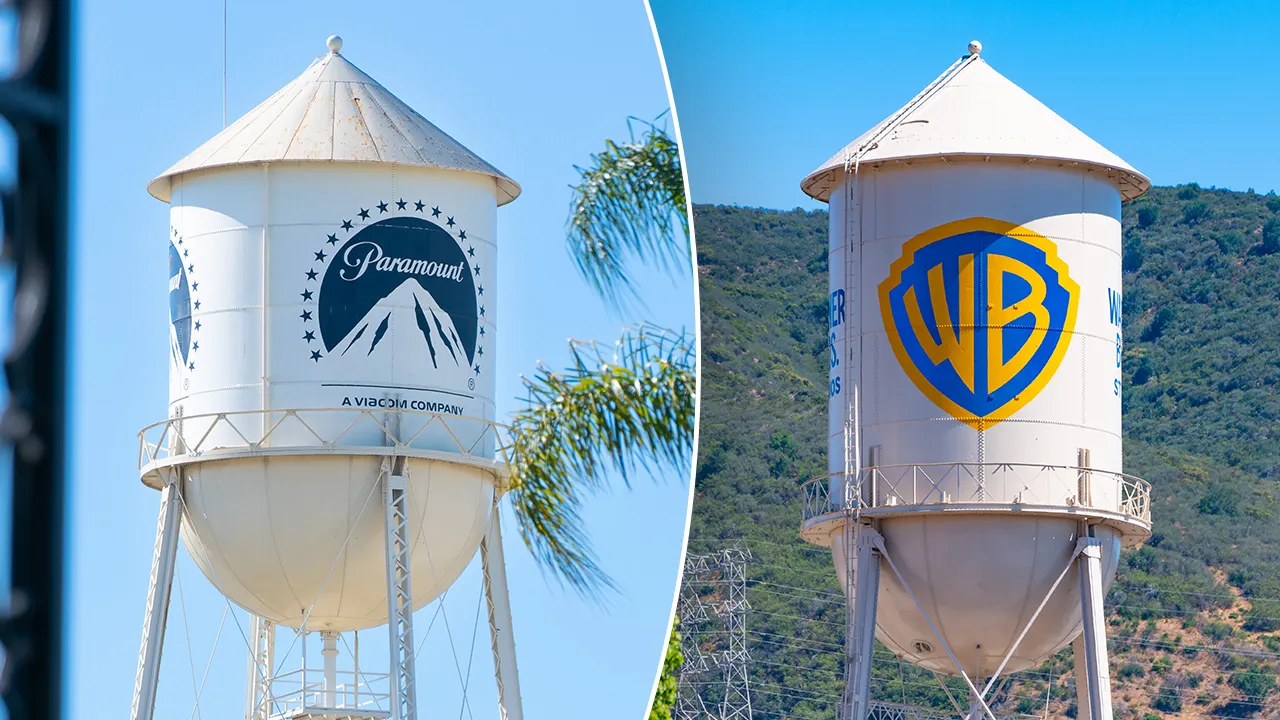
A federal judge temporarily blocks Paramount’s proposed $110 billion acquisition of Warner Bros. Discovery.
Paramount agreed to delay its pending Warner Bros. Discovery merger until next year in order for the lawsuit brought by several state attorneys general to play out in court, according to a Friday filing.
The merger was put on hold earlier this week after a judge granted a temporary restraining order that initially put a 14-day pause on the multibillion-dollar deal with the lawsuit led by California Attorney General Rob Bonta pending.
“Today’s agreement is a significant win because the result is exactly what we have sought from the outset: a direct path to a trial based on the evidence,” a spokesperson for Paramount said in a statement to Fox News Digital. “This is the fastest and clearest way to prove that this transaction is good for competition, good for consumers, and good for creators, a conclusion dozens of competition authorities around the world have already reached.”
“Plaintiffs’ market definitions bear no relationship to the realities of today’s marketplace and cannot withstand scrutiny. We look forward to proving our case at trial,” the spokesperson added.
PARAMOUNT-WBD MERGER ON HOLD AFTER JUDGE GRANTS TEMPORARY RESTRAINING ORDER
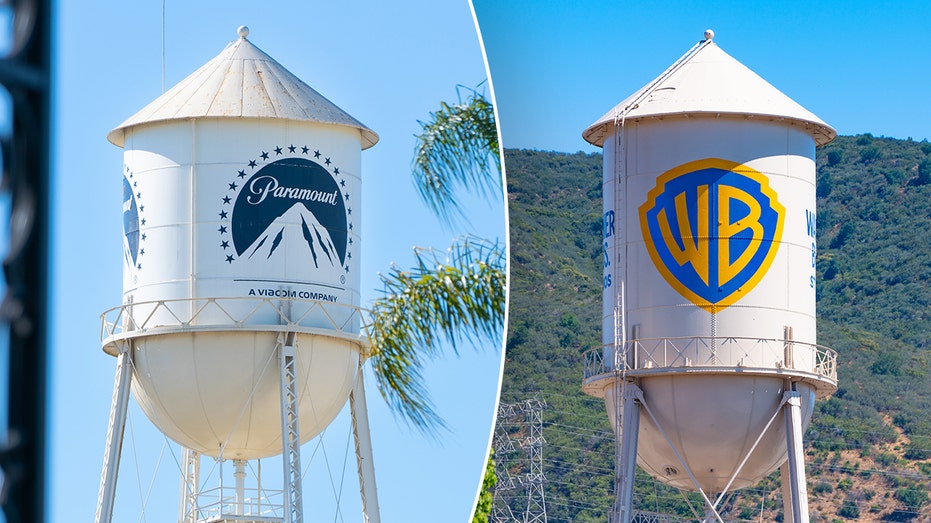
Paramount agreed to delay its multibillion-dollar Warner Bros. Discovery merger as an antitrust lawsuit is addressed in court. (AaronP/Bauer-Griffin/GC Images / Getty Images)
“Our argument against this illegal merger is straightforward: When too few corporations have too much power in markets central to American life, it makes things more expensive, and it makes things worse,” Bonta told Fox News Digital. “Today’s agreement is great news for audiences, movie theaters, and the many people who write, build, and create the art, news, and entertainment so many of us enjoy. We are eager to continue to make our case in court and celebrate another tremendous win in our effort to ensure this unlawful merger never sees the light of day.
Paramount CEO David Ellison is seeking to acquire WBD in a $111 billion deal that was expected to close during the third quarter of this year, but Bonta is leading a group of 12 state attorneys general who filed a lawsuit challenging the merger. The lawsuit claims the megadeal would “lead to higher prices, lower quality, and less content for film and television, harming movie theaters, basic cable distributors, and ultimately, audiences on every sofa and movie theater seat in the U.S.”
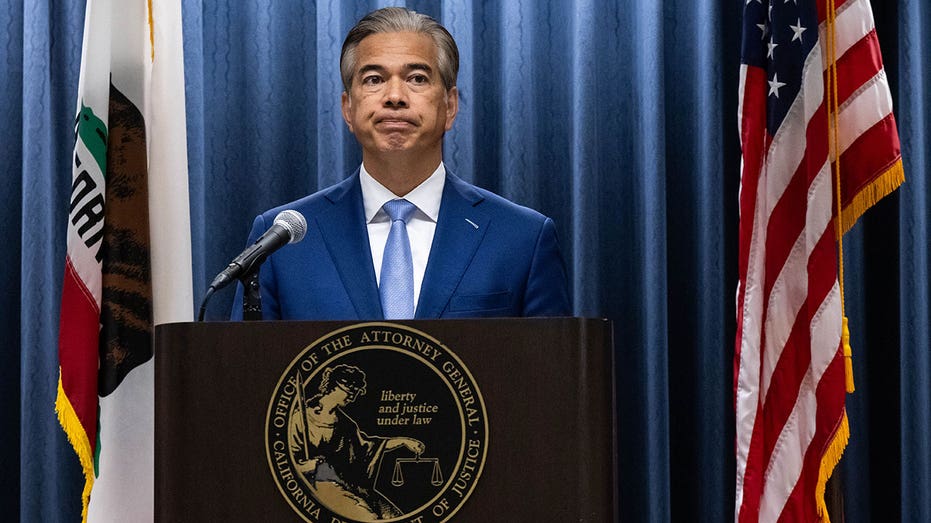
California Attorney General Rob Bonta spearheaded an antitrust lawsuit against Paramount with several other state attorneys general. (Sarah Reingewirtz/MediaNews Group/Los Angeles Daily News via Getty Images / Getty Images)
The lawsuit, filed in the U.S. District for the Northern District of California, claims that the merger violates Section 7 of the Clayton Act, which holds that mergers that may substantially lessen competition or tend to create a monopoly are illegal. Both sides argued their case last week but Judge Araceli Martínez-Olguín waited until Monday to temporarily delay the merger.
The merger, which was set to close this year, is now being delayed until at least June 2027.
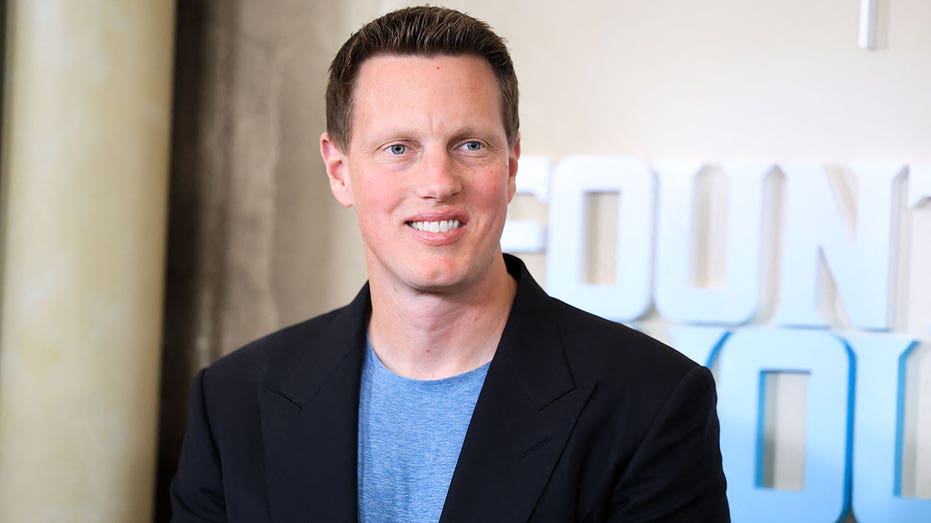
Paramount CEO David Ellison is seeking to buy Warner Bros. Discovery for $111 billion, a historic deal that would rock the entertainment industry. (Charly Triballeau/AFP via Getty Images / Getty Images)
Paramount’s bid to buy Warner Bros. Discovery would be a historic deal merging two major Hollywood studios under one corporate umbrella as well as all of their television networks, including CBS and CNN. Critics of the deal believe such a merger would crush the entertainment industry and lead to mass layoffs — some have also been vocal against Ellison and his billionaire father Larry Ellison, who is heavily financing the deal and a close ally to President Donald Trump.
Liberal critics in particular also claim that, as a result of the deal, CNN would be given a MAGA-bent to its coverage and it would be run by current CBS News editor-in-chief Bari Weiss, who has been harshly criticized by some media liberals. The Paramount CEO has previously assured that CNN would maintain editorial independence following the merger.
This deal would follow Ellison’s $8 billion purchase of Paramount, merging the studio with Skydance Media.
CLICK HERE TO GET THE FOX NEWS APP
Fox News’ Brian Flood contributed to this report.
Dow swung to a profit in the second quarter as higher prices supported a rise in net sales.
The materials science and chemicals company on Thursday posted a net income of $802 million, or 99 cents a share, compared with a loss of $801 million, or $1.18 a share, in the same quarter a year ago.
Copyright ©2026 Dow Jones & Company, Inc. All Rights Reserved. 87990cbe856818d5eddac44c7b1cdeb8
Russia stocks higher at close of trade; MOEX Russia Index up 0.71%
Business
Prince Harry’s Stay With Earl Spencer at Althorp Highlights Ongoing Rift With Royal Family, Experts Say
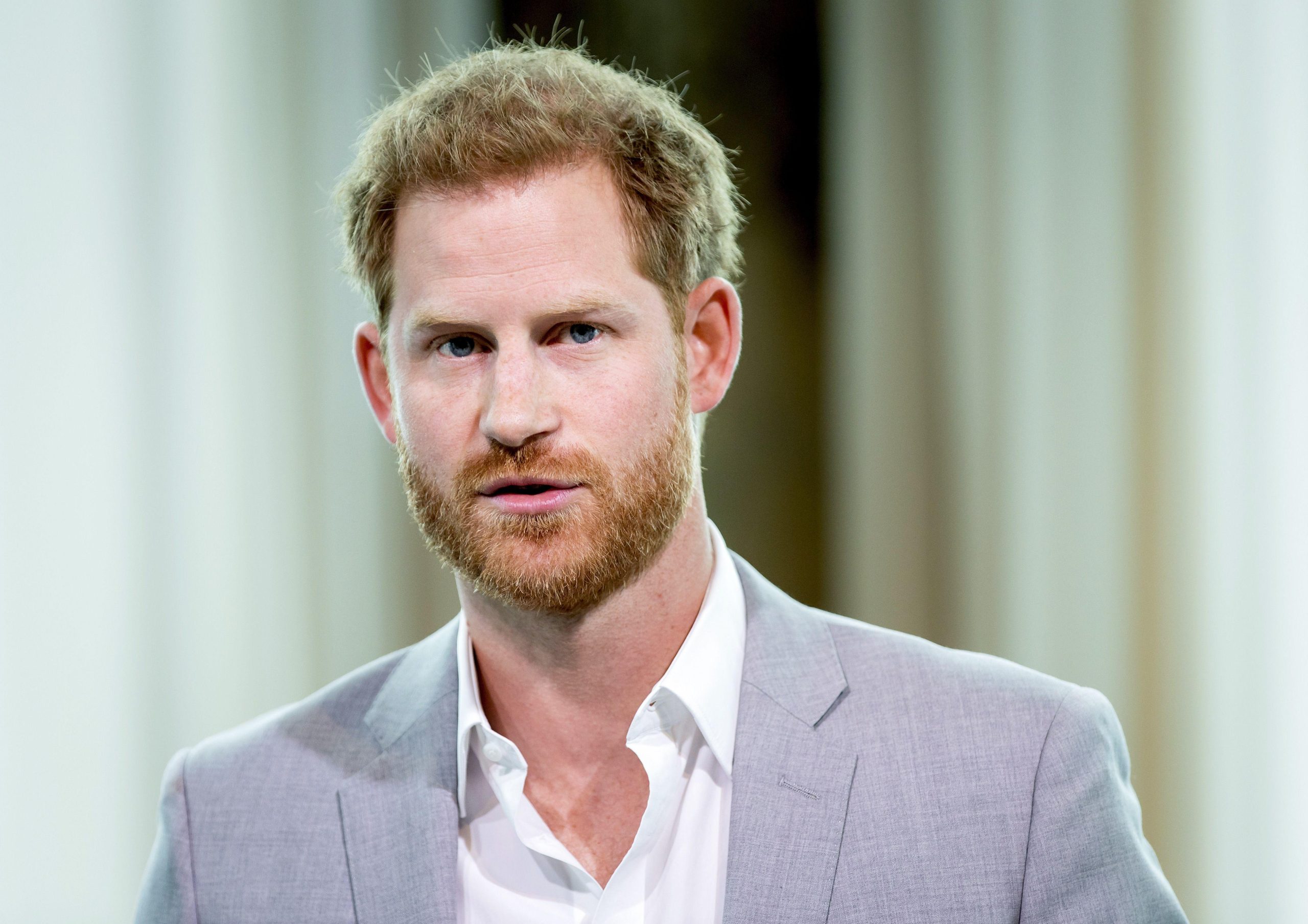
Prince Harry’s decision to stay at Princess Diana’s ancestral home during a recent trip to Britain has drawn fresh attention to the state of his relationship with the wider royal family, with some royal commentators suggesting the choice reflects both a closer bond with his mother’s relatives and continued distance from the Windsors.
Meghan, the Duchess of Sussex, revealed to her Instagram followers this week that she, Harry and their children, Archie, 7, and Lilibet, 5, stayed as guests of Harry’s uncle, Earl Spencer, at the Althorp Estate in Northamptonshire during their recent visit to the United Kingdom, after the family was unable to secure accommodation at Buckingham Palace.
What the photos showed
Among the images shared by Meghan was one showing Lilibet walking through Althorp’s tree-lined avenue, near the private island on the estate’s lake where Diana is buried. Ahead of her, Harry and Archie can be seen carrying large bouquets of flowers, which the family laid at Diana’s grave and a nearby memorial. Sources confirmed to the Daily Mail that the images were taken at Althorp. According to People magazine, the visit was described as giving Harry and Meghan’s children an opportunity to spend time somewhere closely tied to their late grandmother, who died in a car crash in Paris in 1997, when Harry was 12.
Expert commentary on the significance of the stay
Royal commentator Richard Fitzwilliams told the Daily Mail that Harry’s choice to stay with Earl Spencer carries symbolic weight given the broader state of relations between the Windsor and Spencer families. “The Windsors and the Spencer’s have a superficially polite relationship. If you look deeper, there is clearly no love lost, memories of Diana will always influence relations between them,” Fitzwilliams said. “The relations between the Royal Family and the Spencer’s have been marked by politeness but not closeness. However, the Spencers definitely appear to be closer to Harry than William.”
Fitzwilliams suggested that Harry’s ties to the Spencer family could provide him with a reliable base in Britain going forward. “The Sussexes have an ally in Britain which they can use as and when they choose to return,” he said. “This almost certainly means that Harry can rely on a base at Althorp when he needs one and this would undoubtedly extend to Meghan and Archie and Lili.” Fitzwilliams added that he believed Harry’s closeness with the Spencers is “likely to cause concern for the Royal Family.”
A precedent from 2024
This is not the first time Harry has chosen Althorp over royal accommodations during a UK visit. During a 2024 trip for the funeral of Diana’s brother-in-law, Lord Robert Fellowes, Harry reportedly turned down an offer to stay at Buckingham Palace in favor of staying with Earl Spencer. Fitzwilliams said at the time that the decision “throws into sharp relief the apparent breakdown in relations not only with his brother, to whom he has reportedly not spoken for two years, but with his father,” adding that the choice “intentionally emphasises his links with his mother’s family.”
A historically strained Windsor-Spencer relationship
Former BBC royal correspondent Michael Cole offered additional historical context, noting that there “never much was love lost between the Spencers and the Windsors.” Cole pointed to Diana’s funeral in 1997, when Harry’s “birth family,” led by Earl Spencer and Lady Jane Fellowes, attended St. Paul’s Cathedral to support Harry while, according to Cole, “the entire Royal Family stayed away.” Cole also recalled a symbolic moment when Diana’s coffin arrived for burial at Althorp, saying Earl Spencer “whipped off the flag that covered it and replaced it with the Spencer standard.” Cole described the moment as illustrative of the lasting divide between the two families, saying “nothing could have illustrated more clearly the gap that will always separate two famous families.”
Harry’s reported consideration of the Spencer name
According to the Daily Mail, Harry previously explored the possibility of changing his family name to Spencer, a move that would have meant dropping Mountbatten-Windsor, the surname used by his children. A friend of Harry’s said he discussed the idea with Earl Spencer during a visit to Britain, but was advised against it. “They had a very amicable conversation and Spencer advised him against taking such a step,” the friend said, citing insurmountable legal obstacles. In the acknowledgments of his memoir “Spare,” Harry thanked Earl Spencer for supporting him through the difficulties he faced following Diana’s death.
A busy and complicated week for the Sussexes
The Althorp stay came during a broader five-day UK trip for Harry centered on Invictus Games events and his charitable work. Harry initially arrived in London alone after a last-minute chaos over his Buckingham Palace invitation, which was reportedly withdrawn hours before his arrival. Meghan later entered the country separately with Archie and Lilibet, amid ongoing security concerns.
Following the family’s European travels, which also included the previously reported stop in Portugal, Harry, Meghan and their children met privately with King Charles and Queen Camilla for tea at Highgrove, the King’s private Gloucestershire residence, marking their first meeting since 2022. Buckingham Palace confirmed the visit only after the family had already left, and no photographs from that reunion have been made public.
Fitzwilliams suggested that future Sussex visits to Britain, including a planned trip for the 2027 Invictus Games in Birmingham, may similarly center around the Spencer family rather than royal accommodations. “Whatever reception they receive from the Royal Family, they can be assured of a warm welcome and moral support from the Spencer’s,” he said, adding that the family “would undoubtedly welcome the opportunity to see them again.”
Buckingham Palace has not publicly commented on the arrangements surrounding Harry’s recent stay at Althorp, and it remains unclear how future visits by the Sussexes to the UK might be structured as questions about the broader state of relations within the royal family continue.

Death of Black teen Nolan Wells to go to Mississippi grand jury
Business
Instagram Begins Banning Accounts That Use Meta Glasses to Secretly Film and Harass Strangers in Public

Instagram has begun banning users who post content filmed with Meta’s smart glasses that harasses or exploits unsuspecting members of the public, following mounting criticism over a wave of so-called pickup and prank videos built around secretly recording strangers, particularly women, without their knowledge or consent.
Instagram head Adam Mosseri confirmed the policy change in an Instagram Stories Q&A, first reported by Business Insider. “If you’re posting content that is taking advantage of people and harassing them, like a lot of these pickup line kind of videos that we’ve heard of and seen, then we’re going to take the content down,” Mosseri said. “We don’t want people to be surreptitiously taking videos of other people and harassing them and then posting them on our platform. So we’re trying to fight that in any way we can.”
What kind of content is being targeted
The crackdown covers two main categories of videos that have proliferated on the platform: so-called pickup videos, in which creators approach strangers, often women, in public settings while secretly recording the interaction with hidden cameras built into their smart glasses, and prank videos that typically target service workers, including cashiers and fast-food employees, with content that frequently verges into harassment. Creators have recorded these encounters in a range of public settings, including gyms, airports, bars, stores and public streets, often without the other person ever realizing they were being filmed.
Accounts already removed
Business Insider reported that at least two prominent accounts built around this kind of content, both with more than 1 million followers, have already been deactivated under the new policy. A Meta spokesperson confirmed to the outlet that the accounts were removed specifically for posting harassment content filmed using the company’s smart glasses. Meta has not disclosed how many total videos or accounts have been taken down since the policy went into effect, nor has the company specified precisely how enforcement decisions are being made at scale.
Real accounts of being secretly recorded
The policy shift follows a growing number of firsthand accounts from women who discovered they had been filmed without their knowledge and later found the footage posted online. One woman, 25-year-old social worker Kassy Zanjani, told The Independent that a man wearing smart glasses approached her at a fast-food restaurant in Vancouver, Canada, and struck up a conversation. She didn’t think much of the interaction until a friend later sent her a video of the entire exchange that had been posted to Instagram. “It was very anxiety-provoking being secretly filmed without my awareness or consent, and for that to then be posted in this manner, that I don’t think is rooted in any good intentions,” Zanjani said. “I think he’s purposefully targeting intoxicated women, vulnerable women, to elicit a response from them to use as content.”
In a separate incident reported by People, a woman identified only as Toluwa said she was approached by a man at a Washington, D.C., airport lounge and gave him her phone number after a conversation, only to later discover videos of the same man approaching other women at airports using smart glasses. When she learned her own conversation had also been recorded, the man reached out over text with the footage and asked for her permission to post it. She declined, but the man posted the video anyway. “It blows up and to the point where people are sending me this video,” Toluwa said.
A branding problem for Meta’s glasses
The pattern of secretly filmed encounters has generated unflattering nicknames for Meta’s smart glasses products, including “pervert glasses” and “predator glasses,” terms that reflect growing public frustration with how the devices have been used. That reputational challenge comes as Meta continues pushing smart glasses as a flagship consumer product, making the harassment controversy a notable complication for the company’s broader wearable technology ambitions.
Meta’s technical response to camera tampering
Beyond the new content moderation policy, Meta has also taken steps to address a separate but related problem: users disabling or hiding the small LED light built into the glasses that signals when the device is actively recording. According to a July 7 explainer from Meta, the company’s second-generation glasses will now automatically disable the camera entirely if the device detects that its recording indicator light has been tampered with, whether by tape, film or physical modification.
That change followed reports that a cottage industry had emerged around helping users disable the recording light without triggering detection, with people in at least 30 states reportedly offering the tampering service, according to journalist Joanna Stern. Meta said it actively works to remove advertisements, posts and Marketplace listings that offer these glasses-tampering services.
Limitations of the recording indicator
Even when functioning as intended, critics have noted that the LED indicator light on Meta’s glasses is relatively easy to miss, particularly in outdoor settings with natural light, raising questions about how effective the built-in privacy safeguard has been at actually alerting people that they are being recorded in real time.
A grassroots response as well
The controversy has also spurred independent efforts outside of Meta’s own policies. App developer Yves Jeanrenaud created a free application called Nearby Glasses, which scans for Bluetooth signals emitted by Meta’s smart glasses and sends users a push notification if someone wearing the eyewear is nearby. According to The Independent, the app has been downloaded roughly 78,000 times since launching a few weeks earlier, reflecting significant public demand for tools that can help people detect when they might be recorded without their consent.
While Instagram’s new enforcement policy marks a formal acknowledgment of a problem that has been building for months, Meta has not detailed exactly how consistently or aggressively the policy will be applied going forward, nor whether it plans to expand its camera-tampering safeguards further. With smart glasses continuing to grow in popularity and Meta positioning them as a central part of its future product lineup, how effectively the company balances that growth against ongoing privacy and harassment concerns is likely to remain a closely watched issue in the months ahead.
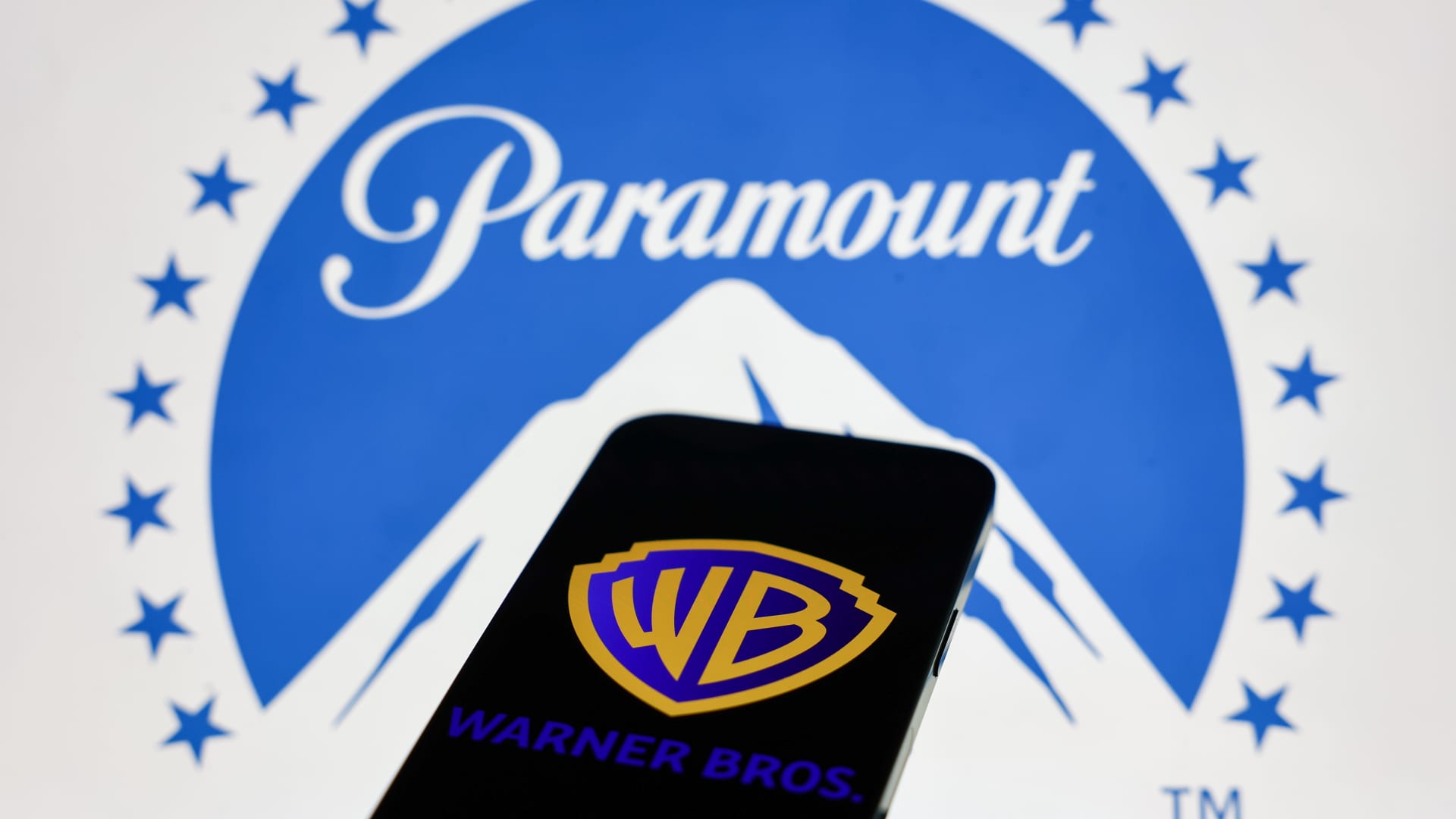
Jakub Porzycki | Nurphoto | Getty Images
Paramount Skydance has agreed to delay its proposed acquisition of Warner Bros. Discovery to as late as June 2027 — a multi-month delay that will ultimately raise the deal price — as the tie-up faces a legal challenge.
Last week, a group of state attorneys general led by California’s Rob Bonta sued to block the deal over antitrust concerns. On Monday, a judge reviewing the case issued a temporary restraining order, delivering a near-term delay.
Paramount had repeatedly said it intended to complete the transaction by the end of September. The agreement announced Friday says Paramount won’t complete its acquisition until the court rules on the states’ claims or until June 1, 2027, whichever comes first.
In a statement Friday, Paramount called the agreement a “significant win.”
“The result is exactly what we have sought from the outset: a direct path to a trial based on the evidence. This is the fastest and clearest way to prove that this transaction is good for competition, good for consumers, and good for creators, a conclusion dozens of competition authorities around the world have already reached,” the company said. “Plaintiffs’ market definitions bear no relationship to the realities of today’s marketplace and cannot withstand scrutiny. We look forward to proving our case at trial.”
Shares of Paramount Skydance fell 3% in afternoon trading Friday.
Under the terms of its agreement, Paramount will owe Warner Bros. Discovery shareholders a “ticking fee” the longer the deal is delayed, starting Sept. 30.
The fee, an additional 25 cents per share, per quarter until closing, could amount to roughly $650 million in cash value every quarter. A delay as long as June 2027 would likely add more than $1 billion to the deal price.
Should the deal fall apart entirely, Paramount would owe WBD a $7 billion breakup fee.
Paramount and WBD agreed to combine in February after the David Ellison-led company outbid Netflix. The $110 billion deal would bring together two major Hollywood studios, two popular streaming services and a host of TV networks.
In June, the antitrust division of the U.S. Department of Justice cleared the proposed merger. Earlier this week, European antitrust regulators likewise granted their approval for the deal.
But U.S. state officials have raised concerns that the tie-up would reduce competition and result in job losses in the film industry.
“Our argument against this illegal merger is straightforward: When too few corporations have too much power in markets central to American life, it makes things more expensive, and it makes things worse,” Bonta said in a statement Friday. “Today’s agreement is great news for audiences, movie theaters, and the many people who write, build, and create the art, news, and entertainment so many of us enjoy. We are eager to continue to make our case in court and celebrate another tremendous win in our effort to ensure this unlawful merger never sees the light of day.”
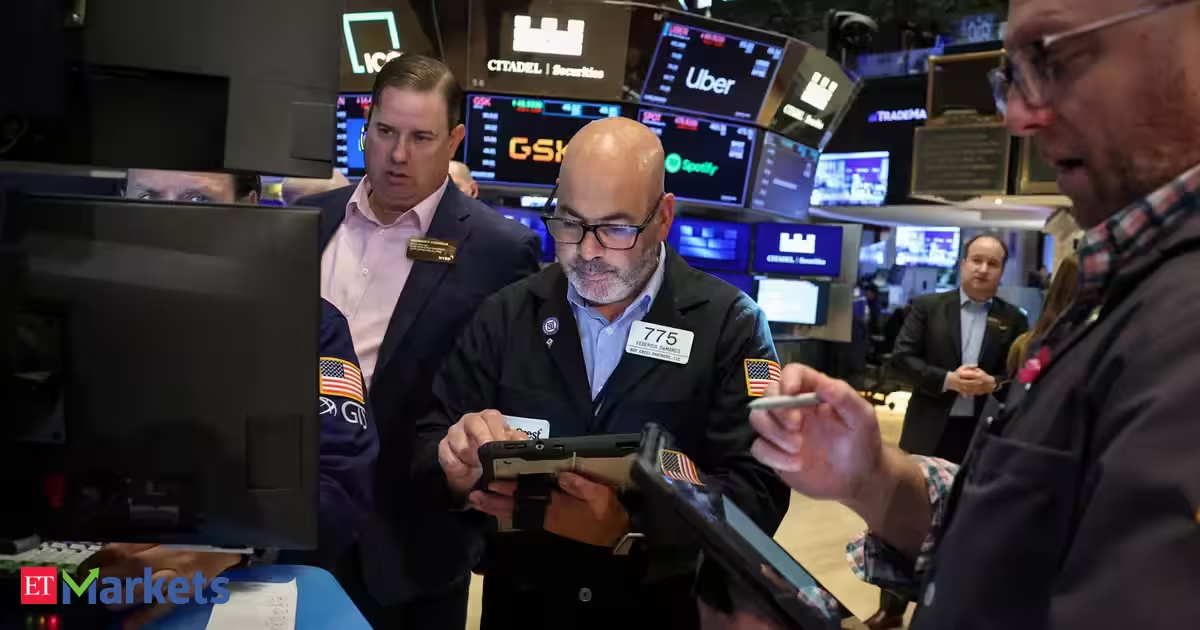
The S&P 500 ended close to flat but its biggest weight came from the S&P 500 technology index, which underperformed the broader market as chip stocks fell.
While investors wait for results from megacaps Microsoft , Amazon.com, Meta and Apple Inc , their enthusiasm was weakened by Alphabet’s announcement, late on Wednesday, of a plan to hike capital spending even as it burns cash.
After piling into technology stocks in recent years, on the promise of growth from AI, investors have become worried about the need for ever-increasing capital outlays for AI, according to Peter Andersen, CEO of Andersen Capital Management.
“People are thinking, how do we make sense of all this spending, and how much more patient do we have to be before we actually see it translate to actual profits?” Andersen said.

“The fear of missing out is becoming more like a fear of massive overbuilding.”
Late on Thursday, Intel forecast quarterly profit and revenue above Wall Street estimates and outlined plans to increase spending over the next two years. Still, the chipmaker’s shares sank on Friday along with the Philadelphia SE Semiconductor index.According to preliminary data, the S&P 500 gained 3.74 points, or 0.07%, to end at 7,413.30 points, while the Nasdaq Composite lost 157.35 points, or 0.63%, to 24,980.34. The Dow Jones Industrial Average rose 235.87 points, or 0.46%, to 51,947.52.
Among the S&P 500’s 11 major industry indexes, real estate outperformed during the session. The sector’s leading gainer was Digital Realty Trust, which rallied after it raised its full-year forecast for funds from operations.
Also providing some relief, crude oil futures fell more than 3% while traders booked profits from a massive rally in the last five sessions and after sources said China was pushing to resume stalled U.S.-Iran peace talks. Still, U.S. missiles struck targets across Iran after President Donald Trump vowed “major military punishment” for Tehran and its Houthi allies in Yemen.
“Whatever the headlines are involving the conflict right now, that drives oil and then oil drives financial markets,” said Andersen, adding that swings in oil prices can impact consumer and corporate spending.
Also, the Trump administration imposed new tariffs of 10% and 12.5% on goods from 60 trading partners, citing lax enforcement of forced-labor bans. The move came as a temporary 10% global tariff expired.
Friday’s data showed that activity in the U.S. services sector accelerated in July, aided in part by spending around the FIFA World Cup and the Independence Day holiday, while the pace of growth in the manufacturing sector eased to the slowest since March.
Among other individual gainers, SLB shares climbed after the oilfield services firm beat expectations for second-quarter profit.
Trump’s Iran War and Tariffs Are Changing Corporate Strategies
Tens of thousands flee fires in France, blazes merge outside Madrid

US House passes congressional stock trading ban despite loophole concerns

The Hundred: Birmingham Phoenix vs Trent Rockets – Highlights


-

 Crypto World6 days ago
Ripple Payments Joins MiCA With 14 Firms, Does It Mean Anything For XRP?
-

 Politics6 days ago
The House | The City of London can help the new chancellor deliver growth in every postcode
-

 Fashion4 hours ago
Weekend Open Thread: Brooks Brothers
-

 Politics5 days ago
Democrats look to World Cup watch parties to register thousands of voters
-

 Crypto World7 days ago
Ripple wins EU-wide access as ESMA adds it to MiCA register
-

 Crypto World4 days ago
Grayscale Files For Worldcoin ETF, WLD Registers Sharp Rise
-

 Tech4 days ago
Sail Virtually Aboard The “Itanic” With IA-64 Emulator
-

 NewsBeat4 days ago
Unregistered fitter used Gas Safe logo on business flyers
-
 Tech4 days ago
Turtle Beach Command Series KB7 review: a nifty screen-equipped gaming keyboard
-

 News Videos5 days ago
Big Money Is Entering XRP
-
 Business3 days ago
New Jersey voter registration controversy explained: How 6,600 noncitizens got on the rolls, and what happens next
-

 Crypto World6 days ago
Kaspersky exposes OkoBot’s 20-module crypto wallet attack
-
 Entertainment3 days ago
Johnny Depp’s R-Rated Gothic Cult Classic Gets New Release Ahead of Sydney Sweeney Remake
-

 NewsBeat7 days ago
Durham County Council to send out electoral registration emails
-

 Crypto World2 days ago
Ethics, other provisions in crypto Clarity Act to be further discussed
-

 Crypto World7 days ago
MiCA Licensing Faces Delays as ESMA Adds 14 CASPs to Register
-

 Crypto World6 days ago
Chip Stocks Enter Bear Market After Moonshot Ai Unveils Kimi K3 Model
-
 NewsBeat4 days ago
Shanghai science forum photos show China’s AI and robotics advances in rivalry with US
-

 Tech4 days ago
Watch Flock Safety CEO Garrett Langley discuss the future of surveillance at TechCrunch Disrupt 2026
-

 Tech5 days ago
Subway Sandwich Computers Get a Second Life as Gaming Machines
You must be logged in to post a comment Login