
Business
iPhone 17 Prices Could Rise as Soon as Monday, New Rumor Claims Ahead of Chip Shortage Fallout

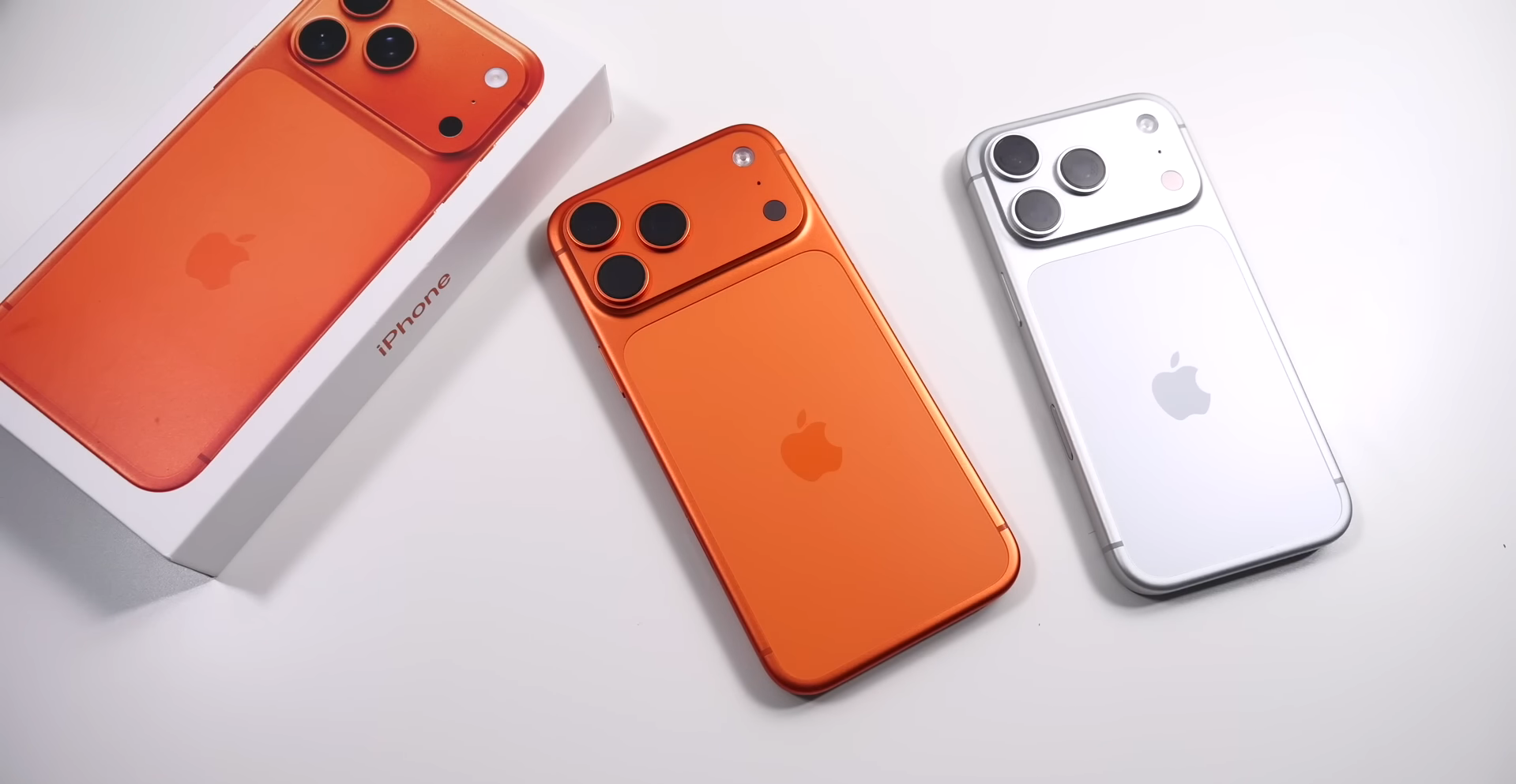
Apple could raise prices on its current iPhone 17 lineup as soon as Monday, Aug. 10, according to a new rumor circulating online, a move that would arrive well ahead of the broader price increases many analysts had expected to accompany next month’s iPhone 18 Pro launch.
The claim originated from Weibo leaker Fixed Focus Digital, who wrote in a recent post that “rumors are circulating that the iPhone 17 will increase in price on August 10,” according to 9to5Mac. No direct source was cited for the specific date, though the outlet noted that Fixed Focus Digital has a track record of being well connected within Apple’s supply chain, lending some added weight to the claim even without formal confirmation.
A Shortage Apple Has Called Unprecedented
The rumored price increase traces directly back to a global memory and storage chip shortage that Apple CEO Tim Cook has described in unusually stark terms. Speaking to The Wall Street Journal, Cook said the current shortage was “rare and severe,” adding, “I’ve never seen anything like it in any area in over 40 years.” He separately compared the situation to what he called a hundred-year flood, underscoring just how significant Apple views the disruption to be.
The shortage stems from surging global demand for memory chips driven by the ongoing artificial intelligence data center buildout, with companies racing to secure DRAM and NAND flash memory for AI servers, squeezing supply available for consumer electronics manufacturers like Apple in the process. Cook has said memory chip prices are expected to increase “significantly” in the coming quarters, forcing Apple to choose between absorbing the higher costs itself, which would cut into profit margins, or passing at least some of that cost on directly to customers.
Apple Has Already Raised Prices Elsewhere
Apple has not waited to act on other parts of its product lineup. On June 25, the company raised prices across its Mac, iPad, HomePod, Apple TV and Vision Pro lines by as much as $500 on some models, an increase of roughly 15% to 20% on base configurations, explicitly citing the memory and storage chip shortage as the driving factor. The iPhone lineup was notably spared during that round of increases, a decision widely interpreted at the time as temporary rather than permanent, given the scale of the underlying cost pressures Apple has continued to describe publicly.
Apple has since gone further internationally. According to MacRumors, Apple raised iPhone prices in Japan by as much as 11% across the iPhone 16, iPhone 17e, iPhone 17, iPhone Air, iPhone 17 Pro and iPhone 17 Pro Max, a move spotted by the Spanish tech blog iPhoneros on Apple’s Japanese online store. That international price adjustment has added to speculation that a similar move in the U.S. and other major markets could follow relatively soon.
Analysts Say a US Price Hike Is ‘Imminent’
Bloomberg’s Mark Gurman, a closely followed Apple industry analyst, has said he believes iPhone price increases are likely “imminent” and not something Apple will hold off on until the iPhone 18 launch later this year. Gurman has also connected the potential timing of any price change to Apple’s annual Back to School promotion, which historically offers students and teachers additional benefits on Mac and iPad purchases and could serve as a natural moment for Apple to formally announce updated pricing across more of its lineup, including iPhones.
What It Could Mean for the iPhone 18 Lineup
Separately from any potential iPhone 17 price adjustment, analysts have also raised the possibility of substantially higher pricing for this fall’s iPhone 18 Pro and iPhone 18 Pro Max models. According to an earnings note from analyst Jeff Pu of GF Securities, the two Pro models could carry price increases of $250 to $300 over their iPhone 17 Pro equivalents, which currently start at $1,099 and $1,199 respectively, driven by a combination of higher costs tied to Apple’s new 2-nanometer chip and continued DRAM and NAND memory price inflation. Pu has cautioned that such a significant price jump could create what he called “demand uncertainty” among consumers, and has since downgraded his rating on Apple’s stock from buy to hold, a notable shift from his earlier position in May, when he had suggested Apple could price the iPhone 18 Pro lineup “aggressively” despite rising memory costs.
Apple Is Not Alone in Raising Prices
Apple’s cost pressures are not unique within the technology industry. Cook has noted that multiple other major companies, including Samsung, Microsoft, Sony and Dell, have already raised their own prices in response to the same underlying memory chip shortage, a pattern that has made Apple’s eventual pricing decision feel to many analysts more like a matter of timing than a genuine open question of whether an increase will happen at all.
A Strong Sales Backdrop Despite the Cost Pressure
The pricing pressure comes even as Apple’s underlying iPhone business has continued performing strongly. The company reported record first-quarter revenue of $143.8 billion, well ahead of Wall Street’s $138.4 billion estimate, with the iPhone accounting for $85.3 billion of that total. Cook has said Apple exited the most recent quarter with unusually lean channel inventory given the strength of customer demand, describing the company as operating in what he called a “supply chase mode” to keep pace, even as constraints tied to the availability of advanced chip manufacturing nodes have left Apple with less flexibility in its supply chain than it has historically had access to.
As of this week, Apple has not officially confirmed any new iPhone 17 pricing, and the Aug. 10 date remains an unverified rumor rather than a confirmed company announcement. Given the pattern of price increases Apple has already implemented across its other major product lines, and executives’ repeated public acknowledgment of the severity of the ongoing memory chip shortage, industry watchers say the underlying question may no longer be whether iPhone prices rise, but simply how soon that change arrives and how it lines up with the broader iPhone 18 launch expected next month.

Business
Olivia Rodrigo Breaks Down in Tears While Debuting Her New Song ‘Less Than’ at Brooklyn Surprise Show
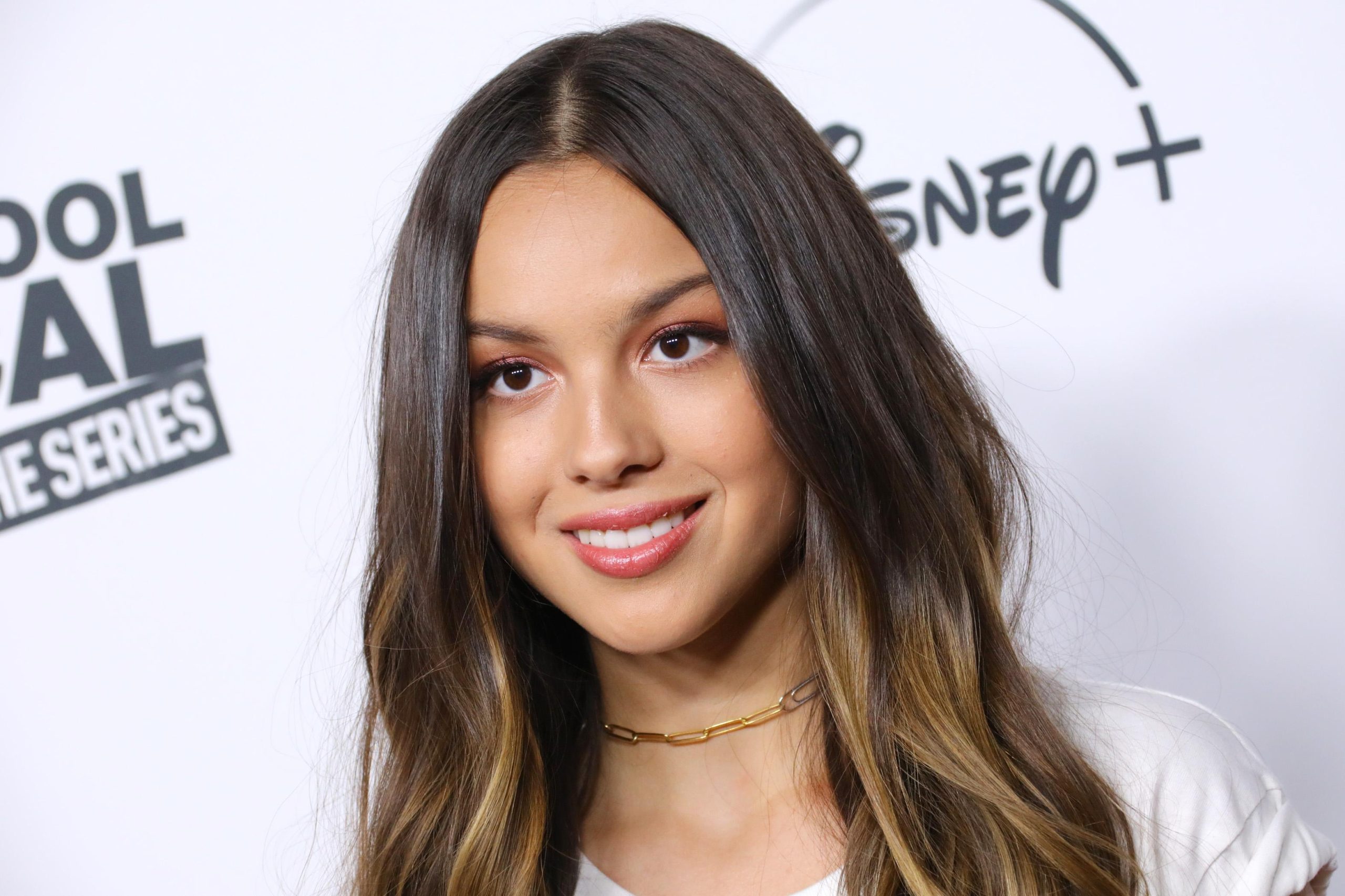
Olivia Rodrigo could not hold back tears as she debuted her new song “less” — officially titled “Less Than” — during a live performance at a surprise underplay show, with footage of the emotional moment going viral overnight as fans shared their reactions across social media.
The 23-year-old pop star and three-time Grammy winner performed the track at an intimate concert at Brooklyn’s Warsaw, a venue with a capacity of just 1,100, as part of a series of small-scale shows supporting her newly released album, “you seem pretty sad for a girl so in love.” According to Variety’s review of the concert, the show was announced only hours before it took place, on a sweltering Thursday afternoon in New York City, sparking a scramble for tickets that were available only at the venue’s box office.
A packed, sweltering show
Fans lined up in extreme heat to secure entry, with temperatures reaching a real-feel of 105 degrees outside the venue, according to Variety. Despite the conditions, Warsaw was packed well before the scheduled 8 p.m. start time, with the heat proving just as intense inside the venue itself.
Rodrigo, dressed in a red flowered schoolgirl dress and black go-go boots, opened the set with the album’s lead single, “Drop Dead,” a vocally demanding track that offers few opportunities to catch a breath during its upper-register chorus, according to Variety’s account of the performance.
An emotional highlight of the set
After a run of newer material, Rodrigo moved to the keyboard for a stretch of ballads pulled from her earlier albums, including “Drivers License,” before returning to preview four additional songs from her latest record. That stretch included fan favorites “Maggots for Brains” and “The Cure” — the latter of which Rodrigo described as “probably” her favorite song on the new album, according to Variety — along with the emotionally charged live debut of “Less Than,” also referred to by fans simply as “less.”
The song deals with the end of a romantic relationship, recalling an attempt to recreate a favorite date before ultimately acknowledging the relationship’s collapse. According to lyrics documented by Just Jared, the track includes lines describing a trip to Big Sur that “only confirmed this isn’t what it should feel like,” building toward a chorus in which Rodrigo sings about the emotional toll of the relationship’s end, including the lyric, “If loving me means crying on the curb at LAX, well, then I guess I wish, I wish, I wish you loved me less.”
Rodrigo previously spoke about the song’s origins, explaining that it was added to the album later in the writing process as something of a creative exercise. “A song like ‘less’ was added, obviously, later in the album making process, and I think it was us trying to practice a little bit of restraint,” she explained, according to Just Jared’s earlier coverage of the track’s release.
Fans respond to the emotional moment
Video clips capturing Rodrigo visibly emotional while performing the song spread quickly online following the show, with fans expressing sympathy and support in the comments beneath the viral posts. According to Geo TV’s coverage of the reaction, fans wrote messages including, “i literally can’t handle it,” and “OH SHUT UP SHUT UP.” Others offered similar responses, with one fan writing, “damn what did they do to my girl i’m not doing well,” and another adding, “i get you, girl, I’m crying too listening to this.” A separate comment read, “guys I really need to give this woman a hug ffs.”
A high-energy set despite the emotional peak
Beyond the emotional performance of “Less Than,” Rodrigo maintained her typically energetic stage presence throughout the rest of the show, according to Variety’s review. She was described as bouncing, spinning, holding out her arms and pumping her fists while leading the audience through several singalong moments. The set ultimately closed with two of her earlier hits, “Good 4 U” and “Déjà Vu.”
Variety’s review noted that the newer material from the “Pretty Sad” album, while performed cleanly, is likely to loosen up further as Rodrigo continues performing the songs in additional live settings, a common pattern for newly released tracks still being worked into a touring set.
What’s next for Rodrigo
The Brooklyn show marked one of the first performances tied to Rodrigo’s newly released album. According to Variety, additional older songs are expected to be incorporated into her setlist as she prepares to begin more extensive touring, with her own Daisy Chain Fields festival in Southern California among the upcoming stops where fans can expect to hear more from the new record performed live.
Similar emotional reactions are expected to continue as Rodrigo brings songs like “Less Than” to larger stages in the coming months, given the intensity of fan response already generated by its live debut in the small, intimate setting of the Brooklyn show.
Business
10 Reasons Why You Should Buy Samsung’s Newly Redesigned Galaxy Z Fold 8 Foldable Phone This Fall
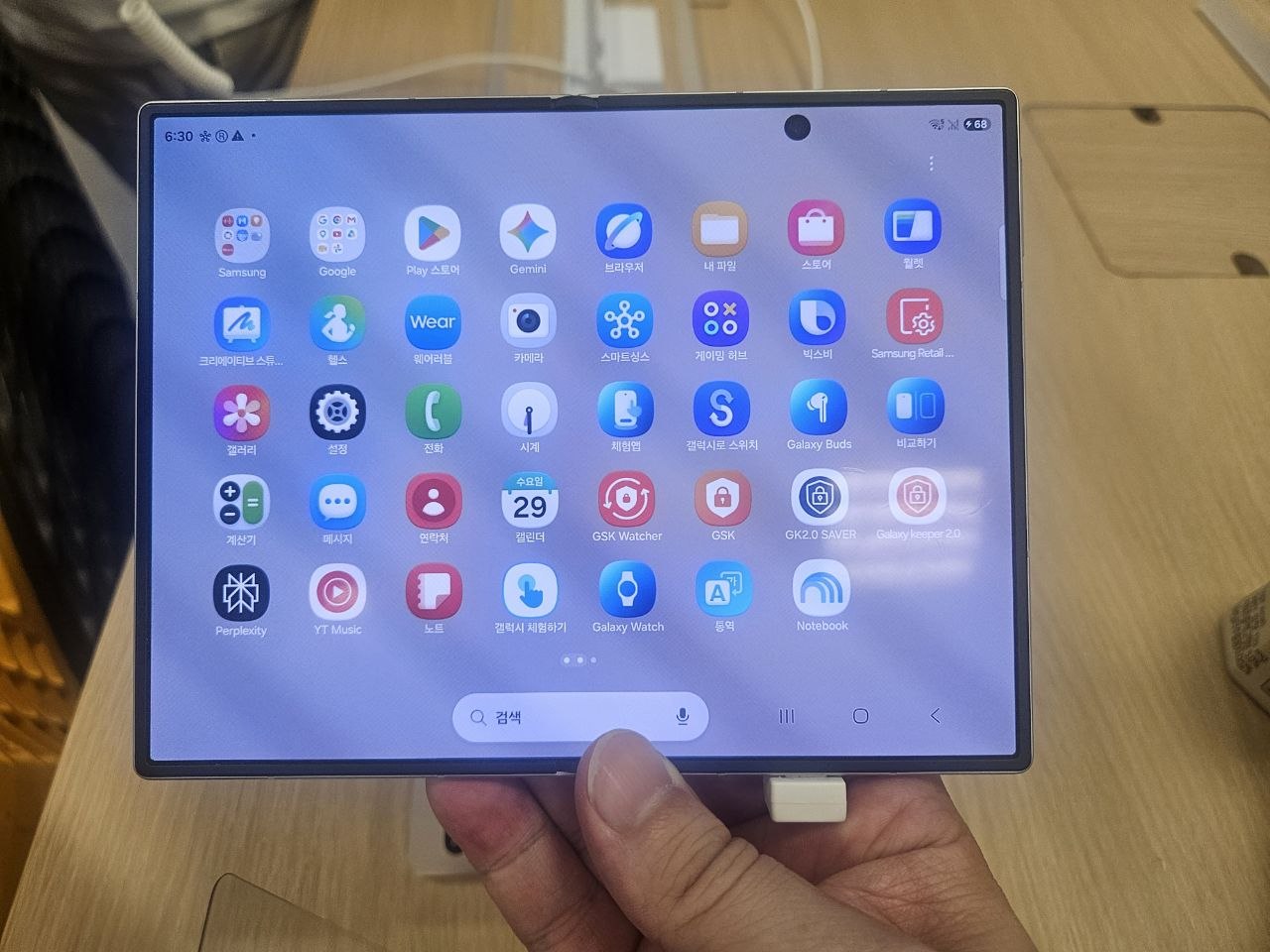
Samsung’s Galaxy Z Fold 8 has arrived with the most significant redesign the foldable line has seen in years, and early reviews suggest the changes amount to more than just a cosmetic refresh. Here’s a breakdown of what’s drawing praise from reviewers — and why the device is standing out in an increasingly crowded foldable phone market.
1. A completely new, wider design
For the first time in seven generations, Samsung split its foldable lineup into two distinct devices, and the standard Galaxy Z Fold 8 emerged as the more surprising standout. According to Engadget’s review, the phone borrows design elements from Samsung’s own back catalog while also drawing inspiration from rival devices, resulting in a wider, squatter form factor that reviewers say improves the overall experience. Engadget awarded the device a rating of 8.9 out of 10, specifically praising the “new wider design” as a “big win.”
2. Screen dimensions built for how people actually use their phones
Unlike previous Fold models built around a tall, narrow shape, the Z Fold 8 uses a shorter, wider build resembling a passport, according to Bloomberg’s review. That shape translates to screen dimensions better suited for watching video and consuming widescreen content — a meaningful shift, since Bloomberg noted this design direction represents the next major trend in foldable phones, with Apple’s own first foldable iPhone expected to adopt a similar shape later this year.
3. A cover display that’s genuinely useful on its own
Forbes Vetted’s two-week testing period highlighted the phone’s 5.5-inch cover display as a particular standout. According to the review, the smaller external screen proved ideal for quick tasks like responding to Slack messages, while unfolding the phone transformed it into what the reviewer described as “a multitasking powerhouse” for more involved work.
4. A genuine productivity powerhouse when unfolded
Once opened, the Z Fold 8’s 7.6-inch inner display becomes a legitimate workspace. Forbes Vetted’s reviewer described using the phone to review spreadsheets, make real-time edits and triage questions on the fly during an on-site work project — functionality made possible by Samsung DeX, which effectively turns the Android device into a laptop-like experience by allowing apps to open in windowed mode. Paired with a case that includes a stand, along with a wireless keyboard and mouse, the phone can function as a compact computer when needed.
5. Split-screen multitasking built in
Beyond DeX, the Z Fold 8 supports native split-screen functionality, allowing users to run multiple apps simultaneously on the expansive inner display — a feature Forbes Vetted specifically called out as helping streamline multitasking during real-world testing.
6. Flagship-level performance
The Z Fold 8 runs on Qualcomm’s Snapdragon 8 Elite Gen 5 processor, according to SamMobile’s detailed specifications breakdown, giving it performance on par with other 2026 flagship devices. While Forbes Vetted noted the phone benchmarked slightly softer than some competitors during testing, the review emphasized that most everyday users are unlikely to notice any meaningful difference in real-world performance or power management.
7. Strong battery life and faster charging
Engadget’s review specifically praised the Z Fold 8’s battery life as a standout strength, alongside improvements to both wired and wireless charging speeds compared with prior generations. According to SamMobile’s specs rundown, the device is equipped with a 4,800mAh battery — a meaningful capacity for a foldable device that has to power two separate displays.
8. Long-term software support
The Z Fold 8 ships with Android 17 and One UI 9, backed by a commitment to seven years of major operating system updates, according to SamMobile. That extended update window puts the device in line with Samsung’s broader push toward longer software longevity across its flagship lineup, a factor that can meaningfully extend a device’s practical usable life well beyond its initial purchase.
9. Improved durability and display technology
Reviewers have also highlighted upgrades to the phone’s underlying construction. According to SamMobile, the Z Fold 8 features a slimmer crease along its foldable display and an improved anti-reflective coating, addressing two of the most persistent criticisms leveled at earlier foldable phones — visible screen creasing and glare in bright environments.
10. Competitive positioning against Apple’s first foldable
Perhaps most notably, the Z Fold 8 arrives positioned to compete directly against Apple’s rumored first folding iPhone, expected to be unveiled later this year, according to Bloomberg’s reporting. With Samsung having already established a wide-format foldable that reviewers are responding to positively, the Z Fold 8 gives the company a meaningful head start in shaping consumer expectations for what a mainstream folding phone should look and feel like — right as competition in the category intensifies.
Pricing and availability
The Galaxy Z Fold 8 was announced July 22, 2026, during Samsung’s Galaxy Unpacked event, with the 256GB configuration priced at $1,900 in the U.S. and €2,000 in Europe, according to SamMobile. The device became available for purchase starting Aug. 5, 2026.
A few trade-offs to weigh
Despite the largely positive reception, reviewers noted some drawbacks worth considering. Engadget’s review flagged the phone’s price as a genuine downside, along with the absence of a dedicated zoom camera and the need for a case or additional accessories to take advantage of magnetic charging and accessory attachments. Buyers weighing the standard Z Fold 8 against the pricier Z Fold 8 Ultra should also note that the Ultra offers a taller profile, a larger cover display and improved cameras, making it the better fit for users who prioritize photography and prefer a narrower, more traditional foldable shape.

My investment philosophy is built around one objective: compounding capital over a 30-year horizon to achieve financial independence by age 60. I target 12–15% annual total returns and focus purely on risk-adjusted upside. I don’t subscribe to a specific investing label — value, growth, dividend, or quality. Capital goes where the opportunity is strongest. My portfolio is intentionally concentrated, typically holding no more than 10–15 positions. These are high-conviction investments, not an exercise in diversification for its own sake. Valuation matters, but only in the context of future growth and business quality. I’m not looking for the cheapest stocks — I’m looking for the best risk-reward opportunities. I invest across both US and European markets and use dollar-cost averaging as a core execution discipline to remove emotion and market timing from the process. Outside equities, I own two residential properties. Combined with stocks, this provides geographic and asset-class diversification.
Analyst’s Disclosure: I/we have a beneficial long position in the shares of NVDA, MSFT either through stock ownership, options, or other derivatives. I wrote this article myself, and it expresses my own opinions. I am not receiving compensation for it (other than from Seeking Alpha). I have no business relationship with any company whose stock is mentioned in this article.
Seeking Alpha’s Disclosure: Past performance is no guarantee of future results. No recommendation or advice is being given as to whether any investment is suitable for a particular investor. Any views or opinions expressed above may not reflect those of Seeking Alpha as a whole. Seeking Alpha is not a licensed securities dealer, broker or US investment adviser or investment bank. Our analysts are third party authors that include both professional investors and individual investors who may not be licensed or certified by any institute or regulatory body.
Business
Leonardo DiCaprio Teams Up With Jeff Bezos on $200 Million Plan to Save Endangered Species Worldwide

LOS ANGELES — Foundations funded and co-founded by Leonardo DiCaprio and Jeff Bezos have launched a $200 million initiative aimed at reviving 100 of Earth’s most threatened species, marking what organizers describe as the largest single philanthropic fund in history dedicated exclusively to recovering critically endangered wildlife.
DiCaprio’s conservation organization Re:wild and the Bezos Earth Fund are jointly leading the new effort, called the Phoenix Species Project, which the groups announced Tuesday. The initiative will target species facing imminent extinction across 30 countries, spanning mammals, amphibians, reptiles, birds, fish, invertebrates and plants — including endangered lemurs, salamanders, pangolins, pigs and echidnas.
A years-long partnership finally taking shape
The project’s origins trace back several years, growing out of DiCaprio’s long-standing effort to organize a major concerted push to help species whose habitats and survival are threatened by climate change. In 2021, DiCaprio and Re:wild co-founder and CEO Wes Sechrest, a biologist, met with Amazon founder Jeff Bezos and his wife, Lauren Sánchez Bezos, a former TV news reporter and host who now serves as vice chair of the Bezos Earth Fund alongside her husband, who chairs the organization.
That meeting sparked a series of follow-up conversations involving local governments, environmental groups and Indigenous communities focused on how best to reverse the decline of the world’s most vulnerable species — conversations that ultimately culminated in the Phoenix Species Project’s launch.
How the funding breaks down
The Bezos Earth Fund is committing $100 million to the project, according to Variety, with Re:wild matching that amount through support from DiCaprio, along with additional contributions from Age of Union and the Todd Graves Family Foundation.
The initiative will operate in collaboration with Indigenous peoples, local communities, scientists and conservationists across the participating countries. It also supports broader international efforts tied to Target 4 of the Kunming-Montreal Global Biodiversity Framework, a global agreement that calls on governments to halt extinctions and improve the conservation status of endangered species. The Reverse the Red Action Partnership will work alongside the project to help governments identify priority species and implement recovery actions, while the IUCN Species Survival Commission — described as the world’s largest volunteer conservation science network — is serving as the initiative’s global knowledge partner.
A direct impact for grant recipients on the ground
Local conservation groups are already receiving support through the initiative. Tiana Andriamanana, executive director of Association Fanamby, one of the organizations set to receive a grant, described the funding as a turning point for efforts to protect the golden-crowned sifaka, a critically endangered lemur species found in Madagascar. “We’ve protected the golden-crowned sifaka for years on a budget that would never match what this species deserves, but letting it go extinct was never an option,” Andriamanana said in a statement. “This funding, this global platform and technical support change what is possible.”
Sánchez Bezos frames the effort as a shift from managing decline to recovery
Lauren Sánchez Bezos framed the initiative’s ambitions in stark terms, emphasizing recovery rather than simply slowing species decline. “This project is our answer,” she said in a statement. “One hundred species, 30 countries and a real commitment to bringing them back. Not managing their decline. Recovering them. That’s the whole difference. We know how to do this. We just have to stay committed long enough to see it through.”
Among the species the project will focus on, according to the Hollywood Reporter, are the golden-crowned sifaka of Madagascar, the ancient shark-like bowmouth guitarfish, a small desert succulent illegally harvested for the ornamental plant trade in western South Africa, and tree-dwelling Hickory Nut Gorge species native to specific mountain habitats.
Part of a longer arc of environmental advocacy for both men
DiCaprio has built a decades-long public profile as an environmental advocate, dating back to founding his own foundation in 1998, shortly after finishing filming “Titanic,” with a focus on protecting the planet’s endangered species across more than 40 countries. His advocacy gained further national attention in 2016, when his best actor Oscar acceptance speech — which became the most-viewed best actor speech in YouTube history — closed with a direct appeal about climate change, urging audiences, “Let us not take this planet for granted.”
Bezos, for his part, established the Bezos Earth Fund in 2020, committing billions of dollars toward climate change and environmental restoration efforts globally. The Phoenix Species Project builds on both men’s separate track records of environmental philanthropy, bringing their respective organizations together under a single, targeted conservation effort focused specifically on species recovery rather than broader climate mitigation work.
Organizers describe the $200 million commitment as an initial investment rather than the full scope of the project’s eventual funding, with the initiative structured to provide long-term support for conservation efforts targeting the 100 identified species over an extended period. Additional details on specific country partnerships and individual species recovery plans are expected to be announced as local grant recipients, including groups like Association Fanamby, begin implementing programs in their respective regions.

Sana Biotechnology faces earnings test as CAR-T program advances

Warsh wants a Fed that plays a smaller role in markets

Pagaya: AI Is Turning Consumer Credit Into Infrastructure
Business
Is Capital One Down Right Now? Here’s What the Latest Live Outage Trackers Are Actually Showing
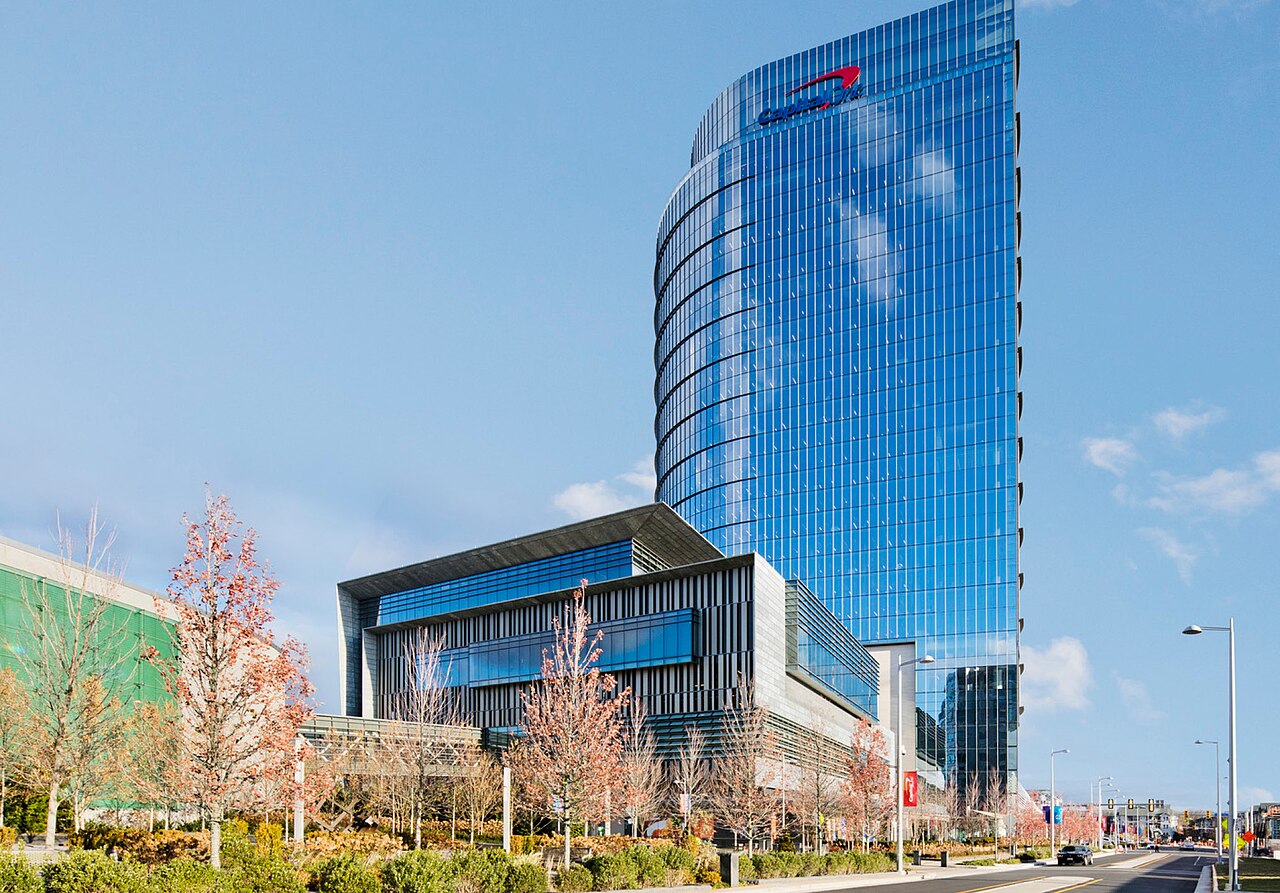
Multiple outage-tracking services checked Sunday show no evidence of a widespread Capital One outage currently affecting customers, with automated monitors and crowdsourced report trackers reporting the bank’s systems as operating normally.
According to Outage.Report, which tracks service disruptions using automated monitoring combined with social media signals, Capital One “appears to be working normally,” with report volume described as within the typical range for this time of day and zero user-submitted signals logged over the past 24 hours as of the latest check. The site noted that if a broader outage isn’t being detected, any individual access problems are more likely tied to a person’s local internet connection, device or app rather than a systemwide issue.
Similarly, outage-tracker Downtester reported Capital One as “fully operational with no user-reported issues detected in the last 24 hours,” while automated monitoring service UptimeRobot’s most recent check — run from North America — did not detect any unusual response times or error codes from the bank’s website.
StatusGator, which aggregates issue reports, page visits and signal strength to assess service health, similarly logged Capital One as operational during its most recent check, noting only a small number of user-submitted outage reports over the prior 24-hour period — a volume consistent with the routine background noise most major online services see on any given day, rather than an indication of a confirmed, active outage.
Why isolated complaints don’t always mean a full outage
Even when overall monitoring shows a service as operational, individual users sometimes report frustrations that can look like outage symptoms but stem from more localized issues. According to UptimeRobot’s guidance for troubleshooting suspected outages, users experiencing access problems should first try opening the Capital One website or app from a different browser, device or network — such as a mobile hotspot — and consider clearing their device’s DNS cache, disabling any active VPN connection, or restarting their router before assuming a broader service failure is underway.
Sites like Is The Service Down also continue to log a steady trickle of individual customer complaints on social media platforms, covering issues ranging from mobile check deposit slowdowns to account access frustrations and disputes over rewards points — the kind of routine, scattered customer service complaints that don’t necessarily reflect a confirmed, systemwide technical outage.
A history of past disruptions
Capital One is not new to periodic service disruptions. The bank has previously experienced significant, confirmed outages tied to third-party vendor problems. In one such incident, an outage stemming from a technical issue with vendor Fidelity Information Services, based in Jacksonville, Florida, left some customers without access to deposits, payments and transfers for multiple days. According to reporting from NBC News at the time, FIS said the disruption was caused by a local power outage affecting a data center critical to various banking applications used by Capital One and other financial institutions.
During that earlier incident, Capital One acknowledged the ongoing issues publicly, with a bank representative telling a customer on social media platform X that the company continued working “around the clock to restore full functionality as soon as possible.” Following resolution of that outage, Capital One issued a statement saying, “We have restored full account functionality and processed outstanding transactions for most of our customers, and are completing work to restore full service to all of our customers as soon as possible. We recognize the frustration this issue has caused and will continue to provide updates. We sincerely apologize to our valued customers.”
Financial industry experts note that outages of this kind, while disruptive, are not unusual across the banking sector given the complexity of the technology infrastructure involved. “Outages are not rare in the financial industry,” Phillip Parker, founder of CardPaymentOptions.com, said in comments reported by AOL. “Banks and payment processors use complicated computer systems, and sometimes they break down. They most often occur due to a bungled software update or a failure in a critical part of the infrastructure. Most institutions have backup plans to minimize disruptions, but sometimes outages still occur.”
Research cited in that same coverage, from PYMNTS Intelligence, estimated that service interruptions cost Global 2000 companies roughly $400 billion annually, underscoring the broader financial stakes tied to outages across major service providers, including banks.
What to do if you’re experiencing issues right now
For anyone currently having trouble accessing Capital One’s website, mobile app or account services, checking a live outage tracker like Outage.Report or Downtester can help determine whether the issue is isolated or part of a broader, confirmed disruption. If other users in your area are reporting similar problems, or if Capital One issues an official statement acknowledging a technical issue, that would indicate a genuine, systemwide outage rather than a local connectivity problem.
As of this writing, no official statement from Capital One acknowledging a current outage had been identified, and the balance of available live monitoring data points to normal service.
As of Thursday, the U.S. Navy has redirected 53 commercial vessels in the Strait of Hormuz, and disabled and boarded two each, according to U.S. Central Command’s recent update as of Saturday. It also said it has permitted more than 30 vessels to pass through the blockade for humanitarian aid.
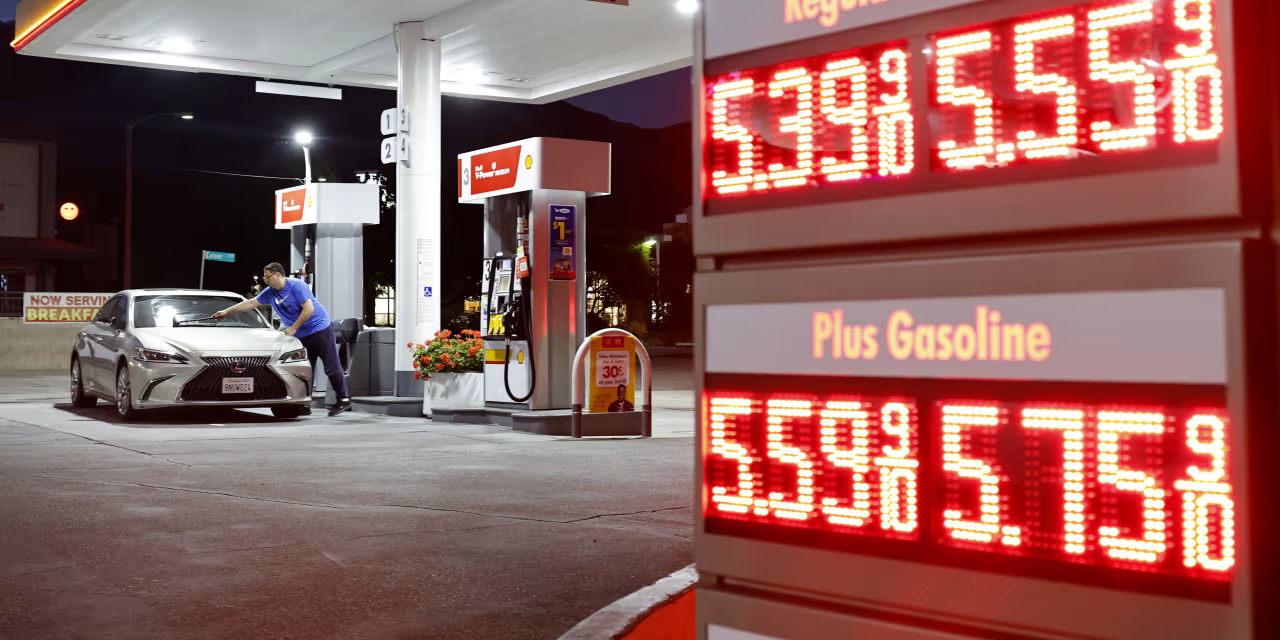
Oil prices hovered at $83.55 a barrel for Brent crude and around $77 a barrel for WTI as of Friday, and gasoline prices at the retail pump are at about $4.01 a gallon, down from $4.09 a week ago but up from $3.15 a gallon a year ago.
Top White House economic advisor Kevin Hassett cited a number of reasons oil prices have been coming down since their recent Iran war peak above $100 a barrel, including the U.S. Navy escorting commercial vessels through the Strait of Hormuz, increased oil production in the U.S., a waiver of the Jones Act that allows 100 million barrels of oil produced along the U.S. Gulf Coast to be shipped to the East and West coasts.

Blackstone Secured Lending: Discount To NAV And A Dip In Non-Accruals

Fans Mention Pudgie After Performance With Usher

Tigers, Giants to close interleague series with pitchers’ duel

Secrets from Tom Holland’s wedding to Zendaya as Spider-Man star ‘left in tears’


![CRITICAL: It’s Slowly Slipping Away For Bitcoin Bulls! [Downside Target]](https://wordupnews.com/wp-content/uploads/2026/08/1786294276_maxresdefault-80x80.jpg)


-

 Politics7 days ago
Zack Polanski: an incitement to murder Nigel Farage?
-

 Fashion2 days ago
Frugal Friday’s Workwear Report: Cap-Sleeve Pointelle Crewneck Sweater
-

 Fashion2 days ago
Weekend Open Thread: Mattifying Sunscreen
-

 Business7 days ago
DTCR: Deleveraging And A Hedge Fund Collapse Point To A Possible AI Bottom
-

 Sports4 days ago
Jordan Coyle & Cordiamo take Laya Arena Stakes at RDS
-

 News Videos1 day ago
Can Astrology Help Find Gold and Silver Trends? A Financial Astrology Guide
-
 Crypto World6 days ago
US Tech Stocks See Largest 5-Week Inflow in History: Can Nasdaq Break Its Downtrend?
-
 Business4 days ago
US stocks: Dow closes at record on Mideast optimism; SpaceX, AMD drag Nasdaq
-

 Politics3 days ago
Reform UK And Greens Sink To Lowest Favourability Ratings To Date
-

 Business5 days ago
Nvidia Stock Climbs 2.5% as Chip Sector Rally Builds Ahead of AMD Earnings, Nvidia’s Own Report Looms
-

 Tech7 days ago
OpenAI teases Astra, its next major AI model, after it solves 10 long-standing math problems
-

 Crypto World5 days ago
Polymarket targets $20 billion valuation as competition heats up in prediction market sector
-

 Tech5 days ago
OpenAI, Anthropic AI agents targeted real people and systems in cyber tests
-

 Business4 days ago
Supply chain issues impact Ingredion
-

 News Videos7 days ago
#crypto #cryptocurrency #cryptonews #cuet2026 #ceuta
-

 Business7 days ago
Myspace owners announce plans to relaunch the once-popular platform
-

 News Videos7 days ago
Crypto.com Partners with UFC for UFC 331 Event
-
 Crypto World5 days ago
CLARITY Act Senate Vote Locked In, But 60-Vote Hurdle Looms Large
-
 News Videos7 days ago
Huge SPINS!! (for me) #slots #casino #gambling #money #jackpot
-

 Tech2 days ago
Rinn Pharma & Biopharma to join NordicPharmaTrain network
You must be logged in to post a comment Login