
Business
IPO Stock: This Regional Banking Leader Poised To Hit Buy Point


Recent initial public offering NB Bancorp (NBBK) is the IPO Stock Of The Week as it attempts to find support at a key level and with the stock within striking distance of a new buy point. This regional banking name also sits on Investor’s Business Daily’s IPO Leaders screen. Massachusetts-based NB Bancorp is the holding company for Needham Bank, which…
Copyright ©2026 Investor’s Business Daily, LLC. All rights reserved. 87990cbe856818d5eddac44c7b1cdeb8

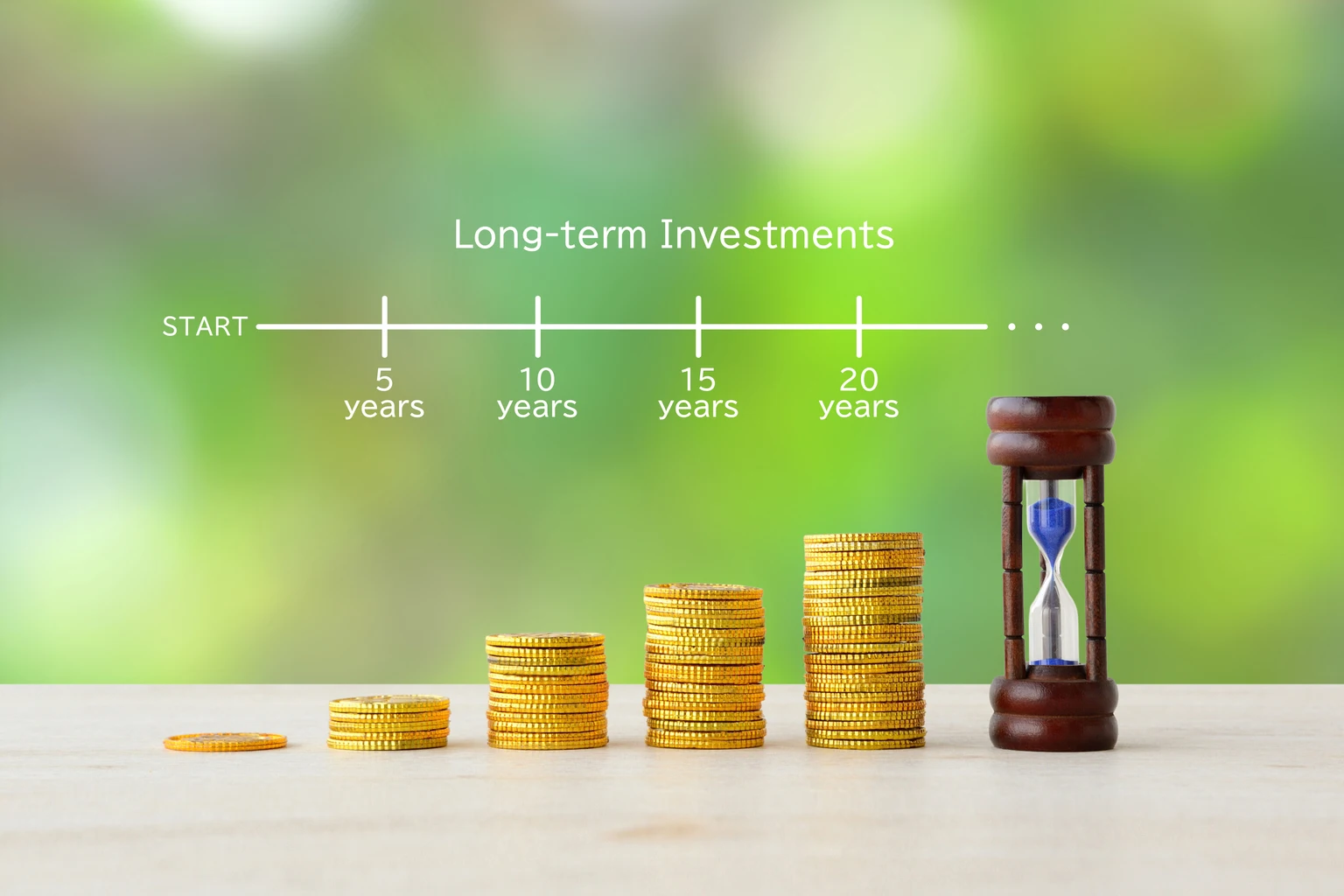
takasuu/iStock via Getty Images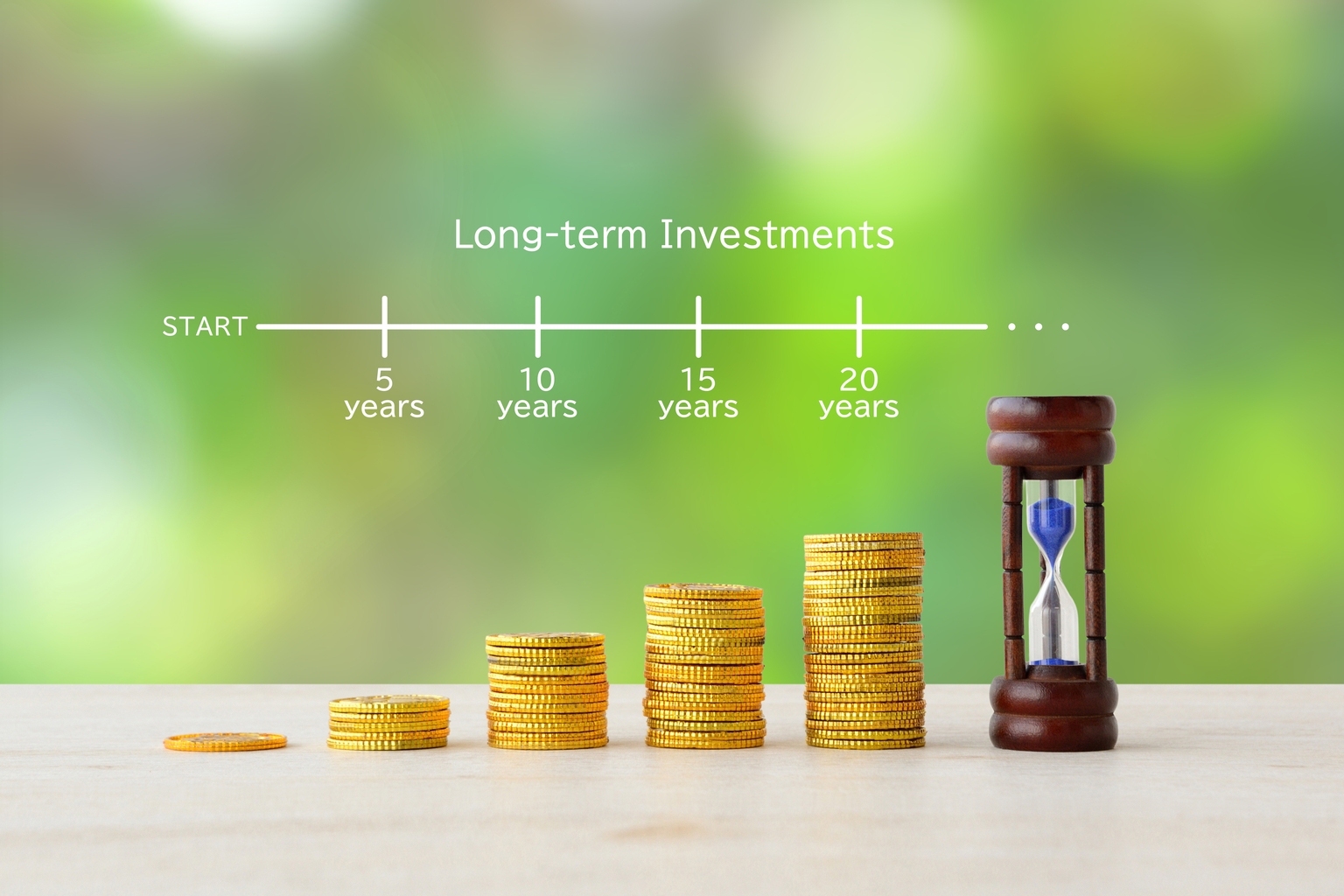
PGIM Target Date Funds Overview
The PGIM Target Date Funds combine PGIM’s asset management capabilities, insights into participant behavior, and Prudential’s leadership in pension risk transfer. Together, these provide us with a unique vantage point to assess the retirement

Troubled Australian developer Bathla granted one-year extension to complete projects
Business
Fiji Declares Formal National HIV Emergency as Infections Surge 12-Fold Over the Past 15 Years, UN Warns
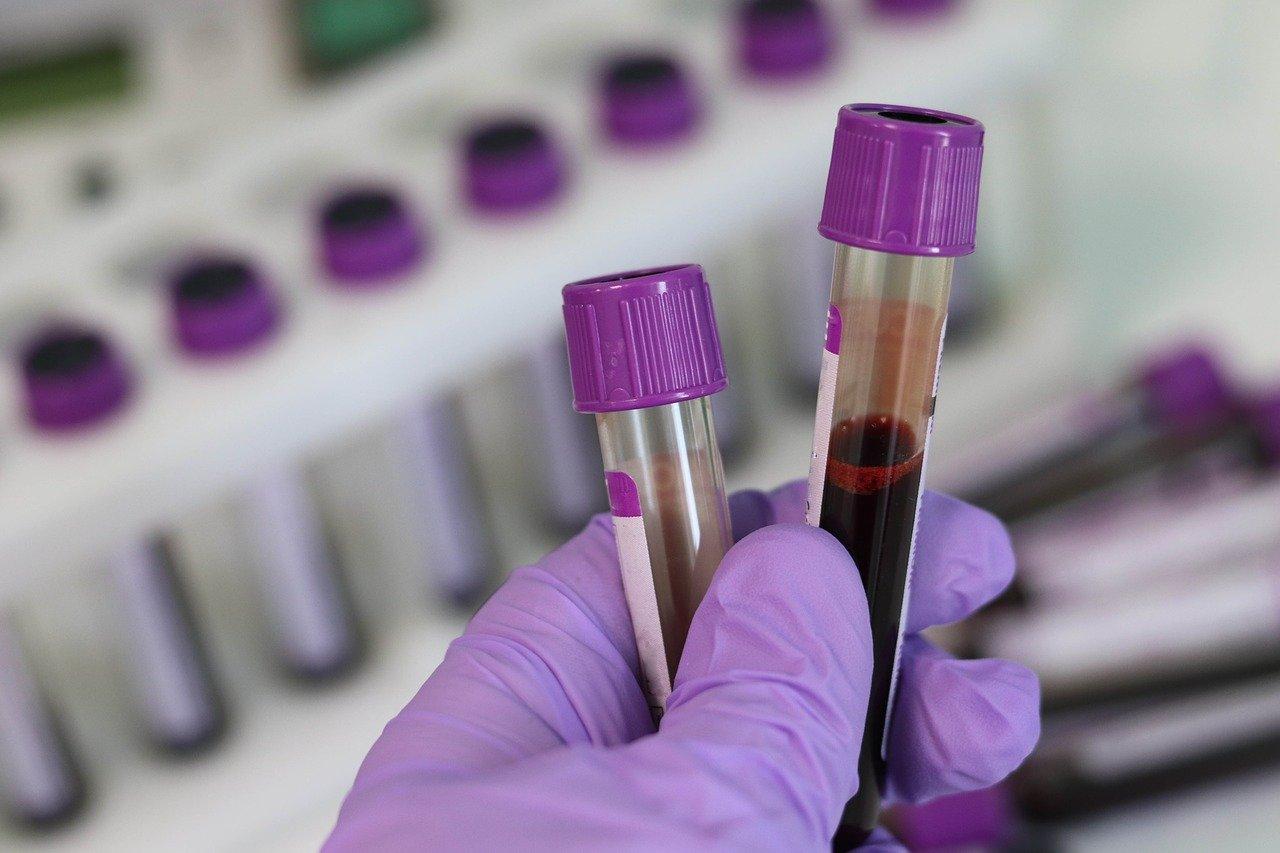
WELLINGTON, New Zealand — Fiji has declared a national HIV emergency after new data showed an estimated one in every 60 people in the South Pacific island nation is living with the virus, prompting the government to significantly expand testing and treatment efforts as officials confront what they describe as a fast-worsening crisis.
According to the Joint United Nations Program on HIV and AIDS, new infections in Fiji have increased twelvefold over the past 15 years. The agency said approximately 9,000 people were living with HIV in the country in 2025, a striking figure for a nation with a population of fewer than one million. UNAIDS data showed that only 39% of those infected knew their HIV status, while just 22% of people living with the virus were receiving antiretroviral treatment, underscoring significant gaps in both diagnosis and care.
The scale of the shift has been particularly stark among specific population groups. Officials said one in every 60 adults in Fiji now has HIV, compared with one in 167 just five years ago. Among pregnant women specifically, the rate is even higher, with one in every 50 estimated to be living with the virus.
Fiji’s Health Minister, Antonio Lalabalavu, announced the elevated emergency designation in a video statement posted to Facebook this week, framing the move as a necessary escalation given the scale of the crisis. “This means HIV is now a national crisis and the government is treating it like one. No more business as usual,” Lalabalavu said. “More people in Fiji are living with HIV than ever before.”
The declaration marks a further escalation from an earlier response. Lalabalavu had designated HIV an “outbreak” in Fiji in January 2025, but said the country’s Cabinet decided this month that classification was no longer a sufficient response to the scale of the problem, prompting the shift to a formal national emergency designation. That elevated status requires government agencies across multiple sectors to coordinate directly with the health ministry in addressing the crisis, rather than treating it as a matter for health authorities alone.
Lalabalavu said part of the apparent rise in case numbers reflects expanded testing efforts reaching more of the population than in previous years, rather than new infections alone. As part of its response, the government said it is expanding access to free HIV testing and free treatment for anyone who tests positive, alongside a needle exchange program aimed at reducing transmission among people who inject drugs. Officials acknowledged, however, that stigma surrounding the illness remains a significant obstacle to getting more people tested and into care. Addressing that concern directly, Lalabalavu said the government’s approach was centered on support rather than punishment. “This is about protecting people — not judging them, not watching them, not shaming them,” he said.
Public health analysts have linked much of the recent surge to the growing use of injected methamphetamine, which has expanded rapidly across the Pacific region as drug trafficking networks increasingly use island nations as transit points for narcotics moving between larger markets. That pattern of rising injection drug use has been identified as a significant driver of new HIV transmissions in Fiji and other Pacific nations grappling with similar trends.
Fiji’s crisis fits within a broader, uneven pattern of HIV prevalence across the Pacific Islands. HIV rates have generally remained low throughout most of the region, with a notable exception in Papua New Guinea, where infections have surged dramatically since 2010, producing the highest and fastest-growing HIV case numbers in the Pacific. Papua New Guinea’s government declared its own national HIV crisis in June 2025, roughly a year before Fiji’s latest escalation.
Public health officials have expressed concern that even nations with historically low HIV prevalence remain vulnerable to sudden outbreaks given the region’s demographic and infrastructure challenges. Most Pacific Island nations have very small populations, and health services in many of these countries are inconsistently funded or unevenly available, conditions that can make it difficult to identify and contain the spread of the virus once transmission begins accelerating.
UNAIDS Executive Director Winnie Byanyima addressed Fiji’s situation directly in a statement, framing the country’s crisis as part of a broader global warning. “A stark reminder to the world that AIDS is not over,” Byanyima said, describing the significance of Fiji’s emergency declaration within the context of ongoing global efforts to control the HIV epidemic decades after it first emerged as a major public health threat.
With Fiji now formally treating HIV as a national emergency, the coming months are likely to bring closer scrutiny of the government’s expanded testing and treatment programs, along with continued monitoring from regional and international health bodies tracking whether the country’s response succeeds in narrowing the substantial gaps in both diagnosis and treatment access that UNAIDS data has identified as central weaknesses in the country’s response to date.

GXO Logistics options sweep points to asymmetric bullish bet through January 2027

James Cobb founded Crowd Connected at the Surrey Technology Centre in Guildford in 2013, after years as a tour manager and event safety specialist. The company now has more than 400 deployments across 30 countries, working with Informa, Live Nation, Coachella, CES and PCMA. He tells Business Matters why he still hoovers the office on a Friday.
What do you currently do at Crowd Connected?
I am the founder and CEO of Crowd Connected, a location intelligence company I started in Guildford in 2013. At its simplest, we help organisations understand what people are actually doing in physical spaces.
The digital world measures everything. Every click, search and transaction leaves a trail of data. Yet a surprising amount of the physical world is still managed using assumptions, rules of thumb, booking systems and somebody’s best guess.
Our technology measures things such as movement, occupancy and dwell time across events, venues, university campuses and other complex spaces. The platform handles indoor positioning, wayfinding, occupancy counting and asset tracking, and it self-calibrates rather than requiring anyone to walk a site fingerprinting it first, so it goes live in hours. We have now supported more than 400 deployments across 30 countries, including Informa events and conferences and music festivals such as Coachella and BST Hyde Park, and tracked more than 250,000 delegates.
My role has changed considerably as the company has grown, but I still spend a lot of time sitting in the gap between the technology and the customer problem. I like understanding why something works, why it does not and whether what we are building genuinely creates value.
We have deliberately remained a fairly small team. There was a time when I was slightly embarrassed about that, because startup culture can encourage you to measure success by headcount. I am not anymore. A small team forces discipline. You have to automate, build products properly and be very clear about what actually creates value. Scaling without locking into fixed costs is a live question for a lot of owner-managers, and headcount is the biggest fixed cost most of them take on.
What was the inspiration behind your business?
Before Crowd Connected I spent many years working in live events, initially as a tour and production manager and later specialising in event safety.
Festivals are effectively temporary cities. You plan everything in extraordinary detail, from how many people can fit into an area, to how quickly a crowd can move through an entrance, to how long it will take to empty a car park. What struck me was how little real measurement sat behind some of those plans.
I remember being challenged at a licensing hearing about where some traffic-flow figures had come from. The honest answer was that I had stood on a corner in a hi-vis jacket and counted how many cars could turn left out of a car park onto a single carriageway in ten minutes.
I simply thought there had to be a better way, so I started experimenting with technology, initially with early GPS equipment and previous-generation Bluetooth devices. At one Wembley Stadium show I strapped a Bluetooth transmitter to a handrail to see whether I could use it to estimate crowd density. That question, how do people really move through physical spaces, has effectively been my career ever since.
Crowd Connected grew out of that frustration with the gap between the plan and reality. Our early breakthrough was an Innovate UK backed proof of concept with Live Nation at Wireless Festival. The technology has changed enormously since then, but the underlying problem is much the same.
Who do you admire?
I admire people who are prepared to discover that they are wrong. One of our company values is “I seek to be corrected, not just validated”, and I increasingly think it is one of the hardest things to do well in business. We are all very good at collecting evidence for what we already want to believe.
I studied history and philosophy of science, so my examples are often historical. Darwin had a rule that any observation contradicting his theory had to be written down immediately, because he knew inconvenient facts fade from memory faster than convenient ones. If you do not admire him for the theory of evolution, you can admire him for that.
Closer to home, I admire people who change their position in a meeting. It is a small thing but I notice it every time.
Looking back, is there anything you would have done differently?
When I was at university, Procter and Gamble contacted me and invited me to an event to learn about its graduate programme. I could not, or more accurately would not, make the date they suggested, and rather arrogantly assumed that if they really wanted me they would work around me. They quite reasonably explained that it did not work like that, so I did not go.
It sounds like an incredibly small decision, because it was. I was not turning down a job. I was turning down lunch. But looking back, it was absolutely the wrong decision, made for the wrong reasons.
What I failed to understand was that an opportunity does not have to be something you want to do for the rest of your life to be worth taking. A few years inside an organisation like P and G could have taught me an enormous amount about management, strategy, finance and leadership, a lot of which I have had to learn the hard way.
What defines your way of doing business?
In live events, you very quickly learn that the plan and reality are not necessarily the same thing. In business I try to apply the same discipline: ask questions, look for evidence and pay particular attention to information that suggests you might be wrong.
I also believe quite strongly in autonomy. Earlier in my career I liked the feeling of being the person with the radio whom everybody needed in order to make a decision. I now realise that is usually evidence of a badly designed organisation. If everything has to come through one person, you have created a bottleneck, not a leader.
Good leadership is about creating systems, giving people responsibility and then letting them get on with it.
What advice would you give to someone starting out?
Treat opportunities as opportunities to learn rather than permanent decisions. When you are young, it is very easy to imagine that every choice closes off all the alternatives. Usually it does not. If an opportunity is going to expose you to interesting people, problems or skills for a couple of years, that can be enormously valuable even if you eventually decide it is not what you want to do.
I would also say that founding a business is considerably less glamorous than people sometimes imagine. I still hoover our office on a Friday. If you calculated my hourly rate you could probably make a convincing argument that this is economically irrational, but that slightly misses the point. In a small company nobody should think a job is beneath them.
And finally, learn to stop as well as start. Once we invest time and emotion in an idea, it becomes surprisingly difficult to walk away from it. Being willing to stop something that is not working can be every bit as important as having the confidence to begin.


JR Research is an opportunistic investor. I was recognized by TipRanks as a Top Analyst, and also by Seeking Alpha as a “Top Analyst To Follow” for Technology, Software, and Internet, as well as for Growth and GARP. I identify attractive risk/reward opportunities supported by robust price action to potentially generate alpha well above the S&P 500. My picks have consistently demonstrated market outperformance over time. My approach combines timely and sharp price action analysis with fundamentals as my foundation. I also tend to avoid overhyped and overvalued stocks while capitalizing on battered stocks with significant upside recovery possibilities. I run the investing group Ultimate Growth Investing which specializes in identifying high-potential opportunities across various sectors. My main ideas revolve around stocks with strong growth potential, and also well-beaten contrarian plays. I designed the group for investors seeking to capitalize on growth stocks with solid fundamentals, robust buying momentum, and appealing turnaround plays to generate alpha consistently. Learn more
Analyst’s Disclosure: I/we have a beneficial long position in the shares of NVDA either through stock ownership, options, or other derivatives. I wrote this article myself, and it expresses my own opinions. I am not receiving compensation for it (other than from Seeking Alpha). I have no business relationship with any company whose stock is mentioned in this article.
Seeking Alpha’s Disclosure: Past performance is no guarantee of future results. No recommendation or advice is being given as to whether any investment is suitable for a particular investor. Any views or opinions expressed above may not reflect those of Seeking Alpha as a whole. Seeking Alpha is not a licensed securities dealer, broker or US investment adviser or investment bank. Our analysts are third party authors that include both professional investors and individual investors who may not be licensed or certified by any institute or regulatory body.

Enova International: Oversold, Upgrading To Buy
Business
Robinhood Shares Jump 8.94% as SEC’s New Tokenization Rule Cements Its First-Mover Advantage Once Again

MENLO PARK, Calif. — Shares of Robinhood Markets Inc. surged 8.94% to $119.62 in Friday trading, adding $9.82, as the trading platform rode both a broader rally in crypto-linked equities and a new regulatory development from the Securities and Exchange Commission that positions the company as a direct beneficiary of the growing push to bring traditional stocks onto blockchain infrastructure.
The rally follows the SEC’s issuance Thursday of what it called an “innovation exemption” designed to facilitate trading of tokenized stocks registered under the National Market System, a move widely described as bringing U.S. equity markets closer to round-the-clock trading. Robinhood, which has positioned itself as a pioneer in retail cryptocurrency access and tokenized asset distribution, was quickly identified by market analysts as a primary beneficiary of the new exemption, given the company’s early investment in blockchain-based trading infrastructure through its proprietary Robinhood Chain platform.
Robinhood Chief Executive Officer Vlad Tenev has previously framed tokenization as central to the company’s broader growth strategy, telling CNBC earlier this month that the technology “allows us to distribute access to U.S. stocks globally.” That comment came amid a public exchange with AMC Entertainment CEO Adam Aron, who had criticized tokenized stock products as “fake equity.” Tenev responded to that criticism not with a direct rebuttal but by announcing additional perks for users of Robinhood’s tokenized stock offerings, a move interpreted by some market commentators as a pointed response to Aron’s skepticism.
Friday’s advance also came alongside a broader rally across crypto-linked equities, with Robinhood, Coinbase and Strategy Inc. all posting sharp gains as bitcoin’s price climbed above $80,000 following the Federal Reserve’s interest rate decision earlier in the week, which signaled a less aggressive path for future rate increases than some investors had anticipated.
The gains mark a sharp reversal from earlier in the week, when Robinhood shares fell between 4% and 5.5% after the Department of Justice charged two former Robinhood engineers with fraud in connection with insider trading tied to cryptocurrency listings on the platform. Investors appeared to move past that enforcement action relatively quickly, with the stock staging a technical rebound Thursday, up 5.41% and again 5.16% in separate sessions, before Friday’s larger advance. Market commentary attributed that recovery to investors choosing to focus on the company’s core platform fundamentals and growth trajectory rather than the specific conduct allegations against two former employees.
Wall Street’s assessment of Robinhood has grown increasingly bullish in recent sessions even amid that controversy. Deutsche Bank raised its price target on the stock to $138 from $136, part of a broader wave of price target increases from major banks that have pushed targets into a range of roughly $130 to $170 while maintaining Buy and Overweight ratings on the shares. Analysts have pointed to several specific growth drivers behind those higher targets, including fee revenue from Robinhood Chain now tracking above a $100 million annualized run rate, and the company’s Rothera prediction-market venture, which analysts say already generates approximately $150 million in annualized revenue and ranks among the largest prediction market platforms globally.
Robinhood’s underlying financial results have supported that optimism. The company’s most recent quarterly results showed revenue of $1.31 billion, ahead of the $1.29 billion analysts had expected, alongside adjusted earnings of 62 cents per share, comfortably beating the 43-cent consensus estimate for a surprise of more than 44%. Net income for the quarter reached $561 million, up sharply from $346 million in the prior quarter. The company’s EBITDA stands at approximately $2.3 billion, with an EBITDA margin near 49%, reflecting a business that has scaled profitability significantly as trading volumes and customer assets on the platform have grown.
Robinhood’s business today spans considerably more than its original stock brokerage offering, encompassing Robinhood Crypto, custody services, the Robinhood Wallet product, and the Robinhood Gold and Robinhood Gold Card subscription and credit offerings, reflecting the company’s broader ambition to serve as a comprehensive financial services platform rather than a narrow trading app. The company, which had approximately 2,900 employees as of its most recent disclosure, is scheduled to report its next quarterly earnings on November 4.
Not every regulatory signal facing Robinhood’s crypto and tokenization ambitions has been favorable. The U.S. Senate’s failure to pass the CLARITY Act, legislation aimed at establishing clearer regulatory guidelines for digital assets, has left a degree of ongoing uncertainty around the broader policy environment for crypto businesses, including Robinhood’s expanding blockchain-based product lineup. That legislative uncertainty has been cited by some analysts as a continuing headwind even as the SEC’s newly issued tokenization exemption offers a more immediate, favorable regulatory development for the company.
Robinhood shares have traded within a wide 52-week range spanning from $63.52 to $153.86, reflecting substantial volatility tied to both company-specific developments and broader swings in cryptocurrency market sentiment, given the platform’s significant exposure to crypto trading activity alongside its traditional brokerage business.
With the SEC’s tokenization exemption still in its early implementation stages and Robinhood continuing to expand both its blockchain infrastructure and its prediction market business, investors are likely to watch closely for further regulatory clarity, along with continued growth in Robinhood Chain’s fee revenue and Rothera’s prediction market volumes, as the next set of catalysts likely to shape the stock’s trajectory heading into its early November earnings report.


French soccer phenom Kylian Mbappé signed his new endorsement deal with On after Nike chose not to renew its deal with the international superstar, a source familiar with the matter told CNBC.
Earlier Friday, the Swiss sportswear company On said it reached an agreement with Mbappé, marking the brand’s first signing in football. The company also announced it named retired French star Thierry Henry as director of football.
As Mbappé’s contact ended in July, Nike felt it had benefitted from the prime years of his career and decided to use its endorsement money elsewhere, the source added. The 27-year-old will be 31 when the 2030 World Cup kicks off.
The move is another major change for Nike, which is trying to rebuild brand loyalty and product innovation under CEO Elliott Hill. The company’s sluggish sales, particularly struggles in China, have contributed to its stock falling about 50% in the last year.
On Enters Football alongside Kylian Mbappé.
Juergen Teller | On
Meanwhile, it’s a coup for On, which has branched more outside of its core running segment.
Mbappé joined the swoosh in 2006, when he was still a child, and has since emerged as one of the sport’s highest profile stars. The Real Madrid star is the all-time leading scorer in the men’s World Cup and for the French national team, and won the tournament with France in 2018.
In a statement, Mbappé said he was drawn to On by the opportunity to build something entirely new.
“I want to bring my experience and perspective into what we create, push what’s possible through innovation, and always stay true to the joy of football. We have a shared dream, and this is only the beginning,” he said.
On said it wants to bring a “fresh perspective” to the sport.
“Football doesn’t need another sportswear brand to do more of the same,” said David Allemann, founder and co-CEO of On, in a statement. “Football needs new ideas and a challenge to what is possible.
For years, Nike has represented many of the top soccer stars in the world including Erling Haaland, Vinicius Junior, Alexia Putellas and Sam Kerr.
Nike wished Mbappé well in a statement.
“Over nearly two decades, we’ve shared moments that shaped the game and he has been an important part of Nike Football,” the company said. “We are proud of what we achieved together on and off the pitch. As he moves into the next phase of his career, we wish him continued success for what comes next.”
In an analyst note assessing On’s ambitions in the sport, Jefferies warned that football is one of the most expensive categories to enter and that “performance credibility cannot simply be bought.”
“We see parallels to [Under Armour’s past partnership with Stephen Curry]: a star athlete who failed to establish the brand as a dominant player in the sport.”
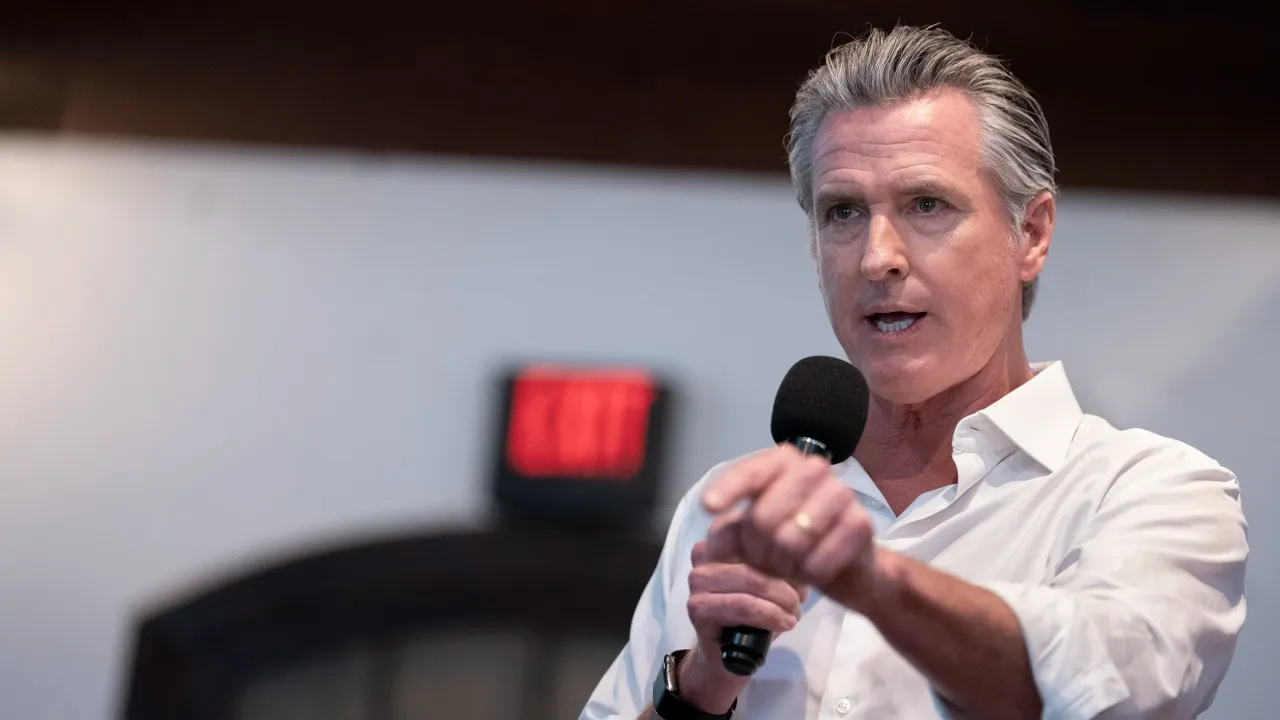
California Gov. Gavin Newsom announced an executive order aimed at reining in AI companies, while also criticizing President Donald Trump for his approach to AI. (Credit: @ThisisGavinNewsom/YouTube)
California Gov. Gavin Newsom, a likely 2028 presidential contender, signed an executive order Friday calling on the federal government to take a more active role in regulating artificial intelligence.
He said in a statement that the Trump administration has abdicated “its responsibility to protect Americans,” as AI becomes more advanced and capable by the month.
Newsom’s order recommends more stringent oversight on companies developing AI, while requiring those same firms to develop a “kill switch” for their frontier models in the event they go rogue.
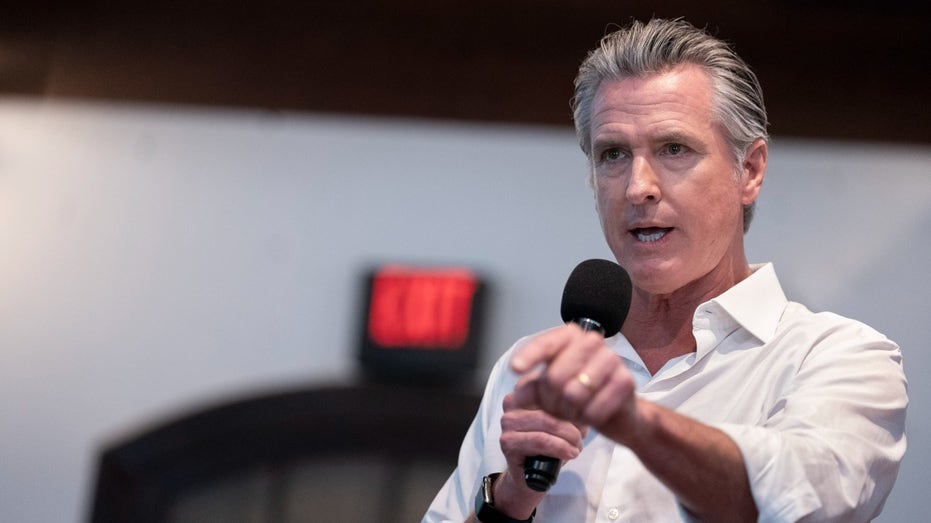
California Gov. Gavin Newsom speaks during an event held by the state Democratic Party at the Penn Center on Sept. 3, 2026, on St. Helena Island, South Carolina. (Sean Rayford/Getty Images / Getty Images)
AI HYSTERIA HAS A Y2K PROBLEM — AND THE STAKES THIS TIME COULD BE FAR HIGHER
“We’re not waiting to act – we’re going to speed up our work on substantial and responsible AI oversight before it’s too late. We’re going to do this thoughtfully but with urgent velocity; the stakes are too high to wait or delay action,” Newsom said.
In a video on his personal YouTube channel, Newsom delivered a sharp critique of President Donald Trump, who recently said that the risks surrounding AI amount to a “hoax.”
“There’s still no comprehensive federal law, none, requiring AI companies to report dangerous incidents when they happen, and President Trump has rejected calls for new regulation. No new regulation. Let it rip. He’s dead wrong,” Newsom said.
The order, Newsom said, will speed up implementation of recently enacted California laws that establish a framework for independent organizations to assess AI systems for safety and potential risk.
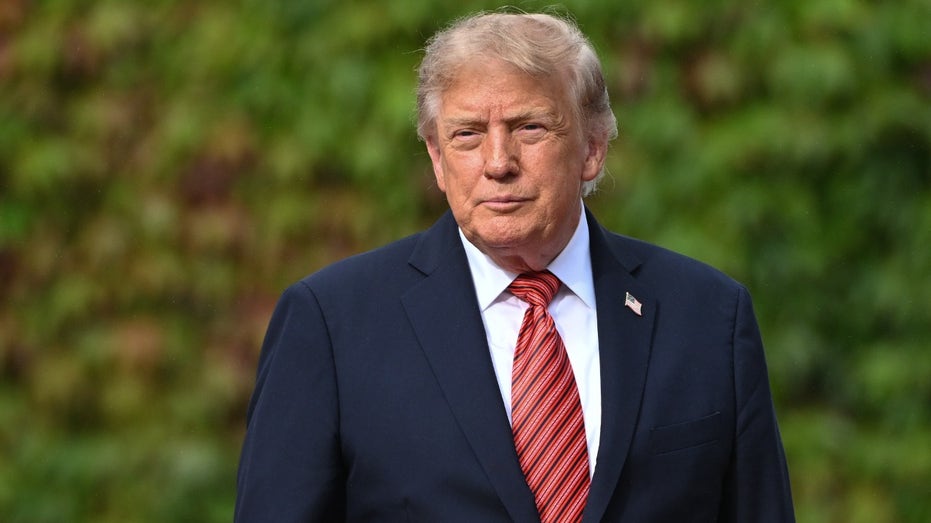
President Donald Trump pauses as he walks alone along an ivy-covered wall during his final departure from Aras an Uachtarain on Sept. 12, 2026, in Dublin, Ireland. (Artur Widak/Anadolu via Getty Images)
GOP LAWMAKERS SMELL SOMETHING ELSE BEHIND BIG TECH’S AI DOOMSDAY WARNINGS: ‘SOMETHING ELSE GOING ON’
The order also moves up implementation of California’s AI auditor registry and oversight program from January 2029 to December 2027.
Newsom acknowledged in hs video message that the idea of creating a so-called “kill switch” for out-of-control AI systems is still largely in its infancy. To explore the concept further, he said he’d be convening a panel of experts.
A kill switch “means a lot of things depending on who you talk to,” Newsom said, adding, “So we want to flesh out exactly what that means and how to come up with a framework that works.”
Sen. John Kennedy, R-La., attempted to introduce a federal AI kill switch bill this week, but his effort was blocked by Sen. Rand Paul, R-Ky.
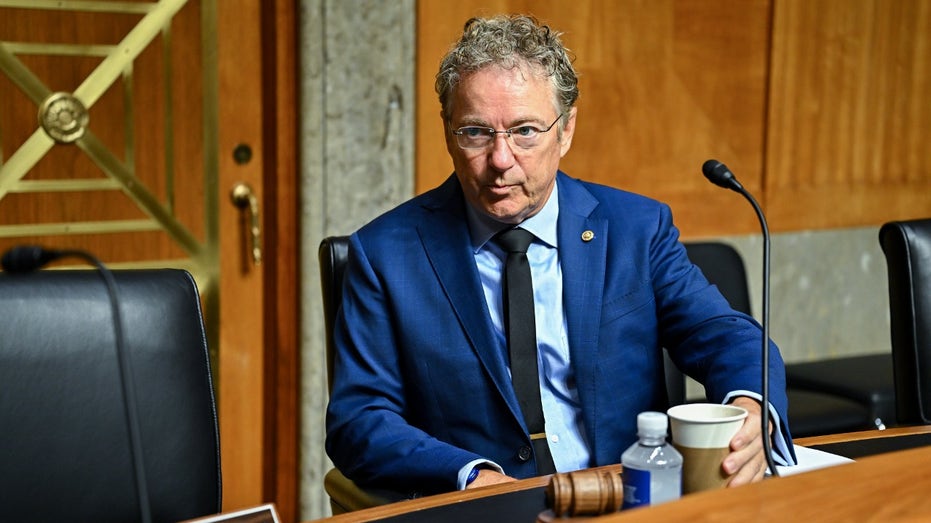
Sen. Rand Paul, R-K.Y., appears during meeting in Washington, D.C. on Aug. 6, 2026. (Graeme Sloan/Bloomberg via Getty Images)
CLICK HERE TO DOWNLOAD THE FOX NEWS APP
“I think it would be crazy to get on the floor one day and regulate an entire industry,” Paul told reporters. He argued that passing such a piece of legislation would require input from industry leaders.
Trump has generally opposed new AI regulations, arguing that excessive rules could hamper innovation. He has repeatedly defended data centers, saying they are good for the communities that host them.
He has also said that any slowdown in domestic AI development will lead to China outpacing the U.S. over time.
On Monday, Trump explicitly rejected calls from AI executives for the federal government to impose new limits on the technology. Among those calling for restraining AI were Anthropic CEO Dario Amodei, OpenAI CEO Sam Altman and xAI CEO Elon Musk.
“The only control or ‘guardrails’ that AI needs is a STRONG AND SMART (High IQ!) PRESIDENT, and the U.S.A. has that, in spades!” Trump wrote on Truth Social.

Strictly Come Dancing reveals first look at glitzy launch show as hosts Emma Willis, Josh Widdicombe and Johannes Radebe make their long-awaited debut and the celebs finally meet their pro partners

CFTC Sends Crypto Regulatory Framework to White House Review

Canadiens’ Dobes has right mindset to keep starter’s role




-

 Tech5 days ago
The Latest Weird Thing to Play Doom Is the Mapped-Out Brain of a Fruit Fly
-

 Crypto World4 days ago
Kraken Lets xStocks Holders Earn Yield Through DeFi
-

 Crypto World2 days ago
US Charges Robinhood Engineers Over Crypto Listing Trades
-

 Entertainment7 days ago
News Specials, Movies, Shows, More
-

 Crypto World6 days ago
Can AI Build a Startup in 72 Hours? Elon Musk's Team Will Livestream the Test
-

 Crypto World4 days ago
Elon Musk Drops a Bombshell: Grok 5 Could Be the AGI Breakthrough
-

 Crypto World3 days ago
What Is the Status of the U.S.-Iran Peace Talks? Here's What Both Sides Are Saying
-

 Business6 days ago
Rivals Sam Altman and Elon Musk Rally Behind Dario Amodei’s Call for a Slowdown in AI Development
-

 Crypto World7 days ago
Robinhood Chain Never Stopped But its Blobs Did Stop Reaching Ethereum For 14 Minutes
-
 NewsBeat4 days ago
‘Sick conspiracy’: Trump says only guardrails AI needs is ‘a strong and smart (High IQ!) president’ in all-caps rant
-
 Crypto World5 days ago
New Tesla Roadster Uses SpaceX Tech. Will It Impact the Stock Price?
-
 Crypto World3 days ago
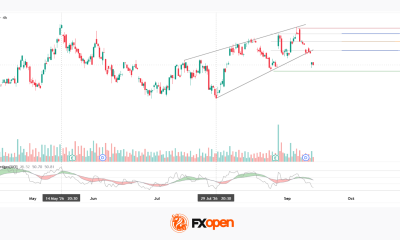
NVIDIA Analysis: Attempted Rising Wedge Breakout Amid Pressure on the AI Sector
-
 Entertainment7 days ago
New Horror Movie Officially Earns a Rare Stephen King Recommendation
-

 Business6 days ago
Marvell: Most Potent Setup Of The AI Factory Decade
-

 Crypto World4 days ago
Revolut Attackers Warn of Ongoing Daily Customer Data Leaks
-

 Crypto World4 days ago
DOJ Seeks to Seize $61M in Iran Oil Funds From Binance Accounts It Vouched For
-

 Crypto World7 days ago
Bitcoin ETFs lose $462.7M as Ethereum funds gain $196.9M
-
 Crypto World5 days ago
3 Token Unlocks to Watch in the Third Week of September 2026
-
Business4 days ago
SK Hynix ADRs Fall More Than 6% as Memory Rally Breaks on Fears of Slower AI Spending
-
Crypto World4 days ago
Can Circle’s Arc Repeat Robinhood Chain’s Meme Coin Boom?
You must be logged in to post a comment Login