
Business
Iran war fuel price hikes 'put our firm at risk'



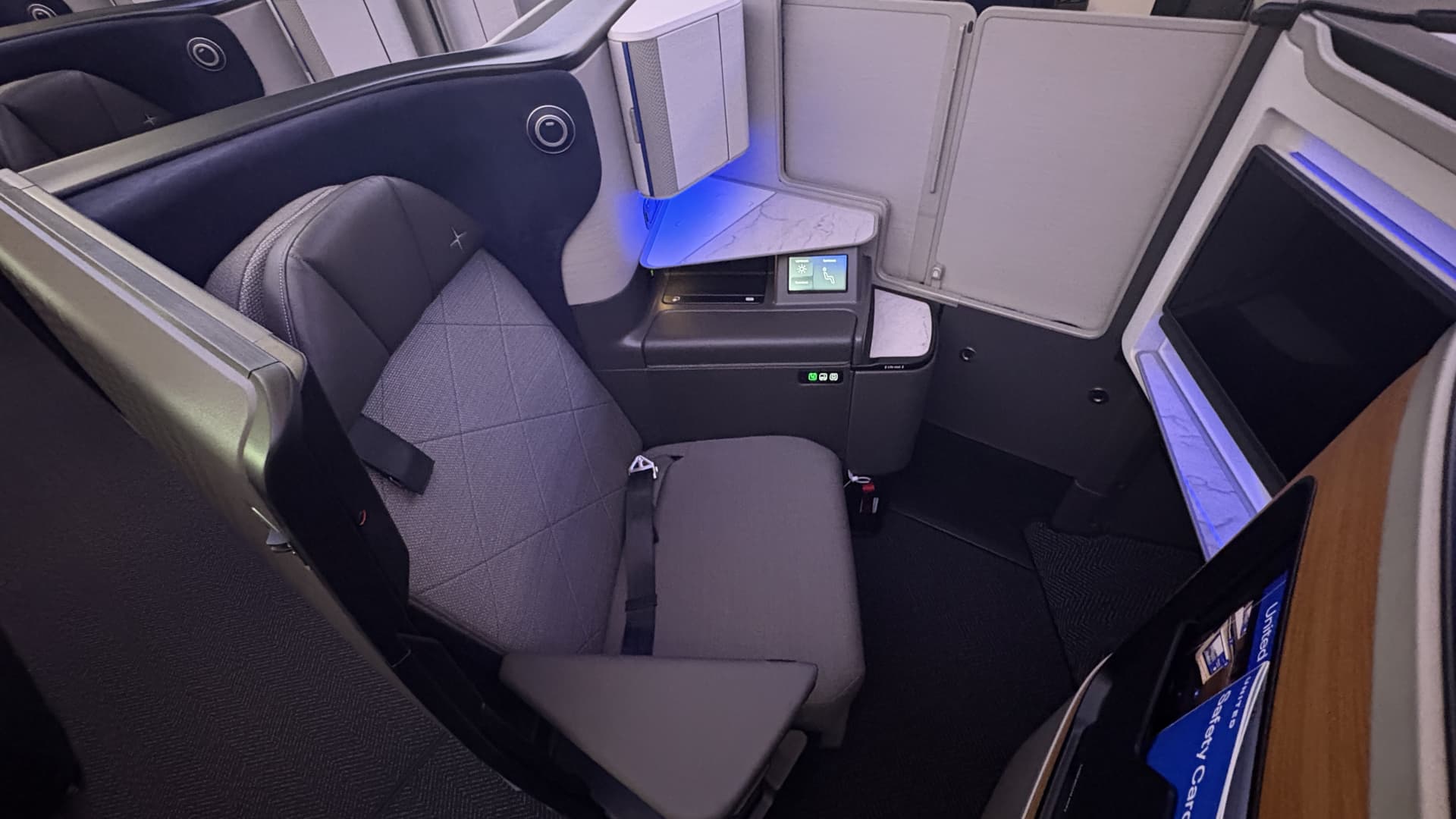
United Airlines new Polaris seat on one of its Boeing 787 Dreamliners
Leslie Josephs/CNBC
Does it matter where you sit if you’re sipping Champagne in first class? United Airlines is betting that for some travelers looking for luxury at a discount, it doesn’t.
The carrier is launching new, cheaper tiers for its top-end Polaris and premium economy cabins that come with many of the same perks — but plenty of restrictions too.
Starting this spring, United will offer “Base” Polaris fares which will include a spot in the airline’s long-haul business class cabins featuring lie-flat seats, but will charge those customers extra for advanced seat selection.
The new ticket class will also come with only one checked bag instead of two, and with access to the United Club airport lounge but not the higher-end Polaris lounge, which include showers and other plush features. Ticket changes aren’t allowed.
The other categories for Polaris will be “Standard” and the more expensive “Flexible” option that allows for customers to pay up for the new, more spacious Polaris Studio suites.
The new fares show that United — and perhaps soon, other airlines — are dividing up the front of the plane into smaller categories, just as they have with coach over the past decade, from restrictive basic economy tickets to extra legroom fares.
United’s new strategy comes as it overhauls its nearly decade-old Polaris class with new suites that feature sliding doors and bigger screens, while customers continue to show their willingness to pay more to fly in better seats. United and its competitors have been racing to add more premium seating on its planes, sometimes removing some economy seats to do so.
A spokeswoman for United said customers in Base Polaris would get the same meals — including ice cream — as other passengers in the cabin. She declined to say what the price differences between the fares will be, but said the Base Polaris fare is meant to be an entry-level point for the premium class.

United is also launching similar segmentation for its premium economy class, Premium Plus.
The new options will be available in certain markets starting this month and will expand to other international and long-haul domestic markets later this year, United said.
Rival Delta Air Lines last year said it was also considering segmenting front-of-the-plane cabins.

Vance to focus fraud efforts on Democratic states, Trump says

US targets Chinese chipmaking with proposed export restrictions on ASML and others


Trump vows to hit more Iranian infrastructure as nations seek to open Hormuz
Bitfarms Rebrands To Keel Infrastructure, But Financial Engineering Still Weighs


A year after President Donald Trump declared his “liberation day” and imposed sweeping tariffs on imports, kicking off a wave of economic and political uncertainty, some companies are still feeling the effects.
While some industries have emerged largely unscathed — having weathered twists and turns of several tariff iterations — others, such as retail, automotive, consumer packaged goods and pharmaceuticals, are navigating a new reality in global supply chains.
“Leadership at U.S. corporations really had to think about where we buy from versus whether we can import or not,” said Venky Ramesh, a supply chain expert with AlixPartners. “Around 80% to 85% of the costs were absorbed domestically, meaning either the U.S. corporations had to take the hit, or they passed it on to the customers, or a mix of both.”
On April 2, 2025, in the White House’s Rose Garden, Trump announced broad country-by-country tariffs, as well as a 10% baseline levy on countries that weren’t specifically listed in that declaration. Those tariff policies fluctuated wildly over the following months as Trump made deals and walked back some of the most extreme duties.
With ever-changing trade and tariff policies, companies have been forced to be more flexible and diversify their supply chains over the past year. Moving operations out of countries such as China, Vietnam or Mexico meant import cost savings, but for many industries, it was a tall task.
Ramesh said he saw clients in the first few months making “aggressive” changes to get ahead of the tariff costs, but because those policies kept shifting, companies begin to move slower and invest resources into scenario modeling.
“Moving supplier bases cannot happen overnight,” Ramesh said. “I think what companies are doing is they’re taking it gradually, so they want to make sure that they are well-diversified.”
On Feb. 20, the Supreme Court ruled that the country-specific “reciprocal” tariffs Trump imposed under the International Emergency Economic Powers Act of 1977, or IEEPA, were unconstitutional. But hours after the ruling, Trump announced a new “global tariff” rate of 10% under a separate statute, Section 122 of the Trade Act of 1974, for a period of 150 days. He later said he would increase global tariffs to 15%.
Meanwhile, those imposed under Section 232 of the Trade Expansion Act of 1962 — intended to target specific imports that threaten national security — remain in place. Section 232 tariffs largely affected imports of steel, semiconductors, aluminum and other products.
Still, Ramesh said, overall imports into the U.S. in 2025 were actually higher than in the previous year, especially as companies pulled forward inventory in the first few months of the year.
Ultimately, he said, he believes the past year of tariffs has culturally shifted the way U.S. companies operate.
“The things that would stick are supply chain being a very, very critical component of any company. I think that has really changed over the last year,” he said. “Corporations are not going to make the rash decisions. They’re not as susceptible to these changes as they were a year ago. They’ve stabilized more.”
As the U.S. enters its second year of Trump-imposed tariffs, here’s how some of the consumer-facing sectors have fared.
Retail
Eduardo Munoz Alvarez | Corbis News | Stephanie Keith | Bloomberg | Spencer Platt | Erik McGregor | Lightrocket | Getty Images
One year into Trump’s trade war, the retail industry has been disproportionately affected by tariffs. Mega-retailers such as Walmart, which have a range of different revenue streams and deep negotiating power, have emerged relatively unscathed, while smaller businesses have been crushed.
Several retailers said that although they initially estimated they would see significant hits to revenue and profitability after the new tariffs were imposed, they’ve since taken a new approach, aiming to not rely too heavily on any single country for imports or manufacturing. And, for the most part, they’ve managed to avoid the massive impact that many projected at the start of the trade war.
Home Depot‘s chief financial officer, CFO Richard McPhail, told CNBC in late February that the company is pressing ahead with its goal of limiting any one country outside the U.S. to 10% of the company’s purchases. More than half of what Home Depot sells is sourced in the U.S.
The retail supply chain has been forced to become more nimble in the past year, according to Max Kahn, the president of Coresight Research.
“One of the things that really started back with the pandemic is that retailers have become much better at building flexibility in their supply chains, and that got accelerated a lot last year with tariffs,” Kahn said. “Shocks to the system or unexpected events are a little bit more business as usual now.”
Tariffs have also meant higher costs for shoppers. Retailers such as Walmart, Best Buy and Macy’s have raised prices of some items, while also looking for ways to defray costs.
But as retailers reported quarterly earnings over the past few months, executives were hesitant to declare victory in the tariff back-and-forth.
While the Supreme Court’s decision earlier this year was largely a boon, especially for apparel companies that rely primarily on supply chains throughout East Asia, there’s still a lot of uncertainty, and companies were mixed on whether, and how, to size up the potential tariff impact.
Abercrombie & Fitch in March decided to explicitly incorporate the latest 15% tariff assumption into its outlook, becoming one of the first retailers to provide clarity on the new guidelines. However, the company did not predict or quantify any potential tariff refunds that it may receive after the IEEPA tariffs were struck down.
On the other hand, American Eagle Outfitters said in March that its guidance for the first quarter and full year was based on tariffs imposed under the IEEPA guidelines and did not take into account the recent Supreme Court ruling.
Gap also didn’t factor recent changes to tariffs into its 2026 outlook, but it could issue stronger guidance in the upcoming quarter because the newly enacted tariff rate is slightly below the previous rates for many countries.
Dollar Tree, too, isn’t betting on significant savings. CFO Stewart Glendinning said last month that the company already paid tariffs on its current inventory before the Supreme Court ruling.
“While there may be some upside, we remain cautious because of the potential for further near-term changes and because of the potential for negative freight and other costs related to the conflict in the Middle East,” Glendinning said.
His comment underscores a new reality for retailers: The Trump administration’s aggressive tariff policies are now a constant on the long list of factors that make the year ahead hard to predict.
Autos
The automotive industry has been, and continues to be, one of those most affected by Trump’s trade and tariff policies.
Both foreign and domestic automakers have faced billions of dollars in additional costs due to the levies. Toyota, for example, forecast a 1.4 trillion yen ($9.5 billion) impact from U.S. tariffs during its fiscal year. And the changes cost Detroit automakers General Motors, Ford Motor and Chrysler parent Stellantis a combined total of $6 billion last year, according to the companies.
Autos have been most affected by Section 232 tariffs, but the impact hasn’t been as bad as initially expected. The Trump administration last year decided to give some reprieve by “de-stacking” tariffs that were piling up on the automotive industry, so companies wouldn’t be paying overlapping duties for parts and vehicles.
“We should end up at a position where our net tariffs are actually lower in 2026 than they were in 2025,” GM CFO Paul Jacobson said Jan. 27, during the company’s most recent quarterly earnings call.
U.S. tariffs cost GM $3.1 billion in 2025, below the company’s previous expectations of between $3.5 billion and $4.5 billion, Jacobson said.
Companies including GM have said they have taken varying actions to offset the additional expenses, including redirecting and resourcing supply chains to better meet U.S. standards.
GM’s chief rival, Ford, told CNBC in February that it is continuing to work with the Trump administration on policies that “promote a strong and globally competitive U.S. auto sector.”
International companies such as Toyota — the world’s largest automaker — and its Japanese peers Nissan Motor and Honda Motor have announced plans to increase domestic manufacturing and export vehicles from the U.S. to Japan to appease the Trump administration.
Consumer packaged goods
President Donald Trump speaks about his new tariff plan at the White House, in Washington, D.C., on April 2, 2025.
Brendan Smialowski | Afp | Getty Images
Most consumer packaged goods companies manufacture their products in the U.S. but import key commodities, such as the pulp found in diapers and toilet paper and the aluminum used for soda and beer cans. Supply chain diversions aren’t an option for those resources, like they are for the retail or auto industries.
While the tariffs broadly resulted in higher costs for these manufacturers, some companies found themselves under unique pressure.
For example, spice maker McCormick initially warned investors that tariffs could cost $70 million in fiscal 2025 as prices for black pepper, cinnamon and vanilla were projected to rise. However, it managed to mitigate the impact of the import duties to just $20 million by cutting expenses, raising prices and sourcing alternatives from lower-tariffed countries when possible.
Consumer packaged goods company Procter & Gamble said in July that it had to raise prices on 25% of its products due in part to a $1 billion total annual tariff impact. Beer maker Constellation Brands said in July that it estimated a $20 million hit to its fiscal 2026 earnings due to tariffs on aluminum, a crucial material for its cans.
“At these rates, tariffs alone are a 5-point headwind to core EPS growth in fiscal 2026,” Procter & Gamble CFO Andre Schulten said on a July earnings call, referring to earnings per share. “We will look for every opportunity to mitigate these impacts, including sourcing flexibility, productivity improvements, and pricing with innovation in affected categories and markets.”
But not all consumer companies chose to pass on higher costs to consumers.
J.M. Smucker, which owns Folgers and Cafe Bustelo, originally planned to hike prices on its packaged coffee in response to the tariffs — the third increase for that fiscal year after a tough harvest. But the company reversed those plans and instead absorbed the $75 million hit to its margins.
Smucker executives cited an executive order that excluded green coffee and other agricultural products as one reason for the decision.
Pharmaceuticals
The pharmaceutical industry has fared better than some industries, thanks to recent drug pricing agreements with Trump.
Since November, more than a dozen major drugmakers have signed landmark deals with Trump to lower the prices of new and existing medicines. The drugmakers include several U.S.-based companies such as Pfizer, Eli Lilly, Merck, Gilead and Bristol Myers Squibb, as well as companies based abroad, including Novo Nordisk, GSK and Novartis.
On Thursday, the Trump administration said 13 companies have already signed those deals, and negotiations are progressing with four others.
Those agreements are part of the president’s so-called “most favored nation” policy, which ties U.S. drug prices to cheaper ones abroad. In exchange for the price cuts, Trump awarded the companies a three-year exemption from pharmaceutical tariffs, as long as they invest further in U.S. manufacturing.
The president on Thursday imposed new tariffs on branded drugs from drugmakers that did not strike deals with the administration, but that long-awaited move will likely affect only a small number of companies.
Patented medications and their active ingredients would be hit with a 100% tariff, but there are pathways for exemptions. The administration will impose a 20% tariff on companies that plan to onshore production, increasing to 100% four years from now, it said this week.
Months before the deals with Trump, tariff threats — and efforts to get into the president’s good graces — fueled a new wave of U.S. manufacturing investments from the pharmaceutical industry after years of domestic drug manufacturing shrinking.
AbbVie, for example, said last April that it will put more than $10 billion into U.S. manufacturing and other capabilities over the next decade, including building four new plants. Johnson & Johnson in March 2025 said it will spend more than $55 billion to build four plants in the U.S.
— CNBC’s Gabrielle Fonrouge, Melissa Repko, Michael Wayland, Amelia Lucas and Annika Kim Constantino contributed to this report.

Resmed CFO Sandercock sells $224k in stock
Business
Is Luka Doncic Out for the Season? Lakers Star Not Out for Season, Day-to-Day Pending MRI Results

Los Angeles Lakers superstar Luka Doncic is not expected to miss the remainder of the 2025-26 season after exiting Thursday night’s blowout loss to the Oklahoma City Thunder with a left hamstring injury, though his immediate return remains uncertain as he undergoes an MRI on Friday, April 3.

Doncic left the game in the third quarter after appearing to aggravate the same left hamstring that caused him to miss several games in February. He hobbled to the baseline, went down briefly, and was ruled out for the rest of the contest as the Lakers fell to a heavy defeat against the Western Conference leaders. Coach JJ Redick confirmed postgame that Doncic had felt discomfort in the first half, received treatment at halftime, and was cleared to continue before the injury flared up again.
The team has described the latest episode as a strain, with early indications suggesting it may be mild rather than a severe tear. Redick emphasized caution, noting that soft-tissue injuries like this require careful management to avoid a longer absence. An MRI scheduled for Friday will provide a clearer picture of the severity and help determine a precise timeline.
This marks the latest chapter in Doncic’s battle with lower-body issues since joining the Lakers. The Slovenian star missed four games in February with a similar left hamstring problem and has been listed as questionable or day-to-day at various points this season. Despite the setbacks, he has delivered elite production when healthy, averaging around 33-34 points, 8 rebounds and 8 assists per game while playing in the majority of contests.
Impact on Lakers’ Playoff Positioning
The timing of the injury is particularly challenging for the Lakers, who are battling for favorable seeding in a highly competitive Western Conference. With only a handful of regular-season games remaining, every missed contest carries weight. Doncic has already played 64 games this season and needs to appear in at least one of the team’s final five games to meet the 65-game threshold for certain end-of-season awards and statistical considerations.
In his absence, the Lakers will lean more heavily on LeBron James, Austin Reaves and supporting cast members. James, at 41, continues to defy age with strong performances, but the offensive burden shifts significantly without Doncic’s playmaking and scoring gravity. The team’s depth has been tested throughout the year, making health management critical as the postseason approaches.
History of Caution with Soft-Tissue Injuries
Lakers medical staff have taken a conservative approach with Doncic’s hamstring concerns throughout the campaign. Previous episodes were labeled “mild strains,” with recovery timelines ranging from a few days to a couple of weeks depending on response to treatment. Redick and the front office have repeatedly stressed the importance of avoiding re-aggravation, especially with the playoffs looming.
Hamstring strains are notoriously tricky in the NBA due to the explosive movements required in modern basketball. Recovery often involves rest, targeted rehabilitation, anti-inflammatory measures and gradual reintroduction to on-court activity. Experts note that rushing back from such injuries frequently leads to longer absences, a lesson many teams have learned the hard way.
Fan reaction on social media has been a mix of concern and cautious optimism. Many point to Doncic’s history of returning stronger after previous setbacks, while others worry about the cumulative toll of the long season on his body.
What Comes Next for Doncic and the Lakers
The MRI results on Friday will be pivotal. If the strain proves mild, Doncic could be listed as day-to-day with a potential return within one to two weeks, depending on how the injury responds to treatment. A more significant strain might sideline him for several games, though current reporting suggests the Lakers are optimistic it is not season-ending.
The team has not placed a firm timeline on his return, preferring to let medical evaluations guide decisions. Redick noted that the organization will prioritize long-term health over short-term availability, especially given the physical demands of the postseason.
For the remainder of the regular season, the Lakers must navigate a tough schedule without their primary offensive engine. Games against strong opponents will test their resilience and depth, potentially influencing final seeding and first-round matchup scenarios.
Doncic himself has shown resilience throughout his career, often bouncing back from injuries with impressive performances. His leadership and basketball IQ remain valuable even when sidelined, as he continues to support teammates from the bench or during recovery.
Broader Context in the NBA Season
Doncic’s latest injury adds to the list of star players dealing with ailments as the 2025-26 campaign nears its conclusion. The compressed schedule and physical nature of the game continue to challenge even the league’s most durable talents. For the Lakers, maintaining competitiveness while managing star health has been a recurring theme this year.
As the MRI results emerge and more details become available, the basketball world will watch closely. A quick recovery would boost Los Angeles’ playoff hopes significantly, while a longer absence could alter their trajectory in a conference where every win matters.
In the immediate term, focus remains on Friday’s imaging and the Lakers’ medical team’s assessment. Fans and analysts alike hope for positive news that allows one of the league’s brightest stars to return soon and help guide his team into the postseason with momentum.
Whether Doncic misses a handful of games or requires more extended rest, the priority for the Lakers is ensuring he is fully healthy when the playoffs begin. For now, the superstar is day-to-day, with the coming days expected to bring greater clarity on his status and the team’s path forward.

2 ETFs I'm Dollar-Cost Averaging Into As The Case For A Bear Market Increases
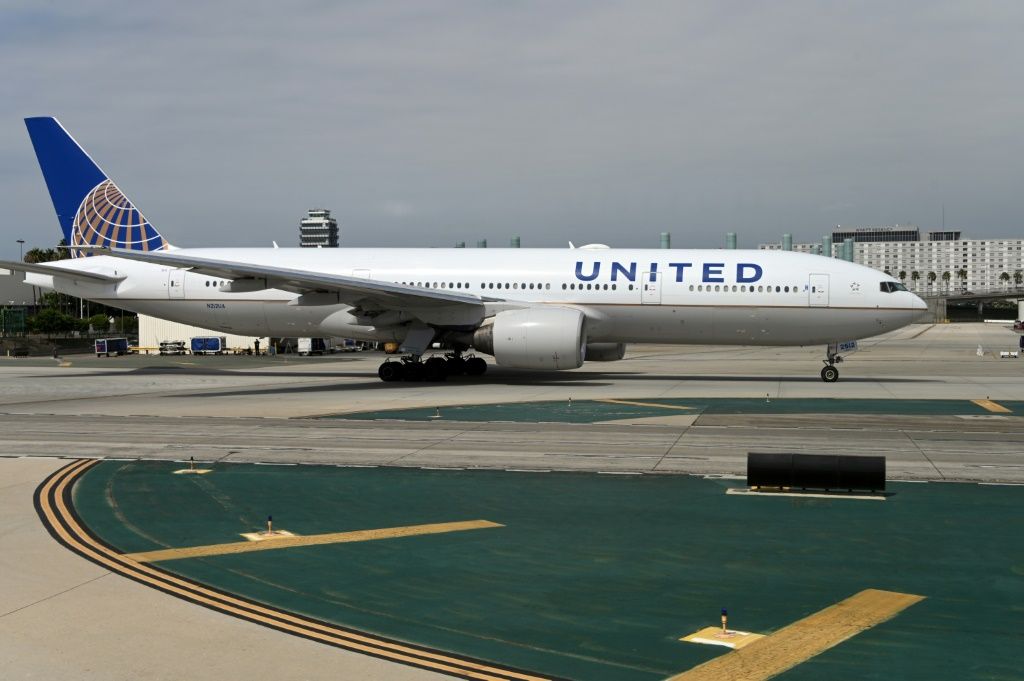
LOS ANGELES — Security wait times at Los Angeles International Airport (LAX) remained relatively short on Friday, April 3, 2026, with most checkpoints reporting general boarding waits of 5 to 12 minutes and TSA PreCheck lines moving even faster at 2 to 5 minutes, according to the latest official airport data and real-time tracking services.
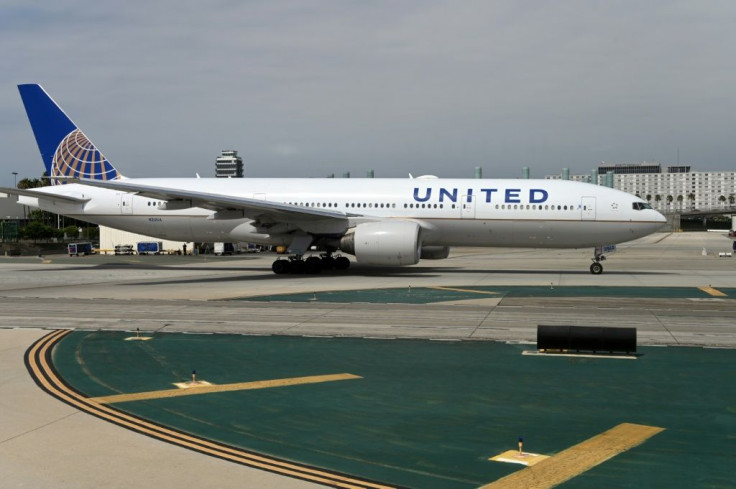
The Tom Bradley International Terminal (TBIT), the busiest at LAX, showed general boarding wait times around 12 minutes late Thursday evening, dropping to as low as 5 minutes in early morning updates on Friday. TSA PreCheck lanes in TBIT were processing passengers in approximately 5 minutes or less. Other terminals reported similarly light to moderate lines, with no major backups observed during overnight and early morning hours.
LAX’s official security wait times page, updated as recently as late Thursday, listed TBIT general boarding at 12 minutes and PreCheck at 5 minutes. Third-party trackers such as Takeoff Timer and Delta’s airport wait times dashboard showed comparable figures, with standard security averaging 3 to 11 minutes depending on the exact checkpoint and time of day. Historical patterns indicate that waits can spike to 20-45 minutes during peak morning (7-9 a.m.) and afternoon (3-6 p.m.) rushes, but current conditions appear calmer than typical busy travel periods.
Travelers are advised to check real-time data before heading to the airport, as conditions can change quickly with passenger volume, flight schedules and staffing levels. The MyTSA mobile app from the Transportation Security Administration provides user-reported and official wait times, while the official flylax.com website offers checkpoint-specific updates for each terminal.
Current Conditions and What to Expect
As of early Friday morning, security lines at LAX were moving efficiently in most terminals. Terminal 1, 2, 3, 4, 5, 6, 7 and 8 checkpoints were open with minimal reported delays. Some overnight hours showed near-zero waits, while early morning ramps saw slight increases but nothing approaching the long lines sometimes associated with LAX during peak holiday or summer travel.
TSA PreCheck and CLEAR members continued to enjoy significantly shorter waits, often clearing security in under 5 minutes. Standard lanes remained manageable for most passengers, though those without expedited screening should still plan to arrive at least two hours before domestic flights and three hours before international departures to account for potential fluctuations.
LAX has made efforts in recent years to improve the passenger experience through additional TSA staffing, better lane configurations and technology upgrades, including more automated screening lanes. However, the airport’s massive scale — handling over 80 million passengers annually — means that even modest surges in traffic can cause temporary backups.
Tips for Smooth Security at LAX
To minimize time spent in security lines at Los Angeles International Airport:
- Enroll in TSA PreCheck or CLEAR: These programs consistently deliver the fastest screening. TSA PreCheck costs $78-$85 for five years and is available through many credit cards as a benefit.
- Prepare in advance: Remove liquids, electronics and belts before reaching the checkpoint. Use the 3-1-1 rule for liquids (3.4 ounces or less in a single quart-sized bag).
- Check real-time data: Use the official flylax.com wait times page, the MyTSA app, or third-party sites like Takeoff Timer before leaving for the airport.
- Avoid peak hours if possible: Early morning (before 7 a.m.) and late evening (after 8 p.m.) typically see shorter lines. Midday can be more unpredictable.
- Use the right terminal: Confirm your airline’s terminal in advance, as some have dedicated checkpoints with varying efficiency.
Passengers with disabilities, families with small children or those needing extra assistance can request accommodations through TSA Cares or airport services.
Broader Travel Context at LAX
Los Angeles International remains one of the world’s busiest airports and a major gateway for both domestic and international travel. On a typical day, security processing can vary widely depending on flight banks, weather delays elsewhere and special events. Friday, April 3, falls during the Easter travel period, yet current data suggests lines have not reached the heavy congestion seen during busier holiday peaks.
The airport continues infrastructure improvements, including terminal modernizations and technology upgrades aimed at speeding up screening. Long-term projects, such as the Automated People Mover and expanded facilities, are designed to ease overall congestion, though security remains a key pinch point for many travelers.
For international flights departing from TBIT, passengers should factor in additional time for customs and immigration on arrival if connecting, though outbound security has generally been efficient in recent reports.
How to Monitor LAX TSA Wait Times Live
Several reliable sources provide up-to-date information:
- Official LAX Security Wait Times: flylax.com/wait-times
- MyTSA App: Available for iOS and Android, with user reports and official data
- Airline apps (Delta, American, United, etc.): Often include airport-specific wait time estimates
- Third-party trackers: Takeoff Timer, iFly, and Delta’s airport wait times page
Travelers are encouraged to refresh these sources close to departure time, as conditions can shift rapidly with arriving flight waves or temporary lane closures for maintenance.
LAX officials recommend arriving early and building in a buffer, especially for first-time visitors or those traveling during holidays. With Easter weekend approaching, passenger volumes may increase, potentially lengthening lines later in the day or over the weekend.
As of Friday, April 3, 2026, TSA security at Los Angeles International Airport is operating smoothly with short to moderate wait times across most checkpoints. While LAX has a reputation for occasional long lines, current real-time data indicates favorable conditions for travelers departing today. Staying informed through official channels remains the best way to ensure a stress-free journey through security.

Head of Myanmar’s ruling junta who led coup against Nobel Peace Prize winner Aung San Suu Kyi becomes president | World News

United announces Base Polaris business class with more restrictions

U.S. March jobs smash expectations, with 178,000 added

Smart energy pays enters the US market, targeting scalable financial infrastructure

Why Israel is blocking foreign journalists from entering

Bitcoin: We’re Entering The Most Dangerous Phase

LIVE : New Financial Year 2026, Major Changes From April 1st | V6 News

Ethereum to $40,000 by 2030: Why ETH Could MASSIVELY Outperform Bitcoin

Cathie Wood & Larry Lepard: “This Is Exactly What Happened Before Bitcoin Did a 10x”
-

 NewsBeat7 days ago
The Story hosts event on Durham’s historic registers
-

 NewsBeat18 hours ago
Steven Gerrard disagrees with Gary Neville over ‘shock’ Chelsea and Arsenal claim | Football
-

 Sports7 days ago
Sweet Sixteen Game Thread: Tide vs Michigan
-
Entertainment4 days ago
Fans slam 'heartbreaking' Barbie Dream Fest convention debacle with 'cardboard cutout' experience
-

 Crypto World2 days ago
Gold Price Prediction: Worst Month in 17 Years fo Save Haven Rock
-

 Business12 hours ago
No Jackpot Winner and $194 Million Prize Rolls Over
-
 Entertainment6 days ago
Lana Del Rey Celebrates Her Husband’s 51st Birthday In New Post
-

 Tech4 days ago
The Pixel 10a doesn’t have a camera bump, and it’s great
-
Crypto World3 days ago
Dems press CFTC, ethics board on prediction-market insider trades
-

 Sports3 days ago
Tallest college basketball player ever, standing at 7-foot-9, entering transfer portal
-

 Tech3 days ago
EE TV is using AI to help you find something to watch
-

 Fashion5 days ago
Amazon Sundays: Soft Spring Layers
-

 Business1 day ago
Login and Checkout Issues Spark Merchant Frustration
-

 Tech4 days ago
Avatar Legends: The Fighting Game comes out in July and it looks pretty slick
-

 Fashion6 days ago
When Evening Dressing Gets Colorful for Spring
-

 Tech3 days ago
How to back up your iPhone & iPad to your Mac before something goes wrong
-

 Tech5 days ago
Elon Musk’s last co-founder reportedly leaves xAI
-

 Tech4 days ago
Apple will hide your email address from apps and websites, but not cops
-

 Crypto World4 days ago
U.S. rule change may open trillions in 401(k) funds to crypto
-

 Politics4 days ago
Should Trump Be Scared Strait?
You must be logged in to post a comment Login