
Business
Iran’s Economy Hit with Tens of Billions in War Damage as U.S.-Israeli Strikes Devastate Infrastructure

TEHRAN, Iran — Iran’s economy, already strained by years of international sanctions, has suffered severe setbacks from the U.S.-Israeli military campaign that began Feb. 28, 2026, with widespread infrastructure destruction, disrupted trade routes and soaring global energy prices amplifying the pain. While precise figures remain elusive due to limited official disclosures from Tehran and the fluid nature of the conflict, analysts estimate the direct physical damage and immediate economic losses could reach tens of billions of dollars, exacerbating a pre-war contraction and threatening food security.
The joint U.S.-Israeli operation, dubbed Operation Epic Fury by some military sources, targeted Iranian military sites, leadership compounds, air defenses and energy infrastructure in a bid to degrade capabilities and pressure the regime. By early March, reports indicated over 4,000 civilian buildings had been damaged or destroyed across the country, according to TRT World and other outlets citing Iranian sources and satellite imagery. These strikes hit urban areas, industrial facilities and transportation hubs, compounding existing vulnerabilities.
Iran’s economy was already contracting under heavy sanctions before the war, with GDP growth negative in recent years and inflation rampant. The conflict has accelerated this decline. Wikipedia’s entry on the economic impact of the 2026 Iran War notes severe infrastructure damage and revenue losses, particularly from disrupted oil and gas exports. Iran’s closure of the Strait of Hormuz in response disrupted roughly 20% of global oil supplies and significant liquefied natural gas volumes, but the move backfired by isolating Iran’s own imports.
Iran relies heavily on Persian Gulf ports for grain shipments, with about 30% of its wheat imported. By March 6, nine grain vessels waited outside the strait, unable to enter amid the blockade and hostilities. Food import funding, already challenging, became nearly impossible as revenues from oil exports plummeted and global prices spiked.
Direct physical damage estimates are scarce from Iranian authorities, who have downplayed impacts to maintain domestic morale. Intelligence assessments cited in reports suggest the strikes have not yet toppled the clerical or military structure, but the economic harm is substantial. Chatham House analysis indicates Iran’s GDP could fall more than 10% due to the war, based on parallels with other conflict zones, though official data has not been released since 2024.
The war’s broader toll includes lost export revenues from energy. Pre-war, Iran exported limited oil under sanctions waivers, but strikes on facilities and export terminals have curtailed even that. Global oil prices surged over 40-50% since late February, with Brent crude reaching $106 per barrel by mid-March, per Al Jazeera reporting. This windfall bypassed Iran due to disrupted flows and sanctions, while domestic energy infrastructure repairs will demand billions.
Civilian and industrial losses add to the bill. Strikes near critical sites, including one projectile incident close to the Bushehr Nuclear Power Plant (confirmed undamaged by the IAEA), raised fears of environmental and economic fallout. Repeated hits on airports like Mehrabad in Tehran and military airbases degraded logistics. Overhead photos and reports show craters and structural damage at various locations, with costs for rebuilding likely in the high billions.
The conflict has also strained Iran’s ability to respond. Degraded air defenses—around 85% of surface-to-air missiles destroyed by mid-March, per Israeli Army Radio citing IDF sources—left the country exposed, forcing resource diversion from economic recovery to military defense. Desertions among personnel and confusion in security forces further hampered response.
Globally, the war’s ripple effects have indirectly hurt Iran. Higher energy prices strained import-dependent economies, but for Iran, the inability to capitalize on high oil prices while facing blockade compounded losses. Capital Economics and Oxford Economics reports forecast limited short-term global GDP hits outside the Gulf if the war ends quickly, but prolonged fighting could see oil at $130-150 per barrel, worsening Iran’s isolation.
Tehran’s retaliatory strikes on U.S. bases in the region caused about $800 million in damage in the first two weeks, per BBC analysis, but these pale against Iran’s own infrastructure hits. The U.S. has borne massive costs—Pentagon estimates put the first six days at over $11.3 billion, rising to potentially $16.5 billion by day 12 per CSIS, with daily expenses around $500 million thereafter. Israel’s Finance Ministry projected weekly economic losses of up to $2.93 billion from disruptions and mobilizations.
As of March 23, 2026, the conflict shows no immediate end, with ongoing strikes and diplomatic efforts faltering. U.S. officials have floated easing some sanctions on Iranian oil to stabilize markets, but progress remains uncertain. Iran’s regime maintains resilience claims, but analysts warn the cumulative economic pressure—physical destruction, lost revenues, import disruptions and inflation—could fuel internal unrest over time.
Rebuilding estimates vary widely. Repairing thousands of damaged buildings, restoring energy facilities and reopening trade routes could cost tens of billions, potentially rivaling or exceeding U.S. war expenditures if prolonged. Food security remains a flashpoint, with grain shortages looming if ports stay blocked.
The war underscores Iran’s economic fragility amid geopolitical confrontation. While military damage assessments focus on strategic degradation, the human and financial cost to ordinary Iranians—higher prices, shortages and uncertainty—may prove the most enduring legacy. As battles continue, the full USD toll on Iran’s economy remains a moving target, but early indicators point to devastation measured in the tens of billions, with recovery years away even if hostilities cease soon.

Business
From geopolitics to crude oil: Deepak Jorwal highlights key risks investors must track in 2026

Deepak Jorwal, Head of Products at Motilal Oswal Private Wealth, highlights that developments ranging from conflicts impacting trade routes to fluctuations in crude oil prices are emerging as key risks that could influence inflation, interest rates, and overall market sentiment.
While such uncertainties may trigger short-term volatility, Jorwal emphasizes the importance of staying disciplined, maintaining diversified portfolios, and using global allocation and rebalancing strategies to navigate these evolving risks effectively. Edited Excerpts –
Q) Geopolitical tensions seem to be escalating across regions. How should global investors interpret these developments from a macro and market perspective?
A) Over the past few years, global markets have had to navigate several geopolitical flashpoints—from the Russia–Ukraine conflict to the ongoing tensions in the Middle East.
These events matter primarily because of their impact on energy supply, trade routes and global supply chains, which in turn influence inflation and growth expectations.
These in-turn also affect the monetary & fiscal policies. For example, the Strait of Hormuz carries nearly 20% of the world’s oil supply, so any disruption there can quickly push crude prices higher and influence global inflation expectations.

Similarly, tensions that affect key shipping routes can increase freight costs and disrupt supply chains, creating short-term uncertainty for businesses and markets.However, from a market perspective, history suggests that geopolitical shocks tend to create short-term volatility rather than long-term structural damage.
Over the past 25 years, multiple global conflicts have triggered corrections and heightened volatility, yet the market has in most cases delivered double-digit returns over the following 12–24 months as uncertainty gradually eased and economic fundamentals reasserted themselves.
For long-term investors, these periods often present the most compelling opportunities to accumulate high-quality businesses at attractive valuations. The key is navigate such periods with discipline, patience, and courage.
As the uncertainty eventually settles—as they always do—those who stayed invested and acted decisively during the turbulence are typically the ones who emerge strongest.
However, geo-political uncertainty has become more frequent than earlier. Hence, the need is to construct the portfolio across asset classes to have diversification, following the investment charter and remain committed to that while managing strategic and tactical allocation inline with one’s objective.
Q) Historically, markets tend to react sharply to geopolitical shocks but recover quickly. Is it time to diversify globally and which markets are looking attractive?
A) Global diversification is becoming increasingly relevant for Indian investors, not just from a return perspective but also for currency and opportunity diversification.
While India remains structurally strong—with GDP growth of ~6–7% and healthy earnings outlook—it represents only a small share of global market capitalisation, whereas markets like the MSCI World Index are heavily dominated by the United States at ~60–65%. This highlights the need to look beyond domestic markets to access a broader opportunity set.
A key driver is also currency diversification—investing globally allows exposure to stronger currencies like the US dollar, which can help hedge against long-term rupee depreciation.
Markets like the US, Taiwan, South Korea, and Japan offer access to sectors such as AI, semiconductors, and advanced manufacturing—areas where India has limited representation.
The idea is not to replace India exposure but to complement it—combining India’s domestic growth story with global innovation and sector leaders. This balanced approach helps improve portfolio resilience while capturing growth opportunities across geographies.
Q) How could rising crude oil prices and commodity volatility reshape the global investment landscape?
A) Rising crude oil prices and commodity volatility can significantly reshape the global investment landscape by influencing inflation, growth, and capital flows.
For India, which imports over 85% of its crude needs, sustained high oil prices typically lead to higher inflation, a wider current account deficit, and pressure on the rupee due to increased dollar demand.
This can weigh on consumption and delay interest rate cuts, impacting overall market sentiment. Globally, elevated energy prices tend to keep inflation sticky, limiting central banks’ ability to ease monetary policy and potentially slowing economic growth.
However, the impact is uneven—energy-exporting economies benefit from higher prices, while import-dependent countries face macro pressures. This divergence is important for global asset allocation.
At the same time, commodity dynamics are being reshaped by structural trends. The energy transition and electrification are driving demand for materials like copper, lithium, and nickel, while oil and gas remain critical in the near term.
Additionally, the rapid growth of AI and data centres is increasing global energy demand, linking technology growth more closely with power and commodity markets.
From an investment perspective, this environment is leading to greater interest in real assets and commodities as both inflation hedges and structural plays.
Gold continues to act as a safe haven during geopolitical uncertainty, while metals linked to clean energy and infrastructure are gaining traction.
Overall, commodity volatility is pushing investors toward more diversified portfolios that balance traditional assets with exposure to energy, metals, and global macro themes.
Q) What role does rebalancing play during volatile periods when asset prices move sharply due to geopolitical shocks?
A) Rebalancing is a key discipline during volatile periods, as sharp market moves can quickly shift portfolios away from their intended allocation.
We typically recommend rebalancing either periodically or when allocations deviate by around 5–10%.
This helps investors trim assets that have risen sharply and redeploy into areas that have corrected, enforcing a “buy low, sell high” approach.
Volatility also creates opportunities to add to fundamentally strong assets that may have fallen due to market sentiment rather than real weakness. Over time, consistent rebalancing improves portfolio stability and enhances risk-adjusted returns.
Q) How can investors use ETFs to achieve better asset allocation across equities, debt, gold and international markets?
A) ETFs have become a practical way to build diversified portfolios across equities, debt, gold, and international markets, offering broad exposure in a transparent and relatively low-cost format.
However, investors need to be mindful of a few practical aspects. Liquidity is critical—while large ETFs trade efficiently, less liquid ones can have wider bid-ask spreads, especially for sizeable investments.
Prices may also deviate from the underlying value due to demand-supply dynamics, particularly in volatile markets or in segments like debt , international ETFs.
In addition, ETFs require a demat and trading account, and investors incur brokerage costs on every transaction, which can add up over time compared to some traditional products.
When these factors—liquidity, pricing efficiency, and transaction costs—are carefully considered, ETFs can be effective tools for disciplined asset allocation and portfolio rebalancing.
Q) Which global ETF themes—such as technology, semiconductors, or global indices—do you believe investors should track in the current environment?
A) As investors rethink allocations amid shifting global dynamics, international exposure serves as a valuable complement to India’s structural growth story.
Select global markets offer reasonable valuations, attractive earnings growth potential, and increasing institutional participation, making them compelling for long-term investors.
A balanced approach could include large, stable economies like diversified basket of Emerging Markets, US and thematic ETFs focused on AI, semiconductors, defence, blockchain tech and other high-growth sectors, rather than taking overly granular or speculative bets.
US continues to account for the largest share of global equity market capitalisation and houses many of the world’s leading technology companies. Emerging markets present a good mix of technology, commodities and consumption growth stories. China (~25% weight in EM basket) continues to be one of the largest economies in the world and a major driver of global manufacturing and commodity demand.
Q) Ideally what percentage of capital should be diversified globally for someone who is 30–40 years old? And if someone wants to deploy fresh capital what would you advise?
A) For Indian investors, allocating around 10% of the equity portfolio to global markets is a sensible approach, regardless of age.
The benefits—access to opportunities not available in India, hedge against currency depreciation or benefit from it, and broader diversification to reduce risk—apply to all investors.
This global allocation can be spread across Emerging Market ETFs, broad US market ETFs, and thematic ETFs focused on technology, AI, semiconductors, and data centres, offering both structural growth and exposure to global innovation.
For deploying fresh capital, a staggered investment approach is recommended to manage market volatility.
Investors can leverage the Liberalised Remittance Scheme (LRS), which allows outward investment of up to $250,000 per financial year, or newer platforms through GIFT City, which are gradually broadening access to global markets.
This approach helps investors systematically build meaningful global exposure while maintaining India as the core of the portfolio.
(Disclaimer: Recommendations, suggestions, views, and opinions given by experts are their own. These do not represent the views of the Economic Times)

Yimutian to acquire Xunxi Technology for RMB 50 million
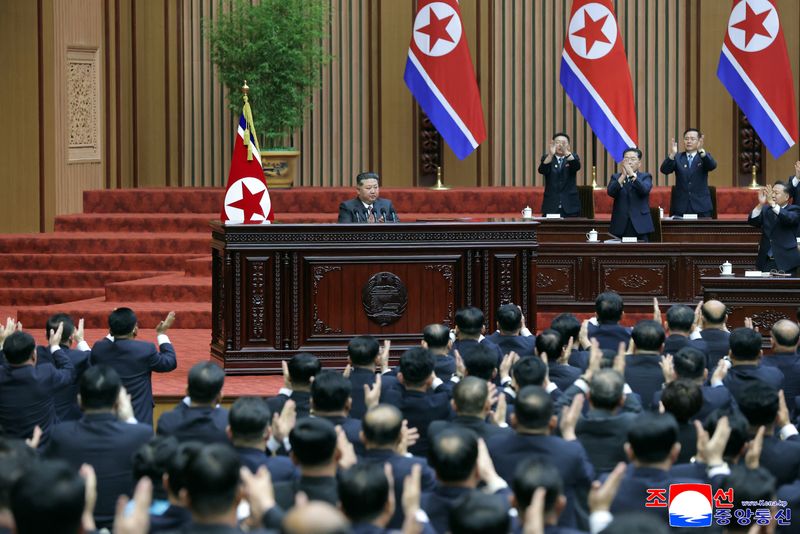

Kim Jong Un says North Korea’s nuclear status is irreversible, threatens South

Diversified Royalty: De-Risking Through Fixed Royalties
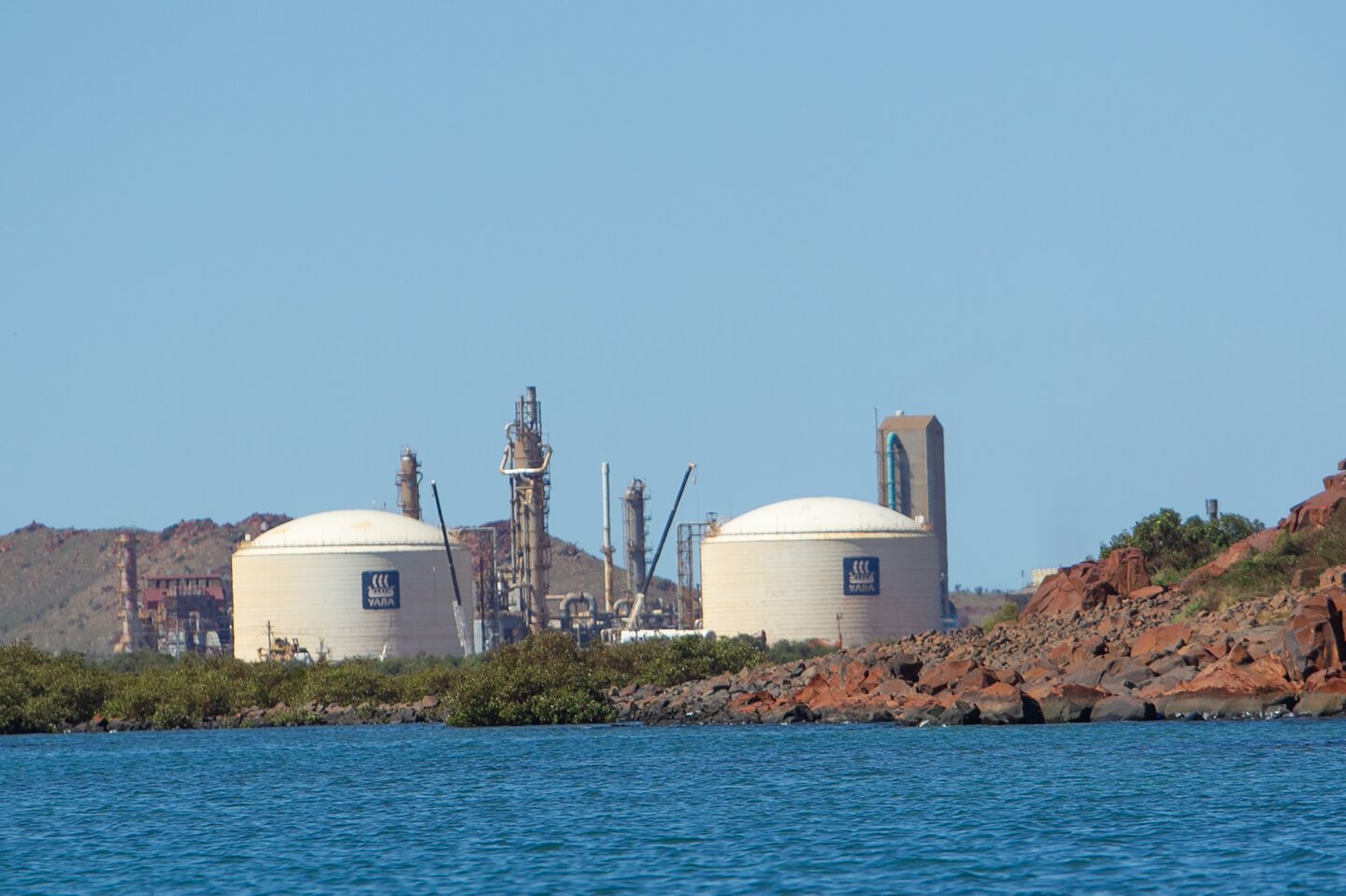
Fertiliser and explosives major Orica is shoring up alternative supply of ammonia amid two plant outages, after Yara’s Pilbara operation was forced offline due to damage.
A major Australian department store operator is planning a big expansion of its e-commerce product categories when it launches a new marketplace platform in the coming months.
Business
Nasdaq Composite Plunges 2% as Geopolitical Tensions and Oil Surge Weigh on Tech-Heavy Index
NEW YORK — The Nasdaq Composite Index tumbled more than 2% on Friday, March 20, 2026, closing at 21,647.61 after shedding 443.08 points, as escalating U.S.-Israeli military actions against Iran drove oil prices higher and fueled investor fears of prolonged economic disruption. The decline marked the tech-focused benchmark’s steepest single-day drop in recent weeks and contributed to a fourth consecutive weekly loss for major U.S. equities.
The sell-off accelerated throughout the trading session, with the index opening around 21,989 and dipping as low as 21,522.75 before a modest late-day recovery failed to offset broad-based losses. Heavyweights in artificial intelligence, semiconductors and data storage bore the brunt, reflecting concerns that higher energy costs could crimp corporate profits and slow AI infrastructure buildouts.
Nvidia Corp. and Microsoft Corp. led the retreat among mega-cap tech names, with losses exacerbating the Nasdaq’s underperformance relative to broader indexes. The S&P 500 fell 1.51% to close at 6,506.48, down 100.01 points, while the Dow Jones Industrial Average declined 0.96%, or 443.96 points, to 45,577.47. The CBOE Volatility Index, or VIX, often called Wall Street’s fear gauge, spiked 11.31% to 26.78, signaling heightened market anxiety.
The primary catalyst was the ongoing conflict in the Middle East, now in its fourth week, which has sent Brent crude surging toward $114 per barrel in recent sessions. Investors worried that sustained high oil prices could reignite inflation pressures, complicate Federal Reserve policy and pressure consumer spending. Reports of intensified U.S.-Israeli strikes on Iranian targets amplified risk aversion, with energy-sensitive sectors showing relative resilience while growth-oriented tech stocks suffered.
“Geopolitics is dominating right now,” said one market strategist in comments echoed across trading floors. “Oil at these levels is a tax on the economy, and tech, with its high valuations and energy-intensive data centers, feels it most acutely.”
Semiconductor and hardware plays were particularly hard hit. Micron Technology Inc. dropped sharply amid broader sector weakness, while other chip-related names faced selling pressure. Constellation Energy and data storage firms like Western Digital and Seagate Technology also posted steep declines, as traders reassessed growth prospects in an environment of elevated input costs.
The Nasdaq’s performance contrasted with pockets of strength elsewhere. Energy stocks held up better, benefiting from the oil rally, while some defensive sectors provided limited cushion. However, the tech-heavy composition of the index—dominated by the so-called Magnificent Seven—left it vulnerable to any shift away from growth bets.
Broader market context showed stocks teetering near correction territory, defined as a 10% drop from recent highs. The Nasdaq had already given back significant ground in prior sessions, with weekly declines piling up as investors digested mixed economic signals and persistent inflation worries. Year-to-date, the index remained positive but well off its peaks, reflecting a choppy 2026 so far.
President Donald Trump’s administration added volatility through public statements on the conflict. Comments suggesting “productive” talks with Iran briefly lifted futures in after-hours trading on March 22 previews, with some reports indicating Dow futures jumping significantly on hopes of de-escalation. However, skepticism persisted about the veracity and immediacy of any breakthrough, keeping traders cautious heading into the March 23 open.
Analysts noted that while diplomatic overtures could provide relief, the market’s reaction underscored deeper concerns about supply chain disruptions in the Strait of Hormuz and potential retaliatory actions. U.S. Navy assurances of escorting tankers offered some reassurance, but not enough to reverse Friday’s momentum.
Tech sector leaders remained in focus. Nvidia, a bellwether for AI enthusiasm, faced renewed scrutiny as higher energy costs threatened to slow hyperscaler spending on GPUs. Microsoft, with its cloud and AI ambitions, similarly contended with margin pressures. The Nasdaq-100, a subset of the Composite, fell 1.88% to 23,898.15 on March 20, underscoring the concentrated pain in large-cap growth.
Looking ahead, investors eyed upcoming economic data, including any fresh inflation readings or Fed commentary, for clues on interest rate paths. Persistent high oil could force the central bank into a tighter stance, further challenging rate-sensitive tech valuations.
Despite the dour session, some observers pointed to oversold conditions as a potential setup for a rebound if geopolitical headlines improve. “Markets hate uncertainty, but they’ve priced in a lot of bad news already,” one trader noted. “Any sign of cooling in the Middle East could spark a sharp relief rally.”
For now, the Nasdaq’s slide highlighted the index’s sensitivity to macro shocks in an era where technology underpins much of economic growth. With oil volatility and war risks lingering, traders braced for continued choppiness as the week drew to a close.
The March 20 close left the Nasdaq down roughly 5-6% over the prior month in some calculations, erasing earlier gains tied to AI optimism. As March 23 trading approached in Asian and European sessions, futures signaled potential opening volatility, with pre-market indications mixed amid evolving news on Iran talks.
Wall Street’s mood remained guarded, balancing hopes for diplomacy against the reality of elevated risks. The tech-driven Nasdaq, long a barometer of innovation and risk appetite, once again proved most exposed to global turbulence.
Business
WuXi AppTec Co., Ltd. 2025 Q4 – Results – Earnings Call Presentation (OTCMKTS:WUXAY) 2026-03-23


Seeking Alpha’s transcripts team is responsible for the development of all of our transcript-related projects. We currently publish thousands of quarterly earnings calls per quarter on our site and are continuing to grow and expand our coverage. The purpose of this profile is to allow us to share with our readers new transcript-related developments. Thanks, SA Transcripts Team
Business
Oil Price Today (March 24): Crude oil reclaims $100 despite Donald Trump postponing attack on Iranian energy. Here’s why
In a post on Truth Social, Donald Trump said the United States and Iran had engaged in “very good and productive conversations” aimed at a complete resolution of hostilities, adding that all planned strikes on power plants and energy infrastructure would be deferred for five days.
Crude oil price on March 24
Brent crude futures rose $1.06, or 1.1%, to $101 a barrel at 0001 GMT. U.S. West Texas Intermediate (WTI) gained $1.58, or 1.8%, to $89.71.The rebound follows a sharp selloff on Monday, when crude dropped more than 10%. The decline came after Trump said he had ordered a five-day pause on planned strikes against Iran’s power infrastructure and indicated that “productive talks” with unnamed Iranian officials had yielded major points of agreement.
Despite the temporary pause in military action, concerns around the Strait of Hormuz persist. The ongoing conflict has effectively disrupted shipments of nearly one-fifth of global oil and liquefied natural gas passing through the key waterway.
Tehran has strongly denied any contact with Washington, calling the claims an attempt to influence financial markets. Iran’s Revolutionary Guards also said fresh attacks had been carried out on U.S. targets, dismissing Trump’s remarks as “worn-out psychological operations.”
Where are prices headed?
As per a Reuters report, international brokerage Macquarie has said that even if tensions ease in the near term, oil prices are likely to find support in the $85–$90 range, with a gradual move back toward $110 until normal flows through the Strait of Hormuz resume. The note added that if disruptions persist through April, Brent could still climb to $150 per barrel.
Meanwhile, the conflict continues to damage energy infrastructure across the region. Recent strikes hit a gas company office and a pressure-reduction facility in Isfahan. A separate projectile struck a gas pipeline supplying a power station in Khorramshahr, as reported by Iran’s semi-official Fars news agency.
(Disclaimer: The recommendations, suggestions, views, and opinions given by the experts are their own. These do not represent the views of The Economic Times.)

Check out what’s clicking on FoxBusiness.com.
A nationwide recall has expanded to include close to 10 million pounds of frozen vegetable fried rice sold at Trader Joe’s stores in dozens of states, according to the U.S. Department of Agriculture (USDA) Food Safety and Inspection Service.
Ajinomoto Foods North America Inc. announced a recall of 9,885,240 pounds of Trader Joe’s Vegetable Fried Rice after small pieces of glass were found in the frozen meals.
The glass shards ranged from one to three cm long and two to four mm wide.
90,000 BOTTLES OF CHILDREN’S IBUPROFEN RECALLED NATIONWIDE, FDA SAYS

A nationwide recall has expanded to include close to 10 million pounds of frozen vegetable fried rice sold at Trader Joe’s stores. (Plexi Images/GHI/UCG/Universal Images Group via Getty Images) / Getty Images)
The recalled products were sold in stores across 43 states, with the seven unaffected states being Hawaii, Maine, New Mexico, South Dakota, Vermont, West Virginia and Iowa.
The affected items had best-buy dates ranging from Feb. 28, 2026, to Nov. 19, 2026.
The latest notice was an expansion of a recall initially issued last month and expanded earlier this month. Nearly 37 million pounds of ready-to-eat items were affected in the total recall effort, which impacted more than a dozen brands in addition to Trader Joe’s, such as Kroger and Tai Pei.

The recalled products were sold in stores across 43 states. (Scott Olson/Getty Images / Getty Images)
Impacted items include Trader Joe’s Chicken Shu Mai and Trader Joe’s Chicken Fried Rice with stir-fried rice, vegetables, seasoned dark chicken meat and eggs.
The USDA classified the alert as a Class II recall in its latest notice, which means “use of or exposure to a violative product may cause temporary or medically reversible adverse health consequences or where the probability of serious adverse health consequences is remote.”
GM RECALLS 17K VEHICLES OVER REAR TOE LINK FRACTURE THAT COULD LEAD TO CRASHES

The latest notice was an expansion of a recall initially issued last month and expanded earlier this month. (Tess Crowley/Chicago Tribune/Tribune News Service via Getty Images / Getty Images)
CLICK HERE TO GET FOX BUSINESS ON THE GO
Customers are urged not to consume the recalled items. They should dispose of the product or return it to the place of purchase for a full refund.
No injuries have been reported thus far in connection with the recall, but the USDA said anyone concerned about potential injuries should contact a healthcare provider.

Young and the Restless 2-Week Spoilers March 30-April 03: Diane Unleashes Her Wrath & Adam’s Life at Risk!

Financial struggle break @PastorJerryEze

Seven illnesses often confused with meningitis, according to doctor


-
 Crypto World3 days ago
NIO (NIO) Stock Plunges 6.5% as Shelf Registration Sparks Dilution Worries
-

 Fashion3 days ago
Weekend Open Thread: Adidas – Corporette.com
-

 Politics3 days ago
Jenni Murray, Long-Serving Woman’s Hour Presenter, Dies Aged 75
-
 Tech6 days ago
Are Split Spacebars the Next Big Gaming Keyboard Trend?
-

 Crypto World2 days ago
Best Crypto to Buy Now: Strategy Just Spent $1.57 Billion on Bitcoin During Fear While Early Investors Quietly Enter Pepeto for 150x Potential
-

 News Videos5 days ago
RBA board divided on rate cut, unusually buoyant share market | Finance Report | ABC NEWS
-

 Crypto World2 days ago
Bitcoin Price News: Bhutan Sells $72 Million in BTC Under Fiscal Pressure, but the Smart Money Entering Pepeto Sees What the Market Does Not
-

 Politics6 days ago
The House | The new register to protect children from their abusers shows Parliament at its best
-

 Tech4 days ago
inKONBINI Lets You Spend Summer Days Behind the Register
-
 Politics7 days ago
Real-time pollution monitoring calls after boy nearly dies
-

 Crypto World5 days ago
Canada’s FINTRAC revokes registrations of 23 crypto MSBs in AML crackdown
-

 Sports16 hours ago
Remo Stars and Kano Pillars Strengthen Survival Hopes in NPFL
-
 NewsBeat5 days ago
Residents in North Lanarkshire reminded to register to vote in Scottish Parliament Election
-

 News Videos6 days ago
PARLIAMENT OF MALAWI – PAC MEETING WITH REGISTRAR OF FINANCIAL ON AMARYLLIS HOTEL – INQUIRY LIVE
-

 Politics4 days ago
Gender equality discussions at UN face pushbacks and US resistance
-

 Business2 days ago
No Winner in March 21 Drawing as Prize Rolls to $133 Million for Next
-

 Business5 days ago
Who Was Alex Pretti? 5 Key Facts About the ICU Nurse Killed by Federal Agents in Minneapolis
-

 Sports15 hours ago
Gary Kirsten Accuses Pakistan Cricket Board Of ‘Interference’, Mohsin Naqvi Responds
-

 Tech1 day ago
Give Your Phone a Huge (and Free) Upgrade by Switching to Another Keyboard
-

 Sports3 days ago
2026 Kentucky Derby horses, odds, futures, preview, date: Expert who nailed 12 Derby-Oaks Doubles enters picks
You must be logged in to post a comment Login