

Business
Jamie Dimon warns stock market and Treasury bond risks underpriced

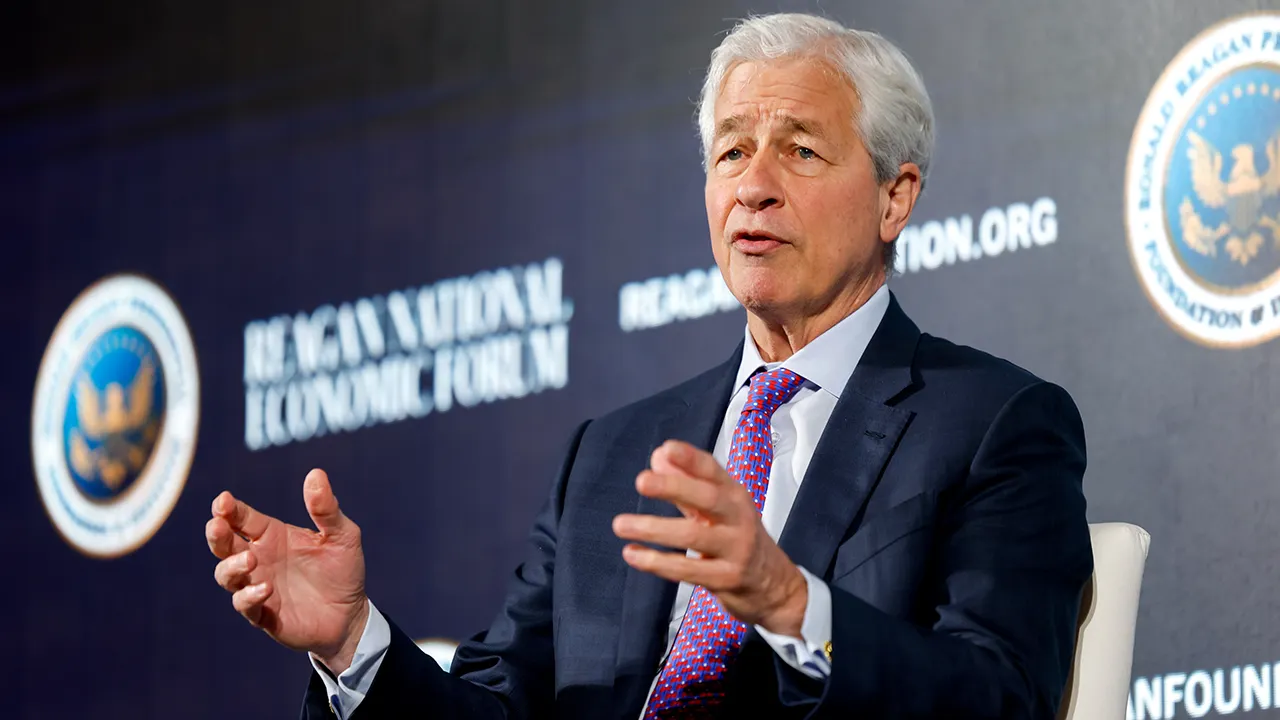
Making Money panelists Mohamed El-Erian and Neil Dutta discuss the five task forces of the Federal Reserve.
JPMorgan Chase CEO Jamie Dimon said in an interview on Monday that he wouldn’t buy stocks or long-term Treasury bonds at their current prices as he thinks investors aren’t accounting fully for risks that could cause turmoil in equity and debt markets.
Dimon said in an interview with CNBC that he thinks geopolitical and fiscal risks are “probably bigger than other people think” amid the ongoing conflicts in Ukraine and the Middle East, as well as looming tensions between the U.S. and China.
He also said that growing budget deficits by governments around the world pose a fiscal risk during a period of rising defense spending, which could lead to interest rates on government bonds remaining higher.
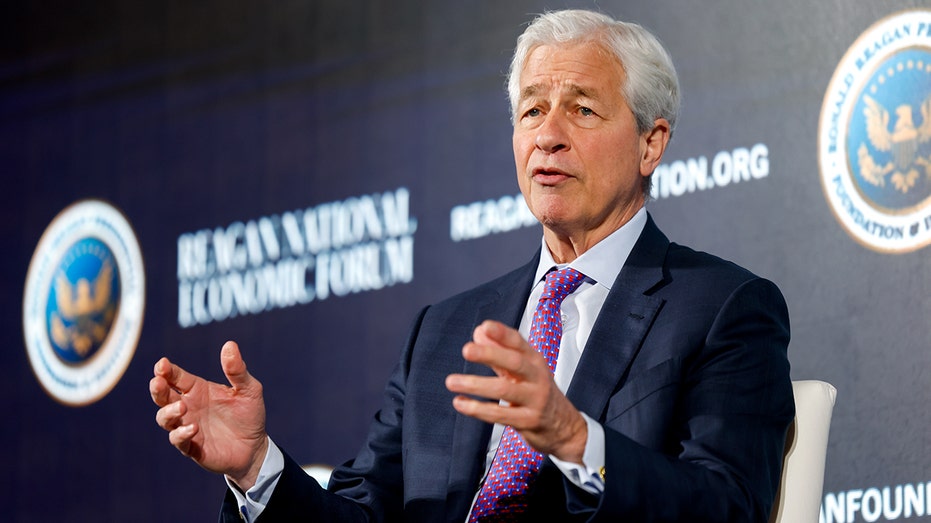
JPMorgan Chase CEO Jamie Dimon said he’s cautious about stock market valuations and wouldn’t buy bonds given current prices and yields. (Caroline Brehman/Bloomberg via Getty Images)
Dimon said he wouldn’t buy long-term Treasurys given the current conditions of the bond market, saying that he thinks interest rates on U.S. bonds will likely remain elevated even if inflation subsides.
DIMON URGES CALM OVER FEAR ABOUT AI’S IMPACT ON JOBS: ‘STOP BEING BREATHLESS OVER IT’
The JPMorgan Chase CEO said he believes “the 10-year bond should probably be at 4% to 4.5%” even if inflation returns to the Federal Reserve’s long-run target of 2%, and said that he personally wouldn’t buy long-term Treasurys and sees little upside for bond prices.
The 10-year Treasury yield is currently about 4.6% and has remained above 4.2% since March after they had trended closer to 4% late last year.
The most recent consumer price index (CPI) data showed inflation was up 3.5% from a year ago – well above the Fed’s 2% target – despite declining month-over-month as gas prices declined as the energy market stabilized during a period of reduced hostilities between the U.S. and Iran.
JAMIE DIMON SAYS HE UNDERSTANDS WHY PEOPLE HAVE GROWN ‘ANTI-RICH’
| Ticker | Security | Last | Change | Change % |
|---|---|---|---|---|
| JPM | JPMORGAN CHASE & CO. | 345.15 | +6.24 | +1.84% |
Stubbornly high inflation prompted the Fed to leave interest rates unchanged at the central bank’s June meeting and Fed Chair Kevin Warsh has signaled that policymakers won’t tolerate elevated inflation.
That has caused the market’s view of the probability of rate cuts to plunge, as the CME FedWatch tool suggests that the federal funds rate will either remain steady or rise before the end of this year.
Dimon also struck a cautious note on the stock market in the interview, saying he wouldn’t invest in the broader market at the high valuations that can currently be found at many leading companies and would instead look at individual companies to find “a great investment.”
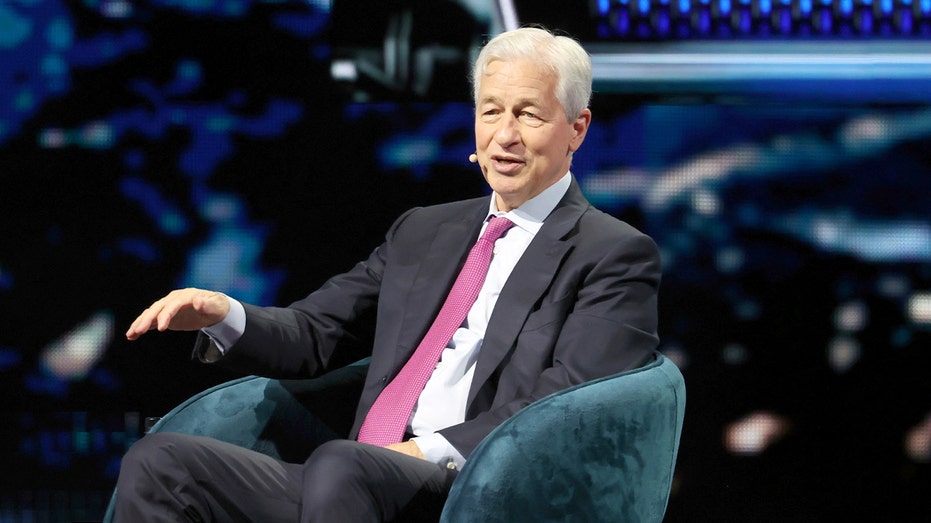
Dimon likened the surge of investment in AI to the rise of the Internet. (Alexander Tamargo/Getty Images for America Business Forum)
JPMORGAN NAMES 2 NEW CO-PRESIDENTS, SETTING UP RACE TO SUCCEED JAMIE DIMON
He also likened the impact of artificial intelligence (AI) on the market as it reshapes the tech sector and the broader economy to what happened during the initial internet boom, saying that companies are spending a “huge” amount of money that may not quickly lead to the desired results.
“Will it in total pay off? Probably, just like the internet did,” Dimon told CNBC. “Will it pay off the way you expect and the timetable you expect? Definitely not.”

Business
(VIDEO) 10 Things to Know About TUIDE, HYBE’s Highly Anticipated New K-Pop Girl Group Set to Debut This Year

K-pop powerhouse HYBE unveiled the name of its newest girl group, TUIDE, on Monday, sparking a wave of anticipation ahead of the septet’s planned debut later this year. Here are 10 things to know about the group as fans gear up for their arrival.
1. The group’s name comes from a specific phrase
TUIDE’s name is a creative play on the phrase “tune the tide,” reflecting the group’s stated ambition to absorb the world’s many changing cultural and musical currents and tune them into new forms of enjoyment, according to an official press release from the group’s label. The imagery is meant to evoke the ocean, symbolizing TUIDE’s goal of creating a new wave within K-pop.
2. TUIDE has seven members
The group consists of seven members: Seohee, Seoyeon, Elena, Jia, Saki, Seah and Yi Hani, according to HYBE’s official announcement. The members are set to showcase distinct individual personalities while working together to create a harmonious group sound and performance style.
3. One member has a notable family connection to another K-pop group
Among TUIDE’s members is Seoyeon, the younger sister of Jihyo, the leader of the established K-pop girl group Twice, according to the Korea Herald. Seoyeon was among three members who first appeared in an earlier teaser video released in May, introducing the label behind TUIDE’s creation.
4. TUIDE will be the first group under a brand-new HYBE label
TUIDE will debut under ABD, a newly established HYBE label focused exclusively on developing girl groups. ABD, whose name stands for “A Bold Dream,” officially launched in May with a stated mission of pursuing the intrinsic joy of music while exploring new creative possibilities within K-pop, according to a statement from HYBE at the time.
5. A veteran producer is leading the group’s creative direction
TUIDE’s overall production, including its music, concepts and performances, is being led by Han Sung-soo, the founder of Pledis Entertainment. Han has a lengthy track record of shaping successful K-pop acts, having previously produced girl group After School as well as boy bands Seventeen and TWS. Han was named one of Billboard’s Indie Power Players in May, according to the Korea Herald.
6. ABD is led by a former Pledis Entertainment executive
The ABD label itself is headed by Jiwon No, who previously served as Head of Artist Planning at Pledis Entertainment, according to Music Business Worldwide. No oversees the label’s overall management and strategic direction as TUIDE prepares for its debut.
7. The group’s name and logo were revealed through a stylized teaser
ABD launched TUIDE’s official social media channels at midnight KST on July 20, unveiling the group’s name alongside a logo motion video. According to allkpop, the visual featured different colors blending seamlessly into vibrant new hues before the group’s name and logo appeared, symbolizing the members’ individual talents merging into a unified identity.
8. TUIDE is taking an unconventional approach to pre-debut marketing
As part of a distinctive promotional strategy, TUIDE’s official Instagram account turned private starting July 21 for an unspecified period, a deliberate marketing choice intended to build anticipation and create an interactive storytelling experience for fans ahead of the group’s full debut, according to the Korea Daily.
9. Fans can attend an exclusive pre-debut event in Seoul
TUIDE is scheduled to hold an exclusive pre-debut experience called “TUIDE Exclusive Preview [Playground]” in Seoul from August 1 to 2, according to Forbes, giving fans an early opportunity to engage with the group ahead of its official music debut later in the year.
10. TUIDE joins an expanding roster of HYBE girl groups
With TUIDE’s upcoming debut, HYBE continues to grow its lineup of girl groups across its various sub-labels, joining acts including Le Sserafim under Source Music, NewJeans under Ador, Illit under Belift Lab and Katseye under HYBE Labels, according to the Korea Times. TUIDE’s launch also comes as HYBE expands its search for girl-group talent internationally, having opened nationwide auditions in India through HYBE India earlier this year, alongside a second global girl-group project launched in Japan through its joint venture with Universal Music Group’s Geffen Records.
With TUIDE’s name, logo and member lineup now confirmed, fans can expect additional promotional content to roll out in the coming weeks, culminating in the group’s official debut sometime in the second half of 2026. Given Han Sung-soo’s track record producing multiple successful HYBE acts and the broader company’s continued global expansion strategy, TUIDE is positioned as one of the more closely watched rookie debuts in K-pop this year, with additional details about the group’s music and concept expected to emerge as its debut date approaches.
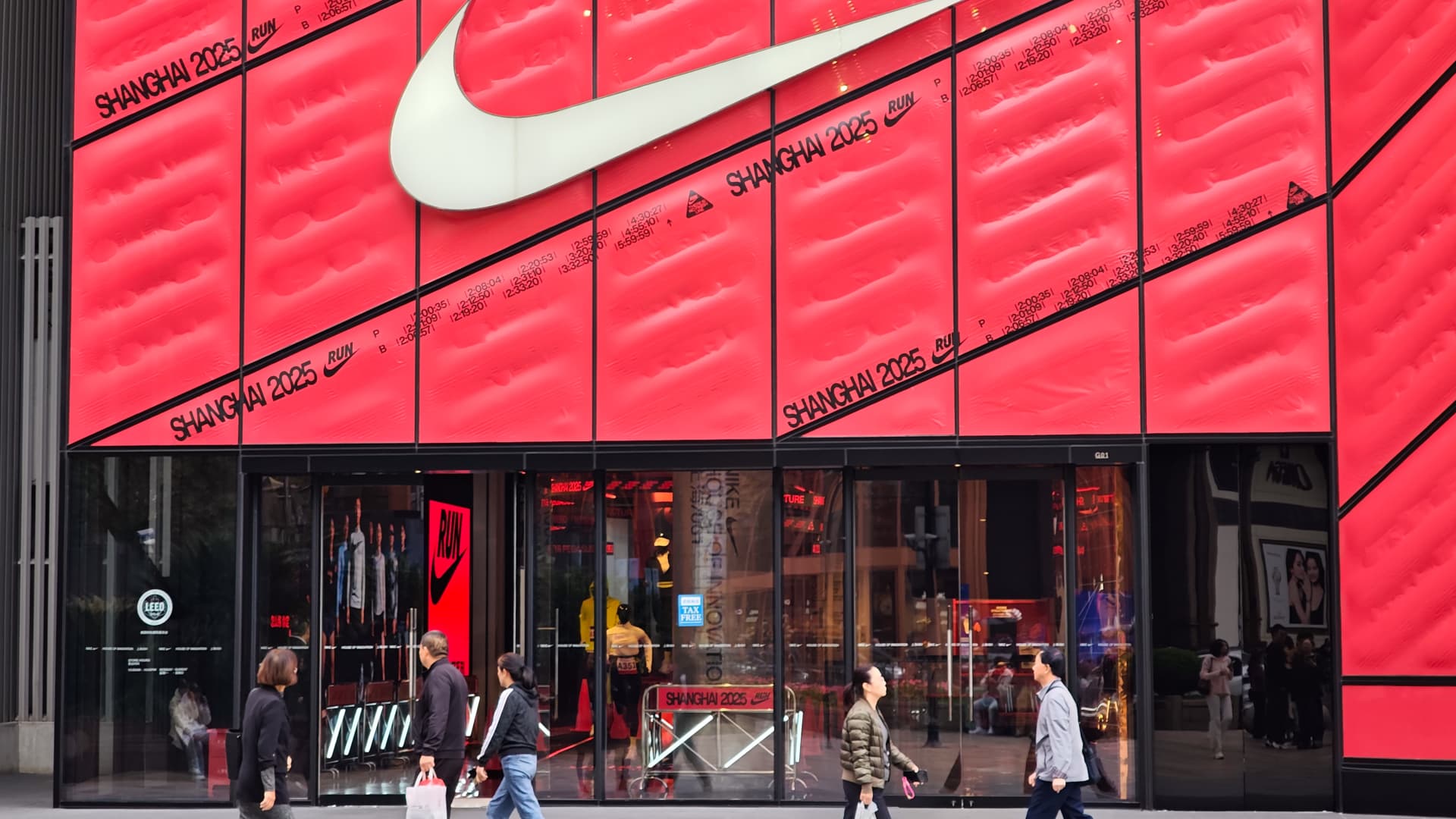
The Nike flagship store in Nanjing Road Walkway in Shanghai, Nov. 4, 2025.
Cfoto | Future Publishing | Getty Images
Nike is planning to cut off thousands of online distributors in China beginning in January as the sneaker giant looks to clean up what’s become a messy digital marketplace and get the region back to growth, the company said Tuesday.
Starting next year, Nike’s online footprint will shift primarily to the retailer’s official website and app, and the storefronts it operates on Tmall, JD.com and Douyin, some of China’s largest online marketplaces and social platforms.
Currently, consumers can shop Nike through all of those channels as well as thousands of other online storefronts powered by Nike’s brick-and-mortar partners in the region and a network of secondary distributors. While the vast digital network has led to widespread consumer access to Nike’s products, it’s also created an inconsistent branding and pricing experience and hampered the company’s efforts to reverse a sales decline in the region.
“These new flagships will serve as the single, elevated destination for Nike within these ecosystems, with clearer product presentation, stronger storytelling and more connected consumer journeys,” Cathy Sparks, Nike’s new vice president and general manager of Greater China, wrote in a letter. “This is about strengthening the platforms where consumers already begin and end their shopping journey, making sure those experiences are direct, consistent and unmistakably Nike.”
“This is not about reducing access. It is about reducing fragmentation and strengthening the consumer journey,” she said. “When the experience is consistent, the brand becomes stronger.”
Nike’s plans to pare back its online footprint are designed to create a better, more consistent experience for the consumer and allow it to take back pricing control online. However, there are also concerns it could lead to a material drop in revenue in a region that’s already shrunk about 30% in the last five years.
News about Nike’s plans to cut off online distributors first came to light late last month in a local Chinese media report. It prompted a note from BNP Paribas equity analyst Laurent Vasilescu, who wrote the move is reminiscent of Nike’s ill-fated decision to cut off wholesalers in North America, which contributed to its collapse of market dominance in the region, as well as steep declines in sales and margins.
“This strategy opened up shelf space for competitors and the strategy ended poorly for Nike. We believe the same could happen if it takes the same approach in China,” Vasilescu wrote last month, adding that BNP was sticking with its underperform rating for the company. “We don’t think Nike has a distributor problem but rather a product problem which also applies in other markets.”
The change is also expected to hurt Nike’s brick-and-mortar partners in the region, which have expanded their online presence in recent years to grow their own businesses.
Still, Topsports, Nike’s largest distributor in mainland China, said it supports the company’s decision.
“Topsports has worked with Nike for 27 years based on the principle of mutual benefit and shared growth,” Topsports CEO Yu Wu said in a statement. “This adjustment will bring some short-term pressure to our business. But we firmly believe that, over the medium- to long-term, this direction will help promote a healthier, more orderly, and more sustainable retail ecosystem in China, while further improving consumer experience and product appeal.”
“Looking ahead, we will continue to work closely with Nike, leveraging our strengths in offline retail operations, local consumer service, and deep market development across city tiers,” Wu said. “Through new concept sport stores and high-quality physical retail experiences, we will bring Chinese consumers richer and more meaningful sport experiences.”

.webp?t=1784642764)
Transaction expected to close later this year.
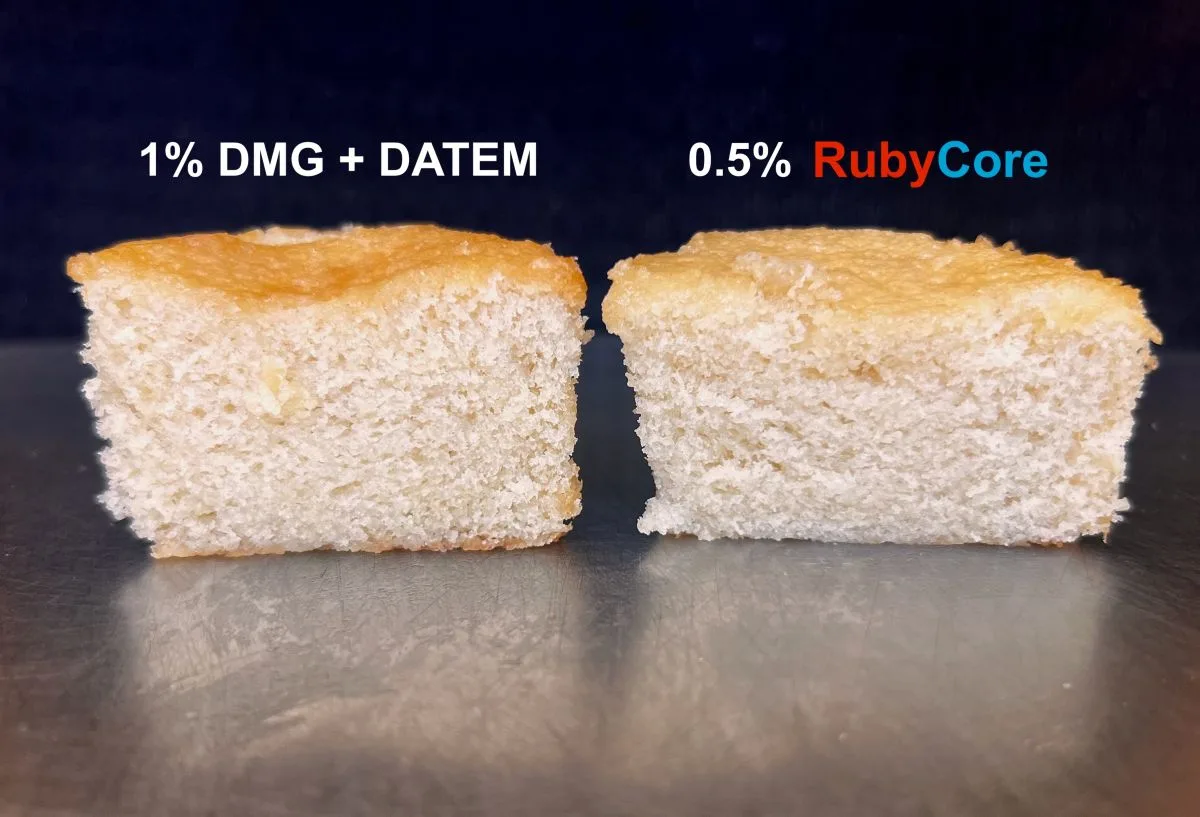

LBB advancing market readiness of Ruby Bio’s palm-free emulsifiers.


AAK makes equity investment in Savor’s carbon-to-fat conversion platform.


Digital-first company is launching its sour fruit snacks into retail.
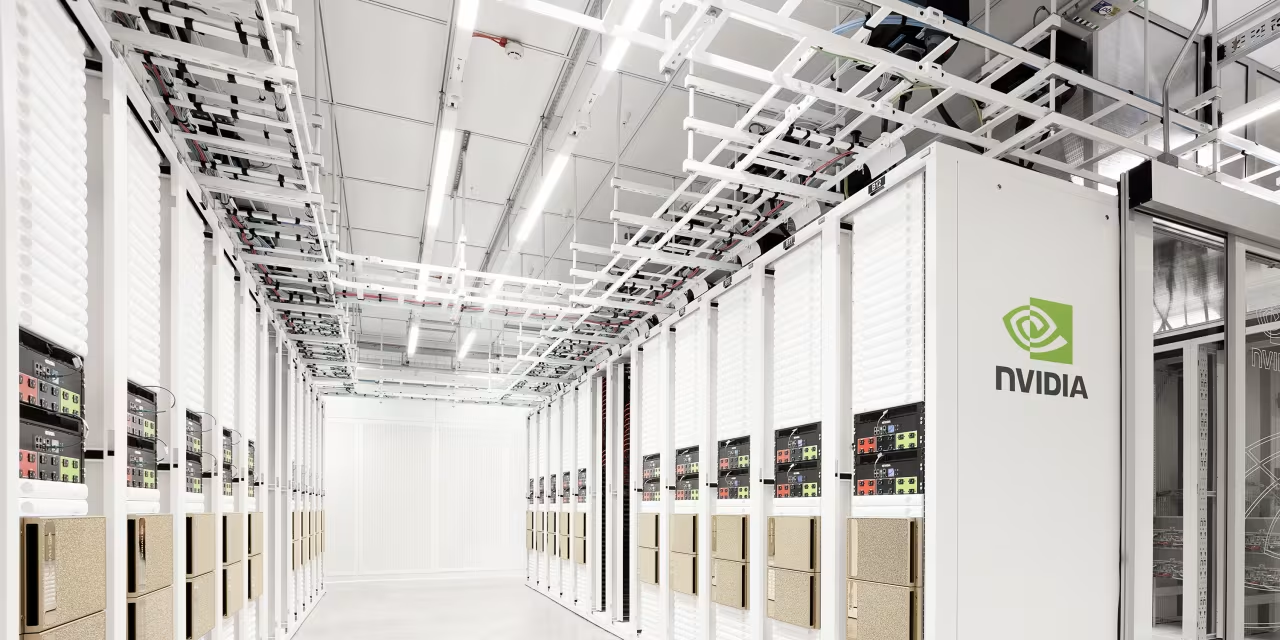
Nvidia Stock Steadies, But It Needs Help for Real Gains

Employer national insurance (NI) contributions for all under-25s should be cut to boost job opportunities for young people, a group of MPs has urged.
The Work and Pensions Committee said it has heard “overwhelming evidence” that rising employment costs, including from employer NI, were reducing training and job vacancies, particularly for young people.
Over one million 16 to 24-year-olds are not in education, employment, or training (known as Neet). The committee said an employer NI cut for all under-25s would tackle this “travesty”.
The government said it was determined to create opportunities for young people, reform education and support people to stay and progress in work.
The previous government, which introduced NI increases for businesses last year, said at the time they were making the right choice to fund public services.
In its 2024 election manifesto, Labour said it would not raise taxes on “working people”, specifically income tax, NI, or VAT.
Critics have argued that the employer NI raise ultimately affects workers by limiting job opportunities.
Some employers have argued it has become more difficult to hire young people due to higher minimum wages and increased taxes, such as employer National Insurance contributions, although the Institute for Fiscal Studies (IFS) found there is no clear evidence, external that higher minimum wages have been a “major driver” of young people becoming Neets.
In April last year, the rate that employers pay in NI contributions rose from 13.8% to 15% and the threshold at which they start paying the tax on each employee’s salary fell from £9,100 per year to £5,000.
However, the employment allowance, which is amount employers can claim back from their NI bill, rose from £5,000 to £10,500.
The committee said employer NI had hit the retail and hospitality sector, which it said tends to employ young people, particularly hard.
It added that there was a “gap” between the government’s employment strategy for under-21s and their strategy for under-25s.
The committee said: “While businesses pay no employer NI contributions for employees under 21 or for apprentices under 25 – unless their salary is above the £50,270 threshold – they pay 15% on annual earnings above £5,000 for non-apprentices aged 21-24, undermining government schemes to improve employment rates in this age group.”
Business
AMD Stock Jumps 8% Ahead of Advancing AI Event as Microsoft Partnership Expansion Fuels Rally

Shares of Advanced Micro Devices surged 8.04%, or $40.48, to $544.05 Tuesday afternoon, as investors positioned ahead of the company’s closely watched Advancing AI 2026 event this week and continued to react to news of an expanded partnership with Microsoft Azure.
Tuesday’s rally builds on gains from Monday, when AMD closed 1.58% higher following the Microsoft announcement, before adding another 3.56% in premarket trading Tuesday. The stock’s advance also coincides with a broader recovery across U.S. semiconductor stocks, with the Philadelphia Semiconductor Index rising more than 3% as major chip names including Intel, Texas Instruments and Taiwan Semiconductor Manufacturing Co. all posted gains.
A deepened partnership with Microsoft
Much of Tuesday’s momentum traces back to AMD’s expanded collaboration with Microsoft, announced in recent days. According to the official announcement, AMD will broaden its GPU, CPU, networking and software services supporting Microsoft’s infrastructure, with Microsoft specifically deploying the AMD Helios Rackscale Solution across its Azure cloud platform. The partnership also includes plans for Azure to add two new AMD EPYC CPU-powered virtual machine series and expand its deployment of AMD’s Pensando data processing units to support Azure’s broader networking services.
AMD CEO Lisa Su characterized the significance of the expanded partnership in a statement accompanying the announcement. “AMD and Microsoft have spent years building high-performance infrastructure together, and today we’re extending that partnership across the full stack of AMD AI,” Su said.
A critical week ahead with Advancing AI 2026
Tuesday’s gains also reflect growing investor anticipation ahead of AMD’s Advancing AI 2026 event, scheduled for July 22 and 23, which the company has positioned as one of its most significant catalysts of the year. The event is expected to feature the formal launch of AMD’s next-generation Zen 6 Venice EPYC server processors, manufactured on TSMC’s advanced 2-nanometer process, along with an updated roadmap for the company’s MI455X AI accelerator chip.
Meta Platforms has already adopted AMD’s Helios server platform and is expected to begin deploying Helios servers during the second half of 2026, according to earlier reporting from AMD’s management. On the company’s May earnings call, AMD executives noted strong customer demand for the Helios platform and indicated they would share additional details during the July event. The Helios rack-scale system, powered by AMD’s MI455X GPU, features 432 gigabytes of high-bandwidth memory, notably higher than the 288 gigabytes offered by Nvidia’s competing Vera Rubin chip system.
Recovering from a sharp pullback
Tuesday’s rebound follows a difficult stretch for AMD shares, which had fallen roughly 17% from their June 30 high of $584.73, closing at $486.27 on Friday amid a broader sector-wide selloff rather than any company-specific setback. Analysts tracking the stock noted that AMD had reported no disappointing quarterly results, lost no major customers, and faced no significant product delays during that decline, attributing the pullback instead to broader concerns about elevated valuations across the semiconductor sector following a wave of AI-related volatility.
Despite the pullback, AMD’s shares remained up 131% for the first half of 2026 alone, according to earlier reporting, before the stock’s momentum weakened over the subsequent month amid the broader chip sector selloff that has affected multiple semiconductor names in recent weeks.
Additional catalysts supporting the rally
Beyond the Microsoft partnership and the upcoming Advancing AI event, AMD’s stock has also been supported by recent supply chain reports suggesting the company has secured additional high-bandwidth memory capacity for its next-generation AI accelerators, according to TradingKey. Positive early feedback from major cloud service providers integrating AMD’s newest Zen-based server processors into their infrastructure has further bolstered investor sentiment, with early performance benchmarks pointing to meaningful improvements in power efficiency and compute density.
Wall Street remains broadly bullish
Despite recent volatility, Wall Street analysts have largely maintained an optimistic outlook on AMD’s prospects. Goldman Sachs analyst James Schneider maintained a Buy rating on the stock earlier this month, raising his price target from $450 to $640, citing surging demand for high-performance CPUs driven by the industry’s broader shift toward agentic AI workloads. Schneider’s reasoning centers on the distinction between AI model training, which remains heavily GPU-intensive, and AI inference in real-world applications, which typically requires a combination of both CPUs and GPUs, a dynamic that favors AMD’s diversified chip portfolio.
Wells Fargo analysts similarly raised their price target on AMD from $505 to $615 while maintaining an Overweight rating, according to earlier reporting. Analysts currently project AMD’s second-quarter 2026 earnings per share to climb 400% year-over-year to $1.35, with full-year fiscal 2026 earnings expected to surge 88.1% to $6.15 per share, followed by projected growth of 76.1% to $10.83 per share in fiscal 2027.
With AMD’s Advancing AI 2026 event beginning Wednesday and the company’s second-quarter earnings report scheduled for August 4, investors are likely to closely watch for additional customer commitments tied to the Helios platform, along with further details on the Zen 6 Venice CPU launch and updated MI455X accelerator roadmap. Given the stock’s recent recovery from its pullback and the significant catalysts on the immediate horizon, AMD is positioned to remain one of the more closely watched names within the broader AI infrastructure trade through the remainder of the summer, even as ongoing geopolitical tensions tied to the conflict between the United States and Iran continue to introduce broader uncertainty around global supply chains and semiconductor markets more generally.

Goldman Sachs expects Brent crude to average $80 per barrel in the fourth quarter and $75 next year, assuming tensions in the Middle East ease. However, the risks to its forecasts remain “tilted to the upside” due to potential disruptions to shipping through the Strait of Hormuz and possibly the Red Sea, analysts said.
Global energy markets have faced renewed volatility this month, with Brent climbing back above $91 per barrel amid fresh fighting between the U.S. and Iran and a threat by Iran-backed Houthi rebels in Yemen to blockade shipments from Saudi Arabia. Red Sea routes have played a key role in enabling Persian Gulf crude cargoes affected by disruptions to reach buyers.
Also read: Relieved that crude has finally fallen? The real warning signs just began flashing elsewhere
Goldman Sachs said lower global inventories in the second quarter have increased the oil market’s vulnerability to supply shocks. However, weaker Chinese imports and greater demand elasticity could limit the potential for further price gains.

Crude oil price today
Oil prices edged lower on Tuesday as markets weighed reports of renewed diplomatic efforts between the U.S. and Iran, including a proposed 10-day ceasefire, against continued military exchanges and a threat by Yemen’s Houthis to impose a naval blockade on Saudi Arabia.
A senior Iranian official told Reuters that Tehran had received a 10-day ceasefire proposal from mediators. The initiative aims to preserve the interim agreement signed on June 17 and create a path toward a lasting deal to end the conflict that began on February 28 following U.S.-Israeli attacks on Iran.
The diplomatic push followed another night of U.S. strikes on Iranian cities and retaliatory attacks by Iran’s Revolutionary Guards on U.S. military assets across the region. U.S. Central Command later said on Monday that it had launched another round of strikes on Iran.
The U.S. carried out its 10th consecutive day of strikes after President Donald Trump vowed that Iran “will pay” for the killing of American soldiers. Iran responded with attacks on Kuwait.
The conflict began on February 28, when the U.S. and Israel launched attacks on Iran. Tehran retaliated with strikes on Israel and Gulf states that host U.S. military bases. U.S.-Israeli attacks on Iran, along with Israeli strikes on Lebanon during the conflict, have killed thousands of people and displaced millions.
Also read:Oil is crude once again! Is $95 the new normal and what it means for Indian investors?
Over the past week, Trump has also threatened to widen the scope of U.S. strikes in Iran to include energy facilities and bridges.
The 1949 Geneva Conventions, which set rules for humanitarian conduct during war, prohibit attacks on sites considered essential to civilian life. Following Trump’s earlier threats to target such infrastructure, international law experts in the U.S. said earlier this year that such attacks could potentially constitute war crimes.
(Disclaimer: Recommendations, suggestions, views and opinions given by the experts are their own. These do not represent the views of The Economic Times)
Leslie Jones scoops up ‘Oompa-Loompa’ Sheinelle Jones on “Today”: ‘She’s so small!’

Punchmade Dev – Fast Money (Music Video)

Can YOU guess Burnham’s new Cabinet based on childhood photos?


-
 NewsBeat5 days ago
London Mayor Sadiq Khan handed a peerage by Keir Starmer alongside 15 other Labour figures… just days before the PM leaves No10
-

 Fashion4 days ago
Weekend Open Thread – Corporette.com
-

 Politics4 days ago
The House | The City of London can help the new chancellor deliver growth in every postcode
-

 Politics7 days ago
Young campaigners urge incoming PM to act on outdoor junk food ads
-
 Crypto World5 days ago
Two July Windows Left: The CLARITY Act’s Senate Fight and What Failure Means
-

 Crypto World6 days ago
CFTC blocks Kalshi from unwinding Michigan trades after court order
-

 Crypto World4 days ago
Ripple Payments Joins MiCA With 14 Firms, Does It Mean Anything For XRP?
-

 Business6 days ago
Nvidia Stock Slips After Big Tuesday Rally as Huang Confirms Vera Rubin Chip Is Now in Production Today
-

 Politics2 days ago
Democrats look to World Cup watch parties to register thousands of voters
-
 Entertainment6 days ago
Disney’s Most Ambitious Failed Star Wars Attraction Is Coming to SDCC
-

 Crypto World4 days ago
Ripple wins EU-wide access as ESMA adds it to MiCA register
-

 Crypto World16 hours ago
Grayscale Files For Worldcoin ETF, WLD Registers Sharp Rise
-

 Crypto World5 days ago
Injective Submits SEC Transfer-Agent Registration to Onchain Ownership Records
-

 Business6 days ago
Palantir Shares Rise After Expanded Nvidia Partnership and Fresh Analyst Upgrades Ahead of Earnings Day
-

 Tech24 hours ago
Sail Virtually Aboard The “Itanic” With IA-64 Emulator
-
 Tech21 hours ago
Turtle Beach Command Series KB7 review: a nifty screen-equipped gaming keyboard
-

 NewsBeat5 days ago
Registration is now open for March for Men with Kev 2026
-

 NewsBeat2 days ago
Unregistered fitter used Gas Safe logo on business flyers
-
 Sports6 days ago
New Cornerback Enters Vikings Trade Rumor Mill
-

 News Videos5 days ago
Money | Class 12 Economics | CBSE Board Exam 2026-27
You must be logged in to post a comment Login