
Business
Johnson & Johnson Stock Hits Near 52-Week High Amid Strong Performance and Defensive Appeal in Volatile Market

Johnson & Johnson shares advanced to near their 52-week peak in recent trading, outperforming a broader market pullback driven by escalating Middle East tensions and oil price surges, as investors sought refuge in the healthcare giant’s stable earnings, robust dividend and diversified portfolio.
The company’s stock (NYSE: JNJ) closed at $248.43 on Feb. 27, 2026, up $4.96 or 2.04% from the previous session, on elevated volume of over 16.4 million shares — about 70% above average. In early March 3 trading, shares hovered around $249.24, up modestly in a session where futures indicated pressure from geopolitical risks. The rally pushed JNJ within striking distance of its intraday high of $248.94 from late February, marking a 52-week range from $141.50 to nearly $252. Year-to-date gains exceed 10%, with the stock up about 38% over the past six months despite ongoing talc litigation headwinds.
Johnson & Johnson’s resilience stems from its January 2026 earnings report for the fourth quarter and full year 2025. The company posted strong results, with full-year sales growth supporting an upbeat 2026 outlook. Q4 revenue reached approximately $24.28 billion, while adjusted EPS came in at levels that beat some expectations despite a slight miss in certain views ($2.46 vs. consensus near $2.47). Innovative Medicine (pharmaceuticals) and MedTech segments drove performance, with key products like Darzalex and Tremfya showing robust sales.
For 2026, J&J guided reported sales to $99.5 billion to $100.5 billion (midpoint $100.5 billion, up about 6.7%), and adjusted EPS of $11.43 to $11.63 (midpoint $11.53, up 6.9%). The forecast exceeded Wall Street estimates even after factoring in impacts from drug pricing agreements with the Trump administration and potential tariffs on medical devices, estimated at hundreds of millions. Analysts praised the guidance as conservative yet achievable, highlighting oncology pipeline strength and biosimilar competition offsets.
The company maintains a market capitalization approaching $600 billion, with a forward P/E ratio around 22-23 — viewed as attractive for a blue-chip healthcare name. The quarterly dividend of $1.30 per share (annualized $5.20, yield about 2.09%) remains a draw for income investors. The ex-dividend date was Feb. 24, 2026, with payment on March 10.
Recent pipeline advancements bolster confidence. In late February, J&J reported promising early Phase 1b results for pasritamig (a bispecific T-cell engager) combined with docetaxel in advanced prostate cancer, showing deep PSA reductions and manageable safety. On Feb. 24, the company submitted a supplemental Biologics License Application to the FDA for IMAAVY (nipocalimab) as the first treatment for warm autoimmune hemolytic anemia (wAIHA). Upcoming presentations include the Barclays Global Healthcare Conference on March 10 and TD Cowen on March 3.
Talc litigation continues to cast a shadow, though the stock’s performance suggests investors are pricing in manageable risk. As of early 2026, the multidistrict litigation includes over 67,000 plaintiffs alleging ovarian cancer or mesothelioma from talc products. Recent verdicts include a $250,000 award in a Philadelphia case in February for a deceased user’s family, and larger prior awards like $1.5 billion in a 2025 mesothelioma trial (under appeal). J&J insists its products are safe and asbestos-free, pursuing appeals and settlement discussions. No global resolution has emerged post-bankruptcy attempts.
Analysts maintain a consensus “Moderate Buy” rating, with average price targets around $233 (some as high as $262), implying modest upside or stability from current levels. Firms like Morgan Stanley upgraded to Buy with a $262 target in January, citing improving 2026 prospects.
In a market facing geopolitical uncertainty — with oil surging on Iran-related developments — JNJ’s defensive characteristics shine. Healthcare stocks often hold up during risk-off periods, and J&J’s low beta, consistent cash flow and innovation in high-growth areas like oncology position it well.
The company continues executing its post-Kenvue separation strategy, focusing on Innovative Medicine and MedTech for sustained growth. With next earnings expected around April 14, 2026, investors will watch for updates on pipeline momentum, litigation developments and macro impacts.
Johnson & Johnson’s blend of stability, yield and growth potential keeps it a core holding for many portfolios amid broader volatility.


Jersey’s banknotes were last refreshed in 2010 – is it time for a redesign?

OPINION: Structural reform rarely makes headlines, but it shapes outcomes.
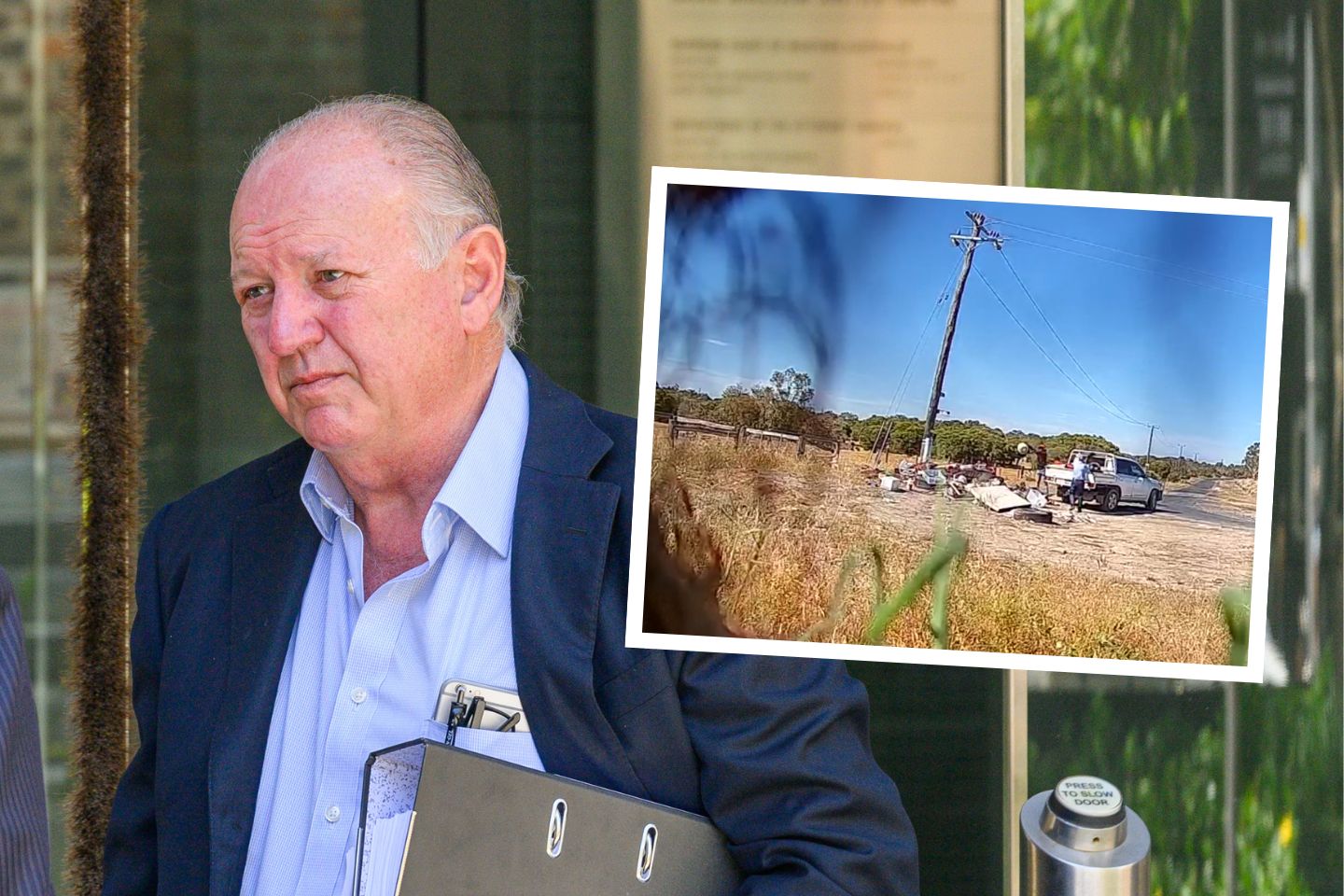
Property mogul Allen Caratti-owned Mammoth Contracting has been fined $17,000 after being caught illegally dumping waste on CCTV cameras.

Peter McGuire, CEO, Australia-Trading.com summed up the recent turbulence: “It has been a volatile 12 hours… the market is whipsawing. A 100 might be the new home… it will probably hover around that 100 handle.”
Markets React Swiftly to Political Signals
Oil prices have been highly sensitive to developments linked to former US President Donald Trump, initially falling before rebounding above $100. This suggests that traders are actively recalibrating positions based on evolving geopolitical cues rather than fundamentals alone.McGuire explained: “The market has taken on board the announcements… that is the price discovery. The overall theme is consolidation… maybe we are at the tail end, or more fireworks could come.”

The reaction across asset classes reflects a cautious tone, with equities bouncing while precious metals remained largely flat.Supply Disruptions Could Linger
Even if tensions ease quickly, the road to supply normalisation may be slow. Disruptions already underway are expected to impact global supply chains, particularly in Asia.”It could take six weeks to three months… supply disruption will impact Asia and India,” McGuire noted, highlighting the potential inflationary and growth-related consequences.
Oil’s Next Move: Relief or Rally?
The direction of crude prices now hinges on how the geopolitical situation evolves in the coming days. In a best-case scenario, a peace deal could remove the risk premium from oil prices. “You could see $5 to $15 stripped out quickly if things normalise,” McGuire said.
However, the risks on the upside remain significant if tensions escalate. “You could add another $20… possibly 125 if conflict expands,” he warned, especially if more Middle Eastern nations get involved.
A Market Driven by Uncertainty
For now, oil markets remain tightly linked to geopolitical headlines. While near-term volatility may ease slightly, the broader outlook is still uncertain.
The $100 level is no longer just a milestone—it reflects a fragile balance between stability and escalation, with global markets watching every development closely.

With combined experience of covering technology companies on Wall Street and working in Silicon Valley, and serving as an outside adviser to several seed-round startups, Gary Alexander has exposure to many of the themes shaping the industry today. He has been a regular contributor on Seeking Alpha since 2017. He has been quoted in many web publications and his articles are syndicated to company pages in popular trading apps like Robinhood.
Analyst’s Disclosure: I/we have no stock, option or similar derivative position in any of the companies mentioned, and no plans to initiate any such positions within the next 72 hours. I wrote this article myself, and it expresses my own opinions. I am not receiving compensation for it (other than from Seeking Alpha). I have no business relationship with any company whose stock is mentioned in this article.
Seeking Alpha’s Disclosure: Past performance is no guarantee of future results. No recommendation or advice is being given as to whether any investment is suitable for a particular investor. Any views or opinions expressed above may not reflect those of Seeking Alpha as a whole. Seeking Alpha is not a licensed securities dealer, broker or US investment adviser or investment bank. Our analysts are third party authors that include both professional investors and individual investors who may not be licensed or certified by any institute or regulatory body.
BofA Names Top US Mid-Cap Bank Stocks

Global energy prices plunged on Monday after Trump said he had postponed strikes on Iranian power plants.


Morning Bid: Little relief from Trump
Huntington Bancshares: I'm Paying Attention
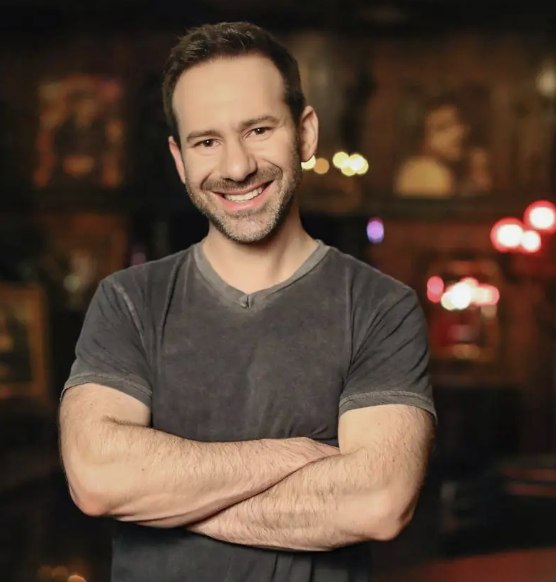
MIAMI – Leonid Radvinsky, the low-profile Ukrainian-American entrepreneur who transformed OnlyFans into a multibillion-dollar subscription platform dominating the adult entertainment industry, died March 20, 2026, after a private battle with cancer. He was 43.
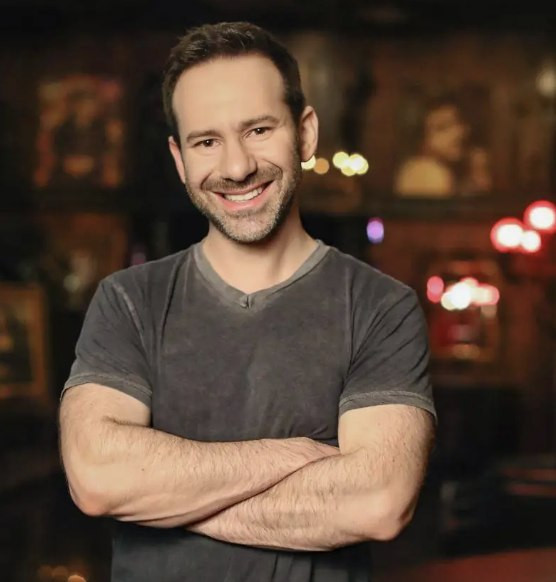
OnlyFans confirmed the death in a statement Monday, saying Radvinsky “passed away peacefully after a long battle with cancer.” The company emphasized that his family has requested privacy. At the time of his death, Forbes estimated his net worth at $4.7 billion, placing him among the world’s richest individuals and on the Forbes 400 list of wealthiest Americans.
Radvinsky acquired a majority stake in Fenix International Ltd., OnlyFans’ parent company, in 2018 from its British founders. Under his ownership, the platform exploded in popularity, especially during the COVID-19 pandemic, as creators — many in adult content — turned to direct subscription models. By 2024, OnlyFans reported billions in gross revenue, with users spending $7.2 billion on the site and Radvinsky personally receiving roughly $1.9 million per day in profits at peak times. He had extracted about $1.8 billion in dividends by early 2025.
Here are five key things to know about Leonid Radvinsky:
1. **Immigrant Success Story**: Born in Odesa, Ukraine, around 1982 or 1983, Radvinsky moved to Chicago as a child. He studied economics at Northwestern University, graduating summa cum laude and serving as class valedictorian. Early exposure to computers came from programming in BASIC on his grandfather’s i386 PC, sparking a lifelong passion for technology.
2. **Pioneer in Adult Web Businesses**: Before OnlyFans, Radvinsky built his fortune in online adult entertainment. While a student, he founded Cybertania, a porn website referral business. He later created MyFreeCams through his holding company MFCXY Inc., one of the early cam sites that let users pay for live explicit content. These ventures laid the groundwork for his larger success.
3. **OnlyFans Majority Owner and Transformative Leader**: Radvinsky bought a 75% stake in Fenix International in 2018 for an undisclosed sum. He kept an extremely low public profile, rarely giving interviews and avoiding the spotlight despite the platform’s cultural impact. OnlyFans grew to millions of creators and hundreds of millions of fans, allowing performers to monetize directly and bypassing traditional industry gatekeepers. Reports in 2025 indicated he was exploring a sale that could value the company at up to $8 billion.
4. **Philanthropist and Open-Source Advocate**: Despite his reclusive nature, Radvinsky described himself on personal websites as an angel investor, company architect and open-source software supporter. He donated millions to causes including cancer research at Memorial Sloan Kettering, the University of Chicago Medicine and animal welfare groups. In 2024, he made a $23 million grant for cancer research. He also invested heavily in open-source technologies and promoted tools empowering digital identity control.
5. **Private Family Man**: Radvinsky married Katie Chudnovsky in 2008. The couple had four children and lived primarily in Florida, where he maintained a low-key existence. He rarely discussed his personal life publicly, and his family has continued that request for privacy following his death. He was known among close circles as an aspiring helicopter pilot and Elixir programming language enthusiast.
Radvinsky’s death comes as OnlyFans navigates questions about its future ownership. Shares in the LR Fenix Trust have held his stake since 2024, and any sale or succession plans remain undisclosed. The platform, while controversial for its heavy reliance on adult content, also hosts non-explicit creators including musicians, athletes and influencers seeking direct fan connections.
Industry analysts say Radvinsky’s business model fundamentally changed how adult performers earn a living by cutting out intermediaries and giving creators control over pricing and content. Critics, however, have pointed to concerns over exploitation, underage access issues and the platform’s role in broader societal debates about online pornography.
Born into a Jewish family in Ukraine, Radvinsky maintained ties to his heritage and supported causes linked to Ukraine and Israel, though he avoided public political statements. His early career included work in spam-related online businesses, drawing scrutiny in some reports, but he focused later on building legitimate, scalable tech companies.
Colleagues and those familiar with his work described him as a sharp strategist who preferred results over recognition. His personal site lr.com portrayed him as an “economist by training and entrepreneur by trade,” highlighting contributions to open-source movements and investments in multiple online giants.
The timing of his death, shortly after reports of potential sale talks and large dividend payouts, has fueled speculation in business circles about OnlyFans’ next chapter. The company has not announced leadership changes or strategic shifts.
Radvinsky’s passing highlights the often-hidden figures behind major internet platforms. While OnlyFans gained mainstream attention through celebrity endorsements and pandemic-driven growth, its owner operated in the shadows, letting the technology and creators take center stage.
Tributes from the adult industry and tech community poured in Monday, praising his role in empowering independent creators while acknowledging the controversies surrounding the platform. Fans and critics alike noted the platform’s resilience and cultural footprint.
As of March 24, 2026, OnlyFans continued normal operations. The company said it remains committed to its mission of helping creators earn directly from their content.
Radvinsky is survived by his wife, children and extended family. Funeral arrangements have not been made public in line with the family’s privacy request.
His life traced an arc from immigrant child coding on an old PC to billionaire architect of one of the internet’s most profitable and debated platforms — a story of technological ambition, business acumen and personal discretion.

Should Jersey follow English banknote design?

Lord Ashcroft: My latest focus groups -“This is the only time I’ve agreed with Keir Starmer in a while”

TGL Finals: Los Angeles Golf Club battles back to edge Jupiter Links in Match 1


-
 Crypto World3 days ago
NIO (NIO) Stock Plunges 6.5% as Shelf Registration Sparks Dilution Worries
-

 Fashion4 days ago
Weekend Open Thread: Adidas – Corporette.com
-

 Politics4 days ago
Jenni Murray, Long-Serving Woman’s Hour Presenter, Dies Aged 75
-
 Tech7 days ago
Are Split Spacebars the Next Big Gaming Keyboard Trend?
-

 Crypto World2 days ago
Best Crypto to Buy Now: Strategy Just Spent $1.57 Billion on Bitcoin During Fear While Early Investors Quietly Enter Pepeto for 150x Potential
-

 News Videos6 days ago
RBA board divided on rate cut, unusually buoyant share market | Finance Report | ABC NEWS
-

 Crypto World2 days ago
Bitcoin Price News: Bhutan Sells $72 Million in BTC Under Fiscal Pressure, but the Smart Money Entering Pepeto Sees What the Market Does Not
-

 Politics6 days ago
The House | The new register to protect children from their abusers shows Parliament at its best
-

 Tech4 days ago
inKONBINI Lets You Spend Summer Days Behind the Register
-
 Politics7 days ago
Real-time pollution monitoring calls after boy nearly dies
-

 Crypto World6 days ago
Canada’s FINTRAC revokes registrations of 23 crypto MSBs in AML crackdown
-

 Sports19 hours ago
Remo Stars and Kano Pillars Strengthen Survival Hopes in NPFL
-
 NewsBeat5 days ago
Residents in North Lanarkshire reminded to register to vote in Scottish Parliament Election
-

 News Videos6 days ago
PARLIAMENT OF MALAWI – PAC MEETING WITH REGISTRAR OF FINANCIAL ON AMARYLLIS HOTEL – INQUIRY LIVE
-

 Politics4 days ago
Gender equality discussions at UN face pushbacks and US resistance
-

 Business2 days ago
No Winner in March 21 Drawing as Prize Rolls to $133 Million for Next
-

 Business5 days ago
Who Was Alex Pretti? 5 Key Facts About the ICU Nurse Killed by Federal Agents in Minneapolis
-

 Sports18 hours ago
Gary Kirsten Accuses Pakistan Cricket Board Of ‘Interference’, Mohsin Naqvi Responds
-

 Tech1 day ago
Give Your Phone a Huge (and Free) Upgrade by Switching to Another Keyboard
-

 Sports4 days ago
2026 Kentucky Derby horses, odds, futures, preview, date: Expert who nailed 12 Derby-Oaks Doubles enters picks
You must be logged in to post a comment Login