
Business
Judge blocks probe of Federal Reserve in victory for bank


“This process has been arbitrarily undermined by an activist judge,” Pirro said at a fiery press conference responding to the decision, which quashed subpoenas – orders to compel someone to give testimony – from her office seeking information from the bank about cost overruns at renovations of its offices.



Microsoft to invest $10 billion in Japan for AI and cyber defence expansion

Form 144 ROCKWELL AUTOMATION For: 2 April

GameStop Is Fairly Valued And It's Now Focused On M&A


UN to vote on Hormuz resolution as China opposes authorization of force

Chinese drug fugitive repatriated from US, Xinhua says


Hello readers! Passionate about technology, my focus will be on finding and analyzing companies that can play a relevant role in today’s geopolitics, leverage their IP, and eventually, with time, become new leaders. Therefore, the investment style will correspond to growth companies with a bias on the mid-cap segment. The main sectors under study will be biotechnologies, computer chips, cloud technology, energy, and commodities. Special attention will be given to risks surrounding business cases, with a top-down approach completing each bottom-up analysis. A systematic balance sheet analysis will be performed as growing businesses often fail the funding test. In contrast, a stress test will be employed to challenge my thesis and see what degree of safety lies in each model. Long-term capital appreciation will be preferred over short-term speculation. Holding a master’s in communication and an MBA and having completed my experience in journalism, I will be happy to share my ideas and points of view with you. As an SA contributor since 2023, I look forward to your comments to help me improve my work and will do my best to provide you with the most extensive coverage in these thematics. Best regards
Analyst’s Disclosure: I/we have no stock, option or similar derivative position in any of the companies mentioned, and no plans to initiate any such positions within the next 72 hours. I wrote this article myself, and it expresses my own opinions. I am not receiving compensation for it (other than from Seeking Alpha). I have no business relationship with any company whose stock is mentioned in this article.
Seeking Alpha’s Disclosure: Past performance is no guarantee of future results. No recommendation or advice is being given as to whether any investment is suitable for a particular investor. Any views or opinions expressed above may not reflect those of Seeking Alpha as a whole. Seeking Alpha is not a licensed securities dealer, broker or US investment adviser or investment bank. Our analysts are third party authors that include both professional investors and individual investors who may not be licensed or certified by any institute or regulatory body.


I like to take a long term, buy-and-hold approach to investing, with a bias toward stocks that can sustainably post high quality earnings. Mostly found in the dividend and income section. Blog about various US/Canadian stocks at ‘The Compound Investor’, and predominantly UK names on ‘The UK Income Investor’.
Analyst’s Disclosure: I/we have a beneficial long position in the shares of GGGSY either through stock ownership, options, or other derivatives. I wrote this article myself, and it expresses my own opinions. I am not receiving compensation for it (other than from Seeking Alpha). I have no business relationship with any company whose stock is mentioned in this article.
Seeking Alpha’s Disclosure: Past performance is no guarantee of future results. No recommendation or advice is being given as to whether any investment is suitable for a particular investor. Any views or opinions expressed above may not reflect those of Seeking Alpha as a whole. Seeking Alpha is not a licensed securities dealer, broker or US investment adviser or investment bank. Our analysts are third party authors that include both professional investors and individual investors who may not be licensed or certified by any institute or regulatory body.

Travelers at John F. Kennedy International Airport faced generally manageable but fluctuating TSA security wait times on Thursday, April 2, 2026, with general lanes averaging 5 to 23 minutes across terminals while TSA PreCheck lines remained much shorter, often under 5 minutes, amid ongoing staffing shortages that continue to affect predictability at one of the nation’s busiest gateways.

The official JFK Airport website reported the following approximate wait times as of midday Thursday: Terminal 1 general 22 minutes and PreCheck 5 minutes; Terminal 4 general 5 minutes and PreCheck 1 minute; Terminal 5 general 14 minutes and PreCheck 4 minutes; Terminal 7 general 23 minutes with PreCheck unavailable or not listed; and Terminal 8 general 19 minutes and PreCheck 5 minutes. Airport officials warned that TSA staffing shortages were causing rapidly changing conditions and that posted times might not reflect real-time queues.
Delta Air Lines’ wait-time tracker showed even shorter averages in some checkpoints, with regular lanes around 7 minutes and PreCheck as low as 1 minute in certain terminals. Independent monitors like Takeoff Timer estimated overall averages of 25-35 minutes during the day, with peaks potentially reaching 30-45 minutes in morning and evening rushes, though current data suggested lighter crowds mid-morning into early afternoon.
JFK, which handled more than 62 million passengers in 2025, operates five main passenger terminals with separate security checkpoints. Terminal 4, the largest international hub serving airlines like Delta, JetBlue and many foreign carriers, often sees higher volumes but showed some of the shortest waits Thursday at just 5 minutes general and 1 minute PreCheck. Terminal 7 and Terminal 1, used heavily by international and domestic carriers, reported longer general lines around 22-23 minutes.
Staffing shortages have plagued TSA operations nationwide, including at major hubs like JFK, leading to inconsistent throughput even on days without major disruptions. Airport staff monitor lines closely, but officials advise passengers to build in extra time. Many travelers reported on social media and forums that actual waits varied significantly depending on the specific checkpoint, time of arrival and random secondary screening.
TSA PreCheck continued to offer substantial time savings for enrolled members, with waits frequently 1-5 minutes across available lanes. CLEAR biometric lanes, available in several terminals, further expedite the process for those who have enrolled in the paid service. Both programs remain popular at JFK, where frequent international and business travelers value the faster screening.
Peak periods at JFK typically occur between 5-9 a.m. and 3-7 p.m., when waits can climb toward 30-45 minutes or more in general lanes. Thursday appeared relatively moderate, with no major flight delays or weather issues reported that would exacerbate crowds. However, earlier in the week, some passengers experienced longer backups, particularly in Terminal 8 and during afternoon rushes.
The airport strongly recommends arriving at least two hours before domestic flights and three hours before international departures to account for check-in, security, baggage and potential gate changes. Those with checked bags or traveling during busy periods should add even more buffer time. Real-time updates are available on the official JFK website (jfkairport.com), the MyTSA mobile app, airline apps and third-party trackers like OnAirParking or Delta’s tools.
JFK’s security setup includes standard TSA screening with the familiar 3-1-1 liquids rule, removal of laptops and large electronics, and shoe removal for most passengers in regular lanes. Prohibited items continue to trigger secondary checks that can slow individual processing even when overall lines move steadily. Families, travelers with disabilities or medical needs can request assistance or dedicated lanes where available.
The airport’s ongoing transition to more efficient processes, including expanded PreCheck enrollment and biometric options, has helped mitigate some delays, but persistent staffing challenges mean conditions can shift quickly. Officials have urged patience and direct communication with airlines for flight-specific advice rather than relying solely on general wait-time postings.
For international arrivals, additional CBP processing adds time after landing, but departure screening remains the primary focus for most queries about “TSA wait times.” Terminal 4, with its modern facilities and high capacity, often handles the heaviest international traffic yet posted some of the shortest security times Thursday.
Travelers shared mixed experiences online. Some praised quick PreCheck lanes and efficient staff, while others noted longer general queues in certain terminals and advised checking multiple sources before heading to the airport. Reddit threads and local news comments highlighted the importance of flexibility, especially for those connecting from other flights or using rideshares and public transit to reach JFK.
Ground transportation to the airport also factors into planning. Traffic on the Van Wyck Expressway and Belt Parkway can add significant time, particularly during rush hours. The AirTrain JFK provides convenient connections between terminals and the Jamaica station for Long Island Rail Road and subway access, but security remains the main variable once inside the terminals.
As spring travel ramps up, JFK continues to serve as a critical international gateway with nonstop flights to hundreds of destinations worldwide. Airlines including JetBlue, Delta, American and many foreign carriers operate extensive schedules, making efficient security flow essential for on-time performance.
TSA and airport leaders emphasize compliance with screening rules to keep lines moving. Forgetting liquids, large electronics or prohibited items remains a common source of individual delays. The MyTSA app’s “What Can I Bring?” tool helps passengers prepare in advance.
While waits on April 2 appeared lighter than some recent peak days — when reports of 45-60 minute or longer lines surfaced — the message from officials remained consistent: build in extra time and monitor updates closely. Staffing shortages mean that even moderate passenger volumes can lead to backups if multiple checkpoints experience simultaneous pressure.
Looking ahead, JFK’s modernization efforts, including terminal improvements and technology upgrades, aim to improve the passenger experience over time. In the near term, however, travelers must navigate the reality of variable security times influenced by daily staffing, flight schedules and external factors.
Passengers with questions can contact their airline directly or use the airport’s guest services. For the most accurate picture on any given day, multiple sources — the official JFK site, airline trackers and crowd-sourced apps — provide the best combined view.
On this Thursday, with moderate waits reported across most terminals and notably short PreCheck lines, many travelers likely experienced smoother security than on busier days. Still, the recurring advisory stands: arrive early, stay informed and prepare for the possibility that conditions could change rapidly.
JFK’s role as a major hub means security efficiency directly impacts thousands of passengers daily. As the airport and TSA work to balance safety with speed, real-time data tools empower travelers to make better-informed decisions about when to head to the terminal.
For those flying out of JFK today or in the coming days, checking wait times shortly before departure remains the smartest strategy. With general lines mostly in the 5-23 minute range and PreCheck often under 5 minutes as of midday, the airport offered relatively reasonable throughput on April 2 despite ongoing staffing pressures.
Safe travels and smooth screening to all departing from one of the world’s busiest international airports.
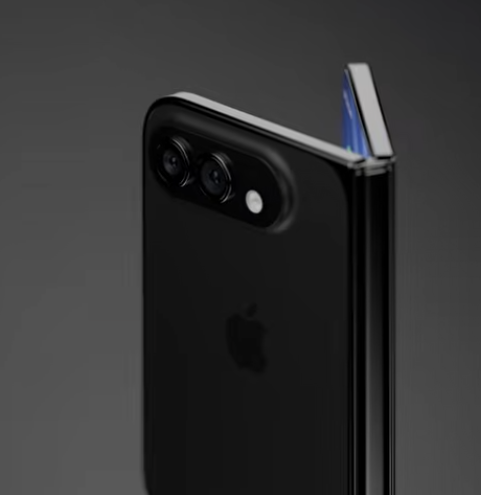
Apple’s long-awaited first foldable iPhone, widely referred to in rumors as the iPhone Fold, appears on track for a 2026 debut, with supply chain reports and analyst predictions pointing to a September announcement alongside premium iPhone 18 models and possible shipments starting in late 2026 or early 2027.

The device would mark Apple’s entry into the foldable smartphone category dominated by Samsung’s Galaxy Z Fold series, bringing the company’s signature focus on premium design, software optimization and durability to a form factor that has so far struggled with visible creases, hinge reliability and high prices.
Here are the five most persistent and credible rumors circulating as of early April 2026:
- 2026 Launch Timeline with Possible December Shipments Multiple analysts, including Ming-Chi Kuo and Mark Gurman, now lean toward an announcement during Apple’s traditional September 2026 event alongside the iPhone 18 Pro and iPhone 18 Pro Max. However, actual customer availability could slip to December 2026 or even early 2027 due to the complexity of foldable production. Some reports suggest Apple may prioritize the foldable over the standard iPhone 18, pushing the base model to spring 2027 to focus resources on higher-margin premium devices. Mass production is reportedly ramping up or scheduled for mid-to-late 2026, with initial volumes potentially limited.
- Premium Pricing Starting Above $2,000 The foldable iPhone is expected to carry a significantly higher price tag than even the current iPhone 16 Pro Max. Estimates range from roughly $2,000 to $2,900 depending on storage configuration, with base models around $2,320 for 256GB, $2,610 for 512GB and up to $2,900 for 1TB. This premium positioning reflects Apple’s anticipated use of advanced materials, a sophisticated hinge and cutting-edge display technology. Analysts believe the device will target early adopters and professionals who value the larger screen real estate for productivity, media consumption and multitasking.
- Book-Style Design with Minimal or Near-Crease-Free Display Rumors consistently describe a book-style foldable rather than a clamshell flip design. When closed, the device is expected to feature an approximately 5.3- to 5.5-inch outer display with a wider, somewhat squat aspect ratio. When unfolded, it opens to a 7.6- to 7.8-inch inner display approaching the size of an iPad mini but with a more tablet-like 4:3 or similar aspect ratio optimized for landscape use. Apple is said to have made significant progress on minimizing the crease, with some leaks claiming the fold will be only about one-quarter as deep as current Samsung Galaxy Fold models or nearly invisible thanks to new display lamination techniques and a specialized hinge. The overall thickness when closed is rumored around 9mm, unfolding to roughly 4.5mm per side — potentially making it one of the thinnest foldables on the market.
- Advanced Hinge, Titanium Chassis and Unique Apple-First Features To achieve durability and a shallow crease, Apple is reportedly incorporating liquid metal components or a high-quality dispersion-plate hinge mechanism, paired with a titanium frame for strength without excessive weight. The design may include a hole-punch front camera cutout on the inner display (a first for Apple in this context) and a unique camera layout on the back, possibly limited to two rear cameras rather than the triple setup on Pro models. Some leaks suggest the absence of Face ID in favor of Touch ID integrated into the power button or another location, along with a larger-than-ever battery to power the dual-screen experience. The device is also expected to feature the new A20 Pro chip built on TSMC’s 2nm process for improved efficiency and performance.
- Limited Initial Production and Strategic Positioning Supply chain sources indicate Apple is taking a cautious approach with initial production volumes, possibly starting with engineering validation test units and scaling up gradually. The foldable is viewed internally as a catalyst for a major upgrade cycle, with Apple reportedly telling suppliers to prepare for higher overall iPhone 18 series orders driven by excitement around the new form factor. While a second, possibly more affordable or refined foldable model could follow in 2027 or 2028, the 2026 version is positioned as a flagship ultra-premium offering rather than a mass-market product. Software support in iOS 27 is expected to include significant optimizations for the larger inner display, multitasking enhancements and continuity features that leverage the foldable’s unique capabilities.
These rumors paint a picture of a device that prioritizes refinement over rushing to market. Apple has reportedly been working on foldable technology for years, patenting various hinge and display solutions while studying competitor offerings and consumer feedback from existing foldables. The company’s emphasis on crease reduction, build quality and seamless software integration could help it differentiate in a category where durability complaints and high prices have limited mainstream adoption.
Analysts remain divided on exact timing and sales potential. Some project modest initial shipments of several million units in the first year, while others believe strong demand could drive higher volumes if the crease issue is truly minimized and the user experience feels distinctly Apple-like. The foldable’s success may also influence future iPad designs and even MacBook concepts, extending the technology across Apple’s portfolio.
For now, Apple has offered no official confirmation or comment on a foldable iPhone, maintaining its usual secrecy. The steady flow of supply chain leaks and analyst reports, however, suggests development is well advanced and the project remains on track for 2026.
Consumers eager for a foldable iPhone will likely need to exercise patience. If the device does launch late in 2026 with shipments slipping into 2027, it could still represent one of the most significant iPhone redesigns in years — shifting the device from a pocket-sized communicator to a more versatile mini-tablet/phone hybrid.
Whether the rumored specs translate into reality remains to be seen, but the anticipation underscores Apple’s continued ability to build excitement around even unannounced products. As the company prepares its 2026 lineup, the foldable iPhone stands out as the most intriguing wildcard that could reshape how people use smartphones in the years ahead.

Shares of Sky Quarry Inc. (NASDAQ: SKYQ) exploded more than 94% in early trading Thursday, climbing from a previous close near $2.53 to $4.93 as investors reacted to a fresh company statement highlighting the strategic importance of its Nevada refinery amid surging Brent crude prices above $110 per barrel and shrinking West Coast refining capacity.

The dramatic move came shortly after the open on April 2, 2026, with shares briefly trading as high as $5.60 in pre-market activity before settling around the $4.93 level. Trading volume surged well above recent averages as the small-cap energy and waste-recycling company captured attention in a market already jittery over Middle East tensions and energy supply risks.
Sky Quarry, an integrated energy solutions provider focused on recycling waste asphalt shingles and operating a 5,000-barrel-per-day refinery in Nevada, issued an update emphasizing how its Foreland Refinery gains value as traditional refining capacity on the West Coast declines. The company noted that the planned offline event at the Benicia refinery in California, combined with other regional shutdowns removing roughly 290,000 barrels per day of capacity, positions its Nevada facility as a critical local supplier for diesel, paving asphalt and other petroleum products.
“Sky Quarry’s Nevada refinery is uniquely positioned to serve constrained western fuel markets,” the company stated in the release. Recent system upgrades have improved reliability, uptime and throughput, enhancing its ability to process sustainable feedstocks and support Nevada industries amid shifting supply dynamics.
The stock’s sharp rise follows a turbulent period for the micro-cap issuer. In March 2026, Sky Quarry implemented a 1-for-8 reverse stock split to regain compliance with Nasdaq’s $1.00 minimum bid price rule after receiving a delisting notice. The split became effective March 15, and the company confirmed on March 30 that it had regained compliance after maintaining the required bid price for 10 consecutive days. A subsequent clarification on the new CUSIP number helped stabilize trading.
Sky Quarry operates as both an oil production and refining company while pursuing environmental remediation through proprietary technology that recycles waste asphalt shingles into usable oil and construction materials. Its business model aims to reduce landfill waste, lower emissions and create a closed-loop system for asphalt-related materials. The company also holds bitumen leases in Utah’s PR Spring region.
Analysts and market observers noted that the surge appears driven primarily by momentum trading and heightened visibility from the oil price spike rather than fundamental changes in the company’s financial position. Sky Quarry remains a small operation with limited production scale compared to major energy firms, and it has reported ongoing challenges with profitability and cash flow.
The company’s Q4 2025 earnings, released March 31, provided limited new catalysts, but the timing of the refinery update coinciding with Brent crude topping $110 — fueled by geopolitical developments in the Iran conflict — created a favorable narrative for speculative energy plays. West Coast refinery closures have tightened regional supply, potentially benefiting smaller, strategically located facilities like Sky Quarry’s Foreland Refinery.
Investors have shown renewed interest in micro-cap energy and recycling names amid volatility in traditional oil markets. However, shares of SKYQ have experienced extreme swings in recent months, trading in a 52-week range that reflects both the reverse split adjustment and earlier speculative enthusiasm.
Company officials have highlighted ongoing operational improvements at the refinery, including upgrades completed earlier in 2026 that boosted capacity and efficiency. Sky Quarry has also explored partnerships for power generation assets and waste-to-energy initiatives in Utah, though progress on broader national expansion remains in early stages.
The stock’s volatility underscores the risks associated with small-cap energy companies. Sky Quarry has a limited operating history, modest employee base and faces typical challenges of scaling refining and recycling operations in a competitive industry. Past announcements regarding board changes, financing arrangements and strategic reviews have contributed to price fluctuations.
Market participants cautioned that the 94% intraday gain could prove short-lived without sustained positive news or improved fundamentals. Many micro-cap stocks experiencing triple-digit percentage moves on low absolute share prices often see rapid profit-taking.
Sky Quarry has pursued a multi-pronged strategy that includes traditional oil refining, asphalt shingle recycling and potential real-world asset tokenization initiatives explored in partnership with other firms. While these efforts align with broader sustainability trends, execution risks remain high for a company with a market capitalization still in the low tens of millions even after the surge.
Broader market context added fuel to the move. With oil prices elevated due to supply concerns tied to the Middle East situation, even small players in the energy value chain attracted speculative interest. However, analysts emphasized that Sky Quarry’s actual production volumes and financial metrics do not yet position it as a major beneficiary of sustained high oil prices.
The company’s leadership has focused on operational excellence, recently completing high-impact system upgrades at the Foreland Refinery. These efforts aim to increase reliability and prepare the facility for potential demand growth as larger regional refineries face closures or reduced output.
For retail investors drawn to the dramatic percentage gain, trading experts recommended caution. Low-float stocks like SKYQ can experience exaggerated moves on modest buying volume, but reversals can be equally sharp. The stock has a history of significant intraday and multi-day swings.
As of midday trading on April 2, the surge had pushed Sky Quarry well above recent trading ranges, though it remained far below peaks seen earlier in its post-split adjusted history. The company continues to trade on the Nasdaq Capital Market after successfully addressing the delisting threat.
Sky Quarry did not immediately respond to requests for additional comment on the stock movement or refinery operations. Its most recent public filings and press releases continue to stress a long-term vision of sustainable energy solutions through waste recycling and localized refining.
Investors monitoring the name should watch for any follow-up disclosures regarding production volumes, partnership announcements or further refinery performance metrics. In the near term, the combination of high oil prices and the company’s strategic positioning in a supply-constrained region appears to have driven renewed market interest.
The episode serves as a reminder of how quickly micro-cap energy stocks can react to broader commodity trends and company-specific narratives, even as underlying business fundamentals evolve more gradually.

Cayin N8iii Flagship DAP Announced: Tube Design Returns to Take on Astell&Kern, FiiO, and iBasso

Microsoft to invest $10 billion in Japan for AI and cyber defence expansion

Altura Launches Onchain Gold Arbitrage Vault for Retail Users


-

 NewsBeat6 days ago
The Story hosts event on Durham’s historic registers
-

 NewsBeat9 hours ago
Steven Gerrard disagrees with Gary Neville over ‘shock’ Chelsea and Arsenal claim | Football
-

 Sports6 days ago
Sweet Sixteen Game Thread: Tide vs Michigan
-
Entertainment4 days ago
Fans slam 'heartbreaking' Barbie Dream Fest convention debacle with 'cardboard cutout' experience
-
 Entertainment5 days ago
Lana Del Rey Celebrates Her Husband’s 51st Birthday In New Post
-
Crypto World3 days ago
Dems press CFTC, ethics board on prediction-market insider trades
-

 Crypto World1 day ago
Gold Price Prediction: Worst Month in 17 Years fo Save Haven Rock
-

 Tech4 days ago
The Pixel 10a doesn’t have a camera bump, and it’s great
-

 Sports2 days ago
Tallest college basketball player ever, standing at 7-foot-9, entering transfer portal
-

 Tech3 days ago
EE TV is using AI to help you find something to watch
-

 Fashion5 days ago
Amazon Sundays: Soft Spring Layers
-

 Business4 hours ago
No Jackpot Winner and $194 Million Prize Rolls Over
-

 Business1 day ago
Login and Checkout Issues Spark Merchant Frustration
-

 Tech3 days ago
Apple will hide your email address from apps and websites, but not cops
-

 Politics3 days ago
Should Trump Be Scared Strait?
-

 Crypto World3 days ago
U.S. rule change may open trillions in 401(k) funds to crypto
-

 Tech3 days ago
How to back up your iPhone & iPad to your Mac before something goes wrong
-

 Tech3 days ago
Flipsnack and the shift toward motion-first business content with living visuals
-

 Tech4 days ago
Avatar Legends: The Fighting Game comes out in July and it looks pretty slick
-

 Tech5 days ago
Elon Musk’s last co-founder reportedly leaves xAI
You must be logged in to post a comment Login