
Business
General Lanes averaging 5 to 23 Minutes Across Terminals

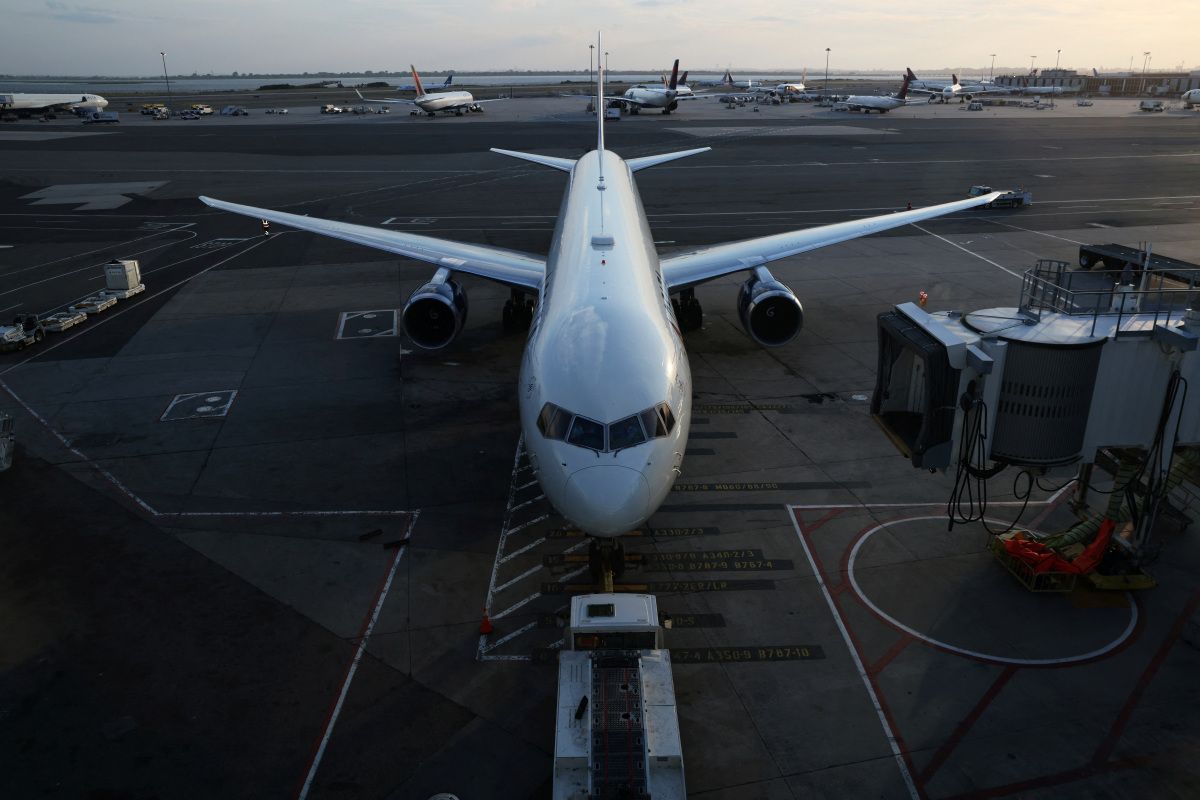
Travelers at John F. Kennedy International Airport faced generally manageable but fluctuating TSA security wait times on Thursday, April 2, 2026, with general lanes averaging 5 to 23 minutes across terminals while TSA PreCheck lines remained much shorter, often under 5 minutes, amid ongoing staffing shortages that continue to affect predictability at one of the nation’s busiest gateways.

The official JFK Airport website reported the following approximate wait times as of midday Thursday: Terminal 1 general 22 minutes and PreCheck 5 minutes; Terminal 4 general 5 minutes and PreCheck 1 minute; Terminal 5 general 14 minutes and PreCheck 4 minutes; Terminal 7 general 23 minutes with PreCheck unavailable or not listed; and Terminal 8 general 19 minutes and PreCheck 5 minutes. Airport officials warned that TSA staffing shortages were causing rapidly changing conditions and that posted times might not reflect real-time queues.
Delta Air Lines’ wait-time tracker showed even shorter averages in some checkpoints, with regular lanes around 7 minutes and PreCheck as low as 1 minute in certain terminals. Independent monitors like Takeoff Timer estimated overall averages of 25-35 minutes during the day, with peaks potentially reaching 30-45 minutes in morning and evening rushes, though current data suggested lighter crowds mid-morning into early afternoon.
JFK, which handled more than 62 million passengers in 2025, operates five main passenger terminals with separate security checkpoints. Terminal 4, the largest international hub serving airlines like Delta, JetBlue and many foreign carriers, often sees higher volumes but showed some of the shortest waits Thursday at just 5 minutes general and 1 minute PreCheck. Terminal 7 and Terminal 1, used heavily by international and domestic carriers, reported longer general lines around 22-23 minutes.
Staffing shortages have plagued TSA operations nationwide, including at major hubs like JFK, leading to inconsistent throughput even on days without major disruptions. Airport staff monitor lines closely, but officials advise passengers to build in extra time. Many travelers reported on social media and forums that actual waits varied significantly depending on the specific checkpoint, time of arrival and random secondary screening.
TSA PreCheck continued to offer substantial time savings for enrolled members, with waits frequently 1-5 minutes across available lanes. CLEAR biometric lanes, available in several terminals, further expedite the process for those who have enrolled in the paid service. Both programs remain popular at JFK, where frequent international and business travelers value the faster screening.
Peak periods at JFK typically occur between 5-9 a.m. and 3-7 p.m., when waits can climb toward 30-45 minutes or more in general lanes. Thursday appeared relatively moderate, with no major flight delays or weather issues reported that would exacerbate crowds. However, earlier in the week, some passengers experienced longer backups, particularly in Terminal 8 and during afternoon rushes.
The airport strongly recommends arriving at least two hours before domestic flights and three hours before international departures to account for check-in, security, baggage and potential gate changes. Those with checked bags or traveling during busy periods should add even more buffer time. Real-time updates are available on the official JFK website (jfkairport.com), the MyTSA mobile app, airline apps and third-party trackers like OnAirParking or Delta’s tools.
JFK’s security setup includes standard TSA screening with the familiar 3-1-1 liquids rule, removal of laptops and large electronics, and shoe removal for most passengers in regular lanes. Prohibited items continue to trigger secondary checks that can slow individual processing even when overall lines move steadily. Families, travelers with disabilities or medical needs can request assistance or dedicated lanes where available.
The airport’s ongoing transition to more efficient processes, including expanded PreCheck enrollment and biometric options, has helped mitigate some delays, but persistent staffing challenges mean conditions can shift quickly. Officials have urged patience and direct communication with airlines for flight-specific advice rather than relying solely on general wait-time postings.
For international arrivals, additional CBP processing adds time after landing, but departure screening remains the primary focus for most queries about “TSA wait times.” Terminal 4, with its modern facilities and high capacity, often handles the heaviest international traffic yet posted some of the shortest security times Thursday.
Travelers shared mixed experiences online. Some praised quick PreCheck lanes and efficient staff, while others noted longer general queues in certain terminals and advised checking multiple sources before heading to the airport. Reddit threads and local news comments highlighted the importance of flexibility, especially for those connecting from other flights or using rideshares and public transit to reach JFK.
Ground transportation to the airport also factors into planning. Traffic on the Van Wyck Expressway and Belt Parkway can add significant time, particularly during rush hours. The AirTrain JFK provides convenient connections between terminals and the Jamaica station for Long Island Rail Road and subway access, but security remains the main variable once inside the terminals.
As spring travel ramps up, JFK continues to serve as a critical international gateway with nonstop flights to hundreds of destinations worldwide. Airlines including JetBlue, Delta, American and many foreign carriers operate extensive schedules, making efficient security flow essential for on-time performance.
TSA and airport leaders emphasize compliance with screening rules to keep lines moving. Forgetting liquids, large electronics or prohibited items remains a common source of individual delays. The MyTSA app’s “What Can I Bring?” tool helps passengers prepare in advance.
While waits on April 2 appeared lighter than some recent peak days — when reports of 45-60 minute or longer lines surfaced — the message from officials remained consistent: build in extra time and monitor updates closely. Staffing shortages mean that even moderate passenger volumes can lead to backups if multiple checkpoints experience simultaneous pressure.
Looking ahead, JFK’s modernization efforts, including terminal improvements and technology upgrades, aim to improve the passenger experience over time. In the near term, however, travelers must navigate the reality of variable security times influenced by daily staffing, flight schedules and external factors.
Passengers with questions can contact their airline directly or use the airport’s guest services. For the most accurate picture on any given day, multiple sources — the official JFK site, airline trackers and crowd-sourced apps — provide the best combined view.
On this Thursday, with moderate waits reported across most terminals and notably short PreCheck lines, many travelers likely experienced smoother security than on busier days. Still, the recurring advisory stands: arrive early, stay informed and prepare for the possibility that conditions could change rapidly.
JFK’s role as a major hub means security efficiency directly impacts thousands of passengers daily. As the airport and TSA work to balance safety with speed, real-time data tools empower travelers to make better-informed decisions about when to head to the terminal.
For those flying out of JFK today or in the coming days, checking wait times shortly before departure remains the smartest strategy. With general lines mostly in the 5-23 minute range and PreCheck often under 5 minutes as of midday, the airport offered relatively reasonable throughput on April 2 despite ongoing staffing pressures.
Safe travels and smooth screening to all departing from one of the world’s busiest international airports.

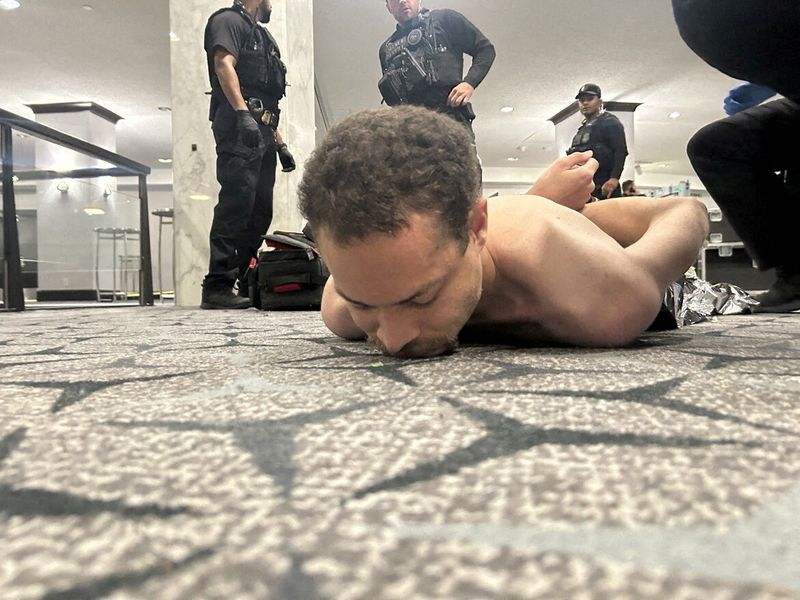

Factbox-Who is Cole Allen, the suspect in the White House Correspondents’ Dinner shooting?
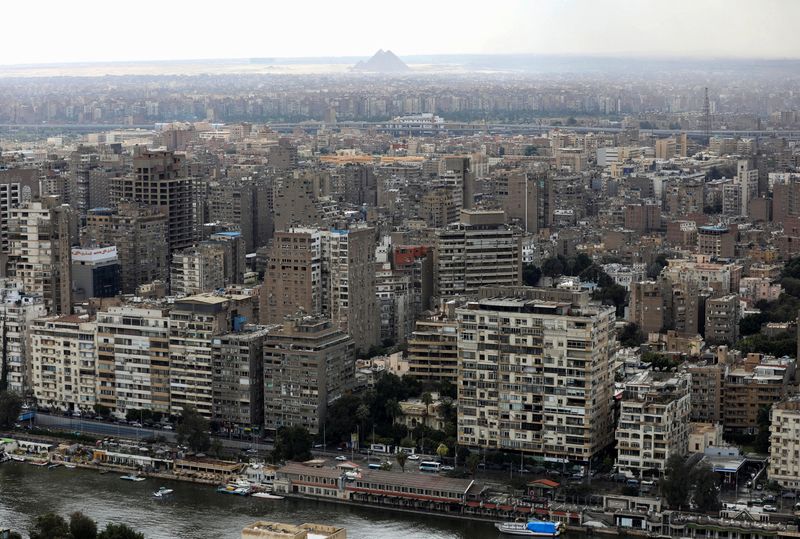

Egypt economic outlook trimmed slightly due to Iran war: Reuters poll
Nomura: IB Could Recover In Ebullient Q1, Macquarie Integration Costs Will Pass

Crown Castle: The 2026 Reset Paves The Way For A Re-Rating

Q2 catalyst: Will World Cup innovation deliver the rebound Nike and Adidas need?
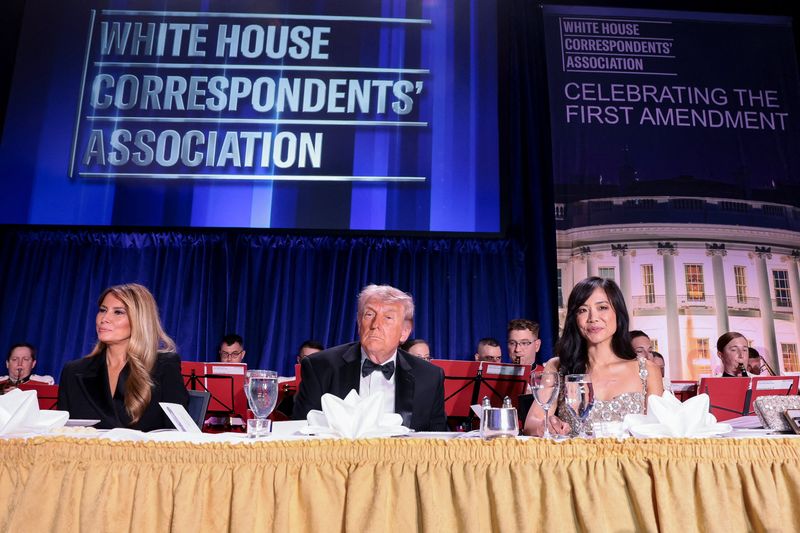

How the shooting at the White House Correspondents’ Dinner unfolded

SAN FRANCISCO — Character.AI faced another wave of user-reported disruptions on Sunday, April 26, 2026, with thousands complaining of slow responses, loading errors, waiting rooms and partial outages even as the official status page showed gradual improvement following Saturday night’s problems. While not a complete global shutdown, the platform’s instability frustrated millions of users who rely on the AI chatbot service for conversations, role-playing and creative interactions.
Downdetector and similar tracking sites registered elevated complaints throughout the day, with peaks in the early morning and afternoon hours. Many users encountered “human verification” loops, extremely slow reply times or complete inability to load chats. The official Character.AI status page listed several components under “Degraded Performance” or “Partial Outage” early Sunday before showing signs of recovery later in the day.
The latest issues follow a pattern of recurring technical difficulties that have intensified in 2026. On April 25, the company posted multiple “Investigating an issue” alerts spanning several hours, affecting chats, voices and character creation. Engineers worked overnight to stabilize systems, but residual problems lingered into Sunday for users in various regions, particularly during peak evening hours in North America and Europe.
Character.AI, which lets users build and chat with customizable AI personas, has grown explosively since its founding. With millions of daily active users, even brief performance dips create widespread frustration. On social media and Reddit’s r/CharacterAI, users vented about lost progress in long role-play sessions, failed voice features and intrusive waiting queues. Some reported switching to competitors like Chai or alternative platforms while waiting for resolution.
Company updates have been limited. Past incidents were attributed to rapid user growth overwhelming servers and challenges scaling large language model infrastructure. No official post-mortem has been released for the April 25-26 events, though the team previously asked for patience while implementing backend optimizations.
The timing adds inconvenience for many. Weekend usage tends to be higher as people seek entertainment or companionship. International users in Asia and Europe reported more severe problems due to time zone differences amplifying load on specific data centers. Some noted that mobile app performance lagged behind the website, while others found temporary relief by clearing cache or using VPNs.
This is not an isolated incident. Character.AI has faced criticism throughout 2026 for frequent outages, content filter changes and perceived decline in response quality. A popular Reddit thread from earlier in the month questioned whether the platform could “make it to the end of 2026,” reflecting growing user fatigue with technical unreliability.
Despite the frustrations, loyalty remains strong among core users who value the platform’s unique personality-driven experience over more generic AI tools. Many expressed hope that recent investments in infrastructure would eventually stabilize service. Premium subscribers, who pay for priority access and faster responses, still encountered issues during peak disruptions, prompting complaints about value.
Parents and educators monitoring younger users’ activity have voiced additional concerns. Outages can interrupt supervised sessions or classroom applications where Character.AI serves as an engaging tool for writing and language practice. Safety features and age restrictions add complexity when service becomes unpredictable.
Industry analysts note that running conversational AI at this scale demands enormous computational resources. Sudden traffic surges, model updates and optimization attempts can trigger cascading problems. Character.AI competes with well-funded players like OpenAI and Anthropic, making reliability a key battleground for user retention.
Workarounds shared by the community during Sunday’s issues included trying incognito mode, switching networks, or waiting 30-60 minutes for queues to clear. Some users turned to open-source alternatives or other chatbot apps as temporary substitutes. Official support channels encouraged reporting specific errors while directing users to the status page for real-time updates.
As of late Sunday afternoon, many regions reported improved performance, though scattered complaints continued. The company has not announced any scheduled maintenance that would explain the problems. Users are advised to check status.character.ai directly and avoid assuming local connection issues when widespread reports appear.
The repeated disruptions highlight broader challenges in the consumer AI sector. As demand for interactive, always-available chatbots grows, platforms must balance innovation with rock-solid uptime. Character.AI’s passionate community continues to advocate for the service while pushing for more transparent communication during outages.
For now, the platform appears to be stabilizing after the weekend turbulence. Those still experiencing problems should try basic troubleshooting steps or monitor official channels. Character.AI remains one of the most popular AI conversation tools despite its technical hiccups, a testament to the appeal of its customizable characters.
The coming days will reveal whether this latest wave marks the end of the recent instability or another chapter in ongoing reliability struggles. Users worldwide hope for smoother sailing as the platform matures in a highly competitive market.
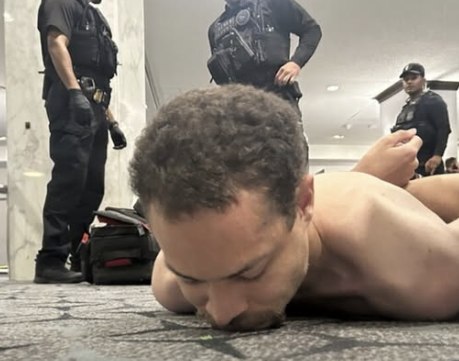
WASHINGTON — Cole Tomas Allen, the 31-year-old California teacher identified as the suspect in Saturday night’s shooting at the White House Correspondents’ Association Dinner, has emerged as a central figure in the latest apparent assassination attempt on President Donald Trump. Authorities describe him as a lone actor who allegedly bypassed security at the Washington Hilton and opened fire near the main ballroom.

Here are five essential things to know about Cole Allen as the investigation unfolds:
1. Background as a California Educator Allen worked as a teacher and tutor in the Torrance area of Los Angeles County. Local records show he was recognized as “Teacher of the Month” by a tutoring company in late 2024. He earned a Master of Science in Computer Science from California State University, Dominguez Hills in 2025. Colleagues described him as quiet and unremarkable, with no obvious red flags in his professional life. Investigators are examining whether his education background or interactions with students played any role in his radicalization or motives.
2. Weapons and Tactical Approach Allen arrived at the Hilton carrying a legally purchased shotgun, a handgun and multiple knives. He allegedly charged a magnetometer checkpoint outside the ballroom after initial screening, exchanging gunfire with Secret Service agents. One agent was struck but protected by body armor. The tactical nature of his approach — blending legal firearms with close-quarters aggression — has raised questions about planning and possible reconnaissance of the event.
3. Motive Still Under Investigation As of Sunday, no manifesto or clear ideological statement has surfaced. The FBI is combing through Allen’s digital devices, social media history and California residence for clues. Preliminary assessments suggest he acted alone with no immediate ties to known terrorist groups. Authorities are exploring personal grievances, political extremism or mental health factors. Trump described him as a “lone wolf whack job” in public remarks.
4. Registered Guest at the Event Surprisingly, Allen was a registered attendee at the Correspondents’ Dinner. This detail has intensified scrutiny of guest vetting procedures for the high-profile gathering. How a California resident obtained credentials and brought weapons into proximity of the president remains a focal point of the Secret Service after-action review. His presence as a legitimate guest may have helped him navigate outer layers of security.
5. Rapid Arrest and Ongoing Probe Secret Service and local law enforcement took Allen into custody quickly after the gunfire. He was hospitalized for evaluation but not shot. Federal charges including assault on a federal officer and use of a firearm in a crime of violence are expected Monday. The FBI’s Joint Terrorism Task Force has joined the case, with digital forensics and background checks continuing. No other suspects are being sought.
The incident occurred around 8:30 p.m. Saturday as the glitzy dinner — featuring celebrities, journalists and Trump’s first attendance as sitting president — was in full swing. Gunshots prompted immediate chaos, with Secret Service agents evacuating Trump, First Lady Melania Trump and other protectees. No guests or staff were injured, though the psychological impact on attendees has been significant.
Allen’s California roots have drawn intense media attention to Torrance, a suburban community south of Los Angeles. Neighbors expressed shock, describing him as a reserved individual who kept to himself. Former students and tutoring clients recalled him as competent but not particularly memorable. No prior criminal record has surfaced publicly.
The choice of the Correspondents’ Dinner as a target carries symbolic weight. Trump has long criticized the event and the media in general. His decision to attend this year marked a notable shift, possibly contributing to elevated security risks. The breach has prompted immediate calls for reform in how large Washington events screen guests and manage threats.
Law enforcement sources emphasize that while Allen appears to have acted alone, the full scope of any planning or external influences is still being determined. Travel records, financial transactions and communications are under review. His computer science education may have aided in any digital planning or evasion attempts.
Politically, the attempt has unified condemnation of violence across party lines while reigniting debates over security, mental health and the toxic tone of national discourse. Republicans highlighted the dangers Trump faces, while Democrats stressed the need to avoid politicizing the tragedy before facts are complete.
For the Secret Service, this marks another high-profile test following previous incidents in 2024 and 2025. Director praised agents’ response but acknowledged gaps that allowed Allen proximity to the venue. A comprehensive review will examine credentialing, perimeter security and intelligence sharing.
Allen’s hospitalization allows time for medical and psychiatric evaluation, standard in such cases. Arraignment is anticipated in federal court early this week. Prosecutors are building a strong case with video evidence from multiple angles and eyewitness accounts from agents and guests.
The broader implications extend to public events nationwide. Organizers of similar high-visibility gatherings are reassessing protocols, while the incident underscores persistent challenges in protecting leaders in an era of easy access to information and weapons.
Community leaders in Torrance have urged calm and cooperation with investigators. Schools and tutoring centers where Allen worked are reviewing their own records and offering support to staff and students affected by the news.
As details emerge, Cole Allen’s profile remains that of an ordinary educator who allegedly crossed into extraordinary violence. Whether deeper motives or personal crises drove him may take weeks to fully uncover. For now, the nation processes another close call in America’s polarized political landscape.
The White House Correspondents’ Association expressed relief at the outcome and commitment to continuing its mission. Future events will likely feature enhanced measures without sacrificing the dinner’s tradition of bringing together media, politics and entertainment.
Trump’s team indicated he will proceed with his schedule under heightened protection. The president used the moment to reiterate themes of strength and resilience that have defined his public persona.
This developing story continues to evolve rapidly. Additional updates on Allen’s background, court proceedings and the full investigation are expected in the coming days.
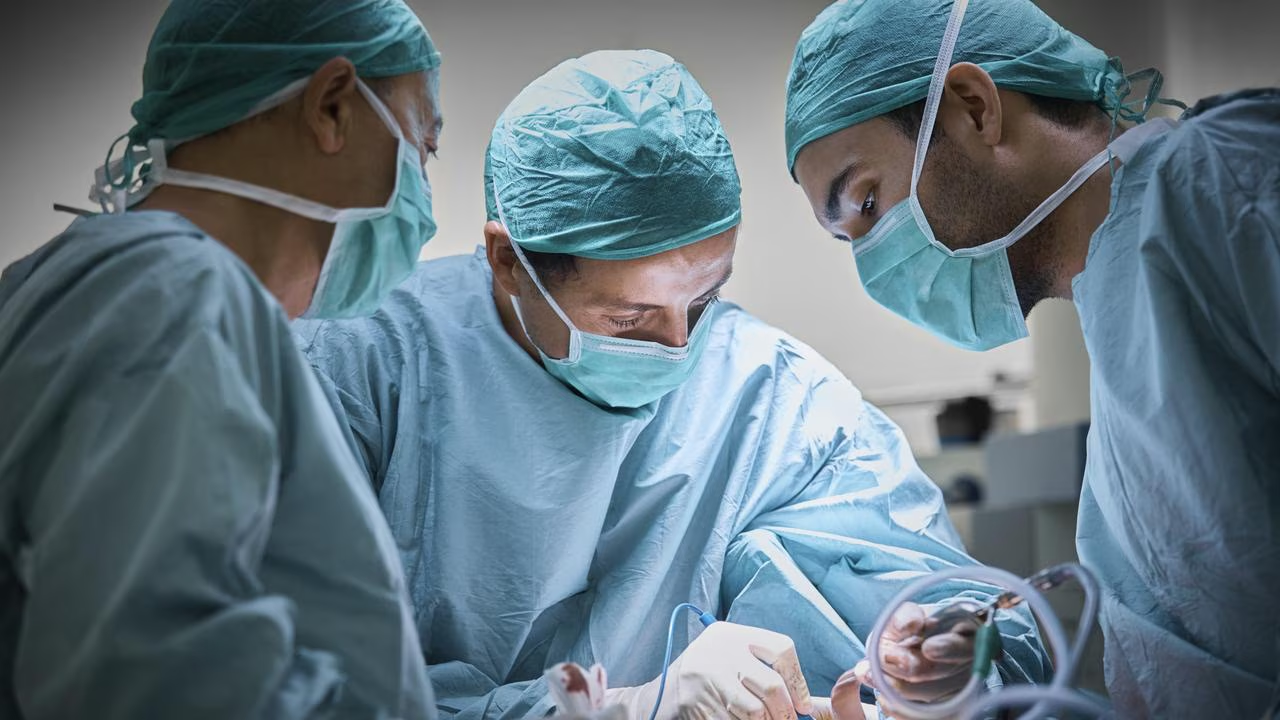
The journey to sex reassignment surgery in Thailand involves navigating the path, facing struggles, and thorough preparation for trans women seeking bottom surgery.
The Journey to Thailand for Surgery
Embarking on the path to sex reassignment surgery in Thailand required careful planning and determination. Known for its skilled surgeons and quality medical facilities, Thailand became my choice for this life-changing procedure. Researching various clinics and consulting with former patients helped me make an informed decision, ensuring I was in capable hands.
Navigating the Challenges
The process was fraught with emotional and logistical challenges. Before surgery, undergoing psychological assessments and hormone therapy was necessary. Each step required patience and perseverance as I navigated complex medical and legal protocols. Support from friends and family proved invaluable during this time, offering reassurance and understanding.
Preparing for a New Beginning
Preparation was crucial, not only physically but emotionally. I engaged in counseling sessions and built a support network to help with the transition. Post-surgery, the recovery period tested my resilience, but with professional care and guidance, I began embracing my true self. This journey culminated in a deep sense of fulfillment and authenticity.
My Experience of Sex Reassignment Surgery in Thailand
Undergoing sex reassignment surgery in Thailand was a transformative chapter in my life as a trans woman. Renowned for its expertise and compassionate care, Thailand provided a supportive environment from consultation to recovery. The journey began with meticulous research and consultations, ensuring that I chose a reputable clinic and skilled surgeon. Navigating language barriers and understanding cultural nuances were initial challenges, but the warm hospitality eased my transition.
Preparation involved extensive medical assessments, psychological evaluations, and living authentically as a woman for over a year, as per WPATH standards. Financially, it required saving diligently and sourcing insurance support. The emotional struggles included anxiety and anticipation, but the unwavering support from my loved ones was invaluable. Ultimately, the surgery was not just a physical transformation but a profound alignment with my true self, bringing a sense of peace and authenticity.
Other People are Reading
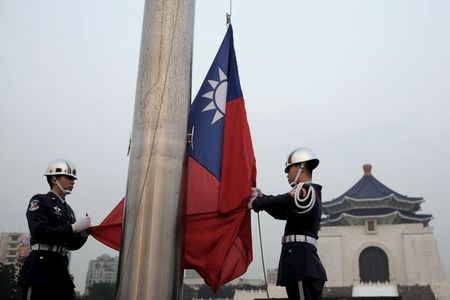
Taiwan defiant as diplomatic mission overcomes airspace blockade

HBO Max’s 7-Part Crime Thriller Is Officially One of Its Best Shows To Binge

Geegees Mistruth clinches 2026 Robert Sangster Stakes in photo finish

5 Clever Finds To Make Oil Changes Easier And Mess-Free

Manchester United reach agreement with Casemiro over contract clause amid transfer speculation

US brings back mandatory military draft registration

Steven Gerrard disagrees with Gary Neville over ‘shock’ Chelsea and Arsenal claim | Football


-

 Business7 days ago
Powerball Result April 18, 2026: No Jackpot Winner in Powerball Draw: $75 Million Rolls Over
-

 Fashion2 days ago
Weekend Open Thread – Corporette.com
-

 Politics7 days ago
Zack Polanski demands ‘council homes not luxury flats for foreign investors’
-
Entertainment6 days ago
NBA Analyst Charles Barkley Chimes in on Ice Spice McDonald’s Fiasco
-

 Politics5 days ago
Gary Stevenson delivers timely reminder to register to vote as deadline TODAY
-
 Crypto World6 days ago
Bank of Hawai’i (BOH) Q1 2026: Net Income Drops to $57.4M as Net Interest Margin Expands
-
Crypto World11 hours ago
Hyperliquid $HYPE Rally Builds Momentum as AI Sector Enters Prove-It Phase
-

 Politics3 days ago
Making troops accountable for war crimes threatens US alliance, ex-SAS colonel warns
-

 Politics3 days ago
Disabled people challenge government SEND proposals over segregation concerns
-

 Business4 days ago
Rolls-Royce Voted UK’s Most Iconic Trade Mark as IPO Register Hits 150
-

 Politics4 days ago
Zack Polanski responds to home secretary’s taser threat
-

 Politics4 days ago
Starmer handler McSweeney to be dragged from shadows by Foreign Affairs Committee
-
Politics4 days ago
Wings Over Scotland | How To Get Away With Crimes
-
 Crypto World5 days ago
Five Value Stocks with Recovery Potential in 2026: PayPal (PYPL), Nike (NKE), and More
-

 Politics3 days ago
‘Iran is still a nuclear threat’
-

 Crypto World4 days ago
New York sues Coinbase, Gemini over prediction market offerings
-
 Sports3 days ago
Tim Bradley names the current best in the world: “Better than Inoue and Usyk”
-

 Business4 days ago
The Job Benefits Most Men Don’t Know to Negotiate
-

 Politics7 days ago
Reform investigating candidate who ‘hates’ the NHS
-

 Crypto World4 days ago
Crypto’s great hope in Senate’s Clarity Act still has a path to survive tight calendar
You must be logged in to post a comment Login